
Same Automaker, Same V2L Trick, Very Different Bills
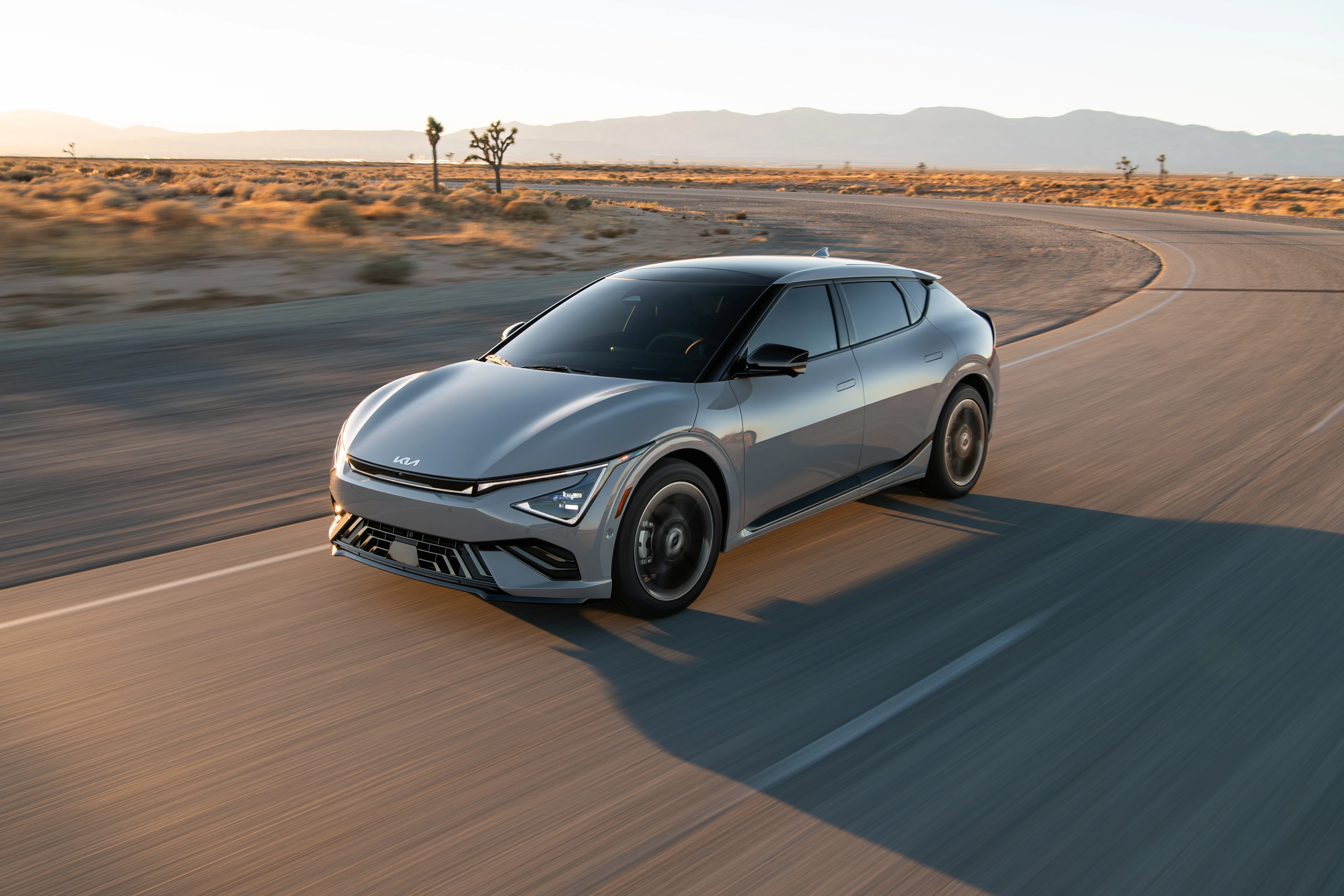
Kia builds two electric vehicles that make sense for car camping, and I get asked to compare them constantly because people assume the answer is simple: bigger is better. It isn't that clean. The EV6 is a compact crossover on a roughly 2,900mm wheelbase that starts at $42,900. The EV9 is a three-row SUV over 5,000mm long on a 3,100mm wheelbase, and it starts at $54,900. Both ride on Kia's 800V E-GMP platform, both charge fast on a DC fast charger, and both come standard with Vehicle-to-Load (V2L) power you can run a fridge or a fan off of at the campsite. What they don't share is size, weight, or price, and that gap is the whole story here.
This isn't a "which one wins" shootout. It's a tier question: how much EV camper do you actually need, and where does the extra size of the EV9 stop paying for itself? I'll walk the ladder from the cheaper crossover up to the bigger SUV, tier by tier, so you can figure out which rung you're actually standing on before you sign a loan.
What the EV6 Gives You for Less
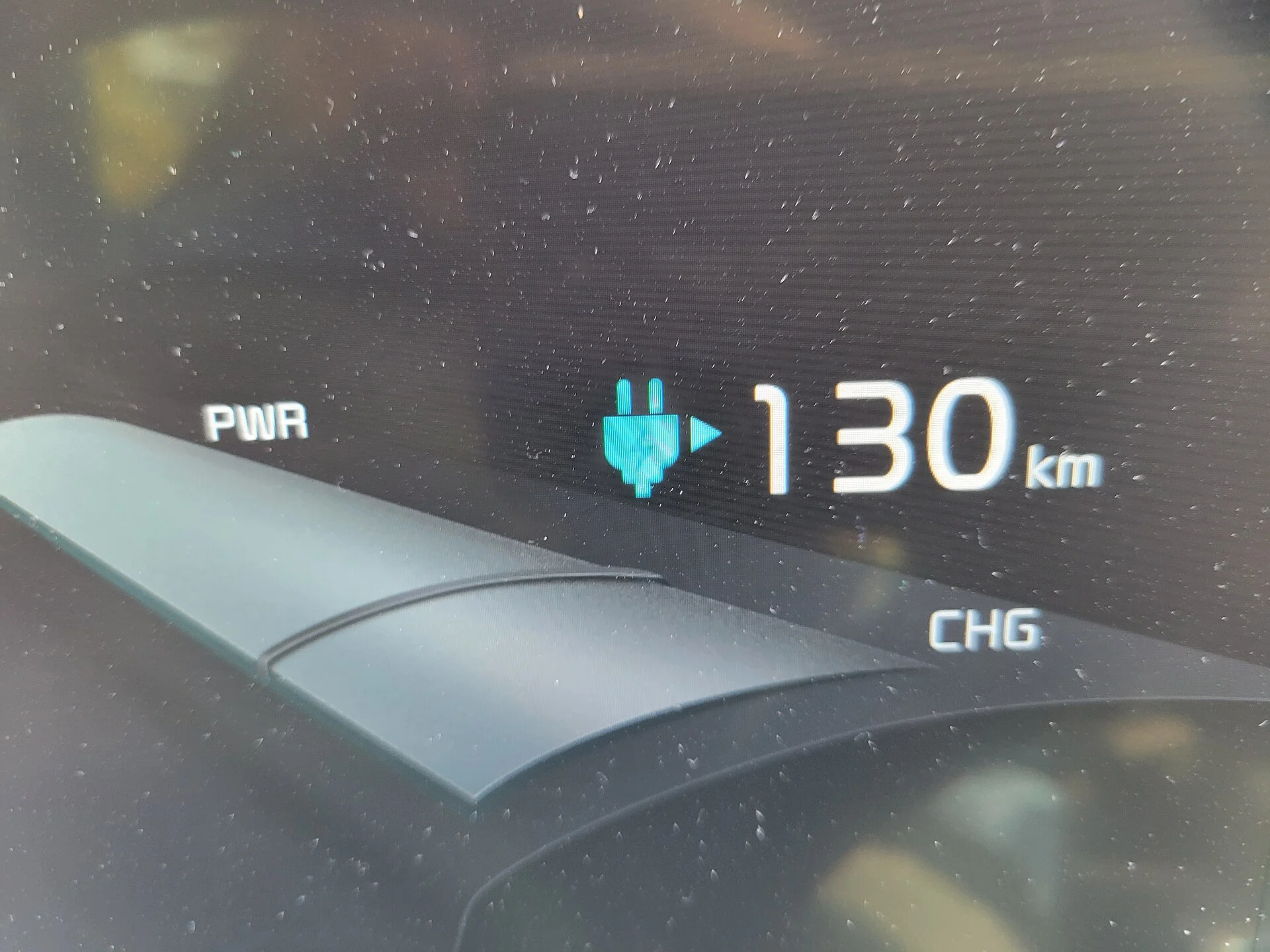
Start with the smaller, cheaper tier, because most solo and couple campers should start there and stop there. The 2025 EV6 starts at $42,900 for a US-built, NACS-native model, and it's the more efficient of the two Kias by a wide margin — smaller frontal area, less weight, less battery needed to cover the same miles. For a weekend camper who's driving to a trailhead and back, that efficiency shows up as fewer charging stops and a lower electricity bill per mile.
- Price: $42,900 starting MSRP, well under the EV9's floor.
- Cargo: 24.4 cubic feet behind the rear seats, up to roughly 50.2 cubic feet with the 60/40 second row folded.
- V2L: 3.6 kW output, same as the EV9, through the interior outlet under the rear seat or an exterior adapter.
- Range: up to roughly 319 EPA miles on the Long Range RWD trim.
The limits show up fast once you need more than a two-person setup. Two rows means no fold-flat option for hauling gear and passengers at the same time, the tow rating tops out at 2,300 pounds, and the cargo floor is short enough that a full-size adult sleeping straight isn't happening without getting creative about where the front seats go.
What the Extra Size and Money of the EV9 Buys
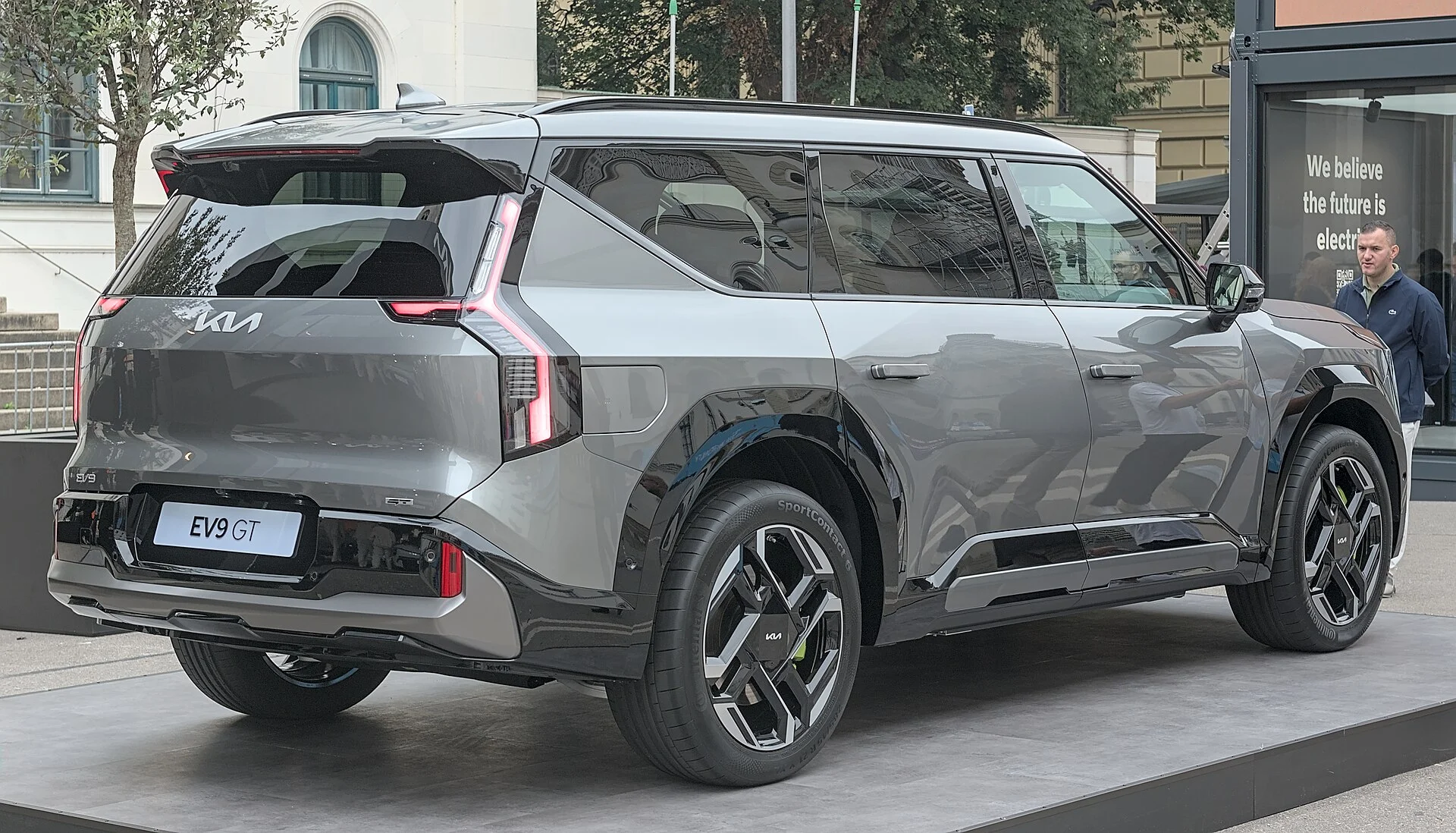
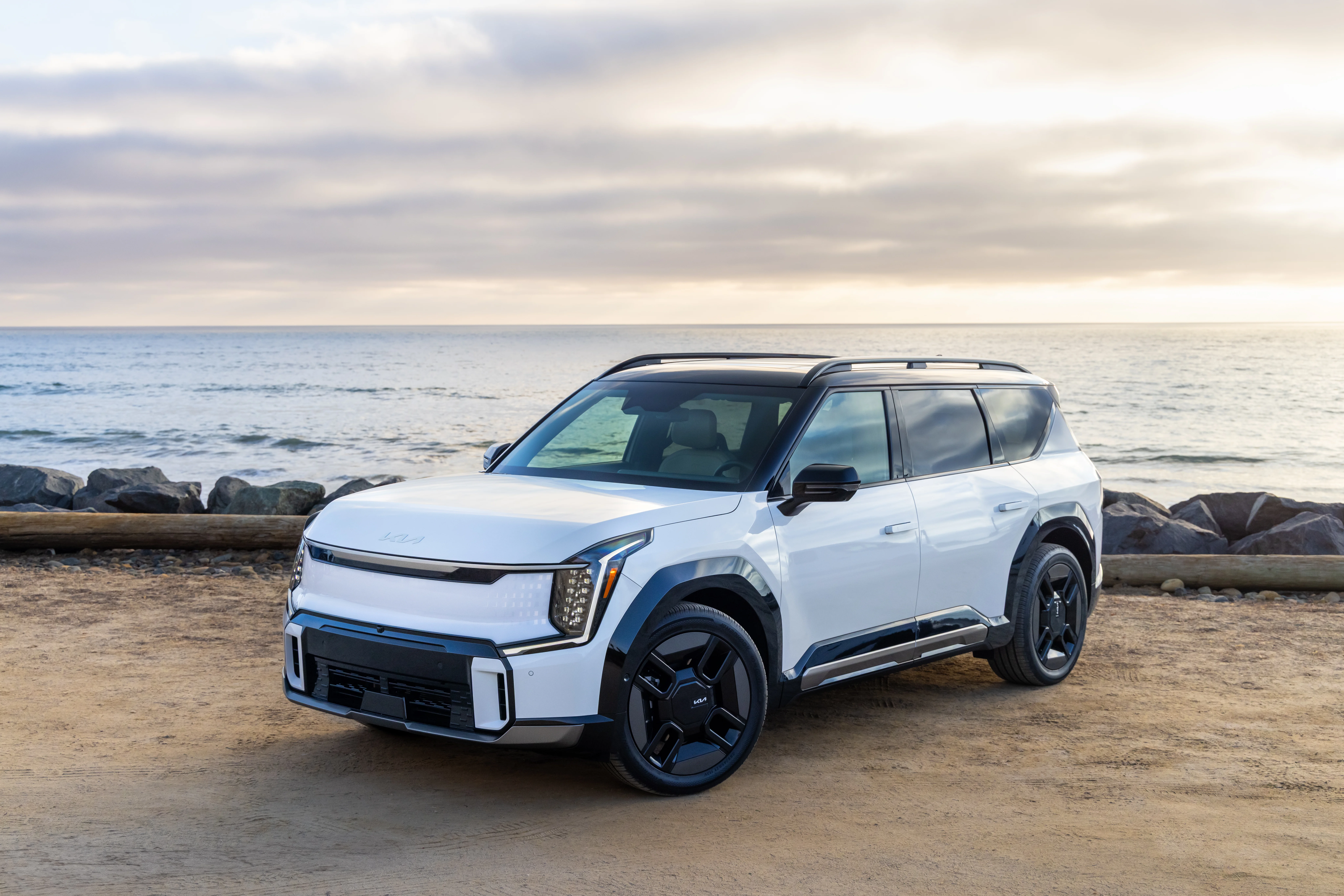
Step up a tier and the EV9 buys you a genuinely different vehicle, not just a bigger badge. It's a three-row SUV, seating six or seven depending on whether you get captain's chairs or a bench in row two, and it's built to carry a family's worth of gear along with the people. Kia's own published cargo numbers: 20.2 cubic feet behind the third row with everyone seated, 43.5 cubic feet with the third row folded, and 81.7 cubic feet with both rear rows down. There's also a small frunk under the hood — 3.2 cubic feet on rear-wheel-drive models, 1.8 cubic feet on AWD trims where the front motor eats into the space — useful for stashing charging cables or dirty boots away from the main cargo bay.
The base Light trim starts at $54,900 with a 76.1-kWh battery good for 230 EPA miles; the Long Range version steps up to a 99.8-kWh pack and 304 miles. AWD Wind and Land trims land around 280 miles, and the Land trim adds an exterior V2L plug built into the vehicle instead of relying only on the interior outlet. Tow rating jumps to 5,000 pounds — more than double the EV6 — which matters if a small trailer or a stack of bikes and boards is part of the trip.
None of that is free. You're carrying more weight, paying roughly $12,000 more at the base trim, and giving up some of the EV6's efficiency in exchange for the extra rows and cargo room.
Computed runtime: how long each capacity this page states lasts against each draw it states. Nothing here is a spec-sheet import — it is arithmetic on figures this page already states (99.8-kWh, 76.1-kWh, 3.6 kW, 350 kW). The formula is the plain one: hours = watt-hours ÷ watts. No conversion-loss derating is applied, because this page states none — real-world output will be lower than the division.
| What the page states | Capacity | at 3.6 kW | at 350 kW |
|---|---|---|---|
| the Long Range version steps up to a 99.8-kWh pack and 304 miles | 99.8-kWh | 27.7 h | 0.3 h |
| The base Light trim starts at $54,900 with a 76.1-kWh battery good for 230 EPA miles… | 76.1-kWh | 21.1 h | 0.2 h |
Read down the 3.6 kW column, because that is the choice: 99.8-kWh runs 27.7 h where 76.1-kWh runs 21.1 h — at the same draw the larger capacity beats the smaller by 6.6 h. Every column to the right is that same choice at a heavier load, down to 0.2 h at 350 kW.
Where the Jump to the EV9 Is Worth It — and Where It's Just a Heavier, Pricier Box
Here's the value call, broken down by who's actually sleeping in the thing.
If you're camping solo or as a couple with no trailer, the EV9's extra rows and 5,000-pound tow rating are dead weight you're paying interest on every month — buy the EV6 and put the savings into gear.
Solo camper: the EV6 wins outright. You don't need three rows, you don't need 81.7 cubic feet, and the efficiency advantage means more range per charge on the drive out. Spending an extra $12,000 to haul empty seats is the definition of a bad trade.
Couple: still the EV6's tier, unless you're regularly towing a small trailer or hauling enough gear (kayaks, e-bikes, a full basecamp kit) that the EV6's 50-ish cubic feet with seats folded genuinely runs out of room on a normal trip.
Family with kids, or anyone who tows: this is where the EV9 earns its price. Three rows of actual seats, a longer flat floor when you fold them, and more than double the tow rating change what trips are possible in the first place — not just more comfortable, but possible at all with a family of five or six and their gear.
The V2L Trick Both Share
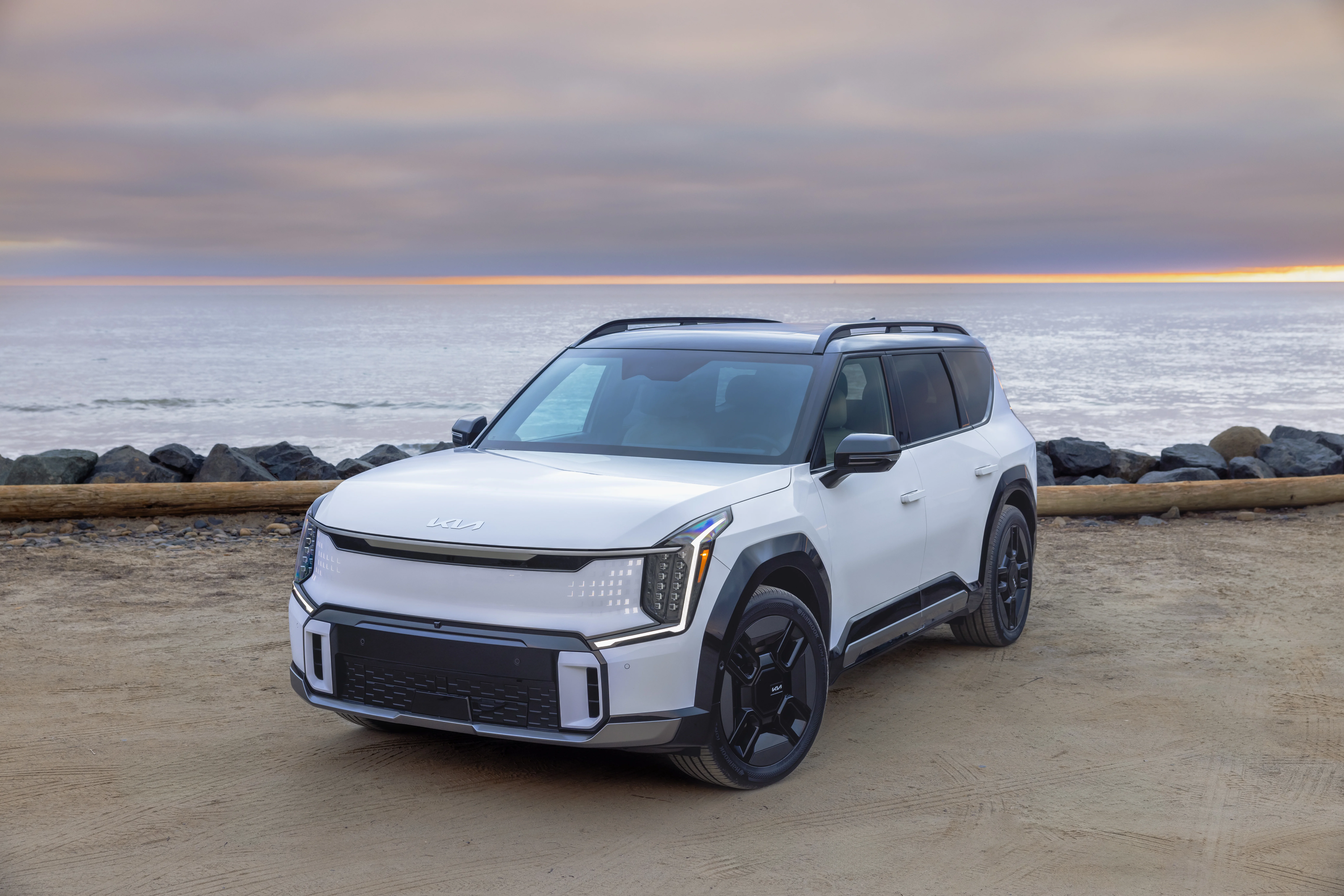
One place these two Kias are dead even: Vehicle-to-Load. Both the EV6 and EV9 put out 3.6 kW through the interior outlet under the rear seat, and both can add an exterior adapter (standard on the EV9 Land trim) to power gear right off the tailgate without running a cord through a window gap. That's enough to run a compressor fridge, string lights, a laptop, and a fan simultaneously without tripping anything.
Since the output is identical on both vehicles, V2L isn't a reason to pick one Kia over the other — it's a reason either one beats a gas SUV for camp power. There's no generator to haul, no gas can rattling around the cargo bay, and no engine noise once the initial hum of the inverter settles. The tradeoff either way is that V2L draws from the same battery that gets you to the next charger, so budget your draw the same way you'd budget fuel in a gas rig — know roughly what your fridge, lights, and any charging gear pull per hour before you plan a multi-night stay off-grid on either vehicle.
For camp power planning, pair whichever Kia you buy with a good read on best portable power station for car camping options if you want a buffer that isn't tied to the car's traction battery, and compare portable fridge vs cooler for car camping before you decide what's actually drawing power off that 3.6 kW outlet. A car camping fan pulls almost nothing off V2L and is one of the cheapest comfort upgrades either vehicle can run.
Climate-Hold Overnight — the EV Edge Over Gas
Both Kias run the same Utility Mode, and it's the single biggest reason I'd point anyone at either EV over a gas SUV for camping. Utility Mode uses the high-voltage traction battery instead of the small 12V battery to run climate control, lights, and infotainment while the vehicle is parked and locked out of Park — no idling engine, no exhaust, no worrying about a dead 12V battery in the morning. You activate it through EV Setting on the infotainment screen and it holds the cabin temperature all night without you touching anything.
Owner reports on the Kia EV forums put moderate-weather overnight draw around 5 to 10 percent of the battery for eight hours of gentle heating or cooling; extreme heat or cold pulls more. The practical rule for either vehicle: start the night above 50 percent state of charge if you're relying on climate hold and you're more than a short drive from the next fast charger. Pair it with basic moisture control — see how to reduce condensation when sleeping in a car — and a 12V heated blanket so you're not leaning on the HVAC the whole night just to stay warm.
Flat-Floor and Sleeping-Length Reality: Crossover vs Three-Row
- EV6: fold the 60/40 second row and you get a usable but short cargo floor. One adult can stretch out; two adults sleeping straight usually means also dropping the front passenger seat forward, and even then it's snug. This is a car for a properly sized pad, not a generic mattress — check car camping mattress size for your vehicle before you buy one that's six inches too long.
- EV9: fold rows two and three and the floor runs long enough for two adults to sleep straight without touching either end, which is the real payoff of the three-row layout for camping — it's not about seating capacity, it's about floor length once nobody's sitting in those seats.
Trim matters here on the EV9. Configurations with second-row captain's chairs fold down to two separate seat backs rather than a single bench, which some owners find leaves a slightly less even surface than the bench-seat layout — check the actual fold geometry on the trim you're pricing rather than assuming every EV9 folds identically. The GT-Line's sportier seat bolstering can also sit a touch higher folded than the Light or Wind trims.
Whichever one you land on, get the floor level first. Neither vehicle's cargo area is perfectly flat out of the box, and a lopsided sleeping surface will wreck a night faster than any temperature swing. Run through how to level your car for sleeping before the first trip, and if you're filling gaps around wheel wells or seat backs, a shaped option from best car air mattress for SUV camping solves it faster than foam blocks cut to size.
Range and Charging on the Way to Camp
The EV6's efficiency edge is real. Long Range RWD trims are EPA-rated up to roughly 319 miles, and the smaller, lighter body means it covers those miles using less energy than the EV9 needs to go the same distance. The EV9 spans 230 to 304 miles depending on battery pack and trim — the base 76.1-kWh Light gets 230, the 99.8-kWh Long Range gets 304, and AWD Wind and Land trims land around 280.
Weight is the reason for the gap, and the fast-charging numbers tell the rest of the story:
- Curb weight: the EV9 runs about 5,093 to 5,886 pounds depending on trim, while the EV6 sits between roughly 3,984 and 4,750 pounds — the EV9 hauls well over a thousand extra pounds before you load a single camp chair, and that weight has to be moved by battery every mile.
- DC fast charging (10-80%, 350 kW): the EV6 does it in about 18 to 20 minutes depending on trim; the EV9 needs closer to 20 to 24 minutes for the same window. Not a huge gap at one stop, but it stacks up across a multi-day trip with several fill-ups between camp spots.
For camping trips that involve forest service roads or high-elevation driving where range drops fast, the EV6's lighter build stretches further on the same battery percentage than the EV9 does — worth factoring in if your camp spots sit well off the highway.
Towing: The Differentiator If You're Pulling a Trailer or Toys
This is the spec that quietly decides the tier question for a lot of buyers. The EV6 is rated to tow up to 2,300 pounds — enough for a small utility trailer or a couple of kayaks on a hitch rack, not much more. The EV9 is rated up to 5,000 pounds, more than double, which puts a teardrop trailer, a small pop-up camper, or a loaded enclosed cargo trailer within reach.
The tow rating is the one spec where the two Kias aren't playing in the same league — 2,300 pounds tows a bike rack's worth of extras, 5,000 pounds tows an actual camper.
Towing an EV also eats into range faster than towing a gas vehicle does, since aerodynamic drag has an outsized effect on efficiency once the battery is doing all the work. Plan on noticeably shorter real-world range than the EPA number on either vehicle when a trailer's hooked up — the EV9's bigger battery buffer gives it more room to absorb that hit before you're hunting for a charger mid-trip, which is another point in its favor if towing is a regular part of your camping routine rather than an occasional trip.
If towing anything beyond a bike rack is part of your camping plan, that alone can justify the EV9's higher price regardless of how much cargo room you actually need inside the vehicle. If you're not towing, the EV6's lower tow rating never becomes a limitation you'll notice.
Price and Trims: What You Actually Pay to Get In
The sticker math breaks down like this:
- Base-to-base gap: about $12,000 — $42,900 for the EV6 versus $54,900 for the EV9.
- Matched-equipment gap: similarly equipped configurations have priced out closer to $56,500 for the EV9 against a comparably featured EV6 in the high $40s.
- Realistic budget gap: $13,000 to $15,000 once you're picking the options that matter for camping, like AWD or the Land trim's exterior V2L outlet.
My rule from the garage: price the EV6 in the trim you'd actually camp with — AWD if you're on dirt roads to the site — before you assume the EV9 costs 'one size up.' The gap can shrink or grow depending on which boxes you check, and it's worth pricing both out fully before deciding the extra size is worth the extra loan payment.
The Wider Kia EV Lineup, If Neither Fits
These two aren't the only Kia EVs worth cross-shopping if you're not sure the EV6-vs-EV9 tier split is right for you. If you want a smaller crossover but aren't sold on the EV6 specifically, see how it stacks up against a close rival in Hyundai Ioniq 5 vs Kia EV6 for camping — same platform family, different personality. And if the EV9's size is right but you want to see how it compares against Kia's smaller van-based option, Kia EV9 vs Kia PV5 for camping covers that trade-off directly.
The point of checking both: the EV6-vs-EV9 decision is really a size-and-budget ladder inside a bigger Kia EV lineup, and the rung you land on should match your actual camping pattern, not just whichever SUV looked biggest on the lot.
Final Pick and Bottom Line
The Kia EV6 is the better car-camping buy for most people. It's $12,000 cheaper, more efficient, carries the same 3.6 kW V2L output and the same climate-hold Utility Mode as its bigger sibling, and it's plenty of vehicle for one or two people sleeping in the back on a leveled, properly sized pad. Most solo and couple campers are paying for capability they'll never use if they jump straight to the EV9.
Step up to the EV9 when the math actually changes — there are exactly three reasons:
- A third row of seats you actually need for passengers.
- A flat sleeping floor long enough for two adults without seat-folding gymnastics.
- A 5,000-pound tow rating for a trailer the EV6 can't pull.
Outside of those three, the EV9 is a heavier, pricier box doing the same camping job the EV6 already does for less.