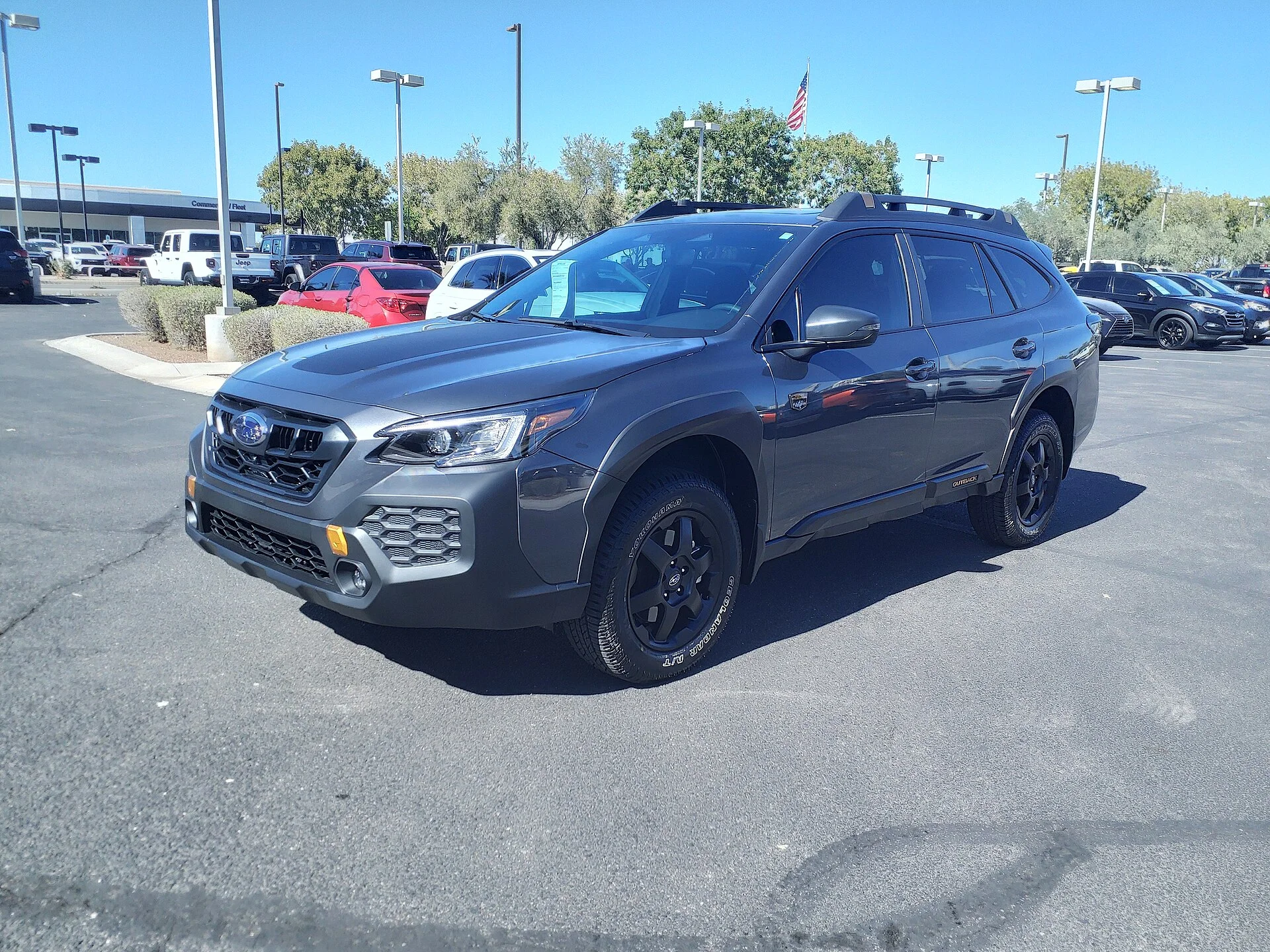
Two Subarus that camp in opposite directions
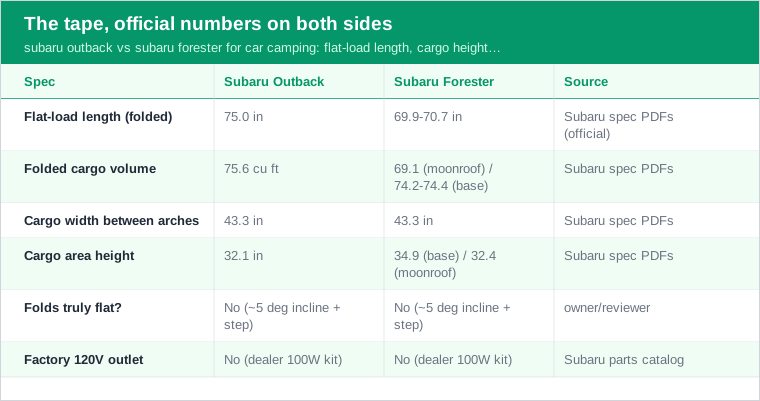
This is the rare comparison where I can put official numbers on both sides of the tape - Subaru is one of the only makers that publishes flat-load length - so there is no hand-waving here. The short version: the Outback stretches you out, the Forester sits you up. The Outback's cargo floor is 75.0 inches long folded; the Forester's is 69.9 to 70.7. The Forester's cargo area is about 34.9 inches tall in base trim; the Outback's is 32.1. Everything about which one to camp in flows from those two numbers pointing in opposite directions.
Both wear the same badge and both are Subaru's answer to 'I want to camp out of my car,' but they solve it differently because they are different shapes. The Outback is a long, low wagon; the Forester is a tall, boxy crossover on nearly the same footprint. In the shop I would ask a customer one question - do you sleep stretched out, or do you live in the back and want to sit up? - and the winner falls out.
What is genuinely a tie will surprise people: the two share an exact 43.3-inch width between the wheel arches, they both fail to fold truly flat, and neither has a real factory power outlet. So this is not a 'better vs worse' fight - it is a 'long vs tall' fight between two well-built cars. Let me walk the tape.
Length: the Outback's win, and it's official
If the vehicle is your bed, length is the number that decides whether you sleep straight or diagonal, and here the Outback wins cleanly on paper Subaru prints itself. Pulled straight from the official spec PDFs: the Outback's maximum cargo length with the seatbacks folded is 75.0 inches; the Forester's is 69.9 inches (5th gen) or 70.7 inches (6th gen). That is a 4- to 5-inch advantage to the Outback, and unlike almost every other vehicle comparison, both figures are manufacturer-official rather than someone's tape measure.
Here is the rule that turns those numbers into a decision: take your height and add three inches for the sleeping bag's loft at your feet. A 5'10" (70-inch) sleeper needs about 73 inches. The Outback's 75.0 clears that with room; the Forester's ~70 does not, which is why taller sleepers angle across it.
So for anyone near or over six feet, or for anyone who just wants to lie flat without thinking about it, the Outback is the stretch-out car - and its full cargo-dimensions breakdown shows how that 75-inch floor lays out. The Forester is fine up to average height and tight above it, which is exactly what its own cargo-dimensions guide lays out. Length is the Outback's, and it is not close.
Height: the Forester's win, and it changes daily life
Now flip the tape, because the Forester's counter is real and it is the number people forget to check. The Forester's cargo area is 34.8 to 34.9 inches tall in base trim, versus the Outback's 32.1 - nearly three inches more vertical room. That is the boxy-crossover payoff: the Forester's tall, upright roofline gives you head and shoulder room the low-slung Outback wagon simply cannot.
Three inches sounds trivial until you live in the back of the vehicle:
- Sitting up to change or cook: the Forester lets a shorter adult sit more upright at the hatch; the Outback has you hunched.
- Gear stacking: more height means a taller storage layer under or beside the sleeping platform.
- Condensation and airflow: more air volume over your face is a small but real comfort on a cold, damp night.
Neither of these is a car you can fully stand or even fully sit upright in - true sit-up headroom over the folded floor is not published for either, and in practice most adults cannot sit fully straight in either one. But within that limit, the Forester's extra ~2.8 inches is the difference between 'workable' and 'cramped' for the person who treats the back as a tiny cabin rather than just a mattress. If you camp by living in the vehicle, height is your number and the Forester owns it.
The moonroof trap that quietly ruins the Forester's numbers
Before you pick the Forester on height, I have to flag the single biggest gotcha in this whole comparison, because it costs real inches and cubic feet: the panoramic moonroof. On the Forester, adding the moonroof drops the cargo area height from ~34.9 inches to 32.4 - basically down to the Outback's level - and cuts folded volume from ~74.2 cubic feet to 69.1. The glass roof eats the exact advantage you were buying.
The cruel part: on the redesigned 2025-and-up Forester, the panoramic moonroof is standard on nearly every trim except the base. So the Forester that beats the Outback on height is specifically the base-trim, no-moonroof car - and most Foresters on a dealer lot are not that car.
This is where I earn my keep as the guy who reads the fine print. If you want the Forester for its sit-up room, you must shop for a moonroof-delete base trim - a 74.4-cubic-foot, 34.9-inch-tall car. Load up the trims and you have quietly bought a heavier, glassier vehicle with the Outback's cargo height and less length. It is a genuinely good camper in base form and a muddled one loaded up, and nobody at the dealership is going to walk you through that tradeoff. Now you know it.
Width and the fold-flat truth: this is where they tie
Here is the part both Subarus share, and it is worth being honest about because the brochures never are. First, width: the two are an exact tie at 43.3 inches between the wheel arches - identical, per both official spec sheets. A twin-size pad (38 to 39 inches) fits either one with room; two adults side by side is a squeeze in both, and both taper narrower toward the tailgate. Width is not a tiebreaker here; it is the same car.
Second, and more important: neither one folds truly flat. Both have folded seatbacks that sit at roughly a 5-degree incline with a step at the seatback-to-floor seam. Owners of both report the same thing - you slide toward the hatch overnight without a fix. That fix is the same for both:
- A leveling platform or foam topper that bridges the seam and cancels the incline - the standard car-camping build for either Subaru.
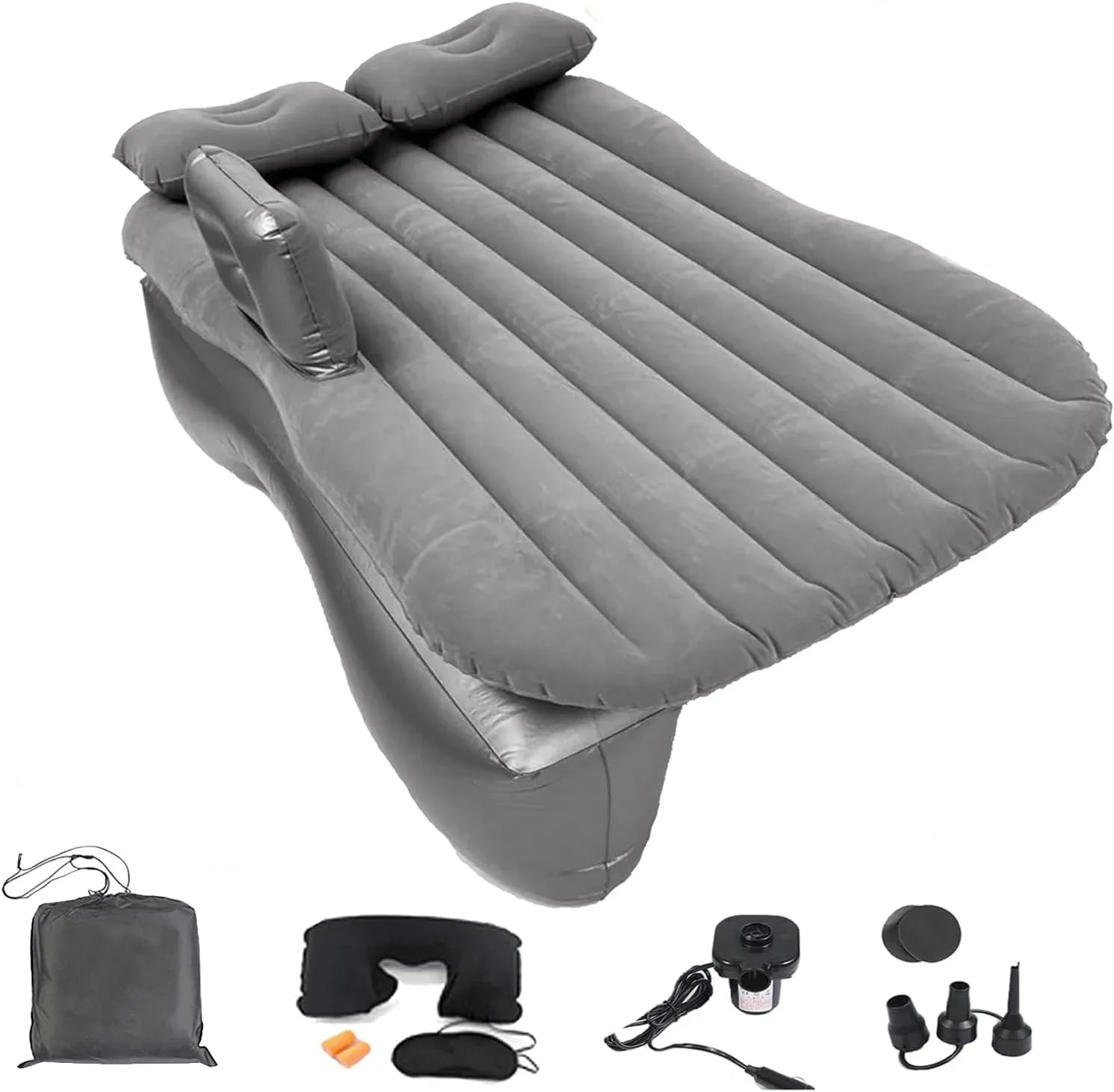
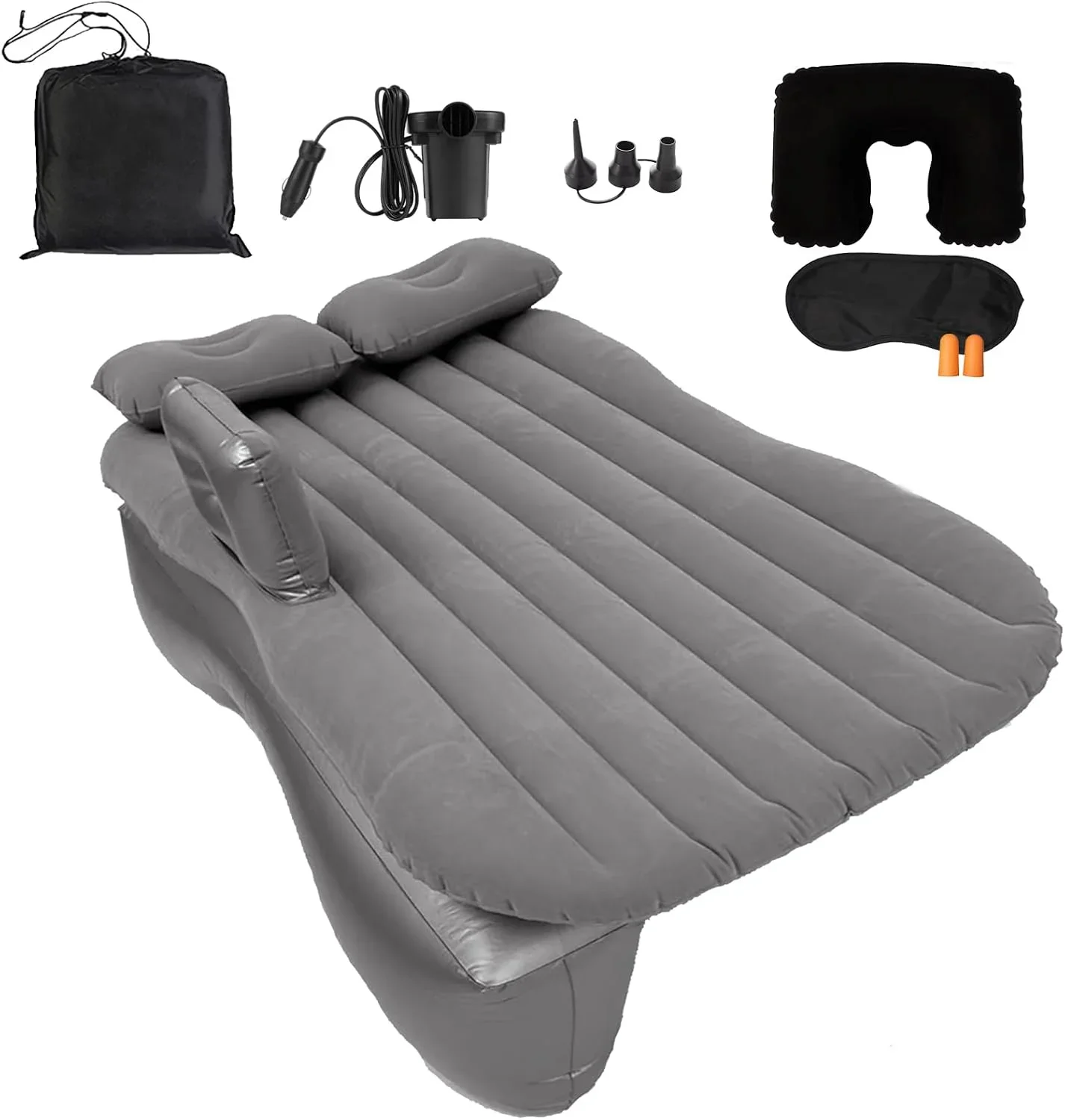
- A thick, quality pad that hides the small step - a back-seat-style kit like the Onirii SUV air mattress levels either floor; our SUV air-mattress guide covers sizing.
- Measuring your own vehicle before you buy anything - the official length is floor length; the flat run before the incline starts is shorter and unpublished on both.
So do not pick between them expecting one to be a factory-flat bed - neither is. Both are platform-build cars, and that shared reality is why the decision comes back to length versus height, not to some fold-flat advantage.
Power: identical, and identically disappointing
If you were hoping one of these Subarus solves your camp-power problem off the lot, I have bad news that applies to both: neither has a real factory 120-volt household outlet. What each offers is standard 12V sockets - dash, console, and (helpfully) a cargo-area outlet - capped at 120 watts, plus a dealer-installed 110V/100-watt accessory outlet that is a phone-charger, not camping power.
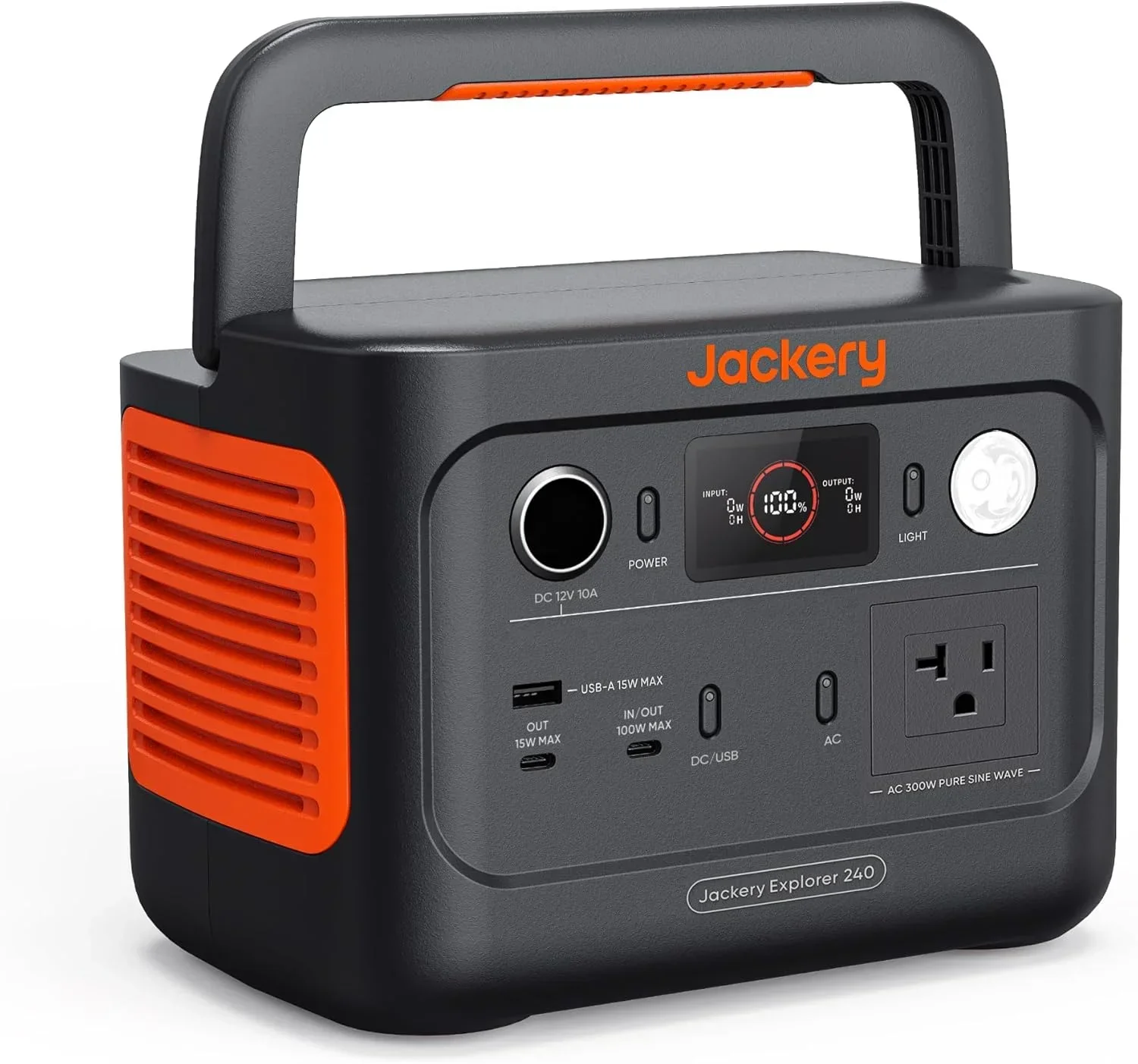
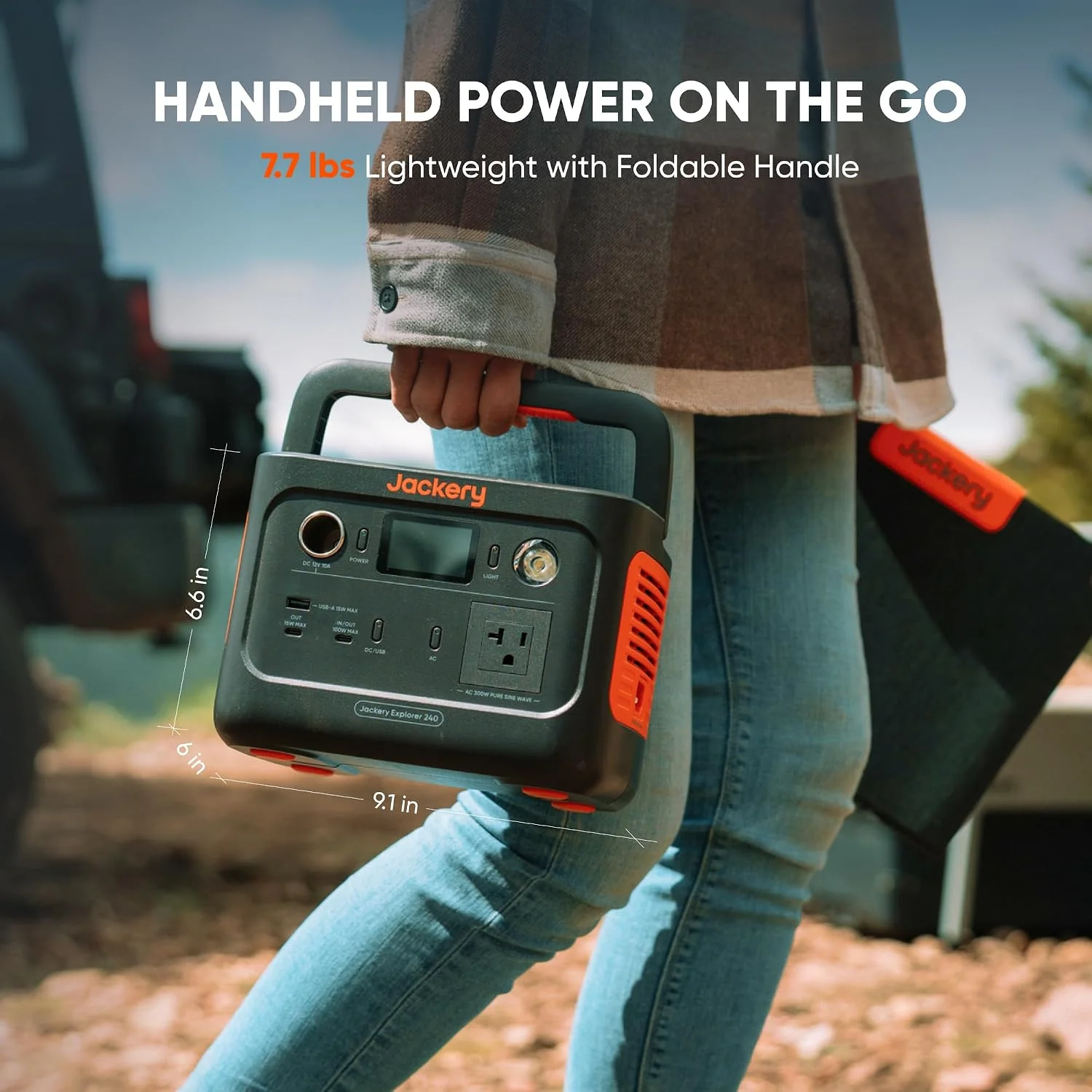
That 100-watt dealer outlet will not run a fridge, a fan for long, or anything with a compressor, and it is an add-on part either way. So the honest answer for both cars is the same: bring a portable power station like the Jackery Explorer 240 v2. Charge it off the 12V cargo socket between camps and it runs your lights, fan, and devices independent of the starter battery - the one setup that works identically in either Subaru.
The Outback does document its 12V layout thoroughly if you want to wire in a fridge or a fused accessory circuit - our Outback 12V outlet and fuse-map guide is the reference. But as a tiebreaker between the two, power is a wash: both make you buy a station, so it does not move the needle. Spend the power budget the same way regardless of which you choose.
Buy the Outback if: you sleep stretched out
Time to sort the buyers. Take the Outback if any of these is you, because each one is a length or a ride-height argument the wagon wins:
- You're near or over six feet, or you just want to lie flat without the diagonal trick - the 75.0-inch official floor is the whole reason.
- You sleep two more than occasionally - the extra length and 75.6 cubic feet give a pair more room to arrange, even at the shared 43.3-inch width.
- You camp down rough roads - the Outback rides higher with more ground clearance, and its low load floor is easier to slide gear into at hip height.
- You tow - the Outback's higher towing ceiling pulls a small trailer the Forester can't.
The Outback is the purpose-built car-camper of the two - it is what Subaru hands the person who actually sleeps in the thing, and its can-you-sleep-in-it walkthrough shows the setup. If you winced at the word 'diagonal' earlier, you're an Outback buyer.
Buy the Forester if: you live in the back
Now the honest counter, because plenty of campers should take the Forester and be happier for it. Take the Forester if:
- You're 5'10" or shorter - you fit the ~70-inch floor and get to keep the height advantage the Outback can't match.
- You camp by living in the vehicle - sitting up to cook, read, or change gear is where the base Forester's ~34.9-inch height turns into daily comfort.
- You want the boxier, easier-to-organize space - the upright walls make a tidier interior than the Outback's sloping wagon tail.
- You buy the base trim on purpose - remember, that is the moonroof-delete car that actually has the height; do this one right or the advantage evaporates.
My shop shorthand: the Outback is a bed with a roof; the Forester is a tiny cabin. Short-and-cozy campers who potter around the back all evening are Forester people; tall-and-flat sleepers who just want to lie down are Outback people. Neither is wrong - they're aimed at different nights.
One timing note before you buy either
A mechanic's note on the calendar, because it affects the price you pay. Subaru has already launched an all-new 2026 Outback - a boxier, more SUV-shaped redesign - which means the long, low wagon that wins this comparison on length is now the outgoing generation. That is not a reason to avoid it; it is a reason to shop smart.
Two practical consequences:
- Leftover-stock discounts: the outgoing wagon-shape Outback should see markdowns as dealers clear it, and the used market will reprice - good news if the 75-inch wagon floor is what you want.
- The new 2026 Outback changes shape: the redesign moves toward the taller-and-boxier direction, so if you are cross-shopping new, verify the current cargo numbers rather than assuming this article's wagon-era length carries over.
On the Forester side, note that the 2025 Forester Wilderness stayed on the older platform even as other trims got the redesign - so a 2025 Wilderness is not automatically the new car. The lesson for both nameplates is the same: confirm the exact model year and trim's specs before you commit, because Subaru is mid-transition on both and the numbers move.
The overnight-comfort details the spec sheet hides
Two numbers picked your Subaru, but a few things that never appear on a spec sheet decide how the night actually feels - and here the two shapes diverge in ways worth knowing before you commit. The Forester's tall, boxy cabin holds more air over your face, which sounds trivial until a cold night when breath moisture has somewhere to go besides the glass; the low Outback wagon traps a thinner air layer and fogs its windows faster, so cross-ventilation matters more in it.
Loading ergonomics split the same way. The Outback's low 28-inch liftover lets you slide a loaded cooler straight in at hip height and sit on the tail to pull your boots off; the taller Forester asks a small lift to load but rewards you with standing room at the open hatch to change a shirt without the wagon's stoop. Neither is better - they suit different bodies and routines.
And the quiet one: glass area. The Forester's upright greenhouse means more window to cover for privacy and insulation, so budget a slightly bigger cover set; the Outback's lower, longer glass is easier to black out but leaves less headroom to sit up behind. Small things, but they are the difference between a rig you tolerate and one you actually look forward to climbing into - and no brochure will tell you which fits you.
The verdict: long vs tall, and both are good
Add up the tape and the answer is refreshingly clean, because these two genuinely split the job. The Outback wins length (75.0 in official) and is the better stretch-out sleeper; the Forester wins cargo height (~34.9 in base) and is the better sit-up cabin. They tie on width (43.3 in), tie on the need for a leveling platform, and tie on power (both make you bring a station).
Buy the Outback if you sleep in it - length and ride height make it the camper. Buy the base Forester if you live in the back - the height and boxier space make it the tiny cabin. Either way, plan on a platform and a power station, because both Subarus need the same two upgrades to camp their best.
I'd tell a customer the truth: there is no loser here, only a fit. Measure yourself against the 75-versus-70-inch floors, decide whether you value lying flat or sitting up, watch the Forester's moonroof trap, and buy the one that matches how you actually spend a night out. Both are Subarus that will still be camping a decade from now.