
Safety Tips for Using Electric Appliances at Your Campsite
Using electricity at your campsite means bringing a bit of home with you, but it also means treating it with respect. Think of it like carrying a live wire - you wouldn't do that without a plan, right? My first foray into powered camping involved a cheap extension cord I found in the garage and a coffee maker that promptly shorted out in a drizzle at Lake Anna State Park.
Using electricity at your campsite means bringing a bit of home with you, but it also means treating it with respect. Think of it like carrying a live wire - you wouldn't do that without a plan, right? My first foray into powered camping involved a cheap extension cord I found in the garage and a coffee maker that promptly shorted out in a drizzle at Lake Anna State Park. Lesson learned: outdoor electricity needs special handling.
It's not just about plugging things in; it's about making sure those things don't turn your cozy campsite into a hazard zone. The real move is to understand the basics before you even unroll that cord. This isn't rocket science, but a few rookie mistakes can ruin your trip, or worse. So, let's talk about keeping things safe when you're powering up your outdoor adventure. It's about smart choices, not fancy gadgets. Indiana Connection
The Core Answer
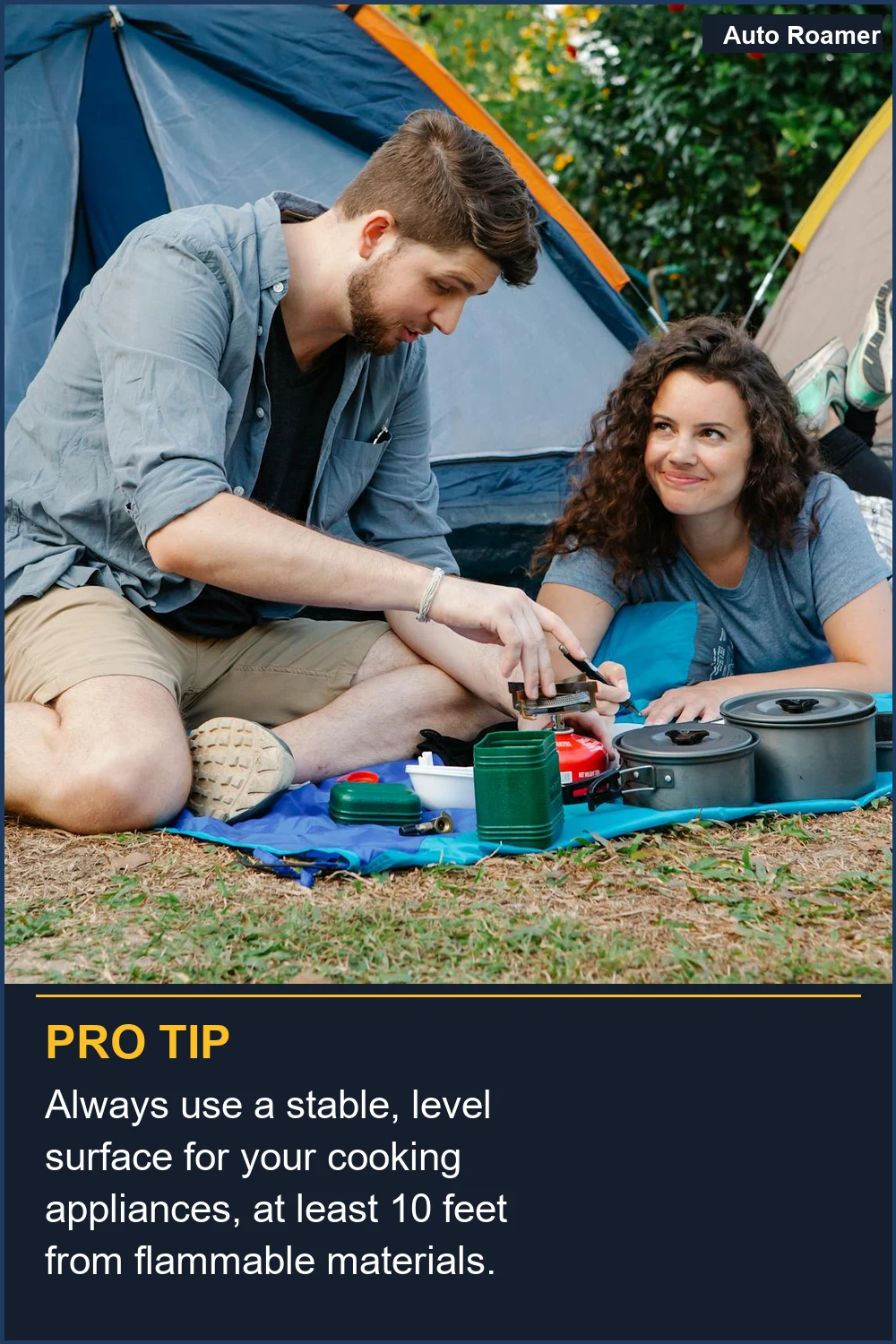
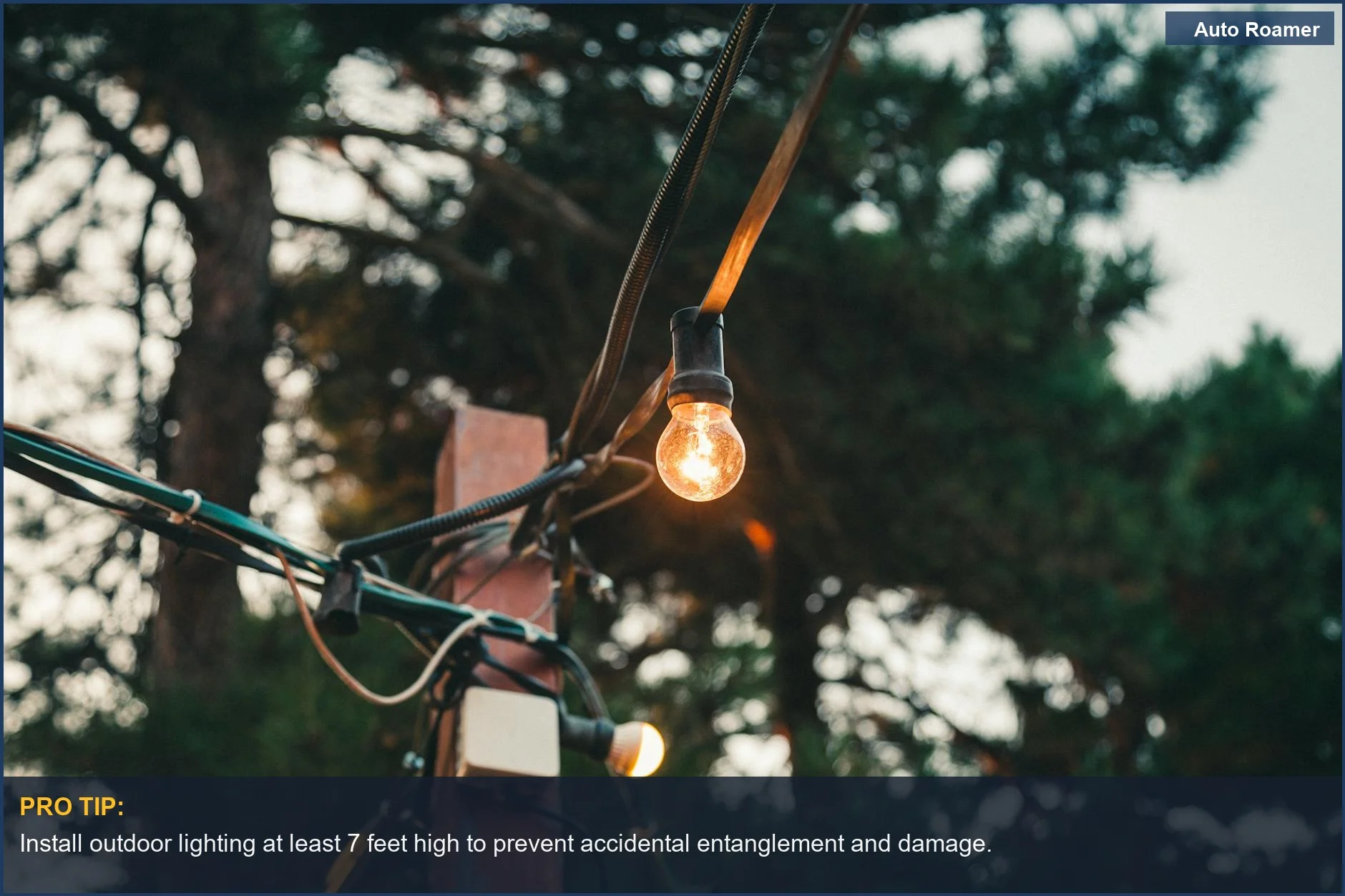
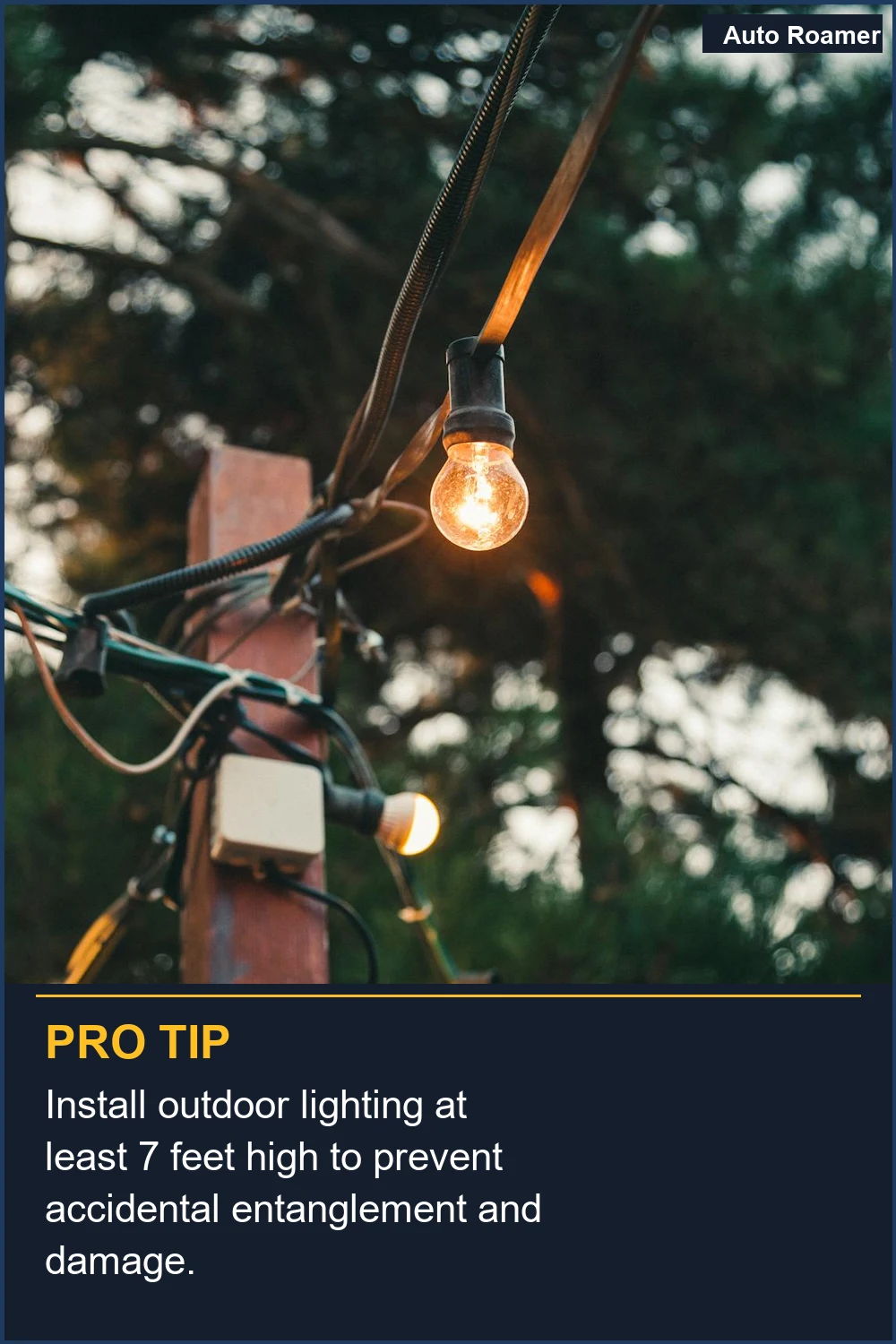
The core principle when using any electrical appliance outdoors is to protect yourself and your gear from the elements, especially water. This means using equipment specifically designed for outdoor use. Regular indoor extension cords are not built to withstand moisture, temperature fluctuations, or physical damage from campsite life. My first car camping trip had me using a standard indoor cord for a small fan, and the dew overnight had it looking pathetic by morning. The fix involved switching to cords rated for outdoor use, which have better insulation and sealing Accurate. Ground Fault Circuit Interrupters (GFCIs) are your best friend out there. These are built into outdoor outlets and some breaker panels. If they detect any imbalance in the electrical current, which can happen when water is involved, they shut off the power instantly. I learned this the hard way when a light rain hit my campsite at Great Falls State Park, and my outdoor string lights, plugged into a regular outlet, started sparking. A GFCI would have saved me the scare FirstEnergy. Always inspect your cords before plugging anything in. Look for cracks, fraying, or exposed wires. A frayed cord from my old camping bin nearly caused a problem at a campground in Pennsylvania; the insulation was worn down to the metal. Replacing it with a new one cost me $25, but it was worth avoiding a shock. Wildlife can also chew on cords, so a visual check is essential Accurate. When connecting to a campsite power pedestal, always ensure the breaker is OFF before you plug in your cord. Then, flip the breaker ON. When disconnecting, turn the breaker OFF first, then unplug. This prevents accidental surges or sparks. I once saw someone plug into a live outlet at a KOA, and the plug just spat sparks. Not a good look EcoFlow. Keep cords elevated and out of puddles or high-traffic areas. Running a cord across a tent entrance is a major trip hazard, and it also exposes the cord to damage. I use simple cord clips or even drape them over bushes to keep them clear. It might seem like overkill, but a twisted ankle or a shock is definitely not on the camping itinerary Facebook. For RVs, a heavy-duty, four-wire cord specifically designed for RV hookups is crucial, not just any old extension cord. It needs to handle the amperage draw and have proper grounding. Trying to use an undersized cord can overload it, melt the insulation, and potentially start a fire. My buddy tried to power his entire camper with a flimsy cord once; it got so hot it warped the plastic on the pedestal San Luis Valley REC. Finally, never leave heating appliances like electric heaters or portable stoves unattended. These can be fire hazards if they malfunction or tip over. Always have a fire extinguisher rated for electrical fires readily accessible. It's the $30 insurance policy against a real disaster VToman.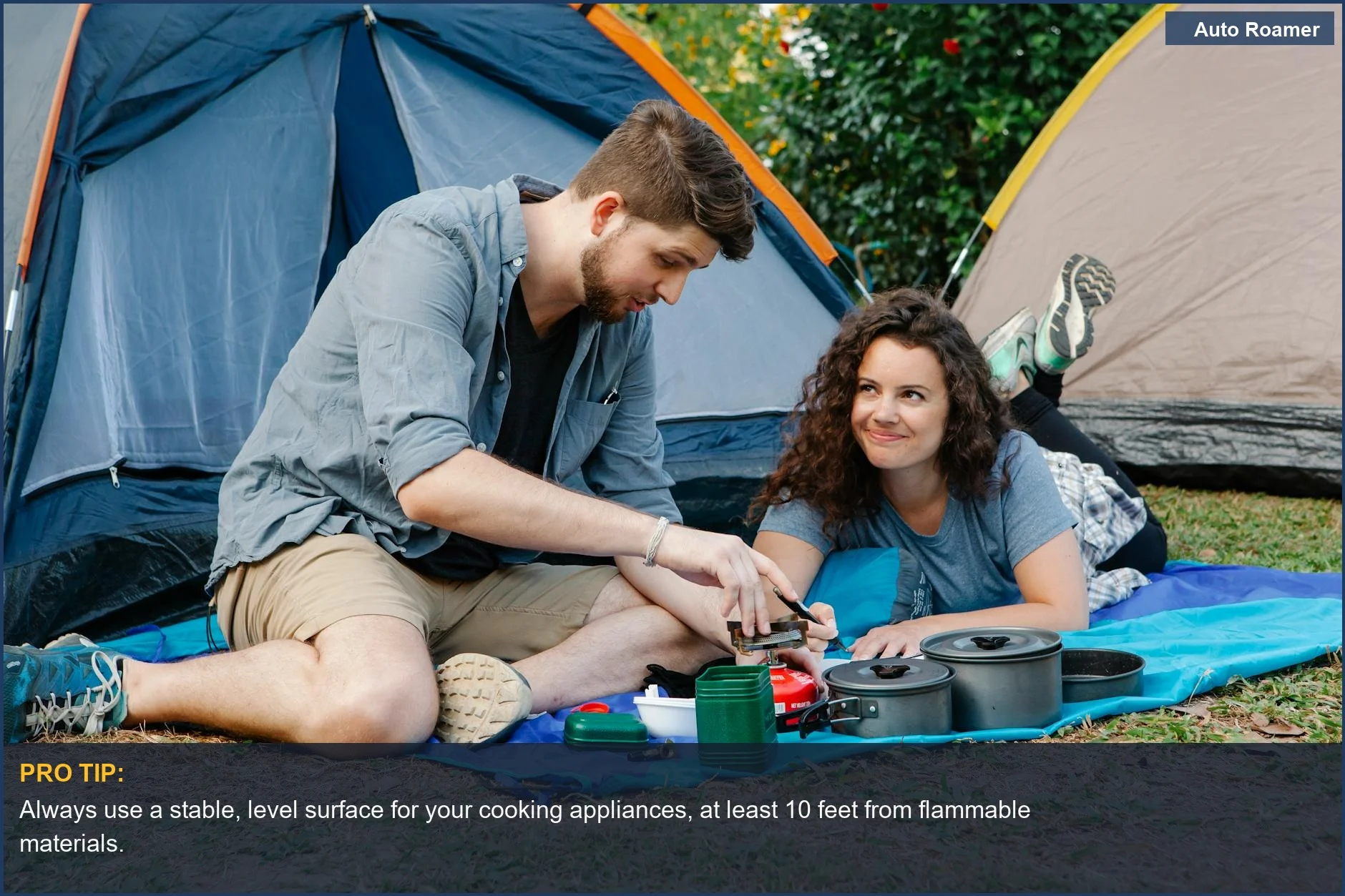
Why This Matters for Your Setup
Making the Right Choice
Frequently Asked Questions
My campsite only has regular outlets, not GFCI. Can I just use a regular extension cord for my electric cooler?
Do I really need to worry about trimming trees around my campsite's power hookup?
What if my extension cord gets wet and I'm not sure if it's still safe?
Can running too many things on a campsite's power hookup permanently damage the campsite's electrical system?
Is it true that you have to turn the breaker OFF before plugging in your RV at a campsite?
🏅 Looking for Gear Recommendations?
Check out our tested gear guides for products that work with this setup: