
How to Safely Operate a Portable Generator at Your Campsite
My first time hauling a portable generator camping, I strapped this beast to the roof of my ancient Ford Explorer, thinking it was a good idea to keep it close. Turns out, the exhaust fumes had other ideas, and by morning, my tent smelled like a gas station.
My first time hauling a portable generator camping, I strapped this beast to the roof of my ancient Ford Explorer, thinking it was a good idea to keep it close. Turns out, the exhaust fumes had other ideas, and by morning, my tent smelled like a gas station. That little $400 inverter generator taught me a hard lesson: location, location, location.
You'd think it's obvious, but what nobody tells beginners is just how toxic those fumes are and how far they travel. PGMA Campground Safety Release says keep it outside and pointed away from everything. I just know my nostrils screamed. This isn't rocket science, it's just common sense you have to learn the hard way, like I did at Lake Anna State Park during a particularly humid August weekend.
The Core Answer
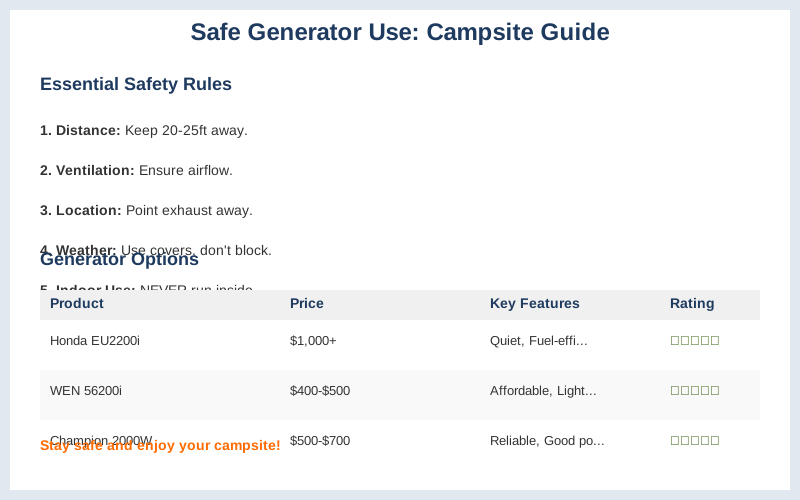
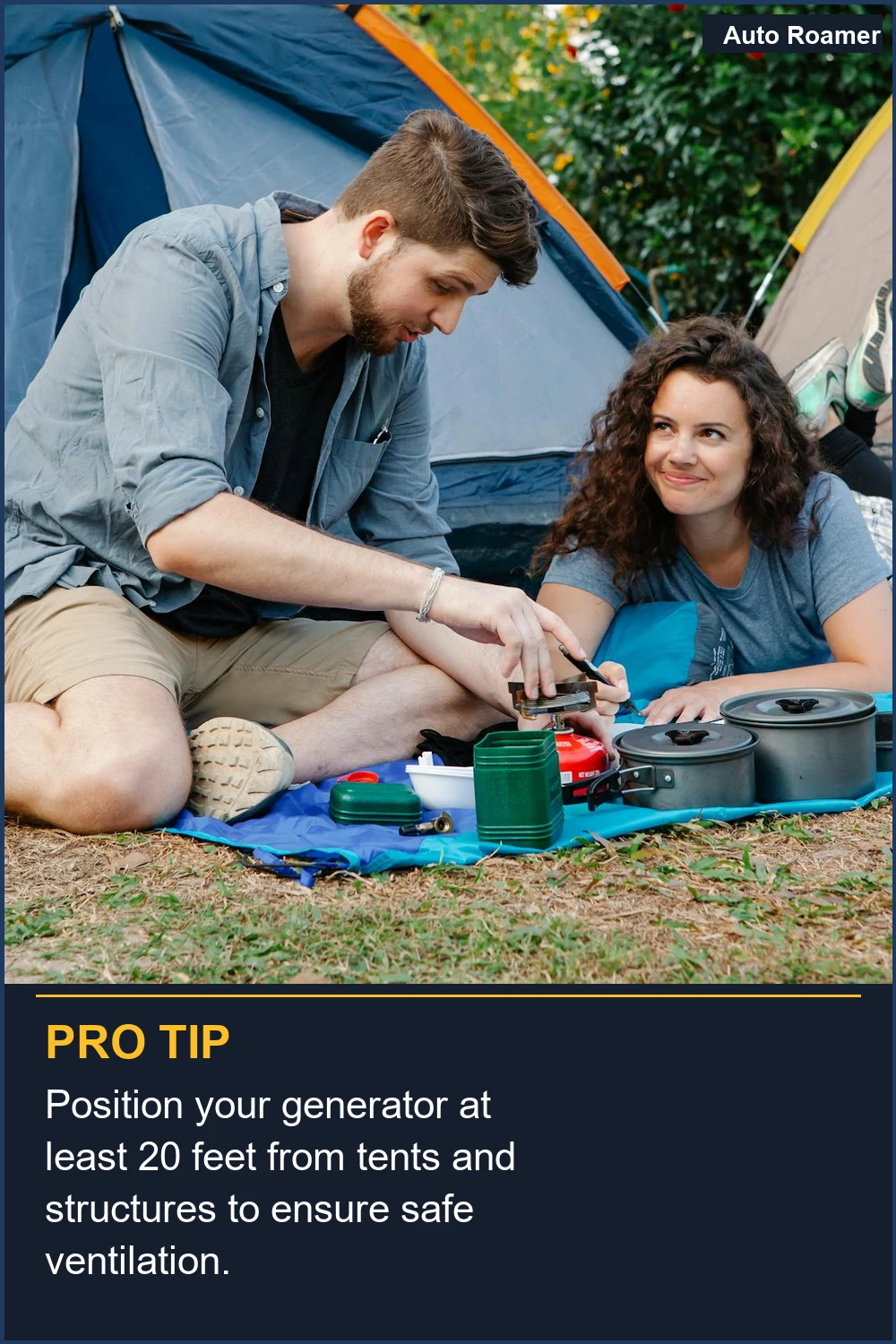
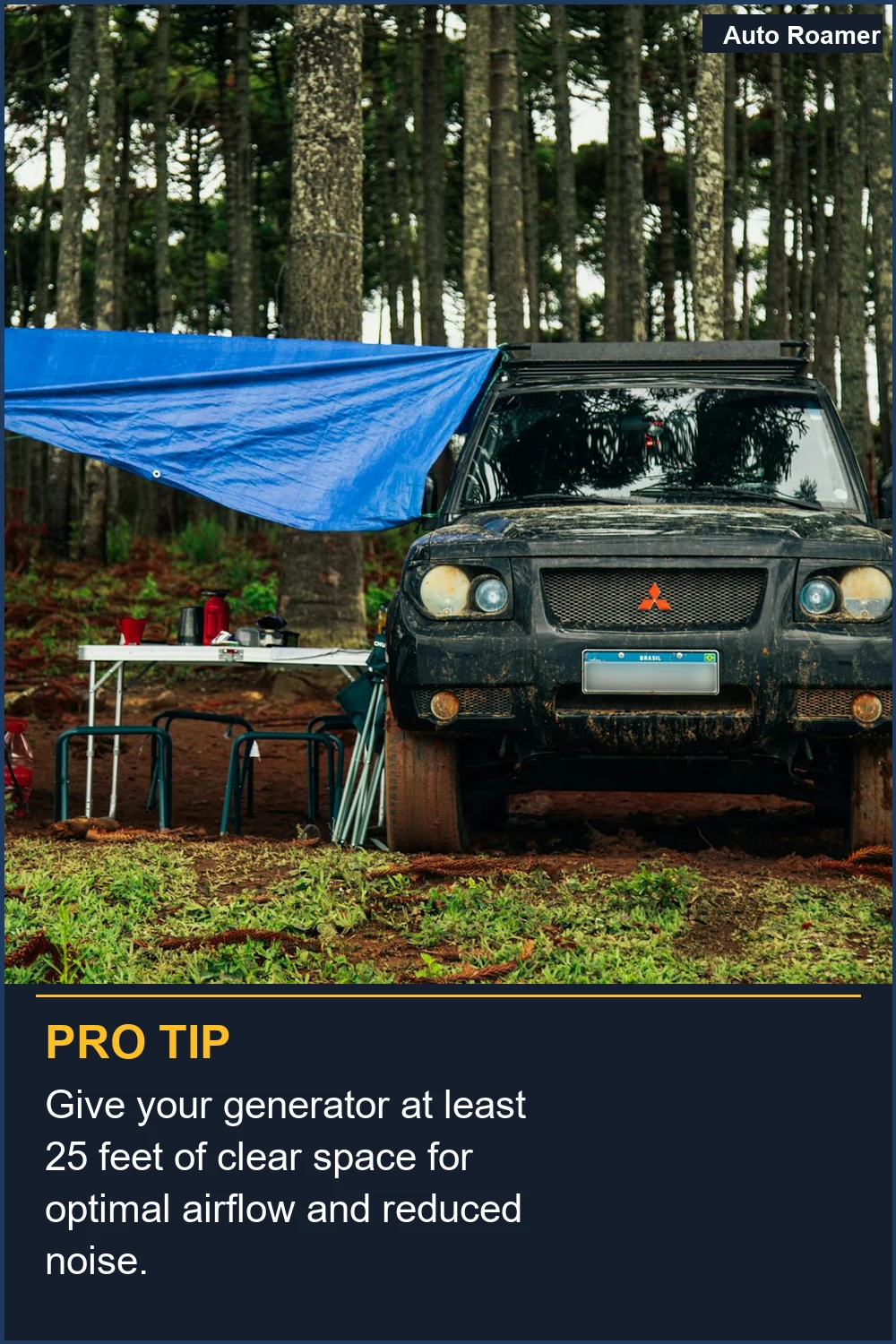
The real move with a portable generator at camp is to treat it like a tiny, angry, exhaust-spewing engine that needs its own personal space. First off, distance is your friend. You need to keep it at least 20-25 feet away from your tent, your car, and any open windows or doors. I learned this at a busy state park in Ohio, where my neighbor's generator fumes kept wafting into my little setup. Turns out, carbon monoxide doesn't respect property lines. Reddit /r/campingworld hammered this home. Ventilation is also key. These things need to breathe, but they also need to not get soaked. If it's raining, you'll need a cover, but make sure it doesn't block airflow. I once tried to run mine under a tarp that was too low, and it sounded like it was choking. The honest version: a simple tarp tent or a purpose-built generator cover is way better than improvising. Novus Power Equipment mentions this. Never, ever run it inside your vehicle or tent. This is a rookie mistake that can be fatal. Your generator is basically a mini-car engine, and it produces deadly carbon monoxide gas. It's like trying to run your car in the garage with the door shut. It's a bad idea, plain and simple. Gentent agrees on this being non-negotiable. Grounding is another one they talk about, and honestly, for most of us just plugging in a phone charger or a small fan, it's less critical than keeping it 25 feet away. But if you're connecting it to a more complex setup, like a small RV or a power distribution box, then yes, you need to ground it. It's about preventing electrical shocks. BlueDM Australia has the details on that. For my simple car camping needs, I just make sure it's on level ground and far away. That's game-time stuff. Finally, don't overload it. That $50 Bluetooth speaker might seem small, but if you're also running a mini-fridge and a laptop charger, you could push your generator too hard. Overloading can cause it to overheat and potentially be a fire hazard. My first generator died because I tried to power a space heater with it. Brilliant engineering. Gentent also warns about this.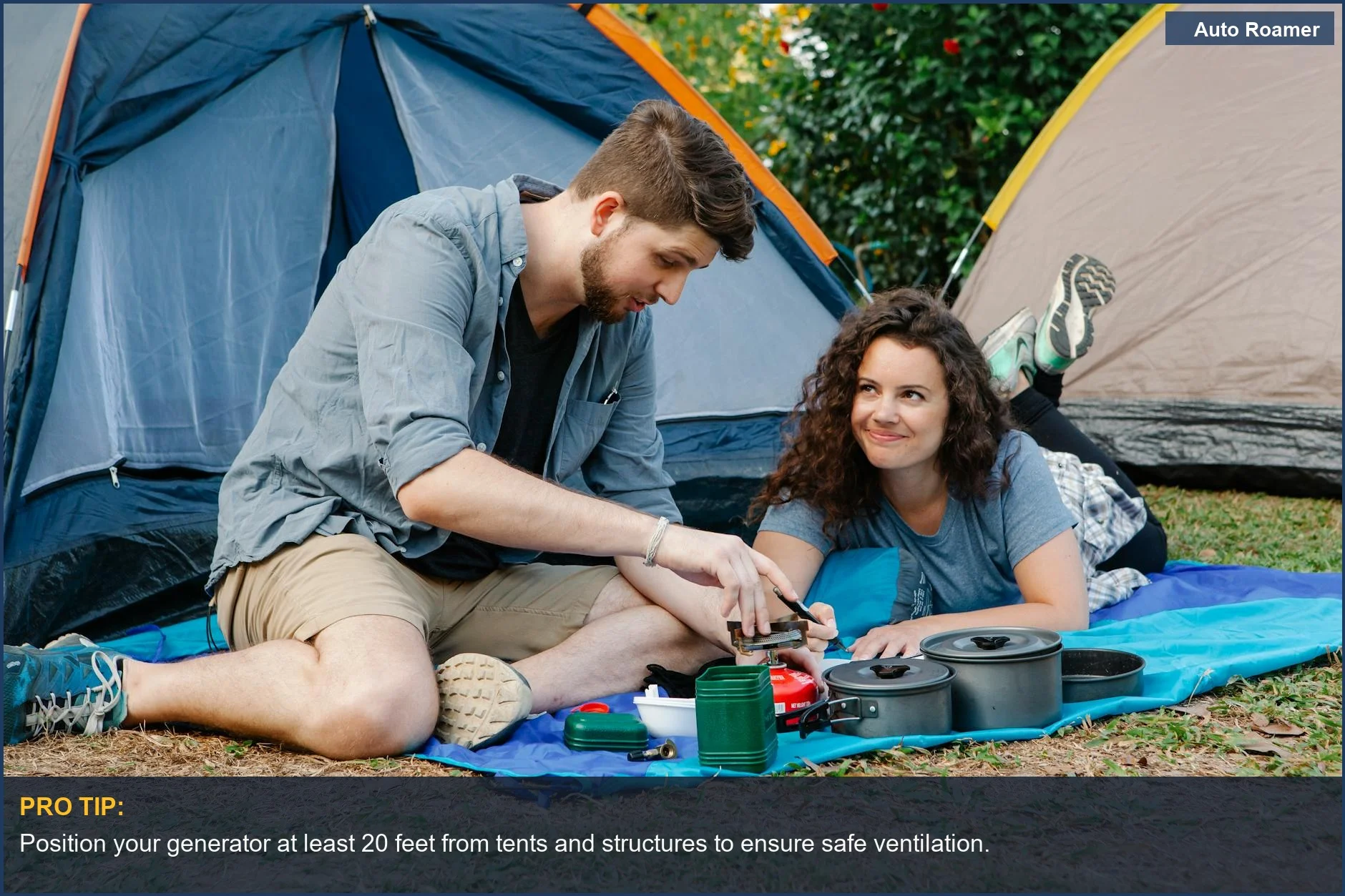
Why This Matters for Your Setup
Making the Right Choice
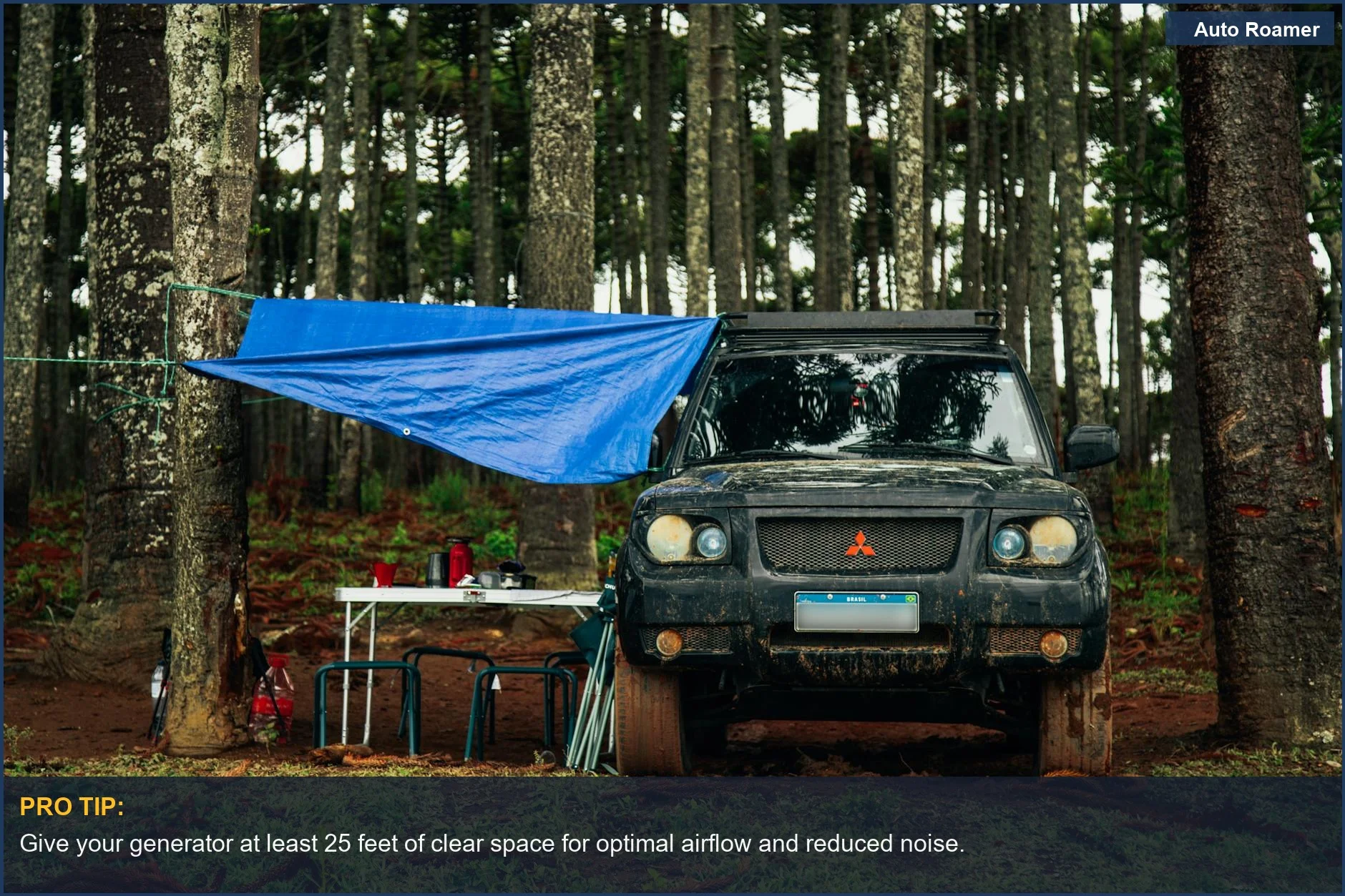
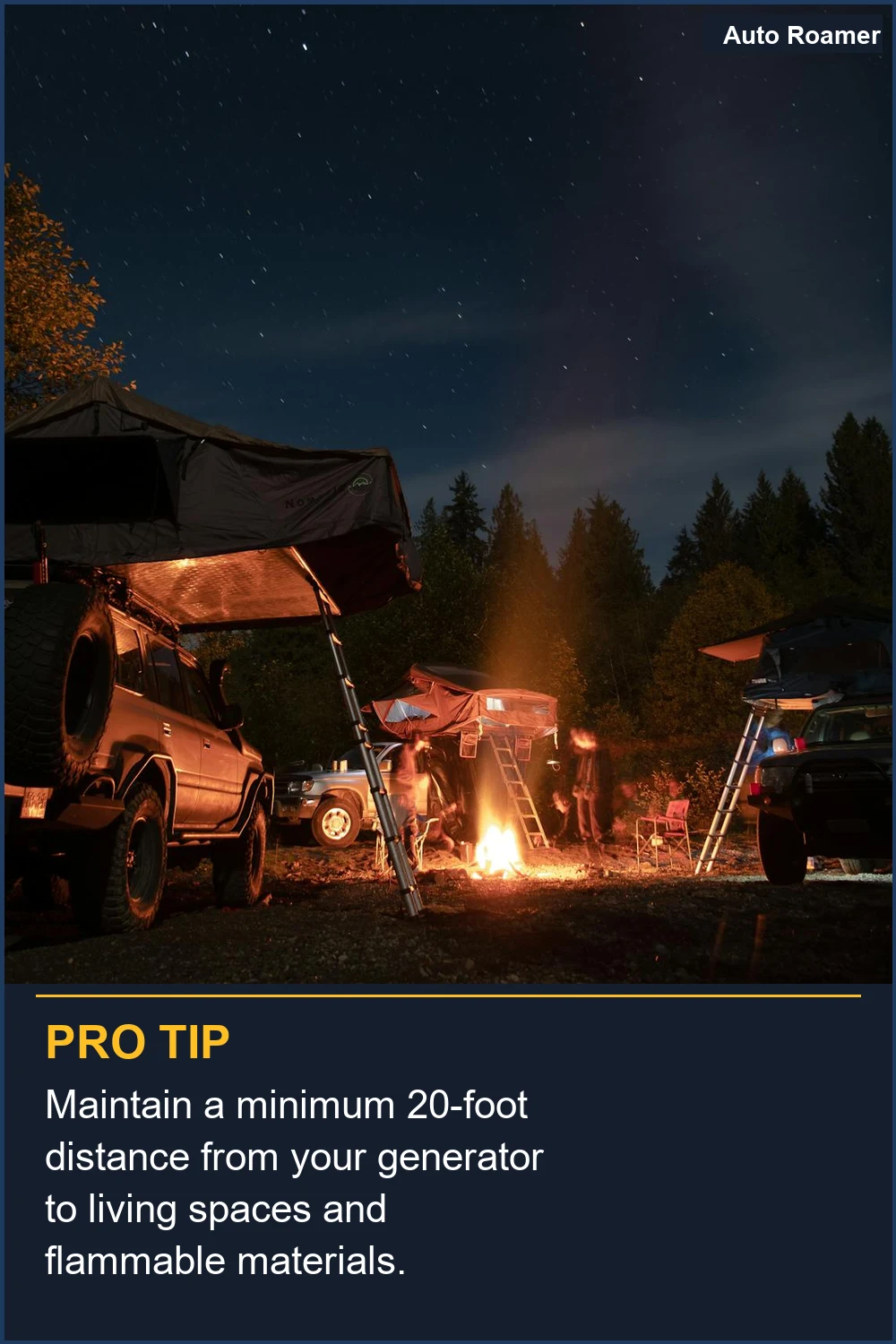
Look, a portable generator can be a game-changer for car camping, letting you charge your phone, run a small fan, or even keep a coffee maker going. But you absolutely have to respect the safety rules. My $400 inverter generator is still going strong after three years because I learned to give it space and keep it dry. YouTube has tons of videos showing how people use them, but few stress the safety enough. Think of it this way: you wouldn't run a car engine inside your tent, right? Same principle. Keep it outside, pointed away from your living space, and at least 20 feet away. It's not complicated, but it's critical. Gentent has a good checklist for prepping. For most first-timers, a smaller inverter generator is the way to go. They're quieter and more fuel-efficient. Just remember to read the manual, even if it's boring. It might save you a headache, or worse. My second generator was a $600 model, and it was worth every penny for the peace of mind.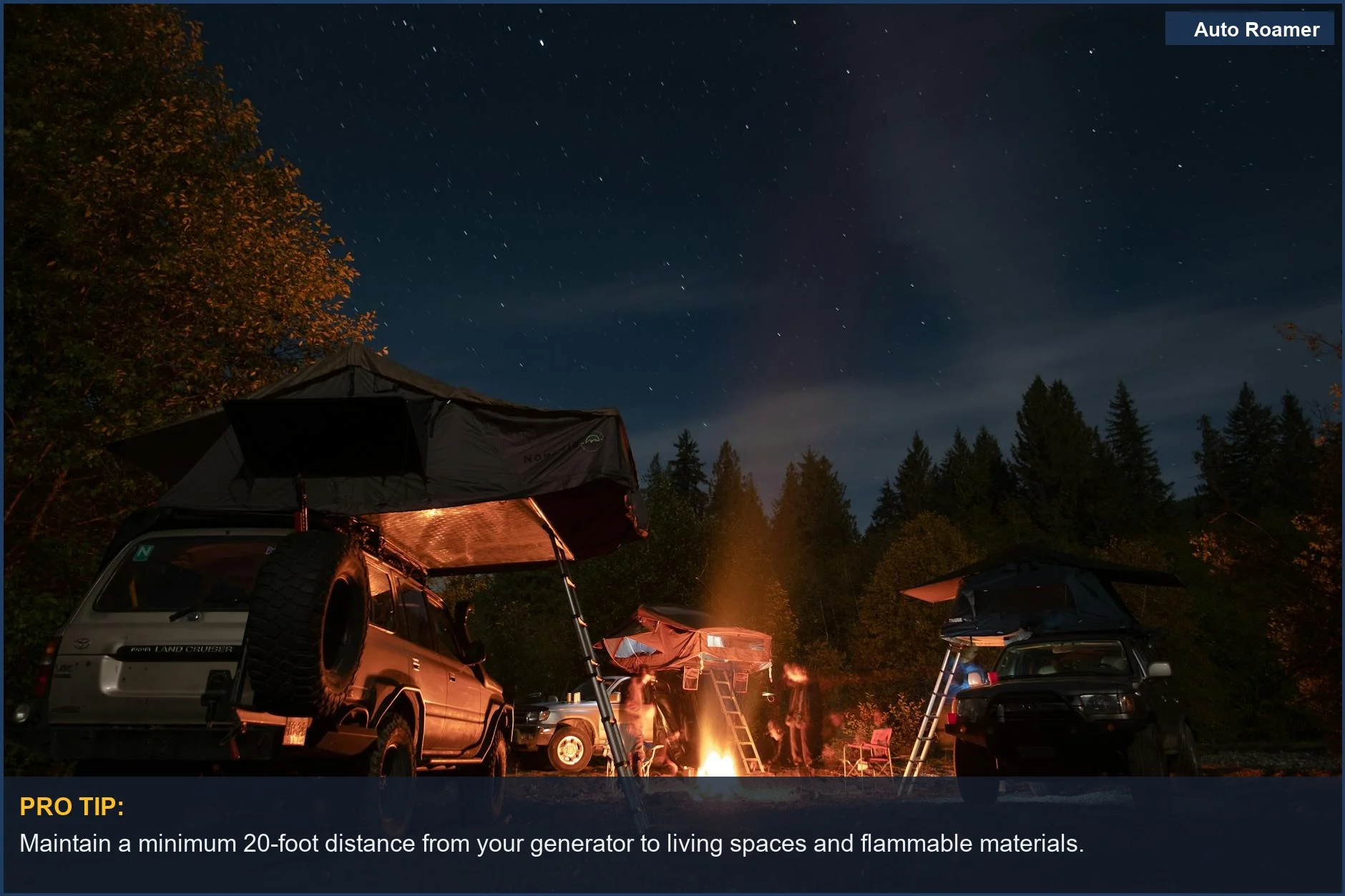
Frequently Asked Questions
Do I really need to buy a fancy generator cover for $50 when a tarp and some bungee cords will do the job for like $5?
How do I know if my generator is 'overloaded' if I don't have a multimeter or anything fancy?
What if I accidentally run my generator too close to my tent and my family gets sick from carbon monoxide poisoning?
Can running my generator without grounding it permanently damage my expensive electronics?
I heard you don't need to worry about carbon monoxide if it's a modern 'inverter' generator, is that true?
🏅 Looking for Gear Recommendations?
Check out our tested gear guides for products that work with this setup:
Sources
- how-to-safely-use-portable-generator-outdoors
- How To Ground Your Generator While Camping (& Why it's Important)
- Portable Generator Safety Tips : r/campingworld - Reddit
- PGMACampgroundSafetyReleaseApril2021.pdf
- Planning Your Camping Trip: Generator Checklist
- Using a Generator When Camping Off-Grid – What You Need to Know!
- How to Use an Inverter Generator Safely When Camping Outdoors