Car Maintenance

Maintaining and Cleaning Your Portable Water Filter for Extended Use

Casey - The Weekend Warrior
4 min read
Includes Video

My first portable water filter cost me $25 at REI, and I figured I'd just buy a new one when it got clogged. Fast forward two years and I've saved myself probably $150 by just cleaning the dang thing. Turns out, those little cartridges aren't cheap, and if you're heading out more than a couple times a year, you're going to burn through them.

My first portable water filter cost me $25 at REI, and I figured I'd just buy a new one when it got clogged. Fast forward two years and I've saved myself probably $150 by just cleaning the dang thing. Turns out, those little cartridges aren't cheap, and if you're heading out more than a couple times a year, you're going to burn through them. This YouTube video showed me how easy it was to just rinse the thing out.

It's not rocket science, folks. Seriously, the manufacturers want you to buy more. But a little bit of care means a lot more clean water for your money.
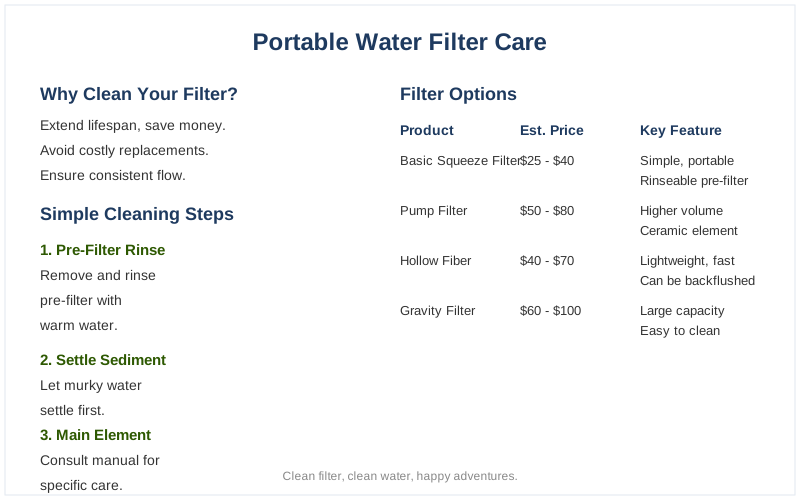
Maintaining and Cleaning Your Portable Water Filter for Extended Use — Key Specifications Compared
Key specifications for Maintaining and Cleaning Your Portable Water Filter for Extended Use

The Core Answer

Look, nobody wants to lug around extra gear, but that portable water filter you stuffed in your pack is probably going to get gummed up faster than you think. The honest version: it's usually just a clogged sediment pre-filter or the main ceramic/hollow fiber membrane that's the problem. Most filters have a pre-filter you can just pop off and rinse. This is usually the first line of defense against murky lake water. My first big mistake was trying to filter water that looked like chocolate milk in the Sierras. The flow slowed to a trickle in about 10 minutes. The real move here is to let the really chunky stuff settle out of your water bottle *before* you even try to filter it. Then, when you get back to civilization, give that pre-filter a good scrub under a faucet. Warm water usually does the trick with just a little elbow grease. For the main filter element itself, it depends on what you have. If it's a hollow fiber filter, you can often backflush it. That means running clean water *backwards* through the filter. Some folks use a syringe for this, which sounds complicated but is basically just shoving clean water in the wrong direction. This video shows you the general idea. It pushes out all the gunk that's been clogging up the tiny pores. Ceramic filters are a bit different. You can usually just gently scrub the surface with a soft brush or even a clean toothbrush. Don't use soap, and definitely don't use anything abrasive. You're trying to dislodge sediment, not sandblast your filter. The goal is to keep that flow rate up. If you're really struggling and the flow is still garbage after cleaning, it might be time for a new filter cartridge. Most manufacturers will tell you how many liters or gallons a filter is good for. For example, some media filters need replacing every 200 liters. That's a lot of water, but if you're camping every weekend, it adds up. It's cheaper than buying a whole new filter system, though.
When you're ready to hit the road, knowing how to select the best water filter for car camping is essential.
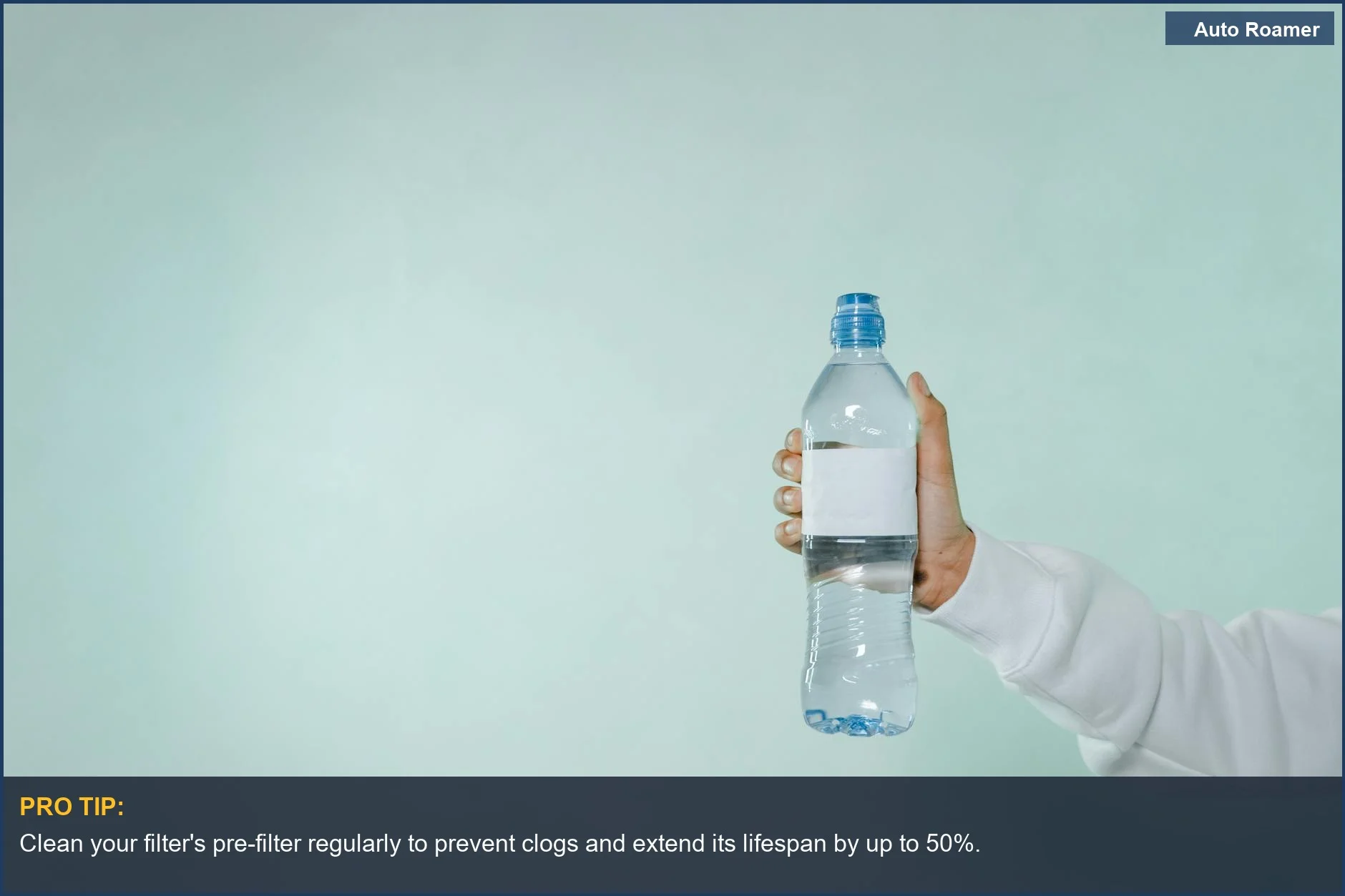
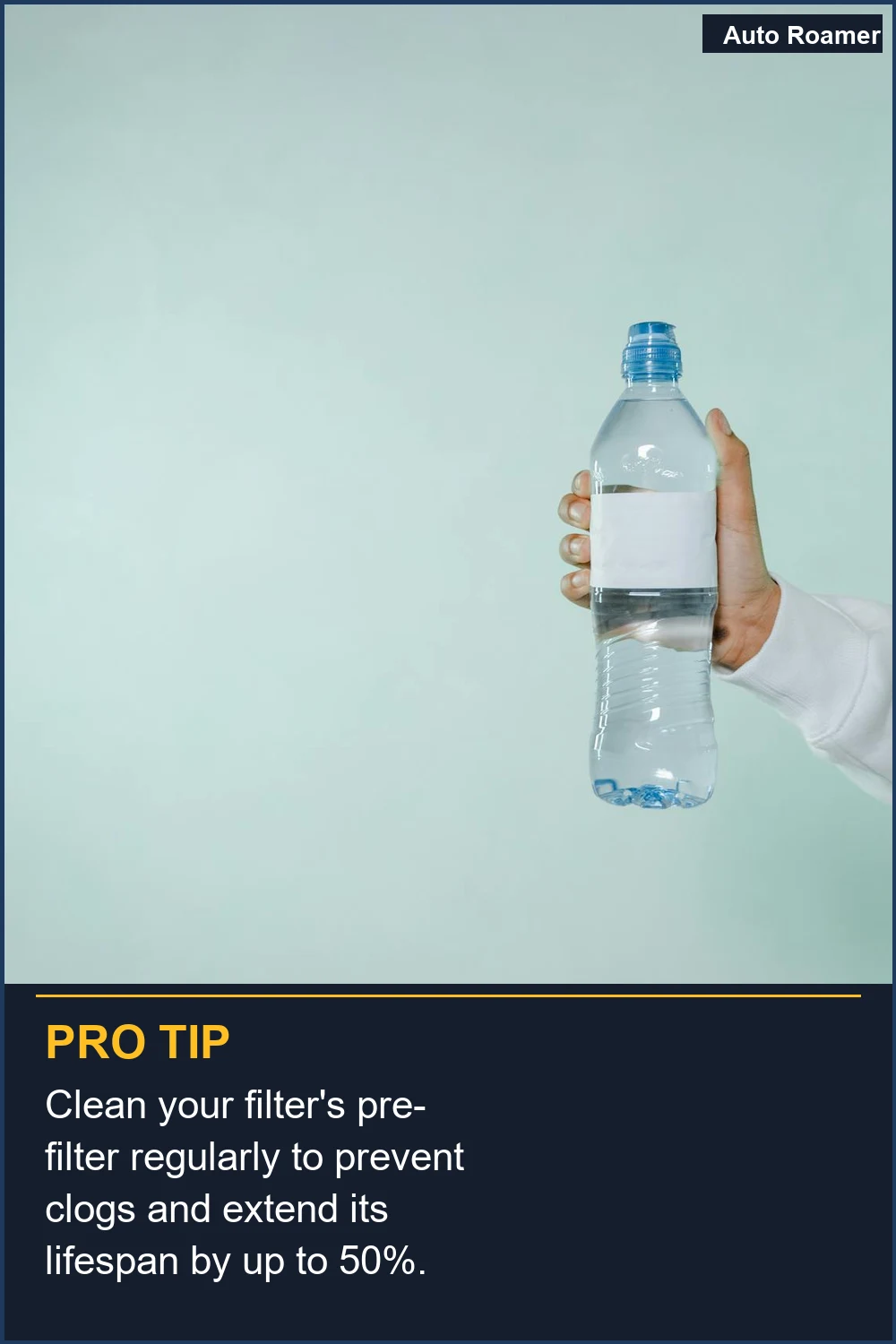
Clean your filter's pre-filter regularly to prevent clogs and extend its lifespan by up to 50%.
Keeping your portable water filter clean is crucial for reliable access to safe drinking water. Regular maintenance prevents sediment buildup in the pre-filter. | Photo by MART PRODUCTION

Why This Matters for Your Setup

  • Saves Money: Let's be real. A replacement filter cartridge can run $20-$40. My first filter was a Sawyer Squeeze, and the replacement filter is about $30. If you're just rinsing the existing one, you're saving that $30. This means more money for snacks and gas. Brilliant engineering, really.
  • Ensures Reliable Water: Imagine you're miles from anywhere, your filter is clogged, and your water flow is slower than molasses. That's a rookie mistake. Cleaning your filter regularly means you'll have safe drinking water when you actually need it, not just a dribble. It's the difference between hydrated and miserable.
  • Extends Gear Lifespan: Just like taking care of your car or your boots, taking care of your gear means it lasts longer. Nobody likes buying new stuff constantly. A little maintenance on your water filter means you won't be replacing the whole unit every year. It's just good sense.
  • Reduces Waste: Every time you throw away a filter cartridge, it's more plastic and waste in a landfill. If you can clean and reuse your filter, you're doing your part. It's a small win, but it adds up.
  • To enhance your setup, it's beneficial to understand the various options available in portable water filters for camping.
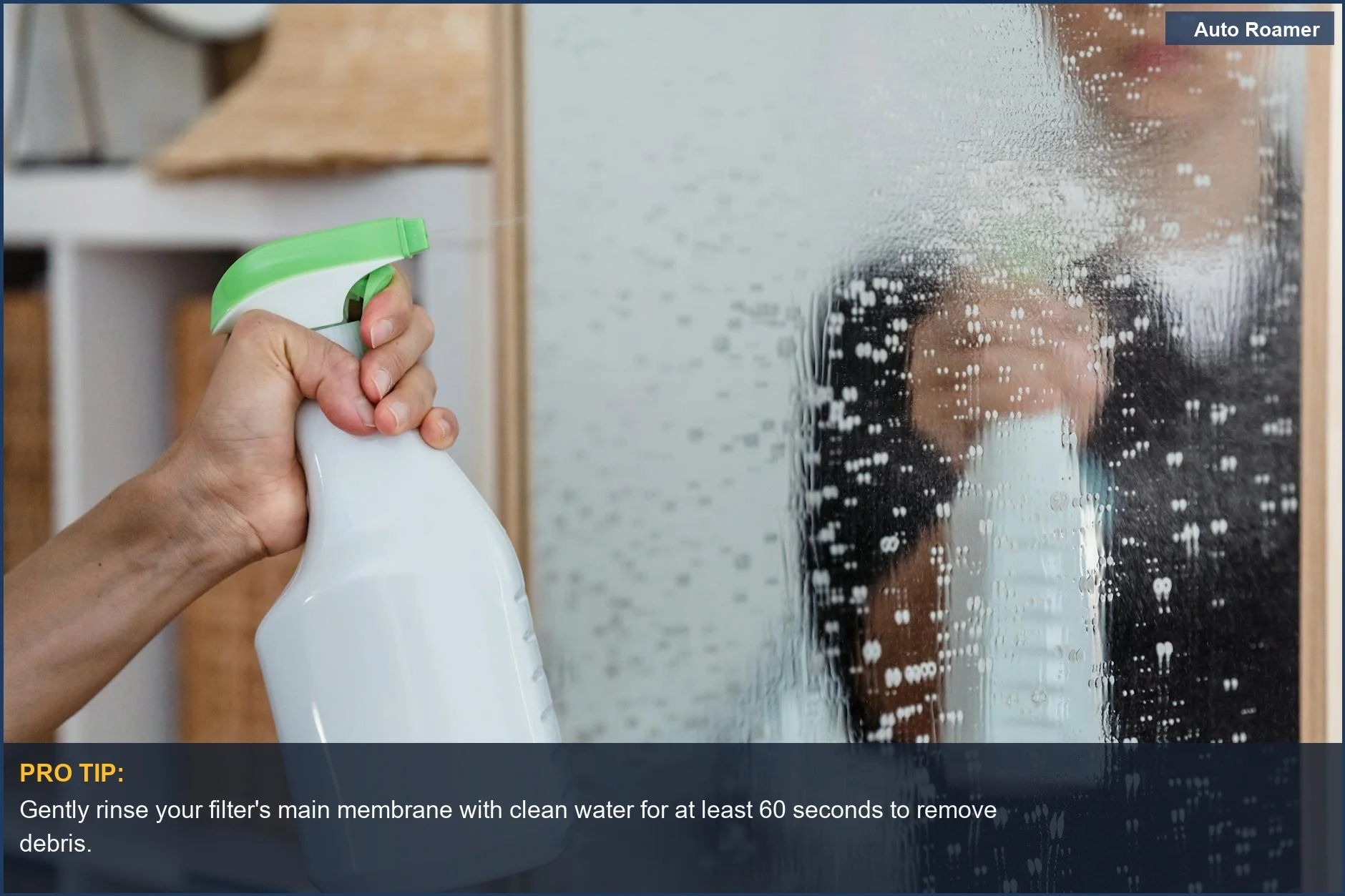
    Gently rinse your filter's main membrane with clean water for at least 60 seconds to remove debris.
    Effective cleaning of your portable water filter, like this one being sprayed, is key to its longevity. A simple rinse can save you $30 on replacements. | Photo by Liliana Drew

    Making the Right Choice

  • Read the Damn Manual: Seriously, it sounds obvious, but most people just toss the instructions. Your filter's manufacturer knows best how to keep it running. They'll tell you what kind of cleaning works and what doesn't.
  • Don't Wait for Disaster: Waiting until your water flow is practically zero is too late. Do a quick rinse after every trip, or at least every few uses. Think of it like brushing your teeth - a little bit regularly prevents bigger problems.
  • Know When to Replace: Even with the best care, filters have a lifespan. If you've cleaned it to death and it's still slow, or if it starts tasting weird, it's probably time for a new one. Don't risk getting sick to save $30.
  • Consider Your Water Source: If you're consistently filtering water that looks like mud soup, you'll need to clean your filter way more often. Sometimes, a pre-filter bag or letting water settle in a separate container is the best first step. It's about managing expectations.
  • When choosing a water filter, consider how it compares to a water dispenser for your car camping needs.
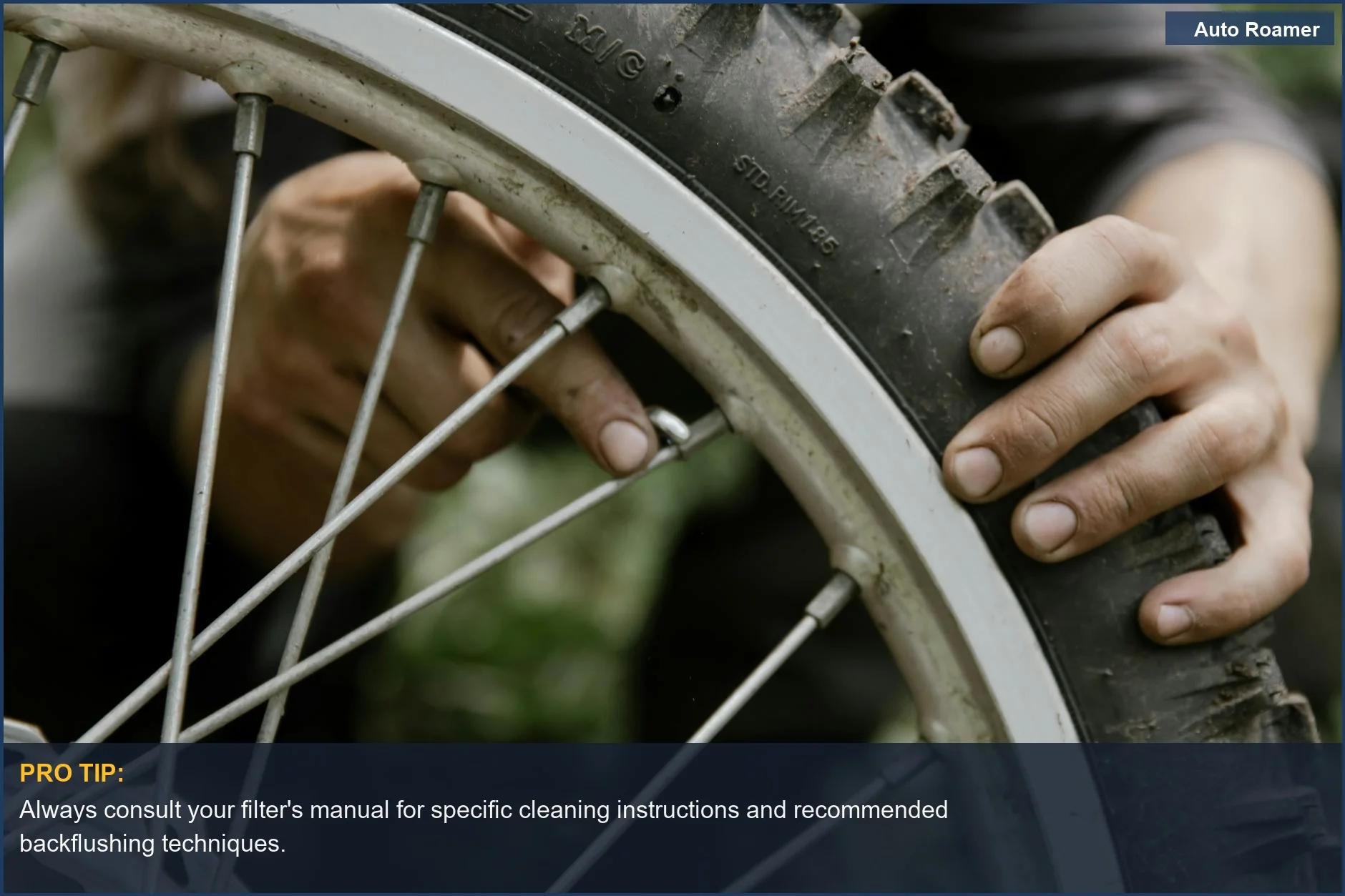
    Always consult your filter's manual for specific cleaning instructions and recommended backflushing techniques.
    Just like bike maintenance, understanding your water filter's specific needs is vital. Reading the manual ensures you perform proper water filter maintenance for optimal performance. | Photo by cottonbro studio

    Frequently Asked Questions

    I saw a guy online who said he just uses a bleach solution to clean his filter. Is that cheaper than buying a new one, or am I going to end up with water that tastes like a swimming pool?
    Bleach? Really? That sounds like a terrible idea and a great way to ruin your filter and your water. Most manufacturers specifically say *not* to use chemicals. You'll likely need to replace the filter cartridge if you use bleach, which defeats the purpose of saving money. Stick to rinsing and gentle scrubbing. It's $0 and actually works.
    Do I really need a special 'filter cleaning brush,' or can I just use an old toothbrush from my bathroom drawer?
    An old toothbrush is perfectly fine, assuming it's reasonably clean. Congratulations, you've just found a $0 tool for filter maintenance. The key is a soft brush to gently dislodge sediment, not to scrub away the filter material. Just make sure it's not covered in dried toothpaste.
    I cleaned my filter as instructed, but the flow rate is still super slow. What if it's just dead?
    If you've tried rinsing and backflushing (if applicable) and the flow is still pathetic, then yeah, it's probably time for a new cartridge. Sometimes filters just reach the end of their life. Check the manufacturer's stated lifespan in liters or gallons. If you've exceeded that, even with cleaning, it's done.
    If I don't clean my filter for a really long time, can it permanently clog and become useless, or will it always be salvageable?
    Yes, absolutely. If you let sediment build up and dry into the filter pores, it can become permanently clogged. This is called fouling, and it can ruin the filter beyond repair. That's why a little regular maintenance is way better than a big, desperate cleaning attempt later.
    I heard that you should always run cold water through your filter first. Does that make it clean better?
    Running cold water through your filter *before* you use it for filtering is actually about flushing out any loose manufacturing dust or particles. It's a good practice for new filters or after they've been stored for a while. It doesn't necessarily make the *cleaning* process better, but it ensures your first batch of filtered water is as clean as possible.

    🏅 Looking for Gear Recommendations?

    Check out our tested gear guides for products that work with this setup:

    C

    Casey - The Weekend Warrior

    Weekend car camper and road trip enthusiast. Focuses on practical, budget-friendly solutions for families and first-time campers.

    Sources

    Related Articles