The Big Picture
My first car camping trip was a $47 experiment in a Honda Civic hatchback in Shenandoah Valley. Mid-October. I had a Walmart foam pad, a sleeping bag rated to 40F, and zero idea that the temperature drops 15 degrees after midnight in the mountains. By 2AM I was wearing every piece of clothing in my bag and still shivering. The fix was a $12 fleece liner from Amazon that turned my 40F bag into a 25F bag.
Three years later I still use that same liner on every trip.
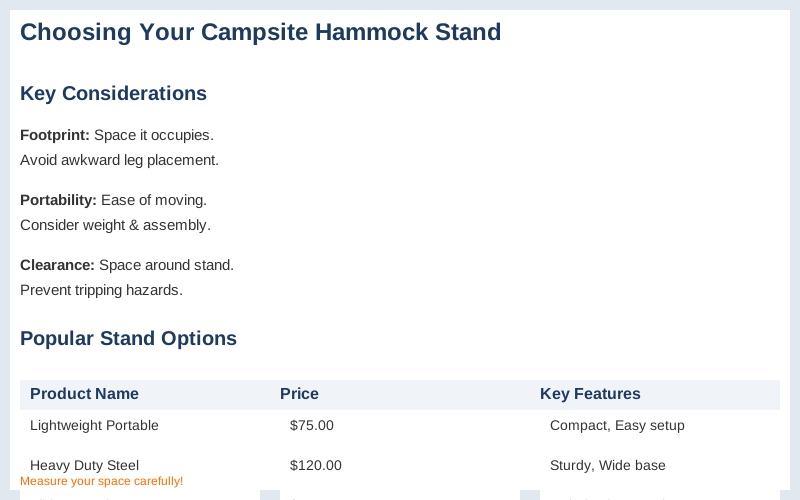
Now I'm tackling hammock stands. I used to think you needed a specific length for your hammock, like a custom suit. Turns out, it's more about how much space you have and how you plan to move it. This is the real move for getting your chill on without a tree in sight. YOBOgear lays out the basics, but nobody tells you how much space you're actually going to need.
I've learned that trying to cram a giant stand into a tiny campsite is a rookie mistake. You'll end up tripping over it or blocking the path. The honest version: size matters, but not in the way you might think. It's about clearance and portability, not just how long your hammock is. REI talks about hammock length, but not the stand's footprint.
The Core Answer
The biggest thing nobody tells beginners about hammock stands is that you need to think about the stand's footprint, not just its length. It's like buying furniture for a small apartment - you need to know how much space it actually takes up on the floor. Aosom has a guide that touches on this, but it's buried.
I learned this the hard way at a crowded state park in Ohio. I bought a stand that was technically long enough for my hammock, but the legs stuck out like a clumsy octopus. I ended up having to position it awkwardly, and it took up half the space I needed for my cooler and camp chairs.
The real move here is to look at the assembled dimensions, not just the packed dimensions or the length of the hammock it supports.
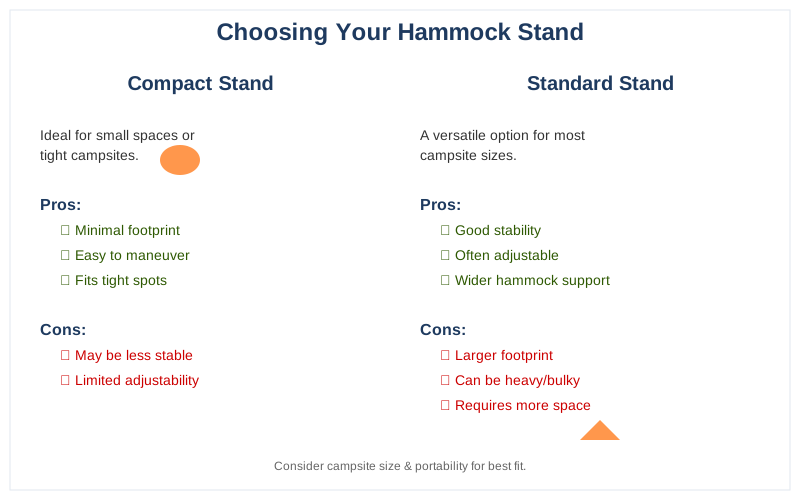
For car camping, where weight is less of an issue, you can get away with something that might have a larger footprint but is super stable. Think of something like a heavy-duty steel stand. These can be around 10 feet long and 4 feet wide when assembled, offering a solid base. This YouTube video talks about judging the design, and footprint is key.
If you're trying to be more portable, like for van life or even just easier loading into your trunk, you'll want a stand that packs down small. But even those can have legs that splay out. A good rule of thumb is to aim for a stand where the overall assembled width is no more than 3-4 feet. This gives you enough room to move around your campsite without feeling like you're in a tightrope act.
I've seen stands that are advertised for 12-foot hammocks, but their base is so wide it's impractical for most campsites. Folks on forums sometimes struggle with this exact issue.
Basically, the dimensions you need to focus on are the length and width of the stand when it's fully set up. Most portable stands will list these. For a comfortable setup where you can actually walk around, aim for a stand that is no wider than 4 feet. Some of the more compact ones might be around 8 feet long in total, but the crucial part is the base spread.
If you're buying online, always check the "assembled dimensions" or "footprint" specs. Don't just look at how long the hammock it holds is. Trust me, your shin bones will thank you. This is the $50 version of the advice you'd get from some fancy gear shop that charges you extra for the obvious.
Why This Matters for Your Setup
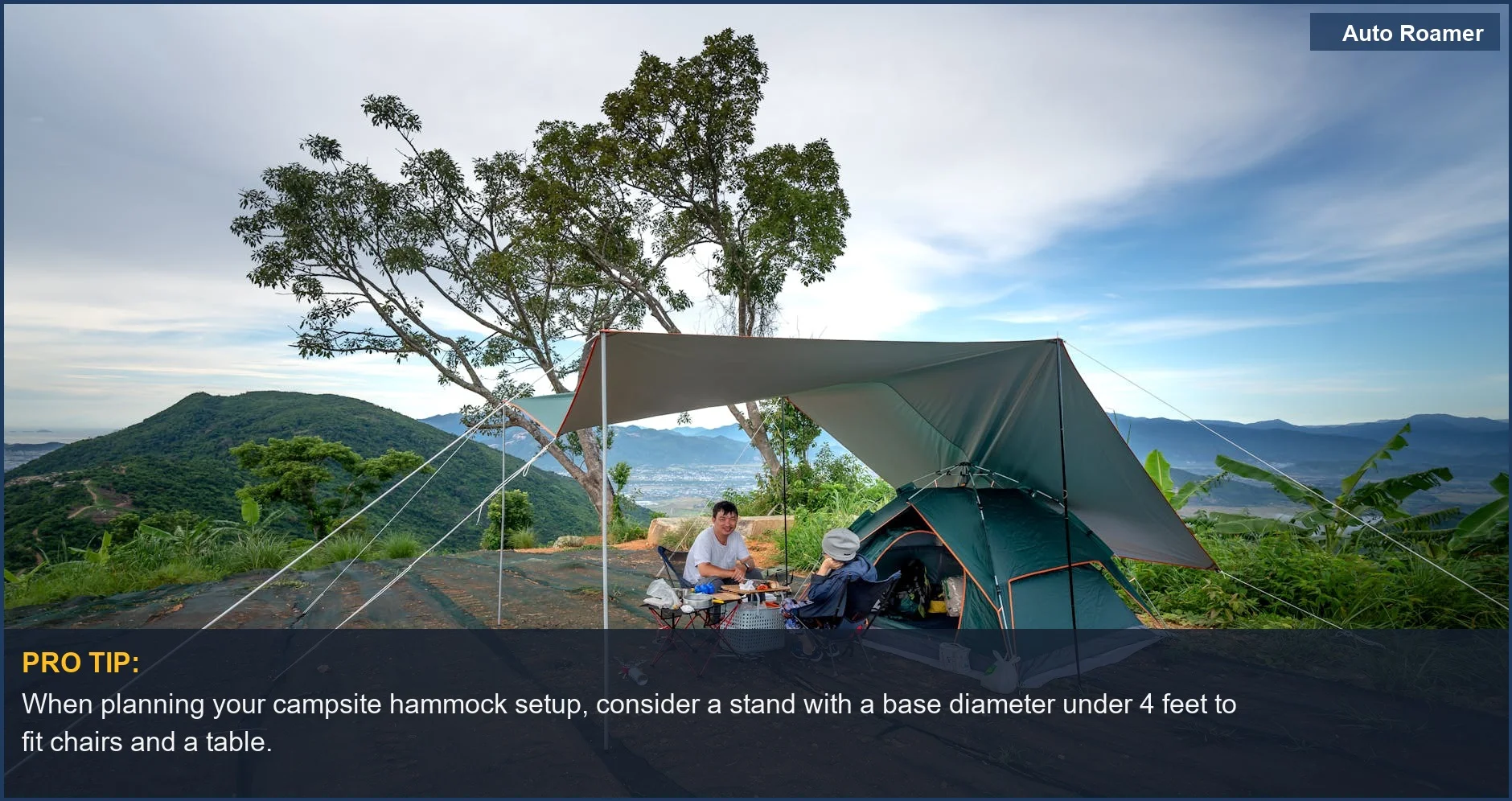
- Campsite Tetris: I learned this the hard way at Big Meadows Campground in Shenandoah. I had a stand that was about 5 feet wide at the base. It looked fine until I tried to set up my camp chairs and a small folding table. Suddenly, my little plot felt like a sardine can. The stand's footprint dictated where everything else could go, and it wasn't pretty.
Grand Trunk talks about portability, but not how much space the stand itself eats up.
- Trip Hazard Alert: Picture this: it's dark, you're fumbling for your headlamp, and you trip over a wide hammock stand leg. Not ideal. When I'm looking at stands, I'm checking how far out the legs extend. I'd say anything over 3 feet of leg spread on either side is pushing it for most standard campsites.
The community often discusses how much space these things take up.
- Vehicle Fit: This is a game-time decision. If you're car camping, a wider stand might be fine because you can just toss it in the trunk. But if you're trying to cram it into a smaller car or a van, you need to consider the packed dimensions and the potential for it to snag on other gear.
I once had to strap a stand to the roof of my old Civic because the legs stuck out too far. Brilliant engineering. YouTube reviews often show how these pack down, but rarely show the actual footprint.
- The $50 Version: If you're on a budget and looking at DIY options, you still need to consider the footprint. Building a stand that's too wide might save you money on materials but cost you precious campsite real estate.
It's a trade-off. You don't want to end up with a stand that's a pain to set up or use because it's just too darn big for your spot. Aosom's guide mentions setup tips, which is where footprint really comes into play.
Making the Right Choice
- Size Up Your Space: Before you even look at a hammock stand, think about the typical campsite you'll be visiting. Is it a spacious state park or a tight, tree-lined spot? Knowing this will help you narrow down the footprint you can handle. I learned this the hard way at a small campground in Pennsylvania where my 4-foot wide stand took up half the usable space.
Derek Hansen's article touches on the practicality of stands in different locations.
- Check Assembled Dimensions: Don't just look at how long the hammock it supports is. The actual width and length of the stand when it's set up is what matters for your campsite. Aim for something that won't make you feel like you're living in a broom closet. I'd say anything over 4 feet wide is a potential problem for most typical car camping spots.
Reddit threads are full of people asking about this exact issue.
- Portability vs. Footprint: If you're aiming for ultralight or van life, you'll likely find stands that pack down small. But even these can have legs that spread out considerably. Consider how much space you're willing to sacrifice for portability. A stand that packs into a 2-foot bag might still need a 3-foot footprint to be stable.
YOBOgear emphasizes carrying it, but not what it takes up when deployed.
- The Honest Version: You need enough space to get in and out of your hammock without doing a gymnastic routine, plus room for your other gear. It's not just about the hammock; it's about the whole campsite experience. My second trip with a more compact stand was twice as comfortable, even though the hammock was the same.
REI's advice focuses on the hammock itself, but the stand's footprint is a crucial part of the comfort equation.