
Can You Use a Rooftop Tent in Different Weather Conditions with a VW California Camper?
Adding a rooftop tent to your VW California camper can feel like a whole new ballgame when the weather turns sour. While these tents offer a slick way to expand your sleeping quarters, they aren't all created equal when it comes to battling the elements.
Adding a rooftop tent to your VW California camper can feel like a whole new ballgame when the weather turns sour. While these tents offer a slick way to expand your sleeping quarters, they aren't all created equal when it comes to battling the elements. You've got the factory pop-top, which is basically a glorified tarp, and then you have aftermarket options that might be built tougher.
The real question is, can your California's roof handle it, and will the tent itself keep you dry and warm when the sky opens up? It's not just about having a place to sleep off the ground; it's about surviving the night without waking up soaked and miserable.weather conditions
The Core Answer
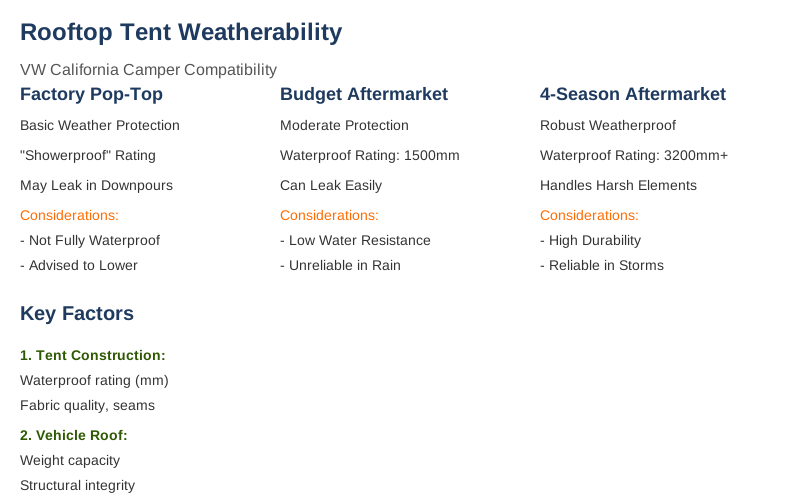
The core answer to whether you can use a rooftop tent in different weather conditions with a VW California camper hinges on two main things: the tent's construction and your vehicle's roof capacity. The factory pop-top on a California is notoriously just 'showerproof,' not fully waterproof VW California Owners Club. I've seen photos of water seeping through the seams, and if you're in a downpour, you're often advised to just put the roof down. That's not exactly confidence-inspiring for a multi-day trip.If you're looking at an aftermarket rooftop tent, you need to consider its specs. Think about the fabric's waterproof rating - a basic tent might only handle 1500mm of water, while a serious 4-season tent could be rated at 3200mm or more Wincar Atlas Pro. This number tells you how much hydrostatic pressure the fabric can withstand before it starts leaking. I learned this the hard way when my cheap $300 tent turned into a sieve during a mild spring shower at Big Basin Redwoods State Park.
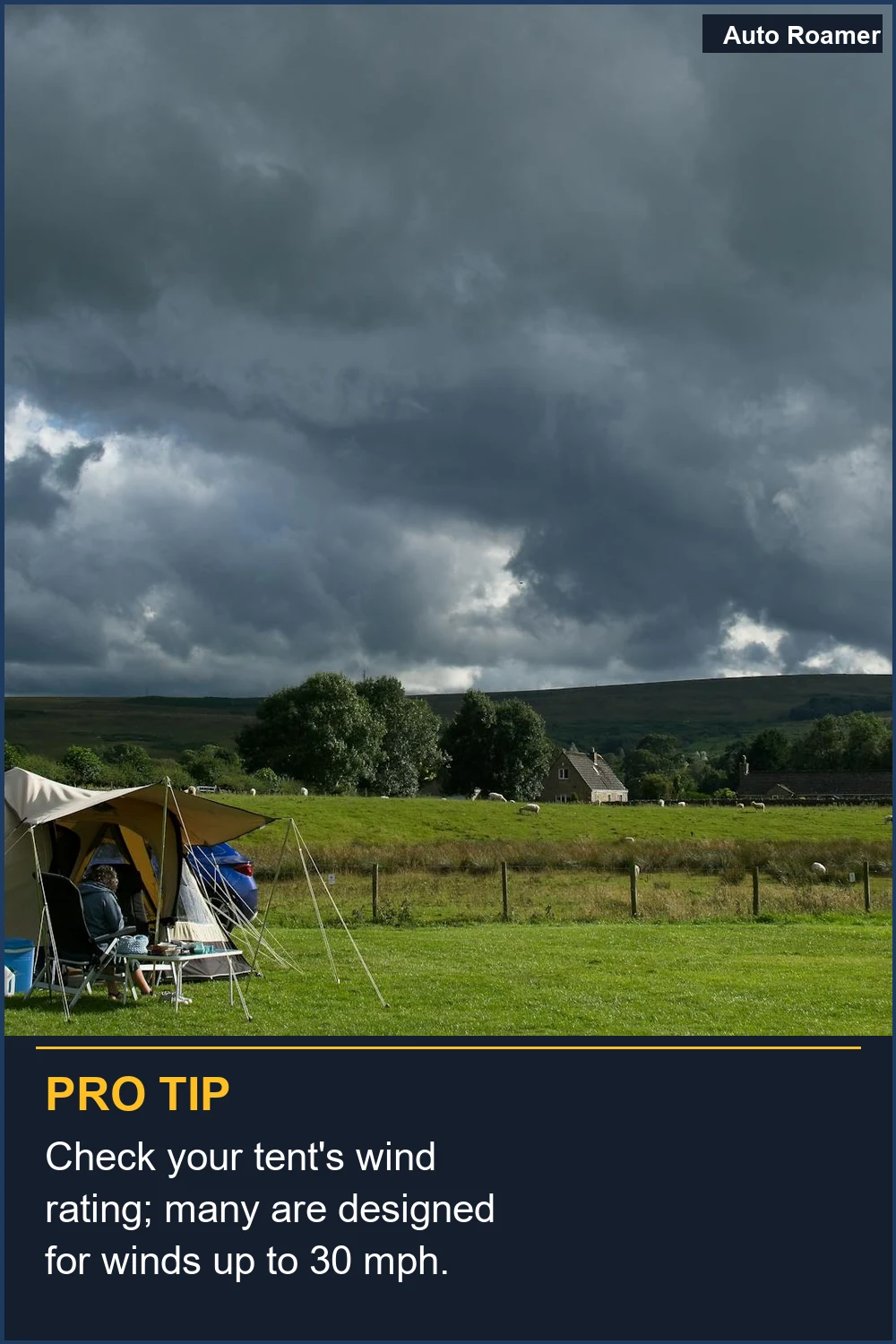
Wind is another major factor. A flimsy tent with a low wind resistance rating is going to feel like you're sleeping inside a kite in anything more than a stiff breeze. Some tents are rated for up to 120 km/h, while others might struggle at 60 km/h wind resistance rating. I remember a trip to Joshua Tree where the wind was howling, and my tent was groaning like a wounded animal. It wasn't fun.
Then there's the weight. Your California's roof has dynamic load limits - that's the weight it can handle while you're driving. It's usually around 110-165 lbs Auto Roamer. A heavy hard-shell tent can easily eat up most of that, leaving you with little room for anything else. Static load (when parked) is much higher, often 500-1000 lbs, which is enough for people and gear. But you absolutely need to verify your van's specific rating. Rookie mistake: assuming all roofs are created equal.
The honest version is that not all rooftop tents are built for all-weather camping. You need to match the tent's capabilities to the conditions you expect. Trying to use a 3-season tent in a blizzard is just asking for trouble. It's like trying to use a flip-flop as a hiking boot.
Why This Matters for Your Setup
Why this matters for your setup is pretty straightforward: you don't want to get stranded. A poorly chosen tent can lead to a miserable night or even damage to your vehicle.Here's the breakdown:
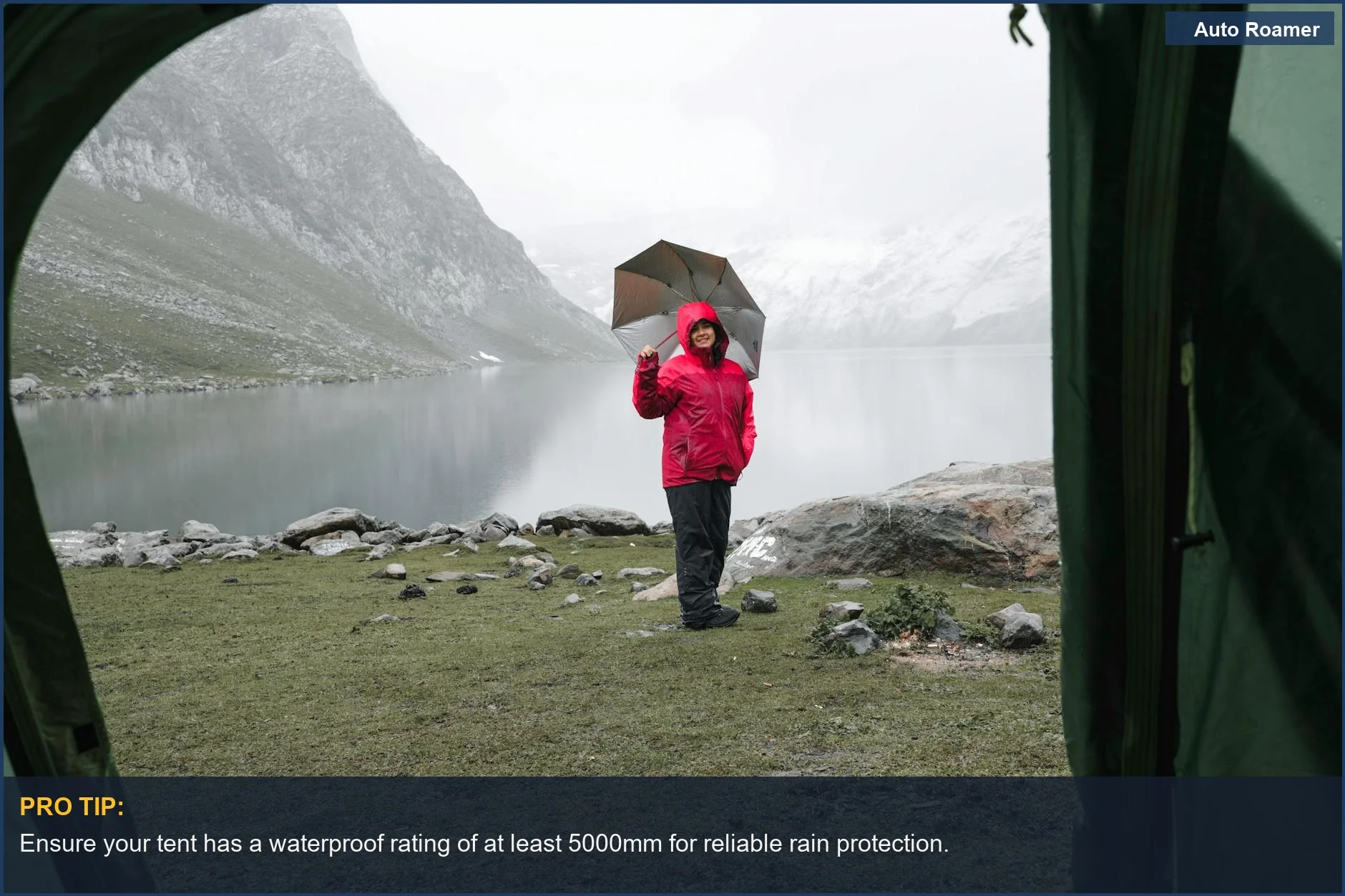
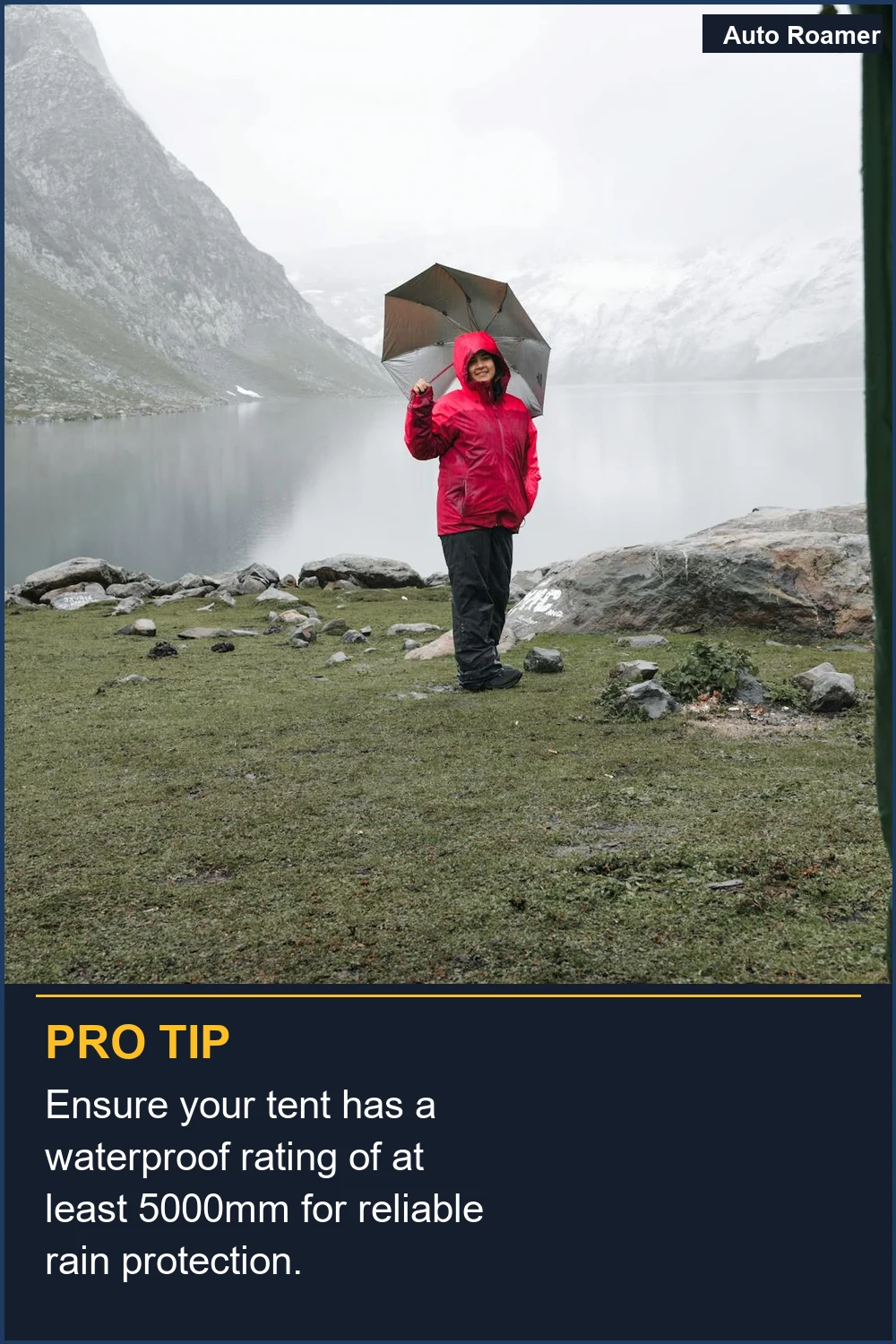
- Rain Management: The factory pop-top is okay for a light sprinkle, but heavy rain is a different story. If you're using an aftermarket tent, look for a high waterproof rating (think 3000mm+). I learned this when my first tent, with a rating closer to 1500mm, became a sponge during a sudden thunderstorm in the Sierras. It was a soggy mess.
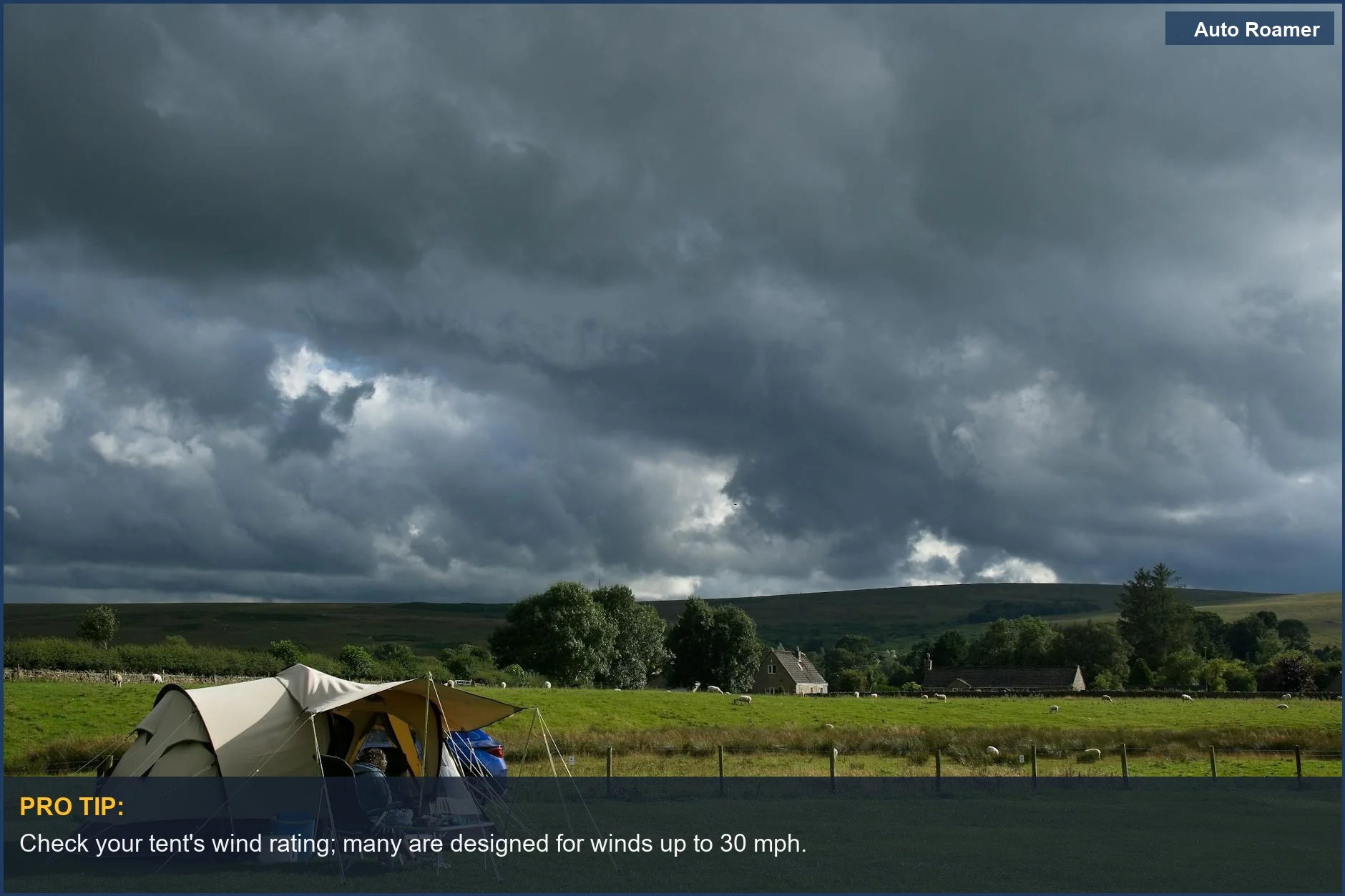
- Wind Worries: Strong winds can make sleeping in a rooftop tent feel like you're on a boat. Check the wind resistance rating of any tent you consider. If the forecast calls for anything over 25 mph, and your tent isn't built for it, maybe reconsider. I've had nights where the constant flapping kept me awake for hours.
- Weight Limits: Your VW California's roof isn't infinitely strong. Exceeding the dynamic load limit while driving can cause serious damage. Always check your van's manual for the exact rating. A common hard-shell tent can weigh 150 lbs, so you need to know what you're working with.
- Canvas vs. Hardshell: Soft-shell tents, like the factory pop-top, are generally less weatherproof than hardshell models. They have more seams and fabric that can leak. Hardshells offer better insulation and water resistance, but they are heavier and more expensive. My $500 soft-shell tent was a learning experience; my $2,000 hardshell has been a much drier investment.
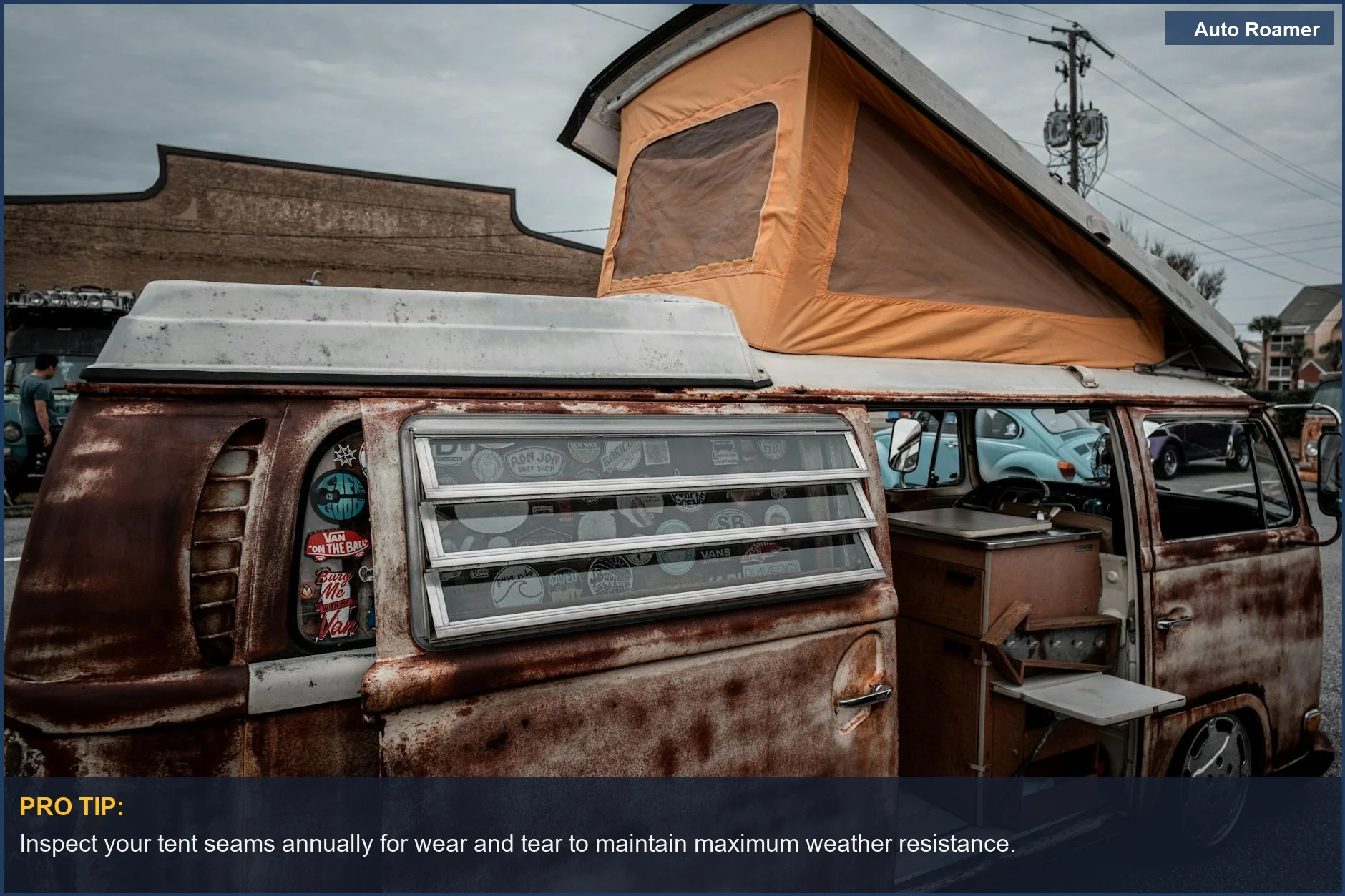
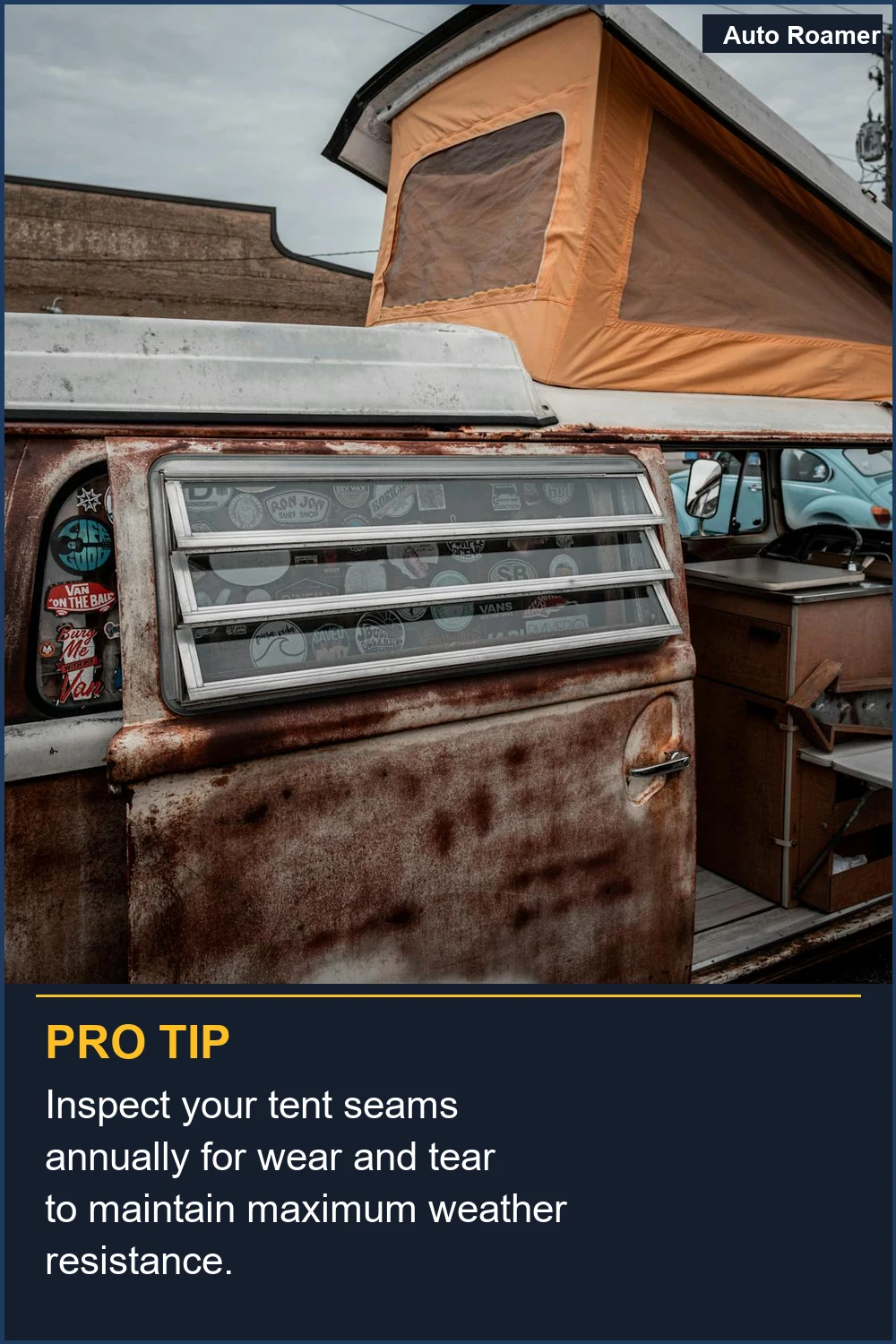
- Seam Sealing: Even with a good waterproof rating, seams are weak points. Some tents have taped seams like modern rain gear, others don't. For tents without sealed seams, you might need to apply your own waterproofing treatment, like Fabsil, especially around windows VW T4 Forum.
Making the Right Choice
Making the right choice for your VW California camper and rooftop tent comes down to being realistic about the weather.Here's the simple truth:
- Know Your Tent's Limits: Not all rooftop tents are created equal. A cheap, 3-season tent is not going to cut it in a serious storm. Understand the waterproof rating and wind resistance before you buy. I figured this out after a very wet weekend in Oregon.
- Check Your Van's Capacity: Your California's roof has weight limits. Don't overload it. A heavy tent plus camping gear could strain your vehicle. Always verify the dynamic and static load ratings.
- Consider a Tarp: Even with a good tent, an extra tarp can be a lifesaver in heavy rain. It provides an additional layer of protection over your tent and can create a dry entry area. I always pack a large one now.
- Prioritize Quality: While the $500 version might seem tempting, investing in a higher-quality, all-weather rated tent will pay off in comfort and durability. My first tent lasted about 18 months; my current one is going on year three with no leaks.
- Be Prepared to Adapt: Sometimes, the weather just wins. If you're expecting severe conditions, it might be wiser to postpone your trip or find alternative shelter. Listening to the forecast is key, and sometimes, earplugs are your best friend Reddit.
Frequently Asked Questions
If I want to add an aftermarket rooftop tent to my VW California, how much am I looking at for professional installation versus doing it myself?
Do I really need a special torque wrench to install a rooftop tent on my California, or can I just tighten the bolts down real good?
What happens if I ignore the wind warnings and my rooftop tent rips apart while I'm driving?
Can using a rooftop tent in heavy rain for extended periods permanently damage my VW California's pop-top canvas?
I heard that if your rooftop tent gets wet, you just need to let it air out for a day and it'll be fine. Is that true?
🏅 Looking for Gear Recommendations?
Check out our tested gear guides for products that work with this setup: