
Are Rechargeable Lanterns Reliable for Extended Car Camping Trips?
Rechargeable lanterns are a big topic for anyone looking to ditch the disposable batteries on their car camping trips. My first few trips involved a frantic search for AAAs under the car seat at 10 PM. It's not ideal when you just want to read your book.
Rechargeable lanterns are a big topic for anyone looking to ditch the disposable batteries on their car camping trips. My first few trips involved a frantic search for AAAs under the car seat at 10 PM. It's not ideal when you just want to read your book. The real question is whether these fancy USB-powered lights can actually hold up when you're out for more than a single overnight.
I've seen enough forum posts about dead lights to make me cautious. treelinereview.com tested a bunch, and they found some gems. But are they reliable for a full weekend? That's what we need to break down. Facebook groups are full of horror stories.
The Core Answer
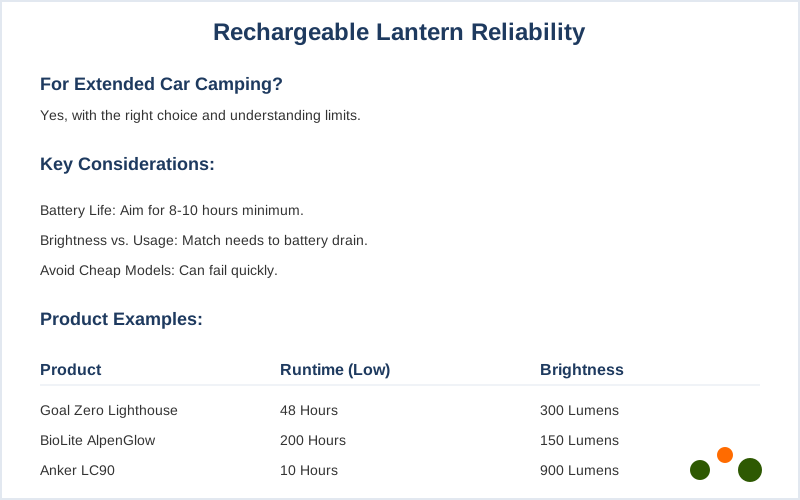
The honest version is: yes, rechargeable lanterns can be reliable for extended car camping trips, but you need to pick the right one and understand their limits. My first rechargeable was a cheap knock-off that died after 4 hours on its highest setting, which was basically useless for anything more than finding my keys. That was a rookie mistake. lambcity.com says you should look for lanterns that last at least 8 to 10 hours on a single charge, and I absolutely agree. That's the bare minimum for a decent night's light. Some can run for 200 hours on their lowest setting, which is overkill for most camps but nice to know it's there if you need it gearandhome.com. The key is matching the brightness you need to the battery life. If you're trying to light up a whole campsite like it's daytime, you'll burn through the battery faster than a marshmallow over an open flame. For just reading in a tent, a lower setting will last you all night. I've learned to bring a portable power bank, just in case. It's the $20 insurance policy that saved my weekend more than once. Think of it as game-time decision insurance. You don't want to be fumbling in the dark trying to charge your phone and lantern at the same time. Some models have swappable batteries, which is a solid middle-ground if you're really worried about being tethered to a power source reddit.com. It's not about the fanciest tech, it's about having light when you need it, without fuss. My current favorite can run for 30 hours on medium, which is plenty for a solid three-day trip if I'm smart about it.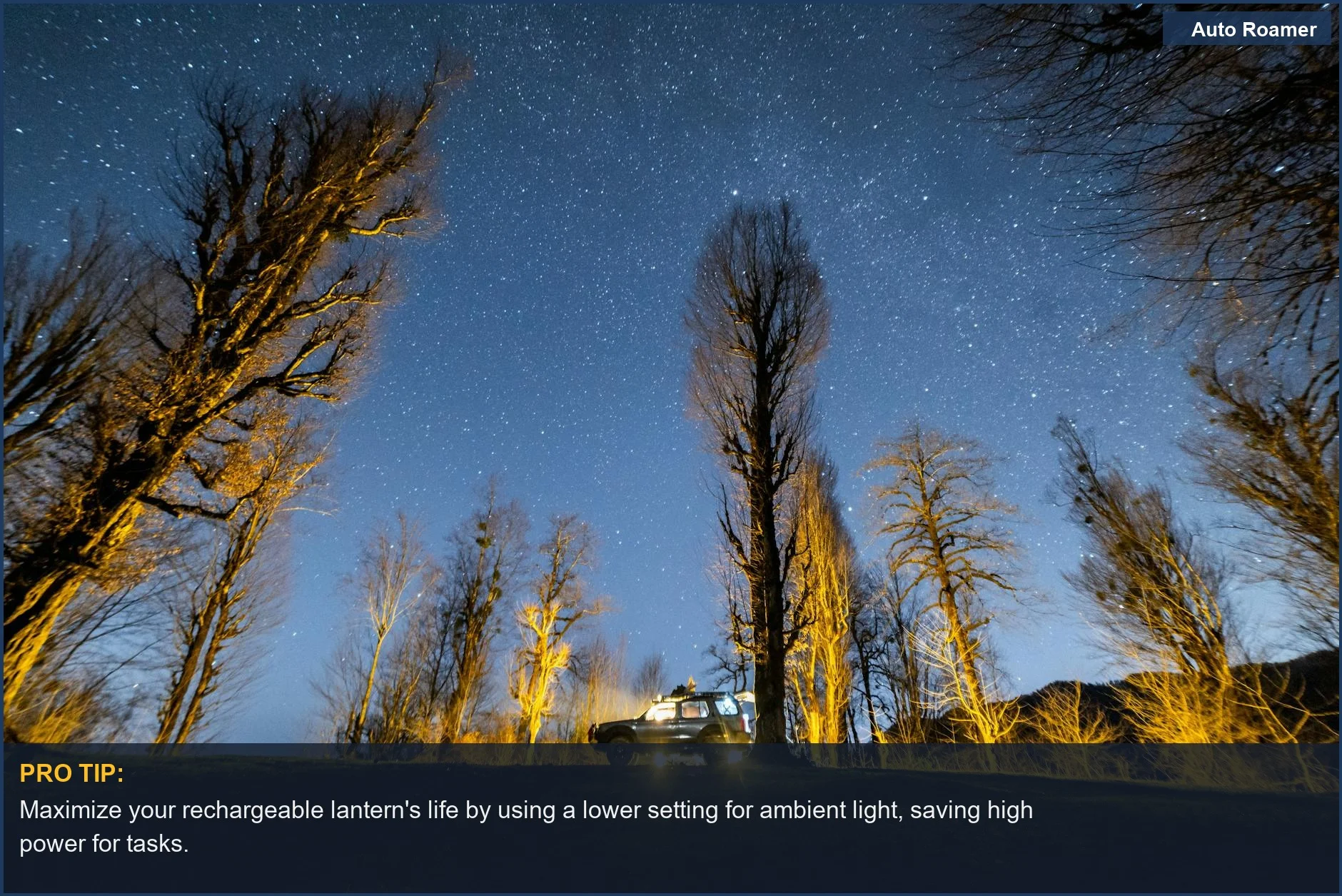
Why This Matters for Your Setup
- This matters because you don't want your only light source dying at 2 AM when you need to find the bug spray. I learned this the hard way at a campground in the Adirondacks. It was pitch black, and my lantern sputtered out after only 3 hours. I ended up using my phone's flashlight, which drained it fast.
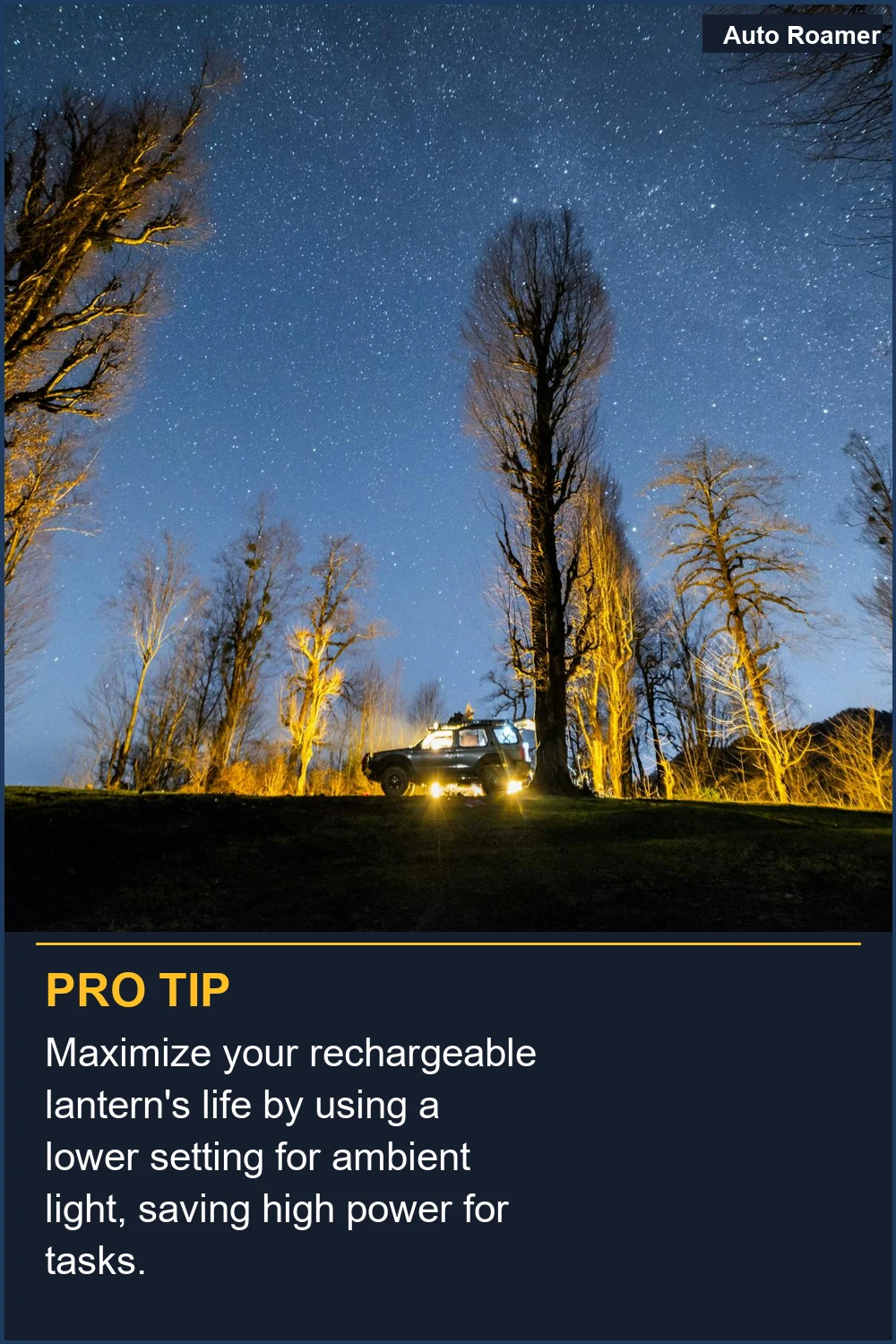
- The real move is to check the advertised battery life *at the brightness level you'll actually use*. A lantern advertised to last 100 hours on its dimmest setting might only last 5 hours on high. That's a big difference when you're out for the weekend.
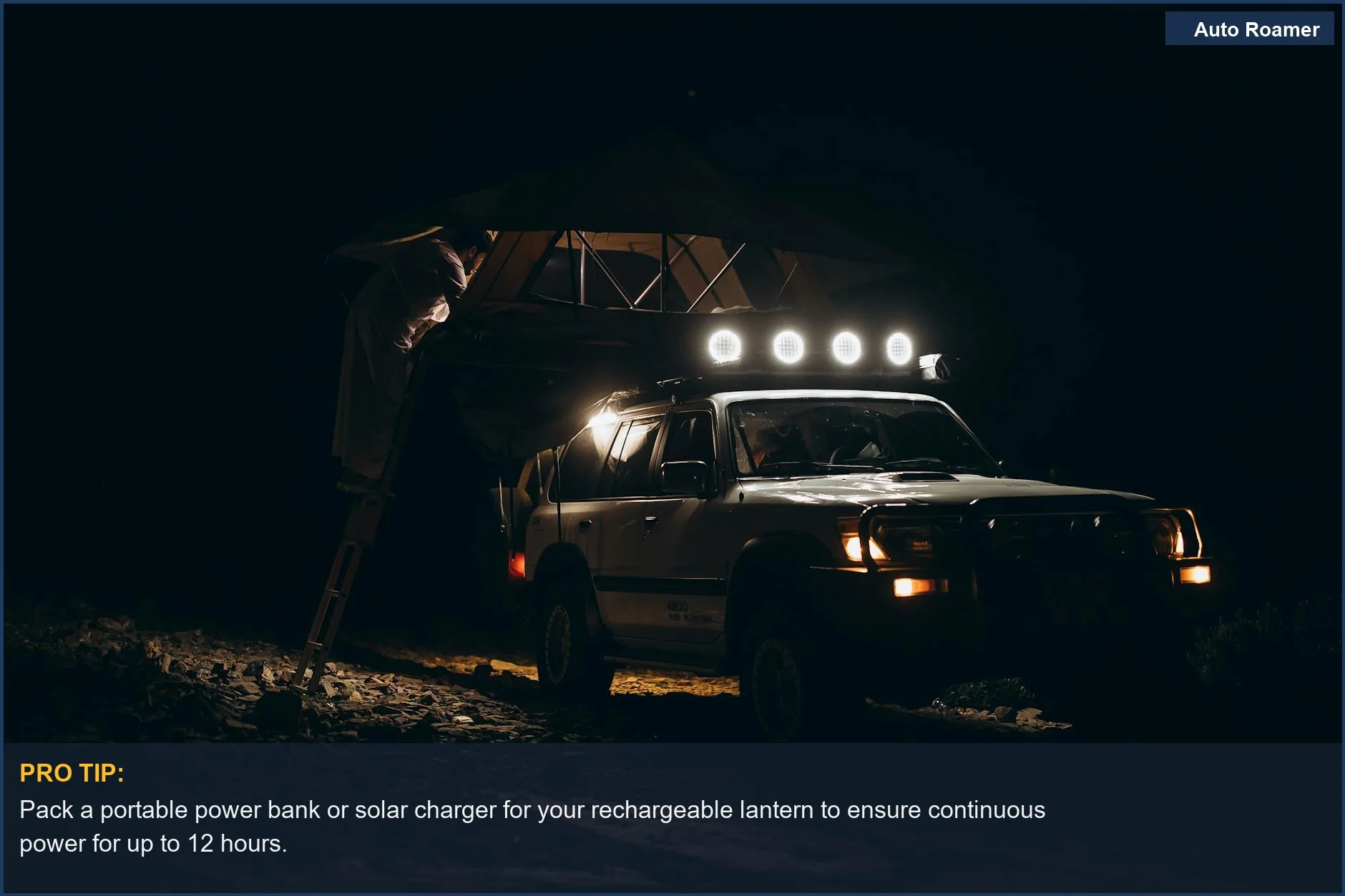
- Consider how you'll recharge. If you have a car with USB ports, you're golden. If not, a portable power bank is your best friend. I carry a 10,000 mAh one that can recharge my phone and lantern at least twice. It's not much, but it's enough to get me through.
- Think about durability. My first rechargeable lantern looked cool but cracked when I accidentally dropped it on a rock. Now I look for ones with a bit more ruggedness, maybe a rubberized coating. It's not about needing to survive a bear attack, just a clumsy fumbling in the dark.
Making the Right Choice
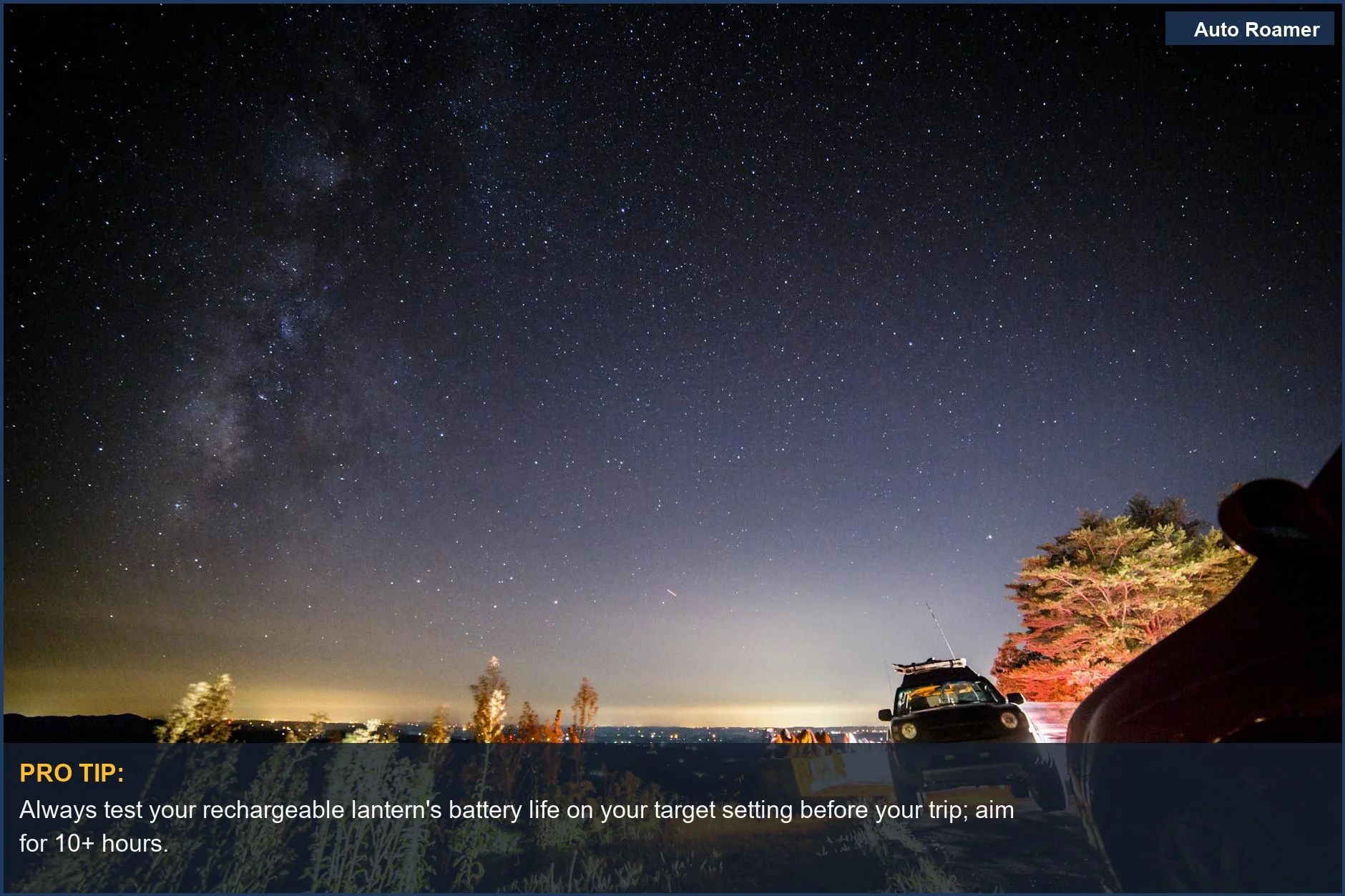
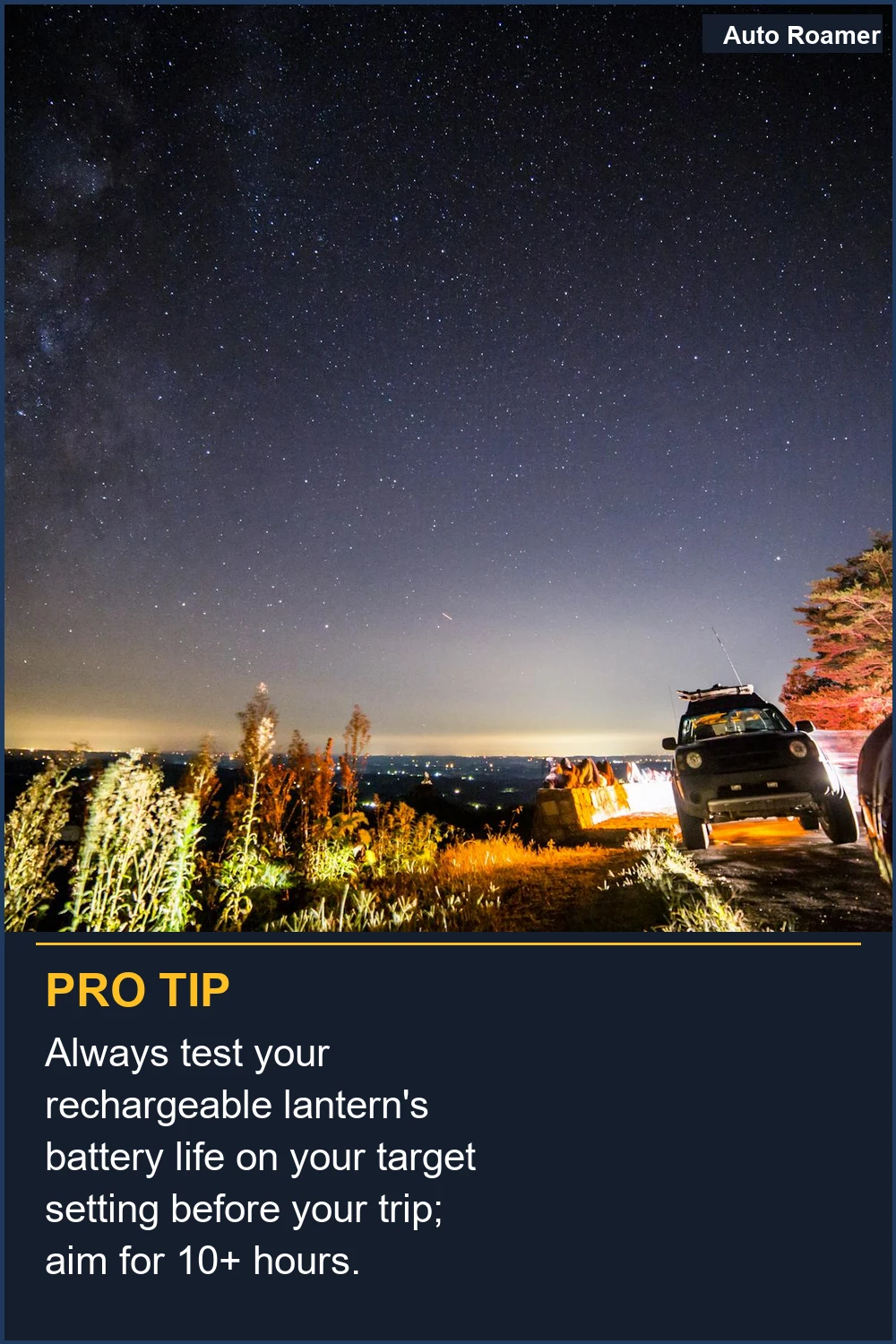
- When picking a rechargeable lantern, focus on battery life at a medium to high setting, not just the absolute maximum. Aim for at least 8 hours on a setting that actually lights up your camp.
- Think about your power situation. If you're car camping with easy access to a vehicle or a campsite with outlets, you have more flexibility. If not, a portable power bank is a non-negotiable accessory.
- Don't be afraid to check out reviews from actual campers. Look for consistent feedback on battery performance and reliability over multiple trips. What works for a backyard BBQ might not cut it for a weekend in the woods.
- Ultimately, the best rechargeable lantern is the one that fits your camping style and budget, and that you've tested before you leave home. My $50 version has been way more reliable than any $15 dollar special.
Frequently Asked Questions
Okay, so if I buy one of those fancy rechargeable lanterns for $60, is that way more expensive than just grabbing a pack of AAAs for my old lantern?
Do I really need a fancy multimeter to check if my rechargeable lantern is, like, *actually* charging from my car's USB port?
What if I charge my rechargeable lantern all night, but when I get to camp, it only lasts 2 hours? Can I just plug it into my car and keep it going?
Can I permanently damage my rechargeable lantern if I keep charging it after it's already full?
I heard that rechargeable lanterns are basically useless in cold weather because the batteries die faster. Is that true?
🏅 Looking for Gear Recommendations?
Check out our tested gear guides for products that work with this setup: