The short answer on runtime
A rechargeable car-camping lantern should comfortably light a full evening on one charge — figure 4 to 6 hours at usable brightness for cooking, cards and getting around camp, and 8 to 20-plus hours on a low ambient glow. Larger models with big batteries run a soft light all night and into the next evening. If a lantern cannot get you through one evening at a brightness you can actually use, it is too small or too cheap.
The trap is the headline number. 'Up to 100 hours' is always the dimmest mode, not the brightness you want. This guide explains what drives runtime — brightness, battery capacity and mode — what counts as good, how to make a charge last longer, and which rechargeable lanterns actually deliver all-evening light. Since you are car camping, you can recharge from the car or a power station, so the goal is reliable nightly runtime, not extreme endurance. Read on for what to expect by brightness, how to read a spec sheet honestly, and the lanterns that back their numbers up.
What actually drives runtime
Three things decide how long a lantern lasts. Brightness (lumens) is the spender: doubling the output roughly halves the runtime, which is why the same lantern might run 6 hours bright and 40 hours dim. Battery capacity (mAh or watt-hours) is the tank: a bigger battery stores more energy, so for long runtime you want a large cell, commonly 4,000 to 10,000-plus mAh for car-camping lanterns. Mode matters too — warm and red modes often sip less than cool white.
The key insight is that lumens and battery capacity are independent. A bright 1,000-lumen lantern with a tiny battery can die faster than a modest 400-lumen one with a big battery. So do not shop on lumens alone, and do not trust the maximum-runtime figure: find the runtime quoted at a mid or high brightness, and check the battery's mAh or Wh rating to understand the tank behind it.
- Lumens = how fast it spends energy
- Battery mAh/Wh = how much energy it stores
- Mode (warm/red vs cool white) shifts efficiency
What counts as 'good' runtime for car camping
Because you can recharge from the car, the bar for car camping is reliability over an evening, not multi-day endurance. A good lantern runs 4 to 6 hours at a bright, useful setting and 8 to 20-plus hours on low. A great one — usually a larger model — runs a low glow all night, holds a useful bright setting for most of an evening, and still has charge left to act as a power bank.
Be skeptical of any lantern that needs its dimmest mode to hit double-digit hours, or that quotes only a maximum runtime with no figure for higher brightness. For most car campers, a lantern in the 200 to 500-lumen range with a 4,000 mAh or larger battery hits the sweet spot: bright enough to cook by, large enough to last the night, and easy to top off from the car the next day.
Our top picks for long runtime
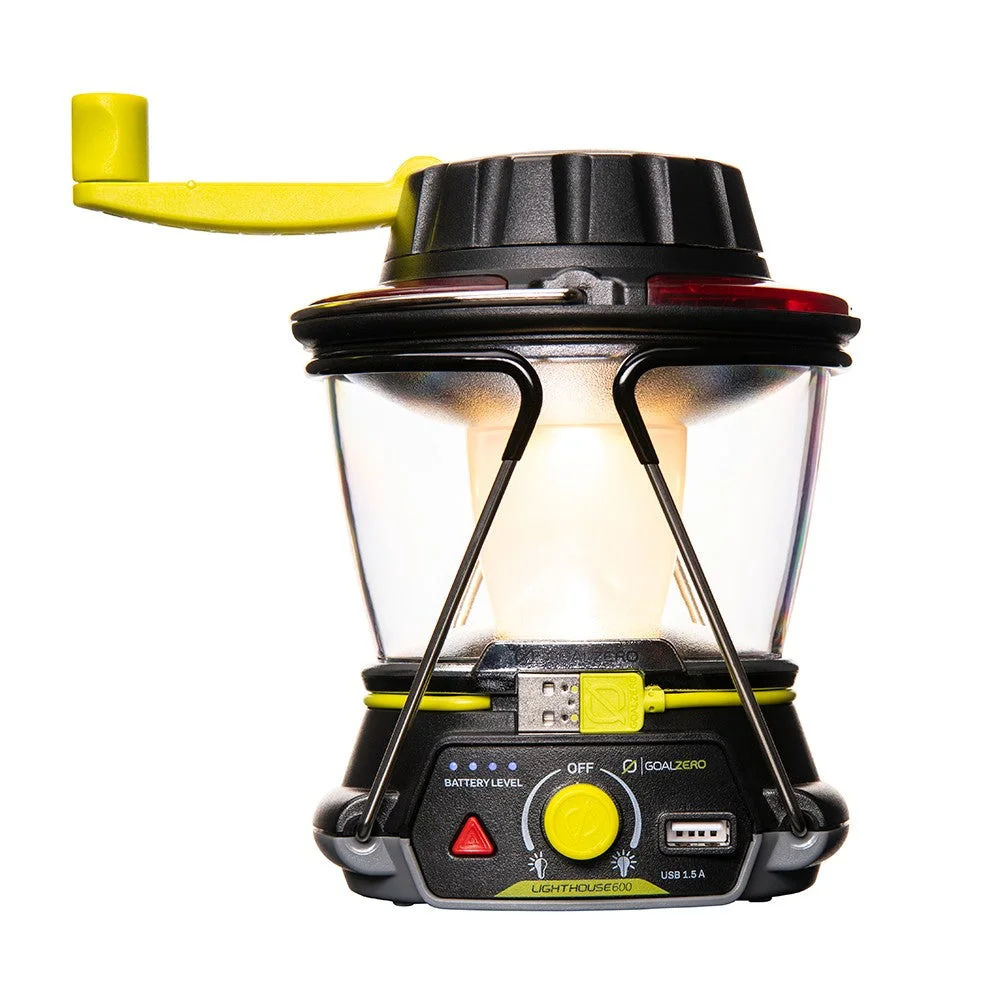
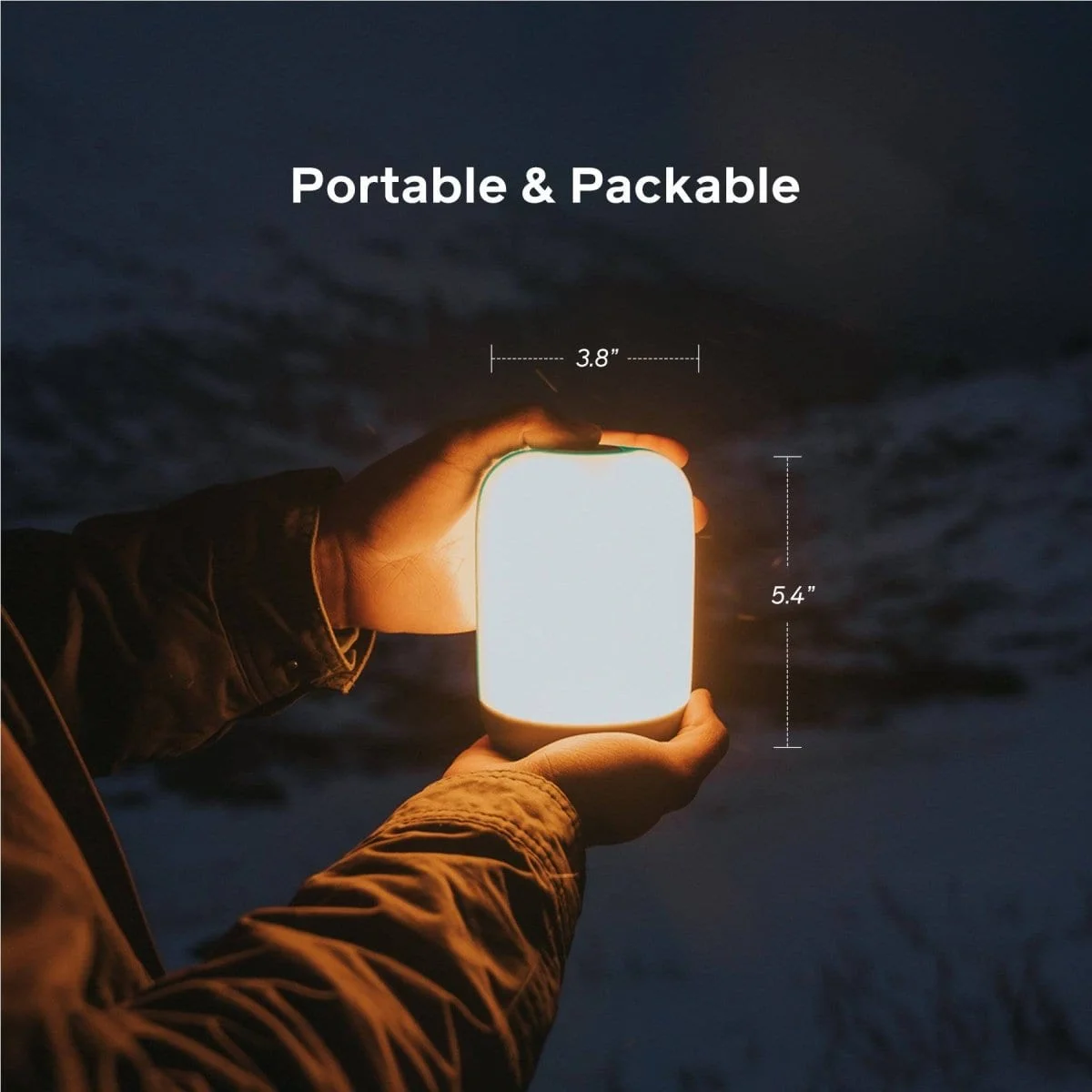
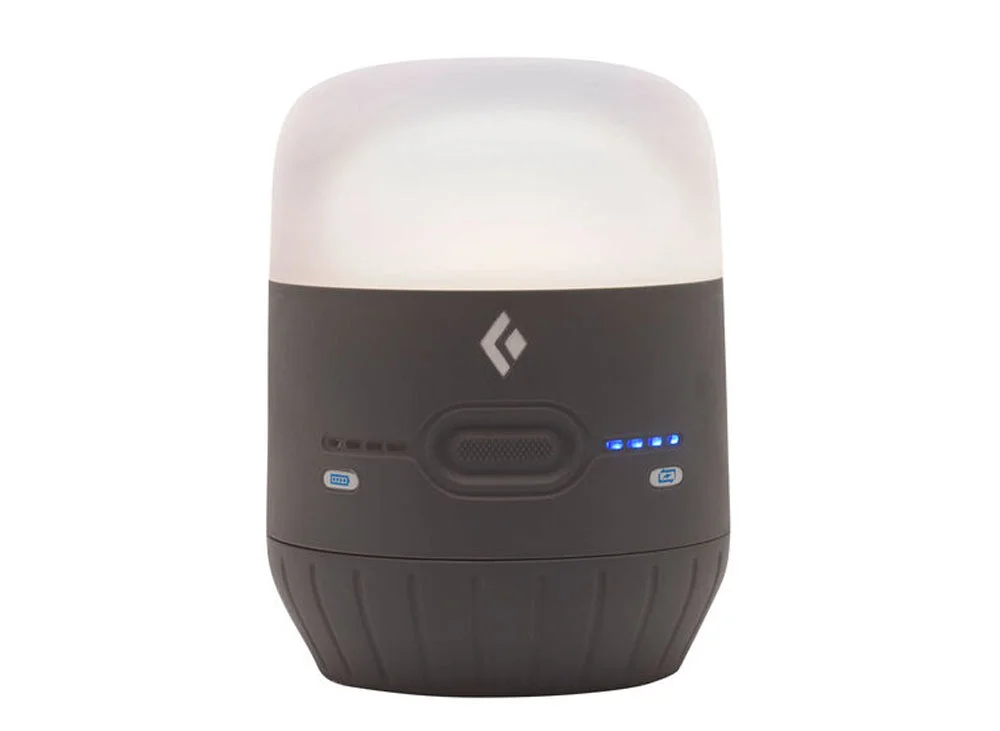
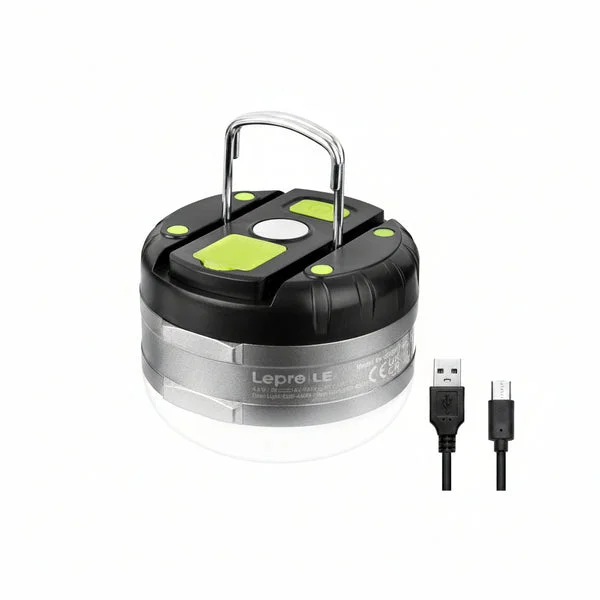
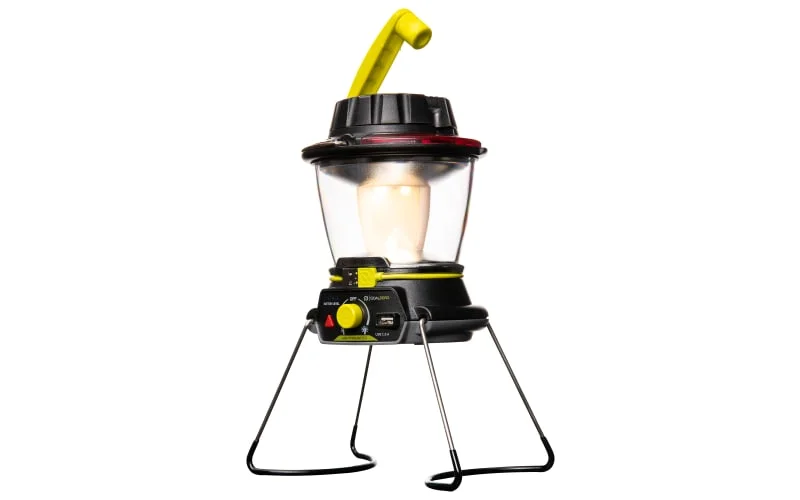
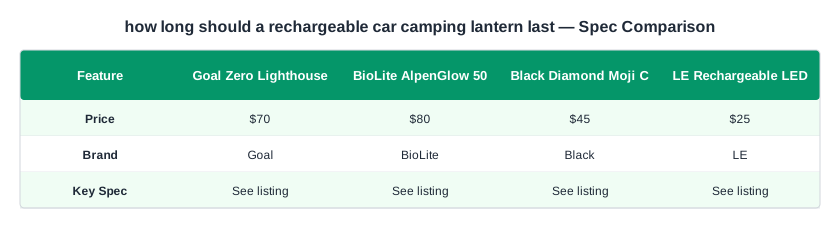
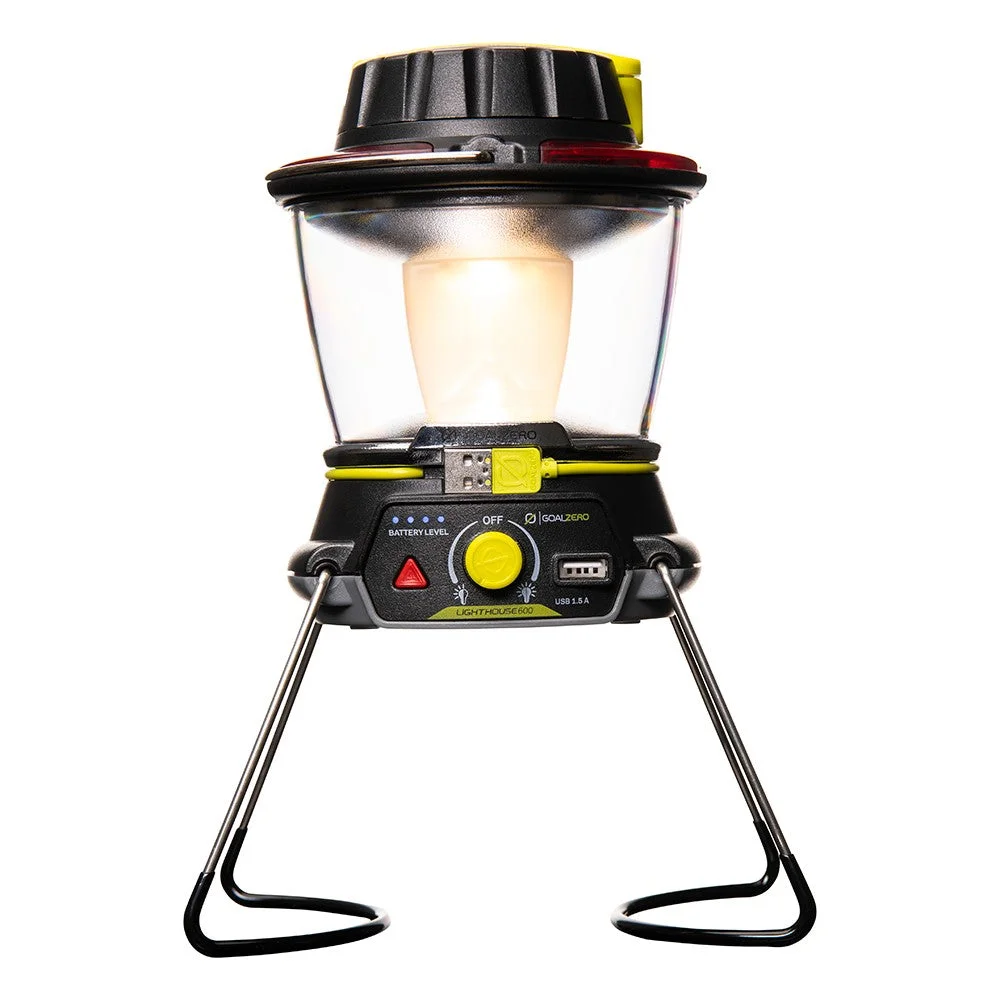
For maximum runtime and endurance, the Goal Zero Lighthouse 600 is our top pick: a big battery delivers genuine all-night light, a USB-out doubles it as a phone power bank, and a hand crank adds emergency runtime when there is no other power source. For the best blend of runtime and pleasant light quality, the BioLite AlpenGlow 500 is the all-rounder, with a large battery, adjustable warm light and a USB-out of its own.
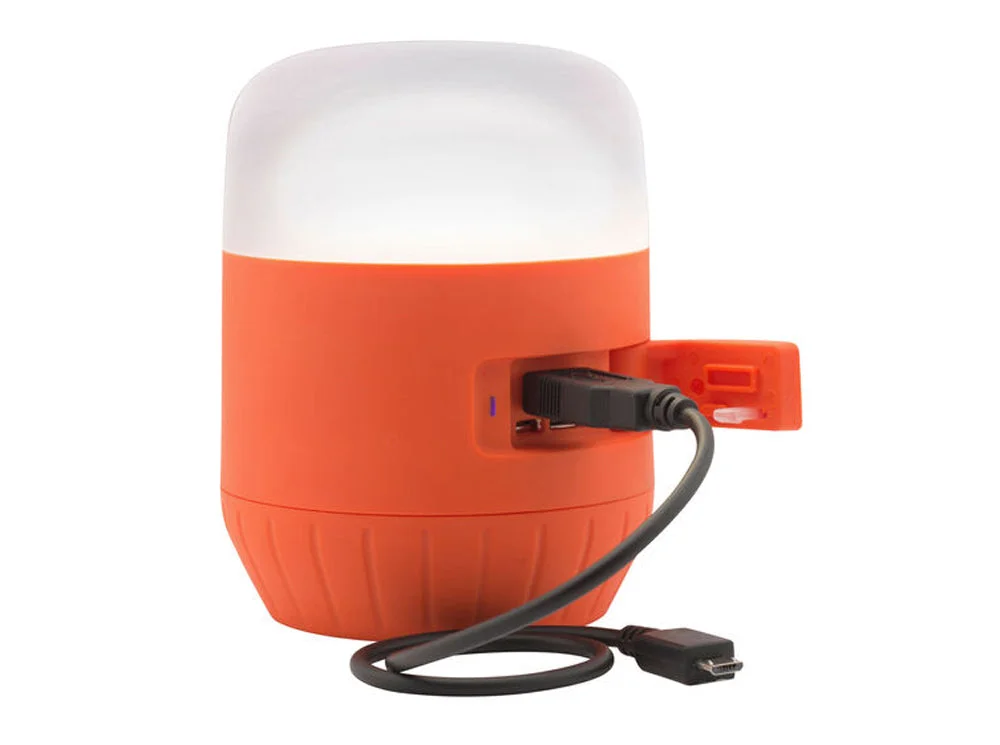
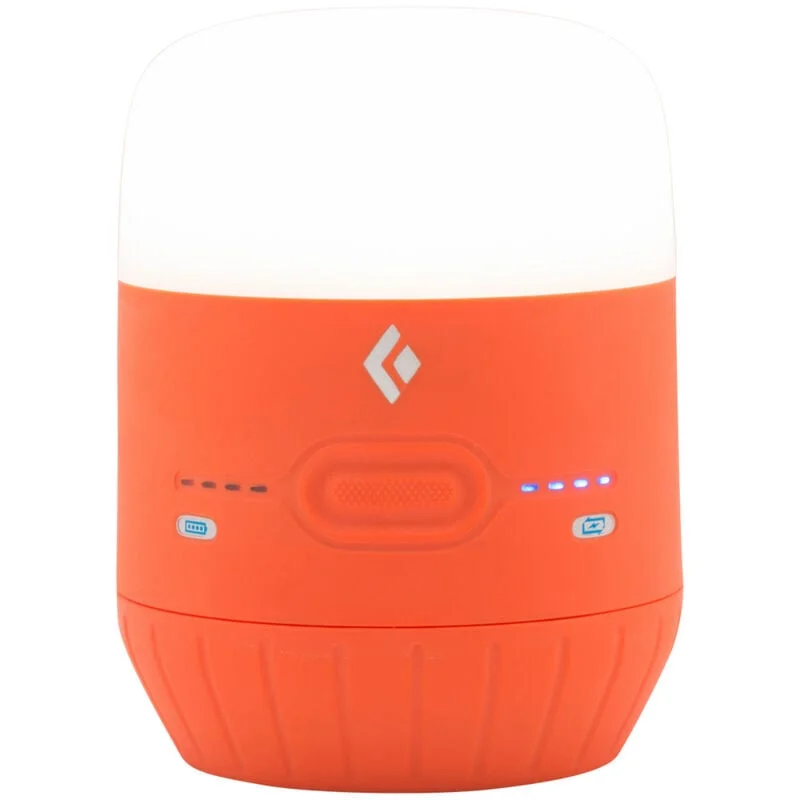
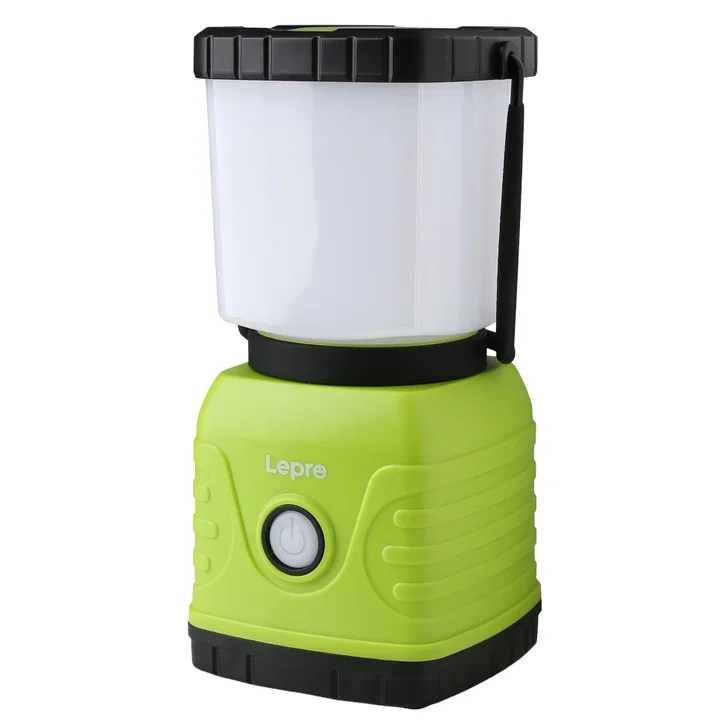
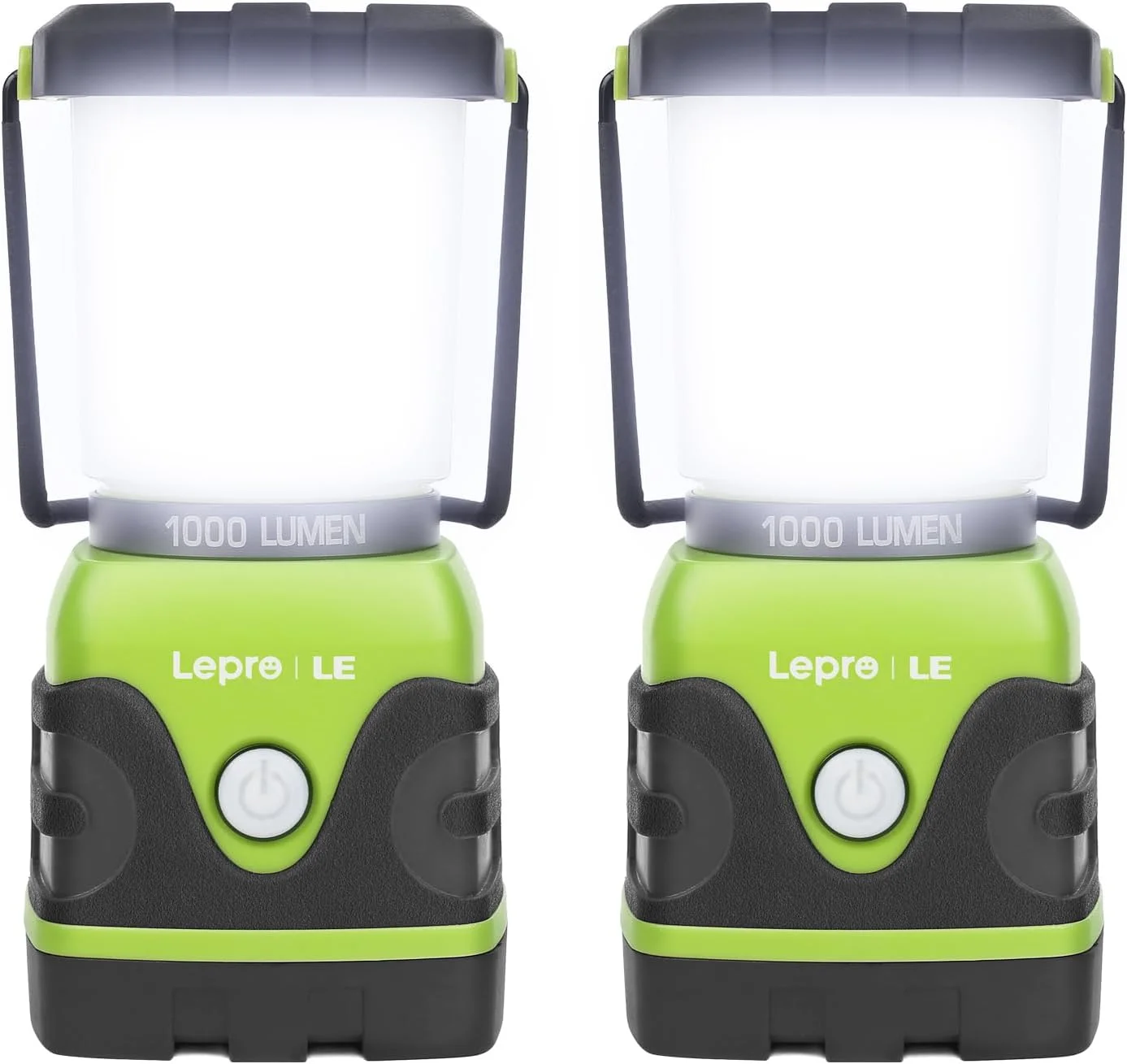
If you want bombproof simplicity and long low-mode runtime, the Black Diamond Moji Charging Station Lantern is a compact, efficient choice that sips power. And for the best value with honest runtime and a built-in power bank, the LE Rechargeable LED Camping Lantern delivers long hours at a fraction of the price. Each is named for the runtime job it does best — judge them by their hours at a brightness you would actually use.
Quick pick: best all-around runtime and light, the BioLite AlpenGlow 500; maximum endurance, the Goal Zero Lighthouse 600; efficient and compact, the Black Diamond Moji Charging Station Lantern; best value, the LE Rechargeable LED Camping Lantern.
Head-to-head: which lantern for which camper
The BioLite AlpenGlow 500 is the all-rounder — big battery, pleasant light, power-bank out — best for campers who want one lantern that lights the night and tops a phone, though it is pricier. The Goal Zero Lighthouse 600 wins on endurance and emergency readiness (the hand crank is a genuine safety feature) but is bulkier and heavier.
The Black Diamond Moji Charging Station Lantern takes the prize for efficient, fuss-free long low-mode runtime in a small package, at the cost of peak brightness. The LE Rechargeable LED Camping Lantern is the value pick — strong runtime and a power bank for far less — though its build and light quality are a step below the premium options. There is no single winner; match the runtime, brightness and extras to how you camp.
How to make a charge last longer
The biggest lever is brightness. Run the lantern at the lowest setting that does the job — a soft ambient glow for hanging around camp sips a fraction of what full output does, easily tripling your runtime. Use warm or red light modes where available; they are kinder to night vision and often more efficient than cool white. Reserve the bright setting for active tasks like cooking, then drop back down.
- Run it dim: a low glow can triple runtime
- Use warm/red modes: kinder on eyes, often more efficient
- Keep the battery warm: cold cuts lithium capacity
- Recharge from the car: top off on drive days
Protect the battery, too. Lithium cells lose capacity in the cold, so on chilly nights tuck the lantern into your sleeping bag or a jacket rather than leaving it out. Avoid using it as a phone charger when you still need the light. And because you are car camping, top it off from the 12V USB port while driving or from a power station at camp — treat the car as your recharging base and per-charge runtime stops being a worry.
When a lantern should double as a power bank
Many car-camping lanterns include a USB-out port so they can charge a phone, and it is a genuine convenience — an emergency top-up without digging out a separate power bank. The BioLite AlpenGlow 500 and Goal Zero Lighthouse 600 both do this well thanks to their large batteries, and the LE Rechargeable LED Camping Lantern includes it at a budget price.
The catch is that every bit of charge you send to a phone is runtime you take from the light. A lantern meant to double as a power bank should therefore have a clearly larger battery than a light-only model. If you already carry a dedicated power bank or a power station — common for car camping — you can deprioritize this feature and instead buy the lantern with the best runtime and light quality, charging both from the station.
Light quality and modes that affect real runtime
Runtime is not just about hours — it is about hours at a light you actually want to sit under. Color temperature matters: a warm white (around 2,700 to 3,000K) is cozy and easy on night vision, while a cool white (5,000K-plus) reads brighter but feels clinical and can disrupt sleep. Many lanterns, including the BioLite AlpenGlow 500, offer adjustable color and even multi-color modes, letting you dial in a warm low glow that both looks better and sips less power.
Dedicated red-light and candle-flicker modes are worth looking for. Red light preserves night vision for stargazing and middle-of-the-night trips outside the tent, and it draws very little current, stretching runtime. A diffused globe versus a focused panel changes things too: a 360-degree diffused lantern lights a whole campsite evenly at lower output than a directional light cranked up to cover the same area. The Goal Zero Lighthouse 600 and Black Diamond Moji Charging Station Lantern both diffuse well. The practical upshot: a lantern with good warm-light tuning and a real low mode delivers more usable evening light per watt-hour than a brute-force cool-white model, so factor light quality into the runtime math, not just the lumen rating.
Common runtime mistakes (and how to avoid them)
The classic mistake is buying on the headline runtime — choosing a lantern because it claims 100 hours, then discovering that is the dimmest glow and it gives only a few hours at a useful brightness. The fix is to read the runtime at mid or high output, which is why we judge the BioLite AlpenGlow 500 and Goal Zero Lighthouse 600 by their real bright-mode hours, not the maximum.
Two more: ignoring battery capacity and being surprised when a bright, small-battery lantern dies early — check the mAh; and forgetting cold kills lithium runtime, then blaming the lantern for a fall-camping shortfall. Keep the battery warm and recharge from the car. Buy for runtime at real brightness plus a battery sized for your needs, and a good rechargeable lantern lights every evening of the trip.
Verdict
A rechargeable car-camping lantern should light a full evening — 4 to 6 hours bright, 8 to 20-plus hours on low — and the best ones run a low glow all night while doubling as a power bank. Judge runtime at a brightness you will actually use, not the marketing maximum, and check the battery's mAh or Wh, because capacity, not lumens, is the tank.
The one-line rule: a lantern that cannot light a full evening at a brightness you would actually use is too small — no matter what its headline runtime claims.
For most car campers the BioLite AlpenGlow 500 nails the balance of runtime, light quality and power-bank utility; the Goal Zero Lighthouse 600 maximizes endurance; the Black Diamond Moji Charging Station Lantern is the efficient compact pick; and the LE Rechargeable LED Camping Lantern is the value champ. Run it dim when you can, keep the battery warm, and recharge from the car — and runtime stops being a concern.