Where to Start
Keeping a dash cam running when your car is parked off-grid, especially if you're camping, requires a power source that won't drain your main battery. This is about understanding how to provide continuous power to your dash cam without relying on your vehicle's ignition being on. It's a common need for anyone using parking mode features, which record even when the engine is off off-grid power solution.
Think of it like needing a portable charger for your phone, but for your car's eye-in-the-sky. The goal is to have that recording capability without waking up to a dead car battery. This isn't about some fancy, complicated setup; it's about a practical solution for keeping your camera fed with juice power duration disclaimers.
You need to bridge the gap between your car's battery and your dash cam's constant hunger for power, especially when you're miles from a wall outlet power your dash cam for longer. It's a rookie mistake to assume your car's battery can handle this indefinitely when parked.
The Core Answer
The real move for powering a dash cam when your car is off, especially during camping trips, involves an external power source or a battery pack designed for this purpose. Hardwiring directly to your car's battery without proper precautions is a recipe for a dead battery.
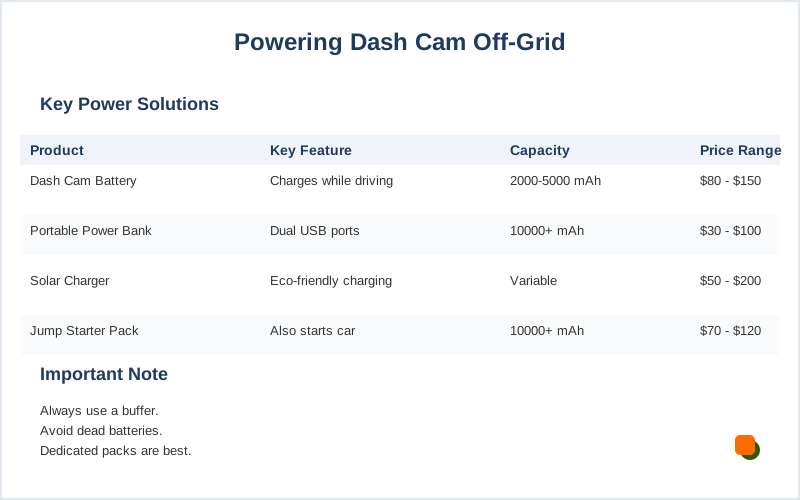
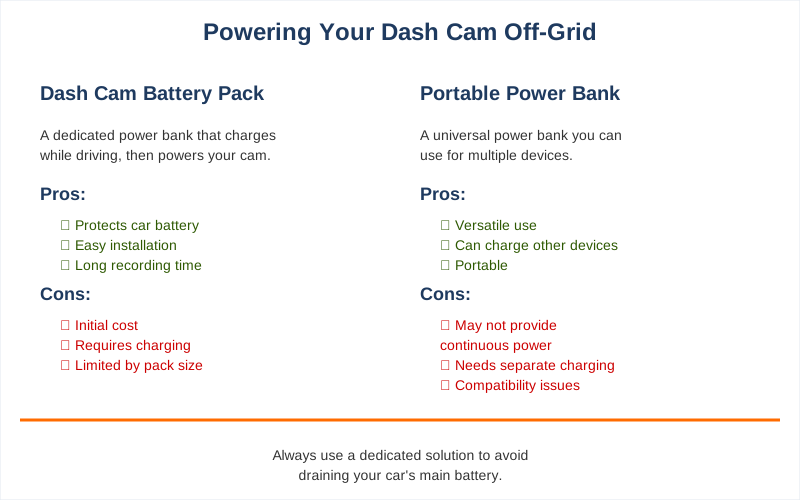
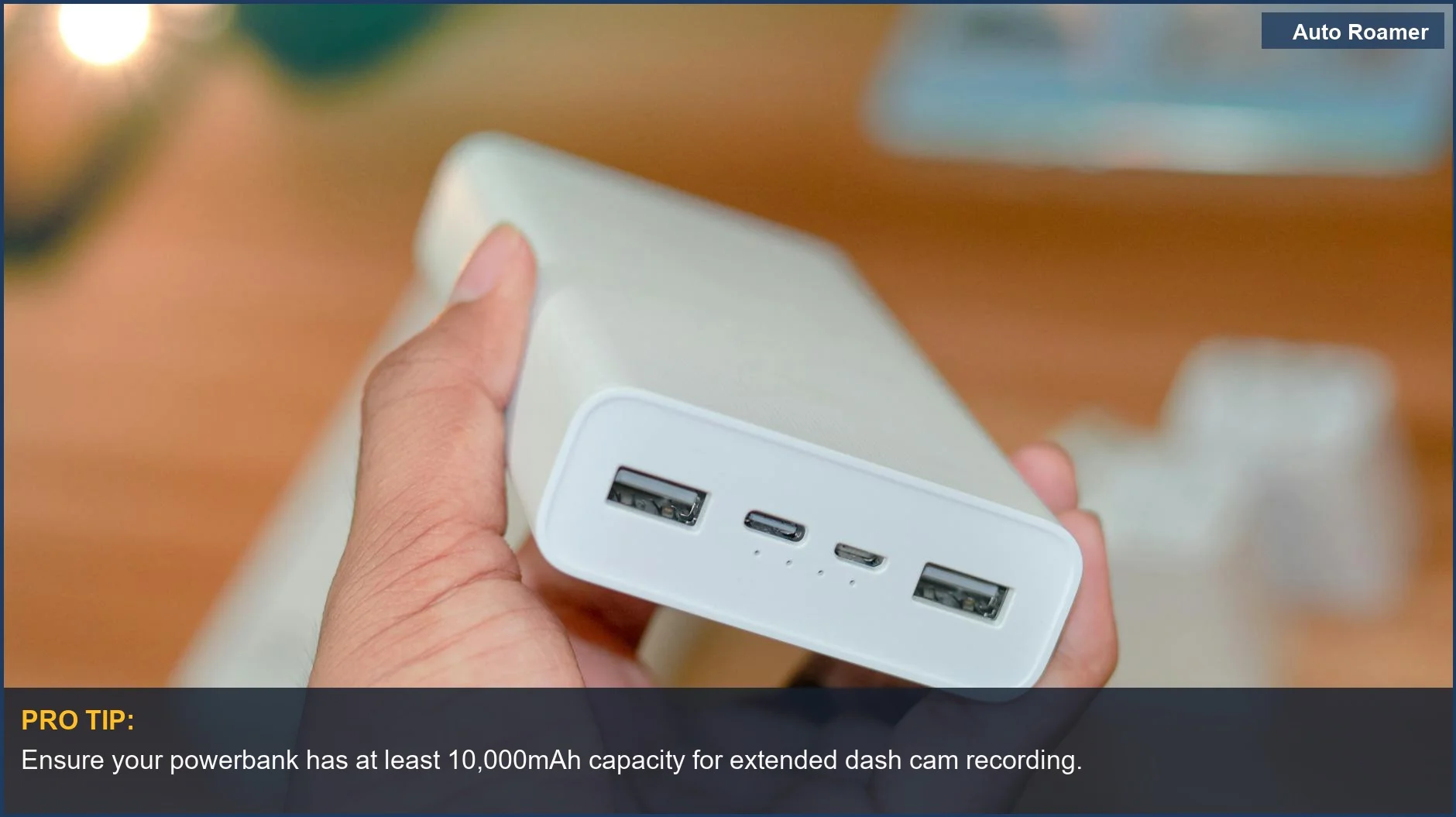
I learned that the hard way on a trip to Big Bend National Park; my dash cam kept running, and by morning, my trusty old Tacoma wouldn't even click over powered solely by the battery. The honest version? You need a buffer. This buffer is usually a dedicated dash cam battery pack. These packs are essentially power banks that charge when your car is running and then provide power to the dash cam when it's off.
They have their own internal battery, so they don't continuously pull from your car's starter battery. It's like giving your dash cam its own little energy reserves dash cam battery pack instead. Some of these packs can power a dash cam for 24 hours or more, depending on the camera's power draw and the pack's capacity. This is the $50 version of not worrying about your car's battery.
Another option, especially for RVs or if you're comfortable with a bit more DIY, is to tap into your vehicle's auxiliary battery system, if you have one. This is more involved and usually requires some basic wiring knowledge. You're essentially creating a separate power circuit for your dash cam second battery in the trunk.
What nobody tells beginners is that even a small parasitic draw, like a dash cam running in parking mode, can completely drain a car battery over a few days if not managed. A good dash cam battery pack is the simplest, most accessible solution for first-timers. It's a game-time decision when you're out in the middle of nowhere and need that constant recording. My $80 battery pack has saved me from towing fees more times than I care to admit.
Why This Matters for Your Setup
Why this matters for your setup is simple: security and peace of mind. When you're out camping, your vehicle is often your most valuable possession, and you want it protected. A dash cam in parking mode acts as your silent, vigilant guardian. Without an external power solution, that guardian goes to sleep as soon as you turn off the ignition, leaving you vulnerable power duration disclaimers.
- No Dead Car Batteries: This is the big one. Relying solely on your car's main battery for continuous dash cam power is a rookie mistake that can leave you stranded.
Dedicated battery packs or properly wired auxiliary systems prevent this attach a cigarette lighter socket.
- Extended Parking Mode: Dash cam battery packs offer significantly longer recording times when parked compared to direct connection, ensuring you capture more events if something happens power your dash cam for longer.
- Off-Grid Independence: When you're camping, you're not near a power outlet.
This setup ensures your camera keeps working without needing to run your engine constantly, saving fuel and reducing noise off-grid power solution.
- Vehicle Compatibility: These solutions work across a wide range of vehicles, from sedans to RVs, though the installation complexity might vary Jackery, or a jump start battery.
Making the Right Choice
Making the right choice for powering your dash cam off-grid boils down to simplicity and reliability. You don't want to be fiddling with complex wiring when you're trying to enjoy the wilderness.
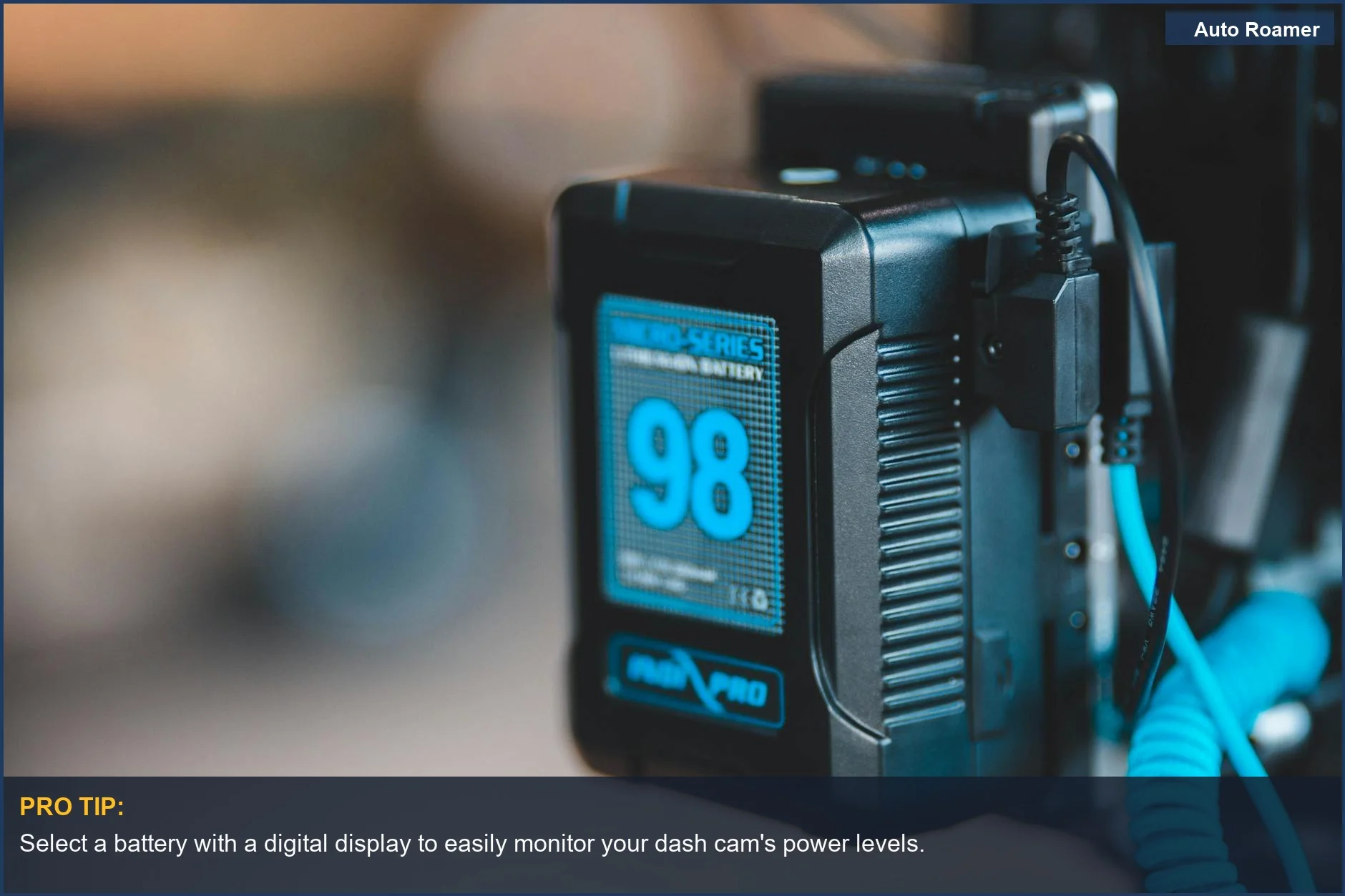
- Prioritize Ease of Use: For most beginners, a dedicated dash cam battery pack is the most straightforward and effective solution. It's plug-and-play once charged and requires no modification to your vehicle's electrical system dash cam battery pack instead.
- Consider Your Recording Needs: How long do you need the camera to record? A short trip might only need a few hours, while overnight security demands a pack with longer endurance power duration disclaimers.
- DIY vs.
Professional: If you're comfortable with basic auto electrics, tapping into an auxiliary battery or even a properly fused connection to your main battery (with a low-voltage cutoff) is an option, but it carries more risk second battery in the trunk.
- Don't Overcomplicate: The goal is to keep your dash cam powered. Don't get lost in fancy gadgets if a simple, effective solution exists. The $50 version often works just as well for keeping your car protected.