
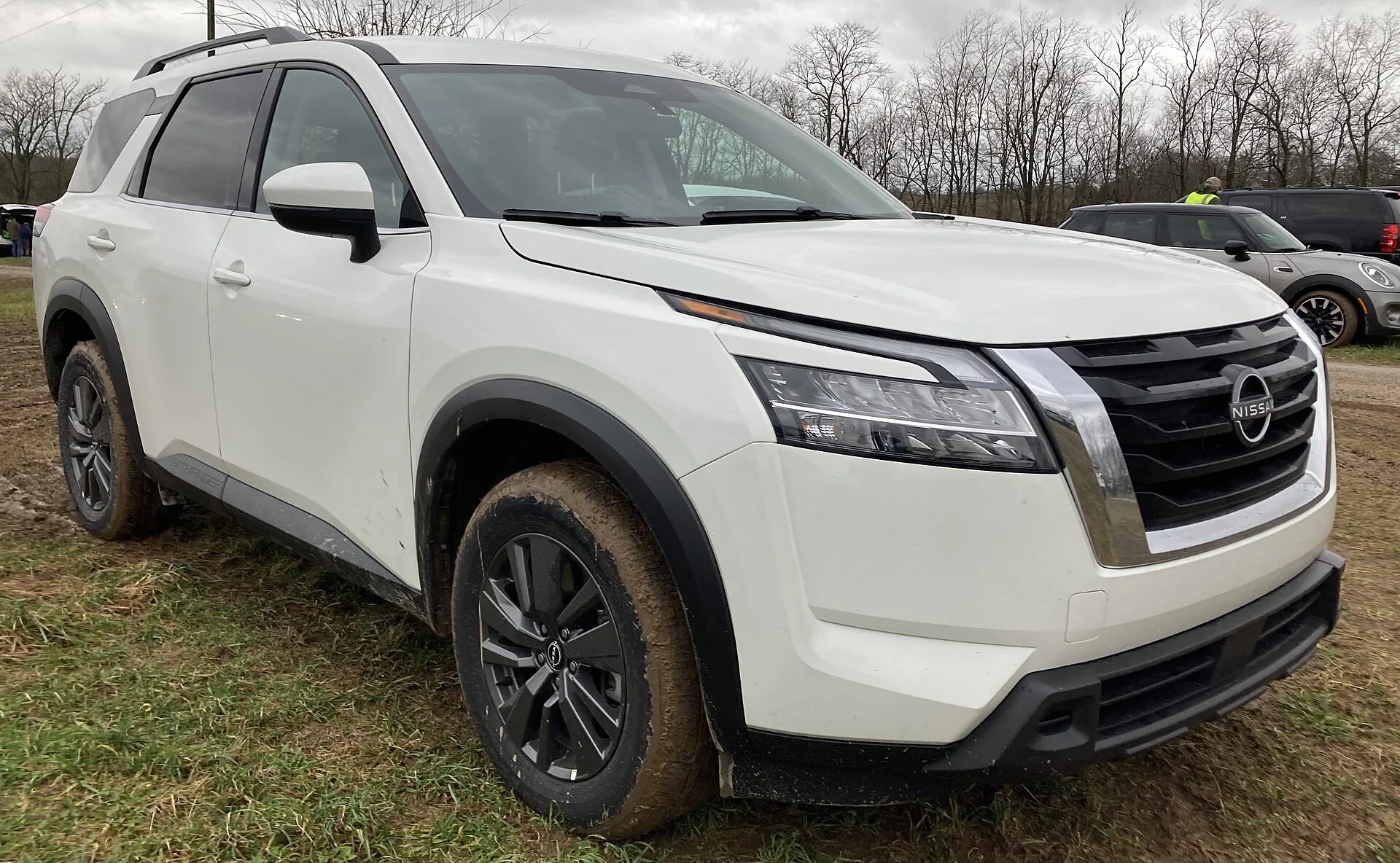
The Nicer Pathfinder Carries Less. Here's the Number.
Here is the counterintuitive truth buried in the Pathfinder's spec sheet: the more you spend, the less the SUV can carry. The loaded AWD Platinum, the top trim, has a maximum payload capacity of 1,422 lbs, while the plain front-wheel-drive S trim carries 1,729 lbs, the highest in the lineup. The base model out-hauls the flagship by more than three hundred pounds.
That inversion is not a mistake, and understanding why it happens is the key to buying the right Pathfinder for camping. Payload is what is left over after the vehicle weighs itself, and every feature that makes the Platinum nicer, all-wheel drive, heavier trim, more equipment, adds curb weight that comes straight out of the payload budget. The comfort you pay for is weight you can no longer carry.
The mechanism is a fixed ceiling. Every 2026 Pathfinder trim, AWD or FWD, shares a Gross Vehicle Weight Rating of 6,063 lbs. That single number is the total the vehicle can weigh, loaded, and it does not rise for the fancier trims. So as curb weight climbs from trim to trim, payload, the space under that fixed ceiling, shrinks by exactly as much.
This guide reads the Pathfinder's payload the way its GVWR forces you to: as a subtraction where the trim choice decides the answer. It covers what payload really includes, why the base trim wins, where each trim lands, and how a camper should weigh capability against comfort when the two pull against each other on the same vehicle.
What Payload Actually Has to Cover
Before comparing trims, it helps to be honest about what payload has to include, because campers routinely underestimate it. Payload is every pound the vehicle carries that is not part of its curb weight: passengers, gear, water, food, a roof load, and the tongue weight of any trailer. It is not just the stuff in the cargo area.
That definition matters because the number gets consumed fast. A family of four already puts several hundred pounds of people into the equation before a single piece of gear is loaded. Add a rooftop tent, a full cooler, water jugs, camping equipment, and the payload budget that looked generous on paper starts to look tight.
Payload is people plus gear plus water plus roof load plus trailer tongue weight, everything the vehicle carries that is not itself. Counting only the cargo in the back is how owners quietly overload an SUV that felt fine when empty.
This is why the trim-to-trim payload difference is not academic. The gap between the FWD S trim's 1,729 lbs and the AWD Platinum's 1,422 lbs is larger than the weight of a couple of passengers, so it directly changes how many people and how much gear a given Pathfinder can legally and safely carry. For a loaded family camping rig, that difference can be the line between within-spec and overloaded.
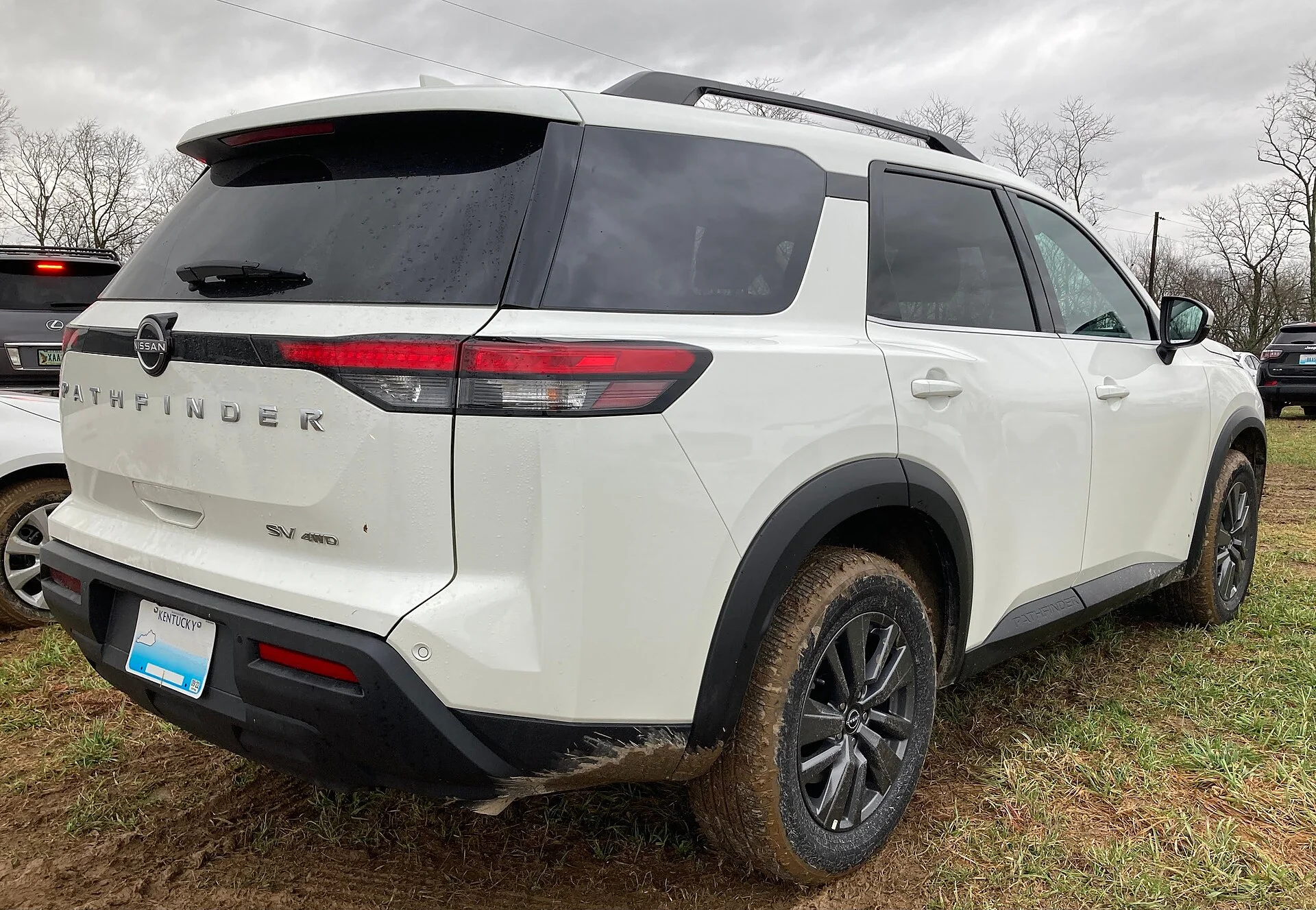
The Fixed Ceiling: 6,063 Pounds for Every Trim
The engineering fact that drives the whole payload story is the shared GVWR. Every 2026 Nissan Pathfinder trim, AWD or FWD, shares a Gross Vehicle Weight Rating of 6,063 lbs. That number is the maximum the fully loaded vehicle is rated to weigh, and it is identical across the lineup regardless of price.
Because the ceiling does not move, payload becomes a pure function of curb weight. A heavier trim starts closer to the 6,063-pound ceiling before anything is loaded, leaving less room underneath it. A lighter trim starts further below the ceiling, leaving more. The vehicle's own weight is the first thing subtracted from its rated maximum.
The curb weights make the spread concrete. The AWD Platinum has a curb weight of 4,641 lbs, the heaviest trim, versus 4,334 lbs for the lightest FWD S trim. That difference in starting weight, roughly three hundred pounds, is exactly why the Platinum's payload sits lower than the S trim's under the same 6,063-pound ceiling.
For a buyer, the shared GVWR is the concept that makes the payload numbers predictable rather than mysterious. The fanciest Pathfinder is not built to carry more; it is built to weigh more of itself, under the same total limit. Reading the 6,063-pound ceiling as fixed is what turns the trim-versus-payload tradeoff from a surprise into a deliberate choice.
Where Each Trim Lands on Payload
Laying the trims out on payload shows a clean ladder that runs opposite to price. The FWD S trim tops the chart at 1,729 lbs, the highest payload in the lineup, because it is the lightest and simplest configuration. From there, every step toward more equipment and all-wheel drive trims the number down.
The AWD SL trim carries 1,557 lbs, a meaningful step below the base S but still generous for most camping loads. The AWD Rock Creek, the off-road-flavored trim, lands at 1,451 lbs, and the AWD Platinum sits lowest at 1,422 lbs, the price of being the heaviest, best-equipped version of the SUV.
The pattern is worth internalizing: 1,729 pounds at the bottom of the range, 1,422 at the top, with the SL and Rock Creek in between. That is roughly a three-hundred-pound swing driven entirely by trim weight, and it maps directly onto how much a family and its gear can load. The number to check is the specific trim's, not a single Pathfinder figure.
None of these are poor numbers; even the Platinum's 1,422 lbs handles a typical camping load. But the ranking tells a buyer where to look if payload is a priority: the lighter, less-optioned trims carry more, and the difference between the S and the Platinum is large enough to matter for a heavily loaded rig. The trim decision is a payload decision.
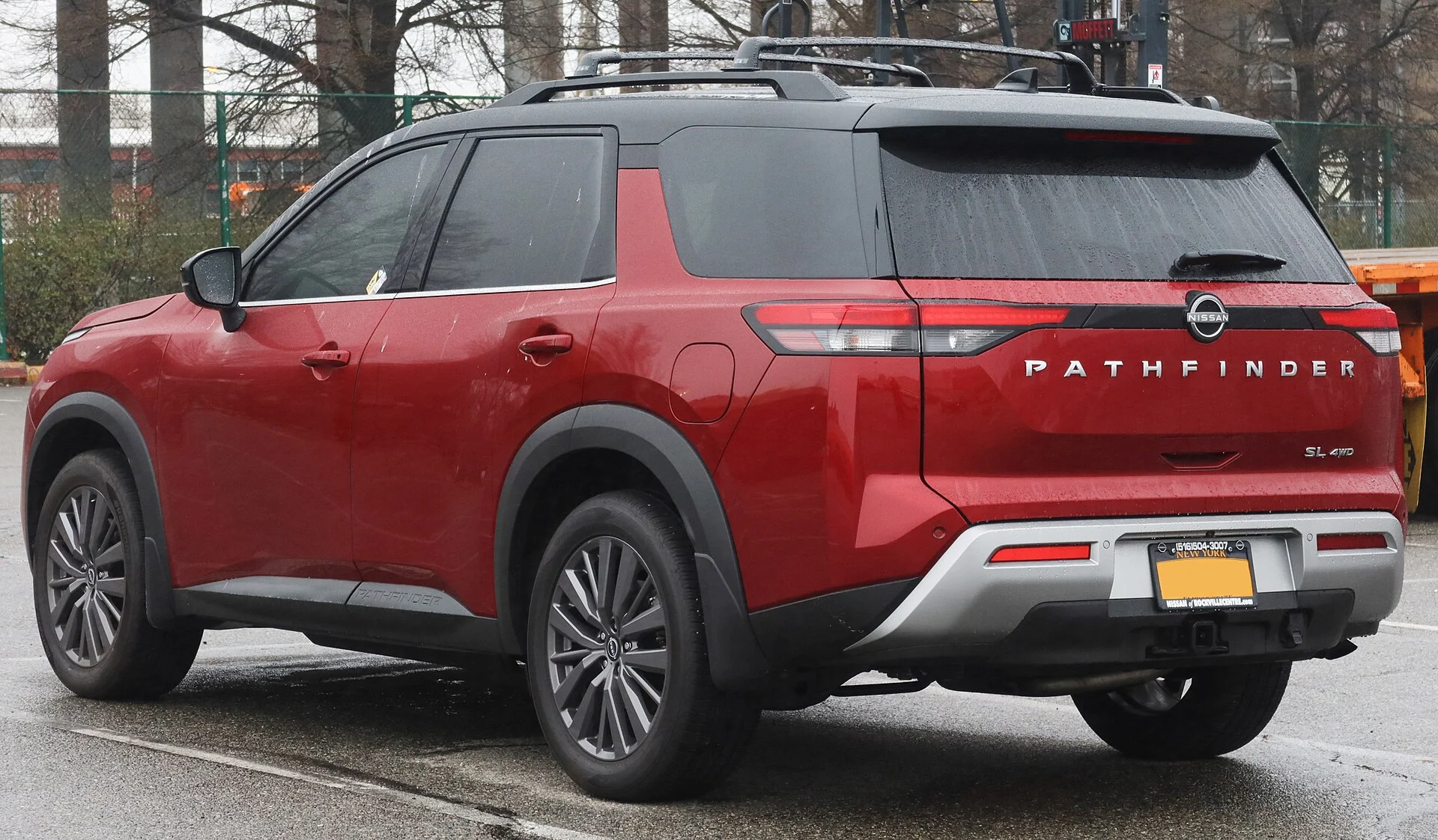
Why All-Wheel Drive Costs You Payload
The single feature that most shapes the payload ranking is drivetrain, and it deserves a close look because campers often assume AWD is a free upgrade. It is not free in payload terms. Adding all-wheel drive adds the weight of a transfer case, a rear driveline, and related hardware, and every pound of that comes out of the payload budget under the fixed 6,063-pound ceiling.
The clearest illustration is the S trim itself. The front-wheel-drive S, at 4,334 lbs curb weight, is the lightest Pathfinder and carries the most, 1,729 lbs. The AWD trims all start heavier and carry less, which is the drivetrain weight showing up as reduced payload. The capability of AWD is real, but so is its weight cost.
This creates a genuine tradeoff for a camper rather than an obvious answer. All-wheel drive earns its keep on snow, mud, and loose surfaces to reach dispersed sites, which is exactly where many campers go. But if the routes are paved and the loads are heavy, the FWD S trim's extra payload may be the more useful capability.
The honest way to weigh it is by the terrain the Pathfinder will actually see. A camper who needs traction to reach remote sites accepts the payload hit for the AWD capability; one who camps at accessible sites and loads heavily may find the base FWD trim's 1,729-pound payload the better match. Neither is wrong, but the choice should be made knowing AWD is paid for in payload, not just in dollars.
Payload and Towing Are Not the Same Budget
Campers often conflate towing and payload, but they are separate numbers governed differently, and the Pathfinder's towing figures show why the distinction matters. The 2026 Pathfinder is rated to tow up to 6,000 lbs when equipped with the factory tow package, and without that package its conventional towing capacity is limited to 3,500 lbs.
Towing capacity is how much a trailer can weigh behind the vehicle; payload is how much weight rides in and on the vehicle. They intersect at one point: a trailer's tongue weight, typically a portion of the trailer's total, presses down on the hitch and counts against payload. So towing actually consumes payload, linking the two budgets.
This is where a heavily optioned trim can get squeezed from both directions. An owner towing near the 6,000-pound limit adds significant tongue weight to the payload column, and on a Platinum already starting from 1,422 lbs, that leaves less room for passengers and gear. The trim's lower payload and the trailer's tongue weight compound.
The practical lesson is to budget payload and towing together, not separately. A camper planning to tow should account for the tongue weight against the specific trim's payload before loading people and gear, and should confirm the factory tow package is present to reach the 6,000-pound rating at all. Reading towing and payload as one connected system, rather than two independent maximums, is how a Pathfinder rig stays within spec while towing.
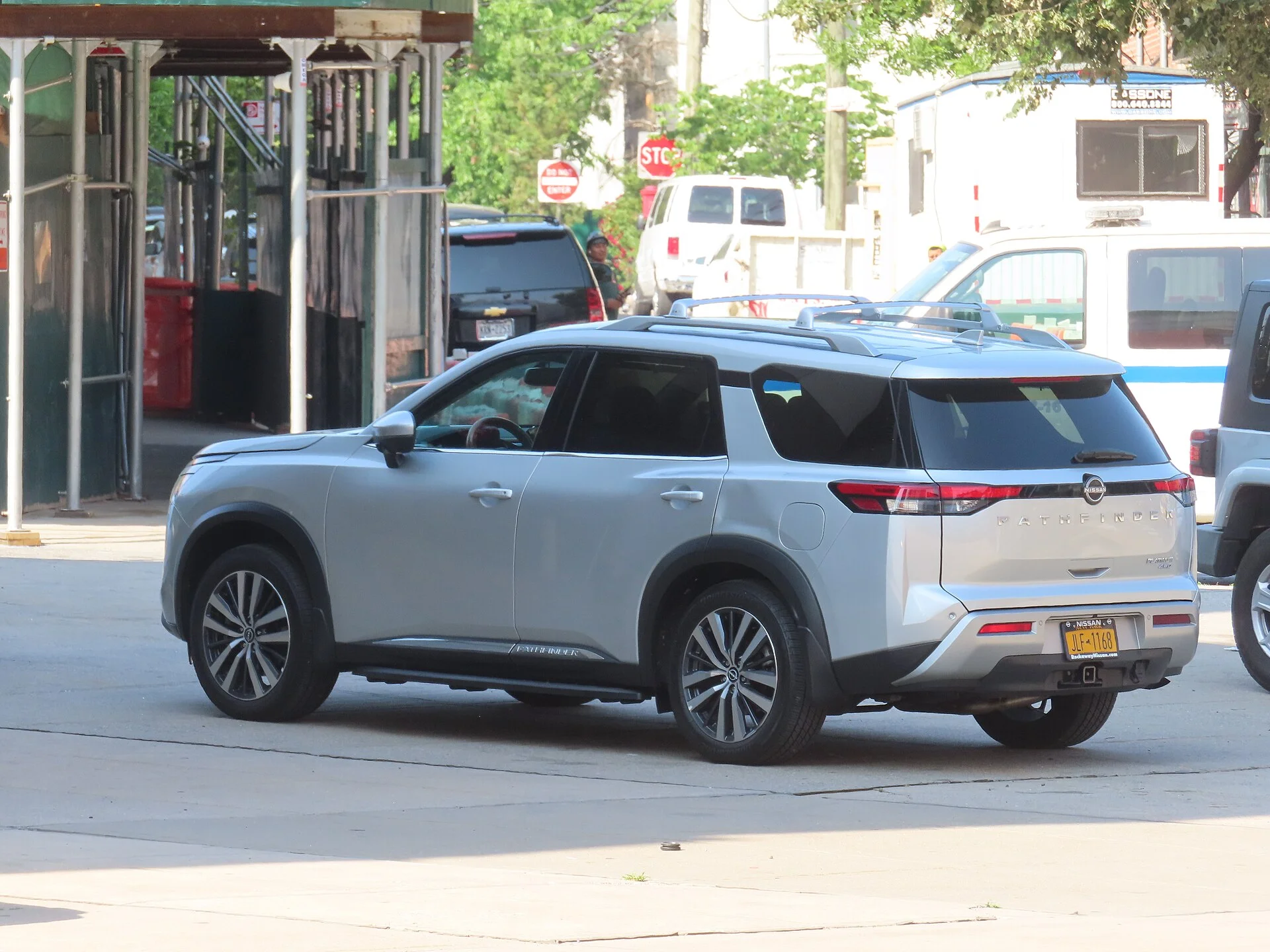
Reading the Door-Jamb Sticker, Not the Brochure
The most reliable payload number for any specific Pathfinder is not on a website or in a brochure; it is on the vehicle. The certification label in the driver's door jamb states the actual payload for that exact vehicle as built, accounting for its options, and it is the figure that legally governs. The brochure's trim numbers are a guide; the sticker is the truth.
This matters because options add weight beyond the base trim configuration. A Pathfinder loaded with additional accessories weighs more than the stripped version of the same trim, so its real payload can be slightly below the published trim figure. The door-jamb label captures that specific car's number, which is why it is the one to trust.
The published figures, 1,729 lbs for the FWD S down to 1,422 lbs for the AWD Platinum, are the right numbers for shopping and comparing trims. But once a specific Pathfinder is in the driveway, the door-jamb sticker is the number to load against, because it reflects that vehicle's exact as-built weight rather than a trim-wide average.
For a camper, the habit worth building is to read the sticker before the first loaded trip, note the actual payload, and subtract the known weights, passengers, gear, water, roof load, tongue weight, from it. That subtraction, done against the real number, is what keeps the Pathfinder within its 6,063-pound ceiling rather than accidentally over it. The sticker turns an abstract rating into the concrete limit for the trip.
Matching the Trim to How You Actually Camp
With the numbers understood, the trim choice resolves into an honest question about how the Pathfinder will actually be used. A heavy-loading family, four or more people plus full camping gear, water, and a roof load, should weight the payload number heavily, which argues for a lighter trim like the SL at 1,557 lbs or even the FWD S at 1,729 lbs if terrain allows.
A camper who prioritizes reaching remote or wintry sites will value the AWD trims' traction and accept the lower payload as the cost. The Rock Creek's 1,451 lbs and the Platinum's 1,422 lbs are still adequate for a moderate load, so the payload hit is livable for a smaller party or a lighter kit. The tradeoff only bites when the load is genuinely heavy.
The value-minded reading is that the base and mid trims often make the most sense for camping specifically, because they carry more and cost less, and the Pathfinder's comfort features matter less than its capacity when the goal is hauling a family and gear. Spending up to the Platinum buys comfort and equipment at a direct cost in what the SUV can carry.
The right answer depends on the party size, the load, and the terrain, and there is no universally correct trim. But framing the decision as payload-versus-comfort, with the concrete numbers in hand, lets a camper choose deliberately. The lighter trim that carries 1,729 lbs and the loaded one that carries 1,422 lbs are two different tools, and the camping use case, not the price tag, should pick between them.
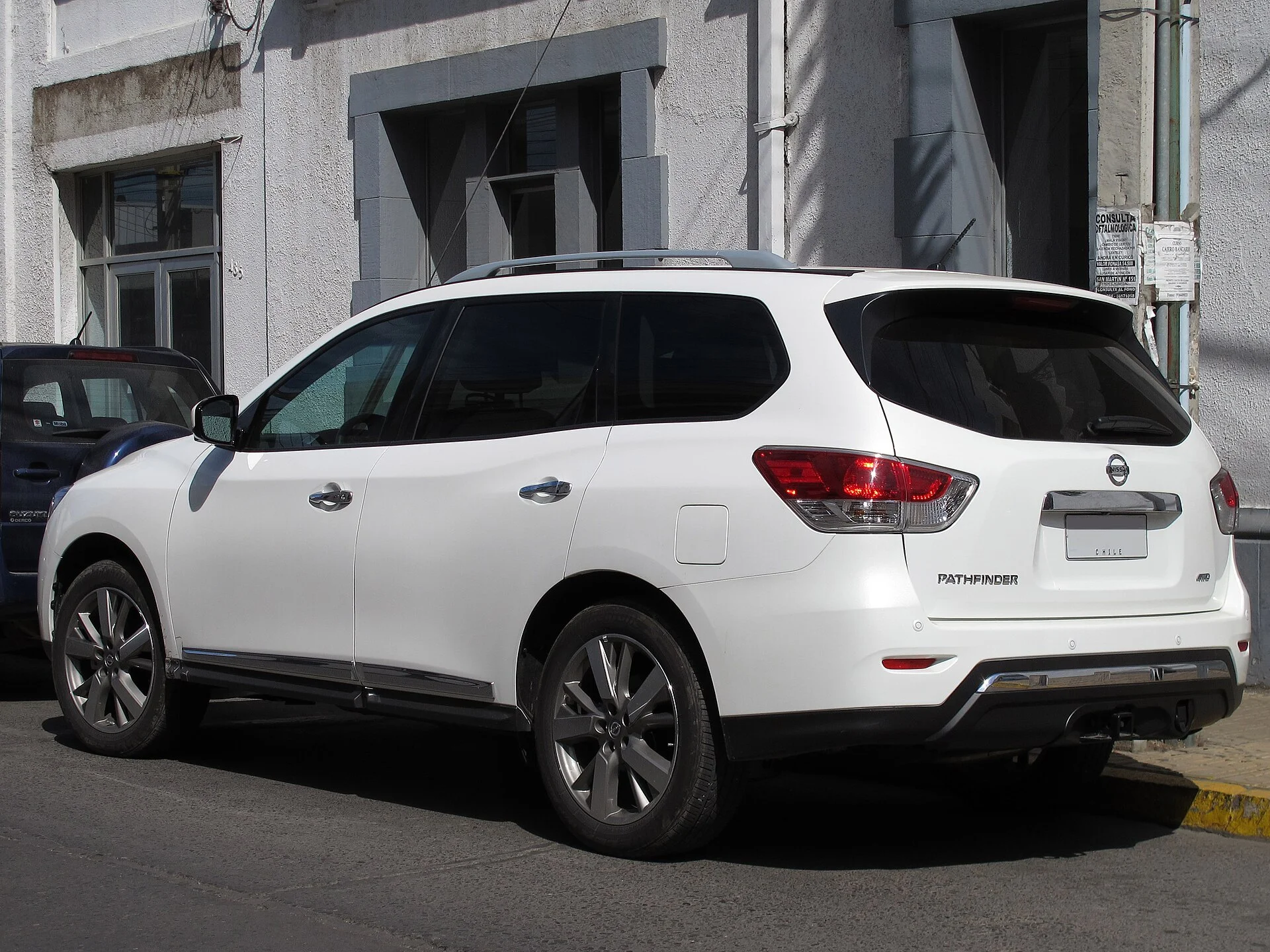
Staying Under the Number on a Loaded Trip
Knowing the payload figure is only useful if it translates into loading discipline, and the discipline is a running tally. Start from the specific trim's payload, or better the door-jamb number, and subtract each load as it goes in: passengers first, then the fixed camp kit, then consumables like water and food that add up faster than expected.
Water is the sneaky one. It weighs a great deal per gallon, and a family carrying several days' supply can put a hundred pounds or more into the payload column before any equipment. Accounting for water explicitly, rather than lumping it into a vague gear estimate, is often what keeps a loaded Pathfinder honest against its ceiling.
The roof load deserves its own line too. Anything on the roof, a cargo box, a rooftop tent, counts against payload just as cargo inside does, and it also affects handling. On a trim already starting from a lower payload like the Platinum's 1,422 lbs, a heavy roof load consumes a noticeable share of the budget on its own.
The goal is not to camp anxiously but to load knowingly. A camper who has tallied passengers, gear, water, and roof load against the real payload number can pack confidently, and can spot when a trip's ambitions exceed the trim's capacity before hitting the road. A quality roof cargo carrier helps organize the load, but its contents still count against the same 6,063-pound ceiling, so the tally is what keeps the Pathfinder in spec.
The Verdict: Buy the Payload, Not the Badge
The Pathfinder's payload story rewards a buyer who ignores the price ladder and reads the weight ladder instead. Under a fixed 6,063-pound GVWR shared by every trim, payload runs opposite to price: the FWD S carries the most at 1,729 lbs, the AWD Platinum the least at 1,422 lbs, with the SL at 1,557 and Rock Creek at 1,451 in between.
The reason is simple subtraction. A heavier, better-equipped trim starts closer to the ceiling, so it carries less, and all-wheel drive in particular costs payload for the traction it adds. The comfort and capability of the top trims are real, but they are paid for in carrying capacity, not just dollars.
For camping specifically, that argues for weighing the payload number heavily. A heavy-loading family is often better served by a lighter trim's larger budget, while a camper who needs AWD to reach remote sites accepts the lower payload deliberately. Towing compounds the math, since tongue weight counts against payload, so a tow-and-load rig should budget both together.
Read the door-jamb sticker, tally passengers, gear, water, and roof load against it, and choose the trim by what the Pathfinder actually needs to carry. Do that and the SUV stays safely within its 6,063-pound ceiling on every trip; buy the badge and ignore the payload, and the loaded family camping rig can quietly exceed the very limit the fixed GVWR makes so easy to calculate.