The one where the spec sheet lies to you
I build sleeping platforms for a living, so let me tell you the trap in this comparison before we start: the Nissan Pathfinder wins almost every number on paper, and the Subaru Outback is the one you actually sleep better in. The Pathfinder is longer, bigger, and has the only factory household outlet in this matchup. The Outback is a smaller wagon with a single-seam floor and dimensions Subaru actually publishes. If you buy off the brochure, you buy the Pathfinder; if you buy off what it takes to sleep level, it gets complicated.
This is a wagon versus a three-row SUV, which is an unusual fight - different classes, different owners. But people genuinely cross-shop them for camping, because both promise a big flat cargo bay, and both are popular family adventure rigs. The question is whether the Pathfinder's bigger on-paper bed survives contact with its own terraced floor - and whether the Outback's smaller, honest bed is the smarter platform.
I'll be blunt about data, because it drives the whole verdict: Subaru publishes real numbers; Nissan publishes volume but not the Pathfinder's flat-load length or its width between the arches - the single biggest data hole I found. So half the Pathfinder's 'wins' are aggregator figures, not spec-sheet figures. That matters when you are about to build a bed on top of them.
Length and volume: the Pathfinder's paper win
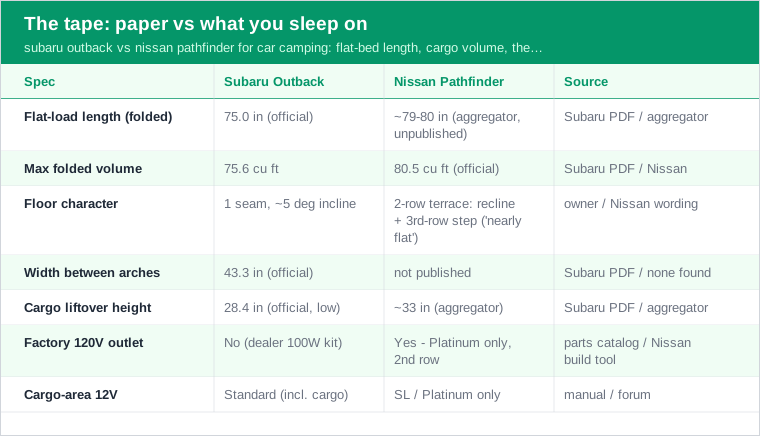
Give the Pathfinder its due first, because on raw size it genuinely leads. With both rear rows down, the Pathfinder offers about 79 to 80 inches of cargo length and an official 80.5 cubic feet of volume; the Outback's official flat-load length is 75.0 inches at 75.6 cubic feet. So the Pathfinder is nominally 4 to 5 inches longer and about 5 cubic feet bigger - a real advantage for a taller sleeper.
The asterisk an installer never skips: the Outback's 75.0 inches is a Subaru spec-sheet number; the Pathfinder's ~79-80 is an aggregator figure - Nissan doesn't publish it, and one owner measured only ~73 inches of usable flat run liftgate-to-seat. So the Pathfinder is probably longer, but you cannot take the number to the bank the way you can the Outback's.
For a sleeper over six feet, the Pathfinder's extra length is the reason to look at it - a 6'3" camper fits its bed where the Outback pushes them diagonal. If pure lie-flat length for a tall person is your single priority, the three-row SUV leads this round. Just hold that win loosely until we get to what the floor actually does, because length only helps if the surface under it is level.
The floor: where the Outback quietly wins
This is my wheelhouse, and it flips the comparison. A cargo bed is only as good as how flat it lies, and here the two vehicles are in different leagues - just not the league the size numbers suggested.
The Outback has a single seam: fold the one row of seatbacks and you get a ~5-degree incline with a step at the seatback-to-floor junction. One transition to level, and its cargo-dimensions guide maps it cleanly. The Pathfinder has two: fold the second AND third rows and you are bridging a second-row recline plus a third-row section that sits slightly elevated. Nissan's own marketing calls the result 'nearly flat' - never 'flat' - and owners are blunter: the third row 'no matter what you try will not flatten.'
- Outback: one incline to platform over - a simple, predictable build.
- Pathfinder: a terraced-lite floor - forward recline plus a row seam - that needs a longer, stepped platform to sleep level.
- Both: require a pad or platform; neither is a lie-down-and-sleep bed off the fold.
As the guy who builds the platform, I'd rather level one honest seam than two terraced ones every time. The Pathfinder's bigger bed comes with a harder build, and 'nearly flat' from the manufacturer is a phrase that becomes a backache at 2 a.m. if you don't fix it. The floor round goes to the Outback.
Width and load height: documented vs unknown
Two more numbers that decide comfort, and they expose the Pathfinder's data problem starkly. Width between the wheel arches: the Outback is an official 43.3 inches; the Pathfinder's is simply not published - I could not find a single reliable measured figure, which is genuinely unusual and the biggest hole in the Pathfinder's camping resume. Its beltline is wide (58.8 inches), so it is probably wider at the arches, but 'probably' is not a number you build a bed to.
Load height tells the opposite story of what you'd expect from a big SUV: the Outback's liftover is a low 28.4 inches (official), while the Pathfinder's cargo height sits around 33 inches (aggregator). The lower Outback floor is easier to slide gear into and to climb into at the end of a long day - the wagon's low-slung body paying off again.
Installer's read: the Outback lets me plan a build to the millimeter because every number is published; the Pathfinder makes me go measure the actual vehicle because Nissan left the width blank. Bigger, but blinder. For a platform project, documented beats large.
So on the comfort fundamentals you can actually verify, the Outback leads - narrower than the Pathfinder likely is, but the only one of the two whose width you can trust, and lower to load. The Pathfinder's size is real; its documentation is not.
Power: the Pathfinder's one decisive, real win
Here is where the Pathfinder lands a punch that actually matters, and it is the best reason to choose it: the Pathfinder is the only vehicle here with a factory 120-volt household outlet. It lives in the second row and comes on the Platinum trim only, per Nissan's build tool and press kit. The Outback has no factory 120V at all - just 12V sockets and an optional dealer 100-watt accessory outlet that is a phone charger, not camp power.
For a camper, a real household outlet is a genuine convenience:
- Pathfinder Platinum: a 2nd-row 120V outlet runs a laptop, a CPAP, a small fan, or a device charger straight from the vehicle - no separate station required for light loads.
- Both on 12V: the Outback's cargo-area 12V is standard; the Pathfinder's cargo 12V is SL/Platinum only. For running a fridge, both still want a proper power station.
- The catch: the 120V is Platinum-exclusive, so a lower-trim Pathfinder loses this advantage entirely and lands back level with the Outback on power.
If you're buying a Platinum Pathfinder, the factory outlet is a legitimate reason to prefer it - the one spec win that survives contact with reality. On any lesser trim, plan on a station just like you would for the Outback, whose 12V and fuse-map guide shows how to wire one in cleanly.
Who each one is really for
Different classes, different buyers - so this sorts less on 'better' and more on what your camping actually needs:
- Take the Pathfinder if you need seats AND a bed: it is a three-row family SUV that hauls people most of the year and converts to a big (if terraced) sleeper on trips. Nobody camps out of an Outback with five kids in tow.
- Take the Pathfinder Platinum if you want factory 120V and max length: the tall solo sleeper who values a household outlet has a real case here.
- Take the Outback if the vehicle is mostly your bed: simpler floor to level, lower to load, fully documented, and higher-riding for rough roads - the purpose-built car-camper of the two, as its can-you-sleep-in-it guide shows.
The honest framing: these rarely compete for the same buyer. If you need three rows, the Pathfinder wins by default because the Outback can't offer them. If you're a couple or a solo camper choosing a dedicated sleeping rig, the Outback's honest, simple bed is the better platform despite being smaller.
The build note: leveling each one for a real night
Since both need a platform, here's the installer's take on what each build actually involves, because it is a real difference in weekend labor:
- Outback build: a single-level platform (or a good wedge-topped pad) that cancels the one seatback incline. Straightforward - one plane to get right, and the low floor gives you working room.
- Pathfinder build: a longer, stepped platform that spans the second-row recline and the third-row rise, keyed to that adjustable rear cargo panel Nissan includes. More material, more measuring, and you'll be checking your own tape because the width isn't published.
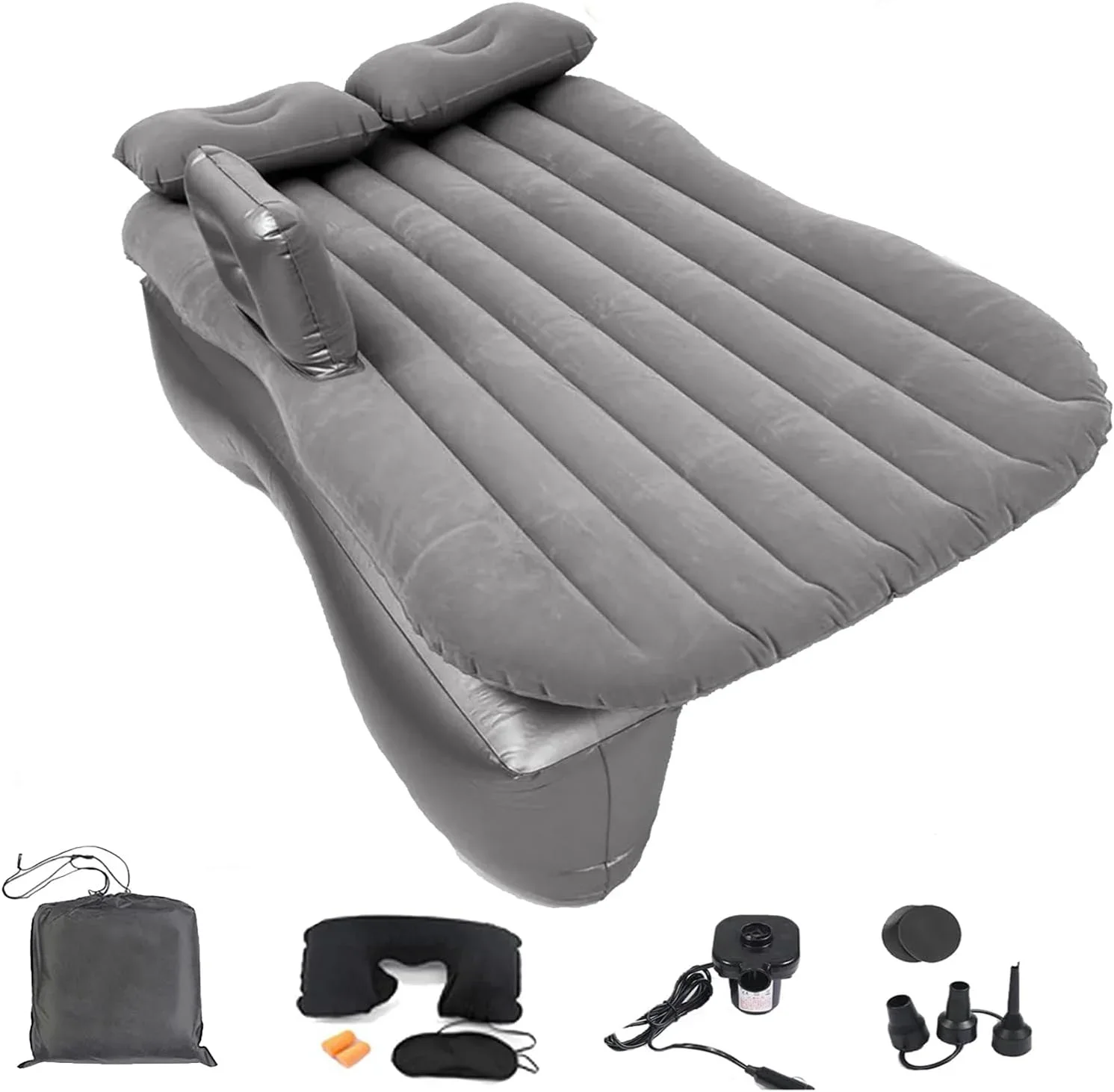
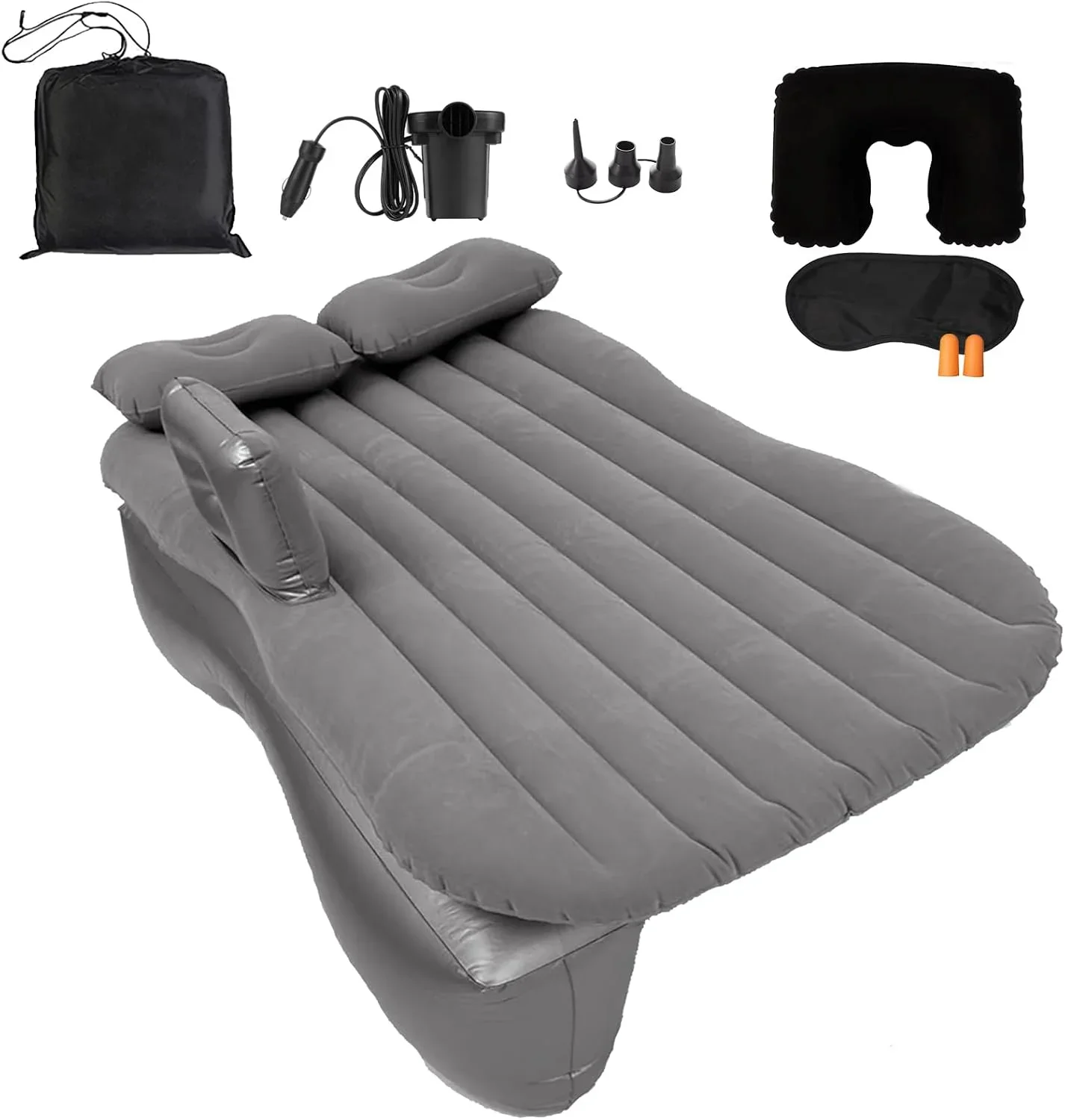
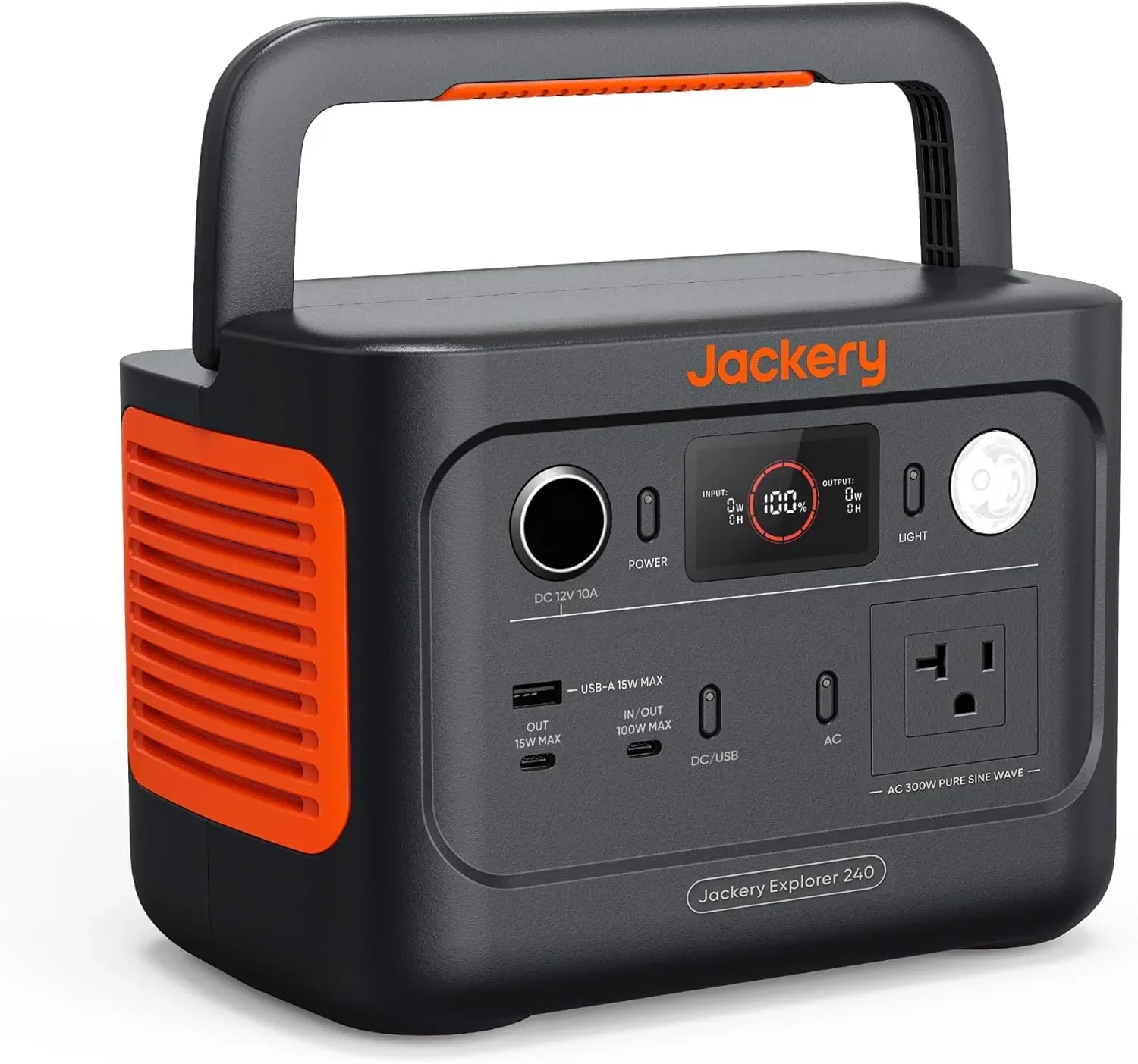
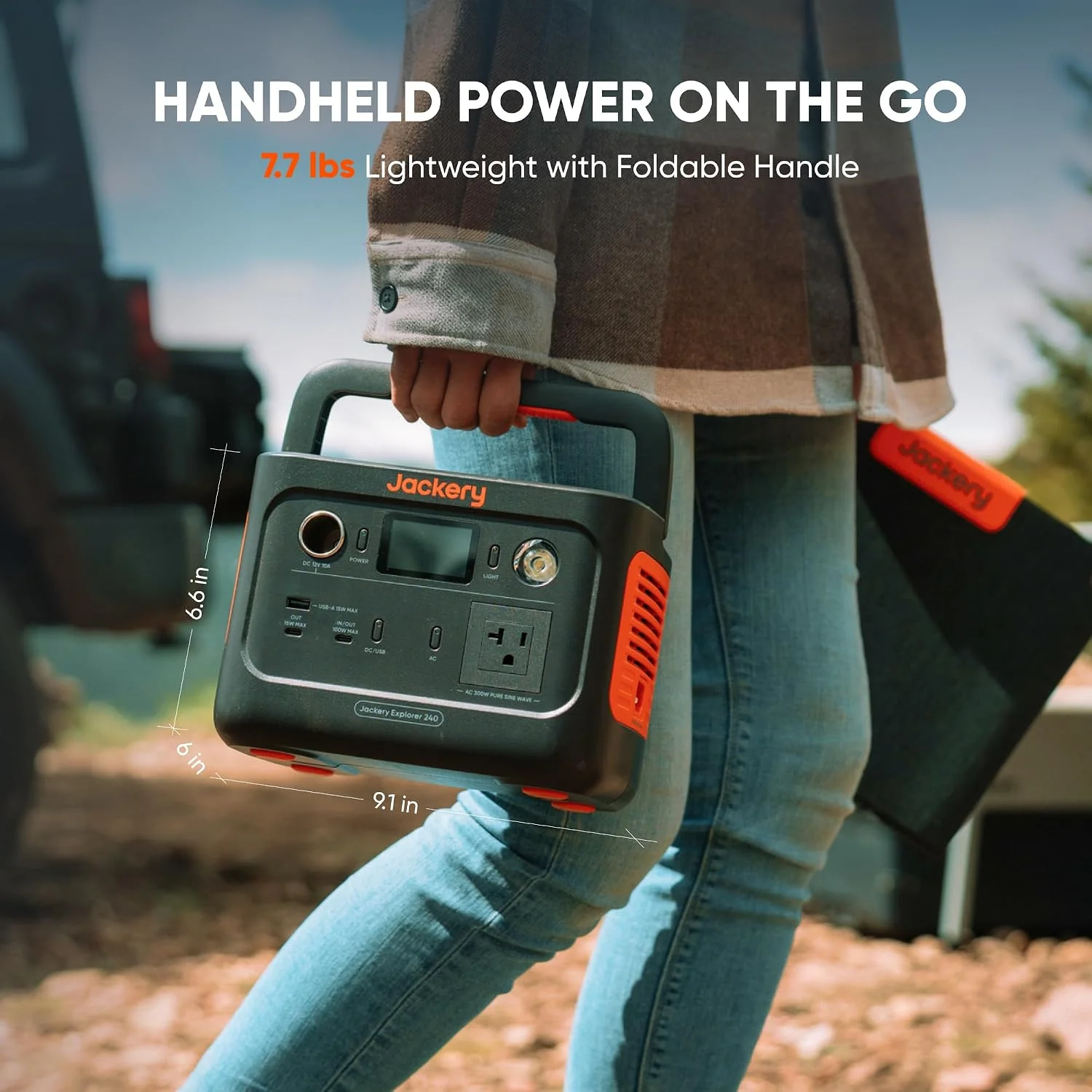
- Both: a thick pad on top - a back-seat kit like the Onirii SUV air mattress hides the residual step; screens and window covers for airflow and privacy; a Jackery Explorer 240 v2 power station unless you're on a Pathfinder Platinum's 120V for light loads.
Our SUV air-mattress guide covers the topper sizing for either floor. The takeaway from the workbench: budget more build time for the Pathfinder and less for the Outback, and measure the Pathfinder yourself before you cut anything, because its spec sheet won't hand you the width.
The rough-road and weather reality neither brochure shows
Getting to a good dispersed campsite usually means leaving the pavement, and this is where the wagon-versus-SUV comparison gets interesting in ways the cargo tape misses. The Outback rides on 8.7 inches of ground clearance with Subaru's standard symmetrical all-wheel drive on every trim - a combination genuinely built for the graded-but-neglected forest road, the washboard approach, the shallow washout. It is not a rock crawler, but within the crossover world it is one of the most trail-capable things you can buy without stepping up to a body-on-frame truck.
The Pathfinder is the bigger, heavier vehicle, and its capability depends on trim. Most Pathfinders are comfortable all-weather family haulers rather than trail rigs; the Rock Creek trim adds a modest lift, all-terrain tires, and tow-friendly gearing, which narrows the gap on rough roads while adding the three-row space the Outback can't match. So the off-pavement answer splits: for a nimble, higher-clearance wagon that slips down a tight, rutted two-track, the Outback; for hauling a full family plus gear down a graded gravel road to a basecamp, the Pathfinder with the right trim.
Weather tilts it back toward the Subaru for most buyers. Standard AWD on every Outback means no option box to check for the icy campground loop or the spring-slush last mile, while all-wheel drive is available - not universal - across the Pathfinder range. And the Outback's lower roofline and center of gravity make it the steadier thing in a crosswind on an exposed high-desert highway.
The installer's honest read: if your camping regularly leaves good roads, the Outback's standard traction and clearance are a repeatable advantage you feel every trip. If you mostly reach graded or paved sites but need to bring the whole family, the Pathfinder's size wins and its rough-road deficit rarely matters. Buy for the roads you actually drive, not the ones in the ad.
Seats-plus-bed vs dedicated sleeper: the real fork
Step back from the tape measure and the honest divide between these two is not inches - it is what else the vehicle has to do the other 51 weeks of the year. The Pathfinder is a three-row family hauler first and a camper second: it seats seven or eight, tows a real trailer, and folds down to a big (if terraced) sleeping bay when the trip calls for it. Nobody buys it just to sleep in - they buy it to move people and occasionally sleep in it.
The Outback is the opposite animal. It seats five in a pinch but it is built around the long, low cargo bay, and its whole personality - the standard all-wheel drive, the 8-plus inches of clearance, the wagon loadability - points at the person for whom the vehicle IS the trip. It is a worse people-mover and a better dedicated camper, and that is the trade in one sentence.
So the fork is really about your life, not the cargo numbers. If your rig spends Monday through Friday as the family SUV and turns into a bed on weekends, the Pathfinder's seats-plus-bed flexibility is worth its terraced floor, and the Platinum's 120V outlet is a genuine camp perk. If the vehicle exists mostly to carry you and your gear to quiet places to sleep, the Outback's simpler, documented, lower-slung bed is the smarter platform despite giving up length and seats. Buy the job, not the spec sheet.
The verdict: bigger on paper, simpler in practice
Add it up and the split is clear once you separate the brochure from the bed. The Pathfinder wins the spec sheet - longer, bigger (80.5 cu ft official), and the only one with a factory 120V outlet (Platinum) - and it wins outright for anyone who needs three rows of seats. The Outback wins the sleep - a single-seam floor that's simpler to level, a lower load height, and dimensions Subaru fully publishes, versus a Pathfinder floor Nissan itself only calls 'nearly flat' with an unpublished width.
Buy the Pathfinder if you need seats-plus-bed or want the Platinum's factory 120V and maximum length. Buy the Outback if the vehicle is mostly your bed - it's the honest, single-seam, fully-documented platform that's easier to sleep level on, even though it's smaller.
My installer's bottom line: don't let the bigger number pick your bed. The Pathfinder's size is genuine and its Platinum outlet is a real perk, but a terraced floor you have to fight is worse than a smaller floor you level once. For a dedicated camping build, the Outback is the smarter platform; for a do-everything family SUV that also sleeps, the Pathfinder earns its keep. Match it to whether you're hauling people or just yourself.