
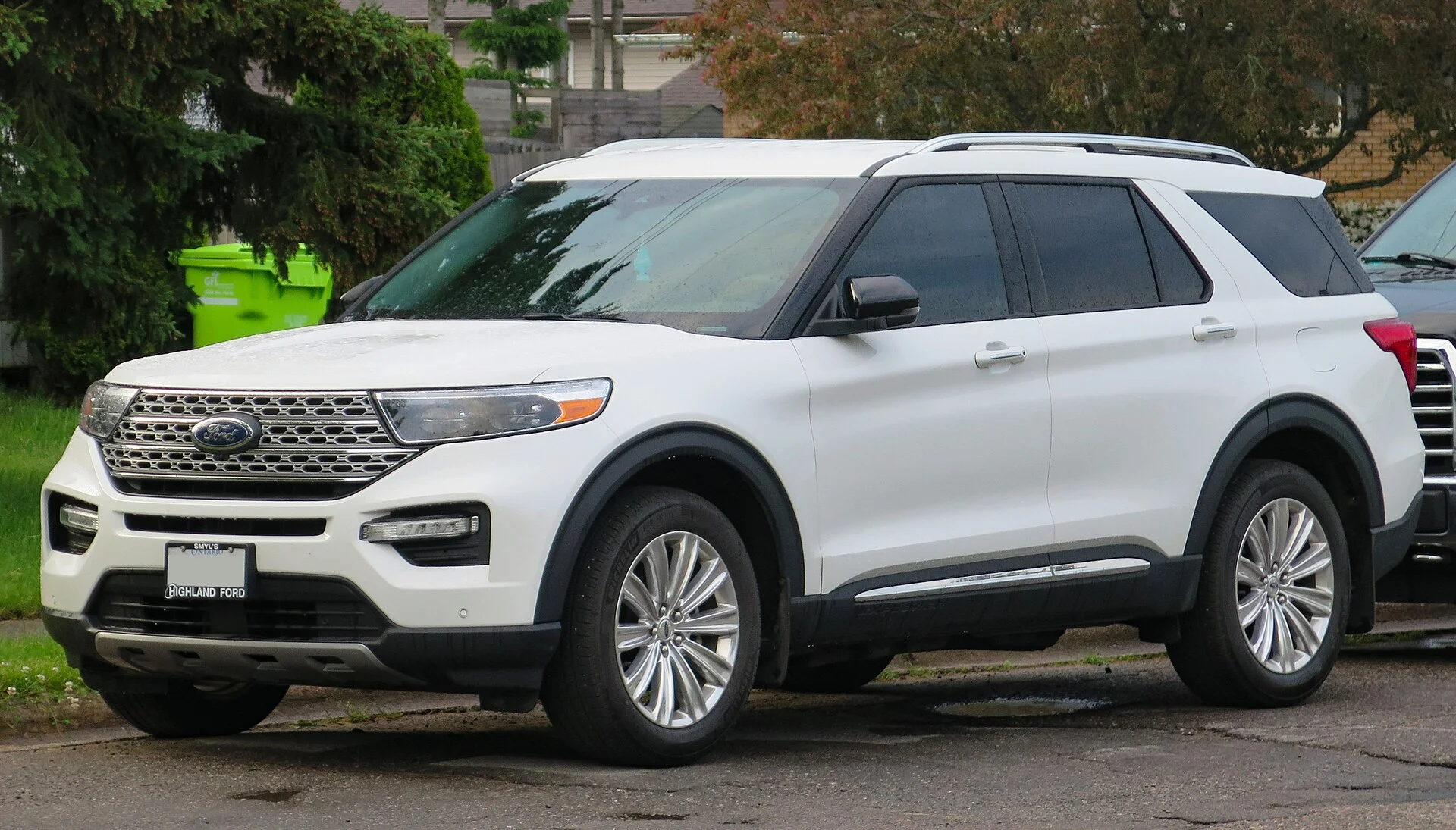
The Explorer's Payload Ranking Isn't What You'd Guess
There is a tidy rule of thumb for SUV payload: the lighter, cheaper trim carries the most, because a fixed weight ceiling means every added pound of vehicle steals from the load. It is a good rule. The Ford Explorer breaks it, and a buyer who assumes it holds will pick the wrong trim.
Here is the tell. The rugged Timberline 4WD, the off-road-flavored trim you would expect to carry the least, actually has the highest payload in the lineup at 1,483 lb, more than the base rear-drive Explorer's 1,425 lb. The four-wheel-drive adventure trim out-hauls the plain one, which is the opposite of what the simple rule predicts.
The reason is that the Explorer, unlike some rivals, does not use one fixed weight ceiling for every trim. Its GVWR, the maximum the loaded vehicle can weigh, changes from trim to trim, and that moving ceiling is what scrambles the payload ranking. You cannot read the Explorer's payload off the price tag or the trim's ruggedness; you have to read each trim's own numbers.
This guide reads the Explorer's payload the skeptic's way: not by assuming the base trim wins, but by checking the GVWR and curb weight that actually set each trim's number. It covers why the Timberline leads, where every trim lands, how the moving GVWR works, and what payload has to cover for a camper, so the trim you buy matches the load you carry.
Why the Timberline Carries the Most
The Timberline's chart-topping payload demands an explanation, because on the surface it makes no sense: a four-wheel-drive off-road trim should be heavy, and heavy usually means less payload. The 2024 Explorer Timberline 4WD has a payload capacity of 1,483 lb, with a GVWR of 5,920 lb and a curb weight of 4,437 lb, and those two numbers together explain the surprise.
Payload is what is left after the vehicle weighs itself: payload capacity equals GVWR minus curb weight. The Timberline pairs a relatively high GVWR of 5,920 pounds with a curb weight of 4,437 pounds, and the gap between them, its payload, comes out larger than trims with a lower ceiling. The high GVWR is doing the work.
The Timberline carries the most not despite being the rugged trim but partly because of it: its higher GVWR raises the ceiling faster than its off-road hardware raises its curb weight, leaving a bigger payload underneath.
This is the insight the simple rule misses. When GVWR is fixed, added weight always cuts payload. But when GVWR rises with the trim, as it does on the Explorer, a heavier trim can carry more if its ceiling was raised more than its weight. The Timberline is exactly that case, which is why the off-road trim, counterintuitively, is the payload champion of the Explorer lineup.
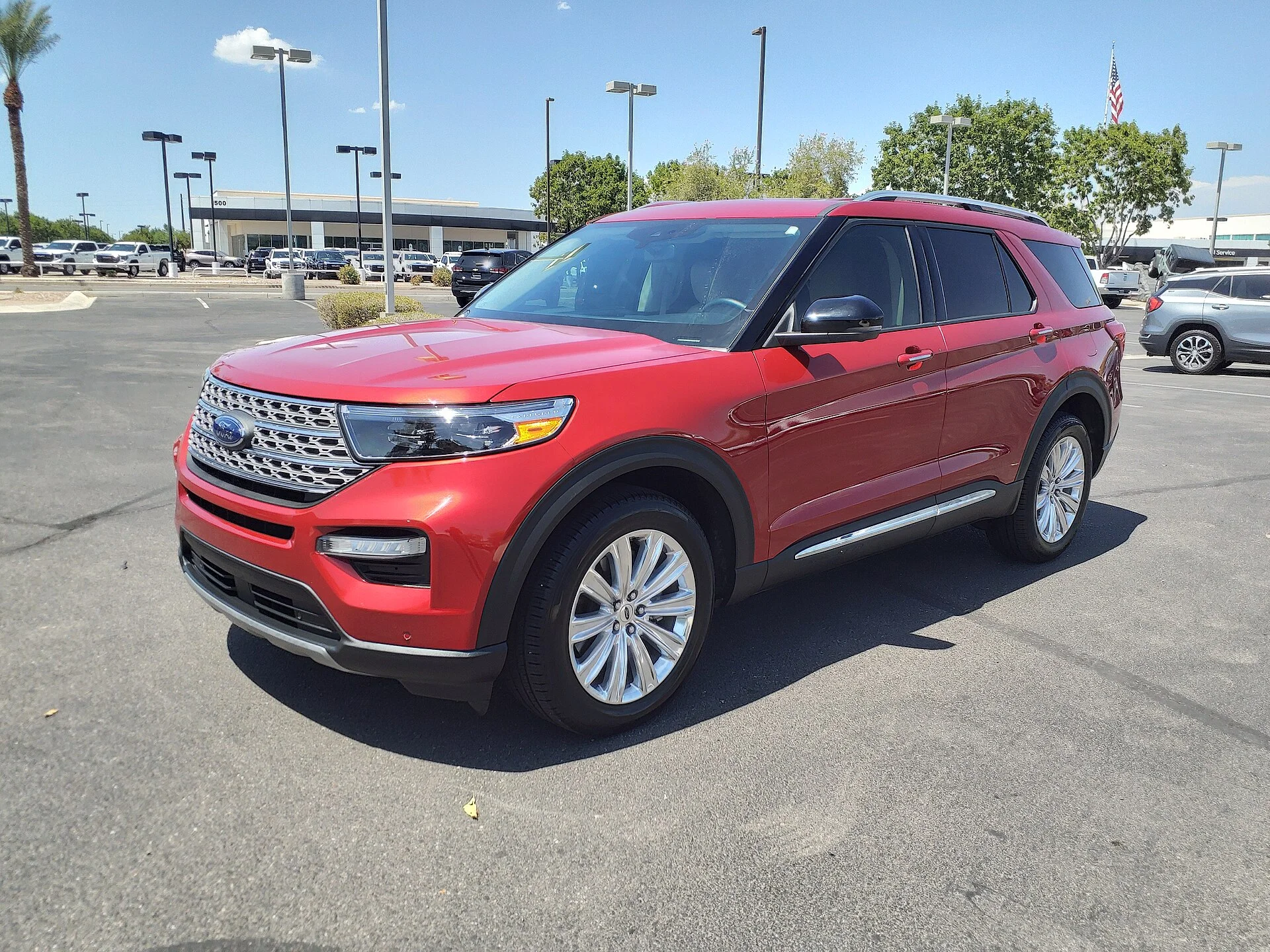
The Moving Ceiling: How Explorer GVWR Varies
The key fact that makes the Explorer different is that its GVWR is not one number for the whole lineup. GVWR on base, XLT, ST-Line, and Limited RWD Explorers is 5,770 lb, rising to 6,150 lb on the Platinum and ST trims. That is a meaningful spread in the weight ceiling itself, before curb weight even enters the picture.
A moving ceiling changes how payload has to be read. On a vehicle with a fixed GVWR, you can rank payload just by curb weight, lightest carries most. On the Explorer, you have to consider both the trim's GVWR and its curb weight, because a higher ceiling can offset a higher weight. The two numbers move somewhat independently.
The Platinum illustrates the interaction. It has the highest GVWR at 6,150 pounds but also a high curb weight of roughly 4,701 pounds, so its payload lands at 1,449 pounds, on the fact that a 6,150-pound GVWR minus a 4,701-pound curb weight leaves 1,449 pounds. The high ceiling is largely eaten by the trim's own weight.
So the Explorer's trims each strike a different balance between ceiling and weight, and the payload winner is whichever trim opens the biggest gap between the two. That is why the ranking does not follow price or ruggedness in a simple line. For a buyer, the practical lesson is to look up both the GVWR and the curb weight of the specific trim rather than assuming a pattern that a fixed-GVWR vehicle would follow but the Explorer does not.
Where Every Trim Lands on Payload
Laid out, the Explorer's payload figures cluster in a fairly narrow band but do not rank the way intuition suggests. The base, XLT, ST-Line, and Limited trims in rear-wheel drive are rated for up to 1,425 lb of payload, the entry point of the range and, notably, not the top.
Adding all-wheel drive to those same trims actually raises the number: AWD versions of the base, XLT, ST-Line, and Limited trims carry a payload capacity of up to 1,468 lb. That is another break from intuition, since AWD adds weight, and it points again to the Explorer's GVWR and axle ratings shifting with configuration rather than staying fixed.
The Platinum and ST trims land at 1,449 lb, mid-pack despite their higher GVWR, because their curb weight is higher too. And the Timberline 4WD tops the chart at 1,483 lb. So the ranking from most to least runs Timberline, AWD base-family, Platinum/ST, then RWD base-family, which is nearly the reverse of the lightest-carries-most rule.
None of these are dramatically different, the whole range spans roughly 1,425 to 1,483 pounds, but the ranking matters for a buyer optimizing payload, and it is genuinely counterintuitive. The takeaway is not to trust a mental shortcut on the Explorer: check the specific trim's rated payload, because the numbers do not follow the pattern a fixed-ceiling vehicle would. The rugged 4WD trim carrying the most is the clearest sign the shortcut fails here.
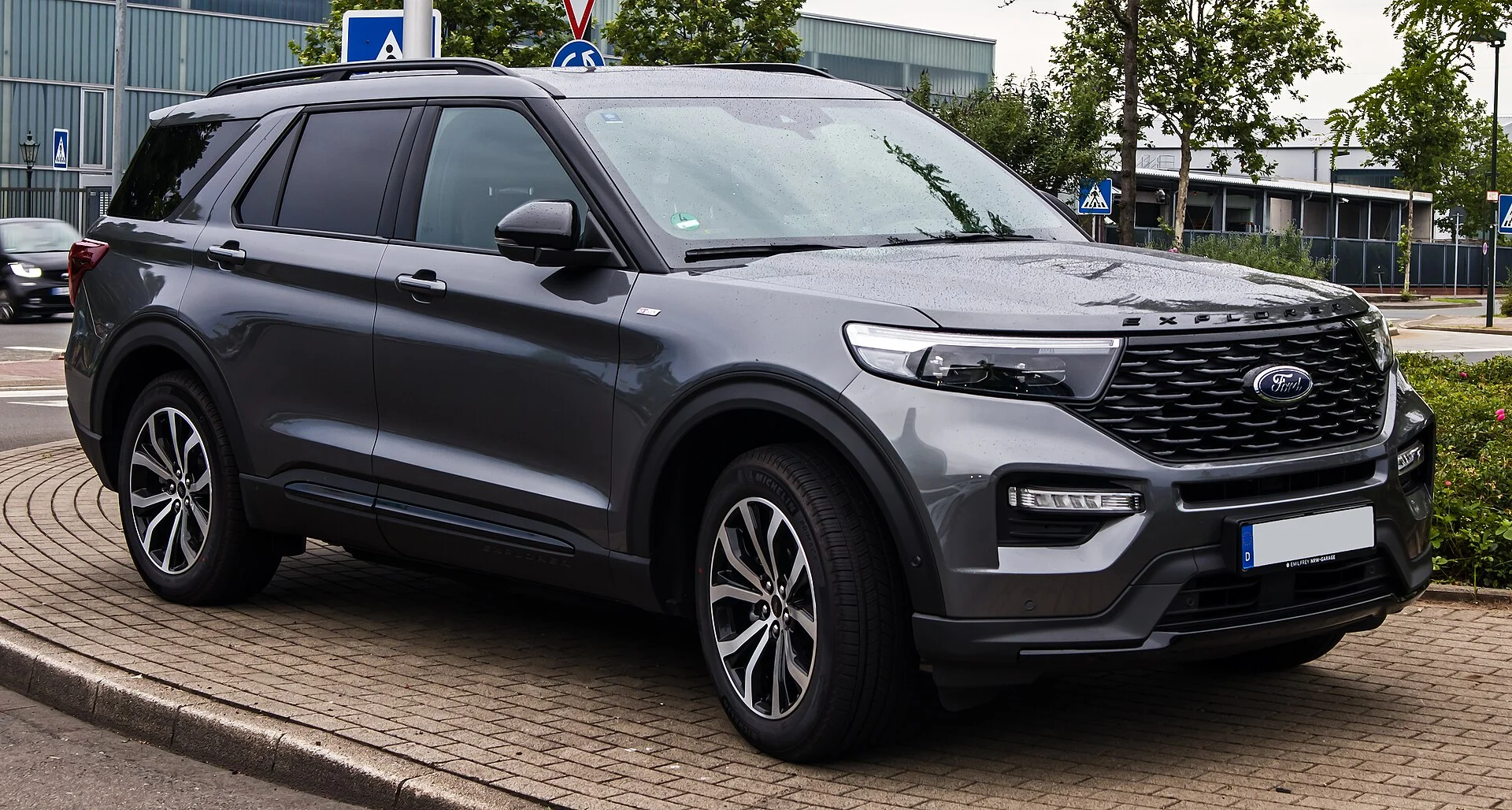
What Payload Has to Cover for a Camper
Whatever the trim, the payload number only means something once you know what it has to hold, and campers consistently underestimate that. Payload is every pound the vehicle carries that is not its own curb weight: passengers, cargo, water, food, a roof load, and the tongue weight of any trailer. It is not just what fits in the back.
On a three-row SUV like the Explorer, passengers alone can consume a large share of the roughly 1,425-to-1,483-pound payload before gear is loaded. A family filling the seats puts several hundred pounds into the equation immediately, and a camping load of water, a cooler, and equipment adds up quickly on top of that.
The Explorer's generous cargo space can actually encourage overloading, which is the skeptic's warning. Folding the second-row seats opens up to 87.8 cubic feet of cargo volume behind the front row, a big, inviting space, but that volume is bounded by the weight-based payload limit, not filled by it. It is entirely possible to fill 87.8 cubic feet with gear that exceeds the payload rating.
The honest discipline is to plan the load by weight, not by how much space is available. A camper should tally passengers, gear, water, and any roof or tongue load against the specific trim's payload figure, and recognize that the Explorer's roomy cargo hold can hold more than the vehicle is rated to carry. Space is not the limit; weight is.
AWD and 4WD Don't Cost Payload the Way You'd Expect
The clearest example of the Explorer defying payload intuition is its all-wheel-drive and four-wheel-drive figures. Conventional wisdom says the traction hardware adds weight and therefore cuts payload, and on a fixed-GVWR vehicle it does. On the Explorer, the opposite shows up: AWD trims carry 1,468 pounds versus the RWD trims' 1,425, and the 4WD Timberline tops the chart at 1,483.
The explanation is again the moving ceiling. Ford appears to pair the all-wheel-drive and four-wheel-drive configurations with GVWR and axle ratings that rise enough to more than offset the drivetrain weight, so the payload comes out higher, not lower. The traction hardware adds weight, but the ceiling it comes with adds more capacity.
This is genuinely good news for a camper who wants both traction and payload, because on many vehicles those two goals fight each other. On the Explorer, choosing AWD or the 4WD Timberline delivers traction to reach remote sites and more payload than the rear-drive trims, rather than forcing a trade between them. It is a rare case where the more capable drivetrain is also the more capable hauler.
The skeptic's caveat is to verify it on the specific vehicle's door-jamb label rather than trusting the pattern blindly, since options can shift the numbers. But the general lesson holds and is worth internalizing: on the Explorer, do not assume all-wheel drive costs payload. The lineup's numbers show the traction trims carrying more, which is exactly the kind of counterintuitive fact that rewards reading the spec sheet instead of the rule of thumb.
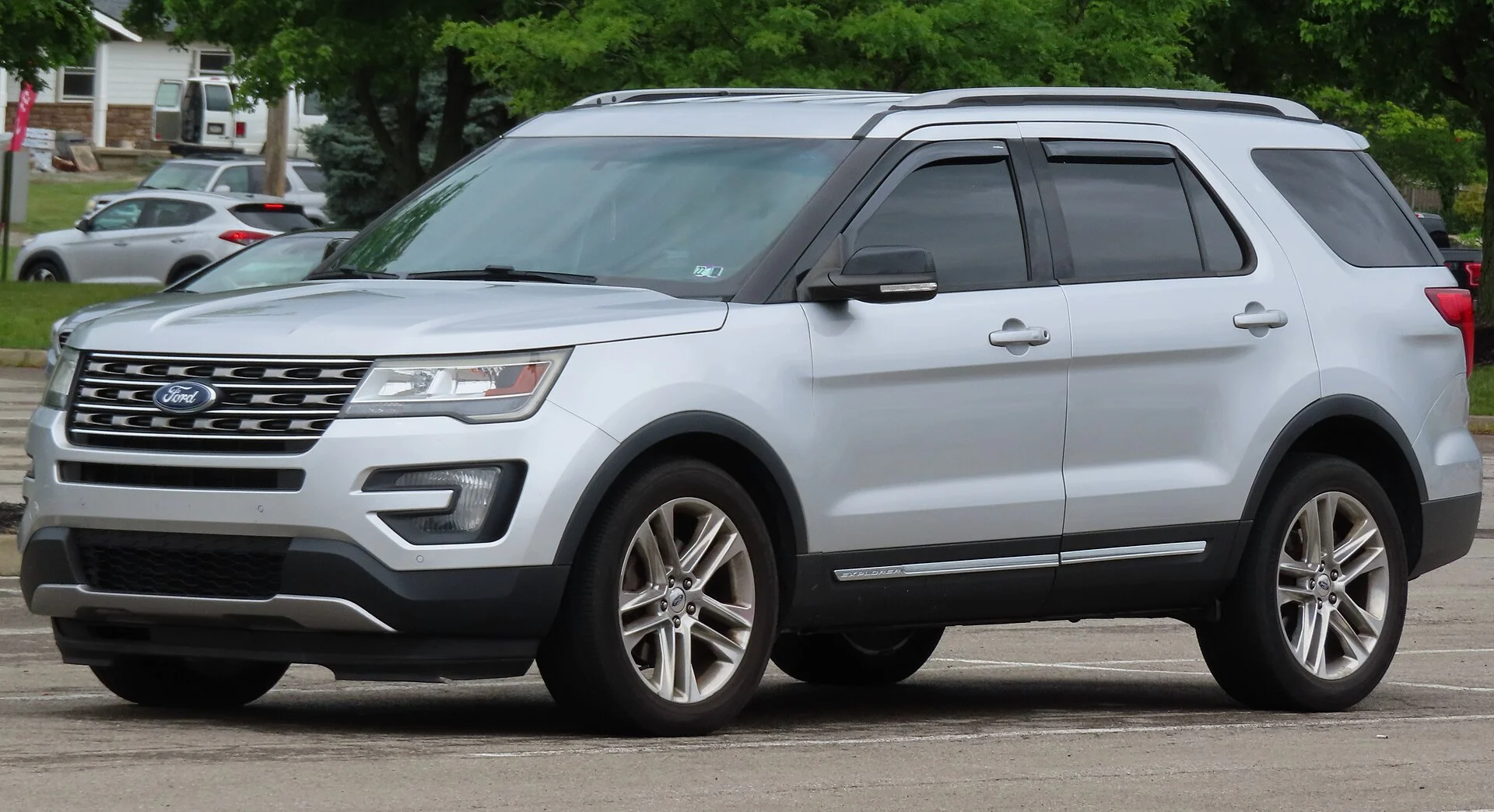
Reading the Door-Jamb Label, Not the Brochure
Because the Explorer's payload varies so much by trim and configuration, the single most reliable number is the one on the specific vehicle. The certification label in the driver's door jamb states that exact Explorer's payload as built, accounting for its options, and it is the figure that legally governs. The published trim numbers are a guide; the sticker is the truth.
This matters more on the Explorer than on a fixed-GVWR vehicle precisely because the numbers move so much. A specific truck's options add weight beyond the base trim configuration, so its real payload can differ from the published figure. With a lineup already ranging from 1,425 to 1,483 pounds by trim, the as-built number is the one to trust.
The published figures, the 1,425 pounds for RWD base trims up to the Timberline's 1,483, are the right tools for shopping and comparing before purchase. But once a specific Explorer is in the driveway, the door-jamb label reflects that exact vehicle's ceiling and weight, which is the number to load against on every trip.
For a camper, the habit is to read the sticker before the first loaded trip, note the actual payload, and subtract the known weights, passengers, gear, water, roof load, tongue weight, from it. That subtraction against the real number is what keeps the Explorer within its ceiling. On a vehicle whose payload ranking defies the usual rules, trusting the label over the assumption is the whole discipline.
Choosing the Right Explorer for a Camping Load
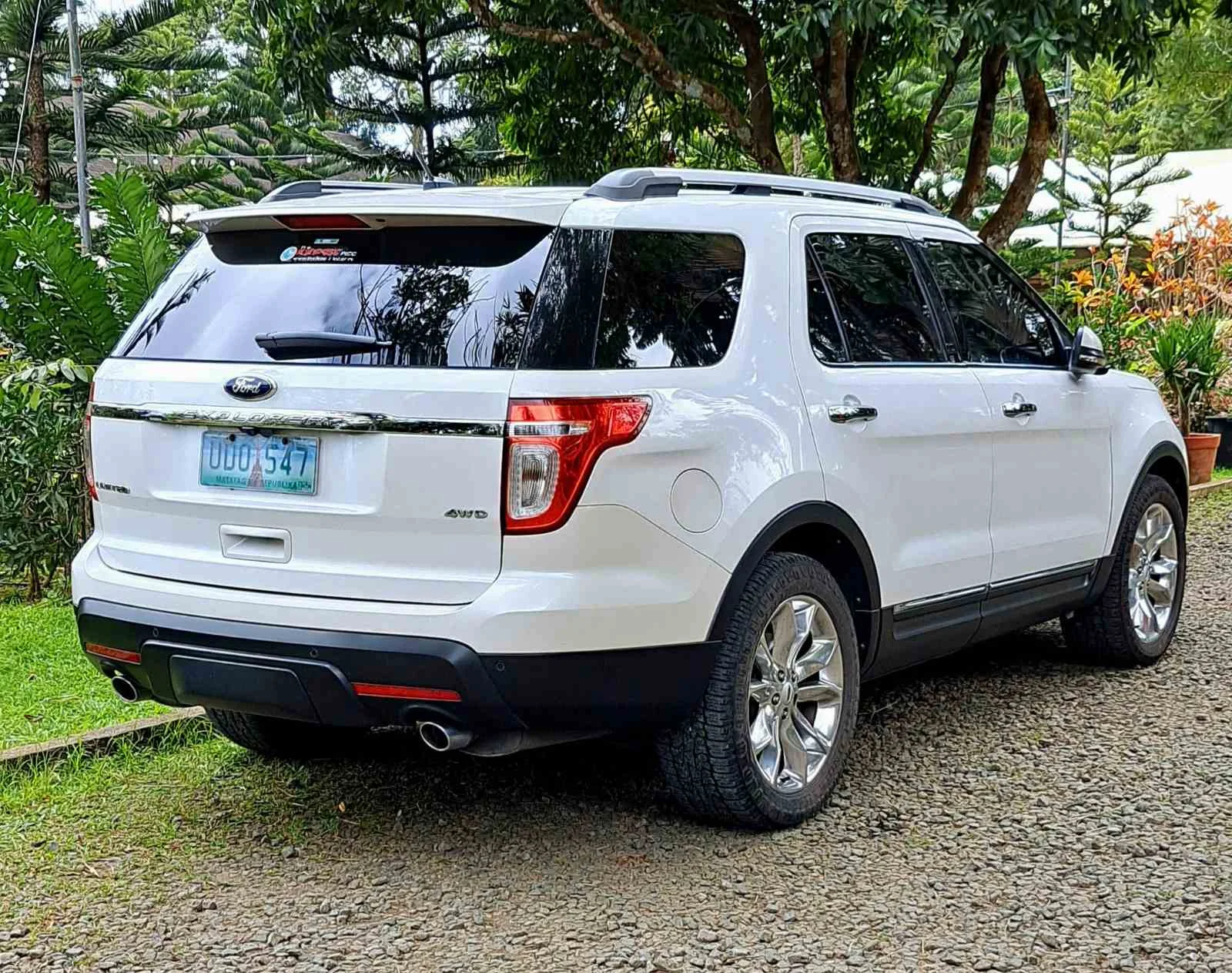
With the counterintuitive ranking understood, the trim choice for a camper becomes a real decision rather than a default. A buyer optimizing for payload and traction has a genuinely appealing option in the Timberline 4WD, which tops the payload chart at 1,483 pounds while also being the trim built to reach rougher sites. For a camping-focused buyer, that combination is hard to beat.
A buyer who wants payload without the off-road trim can look to the AWD versions of the mainstream trims at 1,468 pounds, which out-carry the rear-drive versions and add traction. The rear-drive base trims at 1,425 pounds, despite being lightest, sit at the bottom of the payload range, so choosing them purely to maximize payload would be a mistake, the kind the simple rule invites.
The Platinum and ST at 1,449 pounds trade some payload for luxury and performance features, which is a fair choice for a buyer who values those over maximum carrying capacity. The point is that the payload numbers are close enough that the decision can weigh other factors, as long as the buyer knows where each trim actually lands rather than assuming.
The value-and-skeptic reading is that the Explorer rewards a buyer who checks the numbers with a pleasant surprise: the rugged, traction-equipped trims are also the payload leaders, so there is no trade between capability and carrying capacity. A quality cargo organizer helps manage the roomy 87.8 cubic feet, but the trim choice should be made on the payload numbers, where the Explorer's answers defy the easy assumption.
Staying Within the Number on a Loaded Trip
Knowing the right trim is only useful if the loading respects the number, and on the Explorer that means a deliberate tally against the specific vehicle's payload. Start from the door-jamb figure, or the trim's rating, and subtract passengers first, then the fixed camp kit, then consumables like water that weigh more than campers expect.
Water deserves its own accounting on any camping trip. It is heavy per gallon, and a family carrying several days' supply can add a hundred pounds or more to the payload column before equipment. Counting it explicitly, rather than folding it into a vague gear estimate, is often what keeps a loaded Explorer honest against its ceiling.
The roof load is the other line to watch, especially given the Explorer's inviting cargo space. Anything on the roof, a cargo box or rooftop tent, counts against payload just as interior cargo does, and it stacks onto the passenger and gear weight already in the tally. On a trim near the lower end of the payload range, a heavy roof load consumes a noticeable share.
The goal is confident loading, not anxious guessing. A camper who has tallied passengers, gear, water, and roof load against the real payload number can pack knowing the Explorer is within spec, and can catch when a trip's ambitions exceed the trim's rating before hitting the road. On a vehicle whose payload figures reward checking, the loaded tally is the practical payoff of having read them.
The Verdict: Check the Numbers, Skip the Assumption
The Explorer's payload story is a lesson in not trusting a rule of thumb. The tidy assumption that the lightest, cheapest trim carries the most fails here, because the Explorer's GVWR moves with the trim. The rugged Timberline 4WD tops the chart at 1,483 pounds, the AWD trims carry 1,468, the Platinum and ST 1,449, and the rear-drive base trims sit lowest at 1,425.
The mechanism behind the surprise is the moving ceiling: GVWR ranges from 5,770 pounds on the base RWD trims to 6,150 on the Platinum and ST, so payload depends on both the ceiling and the curb weight, not curb weight alone. A trim whose GVWR rose more than its weight, like the Timberline, ends up carrying more, which is why the off-road trim is the payload champion.
For a camper, the happy consequence is that traction and payload do not fight on the Explorer. The AWD and 4WD trims that reach remote sites are also the ones that carry the most, so there is no trade to make, provided the buyer checks the numbers instead of assuming AWD costs capacity.
Read each trim's actual GVWR and payload, verify the specific vehicle's door-jamb label, and tally the real camping load against it. Do that and the Explorer reveals itself as a capable hauler whose best-carrying trims are also its most capable, exactly the opposite of what the easy assumption predicts, and a reminder that on payload, the spec sheet beats the rule of thumb every time.