
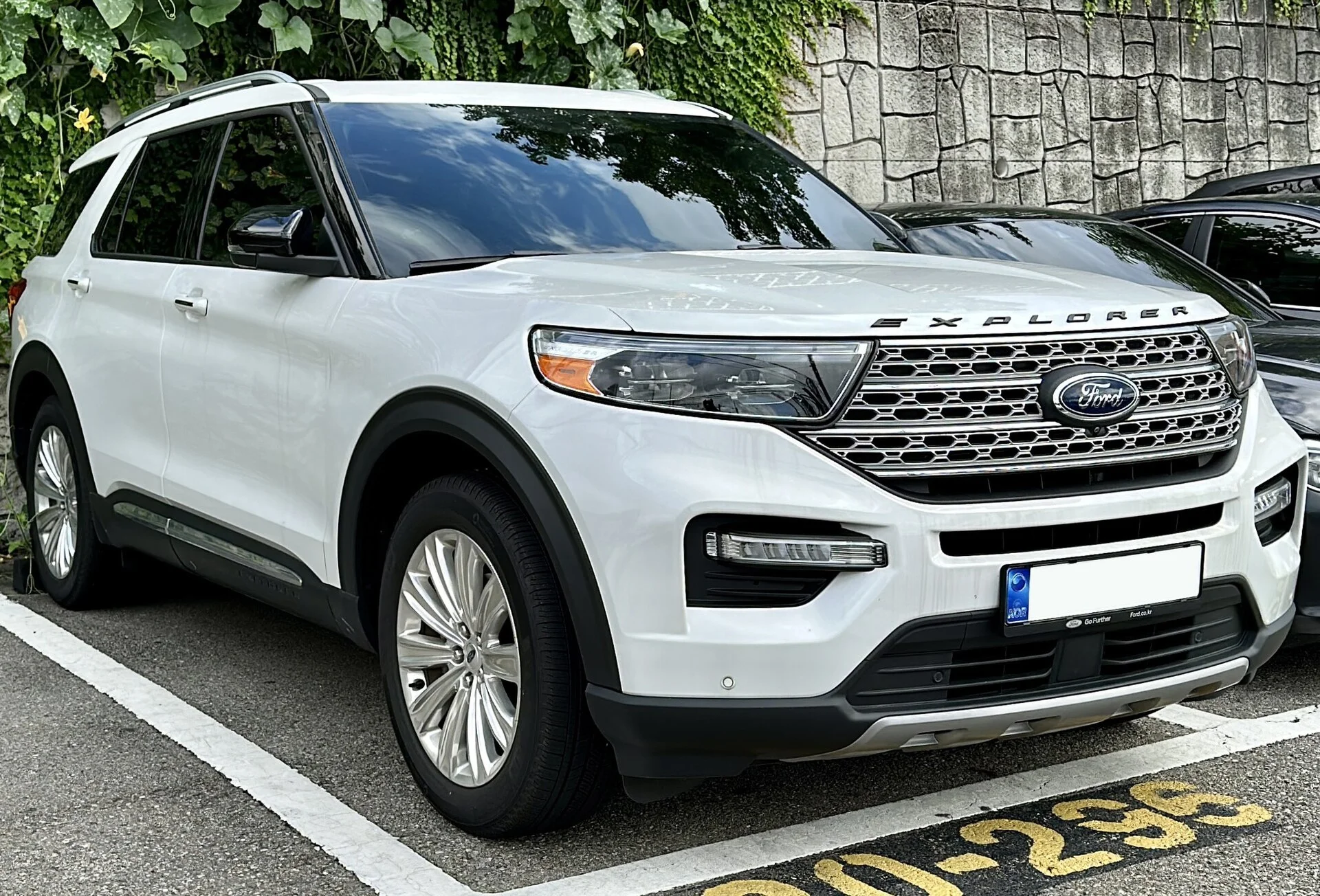
The Roof Rating Is Two Numbers, and People Use the Wrong One
Ask how much a Ford Explorer's roof can hold and you will get one number back, usually the wrong one for what the person is trying to do. The truth is that a roof has two ratings, dynamic and static, and they are wildly different. Confusing them is why one owner panics that their roof cannot hold a rooftop tent and another overloads their crossbars on the highway.
The core distinction is this: dynamic load is cargo secured to the roof while driving, and static load is weight resting on a stationary, parked vehicle. Only the dynamic figure appears in Ford's owner's manual, which is exactly why the static question, the one a rooftop-tent camper actually asks, causes so much confusion.
The two numbers differ because a roof is stressed differently when moving than when parked. Driving over bumps multiplies the load through motion; a parked roof simply bears static weight. A structure rated for a modest load in motion can carry far more sitting still, which is the whole reason a heavy rooftop tent full of sleeping people does not collapse an Explorer's roof.
This guide separates the two numbers cleanly: what Ford's dynamic rating is and why the moonroof changes it, why the static rating that matters for rooftop tents is not in the manual, and how to read the crossbar hardware ratings that add a third number to the mix.
Dynamic Load: 100 lb in Motion
Start with the number Ford does publish. The owner's manual lists a maximum roof rack dynamic load, meaning the vehicle in motion, of 100 lb, which is 45 kg, for models without a moonroof. That 100 lb is the ceiling for anything carried on the roof while driving, cargo box, gear, or a folded tent in transit.
Dynamic load is the driving number because motion is what stresses the roof hardest. Every bump, dip, and hard stop multiplies the effective weight on the roof through acceleration, so the 100 lb rating builds in that margin. It is deliberately conservative because it has to survive real-world road inputs, not just the static weight of the cargo.
For an Explorer owner, 100 lb covers a lot of practical roof loads: a cargo box with gear, a set of bikes, or camping equipment secured for the drive. It is a usable ceiling for hauling, and it is the number to respect when loading the roof for a trip, because exceeding it while driving is where roof and rack damage actually happens.
The key is to read the 100 lb as a moving limit, not a total prohibition on more weight ever touching the roof. It governs the drive, which is the demanding case, and it is the figure a hauling-focused owner works within. The rooftop-tent question, weight while parked, is a different number entirely, covered below.
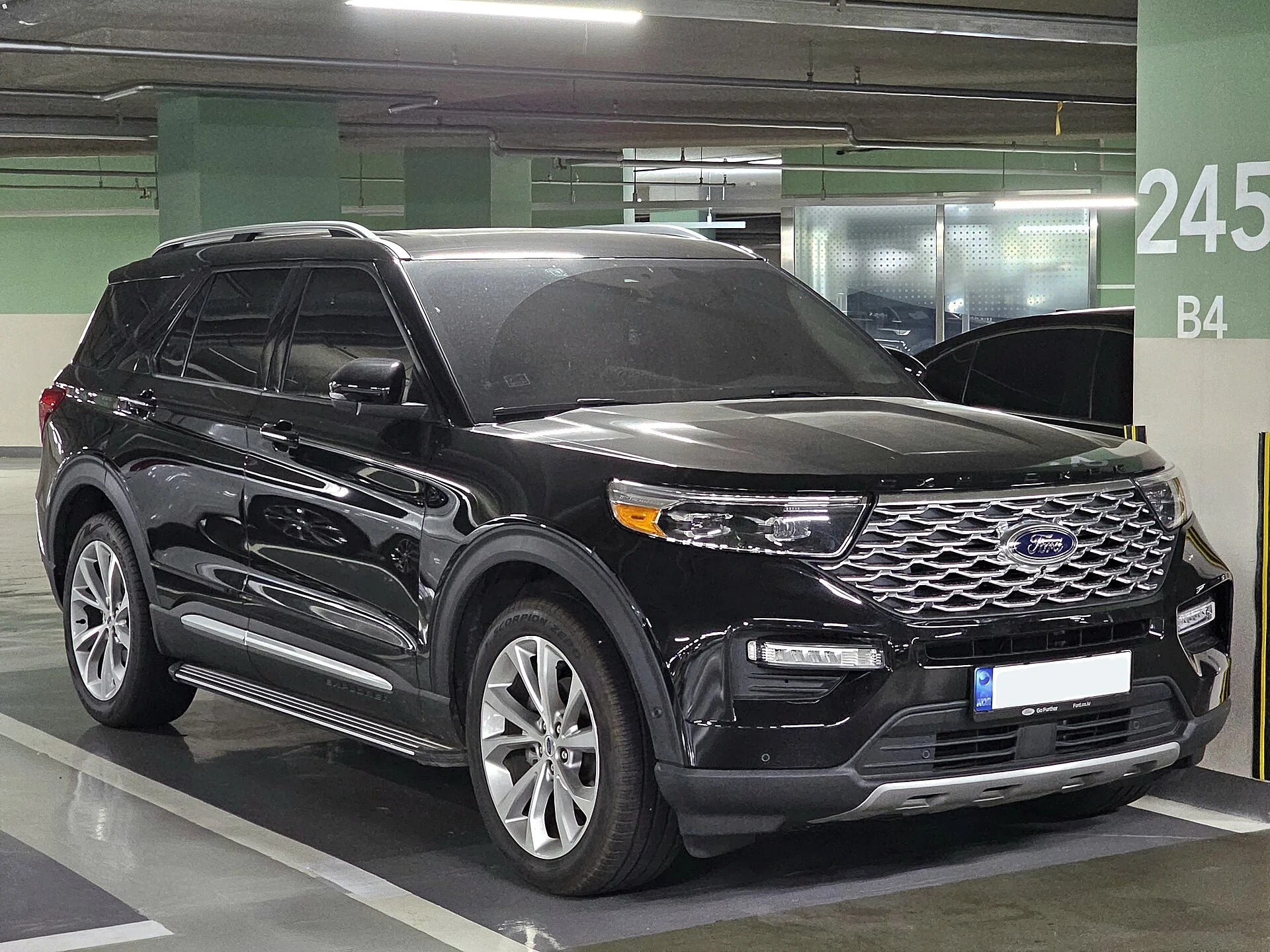
The Moonroof Penalty: 45 lb
Here is the detail that catches Explorer owners off guard: the moonroof cuts the dynamic rating by more than half. Explorers equipped with a factory moonroof are limited to 45 lb, which is 20 kg, of dynamic roof load, since the moonroof cutout reduces the roof's structural capacity. Same vehicle, very different roof limit.
The reason is structural. A moonroof is a large opening cut into the roof panel, and that cutout removes material and rigidity from exactly the structure a roof load relies on. With less intact roof to carry the load, Ford lowers the dynamic rating from 100 lb to 45 lb to keep the stressed, weakened roof within safe limits while driving.
A moonroof drops the Explorer's dynamic roof rating from 100 lb to 45 lb. Two otherwise identical Explorers can have very different roof limits based solely on whether that glass panel is present, so check your own vehicle.
For a buyer or owner, this makes the moonroof a real consideration for anyone planning to load the roof. A 45 lb dynamic limit is restrictive for a cargo box plus gear, and it is set by the vehicle's configuration, not something an aftermarket rack overrides. Knowing whether your Explorer has a moonroof is the first step in knowing its real roof limit.
Why the Manual Won't Answer the Rooftop-Tent Question
The question most campers actually have is whether an Explorer can hold a rooftop tent, and the frustrating truth is that Ford's manual does not directly say. The 100 lb non-moonroof and 45 lb moonroof figures are dynamic ratings that apply only while the vehicle is being driven; Ford does not publish a separate factory static, or parked, rating for uses like rooftop tents.
This gap is why rooftop-tent shoppers get confused. A rooftop tent plus occupants easily exceeds 100 lb, let alone 45 lb, and reading only the dynamic number, a camper concludes an Explorer cannot support a tent at all. That conclusion misreads the number: the dynamic rating governs driving, and a tent is occupied only while parked.
The static case is genuinely different. When parked, the roof is not absorbing road inputs, so it can bear substantially more than its dynamic rating, which is why heavy rooftop tents work on vehicles with modest dynamic limits. The problem is simply that Ford does not publish a static number, leaving owners without an official figure to point to.
So the manual answers the driving question and stays silent on the parked one. For the rooftop-tent camper, this means the relevant capacity is real but unofficial, and the next section covers the only evidence available for it: what owners actually run without problems, clearly labeled as the anecdotal data it is.
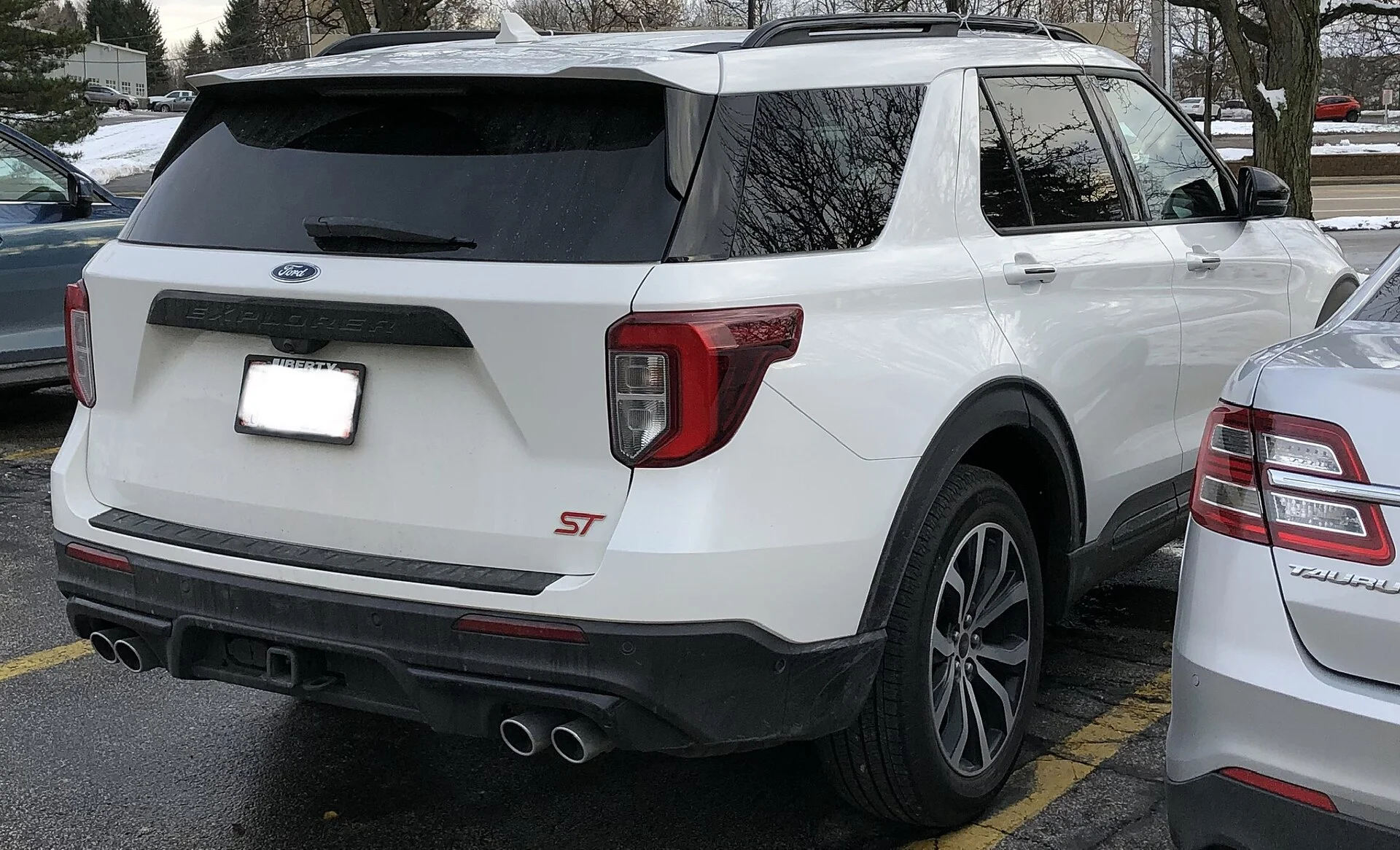
The Static Number Owners Actually Run
With no factory static rating to cite, the best available evidence is owner experience, and it is worth reading honestly. Owners running rooftop tents on Ford Explorers have reported static loads while parked in the 500 to 600 lb range without observed roof deformation. That is far above the dynamic rating, and it explains why rooftop tents work in practice.
The critical caveat has to lead here: this 500 to 600 lb figure is anecdotal owner experience, not a factory-published static rating. It is not a number Ford stands behind, and it should be treated as real-world reports rather than an engineering specification. Prudence means leaving margin below what others report, not treating 600 lb as an approved ceiling.
That said, the reports are consistent with the physics. A parked roof bearing static weight, distributed across proper crossbars, is a fundamentally less demanding case than the same weight pounding the roof over highway bumps, so a roof rated for 100 lb dynamic plausibly carries several times that parked. The owner reports and the engineering logic point the same direction.
For a camper, the practical takeaway is that a rooftop tent on an Explorer is realistic, supported by consistent owner experience in the 500 to 600 lb static range, while remembering that number is unofficial. Distributing the load properly and staying conservative is how to use that reality responsibly in the absence of a factory figure.
The Crossbar Is a Third Number
Just when two numbers seem like enough, the crossbars add a third. Aftermarket crossbar sets sold for the 2020 to 2024 Ford Explorer with raised roof rails are rated by their manufacturers up to 220 lb, a figure describing the crossbar hardware's own strength rather than Ford's roof-structure limit. It is a different limit measuring a different thing.
The distinction matters because a system is only as strong as its weakest link. The crossbar's 220 lb rating is the bars' own capacity, while the roof's dynamic and static limits are the vehicle structure's capacity. The real limit for any load is the lower of the applicable numbers, not the highest one printed on any component.
This is where owners misread specs most often, seizing on a high crossbar rating as if it were the vehicle's roof capacity. A 220 lb crossbar does not raise the Explorer's 100 lb dynamic roof limit; it simply means the bars themselves will not be the failure point below 220 lb. The roof structure still governs the driving load.
For the static rooftop-tent case, the crossbar rating is more directly relevant, since parked, the bars carrying the tent are a key link. A 220 lb crossbar comfortably supports many rooftop tents statically, but it must be paired with the understanding that the roof structure carries it too, and that both should have margin under the anticipated load.
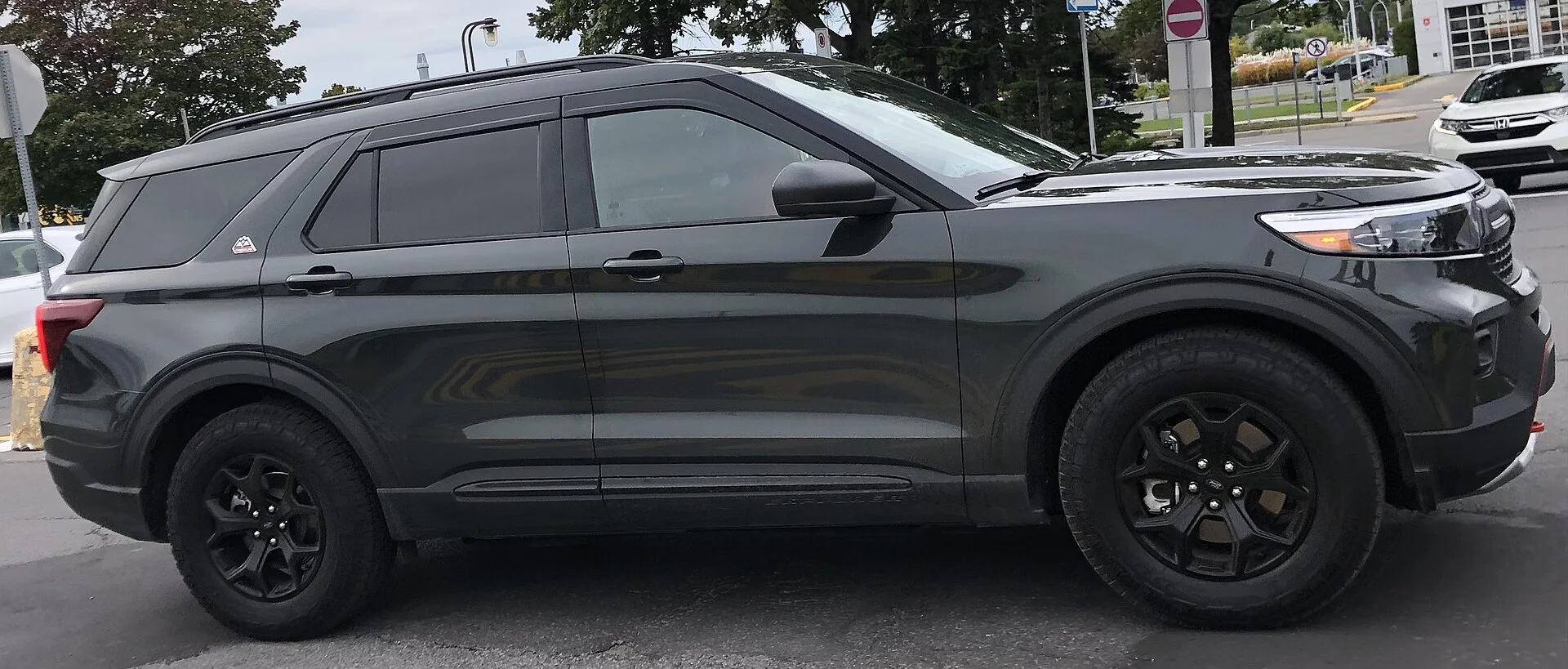
Subtract the Crossbar's Own Weight
One more adjustment refines the real capacity, and it is easy to forget. Ford's support page states that the crossbars' own weight, commonly 20 to 30 lb, must be subtracted from the total allowable load. The rack hardware is not free weight; it counts against the roof's rating before any cargo is added.
The reason is straightforward: the roof carries everything on it, including the crossbars themselves. If the dynamic limit is 100 lb and the crossbars weigh 20 to 30 lb, the cargo the roof can carry while driving is what remains after subtracting the bars, meaningfully less than the headline 100 lb once the hardware is accounted for.
This subtraction bites hardest on the moonroof Explorer. With a 45 lb dynamic limit and 20 to 30 lb of crossbars, the remaining cargo allowance while driving is small, which is a real constraint for anyone planning to haul on the roof of a moonroof-equipped vehicle. The bars alone consume much of the budget.
For an owner calculating real capacity, the method is to start from the applicable roof rating, subtract the 20 to 30 lb crossbar weight, and treat what remains as the usable cargo limit. Skipping that subtraction is a quiet way to overload the roof, since the rating was never meant to include the rack hardware on top of the cargo.
What It All Means for a Rooftop Tent
Pulling the numbers together answers the camper's question directly. A rooftop tent lives on the Explorer's roof, occupied only while parked, so the governing case is the static load, not the 100 lb or 45 lb dynamic rating that scares first-time shoppers. The tent plus sleepers falls well within the 500 to 600 lb range owners report running statically.
The driving case still applies to the tent's transit weight. While driving to camp, the folded tent's weight counts against the dynamic limit, 100 lb without a moonroof or 45 lb with one, minus the 20 to 30 lb crossbars. Most hard-shell and folding tents are chosen partly to keep that transit weight within the dynamic budget, which is the real constraint on the drive.
The crossbars tie it together. A set rated up to 220 lb supports a tent statically with margin and carries the folded tent dynamically within the roof's lower limit, so quality bars rated well above the tent's weight are the sensible foundation. The bars must clear both the static occupied load and the dynamic transit load.
So a rooftop tent on an Explorer is genuinely workable: static capacity supports it parked, the dynamic limit governs the drive, and proper crossbars bridge both. A well-matched rooftop tent chosen with the transit weight in mind is what turns the Explorer's roof into a sleeping platform without exceeding any of the three numbers.
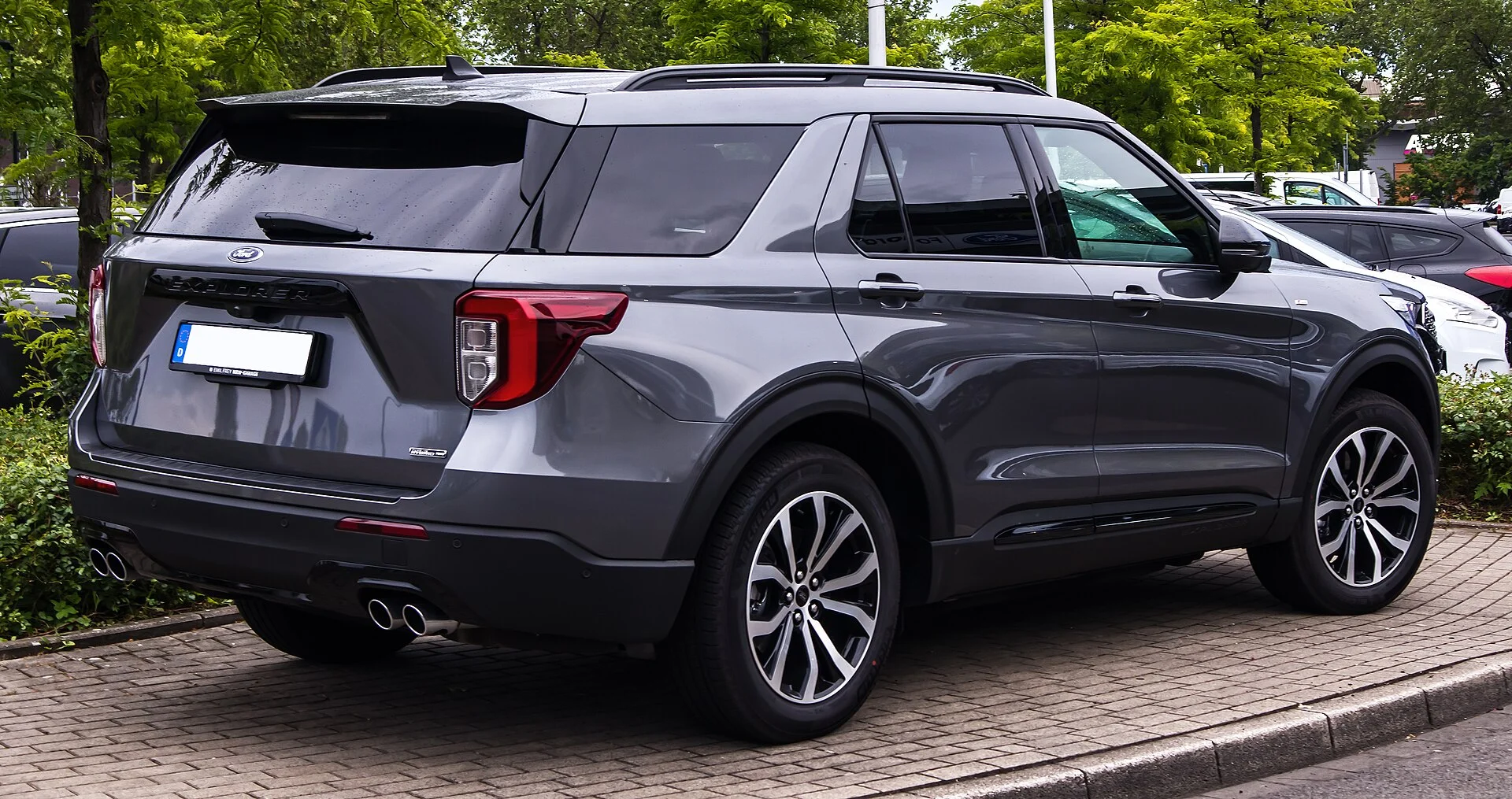
Reading Your Own Explorer's Limits
Because the numbers depend on configuration, the real limits are the ones for your specific Explorer, and Ford points you to them. The support guidance is to verify roof rack capacity in the Load Carrying section of the owner's manual, since capacity varies by model. That section holds the dynamic rating that applies to your vehicle.
The moonroof check is the most important, because it halves the dynamic rating. Confirming whether your Explorer has a factory moonroof tells you immediately whether the driving limit is 100 lb or 45 lb, and there is no way around that structural difference with aftermarket parts. It is the first thing to establish about your roof's capacity.
For the static rooftop-tent case, the manual will not help, so the approach is to combine the crossbar rating, the owner-reported static range, and conservative judgment. Choose crossbars rated well above the tent's static weight, stay comfortably under the 500 to 600 lb owners report, and distribute the load properly across the bars.
The disciplined summary is to know three numbers for your Explorer: the dynamic roof rating from the manual, adjusted for the moonroof and the crossbar weight; the crossbar hardware's own rating; and a conservative static estimate for parked use. Reading all three, rather than fixating on one, is how a tinkerer sizes a roof load correctly.
The Verdict: Match the Number to the Use
The Ford Explorer's roof capacity is not one number but a set, and using the right one for the right situation is the whole skill. The dynamic rating, 100 lb without a moonroof and 45 lb with one, governs weight while driving and is the number Ford publishes; it is what a hauling load must respect.
The static case, the one that matters for rooftop tents, is not in the manual, but owner experience consistently reports 500 to 600 lb parked without deformation, which explains why tents work despite the modest dynamic figure. That number is unofficial and deserves conservative margin, but it is real-world evidence that a parked roof carries far more than a moving one.
The crossbars add a third number, rated up to 220 lb on quality aftermarket sets, describing the bars' own strength, and their 20 to 30 lb weight must be subtracted from the roof's allowance. The real limit for any load is the lowest applicable number with the crossbar weight removed, not the highest figure on any single component.
Establish whether your Explorer has a moonroof, read the Load Carrying section for its dynamic rating, choose crossbars rated well above your load, and stay conservative on the unofficial static number, and the Explorer carries cargo and a rooftop tent confidently. Grab the wrong number for the wrong use and you either needlessly rule out a tent or overload the roof on the highway.