
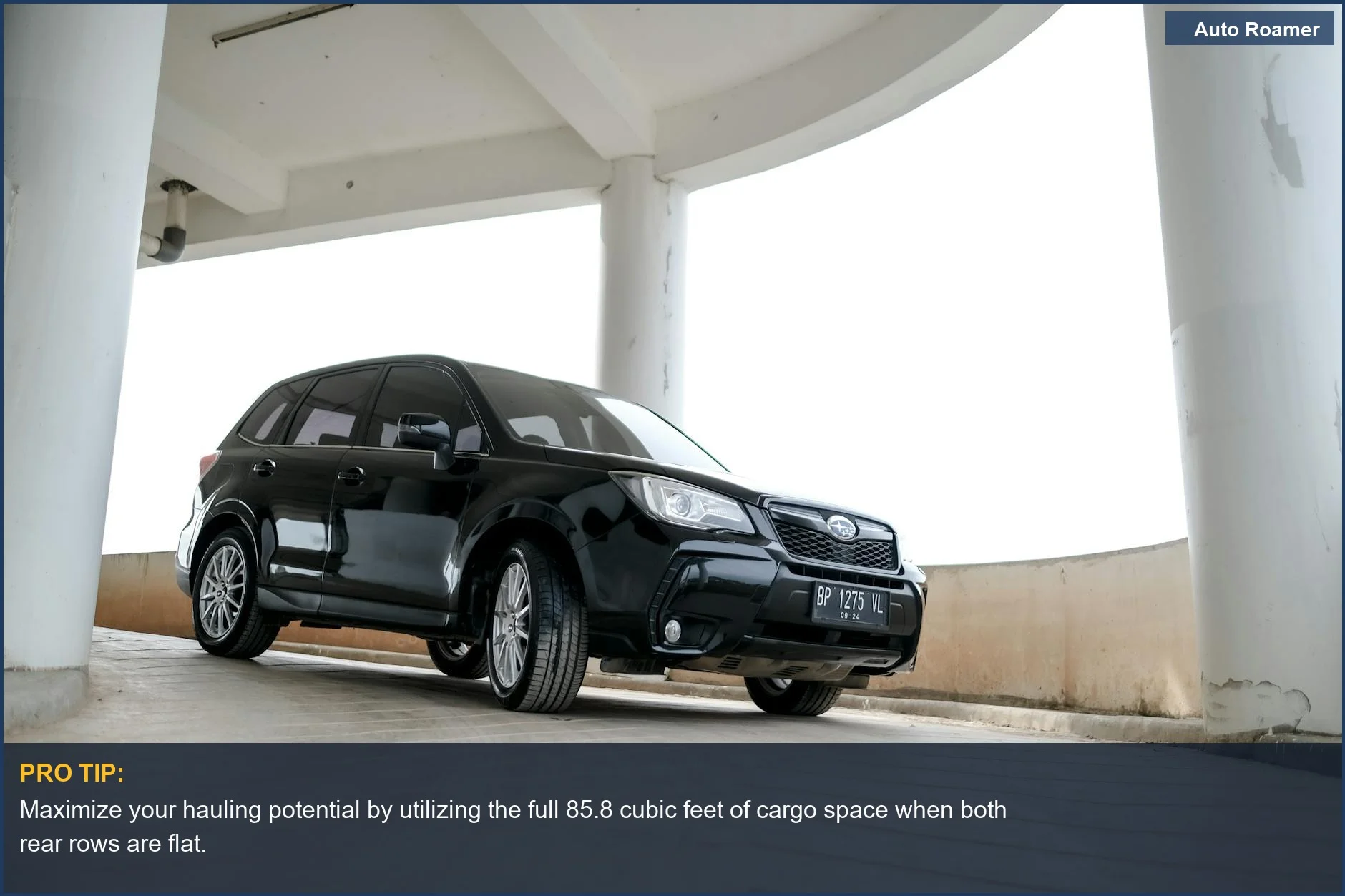
Setting the Scene
The 2026 Ford Explorer boasts 85.8 cubic feet of cargo space with the second and third rows folded flat, a number that looks great on a spec sheet. But anyone who's actually tried to cram gear into an SUV knows those numbers are theoretical maxims, not practical realities. You always lose 10-15% to wheel wells and seat mechanisms that don't quite fold perfectly flush. Auto Roamer points this out, and they're not wrong.
Ford advertises up to 85.8 cubic feet, but that number drops to 16.3 cubic feet behind the third row. That's barely enough for a week's groceries, let alone a bug-out bag. Ford's own site touts seating for seven, which is fine if three of those seven are under 5 feet tall and have no luggage.
The real question isn't how much volume, but how useful that volume is. Is the load floor flat? Are there tie-downs that won't shear off under a 200 lb load? The best setups use solid steel loops welded to the frame, not chintzy plastic D-rings.
Beadle Ford's guide confirms the three-row flexibility, but the real test is how much crap you can actually tie down without it becoming a kinetic projectile in a sudden stop. This isn't about looking good on Instagram; it's about minimizing the kinetic energy transfer of your cooler into the back of your head during a sudden braking event.
The 2026 Explorer is a mid-size SUV. It's not a full-size hauler. You're trying to fit a square peg into a round hole if you expect full-truck utility. Kelley Blue Book confirms the 85.3 cubic feet max cargo, but nobody mentions the awkward corners. That's where your gear gets chewed up, or worse, becomes a hazard.
If you're planning on using this for more than school runs, you need to think about the mechanical stresses on your cargo and the mounting points. They'll fatigue, crack, and fail. It's not a matter of 'if', but 'when'.
2026 Ford Explorer Specifications Cargo Capacity Dimensions and Cargo Space
When you're looking at the 2026 Explorer, don't just stare at the glossy brochure. Look at the hard numbers. Ford advertises up to 85.8 cubic feet of cargo space with the second and third rows folded flat as per Ford's website. But that's a theoretical maximum.
US News confirms that behind the third row, you're looking at a paltry 16.3 cubic feet. That's enough for a couple of grocery bags, maybe a small cooler. Don't plan on fitting much else.
With the third row folded, cargo volume jumps to 46 cubic feet. This is where it starts to become useful for weekend trips. But remember, the second-row seats are still there, eating into your usable length. Columbine Ford emphasizes the 85.8 cubic feet, but the devil is in the details of the folding mechanism.
Here's a breakdown of what actually matters for the 2026 Ford Explorer, according to the spec sheets:
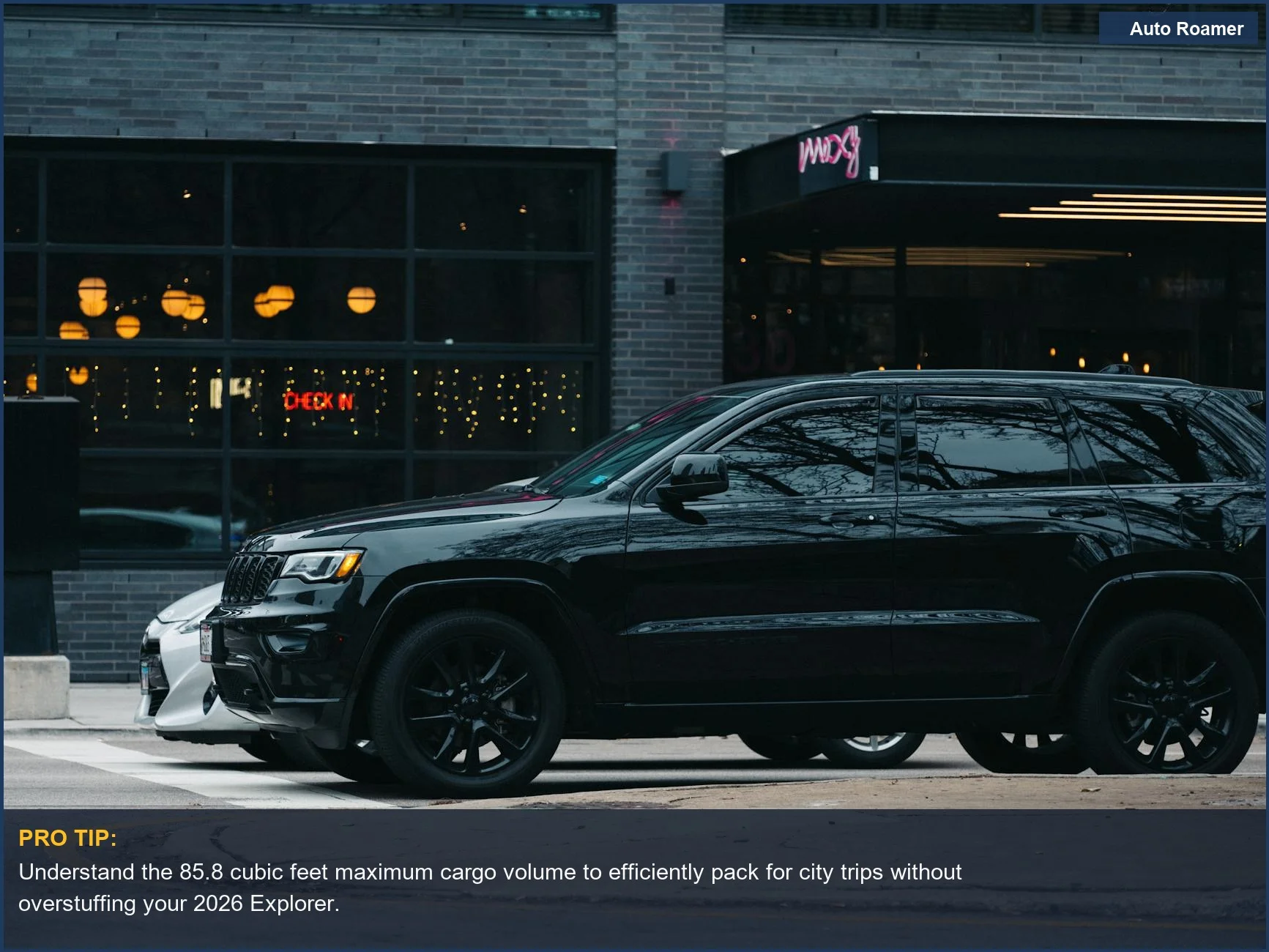
- Max Cargo Volume (second and third rows folded): 85.8 cubic feet. This is the big number. Expect to lose 10-15% to wheel well intrusions, plastic trim, and seat hinge mechanisms that don't allow a perfectly flat floor. It's not a perfect cube.
- Cargo Volume Behind Third Row: 16.3 cubic feet. This is the minimum. Good for small duffels or a backpack.
- Cargo Volume Behind Second Row: 46 cubic feet. This is your sweet spot for most utility, allowing for more substantial gear while still carrying two or three passengers.
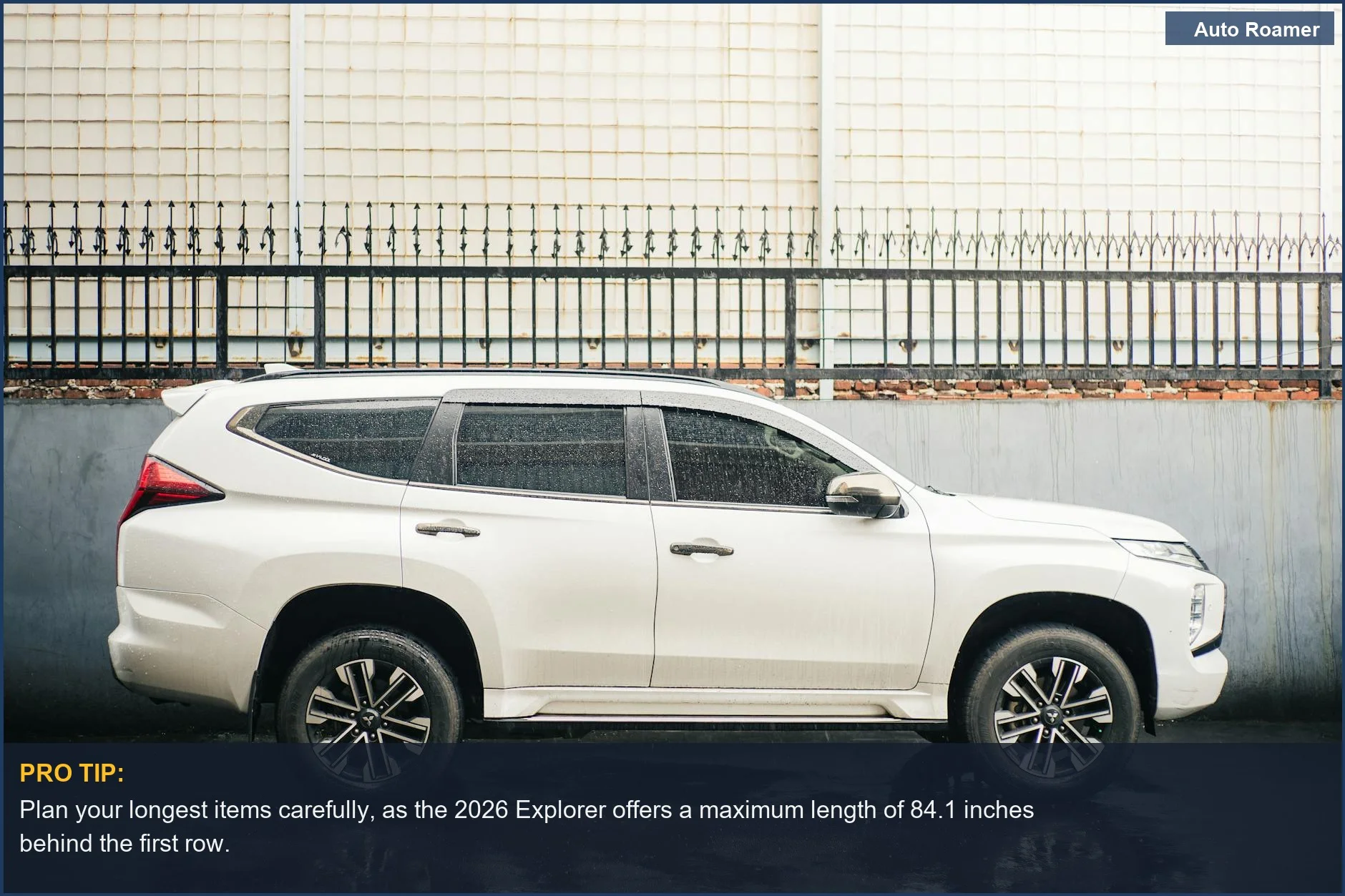
- Cargo Space Length Behind First Row: 84.1 inches as measured by Car and Driver. This is your maximum sleeping length. Critical for anyone over 6 feet tall.
- Cargo Space Length Behind Second Row: 49.8 inches.
- Overall Vehicle Length: 198.8 inches. Important for parking, but doesn't tell you much about interior volume.
- Liftover Height: 32.8 inches. Means you're hoisting heavy gear nearly 3 feet off the ground. Factor in the mechanical stress on your back.
Not a whole lot of practical utility for extended travel.
This means anything over about 4 feet needs the third row folded or removed.
Ford says the Explorer has a 5,000 lb towing capacity with the standard Class III Tow Package directly from Ford. That's fine for a small trailer, but remember, the chassis flex and suspension damping are designed for passenger comfort, not heavy hauling. Overloading the cargo area or exceeding tongue weight limits will introduce fatigue cycles to the frame and suspension components. Don't expect it to behave like a dedicated truck.
Best Sleeping Setups for the 2026 Ford Explorer Specifications Cargo Capacity
Step 1: Seat Configuration and Floor Leveling
First, fold down the second and third rows. The third row folds nearly flat, but the second row might have a slight incline or gap where the seatbacks meet the cargo floor. This isn't ideal for spinal alignment. You might need a thin shim or a couple of folded blankets to level out any minor differences in height. A 10mm discrepancy can translate to a sore back after 8 hours.Step 2: Choosing Your Sleeping Pad
Forget air mattresses that require an external pump unless you've got a decent power station. You're looking for something self-inflating or easily rolled. For a solo sleeper, a pad like the Therm-a-Rest NeoAir XLite (~$200) at 72 inches long and 20 inches wide will fit with room to spare. For two, you're pushing the width limits. The Explorer's interior width at the cargo area is roughly 48 inches between the wheel wells, so a standard queen air mattress (60 inches wide) is a non-starter. You'll need two narrow pads or a custom-cut foam solution. Something like two Klymit Static V (~$70) pads side-by-side would give you decent insulation and a combined width of 46 inches.Step 3: Power for Essentials
Running accessories overnight will drain your 12V starting battery. The body control module alone draws about 35mA, but add a phone charger, a small fan, or an LED light, and you'll hit a parasitic draw that kills a 60Ah battery in under a week. For a single night, you might get away with it, but thermal cycling a lead-acid battery to deep discharge will reduce its service life. Invest in a portable power station. A Jackery Explorer 300 (~$250) can power a laptop, charge phones multiple times, and run a small fan for hours without touching your car's electrical system. It's a mechanical stress reducer on your main battery.Step 4: Window Ventilation and Privacy
Condensation is a killer. Your breath alone can deposit a liter of water vapor in an enclosed space overnight. That moisture will condense on cold surfaces, leading to mold growth and corrosion on interior electrical components over time. You need airflow. Simple window screens for the rear windows are a must. US News mentions interior comfort, but not the humidity. Mosquito netting with magnetic edges is cheap and effective. You can get a set for around $20. For privacy, some cheap Reflectix insulation cut to size for the windows will block light and add a tiny bit of thermal insulation. It also prevents light outgassing from plastics in a sealed, hot vehicle.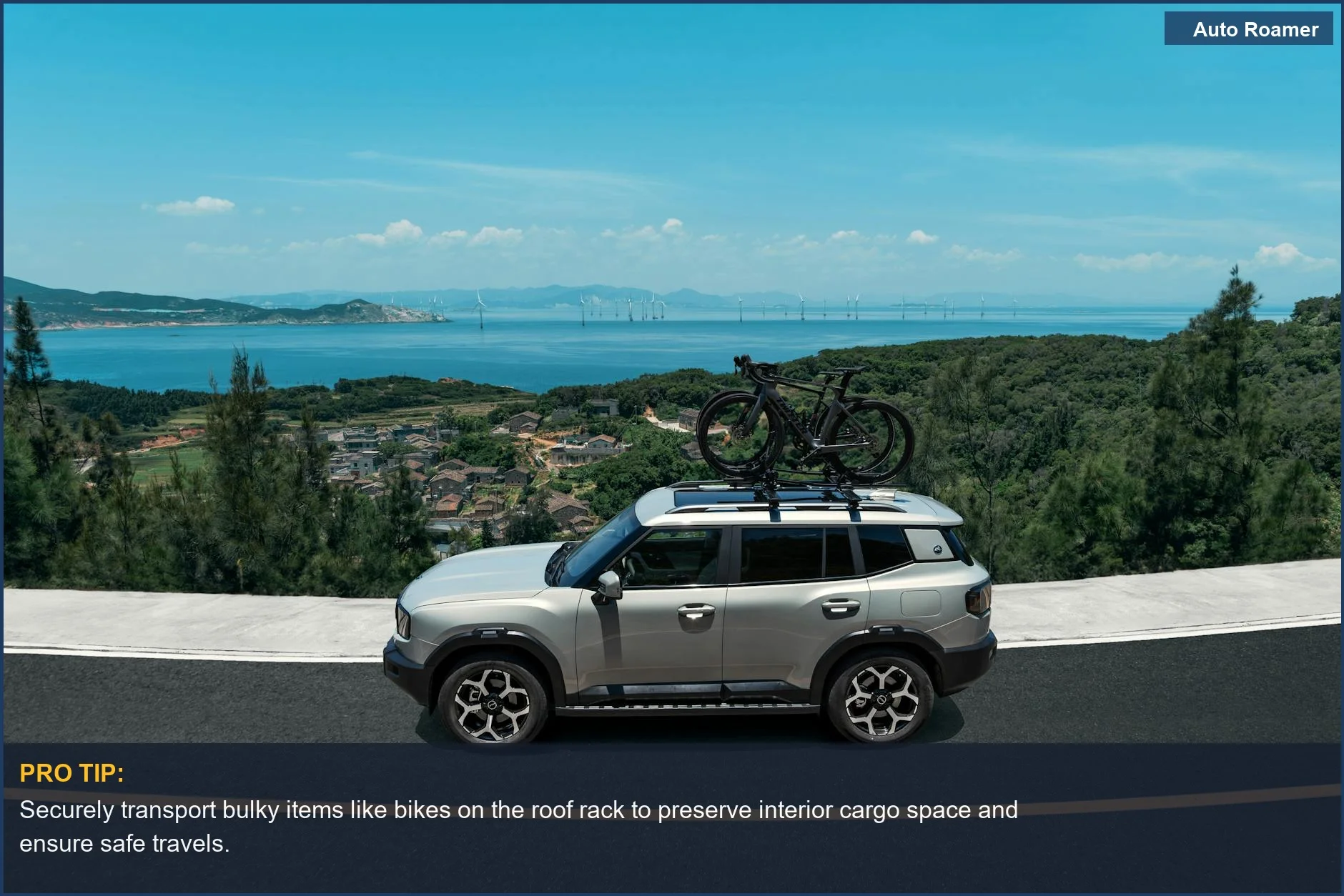
Practical Tips for 2026 Ford Explorer Specifications Cargo Capacity Camping
Tip 1: Secure Your Load
Those flimsy cargo nets are for groceries, not 40-pound toolboxes. Use ratchet straps or heavy-duty cam straps with a minimum breaking strength of 500 lbs. Anchor them to the factory tie-down points, which are typically rated for at least 200 lbs of shear force. Anything less will fail under dynamic load. I've seen factory D-rings deform under less stress.Tip 2: Organize with Hard Cases
Soft bags collapse and shift. Hard cases stack predictably and protect contents from vibration and impact. A few Pelican 1510 Carry-On Cases (~$250) are expensive but worth it for electronics or fragile gear. They lock together, preventing unwanted movement. Their rigidity maintains your cargo's center of gravity.Tip 3: Manage Your Fluids
Spills are a nightmare. Fuel, oil, or even water can seep into seat cushions and carpet, leading to mildew, corrosion on electrical connectors, and a permanent stench. Use dedicated, sealed containers like a RotopaX 2 Gallon Fuel Pack (~$70) for any liquids. Mount them securely to prevent sloshing and impact damage. The mechanical stress of sloshing liquid can overcome weak seals.Tip 4: Consider a Roof Rack for Overloads
If you're consistently maxing out the internal volume, a roof rack is a mechanical necessity. The Explorer has a 5,000 lb towing capacity per Car and Driver, but your roof load is much less. Check the vehicle's roof load rating - typically 150-200 lbs. Overloading the roof raises your center of gravity, increasing body roll and potential for rollover during evasive maneuvers. It also puts undue stress on the roof pillars, which are not designed for excessive downward force.The Bottom Line
The 2026 Ford Explorer, with its 85.8 cubic feet of maximum cargo space as highlighted by Gallery Ford Pekin, is a flexible platform. But flexibility doesn't mean infinite capacity. You're working within defined physical limits. Ignore those, and you'll be dealing with broken gear or worse.
Understanding the actual usable dimensions - the 84.1 inches of length behind the first row, the 46 cubic feet behind the second, and the meager 16.3 behind the third - is critical. Those numbers dictate what you can carry and how you can sleep. Ford's own ST model lists 16.3 cubic feet, so don't expect miracles.
Don't rely on wishful thinking. Measure your gear, understand the mechanical properties of your tie-downs, and account for thermal cycling and vibration. A cheap bungee cord will stretch, vibrate, and eventually chafe through whatever it's holding, or worse, snap and become a whip.
The Explorer is a good vehicle for its intended purpose: moving people and a moderate amount of cargo. Just don't ask it to be a full-size truck or a dedicated camper van. Its structural integrity is designed for its class, not for extreme overloading. Plan accordingly, and your gear (and spine) will thank you.