
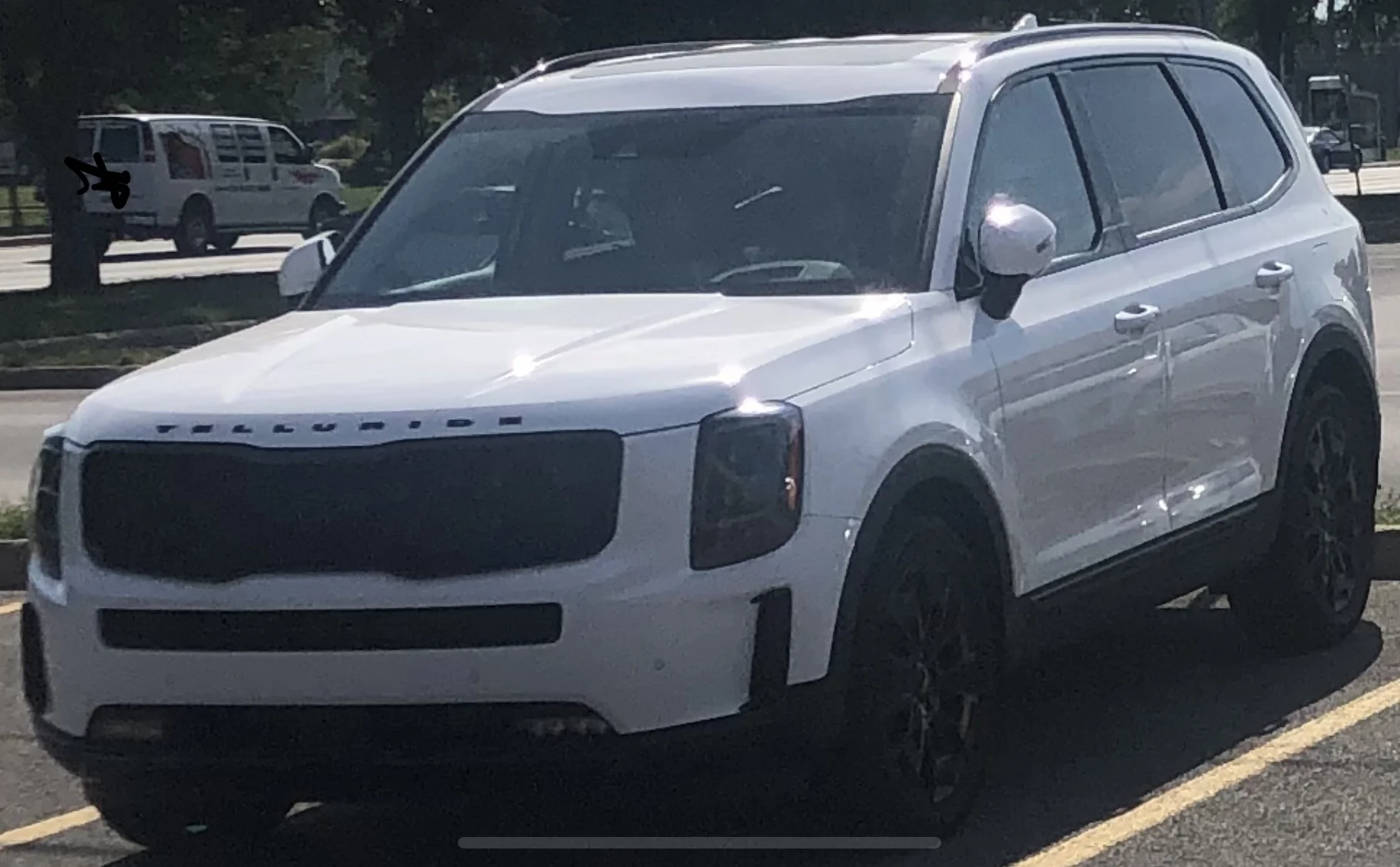
The honest verdict: a near-tie decided by the details
The Kia Telluride and Honda Pilot are two of the most cross-shopped midsize three-row SUVs, and for camping they start from an almost identical place: both fold flat to the same 87 cubic feet of maximum cargo. That means raw sleeping room is effectively a tie, so the decision comes down to the details — clever storage, cabin quality, and how each one is trimmed for the outdoors.
The short version: buy the Pilot for its removable second-row middle seat, under-floor storage, and rugged TrailSport option; buy the Telluride for its plusher cabin and X-Pro ruggedness. They're tied on 87 cubic feet of max cargo, so pick on the extras.
Neither is a purpose-built camper, but both make excellent occasional ones. The Pilot leans practical, with Honda's knack for flexible packaging; the Telluride leans premium, with an interior that punches above its price and a ruggedized trim for dirt-road confidence. Both fold their rear rows into a load floor that, with a thick pad, becomes a genuine one-or-two-person bed.
What follows: the cargo numbers, how each one sleeps, the flat-floor reality, power and weather for an overnight, and a clear buy recommendation — grounded in published specs rather than a single drive.
Cargo dimensions: tied at the top, split in the middle
The published figures show how close these two are:
- Kia Telluride: 21 cu ft behind row three, 46 cu ft behind row two, 87 cu ft with both rear rows folded.
- Honda Pilot: 18.6 cu ft behind row three, 48.5 cu ft with row three folded, 87 cu ft with both rear rows folded.
- The wash: identical 87 cu ft maximum; the Telluride edges the behind-third-row figure, the Pilot edges the third-row-folded figure.
For sleeping, the maximum figure is what matters, and it is a tie — both give a floor long enough for one adult stretched out or two sleeping close. Behind the third row, the Telluride's 21 cubic feet is marginally handier for a loaded family trip, but the difference is small and unlikely to sway a decision on its own.
Neither floor is perfectly flat with the seats down, so a thick pad is essential. Our guide on how to choose a car camping mattress size helps you match a pad to each SUV's usable rectangle, and a shaped car air mattress for SUV camping fits the folded floor better than a plain slab — advice that applies equally to both.
Sleeping in the Pilot: clever packaging for campers
The Pilot's camping edge is Honda's packaging cleverness. Its second-row middle seat is removable and can be stowed under the cargo floor, and there is additional under-floor storage — so you can hide valuables, a recovery kit, or wet gear below the sleeping surface and keep the bed clear. For campers, that kind of flexible, out-of-sight storage is genuinely useful and rare at the price.
The available TrailSport trim adds more rugged hardware and a more capable attitude for dirt-road and light-trail access to campsites, and the 87-cubic-foot floor sleeps a solo camper comfortably or a couple snugly once padded and leveled. Available 110-volt and 12-volt outlets keep a fan and devices running through the evening.
The honest caveats are the class-standard ones: a six-footer slides the front seats forward for full flat length, the folded floor needs a thick pad, and the engine can't run climate overnight. The Pilot doesn't escape those — but its under-floor storage and removable seat make organizing a camp setup easier than in most rivals.
That flexibility pays off in small daily ways on a trip. Pull the middle seat and you open a walk-through to the cargo area, so you can move from the front to the bed without stepping outside into the rain. Drop wet boots, a stove, and a food bag into the under-floor bin and the sleeping surface stays clean and clear. It is the kind of thoughtful packaging that makes the Pilot feel purpose-built for the job even though, like every SUV here, it is really a family hauler moonlighting as a camper. For anyone who values a tidy, organized camp over sheer square footage, that cleverness is worth as much as a few extra cubic feet.
Sleeping in the Telluride: the plush, rugged-capable pick
The Telluride's appeal is that it feels more expensive than it is, and that quality carries into camping. The cabin materials, the quiet ride, and the well-finished cargo area make it a pleasant place to spend an evening and a night, and the same 87-cubic-foot floor sleeps one adult stretched out or two sleeping close once you pad and level it.
The rugged X-Pro trim adds tow capacity, all-terrain tires, and a more confident attitude on the gravel and dirt roads that lead to dispersed sites, narrowing the practical gap to the Pilot's TrailSport. Available outlets cover a fan, lights, and charging, and the Telluride's upright, boxy cargo area gives good headroom to sit up and change.
Its honest limits match the Pilot's: front seats forward for a tall sleeper, a thick pad to level the floor, and no overnight climate from the engine. The Telluride doesn't offer the Pilot's removable-seat and under-floor storage tricks, so if organization is your priority it gives a little ground — but for cabin quality and everyday niceness, it leads.
That refinement matters more on a camping trip than it might sound. A quieter cabin means a calmer drive to a distant trailhead, softer seats mean you arrive less fatigued, and a nicer interior is simply more pleasant to spend a rainy evening reading in. The Telluride turns the hours around sleep — the drive, the downtime, the morning coffee — into something you enjoy rather than endure, and for many buyers that everyday quality outweighs a clever folding seat. It is the kind of comfort you stop noticing precisely because nothing about it annoys you.
The flat-floor reality: seat-fold and sleeping length
Both SUVs build their bed by folding the third row, then the second, into a load floor, and both share the same honest limitation: the floor is not a perfectly flat, gap-free platform. Seams where the rows meet, a slight step, and seatbacks that don't sit dead-level with the cargo floor are normal for the class, not flaws unique to either vehicle.
The Pilot's removable middle seat and under-floor bins can actually help here, letting you clear and organize the space more completely before laying a pad. Sleeping length is the same story in both: a six-foot adult usually slides the front seats forward to stretch out fully flat, and sleeping slightly diagonally buys a few inches in either.
The fix is identical: a thick, insulated pad to bridge seams and add loft, plus attention to leveling the vehicle. If your site isn't flat, the method in our guide on how to level your car for sleeping with ramps or blocks keeps you from sliding overnight — worthwhile in any midsize three-row, Telluride or Pilot alike.
Getting to camp: trims, traction, and access roads
Neither SUV is a hardcore off-roader, but both offer ruggedized trims built for exactly the dirt and gravel roads that lead to dispersed campsites. The Kia Telluride X-Pro adds all-terrain tires, a modest tow bump, and a more capable setup, while the Honda Pilot TrailSport brings all-terrain tires, extra ground clearance, and steel skid plates. Either handles washboard, shallow ruts, and muddy access roads with available all-wheel drive and confidence.
Towing is comparable and useful for campers: both pull enough for a small utility trailer or a teardrop camper while still sleeping two inside at the destination. Ground clearance on the standard trims is fine for maintained forest roads; the ruggedized trims simply widen the margin and add tire grip for looser surfaces, which is where most people actually get stuck.
Fuel economy for both lands in the low-to-mid-20s mpg range depending on drivetrain, so neither punishes a long trip to the trailhead. The honest limit is the same for each: skip the technical rock and deep sand that demand a body-on-frame rig, and stick to the graded dirt and gravel these family SUVs do well. Within that envelope, the choice again comes down to the Pilot's clever storage against the Telluride's cabin polish, not to any meaningful gap in where they can physically go.
Power and climate: what a gas SUV can and can't do overnight
Both SUVs are honest about the overnight limit every gas vehicle shares: neither should idle to run heat or AC all night because of fuel waste, noise, and carbon-monoxide risk. This is the one area where an electric SUV clearly wins — but between the Telluride and Pilot, behavior is identical.
For keeping gear alive, both offer 12-volt sources and available 110-volt outlets, enough for a fan, lights, and charging. For a 12-volt fridge or heavier loads, a portable power station for car camping is the right tool in either — and the Pilot's under-floor storage is a tidy, out-of-sight home for that battery.
Climate comfort comes from your setup, not the engine. Reflective window shades cut heat and cold, a battery fan moves air, and good bedding does the rest. Because both cabins are similarly sized and well-sealed, the same tactics work equally well in each — the vehicle is the shelter, your gear is the climate system.
Weather and ventilation: heat, cold, and condensation
Sleeping inside a sealed cabin brings the familiar moisture issue: two people breathing overnight fog the glass and dampen bedding by morning. The fix is the same in both — crack a window an inch or two, run a small vent fan, and never cook inside. The habits in our guide on how to reduce condensation when sleeping in a car apply directly to both SUVs.
For summer heat, both midsize cabins warm up in the sun, so shade and airflow matter. Reflective shades, parking in shade, and a battery fan are the core moves, and the techniques for staying cool sleeping in a car carry over unchanged. Neither SUV has a meaningful ventilation advantage over the other.
For cold nights, the answer in both is your sleep system: a season-rated bag, an insulated pad with real R-value, and a 12V heated blanket for car camping. A midsize SUV cabin holds a little residual warmth, but you sleep as warm as your bedding allows — so invest there first, in the Telluride or the Pilot alike.
Spec snapshot: the camping numbers at a glance
Keep these attributed figures handy as you plan a bed and a power setup:
- Telluride cargo: 21 / 46 / 87 cu ft (behind row 3 / row 2 / both folded).
- Pilot cargo: 18.6 / 48.5 / 87 cu ft — tied at the 87 cu ft maximum.
- Pilot extras: removable second-row middle seat + under-floor storage; TrailSport trim for trails.
- Telluride extras: plusher cabin; X-Pro trim for tow and all-terrain confidence.
- Sleeping fit: both need the front seats slid forward for a six-footer; a thick pad levels the floor.
- Power/climate: 12V plus available 110V; no overnight engine climate — use shades, a fan, and bedding.
Because they tie at 87 cubic feet, the decision is about the extras: the Pilot's flexible storage versus the Telluride's cabin quality. Both sleep a solo camper or a snug couple equally well, so choose on the features you'll actually use.
Five setup mistakes that ruin the first night
Both SUVs camp well once you avoid the errors common to sleeping in any three-row. These five cause the most rough nights:
- A thin pad on the folded floor. You'll feel every seam — use a thick, insulated pad to level the surface and add warmth.
- Not sliding the front seats forward. Tall sleepers need that length; set it up before dark.
- Wasting the Pilot's storage. If you own one, use the removable seat and under-floor bins to keep gear off the bed.
- Parking on a slope. Level with blocks or find flat ground so you're not sliding all night.
- Sealing the cabin tight. Crack a window so breath moisture escapes and the glass stays clear.
None of these depend on the badge. A Telluride or a Pilot with a thick pad, the seats set right, level ground, and a cracked window both deliver a comfortable night — leaving the real decision at storage cleverness versus cabin polish.
Which SUV should you buy?
Buy the Pilot if flexible storage and practicality lead your list. The removable second-row middle seat, the under-floor bins, and the TrailSport trim make it the easier SUV to organize for camping and to take down a rougher access road. For campers who value clever packaging and out-of-sight storage, the Pilot is the practical pick.
Buy the Telluride if cabin quality and everyday niceness matter more. It feels more premium than its price, rides quietly, and its X-Pro trim adds real tow and all-terrain confidence. With the same 87 cubic feet of sleeping room, the Telluride gives up little on space and leads on refinement.
Either way, equip the same kit — a thick pad, shades, a fan, and a power station for a fridge — because with the cargo numbers tied, that gear determines how well you sleep far more than the choice between these two excellent three-rows.
The bottom line
The Telluride and the Pilot are so evenly matched on camping space — both 87 cubic feet at maximum — that the decision genuinely comes down to the extras. The Pilot brings clever, flexible storage and a rugged TrailSport option; the Telluride brings a plusher cabin and its capable X-Pro. Neither wins the cubic-foot race, because it is a tie.
Pick the Pilot for practicality and storage, the Telluride for refinement and polish. Then equip either the same way — a thick pad, shades, a fan, and a power station — and manage climate with your gear rather than the engine. Do that, and both of these popular three-rows deliver an equally comfortable night out.