One SUV is the biggest box; the other is the longest safety net
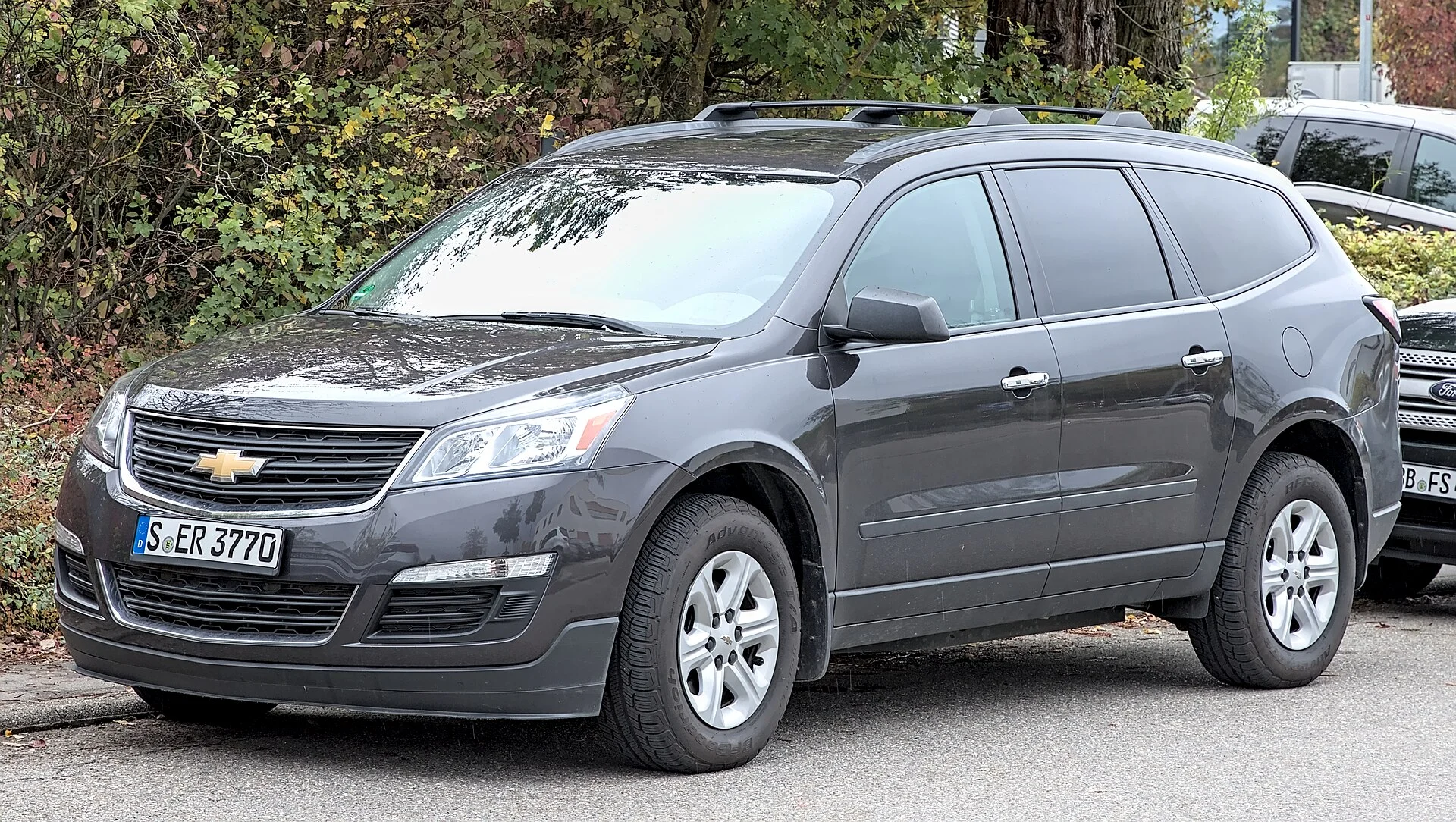
The 2024 Chevy Traverse is the biggest box in this fight - 98.2 cubic feet of maximum cargo stretched inside a 205.9-inch body, versus the Kia Telluride's 87 cubic feet and 197-inch length, per U.S. News - while the Kia answers with 8.4 inches of ground clearance to the Chevy's 7.5. That first gap is 11.2 cubic feet more space in the Chevy, enough to swallow a 30-inch-wide gear tote stacked twice, and it is the whole reason a car camper walks toward the Traverse. But the Kia's 0.9-inch clearance edge - and a 10-year, 100,000-mile powertrain warranty that doubles the Traverse's 5-year, 60,000-mile coverage - is the reason that same buyer keeps walking toward the Telluride.
So this is not a close-call comparison the way corporate twins are. These two disagree, and they disagree in a clean, rankable way: the Traverse wins raw interior volume, decisively and in every seating configuration, while the Telluride wins nearly everything else a long-term owner cares about - clearance, warranty, resale reputation, and refinement. The honest job here is to rank those factors by how much they actually change a camping weekend, then tell you which rung you personally stand on.
That's the frame for the rest of this piece: a ladder. We climb it rung by rung - cargo, sleeping fit, clearance, towing, warranty, drive - and at each step I'll say which vehicle wins and, more importantly, whether the win is big enough to move your decision. Spoiler: one rung is a landslide, and the rest quietly stack the other way.
Rung one - raw cargo: the Traverse is simply the bigger vehicle
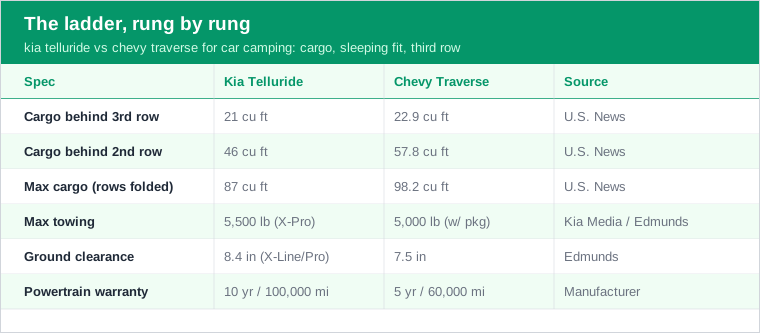
Start at the bottom of the ladder with the number the Traverse was built to win. Chevy's three-row offers 22.9 cubic feet behind the third row, 57.8 behind the second, and 98.2 with both rows folded, per U.S. News - figures the same review says 'best everything in the segment.' The Telluride counters with 21, 46, and 87 cubic feet in the same three configurations, per U.S. News. Chevy wins every rung of the cargo ladder, and the gap widens as you fold seats.
Where that gap actually bites a camper:
- Behind the second row (57.8 vs 46): the biggest proportional gap - nearly 12 cubic feet. If you camp two-up with the third row folded and the second row for passengers, the Traverse swallows a lot more gear behind the bench.
- Max, rows folded (98.2 vs 87): 11.2 cubic feet more flat load bay - the Chevy's longer, boxier body pays off exactly where you build a bed.
- Behind the third row (22.9 vs 21): the closest rung, under two cubic feet apart - here the two are near-even for a quick cooler-and-chairs load.
This is the rung where the Traverse wins outright, and it's not close at the folded-flat end of the range. If your camping is gear-heavy - bikes inside, a big rigid cooler, bins stacked for a week - the Chevy's extra volume is real, usable, and the single strongest reason to buy it. Our Traverse cargo dimensions for sleeping breakdown drills into exactly how that space lays out flat.
Rung two - sleeping fit: length matters more than volume
Cubic feet win the brochure, but a car camper sleeps on length, not volume, and this is where the Traverse's size advantage gets more nuanced. The Chevy's 205.9-inch body and long load floor, per U.S. News, give it a folded bay that comfortably runs past the roughly 70 inches most adults need to stretch out fully - the flattest, longest sleeping platform in the comparison. The Telluride, at about 197 inches overall, still folds to a two-adult bay, but with less margin at the tall end and a slightly shorter flat run.
The practical read: both SUVs sleep two adults with the second and third rows folded, but the Traverse gives a taller person the length to lie fully flat without angling, while the Telluride asks the six-footers to sleep on the diagonal or tuck knees. If your household includes someone over six feet, that extra floor length is the sleeping-fit tiebreaker.
Neither bay is perfectly flat out of the box - both have the familiar mild step where the folded seatbacks meet the cargo floor, and both want a mattress or foam pad to bridge it. But the Traverse's longer floor means the step lands farther from your torso, and the sheer real estate lets you keep gear at the foot of the bed rather than shuffling it to the front seats. For the full measurement-first walkthrough of the Kia side, see our sleeping in a Telluride guide.
Rung three - clearance and the approach road: Telluride answers back
Now the ladder starts leaning the other way. The Telluride offers 8.4 inches of ground clearance on its X-Line and X-Pro trims - and 8.0 on the rest - versus the Traverse's 7.5 inches, per Edmunds. That 0.9-inch edge sounds trivial on paper, but it's measured exactly where a camper needs it: at the rutted forest-service road, the washboard approach to a dispersed site, the rocky pull-off nobody graded.
Ground clearance is the number that decides whether you reach the good campsite or park at the paved one and hike in. The Telluride's 8.4 inches, its available all-wheel drive with a locking center differential on X-Pro, and its 245/50 all-terrain-friendly setup make it the more credible off-pavement tool - and it's the rung where the smaller Kia genuinely outclasses the bigger Chevy.
The Traverse is not helpless off pavement - its Z71 trim adds a modest clearance bump and some skid protection - but the standard Chevy's 7.5 inches and road-biased setup make it the mall-and-highway hauler that happens to camp, while the Telluride X-Pro is built to shrug off the last dirt mile. If your campsites sit at the end of maintained gravel, this rung tilts the whole decision toward the Kia despite its smaller cargo hold.
Rung four - towing: a near-tie that leans Kia
Towing is the closest genuine rung on the ladder. The Telluride tows up to 5,500 pounds on the X-Pro with its dedicated tow mode, and 5,000 pounds on other trims, per Kia Media; the Traverse tops out at 5,000 pounds when fitted with the available Trailering Package - and just 1,500 without it, per Edmunds. So at the ceiling the Telluride edges it by 500 pounds, and it's the one that hits 5,000 across more of the lineup.
What that means for a trailer camper:
- Telluride (up to 5,500 lb): a bit more headroom for a teardrop, small boat, or loaded utility trailer on grades - and you don't have to hunt for a specific package to reach 5,000.
- Traverse (5,000 lb with package): plenty for a small camper, but confirm the trailering hardware is fitted - an unequipped Traverse is rated for barely a jet-ski trailer at 1,500 pounds.
Honest scope: this rung won't decide most buyers, because both pull a small trailer fine once properly equipped. But if you tow anywhere near the limit, the Telluride's 500-pound cushion and standard-lineup 5,000-pound rating make it the marginally safer bet - another quiet lean toward the Kia. And weigh the whole trip: a family three-row is already carrying people, gear, and maybe a roof box before the trailer hitches on, and payload runs out quieter than tow rating does.
Rung five - warranty and value: the Kia's landslide
Here is the rung that most reviews under-weight and long-term owners never forget. Kia backs the Telluride's powertrain for 10 years or 100,000 miles, per the manufacturer - the longest mainstream coverage in the U.S. market. Chevrolet covers the Traverse's powertrain for 5 years or 60,000 miles. That is not a whisker; it's double the years and 40,000 extra miles of engine-and-transmission insurance.
For a camping buyer, that warranty maps directly onto how the vehicle gets used: high seasonal mileage, loaded grades, dusty washboard approaches. A decade of powertrain coverage is exactly what you want underneath a vehicle you intend to work hard - and it's the single biggest ownership advantage on this entire ladder.
The value story compounds it. The Telluride's award pedigree and Kia's warranty give it famously firm resale, so the premium you pay up front tends to come back at trade-in; the Traverse typically discounts harder on the used lot, which is good news if you're the buyer, less so if you're the seller. Read the fine print as always - the 10-year term is for the original owner, with a shorter 5-year/60,000-mile bumper-to-bumper - but the practical effect stands: the Kia is the cheaper vehicle to own over a camping decade, even where it's the pricier one to buy.
Rung six - the drive and the daily refinement
The last rung is the one you feel on every mile between campsites, and it leans Kia by consensus. Reviewers routinely rate the Telluride's cabin materials, ride isolation, and quietness a class above the Traverse, which - for all its cavernous 98.2 cubic feet - reads more utilitarian inside and firmer over broken pavement. On a long interstate haul to a trailhead, the Telluride simply feels like the more expensive vehicle, which is part of why it wins awards its price doesn't predict.
The Traverse fights back with the practical dividends of its size: airier third-row space for real adults, easier three-across child-seat fit, and that unbeatable cargo hold. Its 2.5-liter turbo four is torquey and modern, and the cabin, while plainer, is honest and hard-wearing - arguably the better surface to hose out after a muddy weekend. Neither drives badly; the question is whether you'd rather have the plusher Kia or the roomier Chevy under you for the next hundred thousand miles.
Stack this rung with clearance, towing, and warranty and the pattern is unmistakable: the Traverse owns exactly one rung - raw space - and the Telluride quietly owns the other five. Whether that makes the Kia the winner depends entirely on how tall that one Chevy rung stands for you.
The sleep kit - and how it changes with the bigger bay
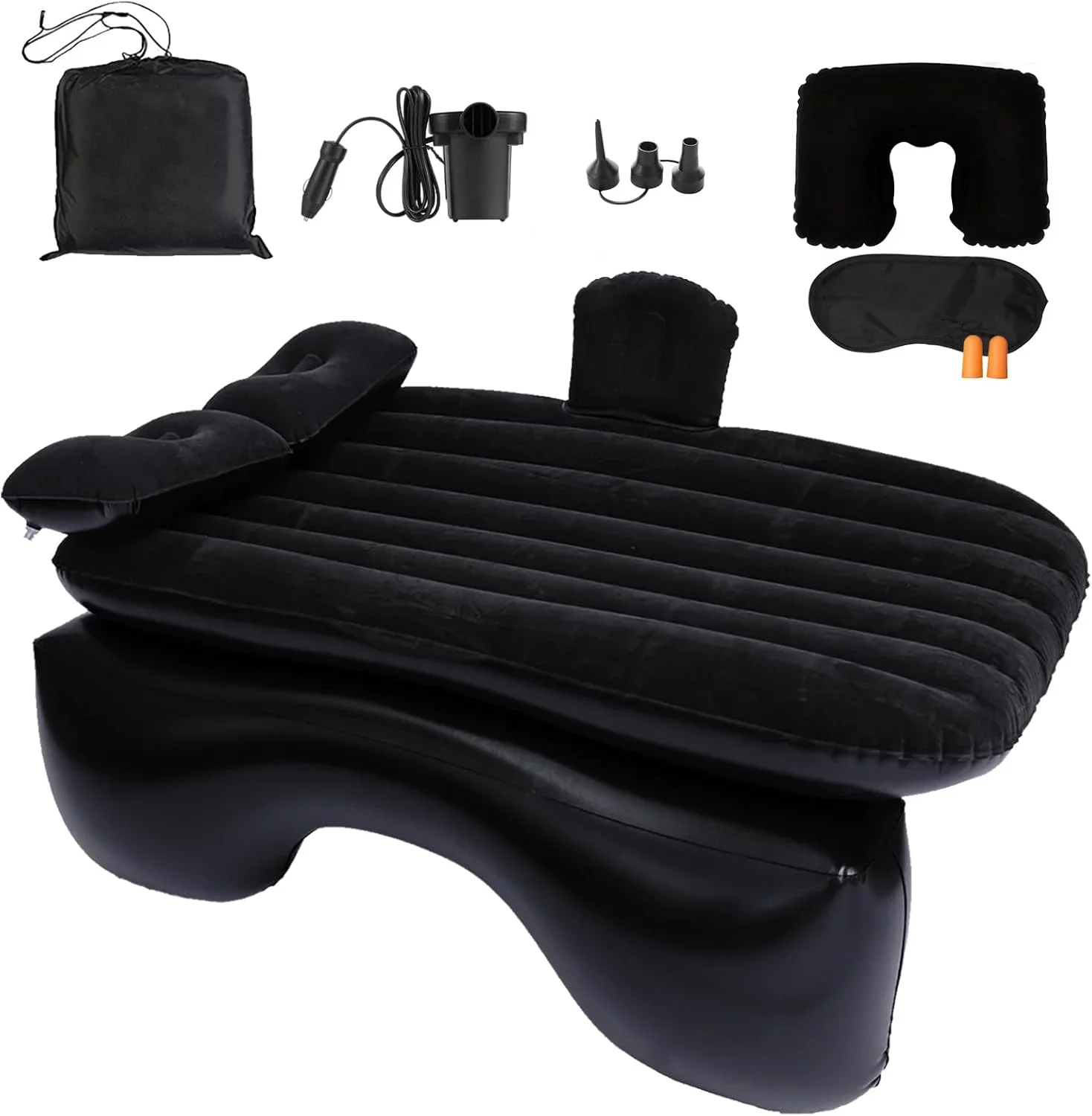
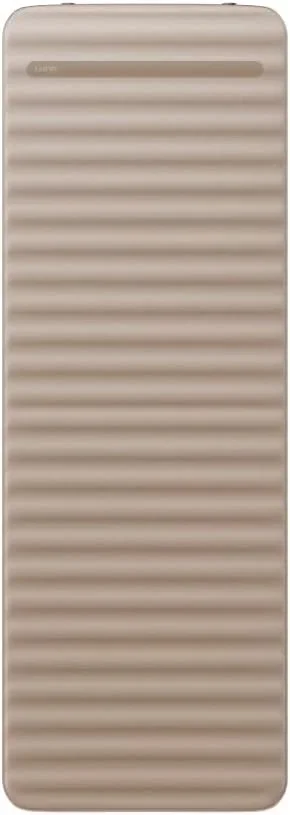
Whichever way you land, the camping build is the cheap part, and the Traverse's bigger floor actually widens your options rather than narrowing them. The mattress does the heavy lifting in both: a back-seat-style SUV air mattress like the Onirii SUV air mattress (roughly 55 by 35 inches) fills the folded Telluride bay and levels its seatback step, while the Traverse's longer 98.2-cubic-foot floor leaves room to keep gear at the foot of the same pad instead of exiling it to the front seats. If you camp monthly rather than once a season, the Luno Air Mattress 2.0 is the buy-once upgrade for the same footprint.
The rest of the shared short list:
- Power: a Jackery Explorer 240 v2 power station runs the overnight fan, lights, and phone charging in either SUV; top it off from the 12V socket between camps and the starter battery never meets your load.
- Mesh and window covers: screened openings at opposite corners for cross-flow, panels of Reflectix double-reflective insulation cut once for the big three-row greenhouse - the Traverse needs slightly larger panels for its longer glass.
- Third-row strategy: in both, fold the 60/40 third row flat for the bed; in the Traverse you'll have spare length behind the pad, in the Telluride you'll use the footwells as gear closets.
For a model-specific starter list on the Kia side, our Telluride camping gear guide covers the same kit sized to that bay - and nearly all of it transfers unchanged if you end up in the Chevy.
Who each buyer actually is
Strip away the rungs and you're left with two clean buyer profiles, because these vehicles genuinely serve different people. The Traverse buyer prioritizes the load: big family, gear-heavy trips, three-across car seats, a week's worth of camp stuffed behind an upright third row. The Telluride buyer prioritizes the ownership: the dirt-road clearance, the decade of warranty, the resale, the nicer place to sit on a 400-mile haul.
The daily-logistics tells that separate them:
- Big households lean Traverse: its 57.8 cubic feet behind the second row and roomier third row carry more kids and more stuff without compromise.
- Rough-access campers lean Telluride: the 8.4-inch clearance and X-Pro drivetrain reach sites the 7.5-inch Chevy parks short of.
- Long-haul keepers lean Telluride: if you drive it a decade, the 10-year/100,000-mile warranty and firmer resale outrun 11 cubic feet of cargo you rarely fill.
If your shortlist runs wider than these two, our Telluride vs Pilot comparison runs the same ladder against Honda's three-row - useful for triangulating where the Kia's warranty-and-clearance package sits against the rest of the class.
The verdict - buy space, or buy everything else
Advisor's honest call: this comes down to a single question - how much do you actually fill the box? The Traverse wins one rung, raw cargo, and it wins it in a landslide (98.2 vs 87 cubic feet max, 57.8 vs 46 behind the second row, per U.S. News). The Telluride wins the other five: clearance (8.4 vs 7.5 inches), towing at the ceiling (5,500 vs 5,000 pounds), warranty (10 years vs 5), resale, and refinement.
Buy the Traverse if you're a gear-maximalist or big family who genuinely fills a cargo hold every trip - the extra 11 cubic feet is real and the longest flat sleeping floor in the pair is a gift to tall campers. Buy the Telluride if you camp at the end of rough roads, keep vehicles a long time, or just want the nicer, better-warrantied SUV - which is most buyers.
My lean, for the typical car camper who values the whole ownership picture over the last cubic foot? The Telluride. It gives up meaningful space and little else, and it takes the rungs that keep paying off years after the novelty of a cavernous cargo hold wears off. But this is the rare comparison where the loser of five rungs might still be your right answer - because if your camping is defined by how much you haul, the Traverse's one giant rung is the only one that counts. Measure your typical load, decide which ladder you're really climbing, and buy accordingly.