
The Fit Question Everyone Asks Backward
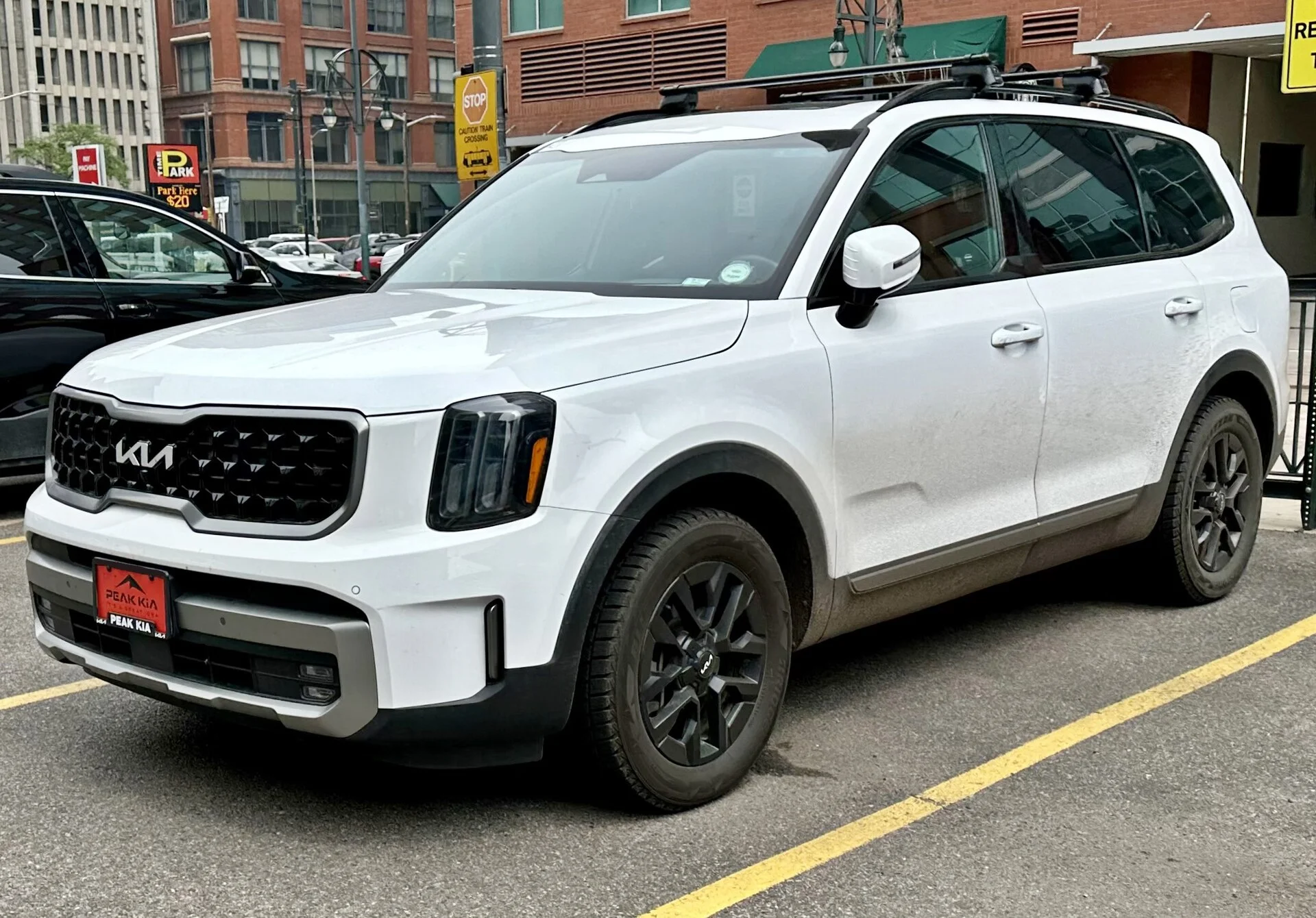
The first question most Telluride owners ask about an awning is what length fits the roof. It is the wrong first question. On a vehicle this size, an awning almost always fits the roof physically; the number that actually decides a safe, clean installation is the crossbar's weight rating, not the awning's length. Ask the length question first and you can buy an awning that mounts but overloads the rack.
An awning is a cantilevered load. It hangs off the side of the roof rack, and its weight, plus the leverage of extending outward, puts a real demand on the crossbars it mounts to. That demand is a weight limit, and it interacts with everything else already on the roof. The awning fitting between the crossbars is table stakes; the awning plus its brackets plus any other roof cargo staying under the rack's rating is the real fitment.
This is the distinction an installer makes reflexively and a first-time buyer usually misses. Catalogs sell awnings by length because dimensions are easy to picture, but the Telluride's crossbars care about the awning's weight, not its length, and a long, light awning can be a better fit than a shorter, heavier one.
This guide reads the Telluride's awning fitment the way you would before drilling a mounting bracket: the two weight limits that actually govern, the short usable bar spread that constrains the brackets, the awning sizes that suit the vehicle, why the rating and not the length is the ceiling, and the mounting and use details that make the install last. Ask the weight question first, and the length takes care of itself.
The Two Limits: 165 Pounds and 220 Pounds
The Telluride gives you two roof weight numbers, and knowing which one applies to what keeps the whole fitment honest. They are not contradictory; they describe different things, and both bound what the roof can carry.
The first is the crossbar limit. The Kia Telluride factory roof rack crossbar load limit is 165 lb, evenly distributed, per the genuine Kia accessory crossbar spec. That 165-pound figure is the dynamic rating for the bars themselves while driving, and it is the number an awning and everything else on the bars has to share. It is the working ceiling for roof cargo in motion.
The second is the owner's-manual roof total. The Telluride owner's manual roof load limit, covering the rails and rack plus cargo, is 220 lb evenly distributed, per the manual as cited by owners. That 220-pound figure is the vehicle-level roof rating, and it is higher than the crossbar rating because it describes the roof structure rather than the bars. The lower of the two applicable numbers always governs, so for cargo on the crossbars, the 165-pound bar rating is usually the binding limit.
The crossbars are rated 165 pounds; the roof total is 220. The awning, its brackets, and anything else on the bars all share the 165-pound number, and that is the ceiling that decides a safe install.
For an awning install, the practical reading is that the 165-pound crossbar rating is the budget, and the awning is one line item in it. A typical vehicle awning weighs a meaningful fraction of that budget, which leaves room for the awning and a modest amount of other roof cargo, but not for the awning plus a loaded roof box plus a rooftop tent. Knowing the two numbers, and which one binds, is the foundation of choosing an awning that fits the rack and not just the roof.
The Short Bar Spread Constrains the Brackets
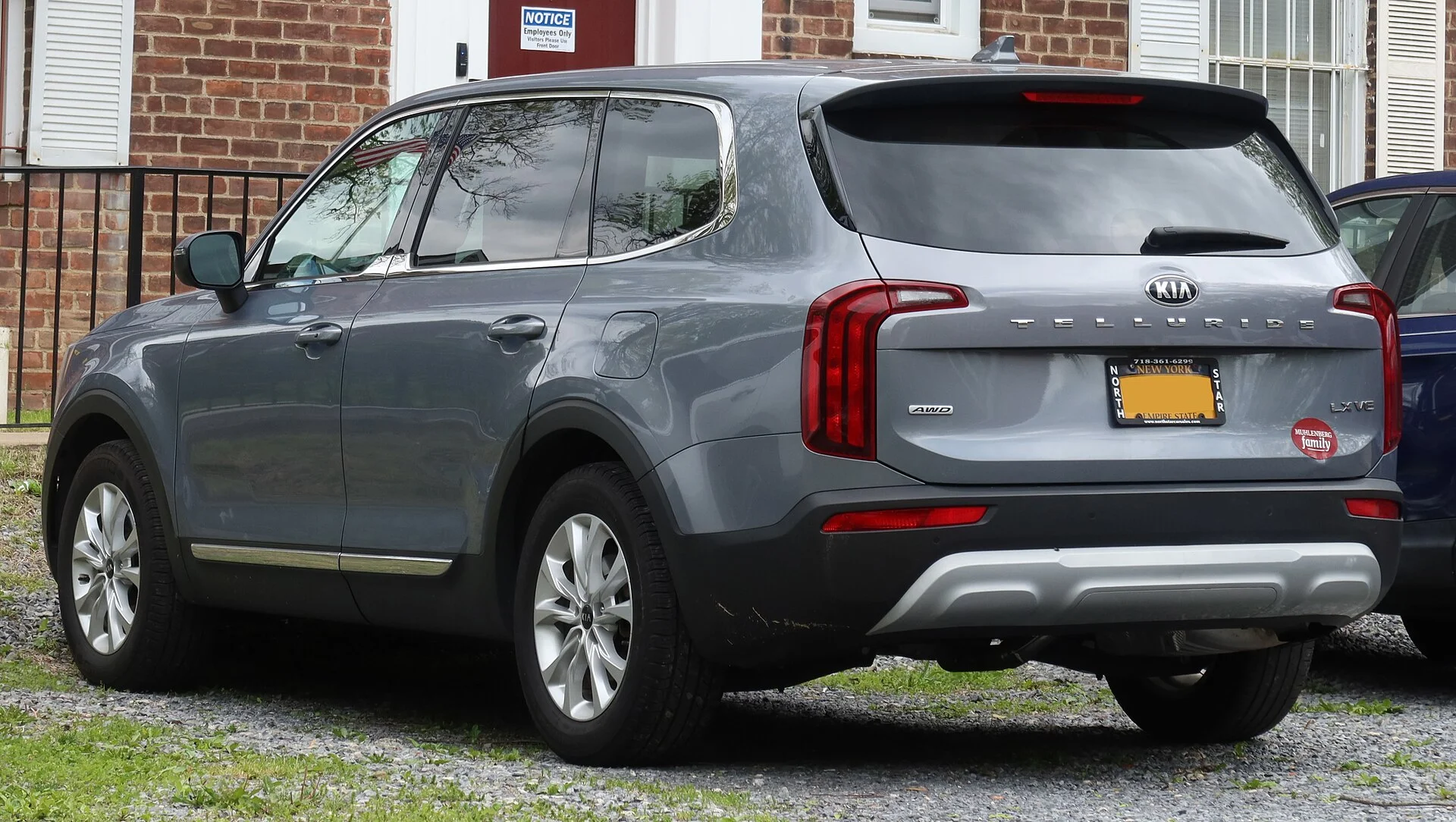
Beyond weight, there is a geometry constraint that catches installers off guard on the Telluride: the usable distance between the two crossbars is short, and that spread, not the roof length, determines how an awning's mounting brackets attach. An awning mounts to both bars, so the spacing between them matters.
The numbers are specific. Thule WingBar Evo crossbars for the Telluride's flush rails are 53 in long, plenty of length for any awning to mount along, but the crossbar spread, the distance between the two bars, maxes out around 27.5 in per Thule fitment guidance. Yakima recommends roughly a 32 in crossbar spread on the Telluride's flush rails. So the bars are long, but the gap between them is only about 27.5 to 32 inches.
That short spread matters because most awning mounting brackets are designed to clamp to two bars a certain distance apart, and a narrow spread means the brackets attach close together. An awning's brackets have to fit within the roughly 27.5-to-32-inch spread the Telluride's flush rails allow, and an awning kit designed for a wider bar spacing may need adapter brackets or may not mount cleanly. This is a fitment detail to confirm before buying, because it is about bracket spacing, not awning length.
The installer's move is to check the awning's bracket system against the Telluride's actual bar spread before purchase. The 53-inch bar length reassures that any awning will physically fit along the bars; the 27.5-to-32-inch spread is the number that determines whether the awning's brackets clamp securely. Confirming the bracket compatibility with that spread is the step that prevents an awning arriving that fits the roof in length but not the bars in spacing.
Awning Sizes That Suit the Telluride
With the weight and spread constraints understood, the actual awning sizes that suit a Telluride become clear, and they line up with the common mid-size-SUV recommendations. The Telluride is a three-row SUV, and it takes the sizes that class typically uses.
The common car-camping awning sizes are described in both metric and imperial: 2.0 m is commonly listed as roughly 6.5 ft, and 2.5 m as roughly 8.2 ft. A popular pairing sold by brands like ARB is a 6.5 ft by 8.2 ft awning, effectively a 2.0 m by 2.5 m unit, marketed explicitly for mid-size SUV roof racks, which is exactly the Telluride's category. That size provides real shade coverage down the side of the vehicle without being unwieldy.
General fitment guidance backs this up: most passenger vehicles and SUVs suit 2.0-to-2.5 m awnings, while full-size trucks can go up to 3 m. The Telluride sits squarely in the SUV range, so a 2.0 m or 2.5 m awning is the sensible choice, long enough to shade a seating or cooking area beside the vehicle and matched to the roof length the Telluride offers.
Fitment guides also note a practical minimum: a roof rack crossbar-to-crossbar length of about 2.0 m, or 6.5 ft, is generally needed to mount a standard vehicle awning, with crossbar spacing and dynamic load capacity both needing to match the awning's mounting brackets and weight. The Telluride's 53-inch bars and its overall length of 196.9 in on a 114.2-in wheelbase comfortably support a 2.0-to-2.5 m awning in terms of room; the constraints, as always, are the bracket spread and the weight, not the length. A quality 2.0 to 2.5 m vehicle awning is the right size class for the Telluride, matched to the rack, not just the roof.
Why the Rating, Not the Length, Is the Ceiling
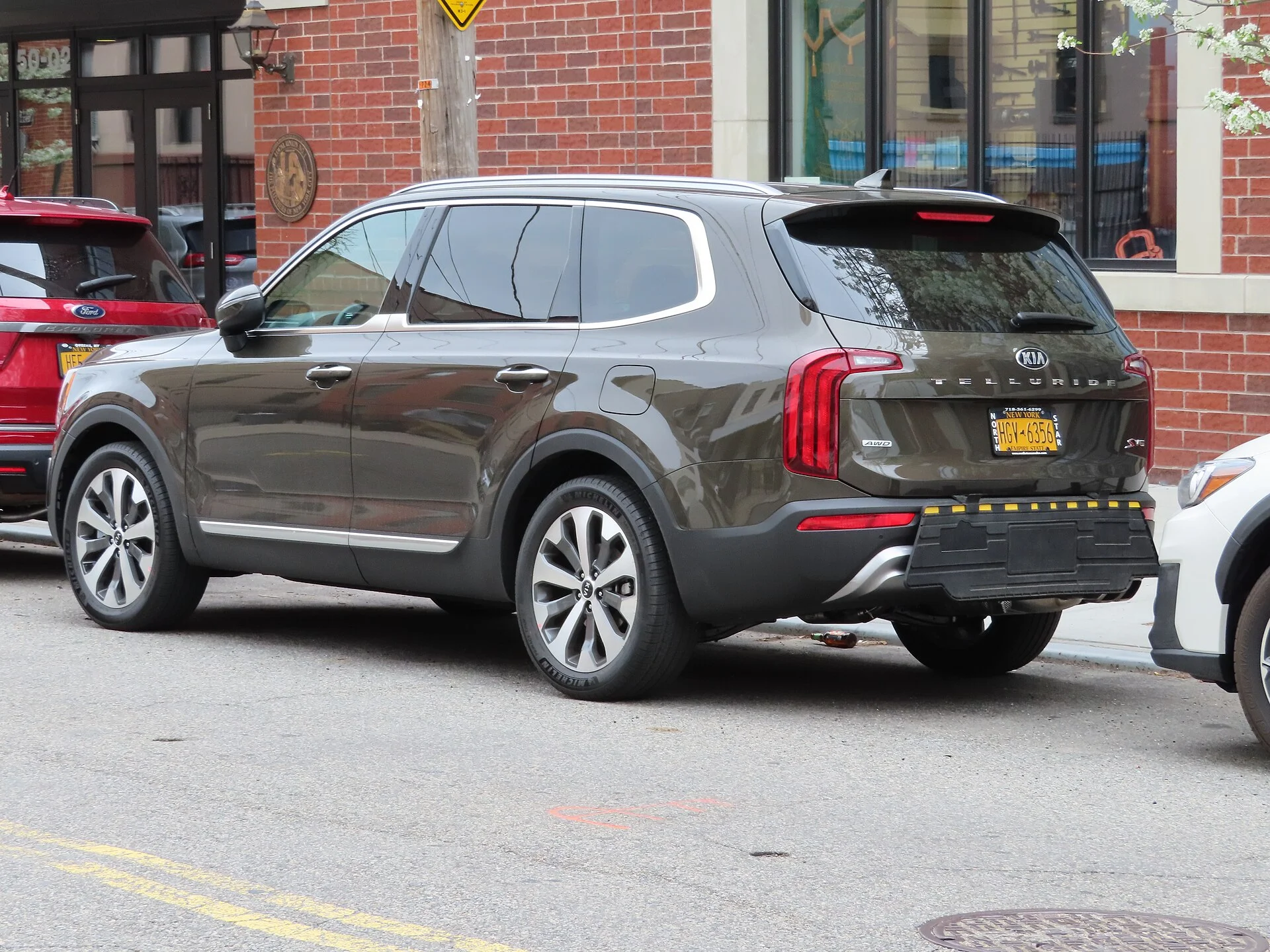
Here is the core principle of this guide, stated plainly, because it is where most awning-buying mistakes happen: a 2.0-to-2.5 m awning easily physically fits a 53-inch crossbar, but it can still exceed the rack's weight rating when combined with other roof cargo. The awning's own weight plus mounting hardware, not the awning's catalog length, is what must be checked against the crossbars' dynamic load rating.
The reasoning is straightforward once you see it. The 165-pound crossbar rating is a weight budget for everything on the bars while driving. An awning consumes part of that budget, and if the roof also carries a cargo box, a rooftop tent, or gear, those add to the same budget. The awning's length has nothing to do with this arithmetic; a longer awning that weighs less can leave more budget than a shorter, heavier one.
This is why the length-first approach fails. A buyer picks an awning by how much shade it throws, confirms it fits the 53-inch bars, mounts it, and then adds a roof box for a trip, and the combined weight quietly passes the 165-pound crossbar rating. Nothing looked wrong at purchase because the fitment check was about length, when it should have been about the weight budget the awning shares with everything else on the roof.
The installer's discipline is to weigh, not measure. Add the awning's weight, its brackets, and any other roof cargo that will ride with it, and confirm the total stays under the 165-pound crossbar rating while driving. Do that and the awning is a safe, permanent addition; skip it and check only the length, and the awning fits the roof while overloading the rack, which is exactly the failure the length question hides. The rating is the ceiling; the length is just whether it fits.
Mounting Brackets and a Clean Install
An awning is a permanent fixture that rides at highway speed, so the mounting is where a clean install separates itself from one that rattles or, worse, works loose. The Telluride's flush rails and crossbars give a solid base, but the bracket installation has to be done right.
Awnings mount to the crossbars with brackets, and those brackets must both fit the Telluride's roughly 27.5-to-32-inch bar spread and clamp to the specific crossbar profile. Confirming the awning's bracket system matches both the spread and the bar shape is the pre-purchase step; the install itself is then a matter of positioning the awning so it opens toward the intended shade side and torquing the brackets securely to the bars. An awning mounted too far forward or back can foul a door or the tailgate when deployed.
Even weight distribution is the other install fundamental. Both the crossbar rating and the roof total are specified as evenly distributed loads, so an awning and any accompanying cargo should be positioned to spread weight across both bars rather than concentrating it. A heavy load clustered on one bar can exceed that bar's share of the rating even if the total is within limits, which is the kind of detail that matters more than the headline number.
The step installers see skipped is the re-check after the first drives. Bracket hardware can settle, so re-torquing the mounting hardware after the first outing is cheap insurance against a buzz at 70 or a bracket that works loose over a season. A clean awning install is mounted to the correct bracket spread, distributed evenly across both bars, and re-checked once it has seen some road.
The Height Change and Real-World Use
Adding a rack and awning changes the vehicle in small ways worth knowing before the first trip, because they affect how the Telluride drives and parks with the setup installed. These are the practical realities the spec sheet hints at but does not spell out.
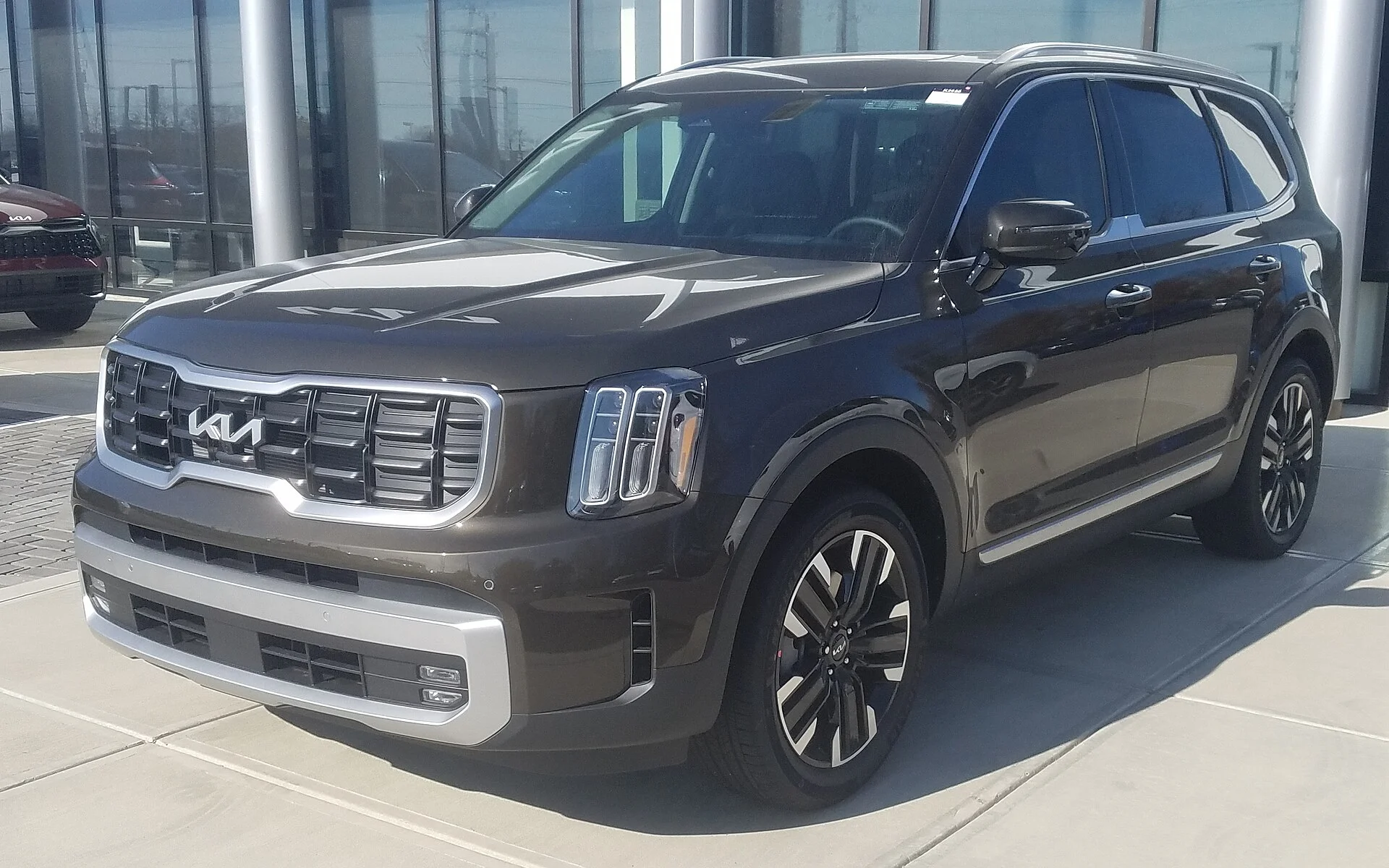
The roof rails themselves add a small amount of height. Adding factory roof rails increases the Telluride's overall height from 68.9 in to 69.3 in, a 0.4 in increase, and an awning and crossbars add a bit more on top of that. It is a modest change, but it matters for garage clearance and for the mental note about total height that any roof-loaded vehicle needs. Note also that roof rails are standard on the Telluride S, EX, and SX trims but not on the base LX, so an LX owner needs to add rails before any rack or awning goes on.
In use, a 2.0-to-2.5 m awning throws shade down one side of the vehicle, which is exactly what a Telluride camping setup wants for a seating or cooking area protected from sun or light rain. The awning's value is in three-season comfort: shade in summer heat and cover from a passing shower, deployed in the minute or two it takes to unroll and set the legs. It is one of the higher-value additions for the way families actually use a Telluride at camp.
The tradeoff to accept is the permanent weight and slight aerodynamic penalty of a roof-mounted awning, which nibbles at fuel economy and adds the height noted above. For most owners that trade is well worth the shade and shelter, but it is a reason to size the awning to real need rather than buying the biggest one that fits. A 2.0-to-2.5 m awning matched to the crossbar rating gives the Telluride genuine camp comfort without loading the roof beyond what its 165-pound bars and 220-pound roof total safely carry.
Matching the Awning to the Whole Roof Load
The final step in choosing a Telluride awning is to plan it as part of the whole roof load, not in isolation, because the crossbar rating is shared and the awning is rarely the only thing up there. This is where the weight budget becomes a real planning exercise.
Inventory everything the roof will carry with the awning. If the plan is an awning and nothing else, the full 165-pound crossbar budget is available and almost any suitable 2.0-to-2.5 m awning fits comfortably within it. If the plan also includes a cargo box, bikes, or a rooftop tent, those all draw from the same 165-pound budget, and the awning has to be chosen to leave room for them.
The math is a subtraction. Start with the 165-pound crossbar rating, subtract the weight of the other roof cargo the trip requires, and the remainder is the weight budget available for the awning and its brackets. If that remainder does not cover a suitable awning, something has to give, either a lighter awning, less other roof cargo, or moving some load off the roof entirely. The rack rating is a fixed budget, and everything on the roof spends it.
Planned this way, the awning becomes a deliberate part of a coherent roof setup rather than the item that quietly pushes the rack over its limit. The Telluride carries a well-chosen awning easily, as long as the awning and everything else on the bars stay within the 165-pound crossbar rating. Read the whole roof load against that number, and the awning is a clean, permanent upgrade.
Deploying the Awning and Reading the Weather
An awning that is mounted correctly still has to be deployed correctly, and this is where the difference between a shade that holds and one that folds in a gust comes down to a few habits. A cantilevered awning is a sail, and wind is the load the install did not account for.
Setup is quick but not thoughtless. A vehicle awning unrolls off the crossbars and is held out by legs, and those legs should be staked or weighted so the awning is anchored, not just balanced. On a Telluride, that means setting the feet on solid ground and, in any breeze, adding guy lines to hold the awning against gusts that would otherwise lift or twist it. An unanchored awning is fine in dead calm and a liability the moment the wind picks up.
Reading the weather is the judgment part. An awning is built for shade and light rain, not a storm, and the right call in rising wind is to retract it rather than trust the mounting to survive a gust it was never rated for. The crossbar rating governs the static and driving loads, but wind adds a force the rack spec does not cover, so the awning and its brackets take that load, and they have limits.
The practical habit is to deploy the awning anchored, watch the sky, and stow it before weather rather than during it. Retracting a Telluride's awning takes the same minute or two as setting it up, and doing so ahead of a front protects both the awning and the rack it hangs from.
The Verdict: Buy to the Rack Rating, Not the Roof Length
A Kia Telluride takes a 2.0-to-2.5 m awning, 6.5 to 8.2 feet, the standard size class for a mid-size three-row SUV, and its 53-inch crossbars give any such awning ample length to mount along. But the length was never the real question. The crossbar rating of 165 pounds, and the 220-pound owner's-manual roof total, are the numbers that decide a safe fit.
The awning and everything else on the bars share that 165-pound budget, so the fitment check is a weight check, not a length check: add the awning, its brackets, and any other roof cargo, and confirm the total stays under the crossbar rating while driving. A long, light awning can fit the budget better than a short, heavy one, which is exactly why length-first shopping fails.
Mind the geometry too. The usable bar spread is only about 27.5 to 32 inches, so the awning's mounting brackets must fit that spacing, and the install should distribute weight evenly across both bars and be re-torqued after the first trips. Roof rails add 0.4 inches of height and are absent on the base LX trim, so an LX owner adds rails first.
Read that way, the Telluride is an excellent awning platform for family camping, delivering real three-season shade and shelter within a roof rating that a well-chosen awning respects easily. Buy to the roof length and ignore the crossbar rating, and the awning fits the roof while overloading the bars. Buy to the 165-pound rack rating with the rest of the roof load accounted for, and the awning is a clean, lasting upgrade that does exactly its job.