
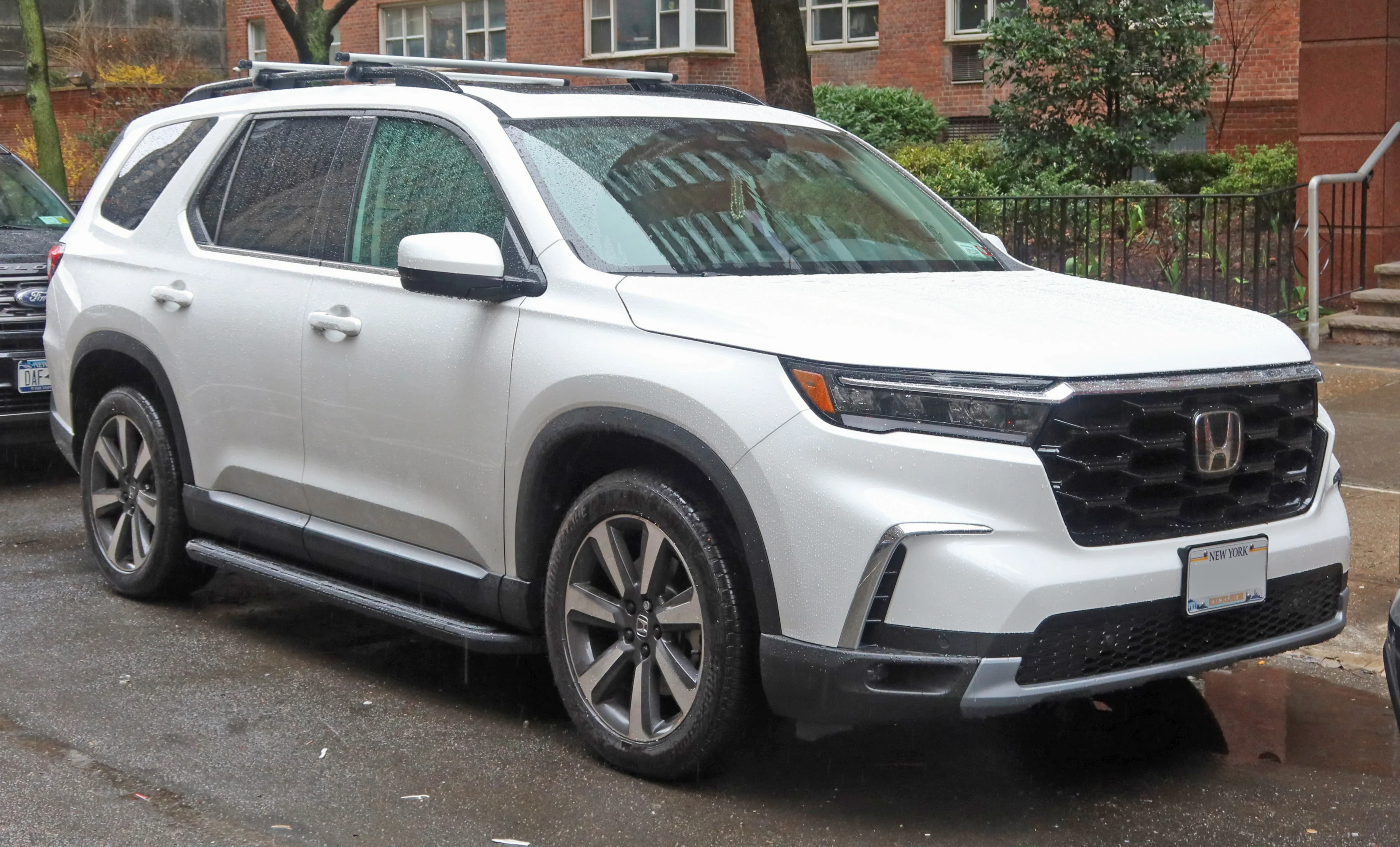
The Fitment Window Nobody Checks Before Buying
The cheap mistake with a Honda Pilot awning is buying on shade area and brand, mounting up at camp, and discovering the awning's clamps do not land on the crossbars the way the instructions require. An awning is not a universal-fit accessory — it has a real fitment window, and the Pilot's crossbars have real dimensions, and the two have to match before any money changes hands.
The good news is that the numbers are published and the fit is usually achievable. Awnings specify a crossbar spread they accept, the Pilot's factory bars have a known length, and there are clear rules about how far the awning can hang past its clamps. Check those figures first and the install is straightforward; skip them and you are returning an awning or bodging a mount.
The Pilot is a genuinely good awning platform — big enough to justify a full shade canopy, with factory roof rails and available crossbars rated to carry the load. It rewards a buyer who does the fitment homework, because the vehicle's own specs make it easy to get right.
What follows is the value-minded fitment guide: the crossbar spread window an awning needs, the overhang rule that governs clamp placement, the Pilot's factory bar sizing, the weight capacity that bounds what you can mount, and the sunroof gotcha that catches people. Every figure is a documented Pilot or awning specification, read the way someone spending real money on the setup should read it.
The 26-to-76-Inch Crossbar Spread Window
The first fitment number is the crossbar spread the awning will accept, and a typical vehicle awning is generous here: a MajorShady-style awning accommodates crossbar spreads of 26 to 76 inches. That is the front-to-back distance between the two crossbars the awning clamps to, and 26 to 76 inches is a wide window that most vehicles fall inside easily.
For a Pilot, that wide acceptance range is reassuring. Whatever reasonable position the crossbars sit in, the spread is very likely within the 26-to-76-inch window, so the awning's clamps will reach both bars. Unlike some fitment constraints, this one rarely disqualifies a setup, which is why it is the easy part of the check.
The value lesson is not to overthink the spread when the awning's window is this wide. Some buyers agonize over exact crossbar positioning as if a fraction of an inch matters; with a 26-to-76-inch acceptance range, it does not. The bars need to be within that broad window and solidly mounted, and they almost always are.
Where attention actually pays off is the next constraint, not this one. The spread window tells you the awning can clamp to your bars; it does not tell you how far the awning may hang beyond them, which is the rule that genuinely governs placement. The wide spread window is a green light to move on to the overhang rule, which is where fitment mistakes really happen.
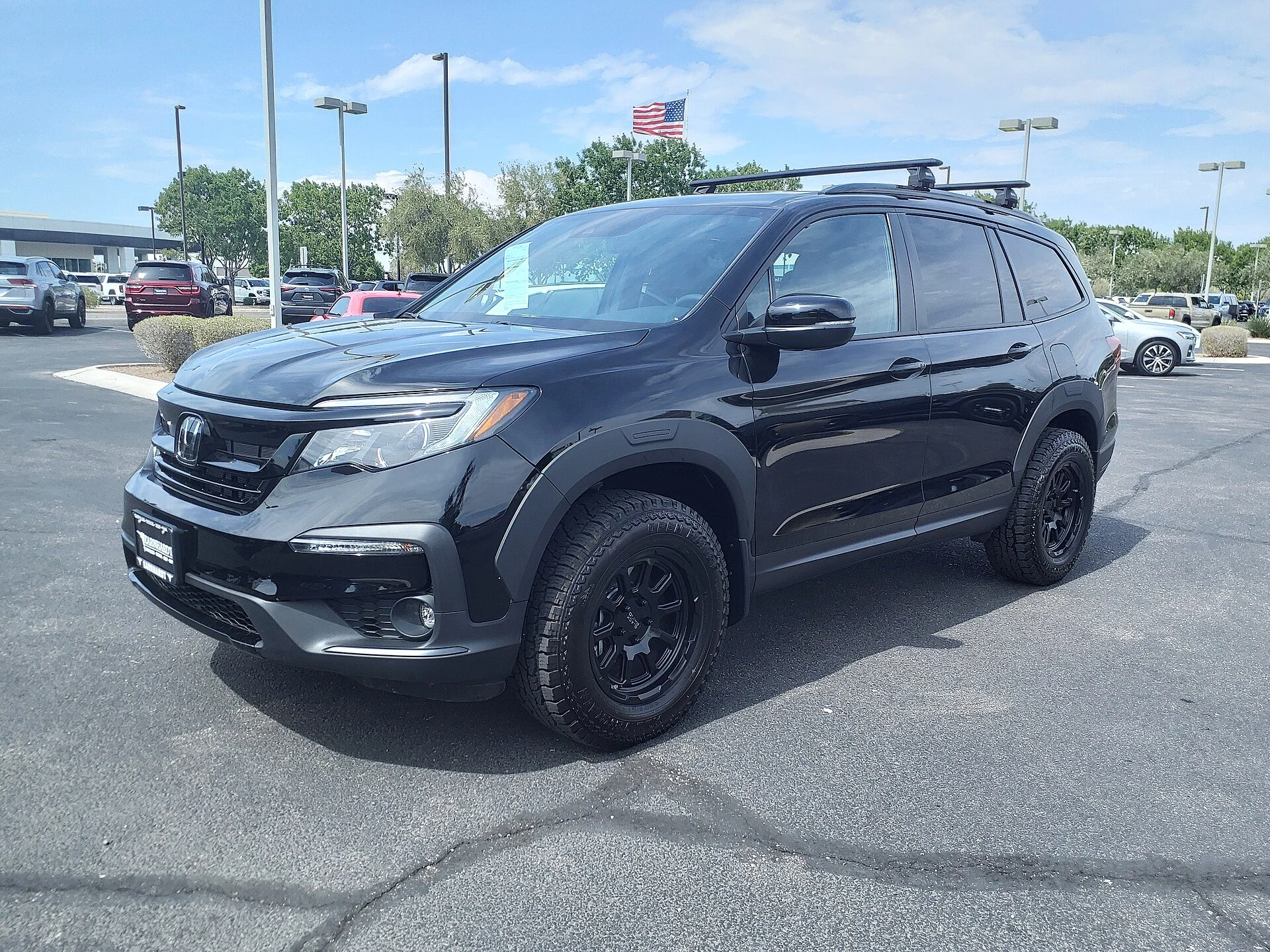
The 50-Inch Overhang Rule
Here is the fitment number that actually catches people: the distance from the front or rear clamp to the end of the awning must not be greater than 50 inches. This governs how far the awning can cantilever past the crossbar it clamps to, and exceeding it is how mounts get overstressed and awnings sag or fail.
The logic is leverage. An awning that extends far beyond its clamp puts a long lever arm on that mounting point, and every bump and gust multiplies the force at the clamp. Keeping the clamp-to-end distance within 50 inches keeps that leverage inside what the mount can handle, which is exactly why the specification exists.
For a Pilot, this interacts with crossbar position. Because the awning clamps to the crossbars, positioning the bars so that neither end of the awning hangs more than 50 inches past its clamp is the real placement task. It is more important than the spread, because the spread window is forgiving and the overhang limit is a hard safety line.
The value takeaway is to plan crossbar position around the 50-inch overhang rule, not around whatever looks convenient. An awning mounted with one end cantilevering well past 50 inches from its clamp is the setup that fails in wind — the false economy of ignoring a published limit. Set the bars so both ends stay within 50 inches of their clamps, and the mount carries the awning as designed.
The Pilot's Factory Bars: 51 vs 53 Inches
The Pilot's crossbar sizing has a documented nuance worth knowing before buying bars. The OEM cross bars are 51 inches, while 53 inches is the suggested crossbar size for the vehicle according to Thule fit guides. That two-inch difference reflects the gap between what Honda ships and what an aftermarket fitment guide recommends.
The practical meaning is that the factory 51-inch bars work and carry an awning fine, but the 53-inch suggestion gives slightly more usable bar length for positioning awning clamps or other accessories across the width. For a straightforward straight awning, 51 inches is entirely adequate; for more mounting flexibility, the 53-inch aftermarket size offers a bit more room.
The value question is whether the extra two inches justify replacing serviceable factory bars, and for most Pilot owners it does not. If the factory 51-inch bars are already on the vehicle and the awning clamps fit them within the fitment rules, buying 53-inch bars is spending money to solve a problem you may not have. The upgrade earns its cost only if an accessory specifically needs the extra bar length.
The sensible sequence is to check whether the awning fits the factory 51-inch bars first — spread within 26 to 76 inches, overhang within 50 inches — and only consider 53-inch bars if it does not. That saves the cost of new bars in the common case where the factory ones do the job, which is the budget-minded way to approach the whole fitment.
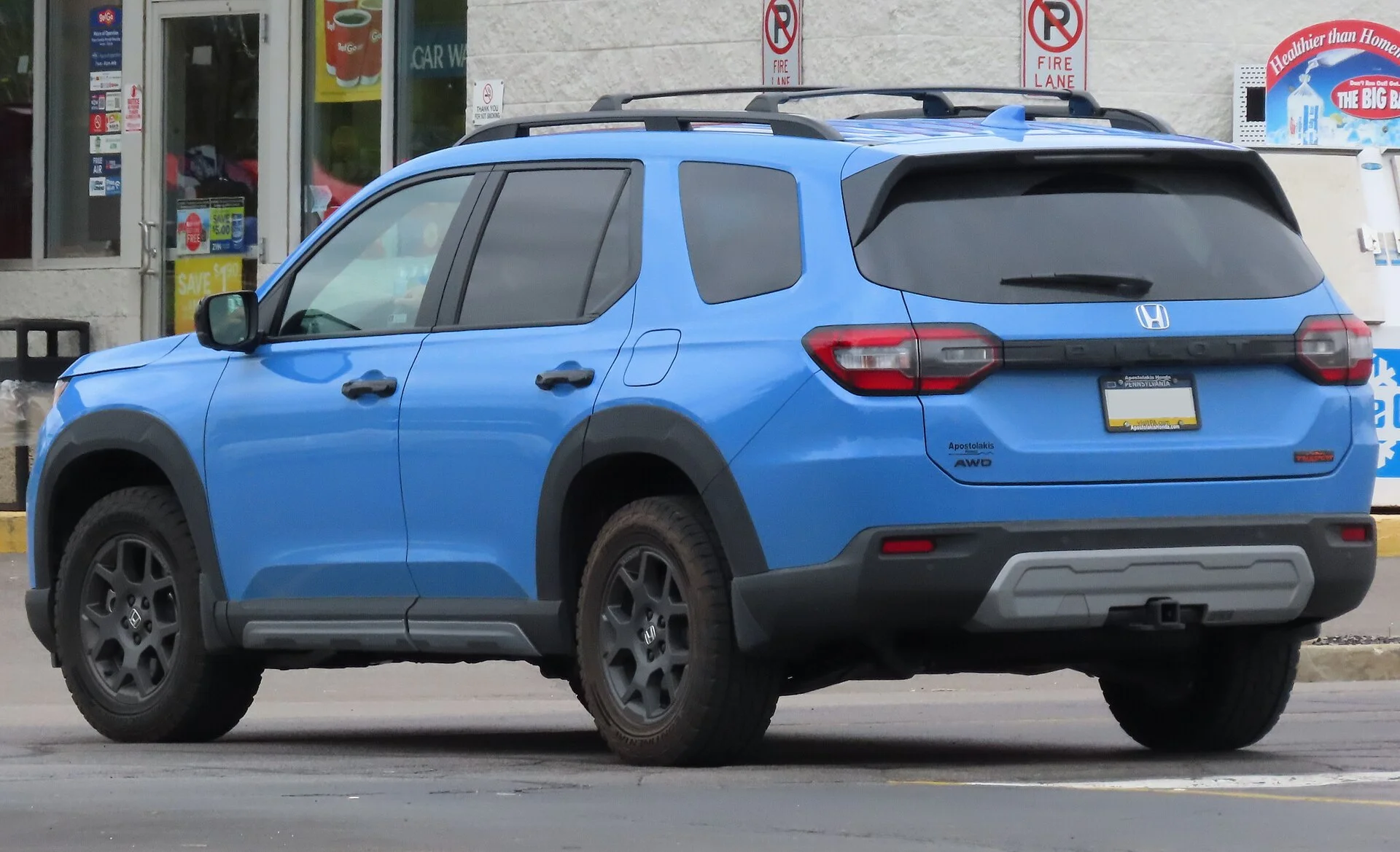
The 165-Pound Crossbar Capacity
Every awning mount is bounded by what the crossbars can carry, and the Pilot's number is clear: the roof crossbars have a 165-pound maximum-load capacity and are designed to fit with the roof rails. That 165 pounds is the ceiling for everything the crossbars hold at once — the awning, plus any other roof gear, plus dynamic forces in motion.
For an awning, 165 pounds is generous. A straight shade awning weighs a modest fraction of that, leaving plenty of the crossbars' capacity for the awning plus other loads. Even a heavier 270-degree awning fits well within 165 pounds on its own. Weight is rarely the constraint that stops a Pilot awning; the fitment geometry usually matters more.
Where 165 pounds does matter is when the awning shares the roof with other gear. An awning on one side plus a cargo box or bikes elsewhere has to total under 165 pounds combined, and that is where a heavy 270-degree awning could start to crowd the budget. Planning the whole roof load against the 165-pound limit keeps the crossbars within their rating.
The value point is that 165 pounds is enough headroom that a buyer does not need to obsess over awning weight in isolation, but does need to account for it as part of the total roof load. A sensible straight or 270 awning fits comfortably; the discipline is simply not to stack the awning on top of a fully loaded roof and blow past the combined 165-pound ceiling.
The 1-Inch Outboard-of-Tower Limit
A smaller but real placement rule governs how the awning sits relative to the crossbar towers: the awning should not be mounted more than 1 inch outboard of the tower. The tower is where the crossbar mounts to the roof rail, and mounting the awning's clamp too far outboard of that point puts the load past the supported structure.
The reason is structural. The tower is the load path down to the rail; a clamp positioned within an inch of it transfers the awning's weight cleanly into that path, while a clamp mounted well outboard of the tower cantilevers the load past the strong point and stresses the bar's unsupported end. Keeping within 1 inch outboard keeps the load where the structure carries it.
In practice, this rule shapes exactly where along the crossbar the awning brackets clamp. Rather than positioning the awning wherever it looks centered, the correct placement puts each clamp within an inch of a tower, so the awning's weight lands over the supported points. It is a small tolerance, and honoring it is part of a correct install.
The value lesson mirrors the overhang rule: published placement limits exist because someone measured where the mount stays strong, and ignoring them to place the awning more conveniently is a false economy that shows up as a bent bar or a failed mount. Clamp within an inch of the towers, and the crossbars carry the awning the way they are rated to.
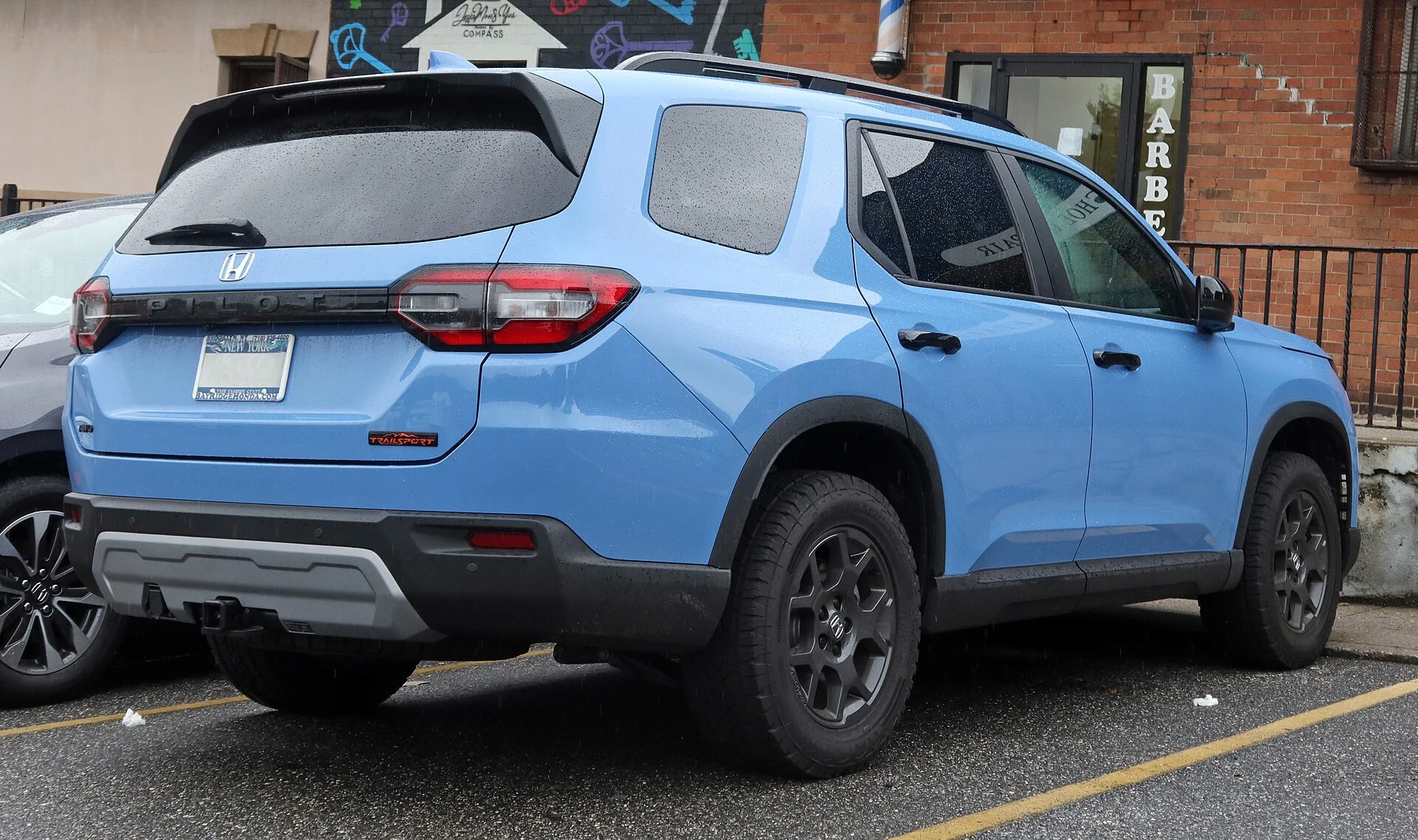
The Sunroof Warning That Catches Pilot Owners
Here is the gotcha that has nothing to do with fitment numbers and everything to do with not damaging the vehicle: Thule advises not opening, venting, or retracting the sunroof, moonroof, or glass roof while the rack is mounted, as damage to the glass or opening mechanism can occur. Many Pilots have a moonroof, so this applies widely.
The reason is physical interference. A roof rack, crossbars, and especially an awning occupy the space the sunroof glass moves into when it opens or tilts. Opening the roof against that hardware can crack the glass or damage the mechanism that drives it — an expensive repair that a moment's habit can trigger.
The practical discipline is to treat the sunroof as off-limits whenever the rack is mounted, which for a camping setup is essentially all season. Owners used to venting the moonroof reflexively have to break that habit once the awning and bars are on, because the cost of forgetting is real glass or mechanism damage, not a minor scuff.
The value framing is that this is free to avoid and costly to ignore. Knowing the rule up front costs nothing; discovering it by cracking a moonroof costs a major repair. For a Pilot owner running an awning through camping season, simply leaving the sunroof shut while the rack is on is the cheap insurance against an expensive, self-inflicted mistake.
Straight vs 270-Degree for a Pilot
With the fitment rules understood, the style choice comes down to shade versus simplicity, and the Pilot handles either. A straight awning extends a rectangular canopy off one side — lighter, cheaper, easy to mount within the fitment rules, and enough shade for a chair, a cooking area, or a shaded doorway. It is the sensible default for occasional shade.
A 270-degree awning wraps around a corner for a much larger shaded area, turning the Pilot into a basecamp with outdoor living space on two sides. It is heavier and more expensive, but the Pilot's 165-pound crossbar capacity easily absorbs its weight, so capacity is not the limiting factor — the higher cost and more involved deployment are.
The fitment rules apply to both, but the overhang and outboard limits matter more for the larger 270, whose bigger canopy imposes more leverage on the mount. A straight awning's smaller size gives more margin against the 50-inch overhang and 1-inch outboard rules; a 270 requires more careful clamp placement to stay within them. Neither is disqualified, but the 270 demands more precise mounting.
The value verdict is to match the awning to how you actually camp. A frequent basecamp Pilot justifies the 270's cost and mounting care for its wrap-around shade; an occasional-shade Pilot is better served by a lighter, cheaper straight awning that mounts easily within every fitment rule. Buying a heavy 270 for trips that a straight awning would cover is the classic overbuy — more money and weight for shade you do not use.
The False Economy of a Cheap Awning or Mount
The temptation with awnings is to save money on the awning or the mount, and both are false economies for specific reasons. A cheap awning with flimsy arms or thin fabric fails in exactly the conditions an awning exists for — wind and weather — leaving you with no shade and a repair or replacement, which costs more than buying a solid one once.
Skimping on the mount is worse, because the mount is what keeps the awning from becoming a projectile. Underrated clamps, ignoring the 50-inch overhang or 1-inch outboard rules, or mounting to inadequate bars all concentrate the loads that the published limits are designed to keep within safe bounds. The mount failing at speed or in a gust is the expensive, dangerous version of saving a few dollars.
Where money is genuinely well spent is on solid crossbars within their 165-pound rating, a correctly fitted awning that respects the spread and overhang windows, and quality clamps placed within an inch of the towers. That is not the most expensive possible setup — it is the correctly specified one, which is different from the priciest. A quality vehicle awning fitted to the Pilot's real numbers lasts years.
The budget-minded conclusion is to spend on correctness, not on brand prestige or maximum size. An awning sized to the Pilot, mounted within every published fitment rule on bars rated for the load, is the value setup — it costs what it should, works when needed, and does not fail in the weather that a cheap or misfitted one cannot handle.
The Verdict: Fit It to the Numbers, Not the Marketing
A Honda Pilot makes an excellent awning platform, and getting it right is a matter of matching the awning to the vehicle's published numbers rather than shopping on shade area and brand. The crossbar spread window of 26 to 76 inches is forgiving and rarely a problem; the real placement rules are the ones that catch people.
Those rules are specific and worth honoring: keep the awning's clamp-to-end overhang within 50 inches, mount each clamp within 1 inch of a tower, and stay under the crossbars' 165-pound capacity across the whole roof load. The factory 51-inch bars work fine, and the 53-inch aftermarket size is only worth it for extra mounting flexibility you may not need.
Do not forget the sunroof warning — with the rack mounted, leaving the moonroof shut is free insurance against cracked glass or a damaged mechanism, an easy habit that prevents an expensive mistake. That is the one gotcha unrelated to fitment that costs real money if ignored.
Choose the style to match your camping — straight for simple, light, occasional shade; 270 for wrap-around basecamp coverage the 165-pound capacity easily supports — and spend on a correctly specified setup rather than the cheapest or the biggest. Fitted to the Pilot's real numbers, mounted within every published limit, an awning gives years of reliable shade and turns the Pilot into a genuine basecamp. Fit it to the numbers, and it simply works.