
How to Keep Food Cold Without a Cooler for Days?
Keeping food cold on a multi-day car camping trip without a proper fridge is a classic rookie mistake. My first attempt involved a $15 styrofoam box and three bags of ice that melted by day two, leaving me with lukewarm hot dogs and a serious case of buyer's remorse.
Keeping food cold on a multi-day car camping trip without a proper fridge is a classic rookie mistake. My first attempt involved a $15 styrofoam box and three bags of ice that melted by day two, leaving me with lukewarm hot dogs and a serious case of buyer's remorse. Food safety is no joke, and keeping things at or below 40 degrees F is key to avoiding a trip-ruining stomach bug Taste of Home.
This isn't just about taste; it's about not getting sick miles from civilization. Thankfully, there are ways to hack this without breaking the bank or hauling a giant electric cooler.
The Core Answer
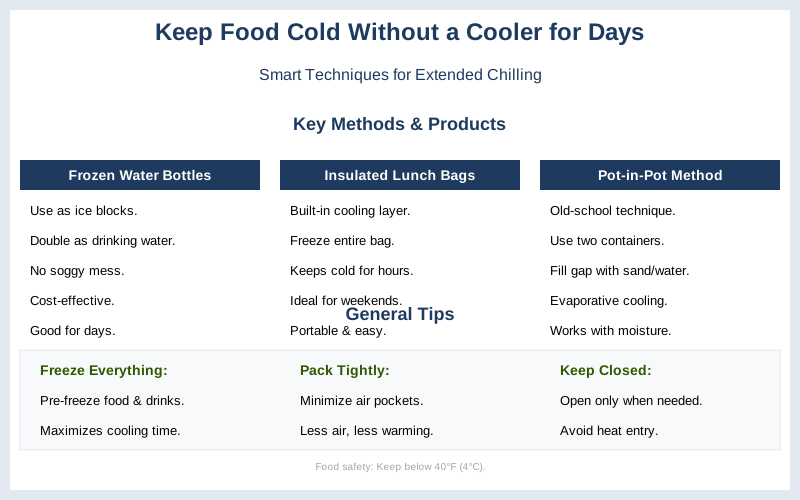
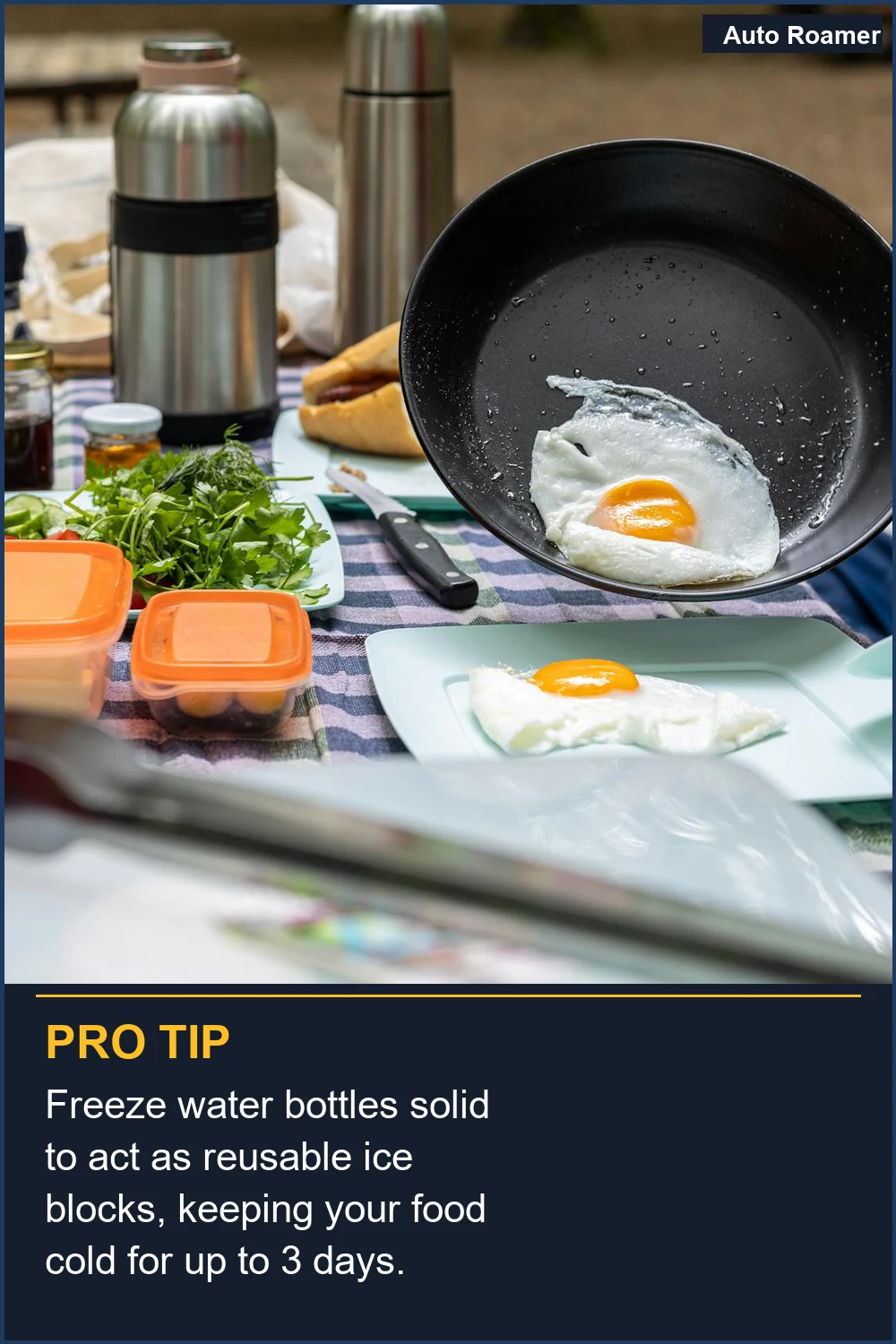
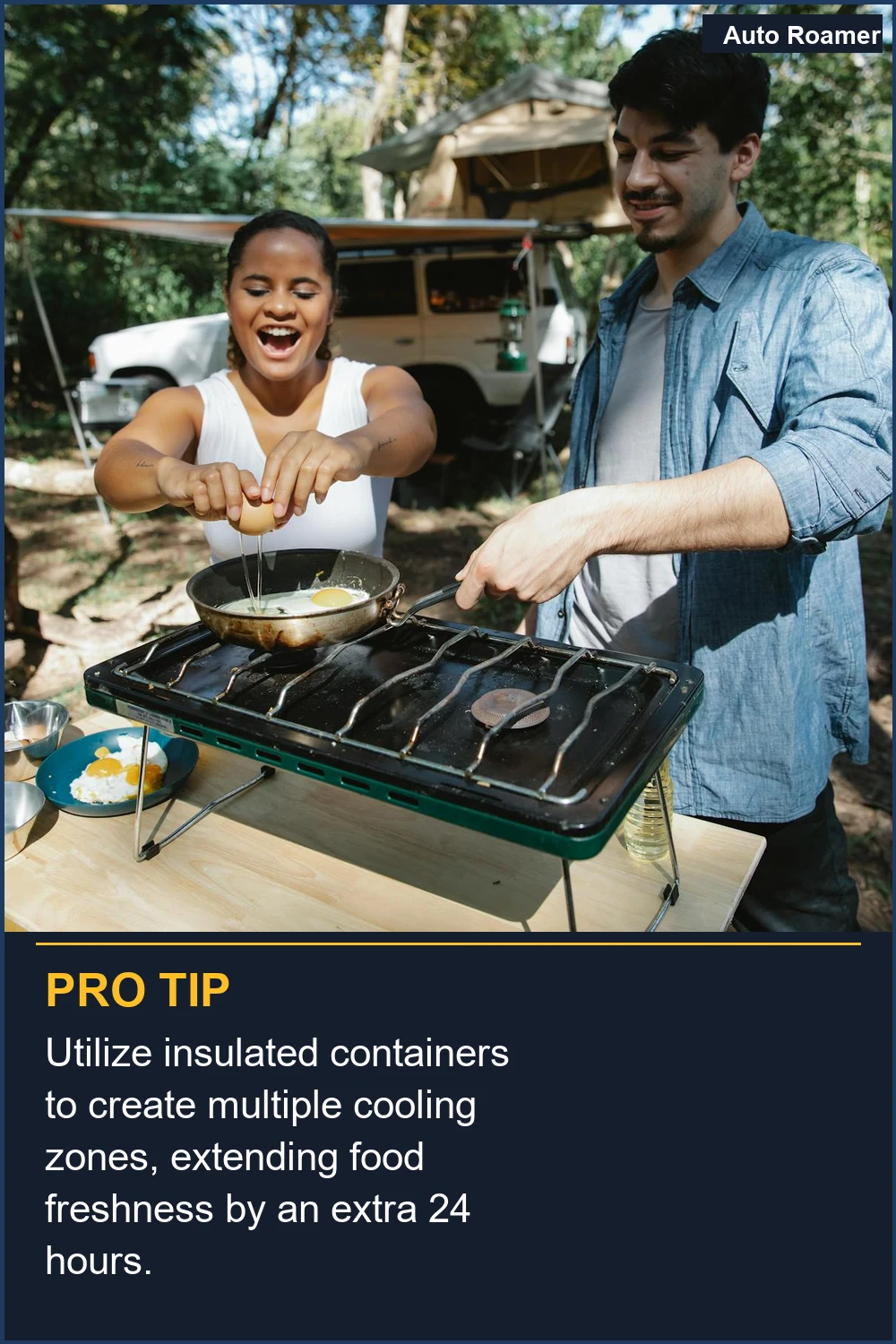
The honest version is you don't always need a fancy cooler to keep food cold for days. My go-to move these days involves a combination of techniques, starting with freezing as much as possible beforehand. I'll freeze water bottles solid and use them like giant ice blocks in my setup. They double as drinking water as they thaw PackIt. This is way better than loose ice, which just turns into a soggy mess PackIt. Another trick is using insulated containers that are designed for this. Think of those fancy lunch bags that have a built-in cooling layer. You just freeze the whole bag overnight, and it stays cold for hours. I've used these for day trips and they work surprisingly well, keeping my sandwiches chilled for a solid 6 hours. It's not a 5-day cooler solution, but for a weekend, it's solid PackIt. For longer trips, the old-school pot-in-a-pot method with wet sand works wonders for things that don't need to be frigid, just cool. I tried this in Joshua Tree one summer, and it kept my veggies surprisingly crisp for two days. You fill the space between two pots with sand, then soak the sand with water. The evaporation does the cooling Facebook Group. It's not going to keep milk from spoiling, but for things like apples or onions, it's a surprisingly effective, zero-electricity solution. When I do use a cooler, I pack it like a Tetris master. Block ice lasts way longer than cubed ice, and I always pre-chill the cooler for at least 12 hours before I pack it. This makes a huge difference in how long the ice actually stays frozen Battlbox. Keeping the lid closed as much as possible is also game-time for ice retention. And don't forget the power of thermodynamics. Keeping your food storage out of direct sunlight, ideally under a tree or a tarp, makes a massive difference. I learned this the hard way at Yosemite when my cooler sat in the sun for an afternoon and all my cheese turned into a greasy puddle. Brilliant engineering, that direct sun. It's simple physics, really Taste of Home.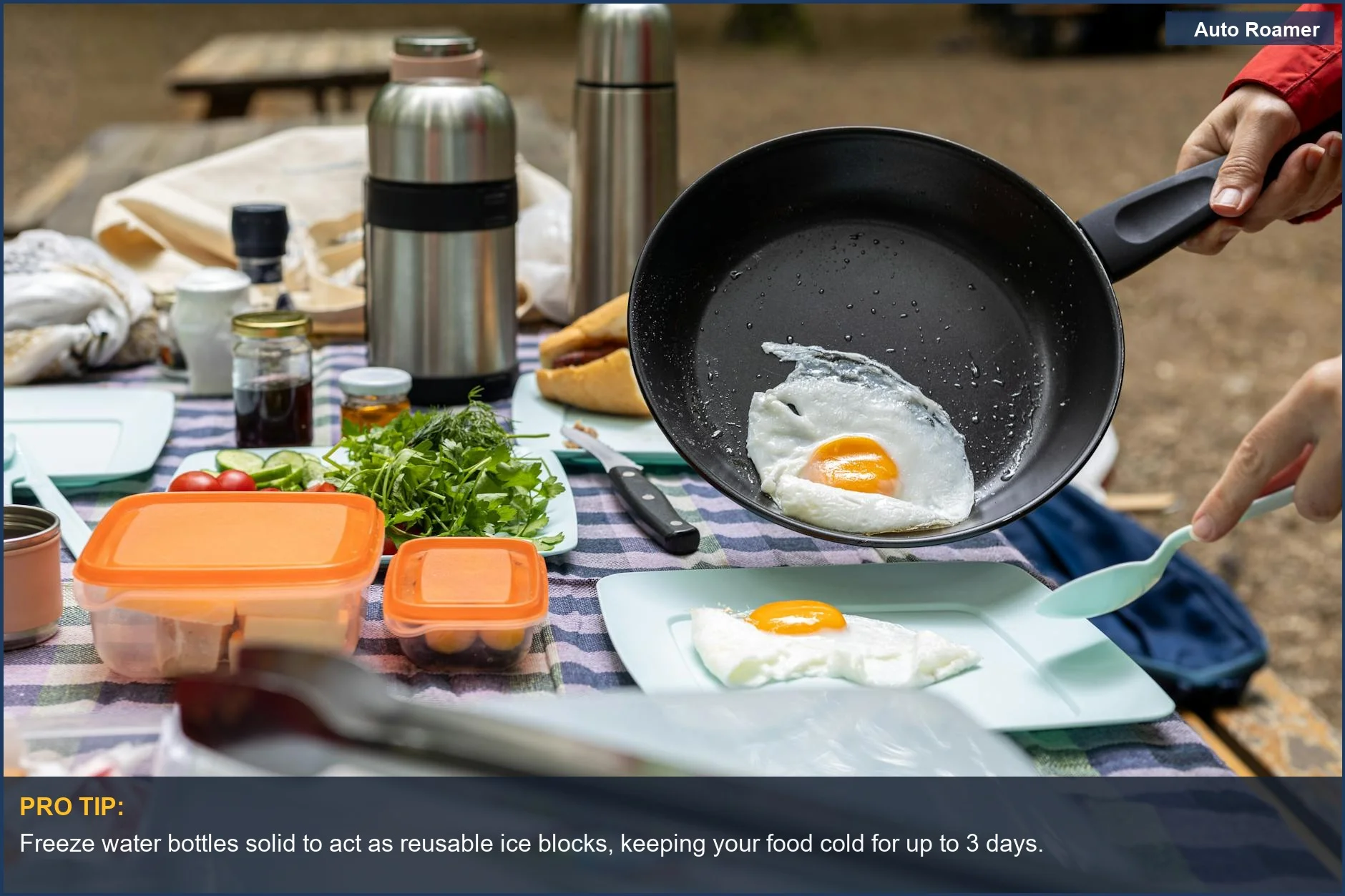
Why This Matters for Your Setup
Why bother with all this? Because the $50 cooler you bought at the big box store is probably not going to cut it for more than a day trip, and you'll be eating peanut butter sandwiches for dinner on day two. My first multi-day trip to Zion, I thought I was set with a decent cooler. By Saturday evening, my chicken was questionable, and I was seriously regretting not doing more research.
Making the Right Choice
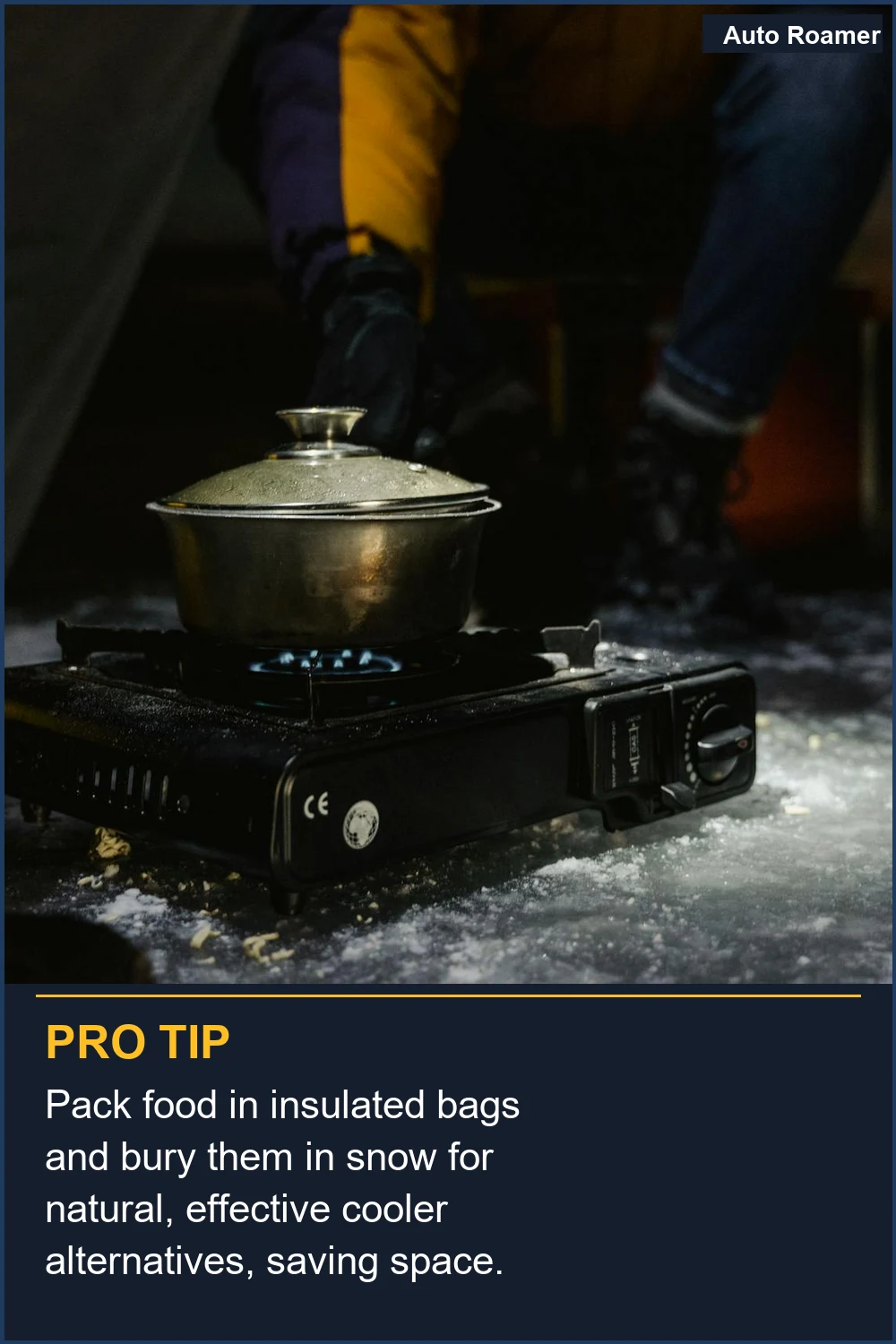
Figuring out how to keep food cold without a fridge is less about fancy gear and more about understanding basic principles. My first few trips were a disaster of melted ice and questionable food. The real move is to layer your strategies. Freezing water bottles is a must, and using insulated containers for essentials can save you. The pot-in-a-pot method is a bit more involved but incredibly effective for certain items Facebook Group. It's about being resourceful. Instead of buying a massive, expensive cooler that you might only use a few times a year, you can cobble together a system that works for your specific trip length and needs. Always prioritize food safety, and don't be afraid to experiment. What works for me might need tweaking for you, but the core ideas are solid Readywise.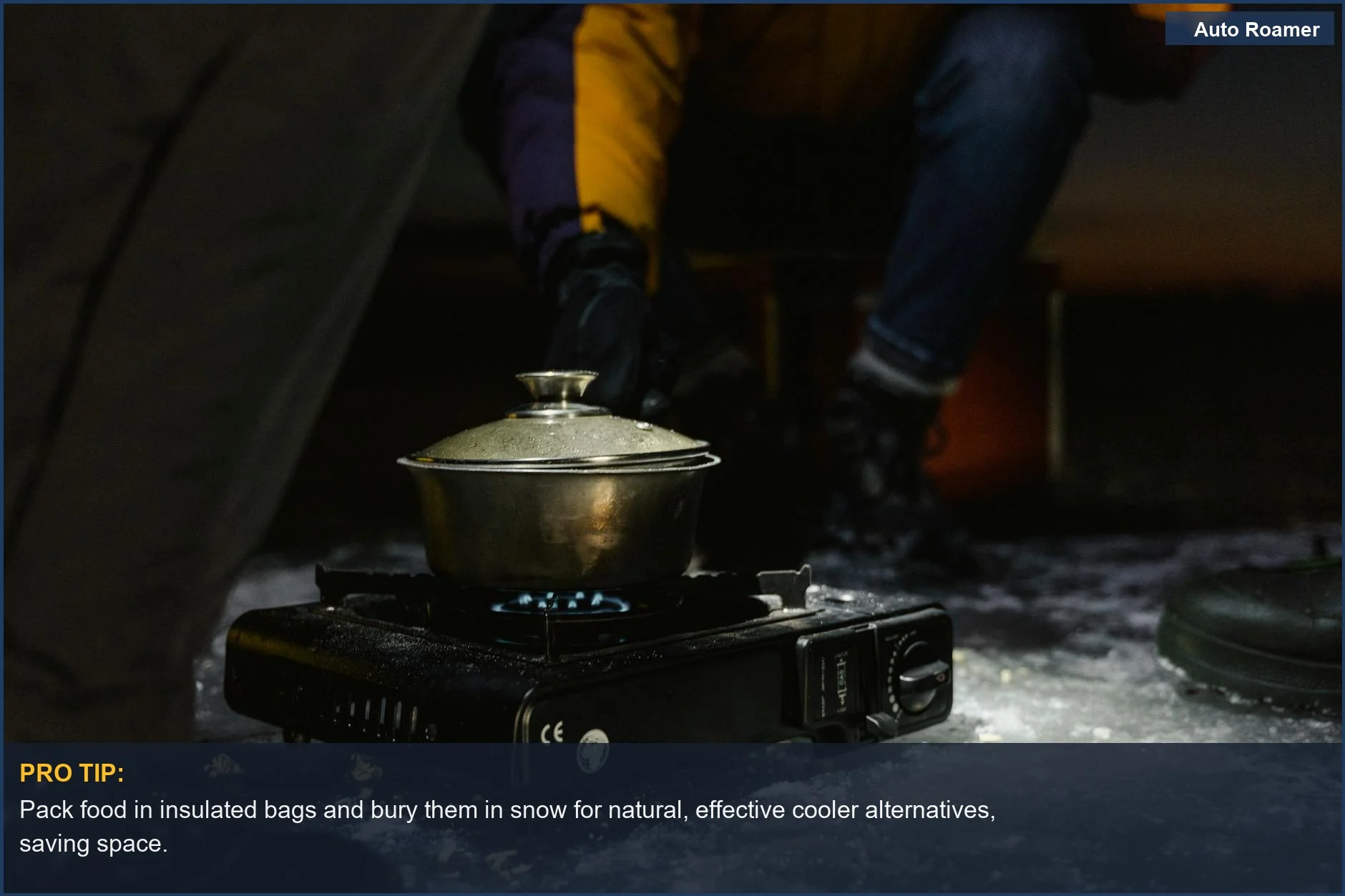
Frequently Asked Questions
If I wanted to try that pot-in-a-pot thing, how much would the pots and sand cost compared to just buying a small camping cooler?
Do I really need to measure the temperature of my food with a thermometer to know if it's safe?
What if I freeze my water bottles, but they still don't keep my other food cold enough for a 4-day trip?
Can using the pot-in-a-pot method with wet sand permanently damage my food?
I heard you can just wrap food in a damp cloth to keep it cool. Is that true for camping?
🏅 Looking for Gear Recommendations?
Check out our tested gear guides for products that work with this setup:
Sources
- How to Keep Food Cold When Camping Without Electric | Battlbox
- What's everyone using to keep any food cold fresh ? No electric. 3-4 ...
- How to Keep Food Cold On-The-Go Without Ice Packs - PackIt
- 14 Secrets for Keeping Cold Food Fresh All Day Long - Taste of Home
- how-to-keep-food-cold-without-a-fridge?srsltid=AfmBOorvxjMh1V_cn20D0wOmaVLn5Q-rXOE3X8b71lAzlDxof79dn6d1