What You Need to Know
The notion that a simple cooler and a bag of chips constitutes an 'extended car camping trip' is a tactical error. You are not on a picnic; you are operating a mobile field kitchen. My first 7-day excursion taught me that a block of ice has a half-life of 24 hours in a 90 degrees F car, rendering 30 pounds of carefully packed meat a biohazard within 48 hours.
The cost of that initial failure? $150 in spoiled groceries and a 3-hour detour to a questionable roadside diner. Never again. Source: Facebook Group
Key Features to Consider
When you're out there, your kitchen isn't just about cooking; it's about survival. You need gear that can withstand abuse, maintain critical temperatures, and deploy rapidly. Forget 'convenience' - think 'operational readiness.'
| Feature | Why it Matters (Chaos Aunt Protocol) |
|---|---|
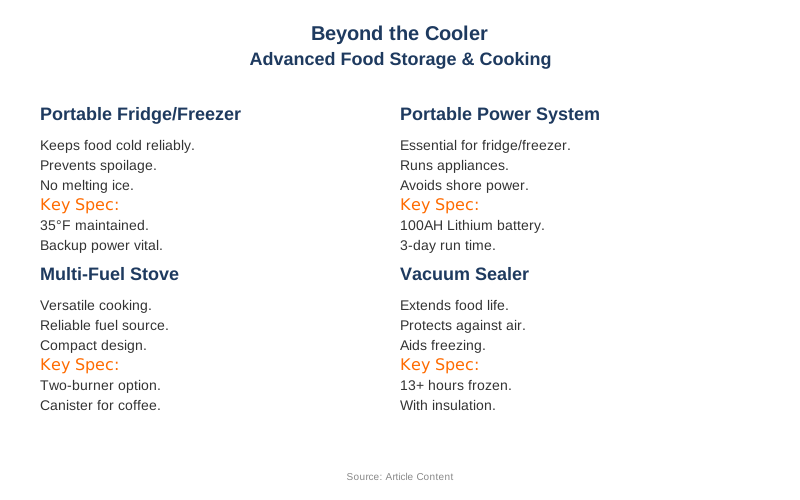
| Power Source and Capacity | Your fridge is useless without juice. I run a 100AH lithium battery system, powering everything for 3 days without a recharge. Anything less is a gamble. Source: Overland Expo |
| Temperature Control (Refrigeration) | Ice is a liability. A portable fridge/freezer maintains 35 degrees F indefinitely, preventing a full-scale foodborne illness outbreak. Vacuum-sealed food can stay frozen for 13+ hours even in a cooler, but only with proper insulation and a backup power plan. Source: Facebook Group |
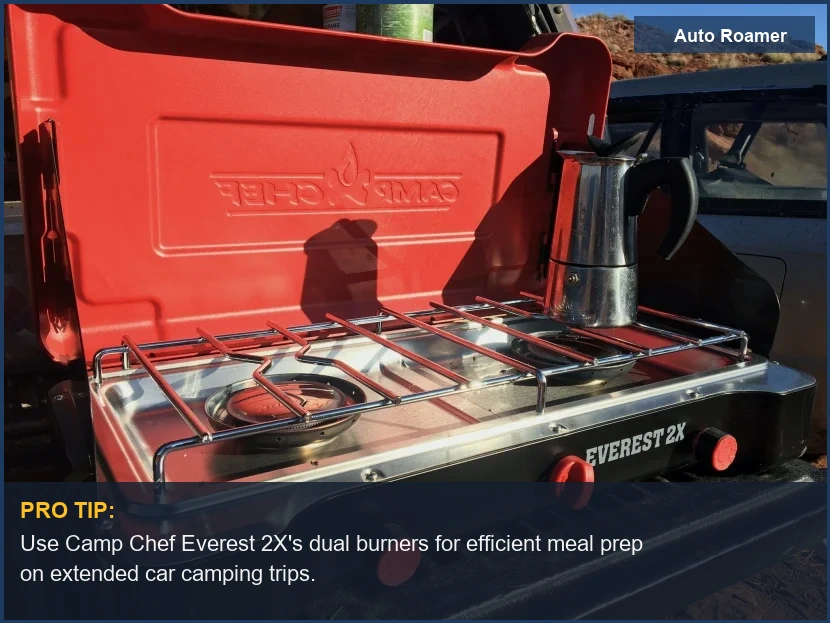
| Stove Type and Fuel | Propane is reliable, but a multi-fuel stove offers flexibility in a crisis. My load-out includes a compact two-burner for main operations and a small canister stove for emergency coffee. Source: Luno Life |
| Water Storage and Filtration | A 10-gallon water tank with a quick-connect faucet is non-negotiable for hygiene and cooking. It's not just for drinking; it's for decontamination. Source: Overland Expo |
| Storage and Organization | Every item needs a designated, secured spot. A sturdy surface for prep and cleanup is critical. I use military-grade storage drawers and clear bins, not flimsy fabric bags. Source: Luno Life |
| Durability and Weather Resistance | Your gear will be dropped, rained on, and exposed to dust. It needs to be built like a tank. My rule: if it can't survive a 3-foot fall onto gravel, it doesn't come. Source: OutdoorGearLab |
Our Top Picks
Budget vs Premium Options
| Category | Budget Option (Approximate Cost) | Premium Option (Approximate Cost) | Chaos Aunt Assessment |
|---|---|---|---|
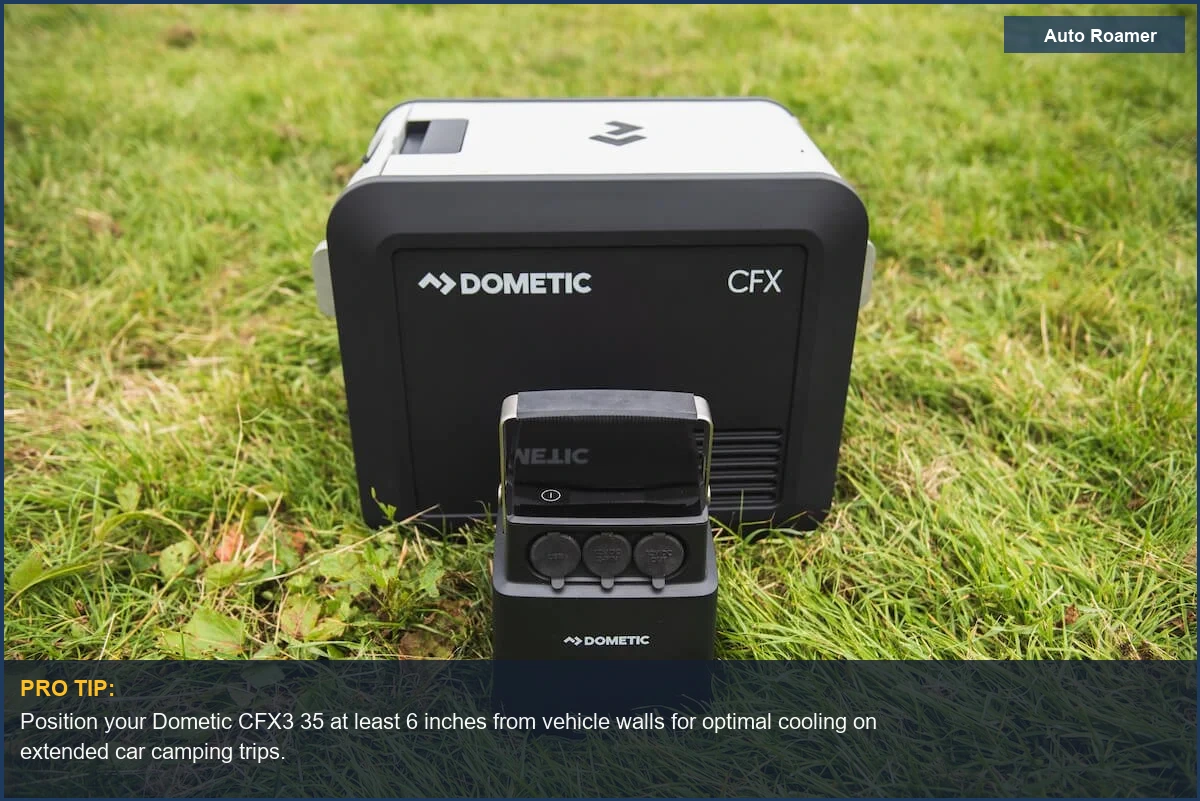
| Refrigeration | High-performance Rotomolded Cooler (~$150) | Portable Electric Fridge/Freezer (~$600) | Coolers are for short-term containment or pre-frozen items. Electric fridges offer sustained, reliable cold. The 3-day ice retention for a premium cooler is a minimum, but it's still a half-life operation. |
| Cooking Surface | Single-burner Propane Stove (~$40) | Two-burner High-BTU Camp Stove (~$180) | A single burner limits your operational capacity. A two-burner allows simultaneous cooking and coffee, cutting prep time by 50%. |
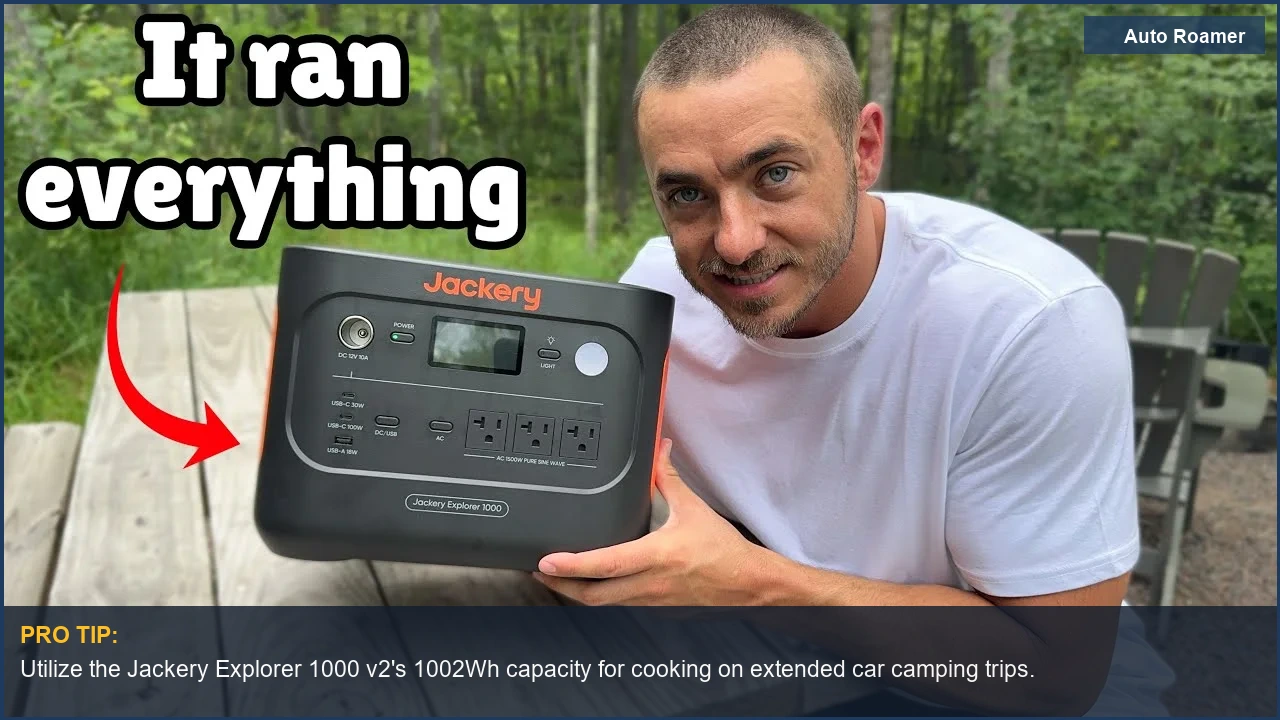
| Power Supply | Car Battery Jump Starter (~$80) | Portable Power Station (1000Wh+) (~$800) | A jump starter is for crisis. A power station is for sustained operations. Your fridge needs continuous power, not a jump start. Source: Overland Expo |
| Water Storage | Collapsible Water Bag (~$15) | Rigid 5-7 Gallon Water Jug with Spigot (~$25) | Collapsible bags are prone to punctures and spills. A rigid jug provides stable, reliable water access, crucial for hygiene. |
View on Amazon — High-performance Rotomolded Cooler (~$150)
View on Amazon — Portable Electric Fridge/Freezer (~$600)
View on Amazon — Single-burner Propane Stove (~$40)
View on Amazon — Two-burner High-BTU Camp Stove (~$180)
View on Amazon — Collapsible Water Bag (~$15)
View on Amazon — Rigid 5-7 Gallon Water Jug with Spigot (~$25)
Setup and Installation Tips
Your car isn't a kitchen; it's a mobile command center. Every piece of gear needs to be secured, accessible, and ready for deployment. A loose propane tank or a sliding fridge is a liability, not a convenience. I learned this when my 'secure' cooler became a projectile in an emergency stop. Source: YogaSlackers
- Secure Your Fridge/Freezer: Use heavy-duty tie-down straps or a dedicated fridge slide. My Dometic is bolted to a custom platform in the rear cargo area. This prevents it from becoming a 40-pound missile in a sudden stop or a rollover. A fridge slide allows for rapid deployment and access. Source: Overland Expo
- Establish a Cooking Zone: Designate a specific area outside the vehicle, preferably on a sturdy, portable table. This keeps food prep and cooking biohazards out of your sleep and living space. A compact folding table (~$40) is a critical piece of your load-out for this. Source: Luno Life
- Optimize Storage: Utilize clear, stackable bins for dry goods and non-refrigerated items. Label everything with a permanent marker. This prevents a 15-minute search for spices when you're trying to cook in the dark. My system is color-coded: red for cooking, blue for cleaning, green for first aid.
- Power Management: Run a dedicated 12V power line from your vehicle's battery to your fridge, or rely on a portable power station. Never daisy-chain off a cigarette lighter adapter for critical systems; it's a fire hazard and a power drain waiting to happen. My power station is secured behind the passenger seat, accessible but out of the high-traffic zone.
Care and Maintenance Tips
Neglecting your gear is a direct path to mission failure. A dirty stove is a fire hazard, a failing fridge is a biohazard waiting to happen, and a clogged water filter is a hydration crisis. My post-trip debrief always includes a full system diagnostic.
- Fridge/Freezer Cleaning: After every trip, completely empty and wipe down the interior with a mild bleach solution (1 tablespoon bleach per gallon of water). Leave the lid slightly ajar to prevent mold and mildew. This prevents a lingering odor that will contaminate your next load of food. Source: Battlbox
- Stove Decontamination: Remove grates and drip trays immediately after cooking. Scrape off food residue and wash with hot, soapy water. Caked-on grease has a half-life of 24 hours before it becomes a permanent, difficult-to-remove carbon buildup. A wire brush is part of my stove kit.
- Water System Flush: Periodically flush your water containers and hoses with a diluted bleach solution (1 teaspoon bleach per gallon of water) and let it sit for 30 minutes before rinsing thoroughly. This eliminates bacteria buildup and prevents that 'plastic taste' from developing. This is a critical hygiene protocol. Source: Alpenglow Gear
- Power Station Check: Every 3 months, top off your portable power station to 80% charge. Fully discharging and then charging lithium batteries prolongs their lifespan. This ensures your critical power source is always ready for immediate deployment. A dead power station is a dead fridge.
Final Recommendations
Car camping isn't a vacation; it's a logistical exercise in resource management and hazard mitigation. Your goal isn't 'fun'; it's 'survival without incident.' These recommendations are based on hard-won experience and avoiding preventable disasters.
- Prioritize Refrigeration: Invest in a quality electric fridge/freezer. It's the single most impactful piece of gear for extended trips, preventing food spoilage and health risks. My Dometic CFX3 35 was a $600 investment that has saved me thousands in spoiled food and emergency runs.
- Secure All Gear: Nothing should be loose in your vehicle. Use tie-downs, bolted platforms, and custom storage solutions.
A loose item is a weapon in a collision, or a lost item on a bumpy trail. Source: Luno Life
- Redundant Systems: Always have a backup for critical functions. A small canister stove for coffee if your main burner fails, or extra water purification tablets. My load-out always includes a secondary, small, hard cooler for emergency ice or overflow.
- Detailed Load-Out Planning: Inventory every item before you leave.
Know where it is, what it does, and how long it lasts. This isn't 'packing'; it's 'mission preparation.' The best way to avoid a problem is to plan for it. Source: Alpenglow Gear