
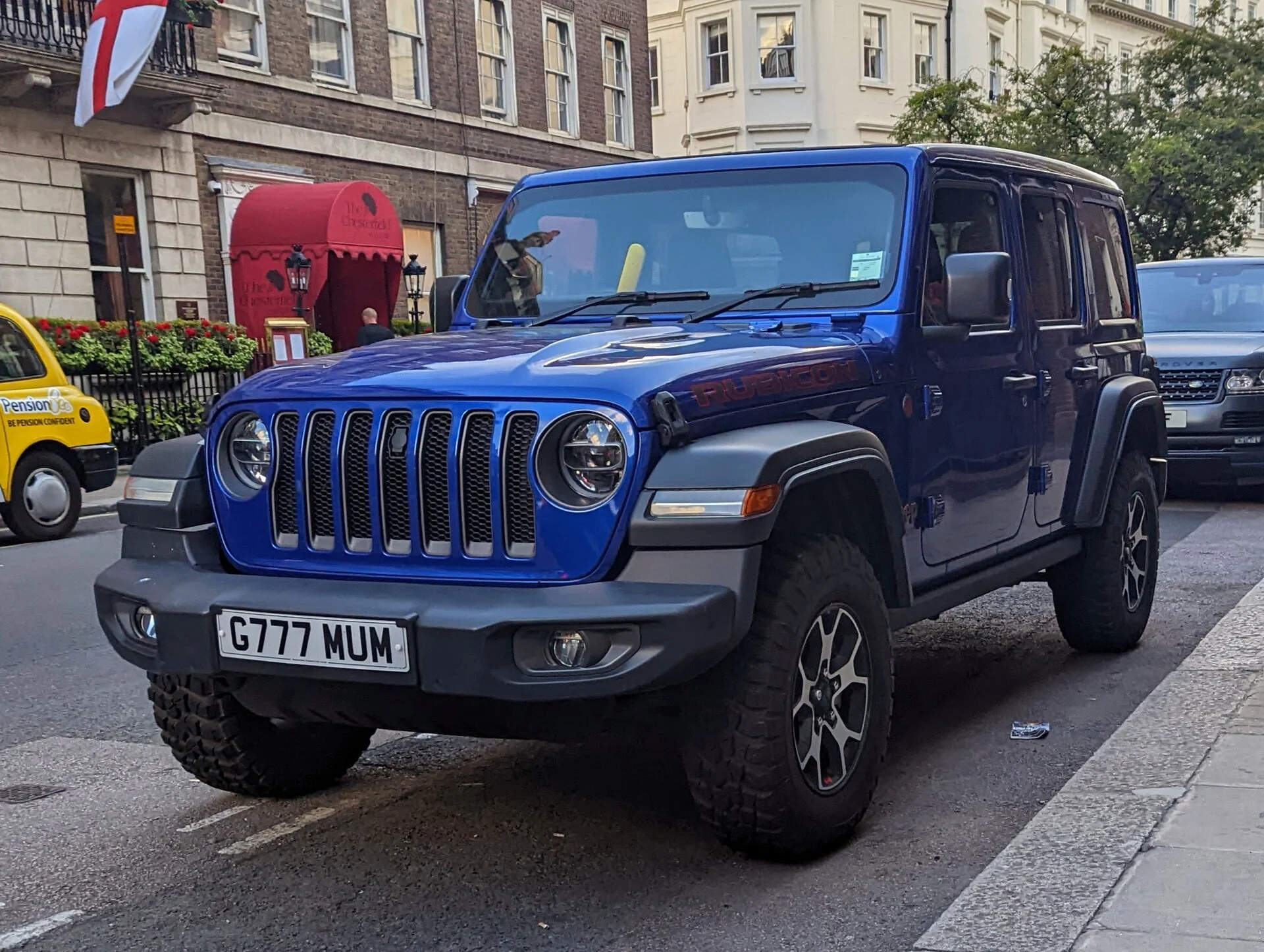
The Awning You Can Mount Is Decided by the Rack, Not the Catalog
The mistake that ends most Wrangler awning projects starts in the shopping cart, not on the trail. A buyer picks the awning first, then discovers the rack it needs to bolt to cannot legally carry it. On a Jeep the gap is stark: a gutter-mounted rack and a full backbone system on the same JL are rated for very different loads, and the awning has to fit under the smaller of the two numbers.
Consider the spread. The gutter-mounted Rhino-Rack Vortex SG rack for the Wrangler JK/JL has a dynamic load rating of just 88 lb (40 kg), while the Rhino-Rack Vortex Backbone system for the JL carries a maximum dynamic load rating of 120 kg (264 lb). That is roughly a threefold difference in what the roof can hold while the Jeep is moving, and it decides the whole project before an awning is ever chosen.
The honest way to shop a Wrangler awning, then, is rack-first. Establish what the existing mounting system is rated to carry dynamically, subtract the awning's own weight, and only then look at sizes and coverage. An awning that clears the rating installs clean and stays put; one that exceeds it is a rattle, a sag, or a failure waiting for the first washboard road.
This guide works the decision in that order. It covers the two rack ratings that gate everything, where hardtop and soft-top mounting points differ, the bar length a 4-door gives you to work with, how to size the canopy, and the straight-versus-270-degree coverage choice, so the awning you buy is one the Jeep can actually carry.
The Two Rack Ratings That Gate Everything
Start with the numbers that set the ceiling. The gutter-mounted Vortex SG rack for the JK/JL is rated to a dynamic load of 88 lb (40 kg), and the Vortex Backbone system for the JL is rated to 120 kg (264 lb). Dynamic load is the weight the rack can carry while the vehicle is in motion, which is the rating that matters for an awning that lives bolted to the roof through every mile.
Those two figures describe two different structural paths into the Jeep. The gutter-mounted rack hangs off the drip rails, a convenient but inherently limited anchor, which is why its 88 lb ceiling is the lower of the pair. The Backbone system ties into the body's harder points, and its 264 lb dynamic rating reflects that stronger load path.
The awning is never the first number to look up. The rack's dynamic rating is, because it is the smaller ceiling the whole setup has to live under, and it is fixed by how the rack attaches to the Jeep.
For a buyer, the takeaway is that the same Wrangler can be a 40 kg roof or a 120 kg roof depending only on which rack is bolted to it. Knowing which one is up there, and its published dynamic rating, is the first and most important measurement of the entire awning decision.
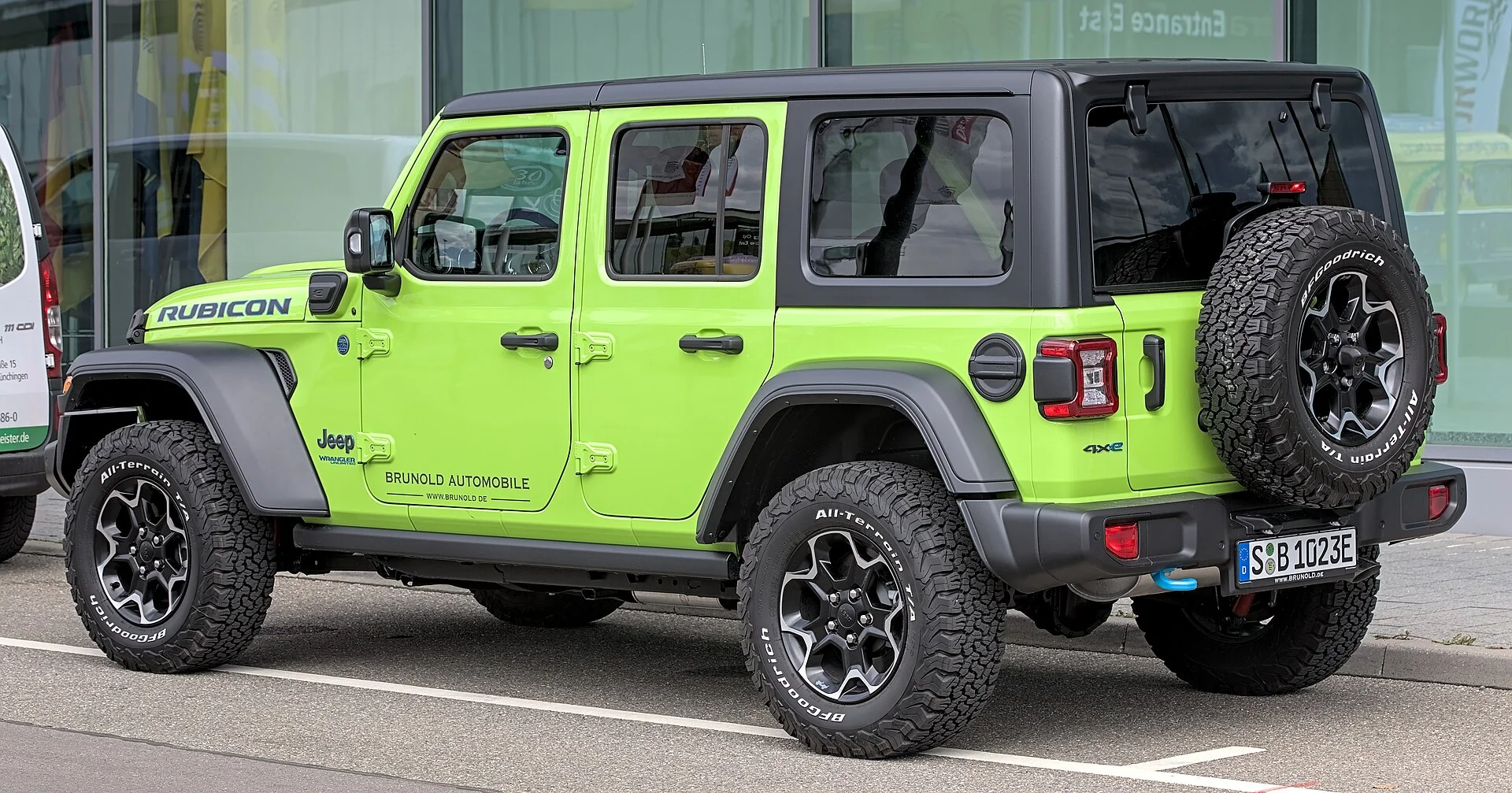
Hardtop vs Soft-Top: Where the Mounting Points Differ
The Wrangler's removable roof complicates awning mounting in a way few other vehicles share. A hardtop presents a rigid surface and defined rack mounting points; a soft-top does not, which means the rack, and therefore the awning, generally has to anchor to the sport bar or a dedicated mounting system rather than the roof itself.
This is why so many Wrangler awning setups route through a backbone or sport-bar-mounted rack rather than a simple roof rack. The Vortex Backbone system for the JL, rated to 120 kg (264 lb) dynamic, is engineered around the Jeep's structure precisely so the awning does not depend on a roof panel that owners routinely remove.
A soft-top owner should assume the awning attaches to the vehicle's frame or sport bars, not the fabric, and plan the rack accordingly. A hardtop owner has more surface to work with but still benefits from a rack that ties into a real load path rather than the gutter, given the 88 lb (40 kg) ceiling the gutter-mounted option imposes.
The practical rule is to identify the roof configuration before buying anything, because it determines which rack systems are even candidates. Match the rack to the top the Jeep actually wears, confirm its dynamic rating, and the awning choice narrows to what that rating allows.
The Bar Length You Have to Work With
Once the rack path is settled, the crossbar length sets how the awning physically attaches. Rhino-Rack Vortex crossbars for the Jeep Wrangler JL 4-door hardtop have a 59-inch bar length, and that dimension governs the spacing of the awning's mounting brackets along the side of the vehicle.
A 59-inch bar gives a reasonable span for spacing the two mounting brackets most awnings use, which matters because brackets set too close together let a long awning cantilever and flex at its ends. The wider the bracket spacing the rack allows, the more stable a given awning sits when deployed.
The bar length also interacts with the awning's mounting hardware. Most vehicle awnings clamp to a round or aero crossbar with universal brackets, so a standard 59-inch Vortex bar accepts the common ARB and Rhino-Rack mounting kits without special adapters. Confirming the bar profile and length before ordering brackets avoids the fitment surprise that stalls an install.
For the 4-door specifically, the 59-inch bars run along a longer body than a 2-door, which is an advantage: there is room to space the brackets for a full-length awning and still clear the doors and tailgate swing. Measuring the actual bar and comparing it to the awning's bracket spacing is the fitment check that turns a parts list into a clean mount.
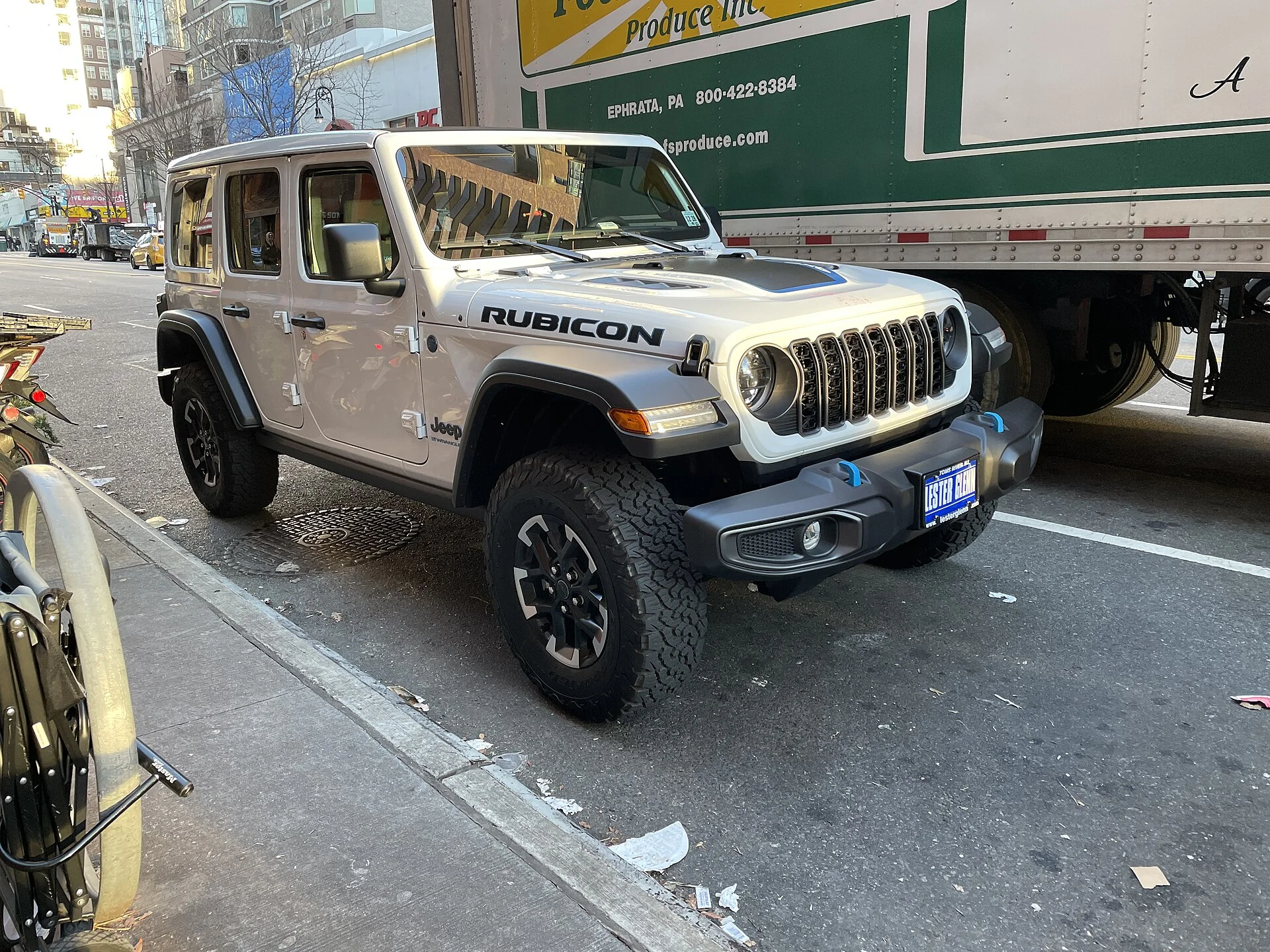
Sizing the Canopy to the Jeep
With the rack and bars established, the canopy size is the next decision. A common overlanding size, the ARB Touring 2500x2500 awning, has a shade area of 2500mm x 2500mm (2.5m x 2.5m) when extended, which covers most of one side of a Wrangler plus a generous working area beside it.
That 2.5m x 2.5m footprint is a lot of shade, and it is also a lot of leverage on the mounting points, which loops back to the rack rating. A larger canopy catches more wind and puts more moment on the brackets, so the size that makes sense is the one that both suits the camp and stays comfortably under the rack's dynamic ceiling.
Mounting height matters as much as footprint. ARB Touring awnings are rated to fit roof rack mounting points up to 6.9 ft (2.1 m) high, and a Wrangler on larger tires can push the rack toward that limit. Checking the mounted rack height against the 6.9 ft ceiling confirms the awning's arms will reach the ground and deploy properly.
The sizing logic is therefore two-dimensional: footprint for the shade you want, and mounting height for the awning to physically work on a lifted or big-tire Jeep. A 2.5m awning under the 6.9 ft height limit, mounted to a rack rated well above the awning's weight, is the combination that deploys cleanly and holds.
Straight vs 270-Degree: Coverage Against Weight
The coverage decision is the awning's second personality. A 270-degree awning provides 270 degrees of shade coverage versus 180 degrees for a standard straight-arm awning, wrapping around the rear and side of the vehicle instead of shading a single flank.
That extra coverage is genuinely useful for a basecamp, turning the space behind and beside the Jeep into continuous shade. But it comes at a weight and complexity cost. The Rhino-Rack Batwing 270-degree awning weighs approximately 48 lb when rack-mounted, and that 48 lb has to fit under the rack's dynamic rating alongside anything else on the roof.
A 270-degree awning buys the whole camp shade instead of one wall of it, but the roughly 48 lb it adds is weight the rack's dynamic rating has to absorb before you load a single item beside it.
On a Backbone rack rated to 120 kg (264 lb), a 48 lb Batwing leaves ample margin for a roof box or gear. On a gutter-mounted rack capped at 88 lb (40 kg), the same 48 lb awning consumes more than half the rating on its own, which is a clear signal that the wraparound awning belongs on the stronger rack. The coverage choice and the rack rating are the same decision viewed from two sides.
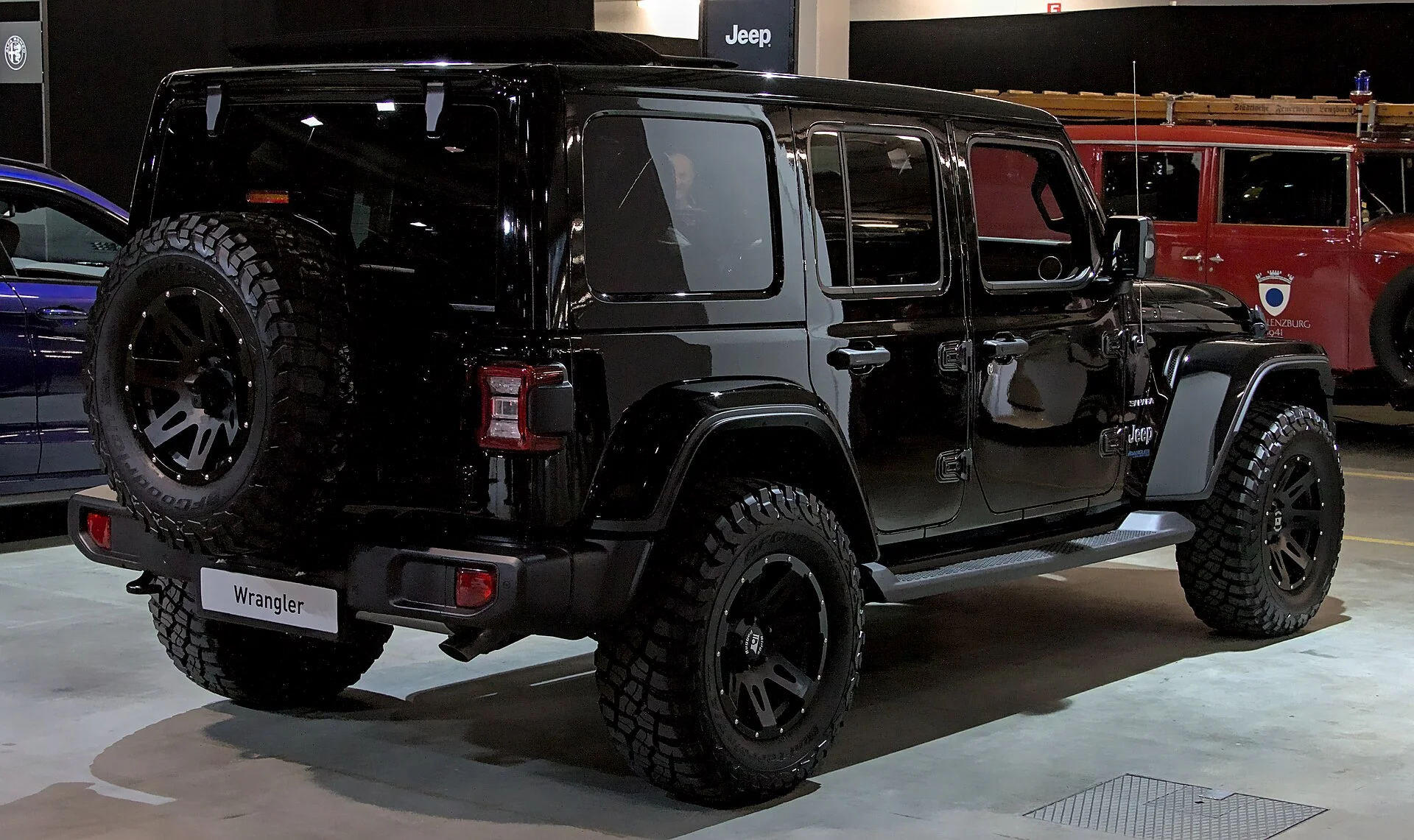
The Build Quality That Survives a Trail
Coverage and size decide the camp; build quality decides whether the awning survives the road to it. The ARB Touring 2500x2500 awning uses 25mm aluminum poles with 1.2mm arm thickness and canvas rated to a 1000mm water-head, and those three numbers describe the difference between a trail awning and a patio one.
The 25mm aluminum poles set the structure's stiffness. Thicker poles resist the flex and vibration a washboard road transmits through the rack, which is the failure mode that cracks lesser hardware over a season of dirt roads. The 1.2mm arm thickness is the same idea applied to the folding arms that carry the canopy's load.
The 1000mm water-head is the canvas rating, a measure of how much water pressure the fabric resists before it wicks through. A 1000mm rating is a meaningful weatherproofing figure for a vehicle awning, the kind of number that separates a canopy that sheds a real storm from one that mists through in a drizzle.
For an overlander, these are the specifications that matter more than a brand name, because they predict how the awning ages under vibration and weather. Poles and arm thickness govern structural survival; the water-head governs weather survival. Reading them before buying is how a rack-appropriate awning also turns out to be a durable one.
Weight Math: Awning Against the Dynamic Rating
The whole decision resolves into one comparison the buyer has to make deliberately. Take the awning's own weight, add anything else riding on the roof, and confirm the total stays under the rack's dynamic rating. The Batwing's roughly 48 lb is the awning's contribution; the rack's ceiling is either 88 lb (40 kg) or 120 kg (264 lb) depending on the system.
The reason to do this on paper first is that dynamic rating is not a soft guideline. It is the load the rack is engineered to carry in motion, and exceeding it on a trail, where impacts multiply the effective load, is how mounting points fatigue and fail far from help. Staying under the number with margin is cheap insurance.
Rather than assert a specific leftover figure, the honest method is to look up the awning's published weight, note the rack's published dynamic rating, and confirm the first is comfortably below the second with room for anything else stored up top. A wraparound awning near 48 lb on a rack rated to 264 lb leaves obvious margin; the same awning on an 88 lb rack does not.
This is the calculation that should precede the purchase, not follow the install. It converts two published numbers into a go or no-go decision, and it is the single check that most reliably prevents a Wrangler awning project from ending in a sagging bracket. Reference the vehicle's roof rack weight capacity before committing to any canopy.
Mounting Sequence and the Checks That Keep It Tight
With the parts matched to the ratings, the mount itself is a procedure worth doing in order. The awning bolts to the crossbars through universal brackets spaced along the 59-inch Vortex bars, and the goal is even bracket spacing so the canopy's load is shared rather than concentrated at one end.
Torque the bracket hardware to the awning maker's spec and route the mounting bolts so the awning sits level along the vehicle's side. A level mount deploys square and retracts clean; a rushed, uneven one binds the arms and lets the canopy pull unevenly on the brackets over time. Measuring bracket spacing before final tightening is the step that prevents a rattle three weeks later.
Once the awning is mounted, the discipline shifts to re-checking. Vibration loosens hardware, so the mounting bolts deserve a check after the first few trips and periodically after that, the same maintenance logic that applies to any roof-mounted load. A quick wrench check at each fuel stop on a long dirt run is cheap and catches a backing-out bolt before it becomes a lost awning.
The install also has to respect the door and tailgate swing on a 4-door, so the awning clears the rear glass when open. Confirming that clearance during the mount, before the hardware is fully torqued, avoids the discovery that the awning fouls the tailgate on the first camp setup. A clean install is measured, level, and rechecked, not rushed.
Deployment and Wind: What the Coverage Choice Costs at Camp
The awning's shape shows its real character at camp, not in the catalog, and the deployment differences are worth understanding before buying. A straight-arm awning covering 180 degrees pulls out from one side of the Jeep on two support legs, a quick single-motion setup that shades one flank. A 270-degree awning sweeps around the rear and side without legs on a self-supporting frame, covering far more ground but taking a moment longer to swing into place.
Wind is where the two diverge most. A larger canopy is a larger sail, and the 2.5m x 2.5m footprint of an ARB Touring awning catches meaningful wind when a gust comes up. The straight awning's support legs can be staked and guyed to hold it down, while a wraparound awning's larger unsupported span relies more on its frame and its rack mounting, which loops straight back to why the rack's dynamic rating and a solid mount matter.
The bigger the shade, the bigger the sail. A 270-degree awning buys the whole camp shade, but its larger span needs a solid rack and attentive staking when the wind picks up, or it becomes a liability.
The practical implication is that coverage is not a free upgrade. The 270-degree awning's roughly 48 lb and its larger wind-loaded area both argue for the stronger 120 kg (264 lb) Backbone rack and careful guying, while the lighter 180-degree straight awning is more forgiving on both counts. Choosing between them means weighing how much shade the camp needs against how much wind the site typically gets and how strong the mounting is.
The Verdict: Match the Awning to the Weakest Rating
The Wrangler awning decision is not really about the awning. It is about the rack, because the rack's dynamic rating is the ceiling everything else lives under. A gutter-mounted Vortex SG capped at 88 lb (40 kg) and a Vortex Backbone rated to 120 kg (264 lb) are two different projects wearing the same Jeep.
Work the choice rack-first. Identify the roof configuration and rack, look up its dynamic rating, subtract the awning's weight, and only then choose a size and coverage. A 2.5m ARB Touring canopy or a roughly 48 lb Batwing 270-degree awning both fit comfortably under a 264 lb Backbone rating; on an 88 lb gutter rack, the wraparound awning eats most of the ceiling and belongs on the stronger system.
Size and coverage follow from there. The ARB Touring 2500x2500 at 2.5m x 2.5m under the 6.9 ft mounting-height limit suits most Wranglers, and the straight-versus-270-degree choice trades the 180-degree single-wall shade against the wraparound coverage and its added weight. Build quality, the 25mm poles, 1.2mm arms, and 1000mm water-head, decides whether the awning survives the road to camp.
Get the order right and a Wrangler awning is a clean, durable addition rather than a fitment headache. A good vehicle awning matched to a rack that can actually carry it deploys in seconds and holds through the washboard, while the wrong-rated pairing sags on the first rough mile. The awning the Jeep can carry is always the right one.