
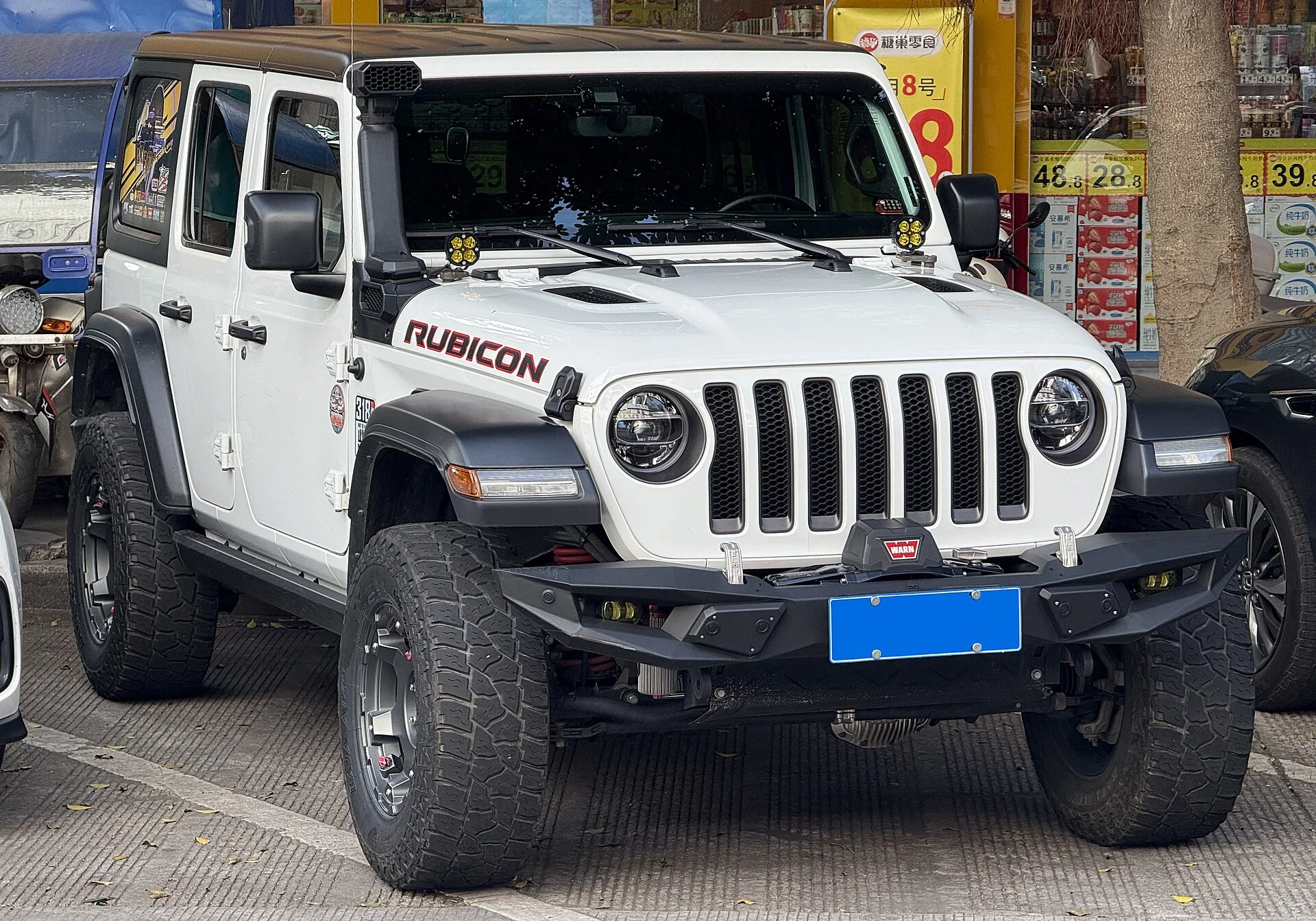
Open the Tailgate and the Truth Is a Twin Bed
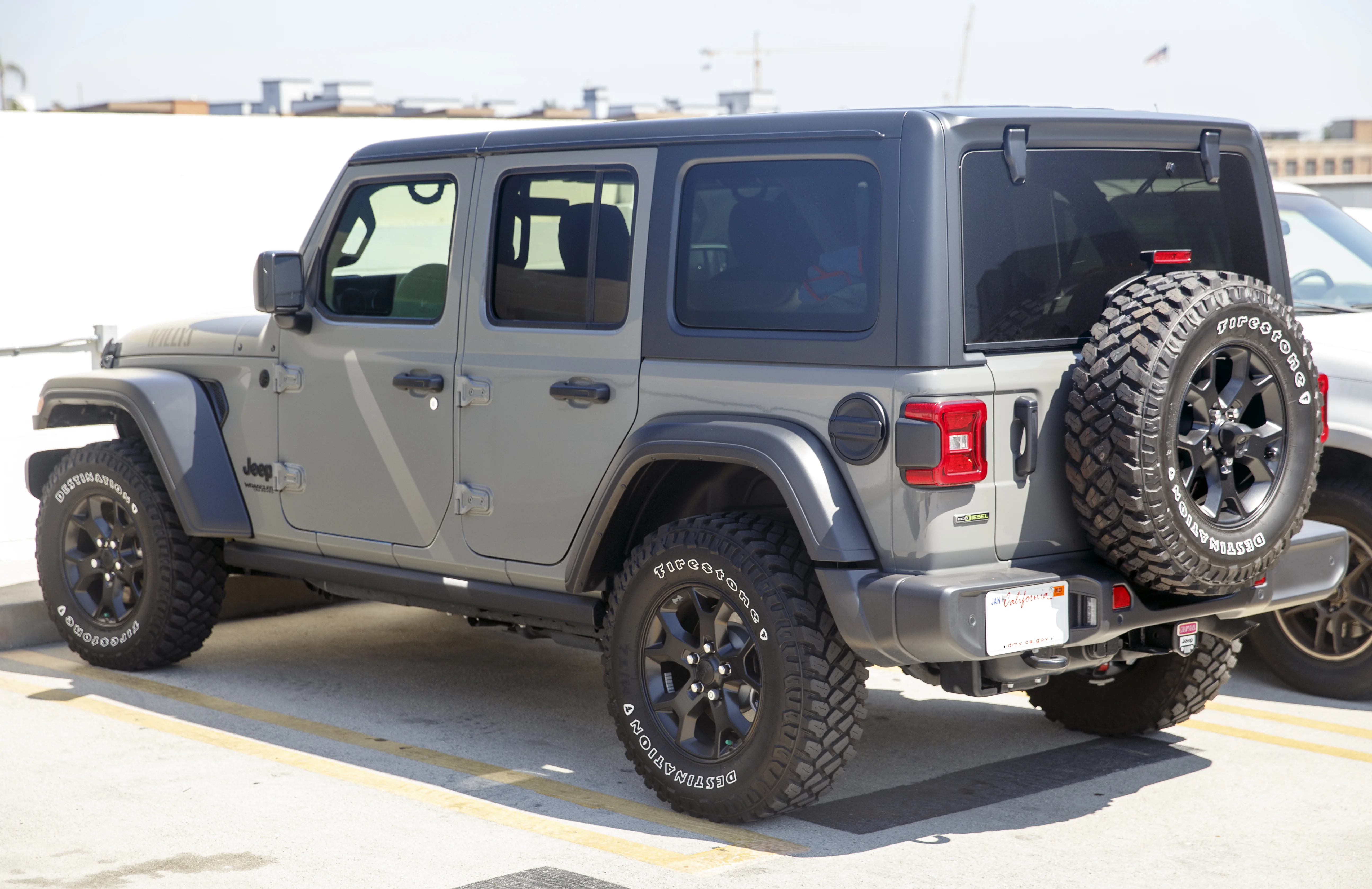
Open up the back of a 4-door Wrangler Unlimited, fold the rear seats, and the space that appears is closer to a twin bed than most owners realize — owners who have measured it put the footprint at roughly 39 by 74 inches. That is a genuine sleeping platform hiding in a vehicle nobody thinks of as a camper. The catch is that you only get it if you build to the real numbers, not the marketing.
The brochure will tell you the JLU holds 72.4 cubic feet with the seats down. That number is useless for a platform build, because cubic feet is a bucket of air and a bed is a flat rectangle. What you actually need are the length, the widths at several heights, and the opening — the measurements that never make it onto a spec sheet but that decide whether your plywood fits and your body lies flat.
What I love about the Wrangler for this is that it is an honest box. The cargo area is close to rectangular, the roll structure is predictable, and the removable top means you can build tall without feeling boxed in. It is one of the more rewarding vehicles to build a sleeping platform for, precisely because the shape cooperates once you know it.
Everything below traces to owner-measured dimensions of the JLU cargo area, described impersonally and credited to the forums where owners actually put a tape to it. I have not measured a specific Wrangler myself; I am reading their numbers the way a maker reads a cut sheet, and translating them into a build you can trust before you cut anything.
The Numbers That Actually Matter for a Build
Here are the measurements to build from, and they tell a far more useful story than 72.4 cubic feet. Start with length: owners measure about 66 inches from the tailgate to the back of the front driver's seat when that seat is slid fully to the rear. That is your baseline platform length before you optimize the front seats forward.
Now the widths, because the Wrangler narrows and widens at different heights and that shape drives the whole build. It is 59 inches from bedrail to bedrail, a roomy 61 inches at the hardtop from window to window, but only 43 inches between the rear fenders where the wheel wells intrude, and it pinches to 36.5 inches at the factory subwoofer. Four different widths in one cargo bay — that is the detail a build lives or dies on.
Then the opening: the tailgate aperture is 41.5 inches wide and 35.75 inches tall. Those numbers govern what you can slide in and out and how tall a platform-plus-storage stack you can load through the back. A drawer system that will not fit through a 35.75-inch opening is a drawer system you cannot install.
Put together, these say the JLU footprint approaches that twin bed, about 39 by 74 inches, but only when you understand which width applies at which height. The maker's move is to write all these numbers down before touching a saw, because a platform designed off the wrong width is a platform that either rocks on the wheel wells or wastes half the bay. The truth is in the measurements, not the cubic feet.
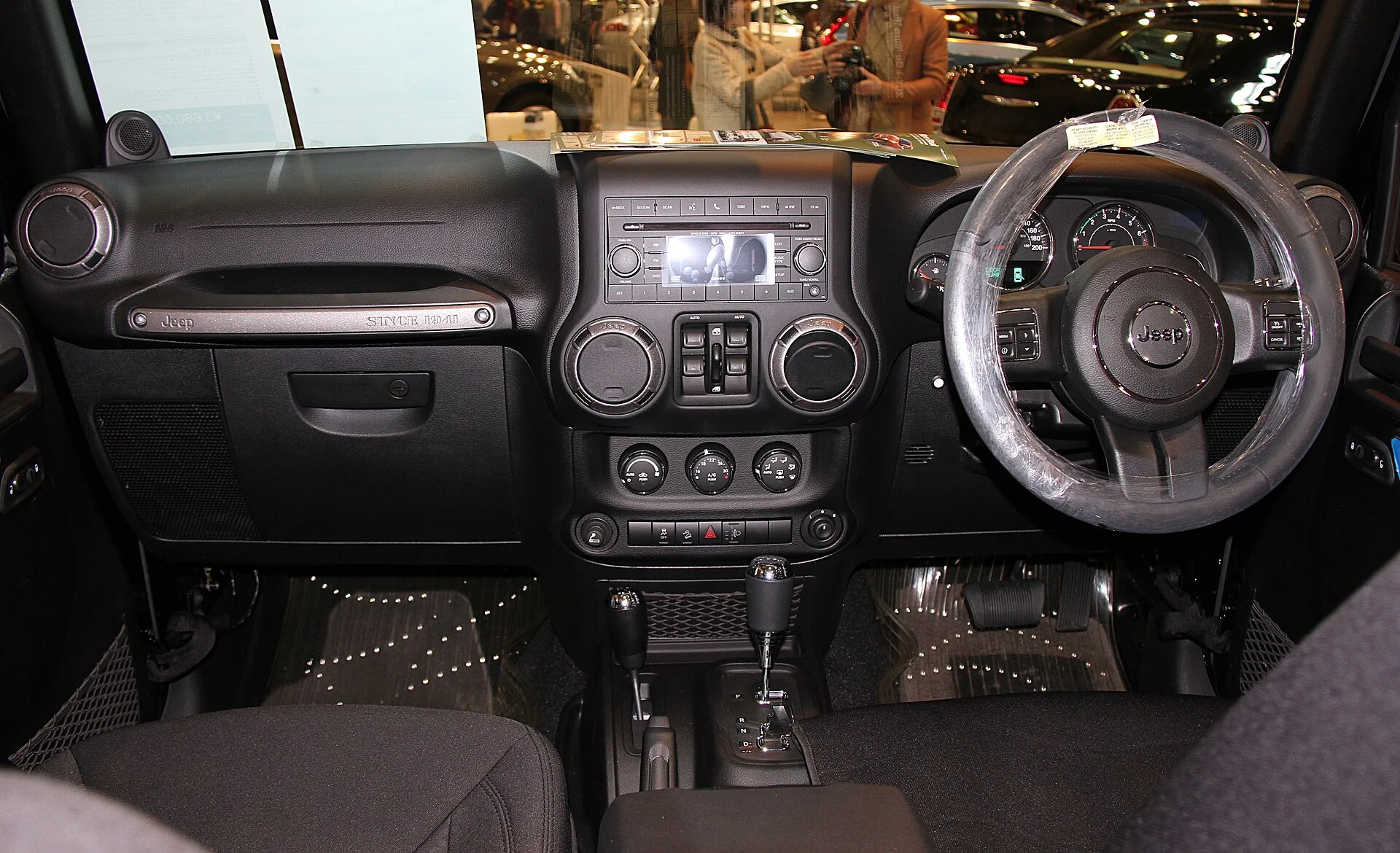
The Wheel-Well Pinch: Your Real Width Constraint
The single most important number in a Wrangler platform build is the 43 inches between the rear fenders, because the wheel wells are what a floor-level platform has to clear or sit above. Everything about how you build the base comes down to how you handle that pinch.
You have two honest options, and they define the build. Build the platform between the wheel wells and you are limited to that 43-inch width at the base, which is narrower than the 59-inch bedrail width and the 61-inch hardtop width above. Build the platform over the wheel wells, raising the surface above their height, and you reclaim the wider space up top — closer to the 59-to-61-inch width and much closer to a real bed.
Most good builds go over the wheel wells for exactly this reason. Raising the platform above the fenders gets you the width you want and creates storage underneath, which is the whole point of a platform versus just throwing a mattress on the floor. The cost is headroom, but with the Wrangler's removable top and tall cargo opening, you usually have room to spare.
What I always tell people building their first one: decide the platform height by the wheel wells first, then everything else follows. The 43-inch pinch is the constraint that shapes the design, and pretending the bay is a uniform 59 inches all the way down is the mistake that leaves a platform teetering on the fenders. Design around the wheel wells and the Wrangler gives you a wide, flat bed; ignore them and you fight the shape the whole build.
Reaching Full Length: The Front-Seat Trick
The length numbers hide a useful trick. Owners measure about 66 inches from the tailgate to the front seatback with that seat slid fully rearward — but a twin bed is 74 inches, and the JLU footprint is described as roughly that 39 by 74 inches. The difference is the front seats. Slide them forward and the usable platform length grows toward that full 74 inches.
This is the move that lets a six-foot adult actually stretch out. In its default position with the driver's seat back, the 66-inch length leaves a taller person short. Slide the front seats all the way forward — you are not driving while sleeping, so there is no reason not to — and you gain the extra length that reaches a genuine twin-bed footprint.
The design implication is that a smart platform either extends over the folded area up to where the forward-slid front seats allow, or uses a removable forward extension that you deploy at camp and stow while driving. Building to the 66-inch seats-back number wastes the length available; building to the full 74 inches with the seats forward gets you the bed the vehicle can actually offer.
The maker's habit is to measure both lengths in your specific Wrangler — seats back and seats fully forward — because seat travel and the exact fold vary. Then design the platform to reach the longer number at camp. That single adjustment, front seats forward, is the difference between a JLU you sleep in diagonally and one you stretch out straight in, and it costs nothing but knowing to do it.
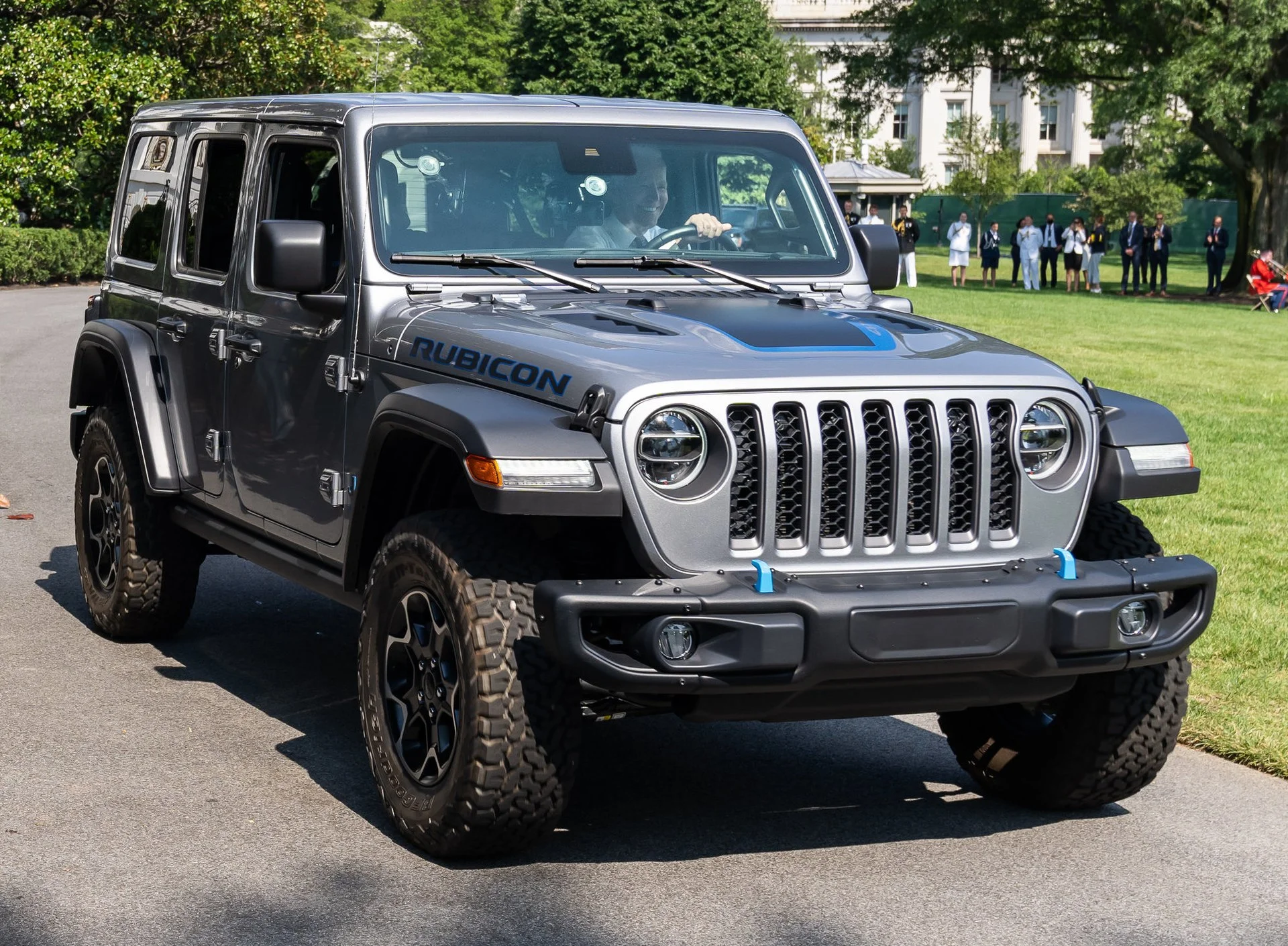
Height and the Storage Underneath
Once you have decided to build over the wheel wells, platform height becomes the next design choice, and it is a trade between under-storage and headroom. The taller the platform, the more you can slide underneath — bins, water, a fridge, tools — but the less sitting-up room you leave above. The 35.75-inch cargo opening height frames the whole stack you can load and live in.
The sweet spot for most builds is a platform just above wheel-well height, tall enough to clear the fenders and slide low bins underneath, but no taller than it needs to be. Every inch you add for storage is an inch of headroom you lose, and in a vehicle you sit up in to get dressed and cook, headroom matters. Build only as tall as the wheel wells and your storage bins require.
The under-platform space is where the Wrangler build pays off compared to a bare mattress. Sliding gear beneath the sleeping surface keeps the bed clear and the cabin organized, and drawers or bins on the 43-inch-wide base between the fenders make that space usable rather than a dark hole you dig through. Plan the storage as part of the platform, not an afterthought.
Remember the opening constraint while you design it. Anything you build to slide out the back for access — a drawer, a slide-out kitchen, a gear tray — has to pass the 41.5-inch by 35.75-inch opening. Measure your components against that aperture before building, because the most elegant drawer in the world is useless if it will not clear the tailgate. Design the storage and the opening together.
Working Around the Wrangler's Quirks
Every vehicle has the parts they hoped you would just work around, and the Wrangler has a few that shape a platform build. The most notable is that 36.5-inch pinch at the factory subwoofer — a spot where the cargo width narrows more than the 43-inch wheel-well width. If your build sits low on one side, that subwoofer housing is a real intrusion to design around or over.
The roll structure is the next quirk, and it is a feature, not a flaw, once you plan for it. The Wrangler's sport bar and rear frame are predictable, which means you can build against them for support, but you have to account for where they land relative to your platform edges. Measuring to the roll structure, not just the sheet metal, keeps your platform from fighting the cage.
The removable top is the Wrangler's gift to a builder. Because the hardtop or soft top comes off, you can build a taller platform without the claustrophobia a fixed-roof SUV imposes, and you gain open-air options no other vehicle in this class offers. It also means measuring your headroom with the top you actually camp under, since a soft top and hardtop sit differently.
The tinkerer's approach is to treat these quirks as design inputs, not obstacles. Measure to the subwoofer pinch, the roll structure, and the top you run, and build the platform to live with them rather than against them. The Wrangler rewards a builder who reads its shape honestly — the box is close to rectangular, but the details at the edges are where a clean build separates itself from one that rocks and rattles down the trail.
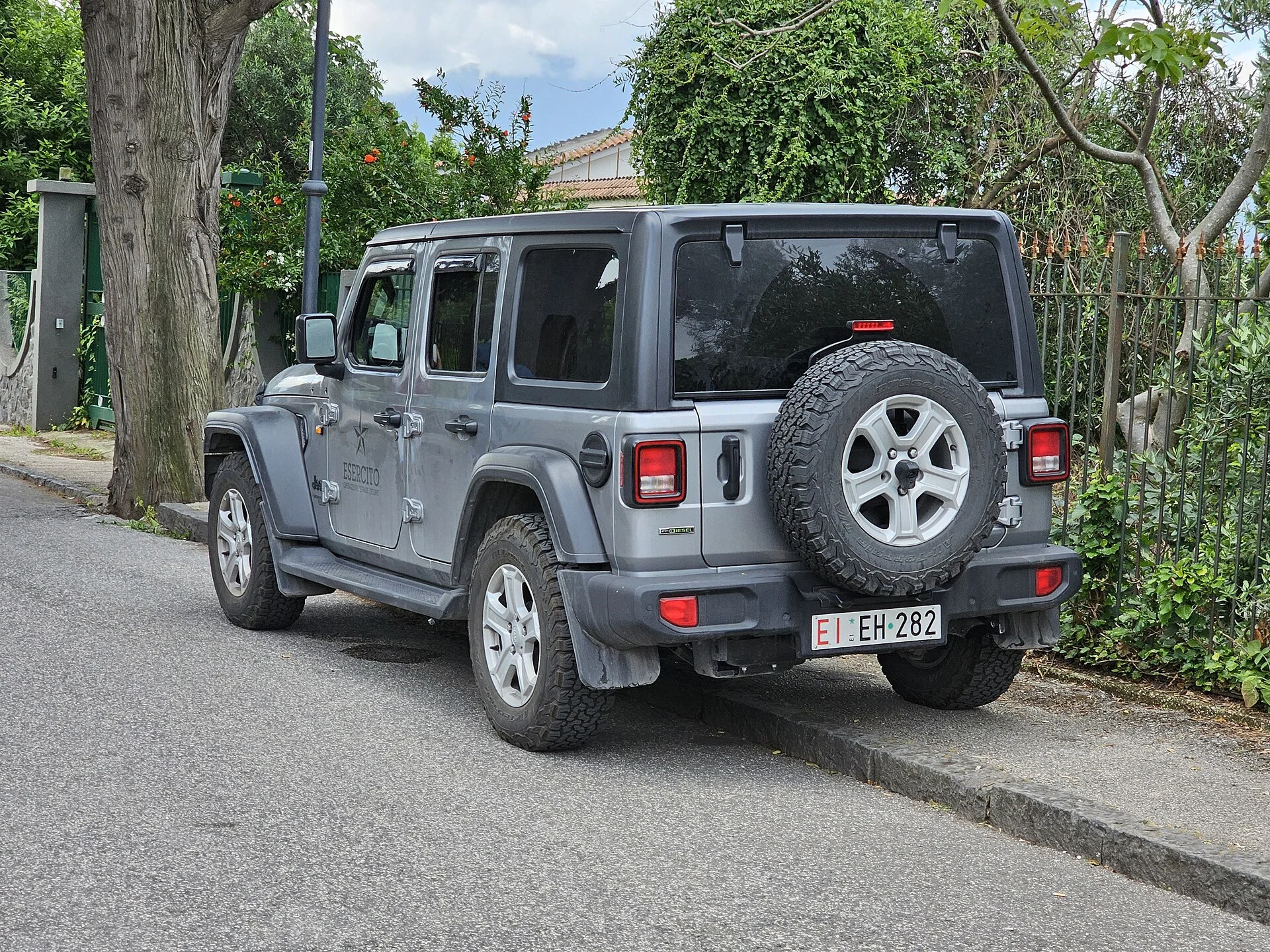
Materials and a Modular Build
With the dimensions in hand, the build itself is refreshingly simple, and I always steer first-timers toward a modular design. Rather than one giant platform, build it as sections that fit through the 41.5-inch opening and bolt together inside. Modular pieces are easier to handle, easier to remove when you need the full 72.4 cubic feet for cargo, and easier to fix if one part fails.
Plywood is the honest budget material — strong, cheap, and easy to cut to the 43-inch width between the fenders or the wider dimension above them. A three-quarter-inch sheet handles sleeping loads without flexing when supported properly, and you can carpet or pad the top for comfort and quiet. The repairability is a feature: a plywood platform that gets damaged is a cheap fix, unlike a molded commercial unit.
Support is where builds succeed or fail. The platform needs legs or a frame that carry the load down to solid points, not just resting on the wheel wells and the seatbacks. Design the supports to land on structure, level the surface across the 59-inch width, and brace against movement so the whole thing does not walk around on rough roads. A platform that shifts is a platform that rattles and eventually cracks.
If building from scratch is not your thing, modular commercial systems exist, and a Wrangler cargo platform and drawer system can save the weekend at a higher cost. But the JLU is such a friendly box that building your own to the measured dimensions is genuinely satisfying and fits far better than anything generic. Cut to the numbers, support it properly, and make it modular, and you have a bed that fits like it was meant to be there.
Mattress, Bedding, and Sealing Out the Weather
A platform is only half a bed; the surface on top decides comfort. Because the sleeping footprint approaches a twin at roughly 39 by 74 inches, a trimmed twin foam mattress or a couple of interlocking foam sections drop right in. Firm three-inch foam balances packability against cushioning, and a topper that breathes keeps condensation from pooling underneath on cold nights.
Bedding in a Wrangler earns its keep when it insulates from below. Heat escapes downward into the cargo floor and the metal beneath, so an insulating pad or reflective layer between the plywood and the mattress does more for warmth than an extra blanket. Owners who skip that under-insulation wake up chilled despite a warm sleeping bag, chasing heat they are losing straight through the deck.
Weather sealing is the Wrangler's honest weakness for sleepers. The removable top and the door seals are not as airtight as a unibody SUV, so wind-driven rain and dust find their way in around edges that a fixed-roof vehicle keeps out. Building your platform with that in mind, keeping electronics and bedding in sealed bins below, protects your gear from the drafts the vehicle lets through.
The finishing move a careful builder makes is to test the whole setup in the driveway before the trip. Lay out the mattress, run the bins underneath, close the top you camp under, and spend a night. You will find the drafty corner, the bin that will not slide, and the headroom you actually have, in your own driveway rather than at a remote campsite where fixing it is a problem. Shake it down at home, and the first real night out is the good one.
The Verdict: Build to the Measured Box, Not the Cubic Feet
The 4-door Wrangler Unlimited is a genuinely good sleeping-platform vehicle, and the reason is in the measured numbers, not the 72.4-cubic-foot headline. Fold the seats and you have close to a twin-bed footprint, about 39 by 74 inches, in an honest, nearly rectangular box with a removable top that lets you build tall.
The three numbers that make or break the build are the 43 inches between the rear fenders that pushes you to build over the wheel wells, the length that runs from 66 inches with the seats back to a full 74 inches with them slid forward, and the 41.5-by-35.75-inch opening that governs what fits through the tailgate. Design around those three and everything else falls into place.
So do the thing the spec sheet cannot: measure your own Wrangler at every relevant width and both lengths, build over the wheel wells for width and storage, slide the front seats forward for length, and make it modular so it comes apart when you need the cargo space back. Build to the measured box and the Wrangler becomes a wide, flat bed with a basement of storage. Build to the cubic-foot number and you will be cutting plywood twice.