
The Short Answer, and the Assumptions to Drop
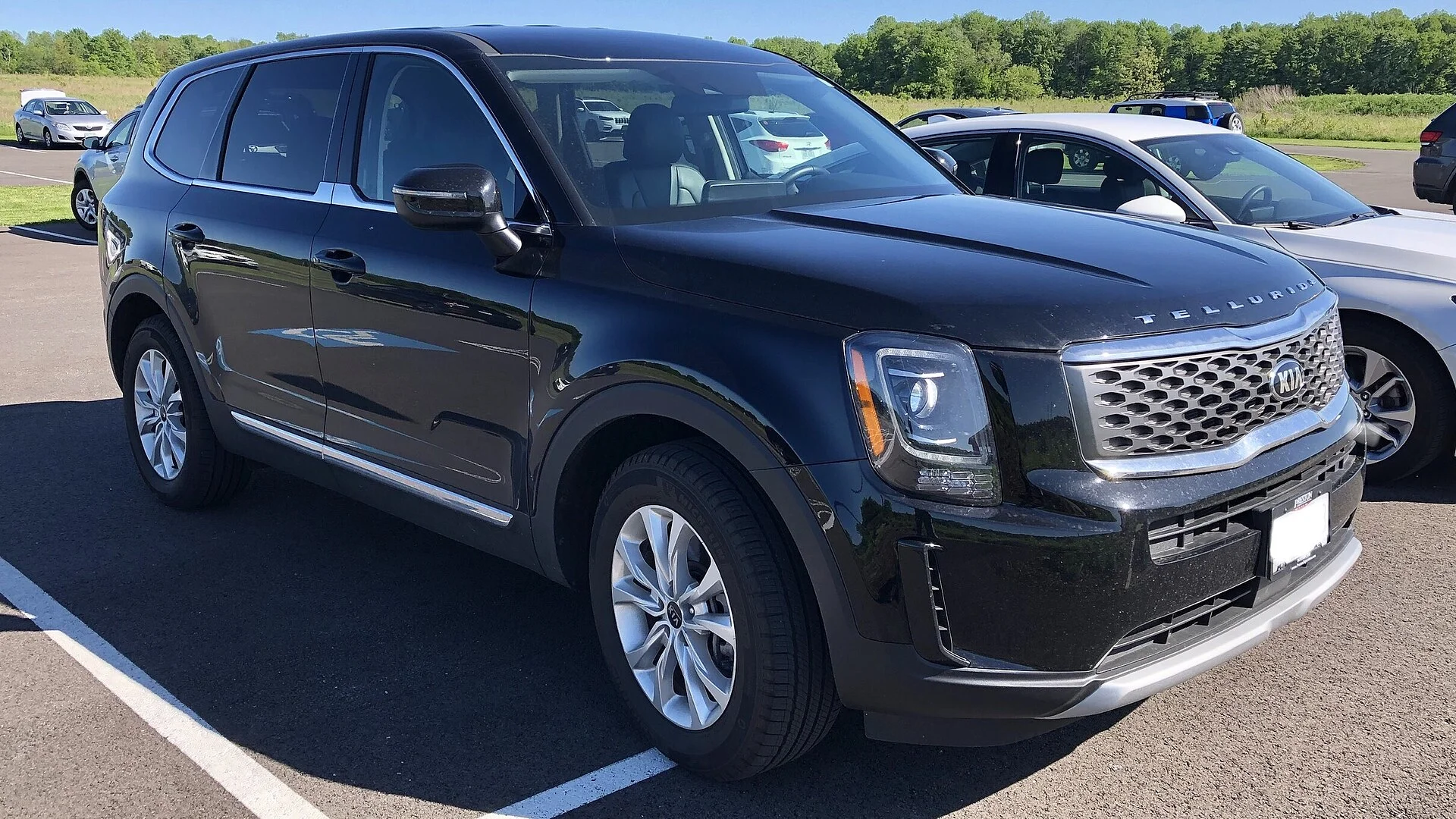
Marketing sells a modern SUV as smart enough to look after you. Reality is narrower. Running the AC in a Kia Telluride overnight is generally safe, but only in open air with a fully clear exhaust path, and it is genuinely dangerous in a garage, against a wall, or with a blocked tailpipe. The vehicle's features do not change that; where you park does.
Before the details, drop two comforting assumptions people carry into this. First, the Telluride's Auto Stop-Start does not shut the engine off overnight to protect you. Second, a newer, cleaner V6 still pumps out carbon monoxide the entire time it idles. Neither the badge nor the tech is a safety system for sleeping with the engine on.
This guide checks each reassuring belief against what the Telluride's own specs and the CDC actually say. The answer is not scary once you understand it, but it is the opposite of 'the car handles it.' You handle it, by parking in the open, keeping the exhaust clear, and running a detector. Let me walk through why.
Myth One: Auto Stop-Start Will Shut It Off
The first assumption to test is the most dangerous, because it sounds so plausible. The Telluride offers Auto Stop-Start, also called Idle Stop, and people assume it means the engine manages its own idling. It does not. That feature shuts the engine at traffic stops and restarts it automatically, but no published feature times out or auto-shuts-off the engine after hours of stationary overnight idling.
Read that carefully, because the gap between what it does and what people think it does is where the risk lives. Stop-start is a fuel-economy feature for stop-and-go driving, not an overnight safety timer. Left idling in a parking spot, the Telluride will run until the tank is empty without ever deciding you have idled long enough.
So the marketing-adjacent belief that 'the car will turn itself off' is simply false for overnight use. There is no automatic backstop. The engine runs as long as you let it, which means the responsibility for stopping, monitoring, and placing the vehicle safely is entirely yours. Assume the opposite and you have built your safety plan on a feature that was never designed for the job.
It is worth understanding why the feature exists, because it explains why it does not help you here. Stop-start was engineered to shave fuel and emissions during the dozens of brief stops in city driving, a red light, a drive-through, a stuck lane. Its entire logic is tuned to restart the instant you lift off the brake, which is the opposite of what an overnight safety timer would do. Reading a fuel-economy feature as a life-safety feature is exactly the kind of category error that gets people hurt, and the Telluride gives you no reason to think otherwise unless you check.
Myth Two: A Modern V6 Is Clean Enough
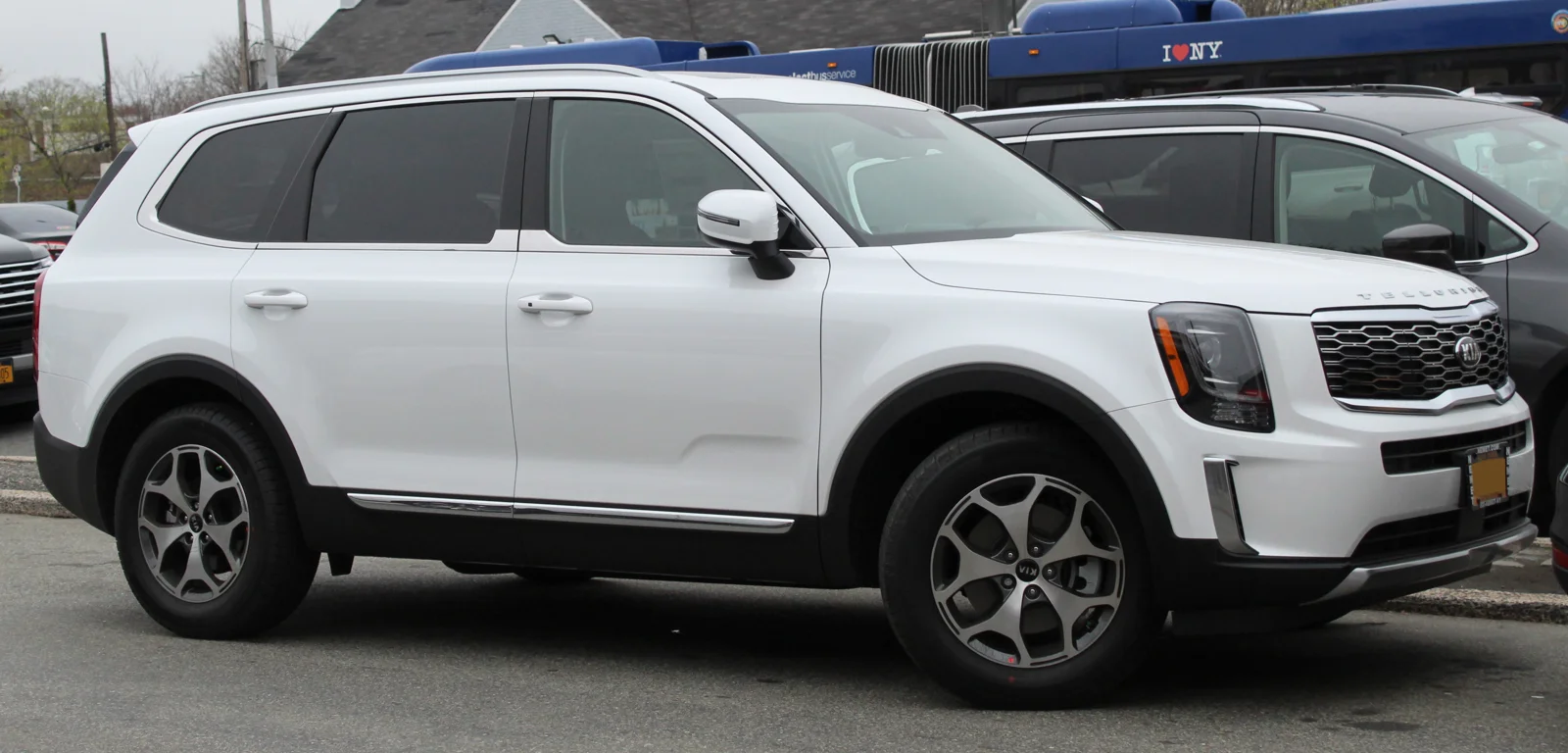
The second assumption is that a newer engine is clean enough to idle around safely. The Telluride is powered by a 3.8L V6 making 291 hp and 262 lb-ft of torque, mated to an 8-speed automatic, with a 13.0:1 compression ratio running on 87-octane regular gasoline. It is a refined, efficient engine. It is also not clean in the way that matters here.
Check the number that actually counts. A properly running gasoline engine produces more than 30,000 ppm of carbon monoxide in the exhaust stream before the catalytic converter, so the exhaust is always highly toxic. That is true of the Telluride's modern V6 exactly as it is true of a decades-old engine, because it is a product of combustion, not of age or tuning.
And the Telluride is a gas-only V6, not a hybrid, so the engine runs continuously while the AC is on and emits exhaust the entire night. There is no electric mode to lean on. Carbon monoxide is colorless and odorless, and the CDC reports more than 400 Americans die each year from unintentional CO poisoning not linked to fires, with more than 100,000 emergency-department visits and more than 14,000 hospitalizations. 'Modern' does not exempt the Telluride from that.
How Fast the Real Danger Builds
Here is why the exhaust assumption is worth dismantling: the danger is fast, not gradual. CDC data cited by CO-safety references show CO reaches the Immediately Dangerous to Life and Health level of 1,200 ppm in only 7 minutes when a small 5-horsepower gasoline engine runs in a 10,000-cubic-foot room. The NIOSH IDLH concentration for carbon monoxide is that same 1,200 ppm.
Now scale it. The Telluride's V6 is far larger than a 5-horsepower engine, and a cabin is far smaller than a 10,000-cubic-foot room, so in an enclosed space the buildup is quicker still. A 1-hour exposure to roughly 1,500 to 2,000 ppm CO can be a dangerous concentration, with flu-like symptoms: headache, dizziness, weakness, upset stomach, vomiting, chest pain, and confusion.
As it binds to your blood the effects climb: as carboxyhemoglobin rises, 10 to 20% causes slight headache, about 35% impairs manual dexterity, and around 40% causes mental confusion and loss of coordination. The point a skeptic insists on is that this is a minutes-scale hazard, not an hours-scale one. That timescale is why 'I'll notice if something's wrong' is not a plan.
Myth Three: The Catalytic Converter Handles It
The third comforting belief is that the catalytic converter cleans the exhaust enough to make idling safe. It is a real device that does real work, but not in the situation people invoke it for. A running engine's catalytic converter becomes ineffective when oxygen is low, as in a garage or enclosed space, so idling in an enclosed or partially enclosed space is dangerous even with a door cracked open.
The converter needs oxygen to reduce CO. In open air it has plenty and does its job; in an oxygen-starved enclosed space its efficiency falls off exactly when you are counting on it. So the part that lowers tailpipe CO while you drive down the highway is not a backstop for parking in a closed garage or a walled-in pocket overnight.
This is the trap in 'I'll just leave the door cracked.' A cracked door does not restore the oxygen the converter needs and does not clear an enclosed exhaust path. The converter is a normal-operation emissions device, and treating it as an overnight-idling safety system is one more assumption that fails precisely where you need it most.
The One Hazard That Is Documented, Not Theoretical
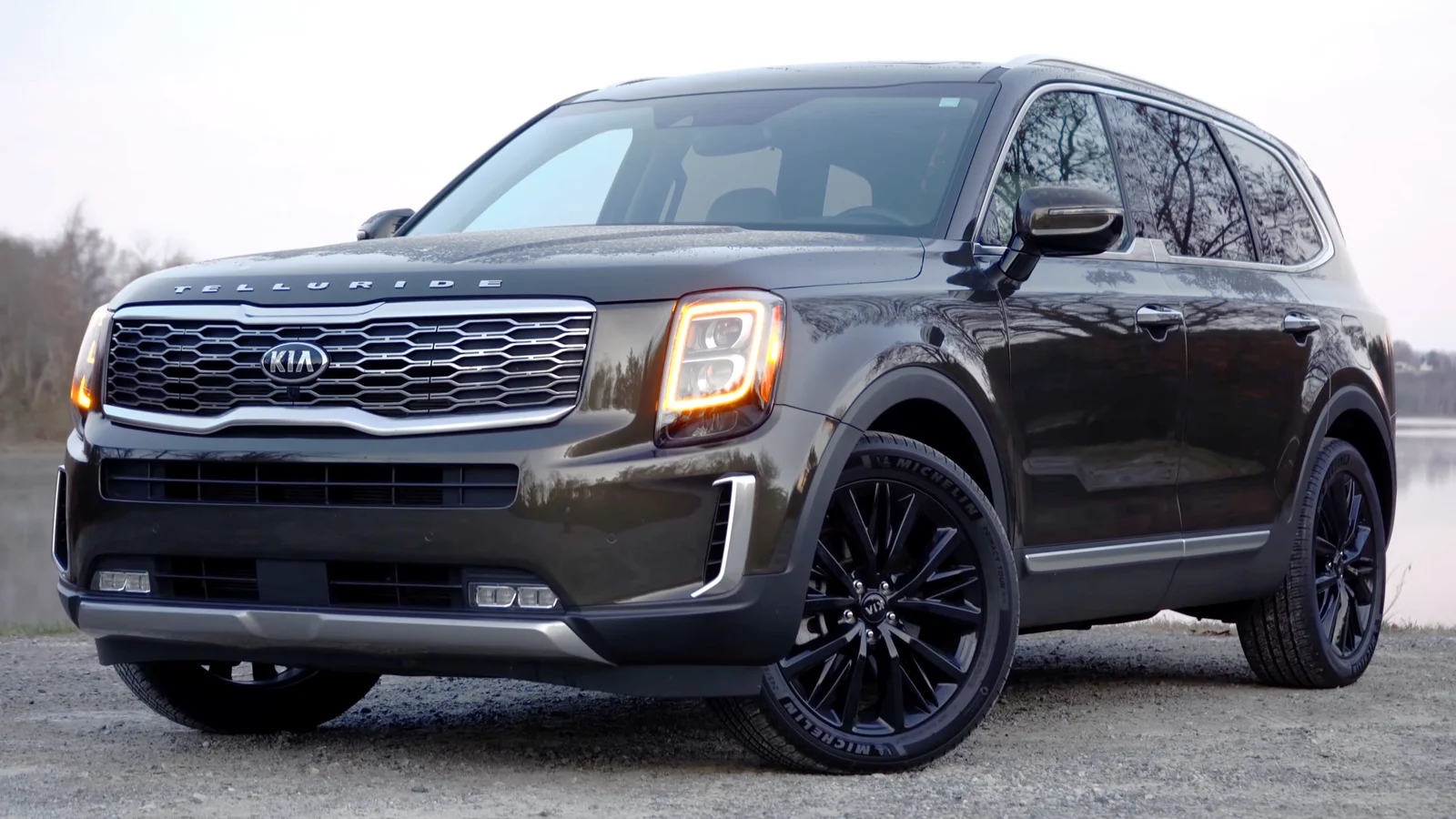
Set the myths aside and here is the concrete, documented killer. The CDC has documented fatal CO poisonings from snow-obstructed vehicle exhaust systems: a tailpipe blocked by snow, a wall, or debris lets CO back up into the cabin while idling, so the exhaust path must be fully clear. This is not a hypothetical; it is tied to real deaths.
The mechanism is simple. If the tailpipe cannot vent freely, the exhaust routes up through the underbody into the cabin instead of dispersing behind the vehicle. Snow is the classic cause because it accumulates unnoticed around a parked vehicle, but a wall, a snowbank, brush, or another vehicle close behind does the same. It does not require a garage to be deadly.
The safeguard is physical and costs nothing: before you sleep with the AC running, confirm the tailpipe is clear and there is open space behind the vehicle, and check again if it snows. No feature on the Telluride does this for you, which is the recurring theme, the protections are things you do, not things the vehicle provides.
Fuel and Battery: Not the Real Constraints
To be fair to the vehicle, two things people worry about are not the problem. Idling keeps the alternator spinning and charging the 12V battery, so the battery will not drain the way it does when the AC or fan is left on accessory or battery-only power with the engine off. Run the AC off the running engine and you wake up to a charged battery.
Fuel is likewise modest. A mid-size six-cylinder SUV typically burns about 0.35 to 0.65 gallons per hour at idle, and the AC compressor adds roughly 10 to 30%, so expect the Telluride to burn on the order of 0.4 to 0.65 gallons per hour at idle. Against its 18.8-gallon fuel tank, that supports roughly 29 to 47 hours of stationary idling before running dry.
So the honest scorecard: the battery is fine, the fuel is cheap, the engine will happily idle all night. That is exactly what makes the safety point easy to overlook, because nothing mechanical stops you or warns you. The Telluride removes every obstacle to idling except the one that matters, and it does nothing to address that one.
That is the pattern worth naming across all of these features. Each one is genuinely good at its actual job, and none of them was designed for overnight sleeping safety. The alternator manages the battery, the stop-start manages city fuel economy, the converter manages tailpipe emissions while driving. Line them up and it is easy to feel surrounded by protection, but not one of them is watching the cabin air while you sleep. The competence of the vehicle is real and beside the point.
You Cannot Monitor Yourself Asleep
The last assumption to bust is the most personal: that you would notice if the air went bad. You would not, and the reason is specific. CO poisoning symptoms mimic normal sleepiness, headache, drowsiness, and nausea, so sleeping occupants may not wake up to escalating CO. The warning your body gives reads as being tired, and you sleep straight through it.
Standard ventilation guidance is to crack a window on the side away from the exhaust and prevailing wind, but a cracked window is not a substitute for a fully clear exhaust path and open-air surroundings. It is a comfort measure that makes people feel protected without actually protecting them, which is the most dangerous kind of half-measure.
This is why a battery CO alarm and open-air placement matter more than simply cracking a window. A sleeping person cannot self-monitor, the Telluride will not monitor for you, and the symptoms disguise themselves as ordinary drowsiness. The only thing that reliably watches the air while you sleep is a device built to do exactly that.
What Actually Keeps You Safe
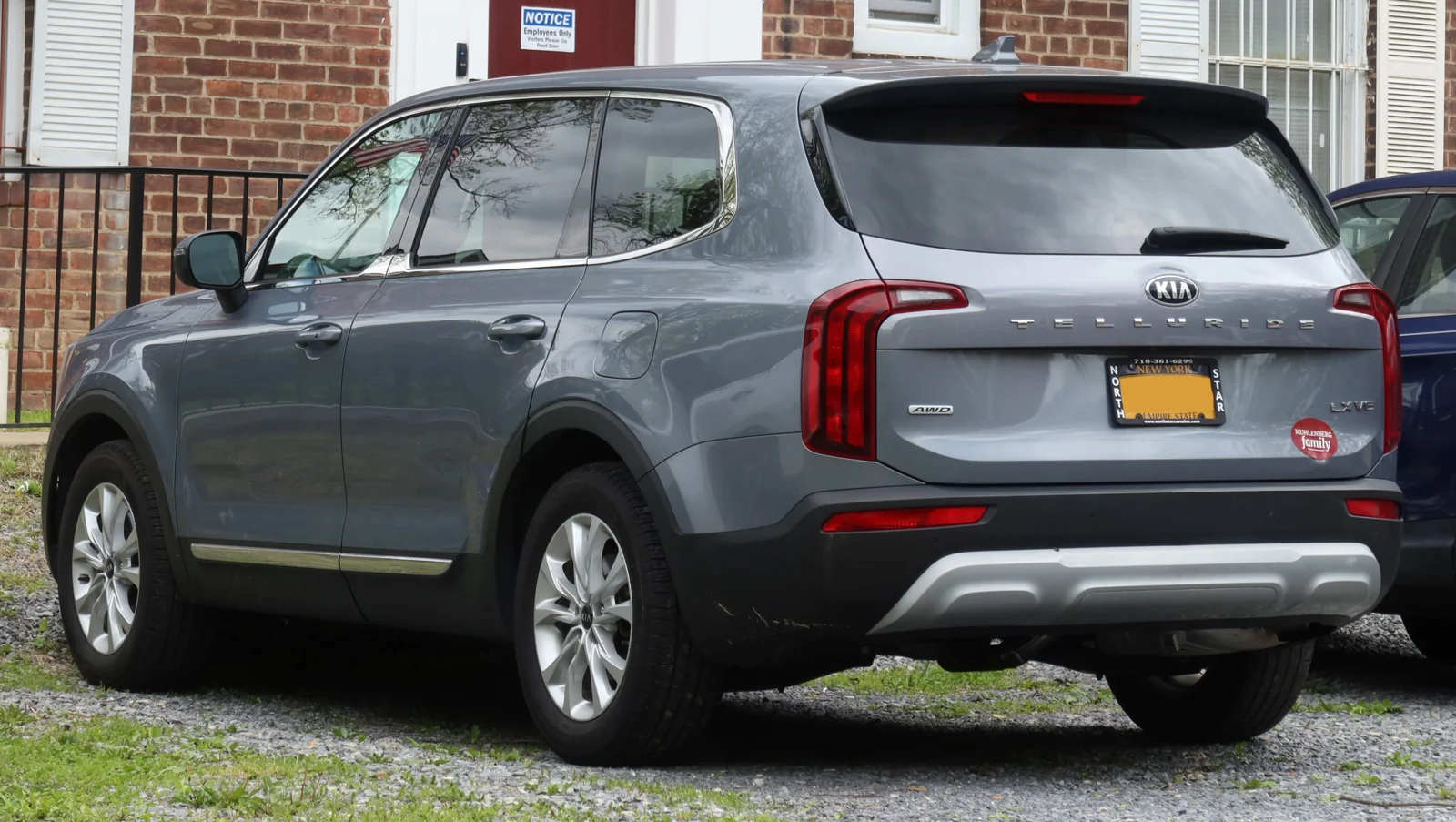
Strip away the assumptions and the real safety system is short and cheap. Park in genuinely open air, never a garage or a spot enclosed on multiple sides. Confirm the tailpipe and the space behind the vehicle are clear of snow, brush, walls, and other vehicles. Keep enough fuel to idle and still reach a station. Then idling the V6 for cool air is reasonable.
Add the one device that does the job the Telluride does not. A battery-powered carbon monoxide detector in the cabin alarms on rising CO while you sleep, which no feature on the vehicle and no amount of self-monitoring can do. It is the single most important piece of gear here, and skipping it is the assumption that costs the most.
For the fuller picture, the Kia Telluride car camping guide and the right Telluride camping gear cover sleeping setups, while the how long you can idle safely guide and the CO detector guide dig deeper on idling and detection.
The Verdict: Safe if You Trust the Facts, Not the Features
Is it safe to run the AC in a Kia Telluride overnight? Yes, generally, but only in open air with a fully clear exhaust path, and never in a garage or enclosed space. The comforting assumptions people bring to this question are the trap: Auto Stop-Start does not shut it off overnight, a modern V6 still emits carbon monoxide, and the catalytic converter does not save you enclosed.
The Telluride makes idling easy, a charged battery, cheap fuel from the 18.8-gallon tank, quiet cooling, which is exactly why the safety burden is easy to miss. Nothing on the vehicle stops you, warns you, or watches the air. The two killers, a blocked or enclosed exhaust and drowsy occupants, are addressed only by open-air parking and a CO alarm.
So trust the facts over the features. Park in the open, keep the tailpipe clear, run a detector, and overnight AC in a Telluride is a reasonable comfort. Trust the badge or the tech to protect you, and you have skipped the only safety system that was ever going to work, the one you build yourself.