
Impact of Heavy Car Accessories on Fuel Efficiency and Depreciation
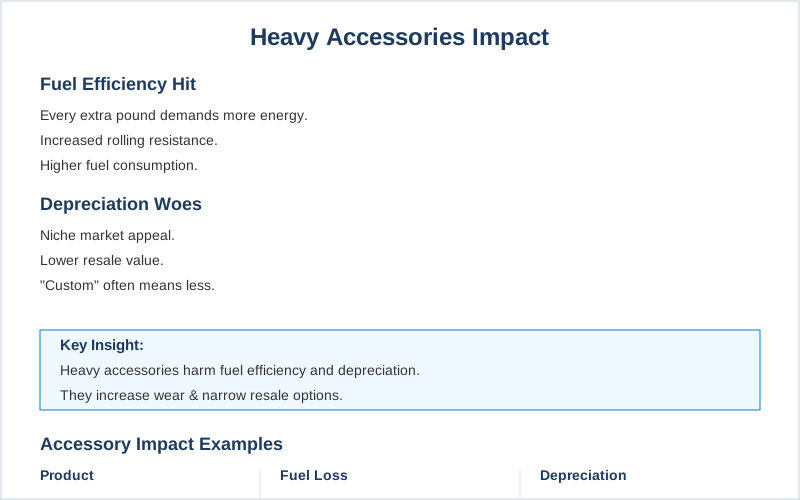
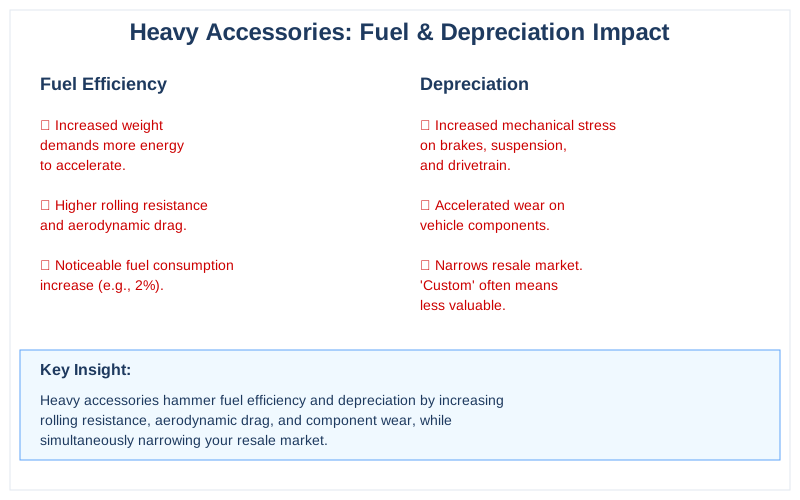
Slapping an extra 500 pounds of gear onto your truck isn't just about looking cool; it's a direct hit to your wallet, starting with an immediate 2% drop in fuel economy. Every kilogram of added mass demands more kinetic energy to accelerate, and more work from the engine to maintain speed against rolling resistance.
Slapping an extra 500 pounds of gear onto your truck isn't just about looking cool; it's a direct hit to your wallet, starting with an immediate 2% drop in fuel economy. Every kilogram of added mass demands more kinetic energy to accelerate, and more work from the engine to maintain speed against rolling resistance.
This isn't theoretical; I've seen fuel logs where a fully kitted out service van burns an extra 0.5 gallons of diesel per 100 miles, every single day. The federal fuel efficiency rules try to push manufacturers to lighten vehicles, but then we just load them up with steel bumpers and rooftop tents. Brilliant.
The mechanical stresses on your suspension, braking system, and drivetrain increase proportionally. More weight means higher shear forces on control arm bushings, greater thermal loading on brake rotors, and accelerated wear on transmission components. And let's not even start on depreciation - try selling a lifted, heavily accessorized rig to anyone who isn't looking for exactly that setup. It's a niche market, and your 'custom' often translates to 'less valuable' for the average buyer.
The Section 179 tax deduction might look sweet for initial purchases, but it won't save you from the real-world operational costs of a heavy vehicle.
The Short Answer

The Reality Check
The 'cool factor' of a heavily modified vehicle often blinds owners to the fundamental engineering principles at play. Every modification, especially those adding mass or disrupting airflow, has a measurable impact on performance and longevity. It's not magic; it's thermodynamics and mechanics. Take, for instance, a 150-pound steel bumper. That's a permanent increase in sprung mass. Your suspension components, designed for a specific load range and damping rate, are now operating outside their optimal window. This leads to reduced ride quality, premature wear on shock absorbers due to increased work cycles, and potentially reduced braking performance because of altered weight transfer dynamics. The brake rotors will experience higher thermal cycling, accelerating crack propagation and warpage.| Component | How It Fails | Symptoms | Fix Cost |
| Heavy Duty Springs/Shocks | Fatigue failure from constant compression cycles beyond OEM spec, oil viscosity breakdown from thermal cycling. | Sagging ride height, reduced damping, excessive body roll, 'bouncy' feel. | $800 - $2500 per axle |
| Tires (All-Terrain/Mud) | Increased rolling resistance, higher tread wear rate from increased load and aggressive patterns. | Reduced fuel economy (5-15% hit), road noise, premature replacement (20,000-30,000 miles vs 50,000+ for street tires). | $1000 - $2000 per set |
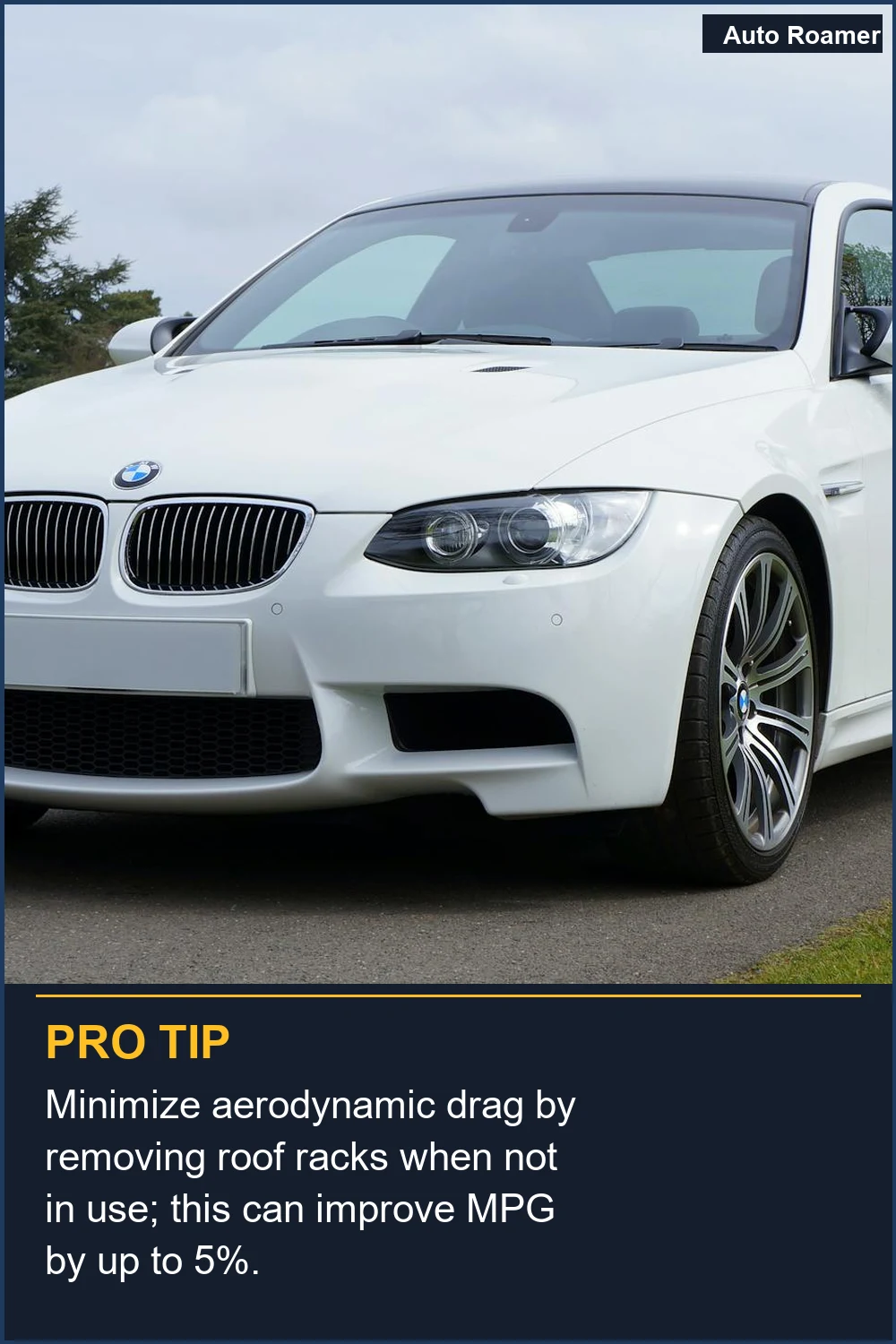
| Roof Racks/Tents | Increased aerodynamic drag, wind noise, localized stress on roof mounting points. | 3-10% fuel economy drop at highway speeds, whistling, potential roof panel deformation over time. | N/A (Cost is ongoing fuel burn) |
| Heavy Bumpers/Winches | Added unsprung mass, increased front axle load, accelerated wear on front suspension and steering components. | Front end sag, imprecise steering, increased braking distance, premature ball joint/tie rod failure. | $500 - $1500 (component replacement) |
How to Handle This
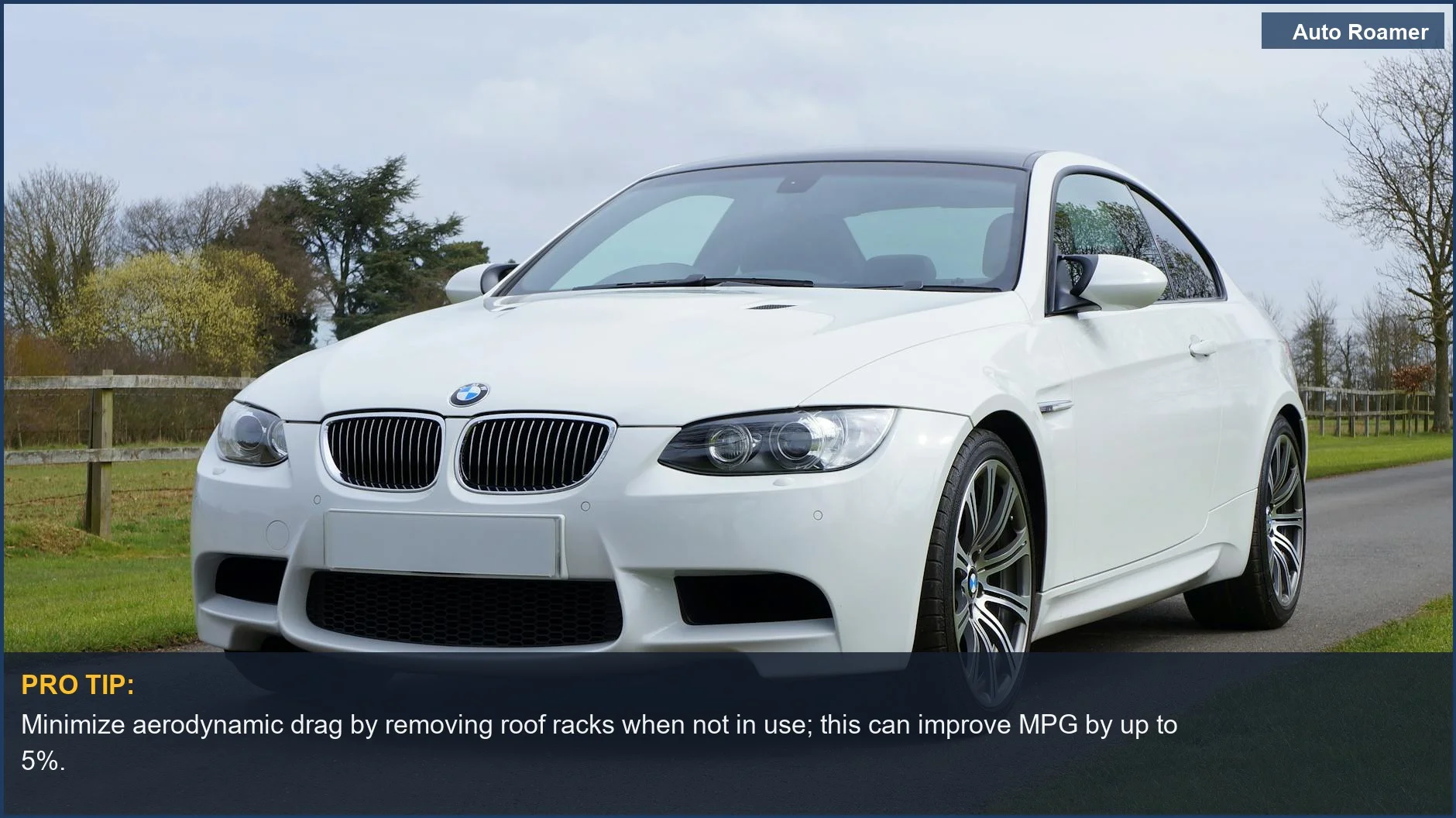
So, you've realized your adventure rig is costing you a fortune in fuel and future resale value. Don't panic. You've got options beyond just selling the whole damn thing at a loss. The goal here is to reduce unsprung mass, improve aerodynamics, and restore the vehicle closer to its factory specifications where possible. 1. Audit Your Gear (and Your Wallet): Start by meticulously cataloging every accessory. Weigh each item if possible, or look up manufacturer specs. That 100-pound roof rack might only see use once a year. Is that worth the 0.5 mpg penalty you're taking every single day? The Department of Energy states a 10% weight reduction can improve fuel economy by 6-8%. Do the math on your annual fuel bill. My last truck was burning an extra $600 a year just from a permanent roof rack and heavy spare tire mount. That's a lot of beer money. 2. Remove Non-Essential Weight: This is the easiest, cheapest fix. Take off the rooftop tent, extra fuel cans, and recovery gear when you're not actively using them. That 150-pound rooftop tent and 50 pounds of recovery boards are just dead weight for your daily commute. This alone can improve highway fuel economy by 1-3 mpg. It's not glamorous, but it works. 3. Optimize Aerodynamics: If you must have a roof rack, choose a low-profile, aerodynamic design. Consider a fairing to reduce wind noise and drag. For truck beds, a tonneau cover can reduce turbulence in the bed, potentially improving fuel economy by 1-2%. Every little bit of drag reduction helps, especially above 50 mph. 4. Consider Lightweight Alternatives: If you need specific functionality, look for lighter materials. Aluminum bumpers instead of steel, synthetic winch rope instead of steel cable, composite skid plates instead of thick steel. These often cost more upfront but pay dividends in reduced fuel burn and less stress on suspension components. It's a long-term investment that minimizes the mechanical and thermal loads on your vehicle. 5. Evaluate Suspension & Tire Choice: If your heavy accessories are permanent, consider upgrading your suspension to a system designed for the increased GVWR. This isn't about lift; it's about proper spring rates and damping. For tires, choose the least aggressive tread pattern that meets your needs. Switching from a mud-terrain to an all-terrain tire can noticeably reduce rolling resistance and road noise. Check your tire's load rating to ensure it can handle the increased vehicle weight. Vehicles under 6,000 pounds have a Section 179 cap of $12,400, while heavier ones get more, but that's for the initial purchase, not your running costs.
What This Looks Like in Practice
Here's how this plays out in the real world, beyond the spec sheets and tax forms. The physics doesn't care about your Instagram photos.

Mistakes That Cost People
People make plenty of mistakes that cost them real money, and it's almost always from ignoring the physics or the market reality. Here's a few I've seen.| Mistake | Why It Fails | Cost Impact |
| Ignoring GVWR | Exceeding specified Gross Vehicle Weight Rating (GVWR) leads to constant overstress on suspension, brakes, and chassis. Components operate beyond design limits, accelerating fatigue. | Premature failure of springs, shocks, wheel bearings, and brake components. Up to $3000 in repair costs every 50,000 miles. |
| Permanent Roof Racks | Constant aerodynamic drag and added mass, even when empty. Increases frontal area and turbulence. | 3-10% continuous fuel economy penalty. $200-$500 extra in fuel per year. |
| Oversized/Aggressive Tires | Increased rolling resistance from larger contact patch and knobby tread. Greater rotational inertia. | 5-15% fuel economy reduction. $300-$800 extra in fuel per year. Reduced tire life by 20,000 miles. |
| No Mileage Tracking | Failing to log business miles. The IRS requires detailed records for tax deductions. | Loss of significant tax write-offs. A well-tracked mileage log can save hundreds or thousands annually. |
| DIY Electrical Installs | Improper wiring (undersized gauge, poor splices) for auxiliary lights/fridges creates voltage drop, thermal hotspots, and parasitic draw. | Blown fuses, dead batteries (280mA parasitic draw kills a 60Ah battery in 12 days), potential fire risk. Up to $500 in diagnostic and repair costs. |
| Ignoring Center of Gravity | Heavy items mounted high (rooftop tents, spare tires) significantly raise the vehicle's center of gravity. | Reduced stability, increased body roll, higher risk of rollover in evasive maneuvers. Makes driving less safe and less comfortable. |
| Buying for Tax Breaks Alone | Focusing solely on Section 179 deductions for 6,000+ lb vehicles without considering operational costs or resale value. | Higher ongoing fuel and maintenance costs. Significantly lower resale value when the niche buyer isn't there. Your 'tax savings' get eaten by operational losses. |
Key Takeaways
Adding heavy accessories to your vehicle isn't a neutral act; it's a series of engineering compromises that impact fuel economy, mechanical longevity, and financial value. Every kilogram you add demands more kinetic energy to move, translating directly to increased fuel burn. My own experience shows a permanent 200-pound load can cost an extra $300-$500 in fuel annually. Mechanically, increased mass accelerates component wear. Your suspension, brakes, and drivetrain are operating under higher stress, leading to reduced service life and increased maintenance costs. Improving fuel economy means getting more distance per gallon, which heavy accessories directly oppose. This isn't theoretical; it's physics. Financially, while initial tax deductions like bonus depreciation for business vehicles can be attractive, they don't offset the long-term operational costs or the hit to resale value. A highly customized vehicle appeals to a narrow market, making it harder to sell and often at a lower price. Key takeaways:Frequently Asked Questions
If my heavy-duty shocks fail, what's the difference between buying a new set myself and having the dealer do it?
Do I actually need a torque wrench for installing heavy accessories, or can I just crank bolts down with a breaker bar?
What if I remove all my accessories, but my fuel economy is still terrible?
Can permanently overloading my truck with heavy gear cause long-term, irreversible damage to the frame or chassis?
Is it true that heavier trucks actually get *better* fuel economy because they have bigger engines?
🏅 Looking for Gear Recommendations?
Check out our tested gear guides for products that work with this setup:
Sources
- 2026 Section 179 Vehicle Deduction List - Block Advisors
- Hit the Breaks: 2026 Tax Write-Offs for Business Driving - Kirsch CPA
- How 100% Bonus Depreciation Can Help You Fully Outfit Your Fleet ...
- Section 179 and Vehicle Write-Offs in 2026: A Plain-English Guide ...
- How Rooftop Carriers Affect Fuel Economy for Cars and SUVs
- Does My Vehicle Qualify For The Section 179 Deduction In 2026?
- The Safer Affordable Fuel-Efficient (SAFE) Vehicles Rule for Model ...
- Your truck accessories – can they impact fuel consumption?
- An Easy Guide to the Section 179 6000 lb Vehicle Rule
- Save on taxes: Bonus depreciation for business vehicle purchase