

The One Number Hyundai Doesn't Put on the Window Sticker
A Hyundai Palisade is sold on its space, its features, and its eight seats. The number that actually decides how much you can pile into it for a camping trip, payload capacity, appears on none of the marketing. It sits on a label inside the driver's door, and it is the limit a fully loaded family SUV runs into first, well before the cargo area is visibly full.
Payload is documented at approximately 1,365 lb for the Palisade. That single figure has to cover everyone in the vehicle, everything in the cargo area, the roof load, and the tongue weight of anything towed. It sounds generous until it is spent, and a three-row SUV loaded for a week away spends it faster than most owners expect.
What makes payload confusing is that it is not a fixed spec like horsepower; it is the result of a subtraction. Understanding where the 1,365 lb comes from, and what quietly eats it, is the difference between loading a Palisade correctly and overloading it without ever knowing.
This guide takes payload apart the way the number is actually built: the two figures it is subtracted from, why the seating layout does not change it, and what a real camping load does to the roughly 1,365 lb the Palisade has to give.
The Top of the Subtraction: GVWR
Payload starts with GVWR, the gross vehicle weight rating, which is the most the Palisade is permitted to weigh with everything and everyone aboard. Hyundai sets it at 5,732 lb on front-wheel-drive models and 5,871 lb on all-wheel-drive models. That number is a hard ceiling, not a target, and it is the top of the subtraction that produces payload.
The reason GVWR is the starting point is that it represents the engineering limit of the whole vehicle, the brakes, tires, axles, and structure sized to carry it. Loading past GVWR overtaxes those systems regardless of how the weight is distributed, which is why it is the number every payload calculation begins from.
The small difference between the two drivetrains matters at the margins. The all-wheel-drive Palisade's 5,871 lb GVWR sits slightly above the front-driver's 5,732 lb, but AWD also adds curb weight, so the higher ceiling does not automatically mean more payload once the other end of the subtraction is accounted for.
The practical point is that GVWR is the fixed top of the equation for a given Palisade. It does not change with how the vehicle is loaded; it is the maximum the loaded vehicle may weigh, and payload is simply what remains of it after the SUV's own weight is removed.
The Bottom of the Subtraction: Curb Weight
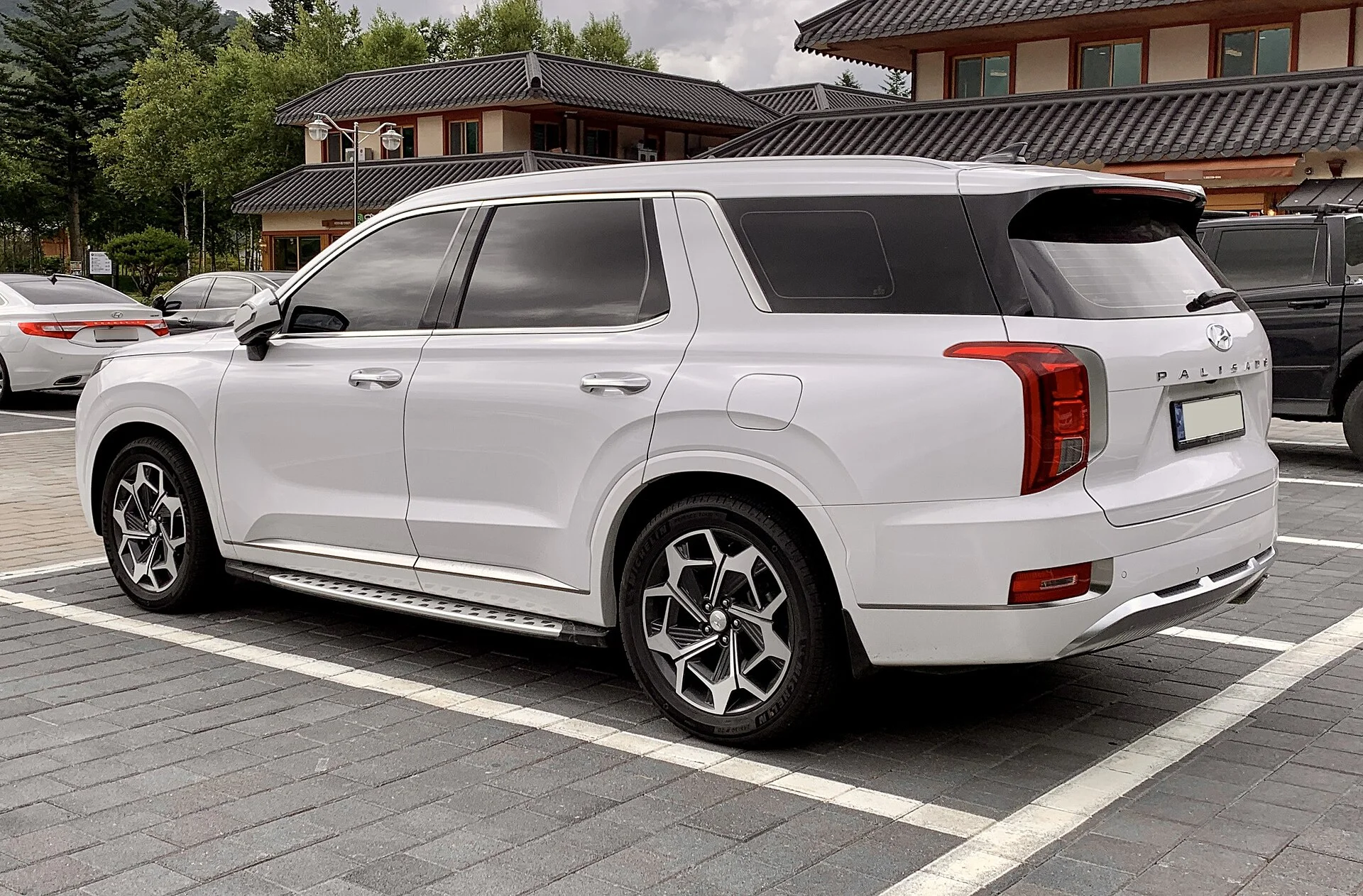
The second figure in the payload equation is curb weight, the weight of the Palisade itself, fueled and ready but empty of people and cargo. It ranges from approximately 4,171 lb to 4,506 lb depending on trim and drivetrain. That range, spanning several hundred pounds, is why two Palisades can have noticeably different payloads.
Curb weight climbs with equipment. All-wheel drive, a larger wheel package, a panoramic roof, and the heavier top trims all add pounds to the vehicle's own weight, pushing curb weight toward the 4,506 lb end of the range. A loaded Calligraphy weighs more empty than a base front-drive model, and that difference comes straight out of payload.
This is the mechanism behind a counterintuitive truth: a more expensive, better-equipped Palisade often carries less. Every pound of added feature content is a pound of curb weight, and since payload is what is left after curb weight is subtracted from GVWR, the heavier vehicle has less capacity to give.
For a camper, the takeaway is that the specific trim and drivetrain matter to payload. A lighter configuration near 4,171 lb leaves more of the GVWR for cargo than a heavily optioned one near 4,506 lb, and the gap is real weight that can be the difference between fitting the load and exceeding the limit.
What's Left: Roughly 1,365 lb
Subtract curb weight from GVWR and what remains is payload, documented at approximately 1,365 lb for the Palisade. That is the figure that actually governs a camping load, and it is worth internalizing because nothing on the vehicle displays it while you are packing.
The 1,365 lb has to cover everything not built into the SUV: every passenger, all the cargo, anything on the roof, and the tongue weight of a trailer. It is a total budget, not a cargo-only allowance, which is the single most common misunderstanding about payload. The family counts against it just as much as the gear does.
Payload is a shared budget. The roughly 1,365 lb the Palisade offers is split among passengers, cargo, roof load, and trailer tongue weight all at once, so filling any one of them leaves less for the others.
Framed as a budget, the number becomes usable. A camping family can estimate the weight of occupants, add the gear and any roof cargo, and see how much of the 1,365 lb remains, rather than discovering the limit by feel. The subtraction that built the number is also the tool for staying under it.
Why Seven Seats or Eight Doesn't Change It
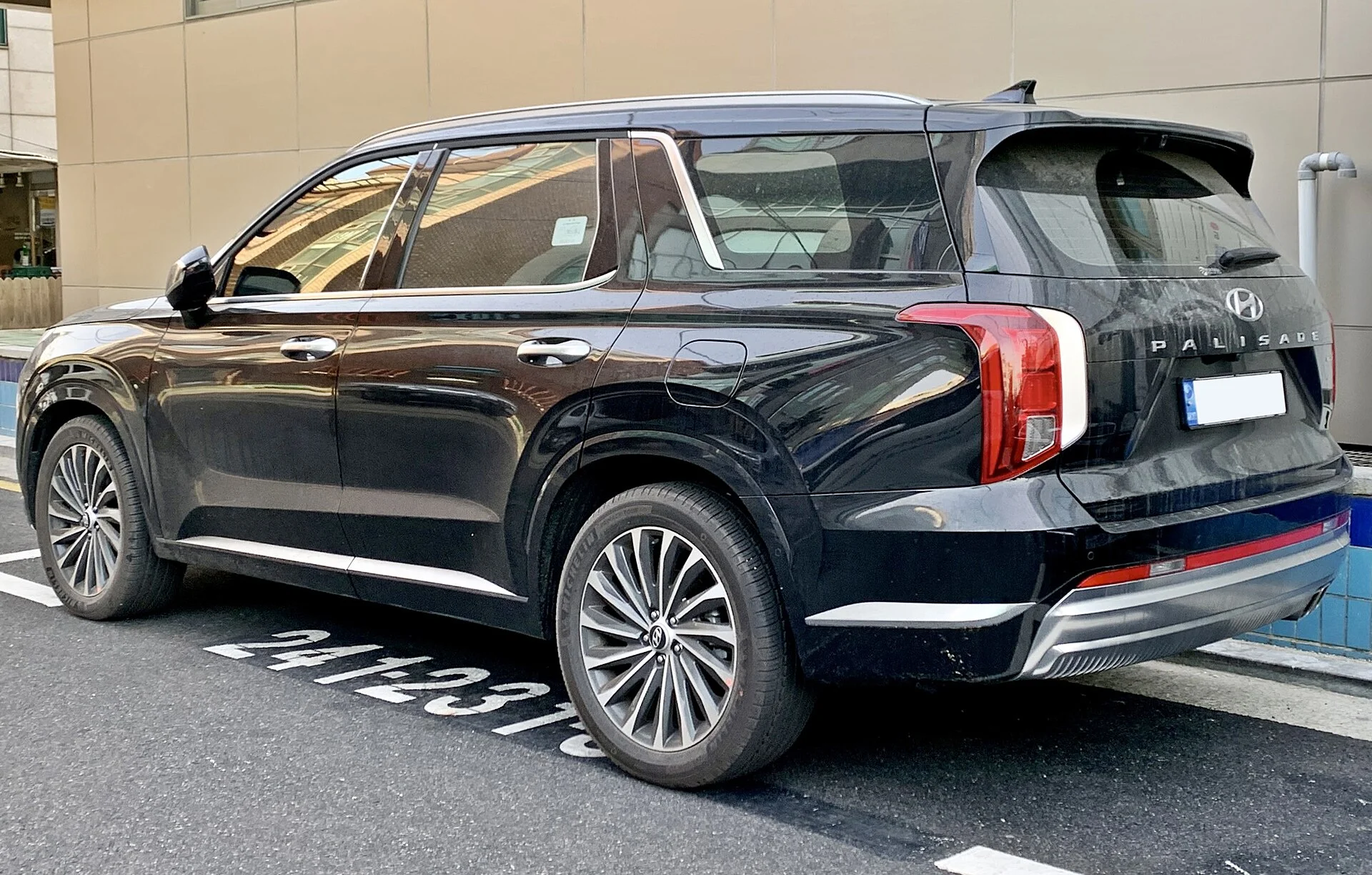
A natural assumption is that the eight-seat Palisade carries more than the seven-seat version, or the reverse. Neither is true. Payload is documented at approximately 1,365 lb whether the Palisade is configured with the seven-passenger captain's-chair layout or the eight-passenger bench-seat layout. The seating choice does not move the number.
The reason is that payload is a weight budget, not a seat count. Whether the second row is two captain's chairs seating seven total or a bench seating eight, the vehicle's GVWR and curb weight, and therefore its payload, are essentially the same. What changes is how many people can occupy the seats, not how much total weight the SUV can carry.
This has a practical consequence for a full house. The eight-passenger layout lets one more person aboard, but that person's weight comes out of the same 1,365 lb budget. Eight occupants leave less payload for gear than six do, regardless of which seating layout is fitted, because every body draws on the shared total.
The honest planning rule is to count people and cargo together against the fixed budget. The Palisade seats up to 8, with captain's chairs reducing capacity to 7, but the payload it can carry is the same either way, so a fuller vehicle simply has less weight left over for everything else.
What Actually Eats the Payload
With a 1,365 lb budget in mind, the useful exercise is seeing what consumes it on a real trip. Passengers are usually the largest single draw; a family of five or more can account for well over half the budget before a single bag is loaded. That is not a flaw, it is simply where most of the weight goes.
Cargo is the next draw, and it adds up quietly. Camping gear, coolers full of food and ice, water, and a loaded roof box or rooftop tent all pull from the same budget. Roof load is especially easy to forget, because it feels separate from the cabin, but it counts against payload exactly like cargo inside does.
Trailer tongue weight is the draw that surprises people. A conventional trailer places part of its weight on the hitch, and that tongue weight is payload, not part of the tow rating. Towing near the Palisade's 5,000 lb tow rating can add a substantial tongue weight that must fit inside the remaining payload budget.
Seen together, these draws explain why payload runs out before space does. A Palisade can have room for more gear while already being at its weight limit, which is exactly the trap the number exists to prevent. Tracking passengers, cargo, roof load, and tongue weight against the 1,365 lb keeps the load honest.
Tongue Weight and the 5,000 lb Tow Rating
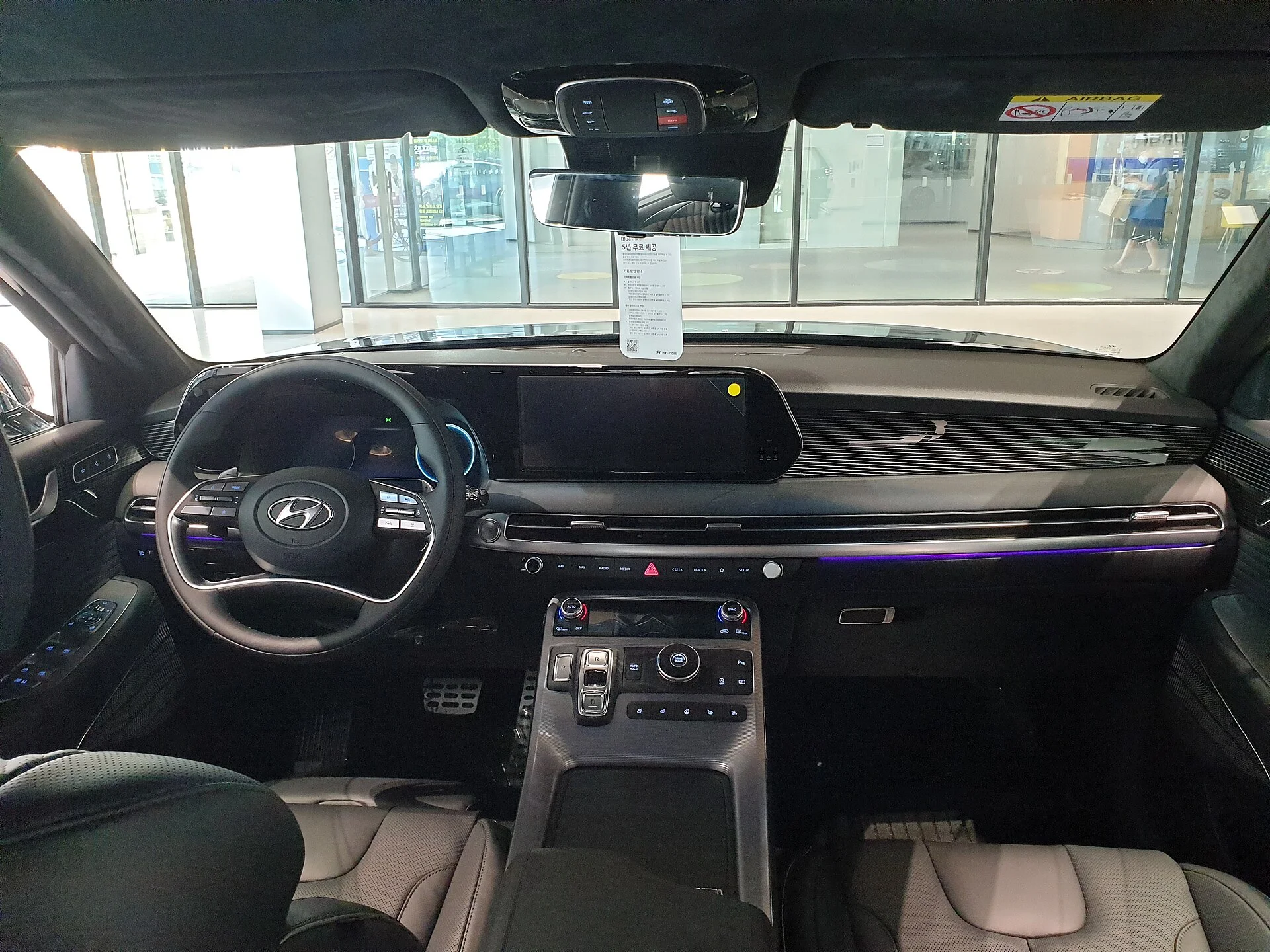
The Palisade's towing and payload limits are linked, and a camper needs to see them together. All Palisade trims share a 3.8L V6 producing 291 hp and 262 lb-ft of torque and are rated to tow up to 5,000 lb when equipped with trailer brakes. That 5,000 lb is a real capability, but reaching it interacts directly with payload.
The link is tongue weight. A properly loaded conventional trailer rests a portion of its total weight on the hitch, and that portion counts against the Palisade's 1,365 lb payload rather than its tow rating. A trailer at or near 5,000 lb can place a tongue weight of several hundred pounds on the vehicle, and that weight has to fit inside the payload budget alongside passengers and gear.
This is why a Palisade towing a trailer within its 5,000 lb rating can still be over its payload limit. The trailer weight itself rides on the trailer's axles, but the tongue weight rides on the SUV, and if the cabin is already full of a camping family and their gear, there may be little payload left for it.
The workable approach is to plan towing and loading as one problem. If a trailer near the 5,000 lb rating is in the plan, reserve payload for its tongue weight by keeping passengers and cargo lighter, so the combined load of people, gear, roof, and tongue weight stays under the roughly 1,365 lb the Palisade allows.
Reading Your Own Palisade's Label
The 1,365 lb figure is a representative number, but the only payload that describes a specific Palisade is on that vehicle. Payload is calculated as GVWR minus curb weight, so the exact figure varies with installed options and is listed on the driver's-door certification label. That label was printed for the exact VIN and reflects its real configuration.
The reason to trust the label over any published number is that options move curb weight. A panoramic roof, all-wheel drive, larger wheels, and accessories all add weight the generic figure cannot know about, and each pound of it comes out of payload. Two Palisades on the same lot can carry different amounts, and only their labels say by how much.
Finding it is simple: open the driver's door and read the certification label on the door jamb, which lists the vehicle's weight ratings directly. For a camping SUV that will be loaded to its limits, that number is worth knowing before the first trip rather than guessing from a brochure average.
The discipline this supports is loading to the vehicle's real budget. Once the label's payload is known, a family can allocate it deliberately among passengers, cargo, roof load, and tongue weight, confident they are working from the Palisade's own limit rather than a lineup average that may not match the truck in the driveway.
Loading a Palisade for Camping Within the Budget
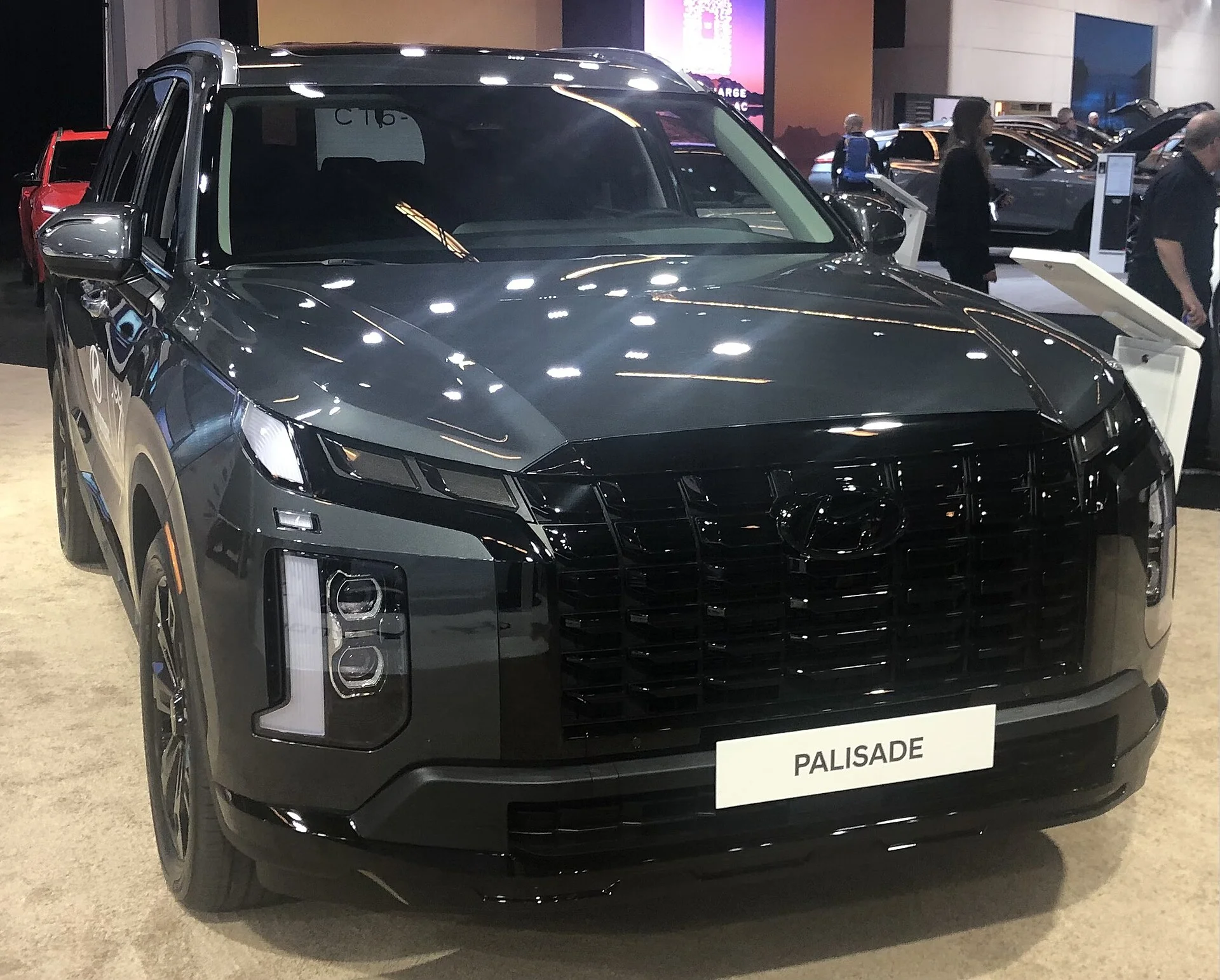
Putting the payload budget to work is mostly a matter of order and honesty. Start by accounting for the people, since occupants are the largest fixed draw and cannot be reduced. Whatever remains of the roughly 1,365 lb after passengers is the real gear budget, and it is usually smaller than it feels.
Weigh the heavy items rather than guessing. Water, a loaded cooler, and a full camp kitchen are denser than they look, and a few of them consume a surprising share of the remaining budget. Keeping the heaviest gear low and inside the cabin also helps handling, though the weight counts against payload wherever it rides.
Roof load deserves its own restraint. A rooftop tent or a full cargo box adds meaningful weight up high, all of which draws from payload, so a family that maxes the roof should keep the cabin cargo correspondingly lighter. A quality luggage scale makes it easy to weigh bags and gear before they go in.
Loaded this way, a Palisade carries a family and a camp comfortably within its limits. The payload budget is generous enough for real trips when it is spent deliberately, and the whole point of understanding the subtraction behind 1,365 lb is to spend it on purpose instead of discovering the ceiling with an overloaded SUV.
The Verdict: Respect the Subtraction
The Hyundai Palisade is an excellent family SUV for camping, but its real carrying limit is a number the marketing never shows: payload, documented at approximately 1,365 lb. That figure, not the seat count or the cargo volume, is what a fully loaded Palisade runs into first, and understanding it is what keeps a trip within the vehicle's design limits.
The number is a subtraction. GVWR of 5,732 lb front-drive or 5,871 lb all-wheel drive, minus a curb weight between roughly 4,171 and 4,506 lb, leaves the payload, which is why a heavier, better-equipped Palisade carries less. The seating layout, seven captain's-chair seats or eight on a bench, does not change it.
The 1,365 lb is a shared budget spent by passengers, cargo, roof load, and trailer tongue weight all at once. Towing within the 5,000 lb rating still draws tongue weight from that same budget, which is why a Palisade can be within its tow limit and over its payload at the same time.
Read the specific vehicle's door label for its real payload, then load deliberately: people first, then gear, with roof and tongue weight reserved for. The gear budget that remains after passengers is smaller than most owners expect, and treating it as a real limit rather than a guess is the whole discipline. Respect the subtraction and the Palisade carries a family and a camp comfortably; ignore it and the most capable-looking three-row SUV is quietly overloaded.