
How Obd2 Scanners Reveal Hidden Car Issues Before Buying Used
I once saw a guy pay a dealership $350 for a 'pre-purchase inspection' that missed a P0420 code - catalyst efficiency below threshold - the kind that means a new catalytic converter at $1,500. He trusted the dealer's 'certified' mechanic.
I once saw a guy pay a dealership $350 for a 'pre-purchase inspection' that missed a P0420 code - catalyst efficiency below threshold - the kind that means a new catalytic converter at $1,500. He trusted the dealer's 'certified' mechanic. Don't be that guy. An OBD2 scanner costs about $30 and can spot those hidden time bombs before you sign the paperwork.
This isn't just about saving cash; it's about avoiding mechanical stress and thermal cycling failures that dealers love to hide.
Used car lots are full of vehicles with recently cleared codes. Sellers will reset the system, hoping the check engine light stays off long enough for you to drive it home. The OBD2 system became standard in 1996 for a reason: to give you insight into the engine's guts. Ignore it at your peril.
My cheap scanner has saved me thousands. It's not magic; it just reads the data the car's computer already logged. You're looking for signs of recent resets, pending codes, and weird live data readings. Those are the red flags that scream 'future repair bill' louder than any salesman's smile.
⭐ Quick Picks
Quick Verdict
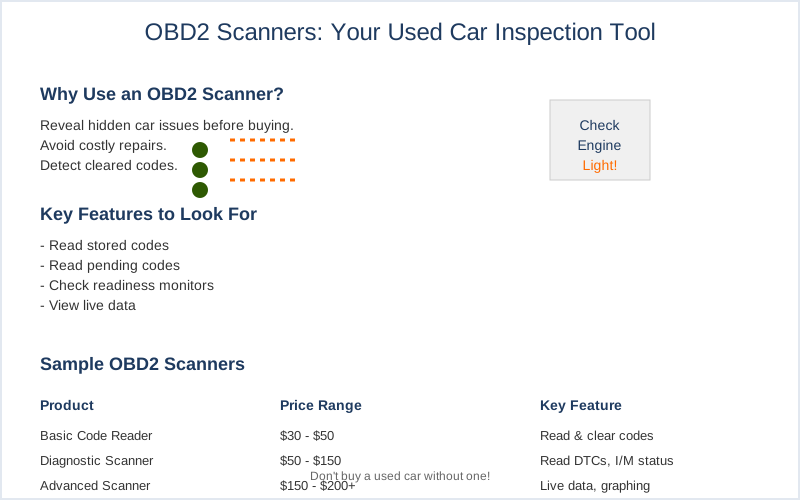
You need an OBD2 scanner, period. It's a $30-$200 investment that can save you thousands in future repairs. Think of it as a mechanical lie detector. Don't buy a used car without one.- Hidden Codes: Even if the dashboard is clear, a scanner can pull 'pending' or 'stored' codes. These are problems the ECU noticed but hasn't flagged with the Check Engine Light yet.
- Readiness Monitors: This is the big one. If a car's computer has been recently reset - say, to clear a code - its emissions readiness monitors will show as 'Not Ready.' This means the car hasn't completed its self-tests since the last clear. It's a massive red flag. Dishonest sellers do this to hide recurring issues.
- Live Data: Beyond codes, a good scanner shows live sensor readings. Is the coolant temperature fluctuating wildly? Are the O2 sensors flatlining? These are signs of a sensor failing, which impacts fuel economy and engine health.
- VIN Check: After the scanner, run a VIN check. This isn't about mechanical issues but about the car's history - accidents, salvage titles, flood damage. It's a crucial second layer of defense.
- Cost vs. Risk: A basic scanner costs less than a tank of gas. The risk of buying a lemon with a hidden transmission fault or a failing catalytic converter is exponentially higher. This is cheap insurance.
What to Look For
When you plug in that scanner, you're not just looking for a glowing Check Engine Light. That's amateur hour. You're diving into the ECU's memory banks for the ghosts of problems past and present. Live data streams are your best friend.Key Diagnostic Indicators
| Indicator | What It Means | Failure Mode / Physics |
|---|---|---|
| Readiness Monitors 'Not Ready' | Codes were recently cleared to hide issues. The ECU hasn't completed its diagnostic cycles. | Circuit Integrity: Interrupted diagnostic cycle. Seller likely reset the ECU to mask a recurring electrical or emissions fault. |
| Pending or Stored DTCs | The ECU detected a fault but hasn't illuminated the CEL yet, or it's a recurring issue. | Circuit Integrity: Sensor reading out of spec, but not consistently enough to trigger a hard fault. Could be intermittent connection or early sensor degradation. |
| Fuel Trim (Short & Long Term) outside +/- 10% | Engine is running too rich or too lean, compensating for an air leak, fuel pressure issue, or bad O2 sensor. | Thermal/Fluid Dynamics: Incorrect air-fuel ratio. Leads to excessive thermal stress on catalytic converter, piston wash, or carbon buildup. Impacts combustion efficiency. |
| O2 Sensor Readings flatlining or slow response | Oxygen sensor is failing, giving inaccurate exhaust gas readings. | Circuit Integrity: Sensor element degradation, contamination, or heater circuit failure. Affects ECU's ability to maintain optimal air-fuel ratio. |
| Misfire Counts on specific cylinders | Engine is intermittently losing combustion in one or more cylinders. | Mechanical Stress/Thermal Dynamics: Worn spark plug, faulty ignition coil, clogged injector, or low compression. Leads to localized thermal spikes and uneven mechanical loading on crankshaft. |
| Coolant Temp Sensor (CTS) erratic readings | CTS is failing, giving false temperature data to the ECU. | Circuit Integrity: Internal resistance change, corrosion on contacts. Affects engine's thermal regulation and fuel mapping, leading to suboptimal operating temperatures. |
Our Top Picks for Reliable Performance
Forget the fancy sales pitches. You need a tool that works, tells you the truth, and doesn't cost more than the repair it's supposed to prevent. I've seen enough cheap plastic scanners fail after two uses. Here are the ones that actually deliver on circuit integrity diagnostics, not just flashy screens.Our Top Picks for Reliable Performance
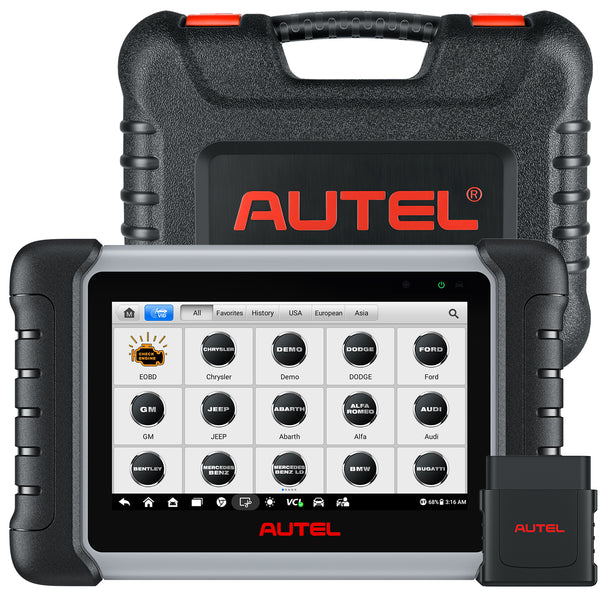
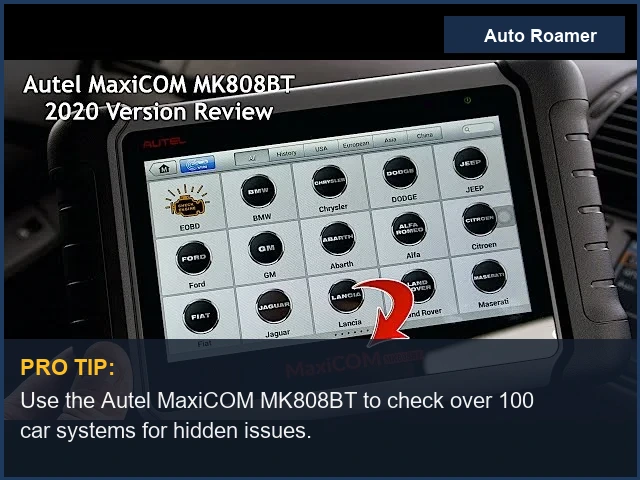
- Autel MaxiCOM MK808BT (~$650)
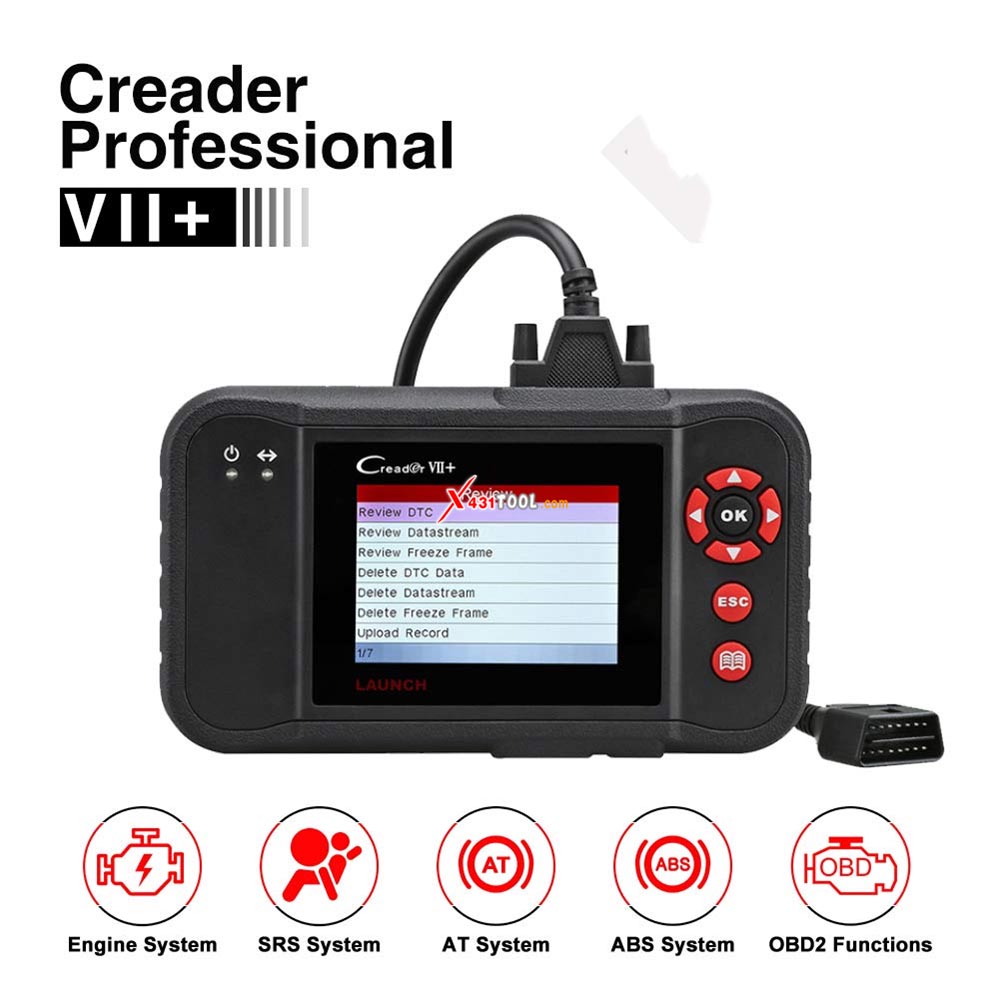
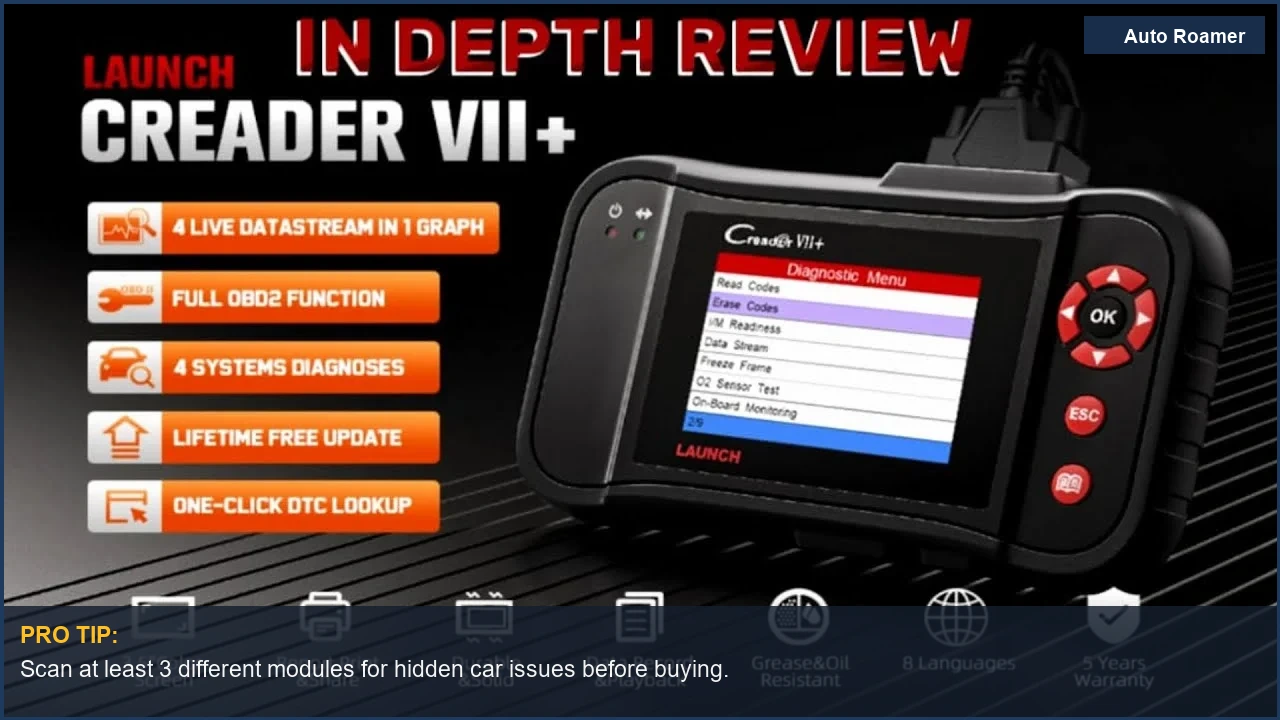
Capacity/Key Specs: All-systems diagnostic, bi-directional control, key coding, 7-inch touchscreen, Bluetooth. Pros: Deep dive into all ECUs (ABS, SRS, Transmission), live data graphing, active tests. Cons: Expensive, complex for beginners. Best-for: Serious DIY mechanics, small shops, or someone buying high-value used cars. This tool goes beyond basic OBD2. - Launch Creader VII+ (~$150)
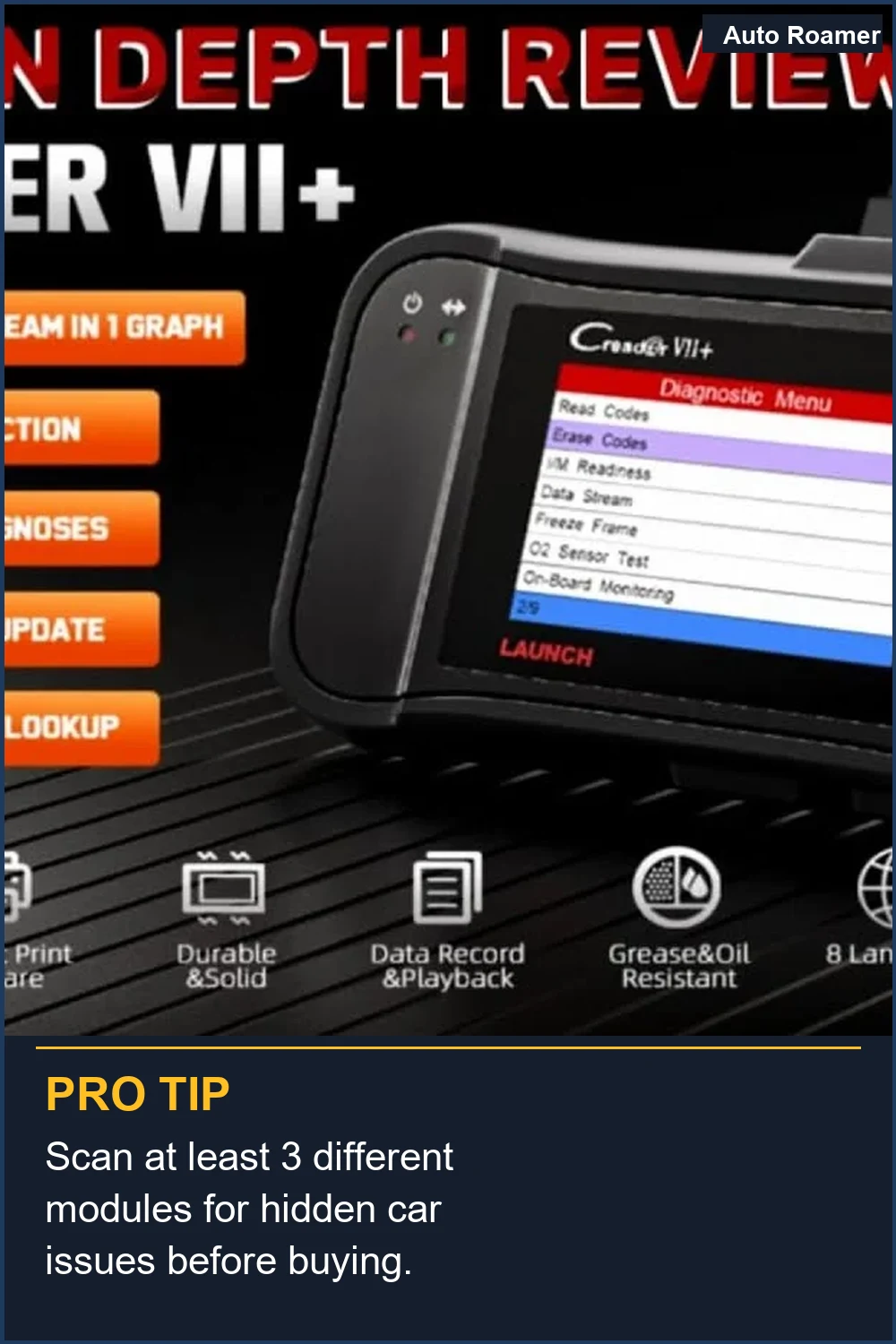
Capacity/Key Specs: Engine, Transmission, ABS, SRS diagnostics, read/clear codes, live data. Pros: Good balance of price and capability, covers four main systems, easy to use. Cons: Limited bi-directional control, screen is small. Best-for: Intermediate DIYers who need more than just engine codes but don't need full shop functionality. A solid workhorse. - BlueDriver Bluetooth OBD2 Scanner (~$120)
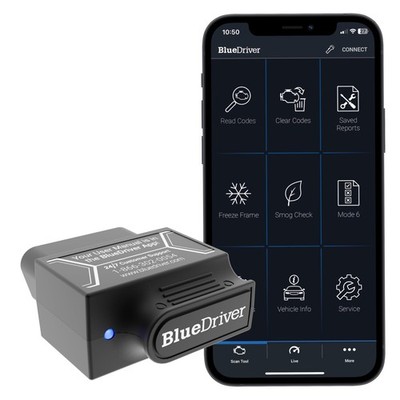
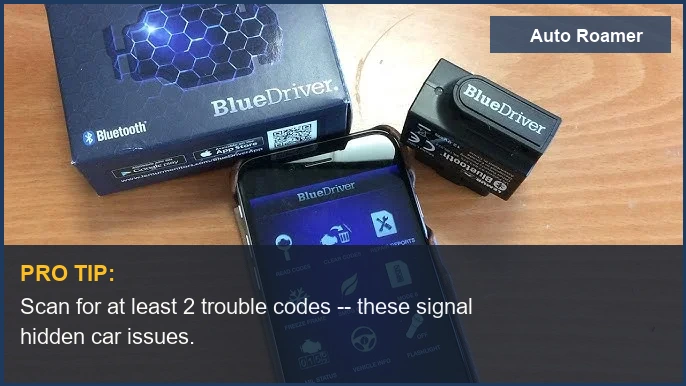
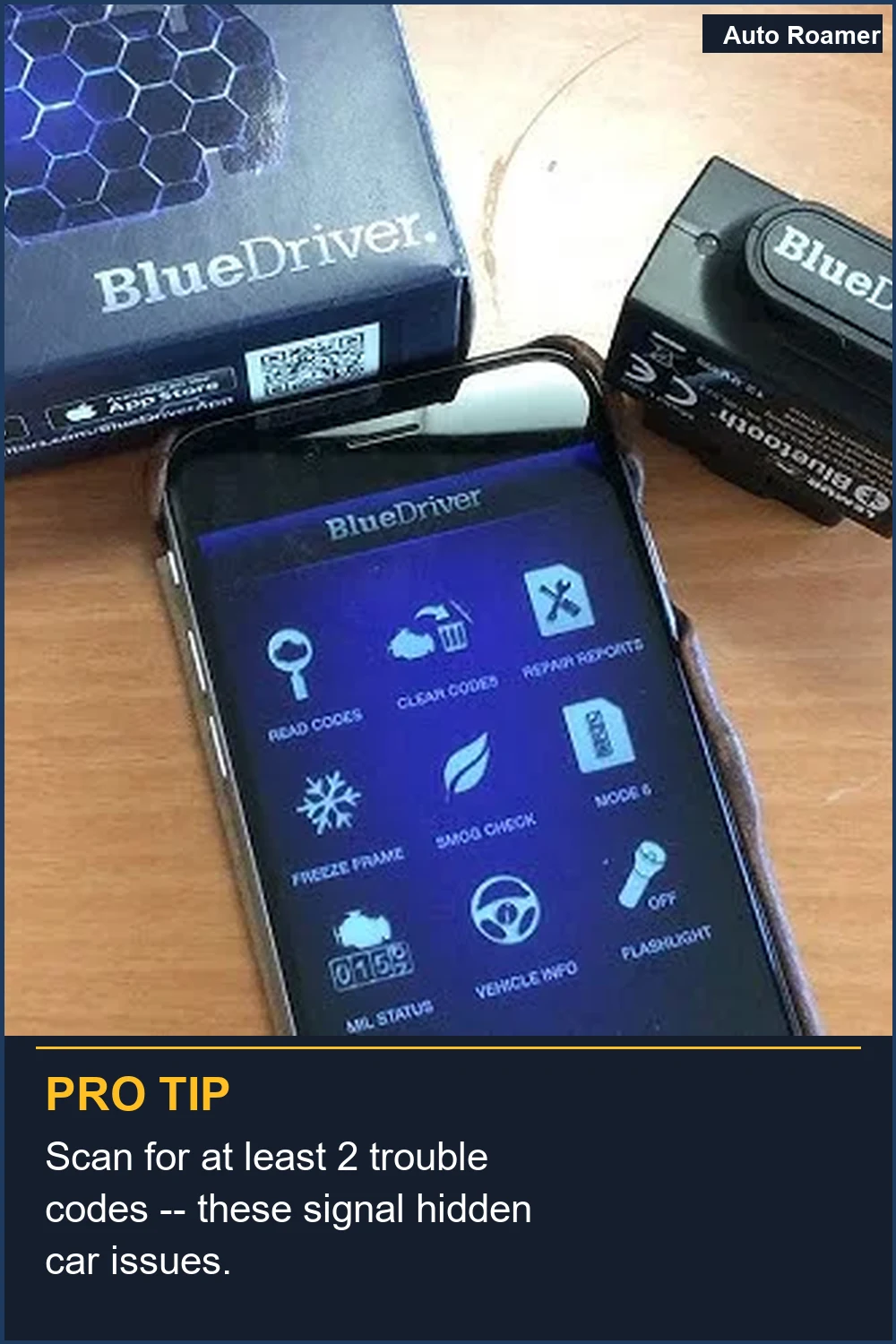
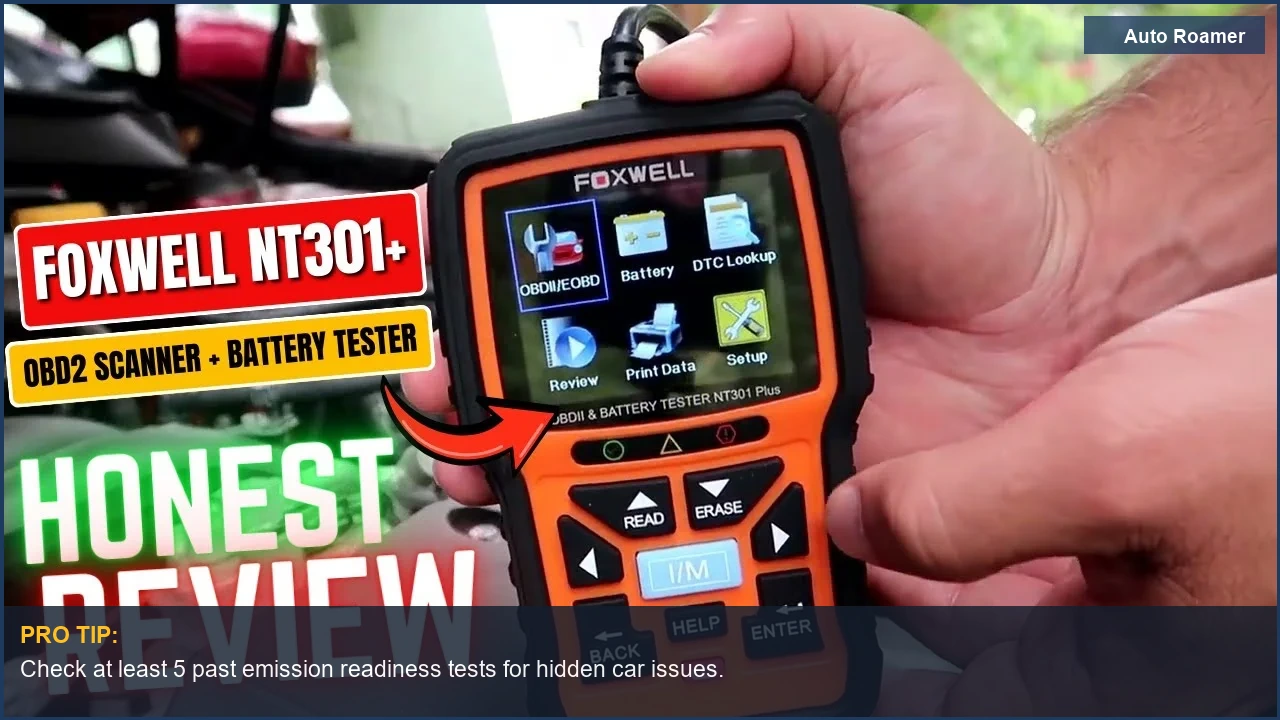
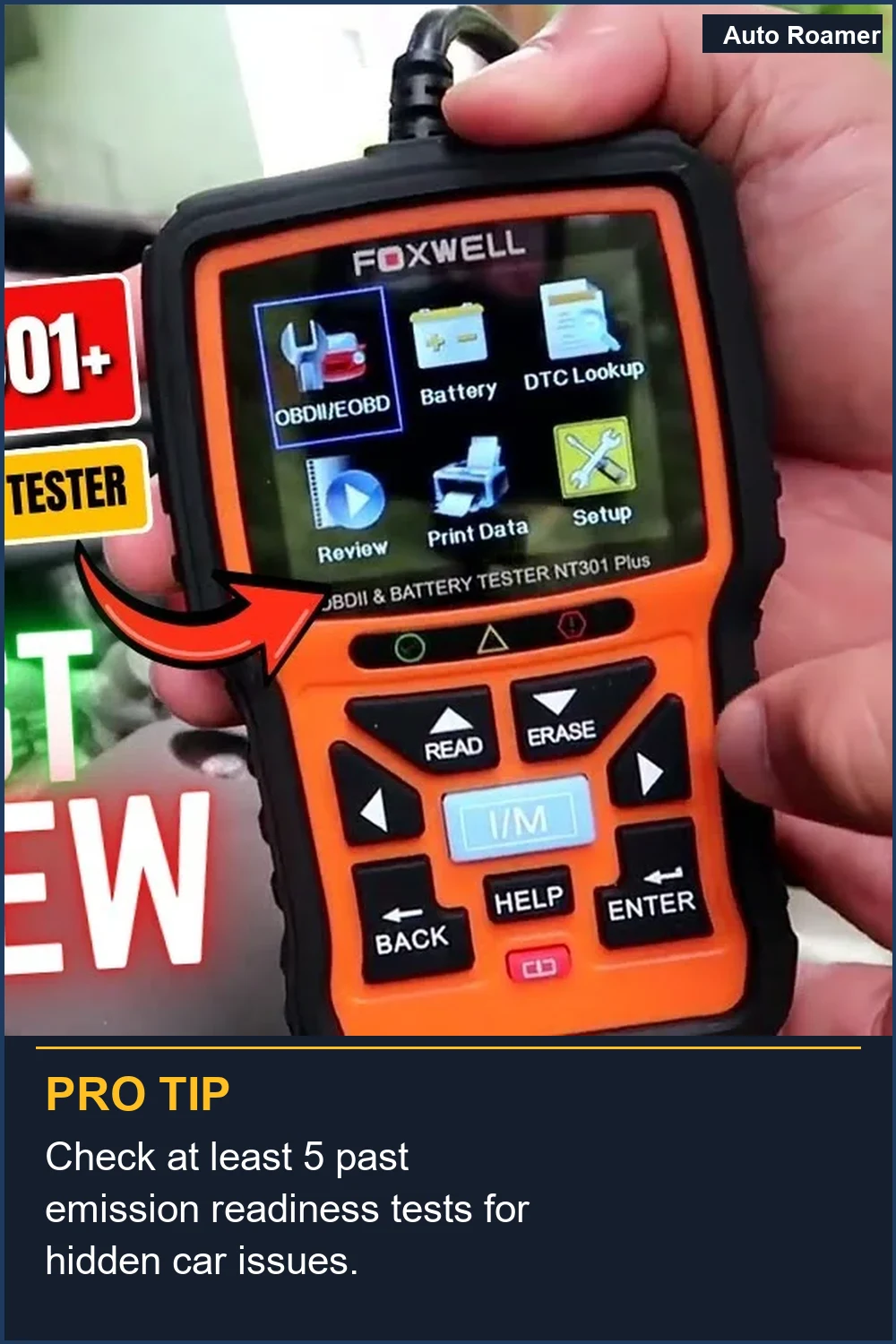
Capacity/Key Specs: Bluetooth dongle, reads/clears codes (engine only), live data, freeze frame, generates repair reports. Pros: Uses your phone for a large screen, excellent app interface, easy to carry. Cons: Limited to engine codes on basic version, not all-system. Best-for: Everyday car buyers who want a user-friendly way to check engine health and readiness monitors. Great for pre-purchase checks. - FOXWELL NT301 (~$70)
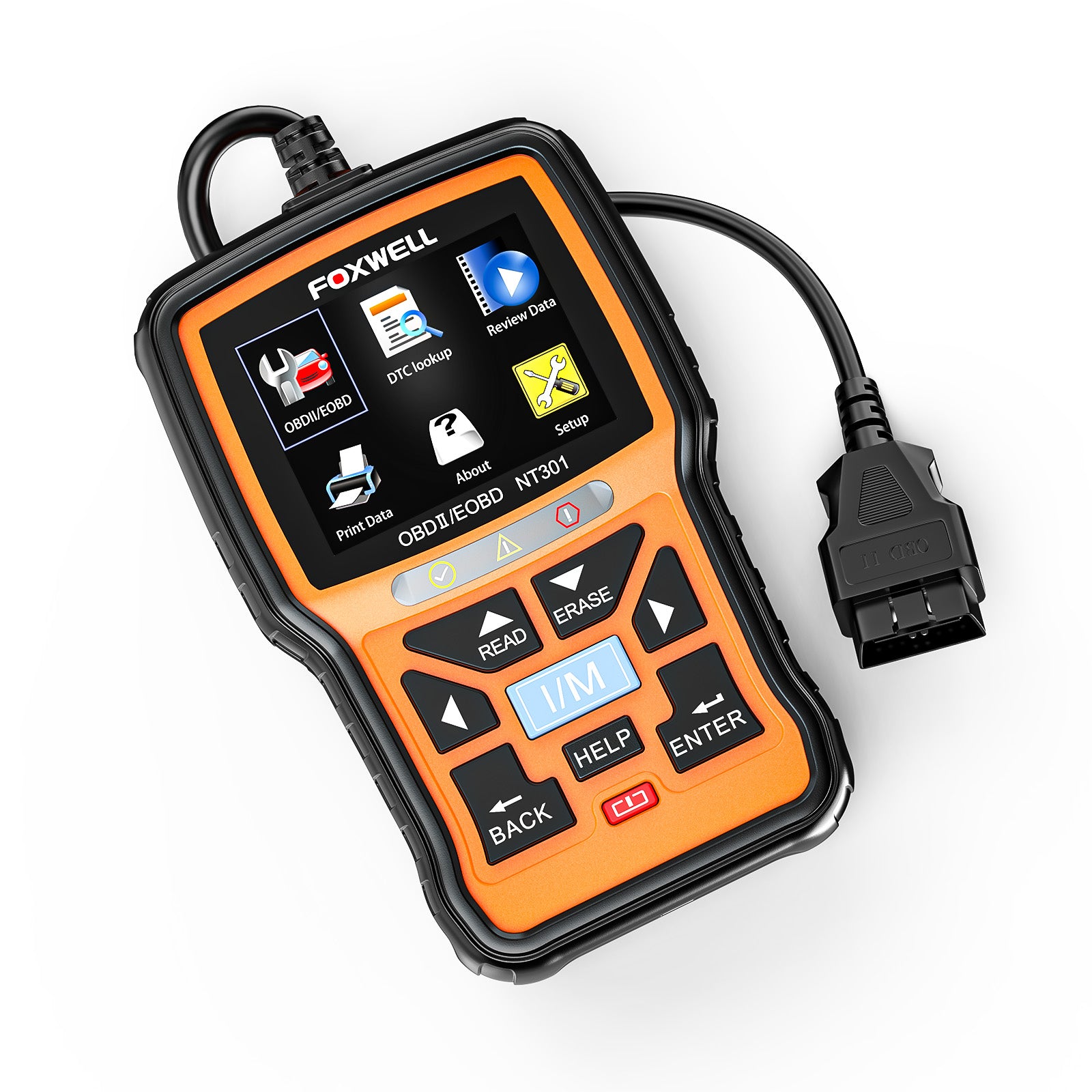
Capacity/Key Specs: Reads/clears engine codes, live data, I/M readiness, O2 sensor test. Pros: Affordable, dedicated screen, no phone app needed, reliable. Cons: Only engine codes, basic functionality. Best-for: Budget-conscious buyers who need to verify engine health and readiness monitors. It's a no-frills tool that just works. - Ancel AD310 Classic Enhanced Universal OBD II Scanner (~$35)
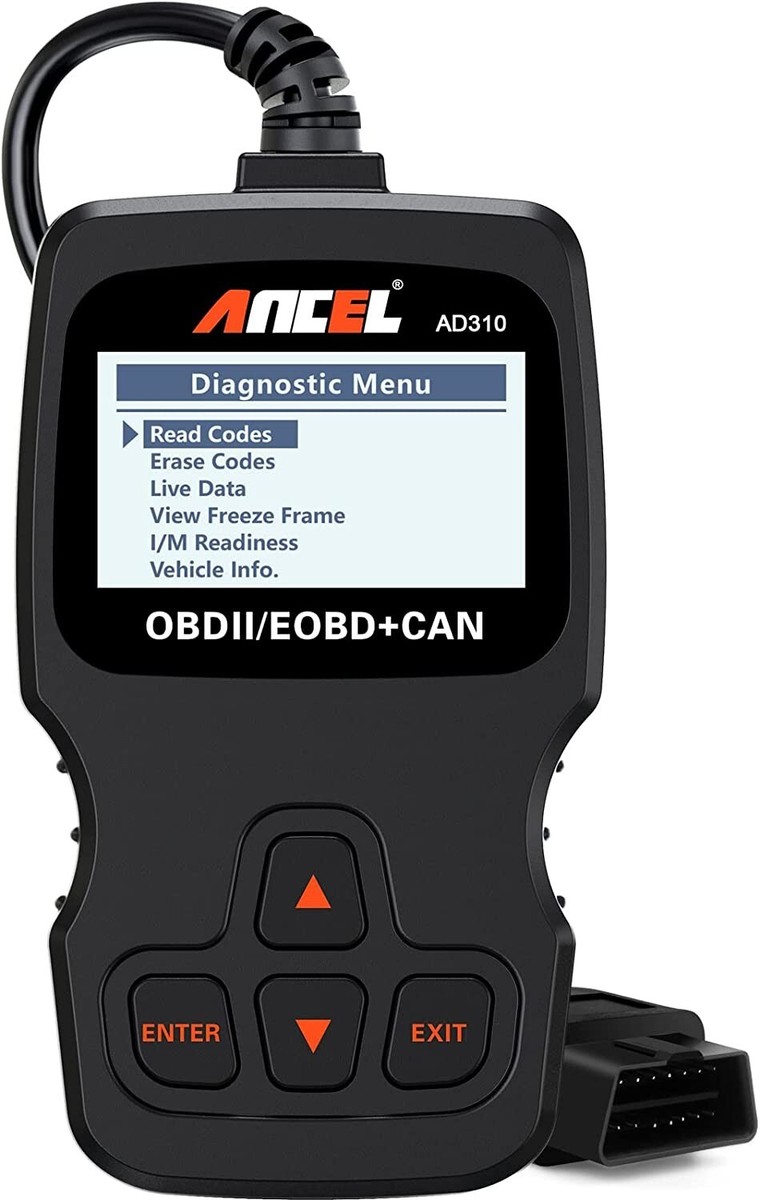
Capacity/Key Specs: Reads/clears engine codes, I/M readiness, freeze frame data. Pros: Cheapest option, simple plug-and-play, backlit screen. Cons: Very basic, only engine codes, no advanced features. Best-for: Absolute beginners or those needing a cheap, disposable tool for quick checks on engine codes and readiness. Does the job for basic checks.
View on Amazon — Autel MaxiCOM MK808BT
View on Amazon — Launch Creader VII+
View on Amazon — BlueDriver Bluetooth OBD2 Scanner
View on Amazon — FOXWELL NT301
View on Amazon — Ancel AD310 Classic Enhanced Universal OBD II Scanner
Head-to-Head Comparison
Comparing OBD2 scanners isn't about screen size; it's about what data they let you pull from the ECU and how much mechanical stress they can help you avoid. The difference between a $35 scanner and a $650 one is the depth of insight into the vehicle's electrical nervous system. Don't let a dealer tell you they're all the same. They aren't.Scanner Feature Showdown
| Feature | Basic Scanners (e.g., Ancel AD310) | Advanced Scanners (e.g., Autel MK808BT) | Why It Matters (Failure Mode) |
|---|---|---|---|
| Systems Scanned | Engine only | Engine, Transmission, ABS, SRS, etc. (all modules) | Circuit Integrity: Basic only catches powertrain faults. Advanced catches safety systems (ABS, airbags) and critical component failures before they become catastrophic. |
| Live Data Display | Numeric values, limited graphing | Detailed graphing, multiple PIDs simultaneously | Thermal/Fluid Dynamics: Graphing helps identify intermittent sensor failures or slow response times (e.g., O2 sensors). Numeric values alone can miss subtle trends indicating degradation. |
| Bi-Directional Control | None | Yes (e.g., activate ABS pump, cycle injectors) | Mechanical Stress: Allows active testing of components. You can command a component to operate and verify its mechanical response, pinpointing sticking valves or failing actuators. |
| Special Functions | I/M Readiness, Freeze Frame | Key coding, EPB reset, DPF regen, ECU coding | Circuit Integrity: Resets and adaptations are critical after component replacement. Without them, new parts might not function correctly, leading to future electrical faults or component wear. |
| Connectivity | Wired, basic display | Bluetooth, Wi-Fi, larger touchscreen | Tactile Feedback: A large, clear display and wireless connection make diagnostics easier and less prone to user error during inspection. You don't want to be fumbling with a tiny screen in a dark parking lot. |
Budget vs Premium: Where Your Money Actually Goes
You get what you pay for, mostly. A $20 OBD2 dongle will read engine codes and readiness monitors. It'll tell you if the catalytic converter is shot or if someone just cleared a P0301 misfire code. That's good enough for a basic sniff test. But it won't tell you if the ABS module is toast or if the transmission is slipping.Value Proposition: Where Your Money Goes
| Feature/Capability | Budget Scanners (~$20-$80) | Premium Scanners (~$100-$700+) | Justification (Cost vs. Risk) |
|---|---|---|---|
| Diagnostic Depth | Reads generic engine codes (P-codes) | Reads manufacturer-specific codes (U, B, C codes) across all modules (ABS, SRS, TCM) | Budget catches immediate engine issues. Premium prevents unexpected $2,000 ABS module replacement or critical SRS faults that compromise safety. A $20 device won't tell you if the airbags are offline. |
| Data Logging/Graphing | Limited live data, no logging | Extensive live data graphing, data logging for intermittent faults | Budget gives snapshots. Premium allows analysis of thermal cycling effects or pressure fluctuations over time, identifying intermittent failures that don't trigger a hard code immediately. |
| Bi-Directional Control | None | Active tests, component actuation | Budget is passive observation. Premium allows you to physically test solenoids, pumps, and actuators, verifying mechanical stress responses and circuit integrity under load, not just at rest. |
| Software Updates | Rare or paid | Frequent, often free for life | Budget might become obsolete. Premium ensures compatibility with newer vehicles and updated diagnostic algorithms, protecting your investment against evolving vehicle electronics. |
| Build Quality/Durability | Cheap plastic, small screen | Robust casing, larger touchscreen, better connectors | Budget scanners can fail from mechanical stress after a few uses. Premium tools are built for shop environments, resisting drops and grease, ensuring long-term circuit integrity. |
The Bottom Line
Don't walk into a used car purchase blind. A $40 investment in a basic OBD2 scanner can save you thousands of dollars and countless headaches from hidden mechanical stress or circuit integrity failures. It's not about being a mechanic; it's about not getting fleeced. Plug it in, read the codes, check the readiness monitors.- Always Scan: Even if the car looks pristine, electronics can hide problems. A clear dashboard means nothing if the readiness monitors are 'Not Ready.'
- Check Readiness: This is your primary defense against sellers clearing codes. If they're not ready, demand an explanation or walk away.
- Look for Patterns: Intermittent misfires, erratic sensor readings in live data - these are early warnings of components nearing end-of-life due to thermal cycling or material fatigue.
- Verify VIN: After the scanner, always run a VIN check. You've checked the car's internal health; now check its external history.
- Trust Your Gut (and the Data): If something feels off, or the seller gets defensive about the scanner, that's your cue to leave. The data doesn't lie.
Frequently Asked Questions
My scanner shows a P0420 code. The dealer wants $1,500 for a new catalytic converter. Can I just clear the code and sell it?
Do I really need a premium scanner with bi-directional control, or is a simple code reader enough?
What if I use an OBD2 scanner and it can't connect to the car's computer at all?
Can connecting and disconnecting an OBD2 scanner frequently damage the car's ECU or electrical system?
I heard that if the Check Engine Light isn't on, there are no problems. Is that true?
🏅 Looking for Gear Recommendations?
Check out our tested gear guides for products that work with this setup:
Sources
- LPT: Buying a used car? Bring an OBD-II code reader to see if the ...
- How to Check a Used Car with an OBD2 Scanner Before You Buy
- obd2-code-cleared-used-car?srsltid=AfmBOopT_5CCImMA19in4URDDAlCSRASu6dorrTWASxFkbNuRqIL1m3E
- How to Catch Car Dealer Lies With OBD2 Scanner (Save ... - YouTube
- Using OBD2 scanner to evaluate used car buying - Bogleheads
- Using an OBD2 Reader: A Guide for UK Motor Trade Professionals
- Hello, I'm going to go look at vehicle at a small used car dealership. I ...
- Top 3 Things to Check When Buying a Used Car, Using an OBD ...
- Value for Money OBD2 Scanners: A Simple Buying Guide for 2026 ...
- Why Every Used Car Buyer Should Own an OBD2 Scanner? - safebuy
- How to Find Out What is Wrong With My Car | OBD2 Scanner
- Don't Get Scammed! Use This OBD Reader Before Buying a Used Car
- 5 TIPS for checking used car with OBD-II scanner - YouTube