
Best Bluetooth Obd2 Scanner for Car Diagnostics
The dealer wanted $150 to diagnose a P0420 code on my buddy's 2012 Subaru Outback last month. That's 150 bucks just to plug in a tool that costs less than half that, tell him his catalytic converter is on its way out, and then charge him another $1200 for the fix.
The dealer wanted $150 to diagnose a P0420 code on my buddy's 2012 Subaru Outback last month. That's 150 bucks just to plug in a tool that costs less than half that, tell him his catalytic converter is on its way out, and then charge him another $1200 for the fix. Absolute highway robbery according to Yahoo Autos. I told him to get a Bluetooth OBD2 scanner and read the damn code himself. For less than the cost of that single diagnostic fee, he could own a powerful tool that puts diagnostic capabilities right in his pocket.
Think about it: a basic Bluetooth OBD2 scanner, like many of the top-rated models mentioned by Yahoo Autos, can be had for as little as $30-$70. These devices simply plug into your car's OBD2 port, typically located under the dashboard, and connect wirelessly to your smartphone or tablet via Bluetooth. Using a free or low-cost app, you can instantly access your car's onboard computer and retrieve trouble codes, view live sensor data, and even clear check engine lights. My buddy, for instance, could have used a scanner to confirm the P0420 code (Catalyst System Efficiency Below Threshold Bank 1) himself, saving him that initial $150 and empowering him to research repair options or even attempt a DIY fix, knowing exactly what he was dealing with.
Beyond just reading codes, these scanners offer a wealth of information. Imagine monitoring your engine's RPMs, coolant temperature, fuel pressure, and oxygen sensor readings in real-time. This kind of data can be invaluable for diagnosing intermittent issues, monitoring performance, or even just keeping an eye on your vehicle's health during a long road trip. Some advanced apps even offer features like freeze frame data, which captures a snapshot of sensor readings at the moment a fault occurred, providing crucial clues for diagnosis. Instead of being at the mercy of the dealership's pricing and expertise, a Bluetooth OBD2 scanner puts you in the driver's seat of your car's maintenance and repair decisions, potentially saving you hundreds, if not thousands, of dollars over the lifespan of your vehicle.
⭐ Quick Picks
Top Picks
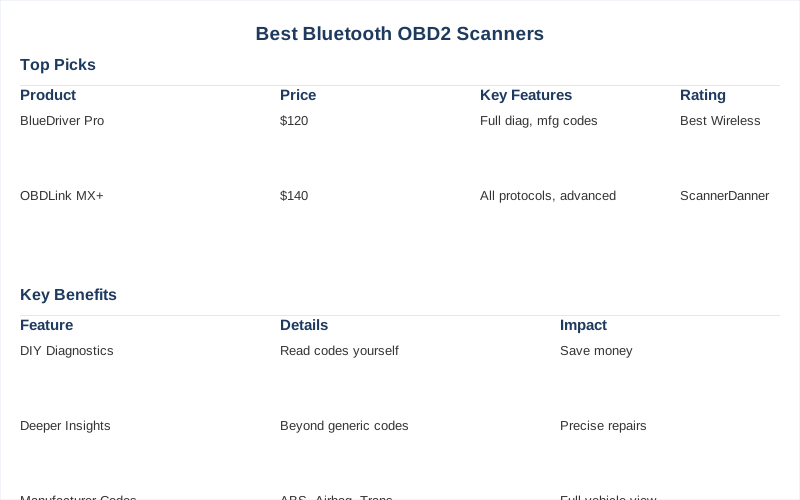
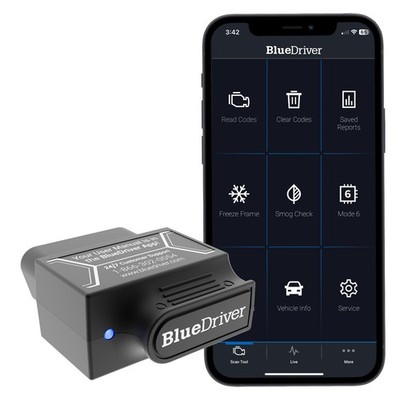
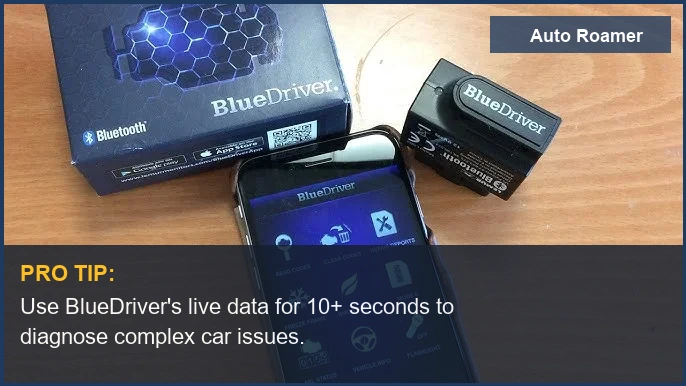
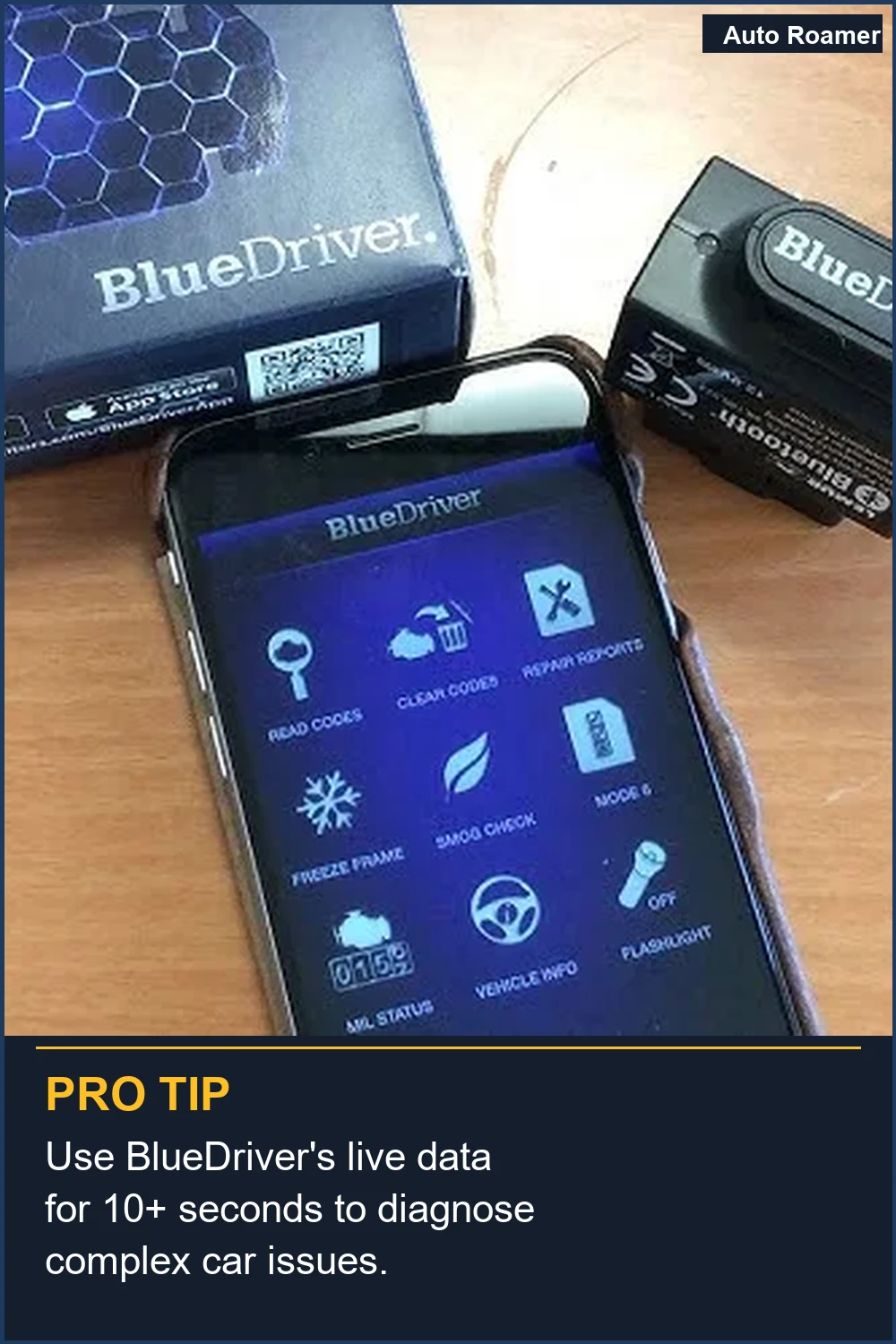
Here are the scanners I'd actually consider throwing my cash at, based on what they do and how much grief they save you. Forget the cheap garbage that only reads generic codes and leaves you guessing. We're looking for tools that dig deeper. BlueDriver Bluetooth Pro OBDII Scan Tool (~$120)- Key Specs: Comprehensive diagnostics, enhanced manufacturer-specific codes, live data, freeze frame, smog check. Compatible with iOS/Android.
- Pros: Reads ABS, airbag, transmission codes for many makes. User-friendly app. Regular updates. Road & Track calls it Best Wireless.
- Cons: Pricey for a simple code reader. App features can feel overwhelming for beginners.
- Best For: The serious DIYer who needs more than just P-codes. You want to know *why* the ABS light is on, not just *that* it's on.
- Key Specs: Supports all OBD-II protocols, including manufacturer-specific. Advanced diagnostics, battery voltage monitoring, performance metrics.
- Pros: Fast data refresh rates. Compatible with a ton of third-party apps like Torque Pro. Rock-solid Bluetooth connection. Featured by ScannerDanner on YouTube.
- Cons: App isn't as polished as BlueDriver's out-of-the-box. Requires some fiddling to get the most out of it.
- Best For: Tech-savvy users who want raw data and flexibility. You're comfortable pairing it with a separate app and digging into the numbers.
- Key Specs: Supports all OBD-II protocols. Faster data transfer than generic ELM327 chips. Auto-sleep/wake function.
- Pros: Great value for the features. Reliable connection. Works with most popular OBD apps. Fast Car's Best Overall & Best Value.
- Cons: Not as many advanced features as higher-end units. Some users report connectivity issues with older phones.
- Best For: Budget-conscious DIYers who need a reliable scanner for basic diagnostics and live data.
- Key Specs: Dedicated 7-inch Android tablet, full system diagnostics, bidirectional control, service functions (oil reset, EPB, etc.).
- Pros: Professional-grade features in a user-friendly package. No phone needed. Deep dive into vehicle modules. Yahoo Autos' Best Overall.
- Cons: Significant investment. Software updates can be costly after the initial free period.
- Best For: Small shop owners or serious enthusiasts doing more than just reading codes. You're resetting service lights and commanding actuators.
- Key Specs: All-system diagnosis, 15 maintenance functions, bi-directional control, remote diagnostics.
- Pros: Impressive features for the price, including bidirectional control. Compact design. Autotech-WSS highlights its pro-level diagnostics.
- Cons: App interface can be clunky. Some functions are subscription-based after a free trial.
- Best For: Advanced DIYers looking for professional capabilities without dropping Autel money. You need to bleed ABS or cycle an EGR valve.
- Key Specs: Basic read/clear codes, freeze frame, I/M readiness. Plug-and-play.
- Pros: Dirt cheap. Gets the job done for basic check engine light diagnosis. Car and Driver's Best Budget Scanner.
- Cons: Only reads generic powertrain codes. No live data or advanced functions.
- Best For: The absolute beginner who just wants to know why the light is on before taking it to a mechanic.
View on Amazon — BlueDriver Bluetooth Pro OBDII Scan Tool
View on Amazon — Autel MaxiCOM MK808Z
Quick Verdict
Choosing the right scanner comes down to how deep you want to get into the guts of your ride. Are you just trying to clear a pesky check engine light, or are you chasing down a phantom electrical draw that's killing your battery in 3 days? Thinkcar suggests comparing functions and coverage.- For the casual DIYer who wants to avoid the dealer's $100 diagnostic fee, a basic unit like the Motopower MP69033 (~$25) will tell you the generic P-code. It's like asking 'what's wrong?' and getting 'something's broken.'
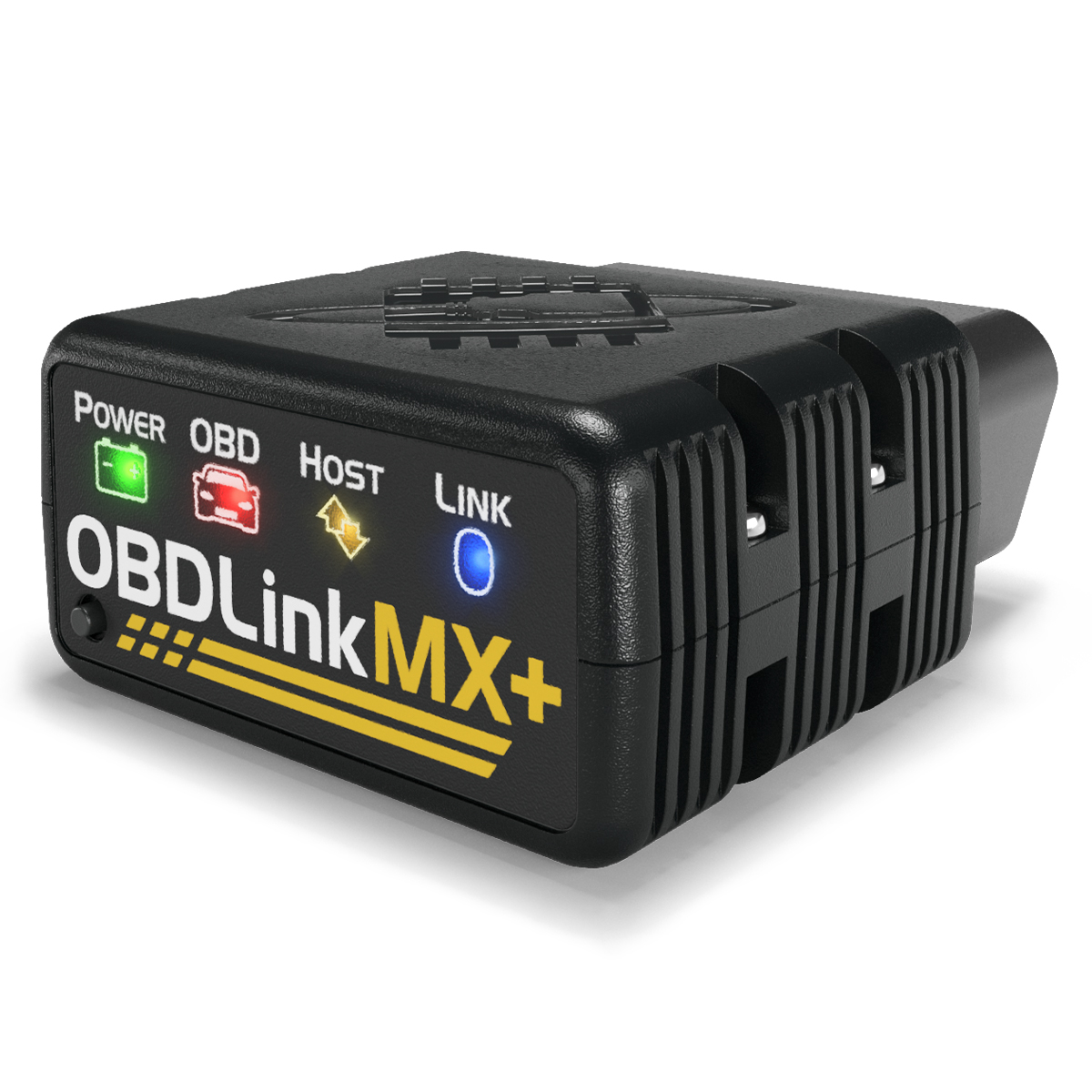
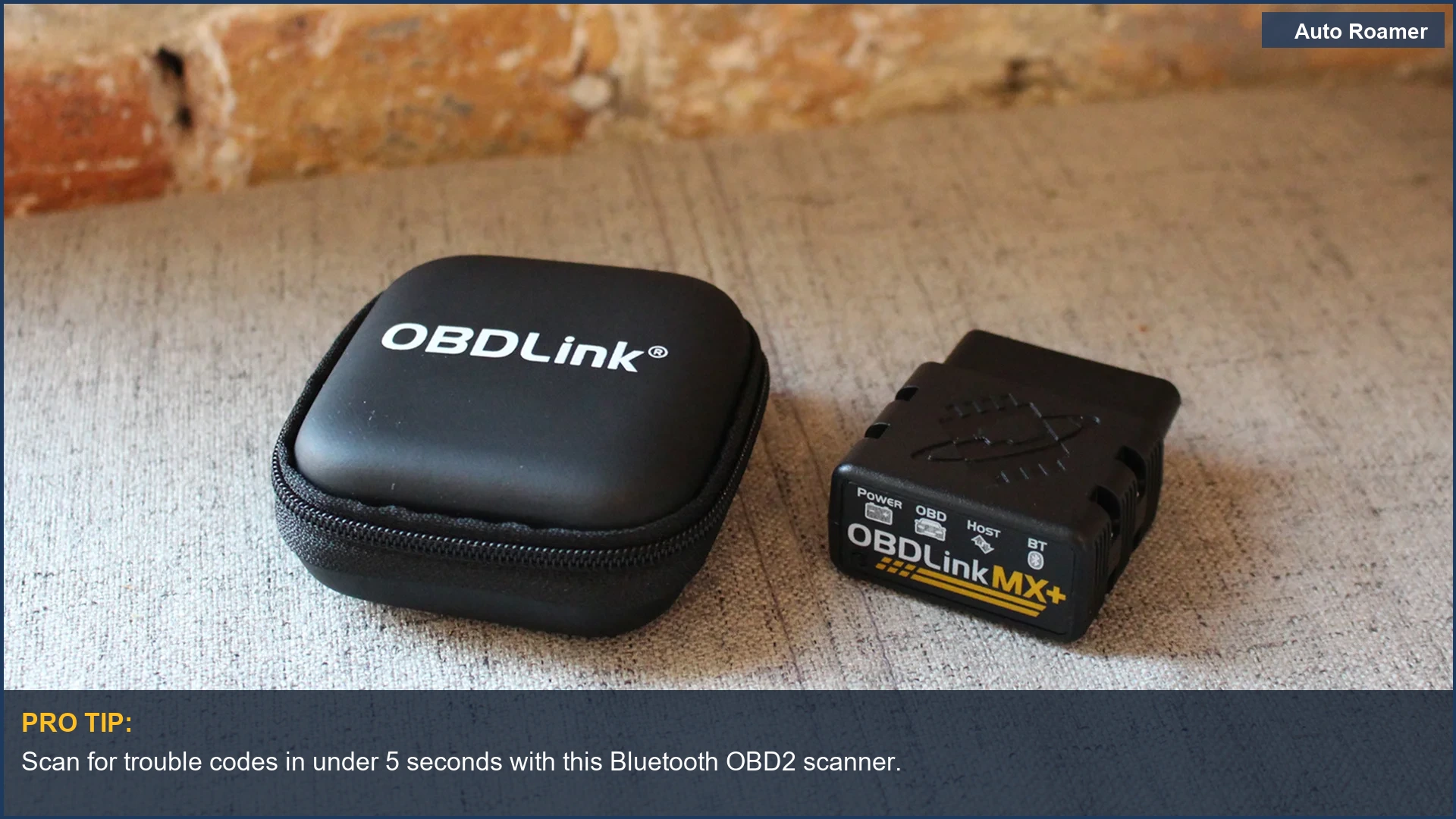
- If you're willing to spend a bit more, say around $100-$150, the BlueDriver Bluetooth Pro (~$120) or OBDLink MX+ (~$140) are your best bet. These give you manufacturer-specific codes, live data, and can often read ABS/SRS codes. This is where you get 'your upstream O2 sensor is reading lean at 0.1V, probably a vacuum leak.' That's actionable info.
- For the serious shade-tree mechanic or small shop, stepping up to a dedicated tablet like the Autel MaxiCOM MK808Z (~$450) or Topdon TopScan PRO (~$100) opens up bidirectional controls. You can command components, perform service resets, and really dig into module communications. This is how you confirm a failing fuel pump by commanding it on and checking fuel pressure. Reddit users often recommend BAFX products for basic functions, but for deep dives, you need more.
- The biggest mistake is buying a scanner that only reads generic codes when your problem is in the ABS module. You'll stare at a 'no codes' message while your brake light screams at you. Understand your failure modes.
View on Amazon — Motopower MP69033
View on Amazon — BlueDriver Bluetooth Pro
Frequently Asked Questions
My check engine light is on for a P0420 code. What's the cost difference if I just replace the catalytic converter myself versus taking it to the dealer?
Do I really need a fancy scanner that reads live data, or is just clearing codes enough?
What if I use a scanner, get a code, replace the part, and the check engine light comes back on immediately?
Can using a cheap Bluetooth OBD2 scanner permanently damage my car's ECU?
I heard that if you disconnect the battery, it'll clear the check engine light and fix the problem. Is that true?
🏅 Looking for Gear Recommendations?
Check out our tested gear guides for products that work with this setup:
Sources
- Top 5 Best OBD2 Scanners [ 2026 Buyer's Guide ] - YouTube
- The Best OBD2 Scanners of 2026: A Spec-Based Buyer's Guide
- An Ultimate Guide to Find the Best Value-for-Money Diagnostic ...
- Best OBD-II Scanners of 2026, Tested & Reviewed
- What Bluetooth OBD2 reader would you recommend? - Reddit
- best-scan-tools-in-2025?srsltid=AfmBOooVXmO8fXrycw66Wz_YotkgawxzTr-AKnN2aX7t4_NQqJ8V5Pa
- Best Bluetooth OBD2 Scanners In 2025 - Fast Car
- Tested: Best OBD-II Scanners for 2026 - Car and Driver