
What Can a Bluetooth OBD2 Scanner Actually Tell You About Your Car?
A Bluetooth OBD2 scanner is a small device that plugs into your car's diagnostic port and talks to your phone. Think of it as a translator for your car's dashboard warnings. When that dreaded check engine light pops on, this little gadget can help you figure out what's actually going on under the hood, instead of just staring blankly at the dashboard.
A Bluetooth OBD2 scanner is a small device that plugs into your car's diagnostic port and talks to your phone. Think of it as a translator for your car's dashboard warnings. When that dreaded check engine light pops on, this little gadget can help you figure out what's actually going on under the hood, instead of just staring blankly at the dashboard.
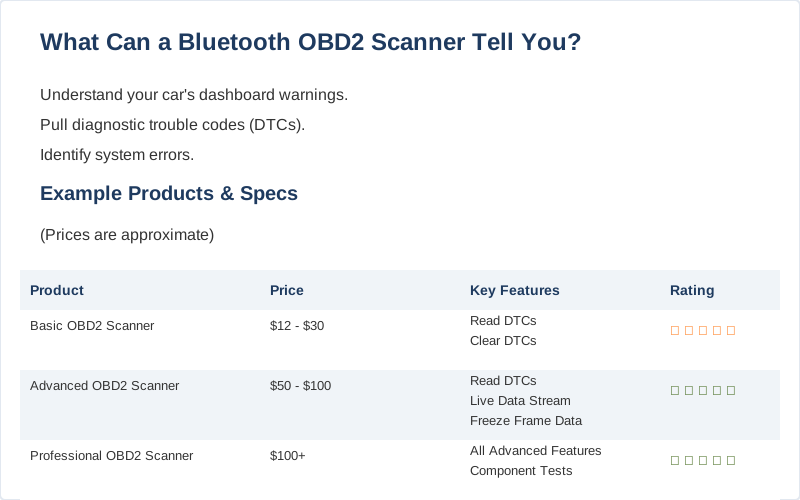
I bought my first one for $12, and honestly, it's saved me more than I spent on it in just a few months. It's not a magic fix, but it's the first step to understanding your car's grumbles. what do car scanners actually do.
The Core Answer
So, what can this little Bluetooth doodad actually tell you? It's not just about the check engine light, though that's a big one. It pulls diagnostic trouble codes (DTCs) from your car's computer. These codes are like specific error messages telling you which system is throwing a fit. read diagnostic trouble codes. For example, a P0300 code might mean a random misfire, which could be spark plugs, fuel injectors, or even something simpler.
My first time seeing a code, I thought I needed a whole new engine. Turns out, it was just a loose gas cap. Brilliant engineering, right?
Beyond the immediate "check engine" alert, a Bluetooth OBD2 scanner delves much deeper into your vehicle's health. It communicates directly with your car's Engine Control Unit (ECU), which is essentially the brain of your car. This communication happens via the OBD2 port, a standardized 16-pin connector found in all cars manufactured in the U.S. after 1996. The scanner acts as a translator, taking the complex data streams from the ECU and presenting them in an understandable format on your smartphone or tablet.
The primary function, as mentioned, is reading DTCs. These codes are categorized: P-codes (Powertrain), B-codes (Body), C-codes (Chassis), and U-codes (Network Communication). While a generic scanner will show you the P-codes (like our P0300 example), more advanced or brand-specific scanners can sometimes access B, C, and U codes, offering a more comprehensive diagnostic picture. For instance, a P0420 code often points to a catalytic converter efficiency issue, which could be a costly repair, potentially running into hundreds or even thousands of dollars if replacement is needed. Knowing this early allows you to budget or seek professional advice before the problem escalates.
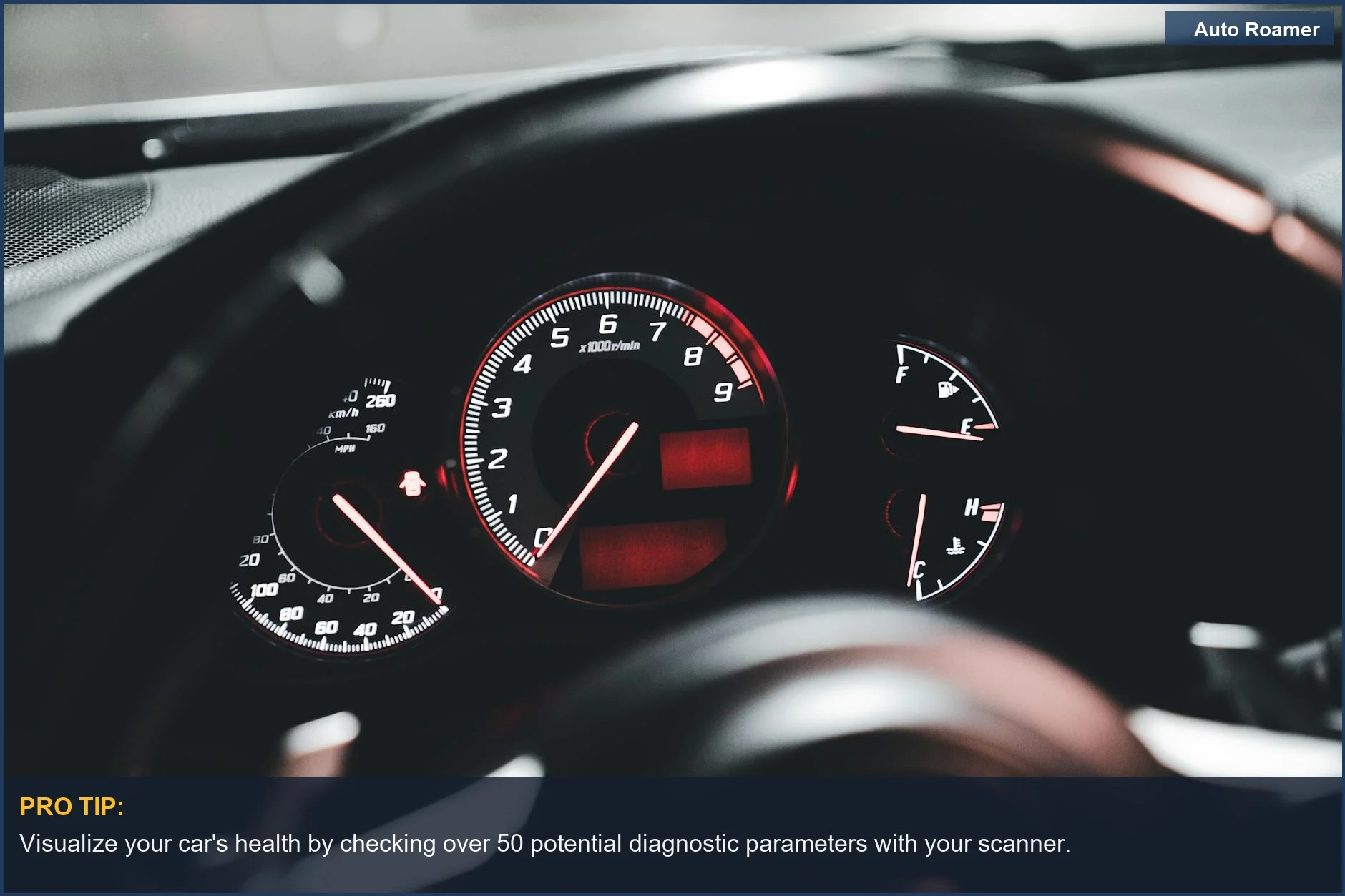
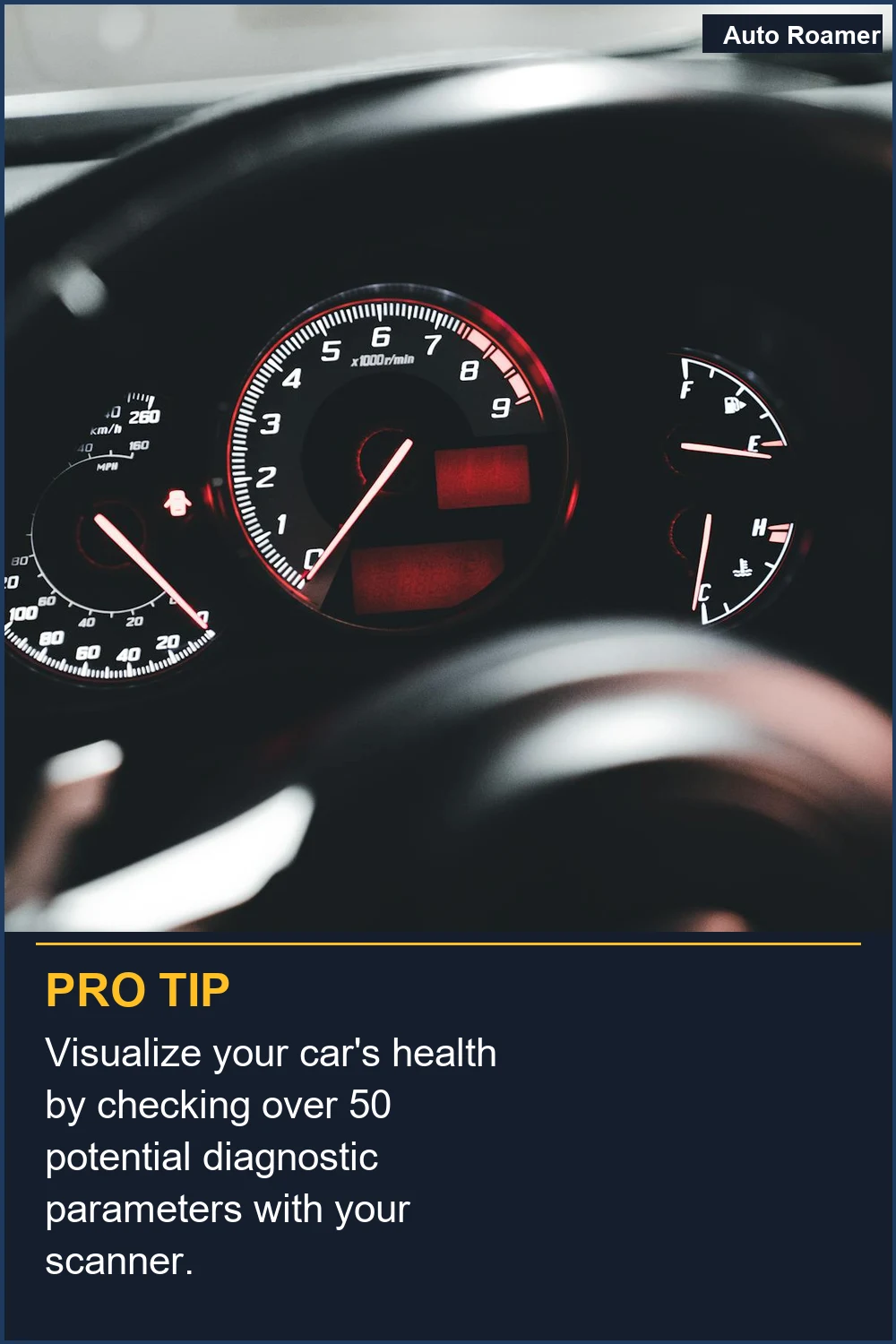
But it's not just about static error codes. A good Bluetooth OBD2 scanner also provides access to live sensor data. This is where the real diagnostic power lies. Imagine being able to see, in real-time:
- Engine RPM: Is your idle stable?
- Vehicle Speed: Is the speed sensor reporting correctly?
- Coolant Temperature: Is your engine overheating, or is the thermostat stuck open?
- Fuel System Status: Is the fuel system running rich or lean?
- Oxygen Sensor Readings: Are your O2 sensors functioning properly to optimize fuel efficiency?
- Short Term and Long Term Fuel Trims: These values indicate how the ECU is adjusting fuel delivery to compensate for issues. High positive trims might suggest a vacuum leak, while high negative trims could point to a faulty fuel pressure regulator or leaky injectors.
- Mass Air Flow (MAF) Sensor Readings: Is your engine getting the right amount of air? A dirty MAF sensor can cause rough idling and poor fuel economy.
Monitoring these parameters can help you diagnose intermittent problems that don't always trigger a check engine light. For example, if your car occasionally stumbles under acceleration but doesn't throw a code, watching the fuel trims or MAF sensor data during a test drive might reveal the culprit. You might notice the MAF reading dropping unexpectedly, indicating a faulty sensor that costs around $50-$150 to replace, saving you from a more expensive, speculative repair at a shop.
Furthermore, many scanners allow you to perform readiness monitor checks. These are tests the ECU runs to ensure all emissions-related systems are functioning correctly. If you've recently had a repair or cleared a code, these monitors need to complete their cycles before your car can pass an emissions inspection. A scanner can tell you which monitors are "ready" and which are "not ready," saving you a wasted trip to the inspection station.
Finally, some advanced Bluetooth OBD2 scanners offer features like freeze frame data. When a DTC is set, the ECU records a "snapshot" of various sensor readings at that exact moment. This freeze frame data can be invaluable for diagnosing the conditions under which the fault occurred. For instance, if a misfire code (P030X) is set, the freeze frame might show the engine RPM, vehicle speed, and engine load at the time of the misfire, helping you narrow down the potential cause.
In essence, a Bluetooth OBD2 scanner transforms your smartphone into a powerful diagnostic tool, giving you insights into your car's health that were once only available to professional mechanics with expensive proprietary equipment. It empowers you to understand the problem, potentially fix minor issues yourself, or at the very least, walk into a repair shop with informed questions, potentially saving you hundreds of dollars in diagnostic fees and unnecessary repairs.
The Bottom Line
Look, I'm all about saving money and learning how things work. My first Bluetooth OBD2 scanner cost me $12, and I've used it more times than I can count. OBD dongle I bought years ago for $12. It's the $50 version of avoiding a $150 mechanic visit just to find out your check engine light is on because you forgot to screw on your gas cap tight enough. You won't be rebuilding transmissions with it, but for understanding basic codes and monitoring your car's vitals, it's a no-brainer. The real move is to get one and start learning your car's language. It's empowering.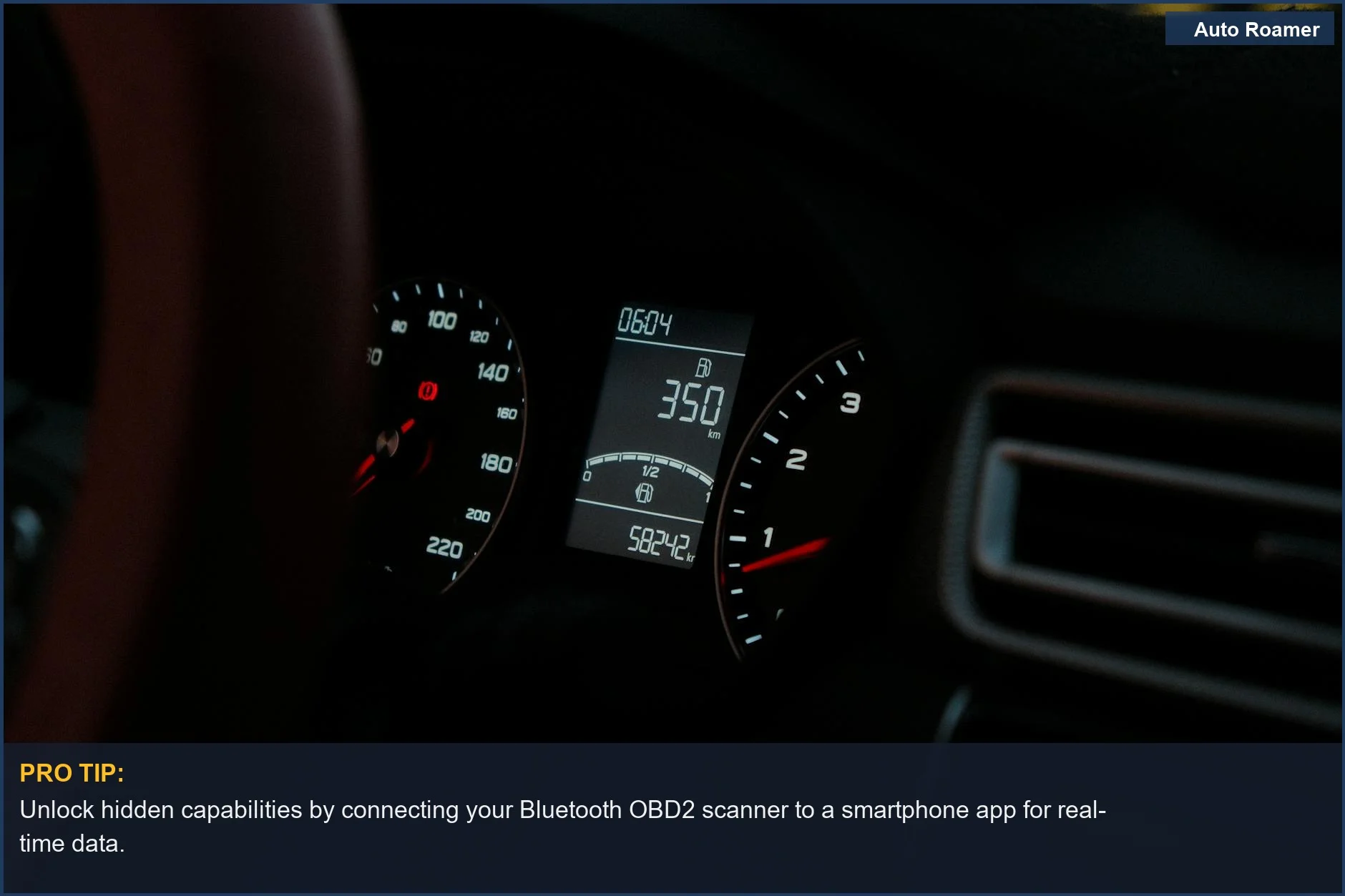
Frequently Asked Questions
If a mechanic charges $150 to read a check engine light, and I can get a Bluetooth OBD2 scanner for $20, does that mean I save $130 every time?
Do I need one of those fancy, big handheld scanners, or is a Bluetooth one with my phone good enough?
What if I plug in a Bluetooth OBD2 scanner, clear a code, and the check engine light comes back on immediately?
Could using a cheap Bluetooth OBD2 scanner mess up my car's computer or permanently damage something?
Is it true that an OBD2 scanner can tell you if your car is going to break down tomorrow?
🏅 Looking for Gear Recommendations?
Check out our tested gear guides for products that work with this setup: