Can you run a fridge overnight in a Honda Odyssey?
Straight answer, because it's the question that sends most people to this page: no, not off the Odyssey's factory outlets. The van's 115-volt household outlet only works with the engine running, and - this is the part that surprises people - the owner's manual explicitly tells you not to plug a refrigerator into it at all. The 12V sockets don't save you either; they cut power within roughly half an hour to an hour after you switch the van off. Every factory power source in an Odyssey is daytime power.
I like to open things up and see how they're actually built, and the Odyssey's power system tells a clear story once you stop reading the brochure and start reading the manual: Honda designed these outlets for convenience while you drive, not for living out of the van overnight. That's not a flaw so much as a design choice, but it's one you have to plan around. This guide walks the outlet and fuse-box locations, explains exactly what runs and when, flags the numbers Honda doesn't publish, and shows the clean way to actually power a night inside a fifth-generation Odyssey. One thing worth setting straight up front: I'm describing the fifth-generation RL6, the platform that arrived for 2018 and picked up mid-cycle refreshes in 2021 and again in 2025 - so if you're cross-referencing an older fourth-generation van, don't assume the socket and outlet layout carries over, because it doesn't, and mixing the two is the fastest way to chase a wire that isn't where the diagram says. Throughout, when I cite a rating I'll tell you where it came from, and where Honda simply doesn't publish a figure I'll say so plainly rather than borrow a number off a look-alike diagram.
The 115-volt outlet: real, but engine-running only
The Odyssey does carry a 115-volt household outlet - a genuinely useful thing for charging a laptop or running a small device on a road trip. It shows up on the higher trims (EX-L, Touring and Elite), typically served to the rear cabin, and on some builds a front outlet appears on Touring and Elite. Note that trim detail is from the 2021 model-year data, so on a 2025-refresh van it's worth re-confirming against that specific vehicle.
- 115 volts, up to about 150 watts: enough for a laptop, a phone charger, or small electronics - not appliance-grade like a Sienna's 1500-watt inverter.
- Engine-running only: this is the key limit - the outlet is live only while the engine is actually running, not on accessory and not with the key off.
- Higher trims only: LX and EX generally don't get the 115V outlet, so confirm your trim before you count on it.
- Front vs rear placement: where the outlet actually sits varies by trim and year - the rear-cabin outlet is the common one, with a front outlet appearing on Touring and Elite in the 2021 data - so physically locate yours before you plan a charging spot around it.
So it's a real outlet with a real ceiling, and its usefulness ends the moment the engine stops. That single constraint - engine on - is what pushes overnight power onto a separate battery, and it's why the next section, about what Honda won't let you plug in, matters so much. To put that 150-watt ceiling in perspective, it comfortably covers a laptop charger pulling 60 or 90 watts with a phone brick alongside it, but it has zero headroom for anything with a heating element or a motor - a travel kettle or a hair dryer swamps it instantly. And because the circuit only lives while the engine is turning, idling in a quiet campsite just to keep a device topped up means burning fuel and running exhaust, which is precisely the trade the overnight-battery approach exists to kill.
Why the manual says no refrigerator (and means it)
Here's the detail that surprises even people who've owned an Odyssey for years: the owner's manual explicitly says not to connect a refrigerator to the 115-volt outlet. When I first read that, it told me exactly what the outlet is - and isn't - engineered for. A fridge draws a startup surge and then cycles hard, and Honda rated this circuit for steady, modest electronics, not that kind of load.
When a manufacturer bothers to print a specific prohibition, it's worth reading as a design boundary, not a suggestion. The Odyssey's outlet is built for a laptop's smooth draw, not a compressor's spikes - so the manual rules the fridge out rather than risk a tripped or overheated circuit.
The practical upshot is that even during the day, with the engine running, the 115V outlet isn't your fridge's home. And since it's dead at night anyway, a 12V fridge in an Odyssey belongs on a portable power station from the start. Read the prohibition as free engineering guidance: it's telling you where the line is so you don't find it the hard way. If you want the physics behind the rule, it's inrush: a compressor fridge can momentarily pull several times its running wattage at the instant the motor kicks in, and a small convenience inverter sized for a laptop's flat draw has nothing in reserve for that spike. That's also why you can't 'test' your way past the warning by watching a fridge run fine for a few minutes - the stress lands at the next compressor cycle, not at plug-in, so the outlet can look perfectly happy right up until the moment it isn't.
Where the 12V sockets are, and how fast they die
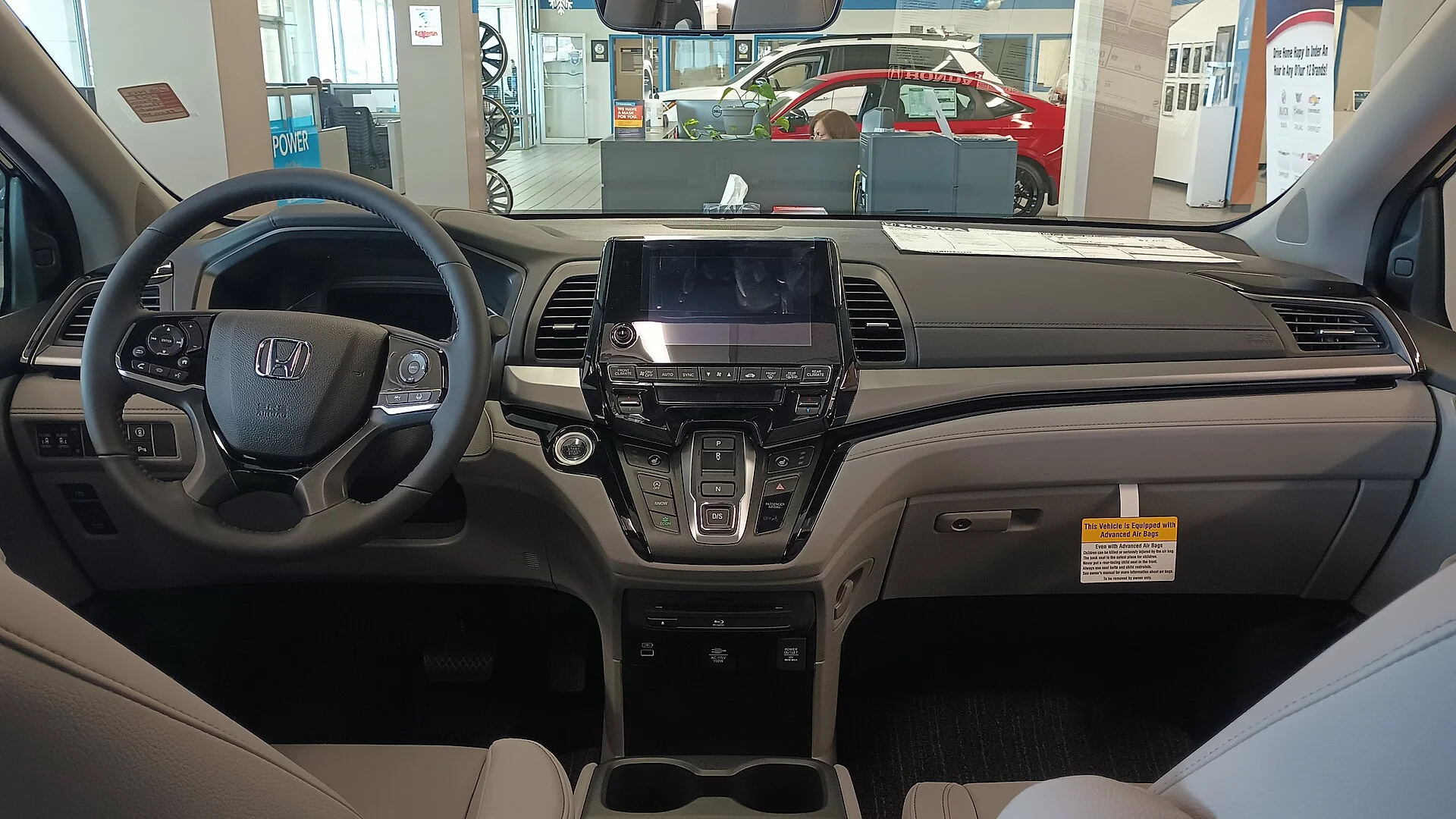
The 12-volt sockets are the ones you'll actually reach for - charging, a 12V fan, a small cooler while you drive. The Odyssey scatters a few through the cabin: up front near the dash and console, and at least one toward the rear for second- and third-row use. Honda doesn't publish a clean total count that holds across every trim, so the honest move is to walk your own van and find them.
- Front sockets: the usual dash/console 12V outlets for charging up front.
- Rear socket: a cabin-rear outlet handy for a cooler or fan in the back while driving.
- The catch - they auto-cut: these sockets are accessory-gated and, importantly, power down on their own roughly 30 to 60 minutes after you switch the van off. So even the 12V outlets won't quietly run a cooler through the night.
- USB is a separate circuit: the van's USB ports don't necessarily follow the 12V sockets' behavior, so don't assume a phone left charging on USB obeys the same auto-off timing - confirm it on your own van rather than lump them together.
That auto-off timer is the tell. It's a battery-protection feature - Honda doesn't want you draining the starter battery - and it's another sign the whole system is built to keep the van startable, not to power a campsite. Plan for the sockets to be dead by the time you're asleep. There's a subtlety worth knowing if you test it: the sockets wake in the accessory position and stay live with the engine on, but the timer starts counting from when you actually shut the van down, so you can't reset it by briefly cycling the key. Put a meter on one and you'll watch voltage hold steady and then simply drop to zero somewhere in that half-hour-to-hour window - no warning, no taper - which is exactly why anything you need past bedtime should never be on a factory socket to begin with.
Which trims get the household outlet?
Because the 115V outlet is trim-gated, this is worth pinning down before you buy or plan around one. The household outlet lives on the upper trims - EX-L, Touring and Elite - and there's solid documentation behind that: a Honda recall (campaign T6U) covering the third-row power outlet on roughly 241,000 vehicles confirms which trims carry it, and the LX and EX are not on that list.
- EX-L, Touring, Elite: these get the 115V outlet (the recall record confirms the trim scope).
- LX and EX: generally no 115V household outlet - 12V and USB only.
- Re-verify a refreshed van: trim content shifted with the 2021 and 2025 refreshes, so confirm the exact outlet layout on the specific year in front of you rather than assuming.
Using a recall record to confirm a feature is exactly the kind of cross-check I trust more than a marketing sheet - it's Honda's own paperwork, tied to VINs. If your Odyssey is an LX or EX and you were counting on a household plug, that's a gap to close with a power station rather than the van. And if you're genuinely unsure which trim you've got, the recall angle doubles as a back-door check: run your VIN through Honda's recall lookup, and whether campaign T6U attaches to your vehicle is itself a signal about whether the third-row outlet is even present. Just don't let a dealer brochure or a used-car listing's 'fully loaded' language stand in for that - I've seen trims mislabeled often enough that I trust only the physical outlet in the van and the paperwork tied to its VIN.
The fuse boxes: three of them, and the map Honda hides
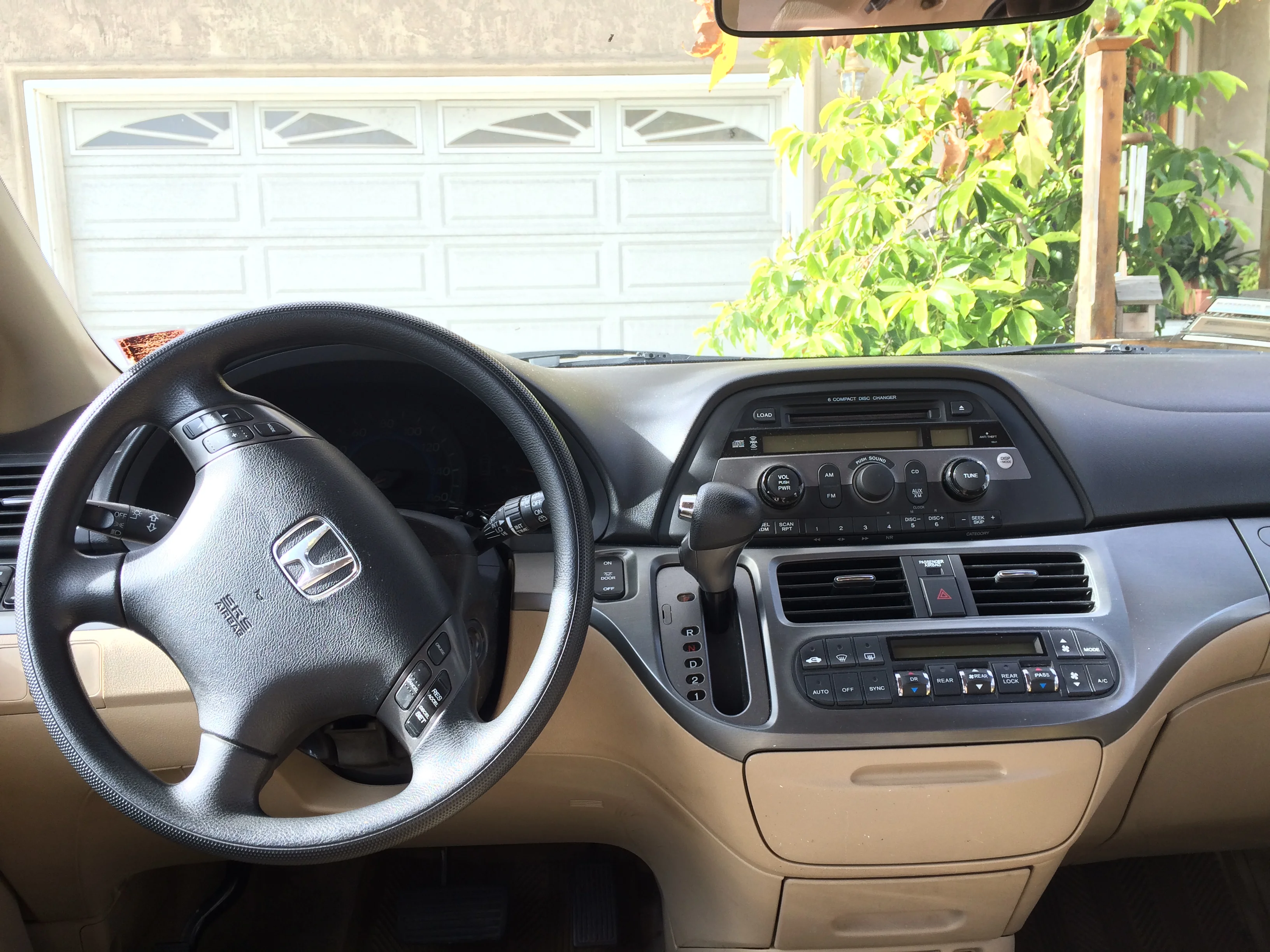
When I want to trace a dead socket or add a circuit, the fuse boxes are the first stop, and the Odyssey has three worth knowing. There's one in the engine bay toward the rear-right, one under the dash on the driver's side, and one in the cargo area on the left. Between them they feed the sockets and the outlet.
- Engine bay (rear-right): the high-current under-hood box.
- Under-dash (driver's side): the main cabin fuse box for interior circuits.
- Cargo area (left): a rear box - handy to know if you're chasing a rear socket or wiring something in the back.
What Honda doesn't hand you cleanly is the amperage map - which fuse protects which outlet, at what rating. Aggregator fuse-diagram sites will offer one, but those are exactly the sources that cross-template diagrams between models and years, so I don't trust them for wiring. Read the legend printed inside each of your van's fuse-box lids instead; it's specific to your vehicle and it's the map that's actually right. When I'm chasing a genuinely dead socket, I check the boxes in order of likelihood: the under-dash box first, since that's where most interior accessory circuits live, then the cargo box for a rear outlet, and only then the engine-bay box for anything upstream of the cabin. A cheap plug-in test light or a multimeter laid across the exposed fuse legs tells you in seconds whether a fuse has blown without even pulling it, and most of these boxes tuck a fuse puller and a couple of spares into the lid - which is also, conveniently, where the legend you actually want is printed.
The 12V rating nobody quite agrees on
Here's a genuine conflict in the sources, and I'd rather show it to you than pick a side. Two credible-looking references give the Odyssey's 12V accessory socket different ratings: one owner reference lists it as 120 watts (10 amps), while a reproduction of the owner's manual lists 180 watts (15 amps). Those are meaningfully different limits, and I can't verify which applies to your exact van.
When two sources disagree on a rating, the honest answer isn't to average them into a number that's wrong for both - it's to send you to the one source that's specific to your vehicle. Guessing high can pop a fuse; guessing low leaves capacity on the table.
So don't wire a load to either 120 or 180 watts on faith. Open your own fuse-box lid, find the socket's circuit and its printed amperage, and size your draw to that. The disagreement in the published sources is exactly why the read-your-own-lid habit isn't optional - it's the only way to get a number you can actually stand behind. The math behind the two figures is worth spelling out, because it's why the gap matters: at a nominal 12 volts, a 10-amp fuse works out to roughly 120 watts and a 15-amp fuse to about 180, so the conflict isn't cosmetic - it's a full 50 percent difference in how much you can safely pull. Size a fan, a pump and a phone charger to 180 watts on a circuit that's really fused at 10 amps and you'll pop it at the worst possible moment, so until the lid proves otherwise I default to the lower, more conservative number and leave a margin under it.
Powering a night the right way in an Odyssey
Given that every factory outlet is daytime-only, the clean system for an Odyssey is the same split that works in any hybrid or gas van: use the vehicle's power while you drive, and use a battery while you sleep. It sidesteps the engine-running outlet, the auto-cutting sockets, and the no-fridge rule all at once. The nice thing about the split is that it decouples your comfort from the engine entirely: you're never choosing between a charged phone and a quiet, fume-free night, because the two power sources never have to be running at the same time. Size the station to your real overnight draw - a fridge, a fan and some device charging - and the van's daytime-only outlets stop being a limitation you fight and become a free top-up you use while the wheels are turning.
- Daytime: the 115V outlet (engine on) and the 12V sockets handle charging and a cooler while you're moving.
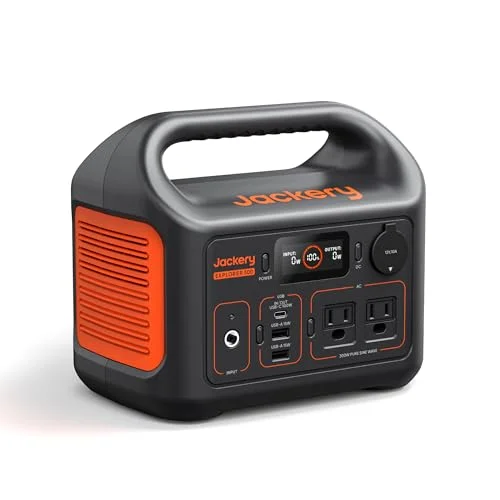
- Overnight: a portable power station carries the fridge, a fan and device charging on its own cells - silent, and independent of the van.
- Recharge on the move: refill the station from a 12V socket as you drive, so you start each night full.
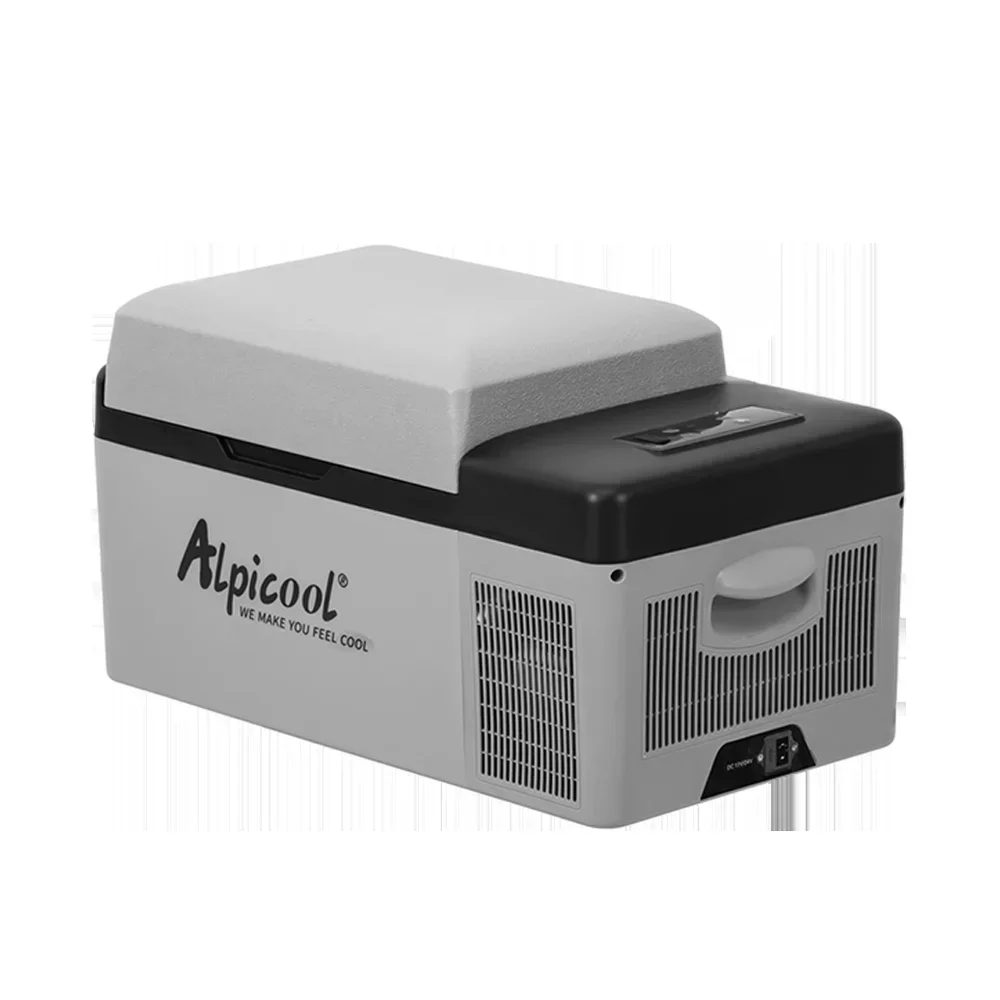
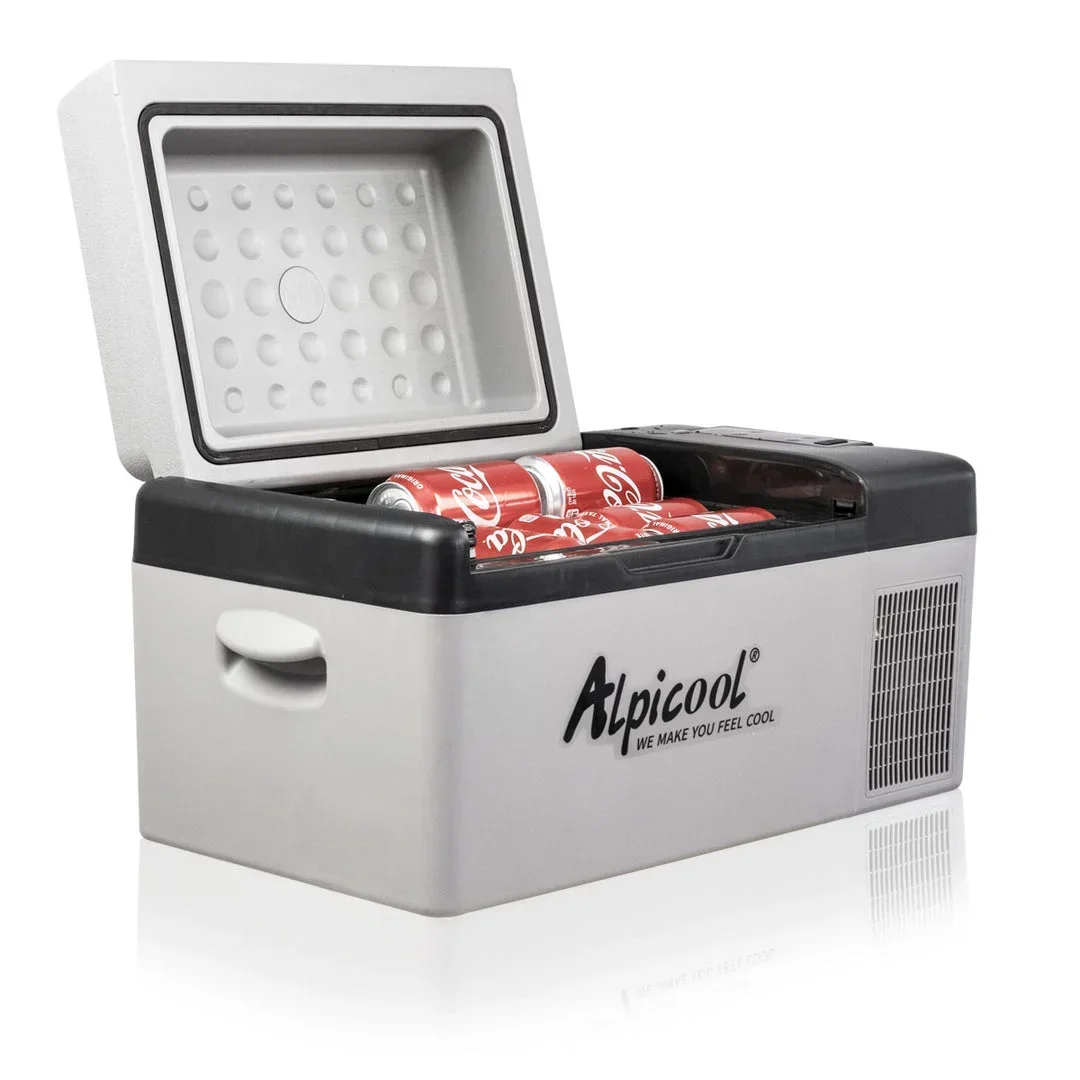
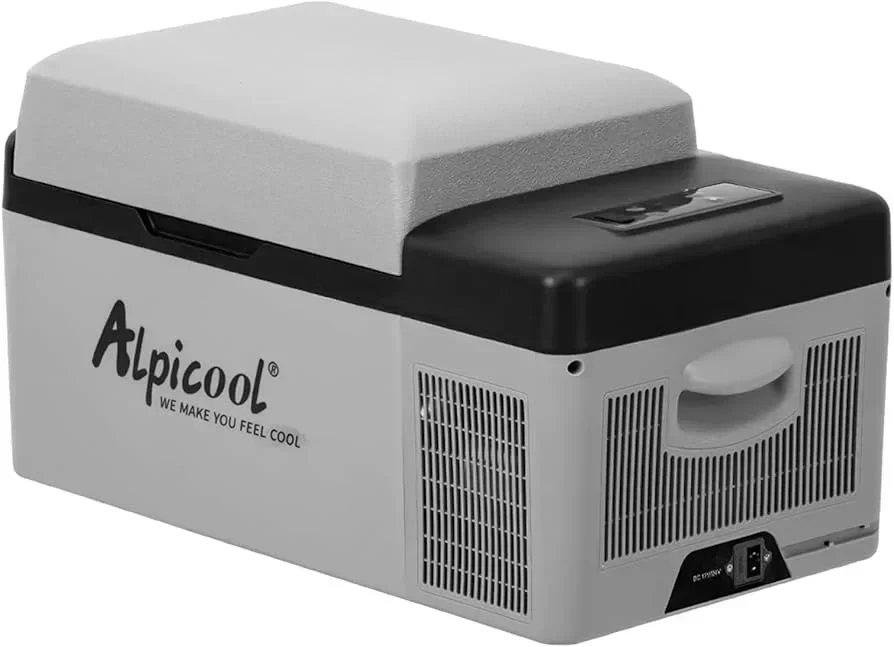
An Alpicool C20 12V fridge draws around 45 watts and cycles rather than running flat out, so it's an easy overnight load for a Jackery Explorer 300 power station - and because the manual bars the fridge from the 115V outlet, the power station isn't just the overnight answer, it's the correct daytime answer for the fridge too.
The verdict: a good van with honest daytime-only power
The fifth-generation Honda Odyssey is a fine camping van with a power system you should read honestly: the 115V household outlet (EX-L, Touring, Elite) runs only with the engine going and won't legally take a fridge, and the 12V sockets auto-cut within an hour of shutting off. There's no key-off outlet, the fuse amperages aren't cleanly published, and even the 12V socket rating is disputed between sources - so the fuse-box lid is your real reference. None of that makes it a bad van; it makes it a predictable one, which is exactly what I want from a vehicle I'm going to modify. Honda built a power system that guards the starter battery and keeps the van reliable, and the moment you stop expecting it to double as a house battery, every one of these constraints turns into a known quantity you can design around rather than a surprise you discover at 2 a.m. with a warm cooler.
Use the Odyssey's outlets by day, run every overnight load off a power station, keep the fridge off the 115V outlet per the manual, and read your own fuse lid for any wiring - and the van's daytime-only power stops being a surprise.
Plan around that and the Odyssey earns its place. The full build lives in our Honda Odyssey camper setup, the Odyssey cargo dimensions for sleeping covers the bed, the Sienna vs Odyssey comparison weighs it against the Toyota, and our Honda Pilot 12V outlet and fuse map and Subaru Outback 12V map apply the same honest method to other vehicles.