
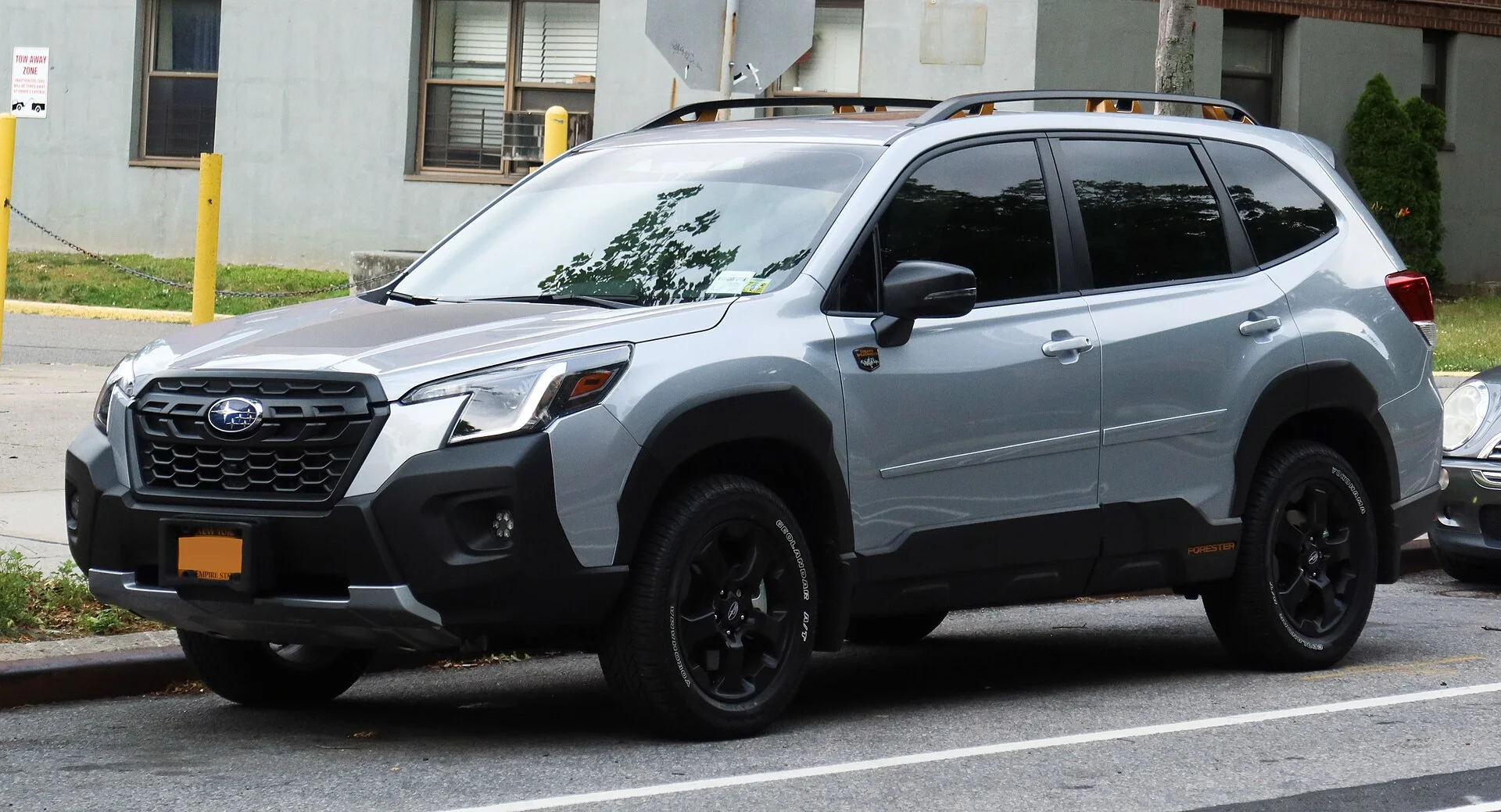
The Short Verdict: Two Good Rigs, One Real Question
Here is the trade-off nobody prices out for you: the CR-V and the Forester are both excellent compact crossovers for car camping, and the choice is not about which is better overall - it is about whether you value the bed inside or the capability to reach where you park it. Both are compact crossovers in the same class, so both require folding the rear seats and a mattress or sleeping pad rather than offering a full flat bed for two adults.
Reason it like a system with two variables. The CR-V optimizes the sleeping surface: its near-flat 73-inch folded load floor gives a slightly longer and wider seats-folded platform than the Forester in most trims. The Forester optimizes access: its standard 8.7-inch ground clearance and standard all-wheel drive make it better suited to reaching unpaved and rougher campsites than a front-drive CR-V.
So the honest framing is that these two crossovers solve different halves of the same problem. If most of your nights are at established, drive-up sites and you want the best sleep, the CR-V's floor wins. If you push down rough forest roads to reach dispersed spots, the Forester's clearance and grip win. The rest of this guide runs the numbers behind that split so you can match the rig to your trips.
The Flat Floor: Where You Actually Sleep
The single most important car-camping spec is the flat sleeping surface, and here the CR-V has a measurable edge. On the sixth-generation CR-V, the cargo length with the rear seats folded is about 73.0 inches, the width about 44.0 inches, and the height about 36.0 inches (34.0 inches on hybrids). That near-flat 73-inch folded load floor gives the CR-V a slightly longer and wider seats-folded sleeping platform than the Forester in most trims - with the rear seats down and a pad, not a true flat bed.
The Forester is close behind, and the honest comparison uses the same measurement for both. With its rear seats folded, the Forester's cargo floor runs about 69 inches long, and a sleeping platform that bridges the footwell gap behind the front seats can stretch the usable length to roughly 72 to 74 inches. Set against the CR-V's roughly 73-inch folded floor, that is a small difference, not a large one: the CR-V is marginally longer and wider, but the Forester is a genuinely usable sleeper for most adults - not the cramped runner-up a seats-up number would suggest.
What this means in practice: for a single sleeper on a twin pad, either works. For a taller sleeper or a snug two-person setup, the CR-V's extra flat length and width are the difference between fitting cleanly and fighting the space. If the bed is your priority - and for a lot of car campers it is - the CR-V is the engineering pick on the one spec you spend eight hours a night with.
Getting There: Clearance and AWD
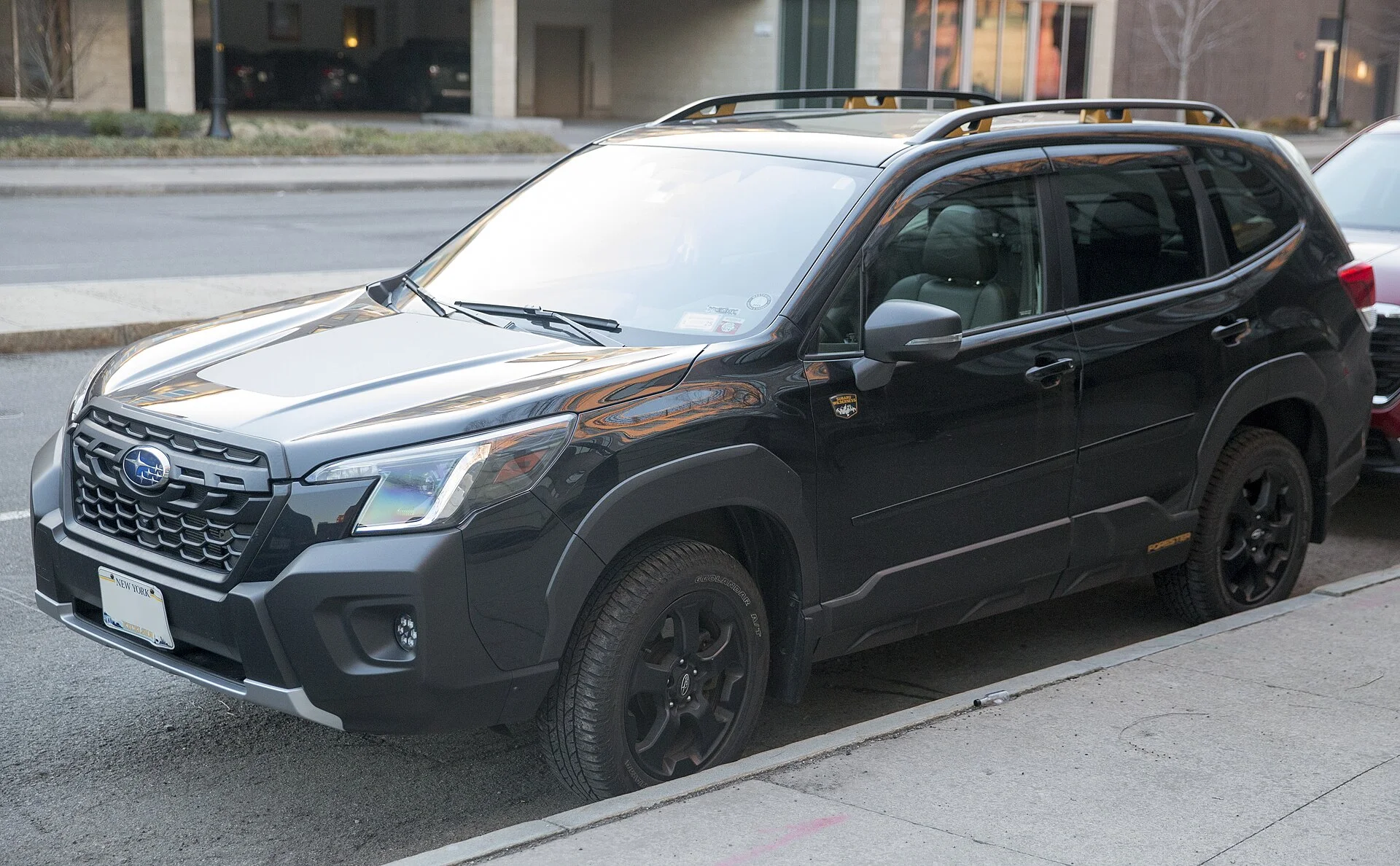
Now flip to the other variable, because reaching the site is half of car camping. The Forester's standard 8.7-inch ground clearance and standard all-wheel drive make it better suited to reaching unpaved and rougher campsites than a front-drive CR-V. The CR-V, by contrast, offers about 7.8 to 8.2 inches of ground clearance, and it is front-wheel drive standard with Real Time all-wheel drive available as an option on most trims.
The drivetrain difference is the one that decides muddy pullouts. The Forester uses standard Symmetrical All-Wheel Drive on every trim, so all four wheels always get power without you paying for an option box. On the CR-V, all-wheel drive is an add-on, and a front-drive CR-V will spin a front wheel on a loose climb where the Forester just walks up. For campsite access, standard AWD is a real, not theoretical, advantage.
Clearance stacks on top of that. The Forester Wilderness trim raises ground clearance to up to 9.3 inches and adds reinforced suspension and X-MODE off-road driving features for tougher terrain - a genuinely more capable version if rough access is your norm. The engineering read is clear: if your campsites are at the end of unmaintained roads, the Forester's standard AWD and higher clearance are worth more than the CR-V's flatter floor.
Cargo Volume, Compared
Total cargo volume is close enough that it rarely decides the matchup, but the numbers are worth having. The Honda CR-V offers 76.5 cubic feet of maximum cargo volume with the rear seats folded on gas trims (75.8 cubic feet is cited in some head-to-head specs), while the Subaru Forester offers 74.4 cubic feet with the rear seats folded. The CR-V's hybrid drops to 71.8 cubic feet because the battery raises the floor.
Those figures sit within a couple of cubic feet of each other, so raw volume is close to a wash - both swallow a camping load with room to spare. The more useful distinction is shape. The CR-V spends its volume on a longer, wider flat floor, which is exactly what you want for sleeping, while the Forester packages a bit less total space but adds a storage trick the CR-V lacks entirely (covered below).
The takeaway is not to shop this pair on the volume number. Both have ample cargo room for one or two campers plus gear; the difference that matters is how that volume is arranged. The CR-V arranges it into the better bed. The Forester arranges it into a taller, more versatile cabin with hidden storage. Neither wins on cubic feet alone - it is what you do with them.
The Fuel and Range Trade
For anyone driving long distances to trailheads, fuel economy and range are quiet but real factors. The Forester is rated up to an EPA-estimated 26 mpg city and 33 mpg highway on the 2.5-liter gas engine, while the AWD gas CR-V is rated up to an EPA-estimated 27 mpg city and 32 mpg highway. On efficiency these two are effectively tied - a mile per gallon here or there, not a deciding gap.
Range is where a small difference shows up, and it favors the Forester. The Forester carries a fuel tank capacity of up to 16.6 gallons, versus up to 14.0 gallons on the CR-V. A larger tank at similar economy means more miles between fill-ups, which matters when the nearest gas station is an hour from the campsite. For remote trips, the Forester's bigger tank is a modest but genuine edge.
Under the hood, the Forester runs a 180-horsepower 2.5-liter four-cylinder (194 horsepower on the hybrid). Neither vehicle is quick, and for camping that is fine - what you care about is efficient cruising and enough grunt to climb a grade loaded. Both deliver that. The engineering verdict on fuel: call economy a tie, give range to the Forester's larger tank, and do not let this category override the bigger flat-floor-versus-clearance decision.
The Under-Floor Storage Edge
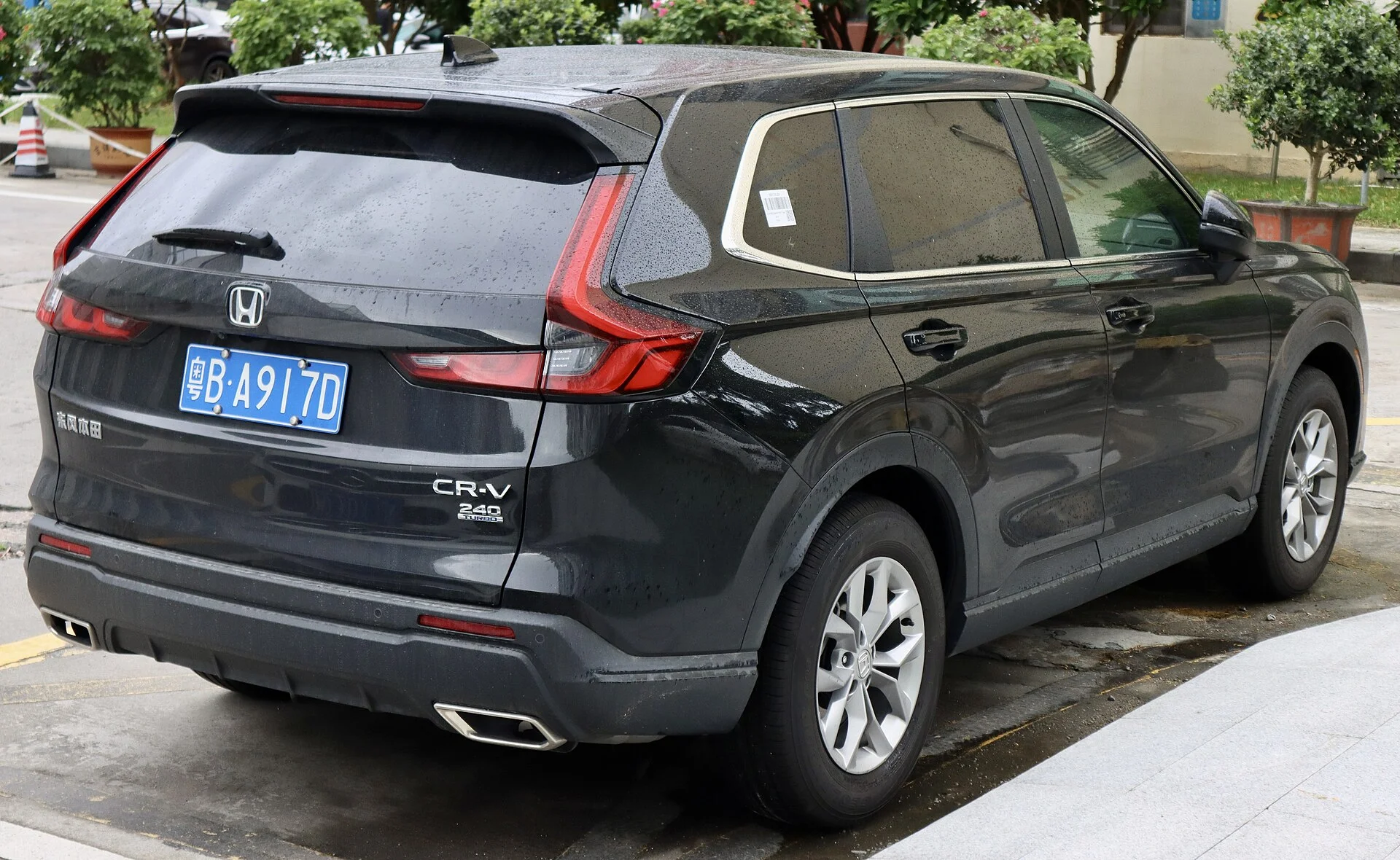
Here is a Forester feature that punches above its weight for campers: hidden storage. The Subaru Forester includes an under-floor cargo storage compartment in nearly every trim; the Honda CR-V does not offer one on any model. That compartment is exactly where you want to stash the wet, dirty, or valuable items you do not want loose on your sleeping platform - muddy boots, a recovery strap, a first-aid kit.
Why this matters more than it sounds: in a vehicle you sleep in, floor space is bed space, and anything you can move below the floor is space you get back for sleeping. The CR-V's slightly larger total volume is partly offset by the fact that all of it sits in the open cargo bay, competing with your bed, while the Forester lets you tuck a layer of gear out of the way underneath.
It is a small design choice that reveals Subaru thought about how the vehicle gets used. For a car camper, the under-floor bin is a free organizational win the CR-V simply cannot match. If you run a minimalist single-sleeper setup it may not sway you, but if you pack heavy and value a clear sleeping surface, the Forester's hidden storage is a real point in its favor.
Cabin Space and Sitting-Up Room
Beyond the flat floor, how the cabin feels when you are awake in it matters on a rainy morning. The Forester offers more total passenger volume and taller front and rear headroom, creating a taller, airier cabin than the CR-V. That upright greenhouse is a Subaru trademark, and inside a parked camper it translates to more room to sit up, change clothes, and wait out weather without feeling boxed in.
The CR-V counters with its floor-level advantage. Its cargo height is about 36.0 inches on gas trims, dropping to 34.0 inches on hybrids, so the sitting-up room in back is decent but the overall cabin feels a touch lower and more carlike than the Forester's. Neither lets you stand, of course - these are crossovers, not vans - but the Forester's extra headroom is noticeable when you are living in the space rather than just sleeping in it.
The trade nets out as bed versus cabin. The CR-V gives the better flat sleeping platform; the Forester gives the airier, more upright cabin to be awake in. Which you weight more depends on your trips - fast overnights favor the CR-V's floor, while longer stays and weather days favor the Forester's roomier feel. Both are pleasant places to camp; they just prioritize different hours of the day.
Towing a Small Trailer
If a small teardrop or utility trailer is part of your plan, the towing numbers separate the two more clearly. The Subaru Forester is rated to tow 1,500 pounds on most trims, and up to 3,000 to 3,500 pounds on the Wilderness trim. The Honda CR-V is rated to 1,500 pounds on gas trims and 1,000 pounds on hybrid trims. For a base trim, the two match at 1,500 pounds.
The spread opens at the extremes. If you choose the CR-V hybrid for its efficiency, you drop to a 1,000-pound limit, which rules out many small camping trailers. If you choose the Forester Wilderness, you gain up to 3,000 to 3,500 pounds of capacity - enough for a proper teardrop or a small toy hauler. So the trims you are drawn to for other reasons also swing the towing verdict.
The engineering guidance: if towing matters, the Forester Wilderness is the clear pick in this pair, and the CR-V hybrid is the one to avoid for that job. If you never tow, the base 1,500-pound match makes this category a non-factor. Know which trailer, if any, you plan to pull before you let this decide the matchup - for many car campers it simply will not.
Which One for Which Camper
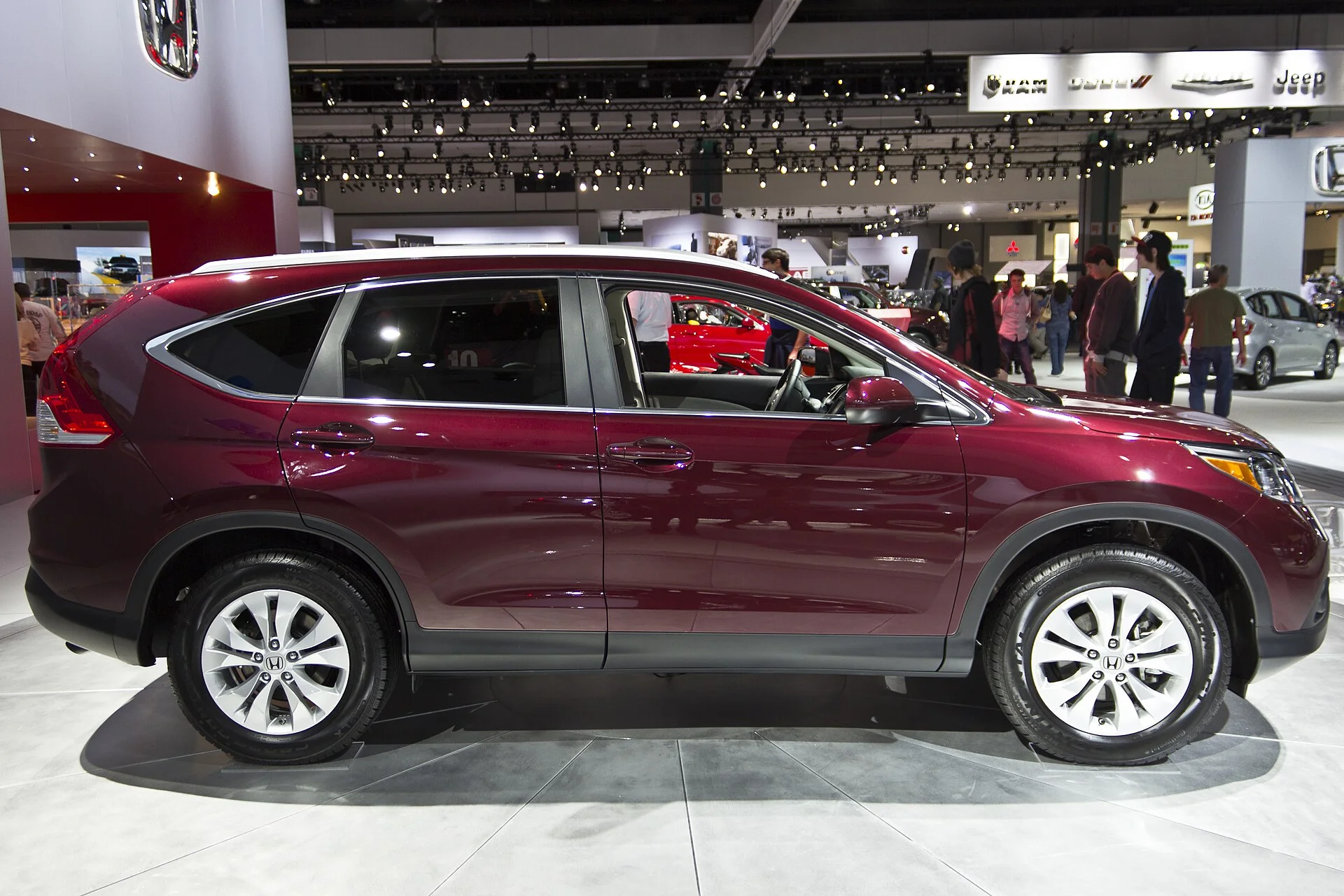
Put the variables together and the recommendation sorts cleanly by how you camp. Choose the CR-V if your priority is the sleeping surface: it delivers the longer, wider near-flat folded floor at about 73 by 44 inches and 76.5 cubic feet (seats down, with a pad), a comfortable bed for a solo camper or a snug two, and it is ideal for established, drive-up campgrounds where front-wheel drive is never tested. When the bed is the point, the CR-V is the pick.
Choose the Forester if your priority is reaching and living at rougher sites. Standard Symmetrical AWD, 8.7 inches of clearance (up to 9.3 on the Wilderness), under-floor storage, a taller cabin, a larger 16.6-gallon tank, and up to 3,000-to-3,500-pound Wilderness towing make it the more capable all-around camper for dispersed and backcountry-access trips. When getting there is the challenge, the Forester is the pick.
For the buyer who wants one honest sentence: the CR-V is the better bed on easy roads, the Forester is the better vehicle on hard ones. A good SUV car-camping mattress makes either one comfortable, so let the roads you drive - not the mattress - make the call.
The Verdict
Both the CR-V and the Forester are among the best compact crossovers you can camp out of, and neither is a wrong answer - they just optimize different things. The CR-V wins the near-flat folded floor: about 73 inches long, 44 inches wide, 76.5 cubic feet (seats down, with a pad), the longer and wider sleeping platform in most trims. The Forester wins access and versatility: standard AWD, 8.7 inches of clearance, under-floor storage, a taller cabin, and a bigger tank.
The deciding question is your terrain. Established campgrounds and paved or graded access roads make the CR-V's superior bed the smart engineering choice, since its front-wheel-drive limitation never comes into play. Unmaintained forest roads, mud, snow, and dispersed sites make the Forester's standard grip and clearance worth more than a couple of inches of flat floor.
So decide honestly where you actually sleep. If it is drive-up sites, buy the CR-V and enjoy the better bed. If it is down rough roads, buy the Forester - or the Forester Wilderness for the most clearance, towing, and off-road hardware - and accept a slightly tighter sleeping floor as the price of getting there. Match the rig to the road, and either one makes a genuinely good home for the night.