
What Are the Hidden Costs of Trading In a Car?
Trading in your current car at the dealership for a new one sounds easy, right? You drive in with two cars, drive out with one, and the math magically works itself out. But what nobody tells you is that the glossy paperwork hides a bunch of little costs that can eat into whatever you thought you were getting for your old ride.
Trading in your current car at the dealership for a new one sounds easy, right? You drive in with two cars, drive out with one, and the math magically works itself out. But what nobody tells you is that the glossy paperwork hides a bunch of little costs that can eat into whatever you thought you were getting for your old ride.
It's not just the sticker price of the new car; there are fees that sneak in like a rogue squirrel into your campsite.
I learned this the hard way when I traded in my first hatchback. I thought I was getting a sweet deal on a slightly used SUV, but the final number felt... off. Turns out, there were a few extra line items that I'd completely missed in the financing office. Those little charges add up faster than you'd think.
This isn't about shady dealers trying to rob you blind, though that can happen. It's about understanding the standard practices and the fees that are just part of the transaction. Think of it like packing for a weekend trip: you need your essentials, but then there are the 'nice-to-haves' and the 'oh-crap-I-forgot-that' items that cost extra money and hassle. It's all part of the game.
The Core Answer
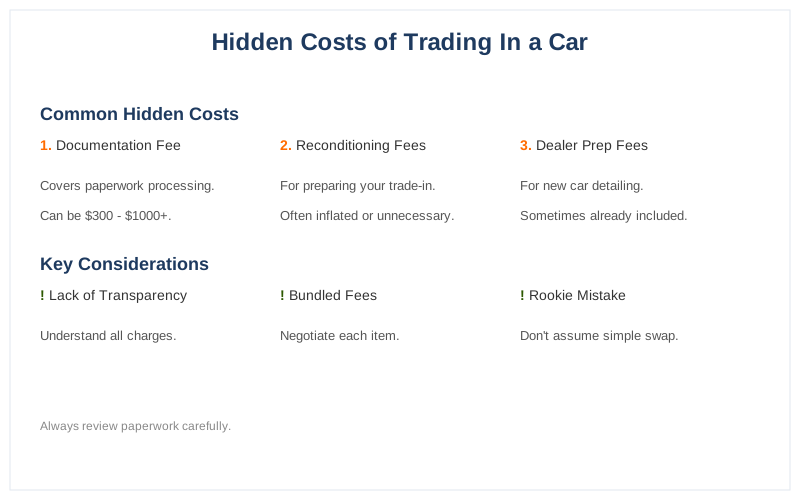
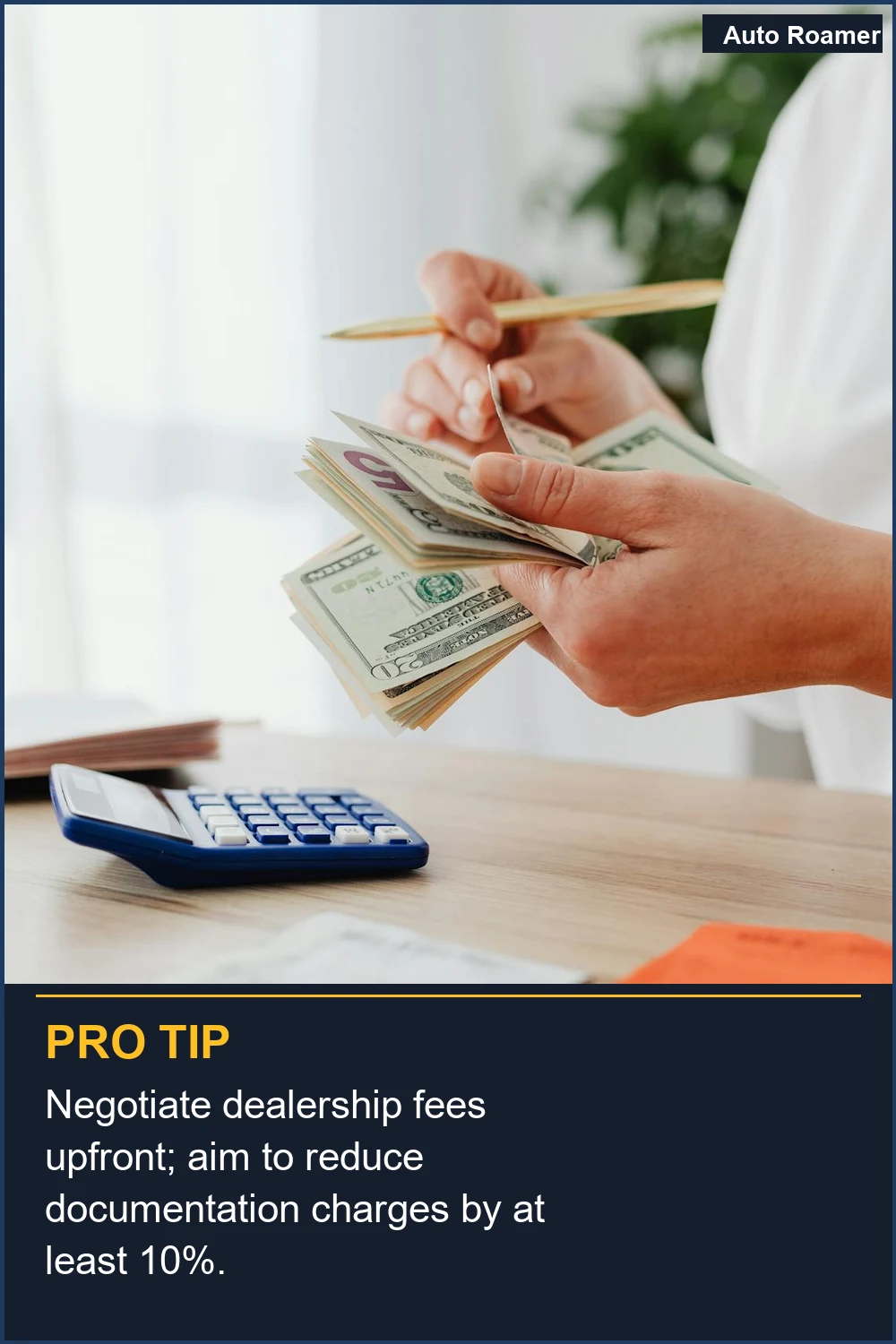
The core answer to the hidden costs of trading in a car is that dealerships often bundle various fees into the transaction, and they might not always be transparent about them. You're not just getting a price for your old car and a price for the new one; there's a whole ecosystem of charges in between. It's a rookie mistake to think it's a simple swap. One of the biggest culprits is the "documentation fee," or "doc fee." This is supposedly for the paperwork involved in selling you a car. It can range from a few hundred bucks to over a thousand, and honestly, it feels like a made-up charge most of the time. I've seen them as high as $800 on a $20,000 car, and it just feels like pure profit for the dealership. They might say it's non-negotiable, but it's worth asking. Then there are reconditioning costs. Even if your trade-in looks pristine, the dealer will often charge a fee to 'recondition' it before they put it on their lot for resale. This is supposed to cover things like detailing, minor repairs, or getting it ready for inspection. It's another way they can pad the price they offer you. They're essentially charging you to make your own car sellable. Sales tax is another big one, but there's a twist here that can actually be a benefit. In most places, you only pay sales tax on the difference between the new car's price and your trade-in's value. So, if a new car is $30,000 and they give you $10,000 for your trade-in, you're only paying tax on $20,000. This can save you a significant chunk of change, often hundreds or even thousands of dollars, depending on your state's tax rate. Beyond that, you might encounter registration fees, title fees, and other administrative charges. While some of these are legitimate costs associated with transferring ownership, dealerships can sometimes inflate them. It's crucial to have them itemize everything. Don't just look at the final number. My field notes suggest that the real move is to know your car's actual market value *before* you even step onto the lot. Get quotes from places that just buy cars, not dealerships looking to make a profit on both sides of the transaction. This gives you leverage. The honest version is that the convenience of trading in your car at a dealership might cost you more than you realize. It's like paying for a pre-set campsite instead of finding your own spot: easier, but usually pricier. You're trading money for time and ease.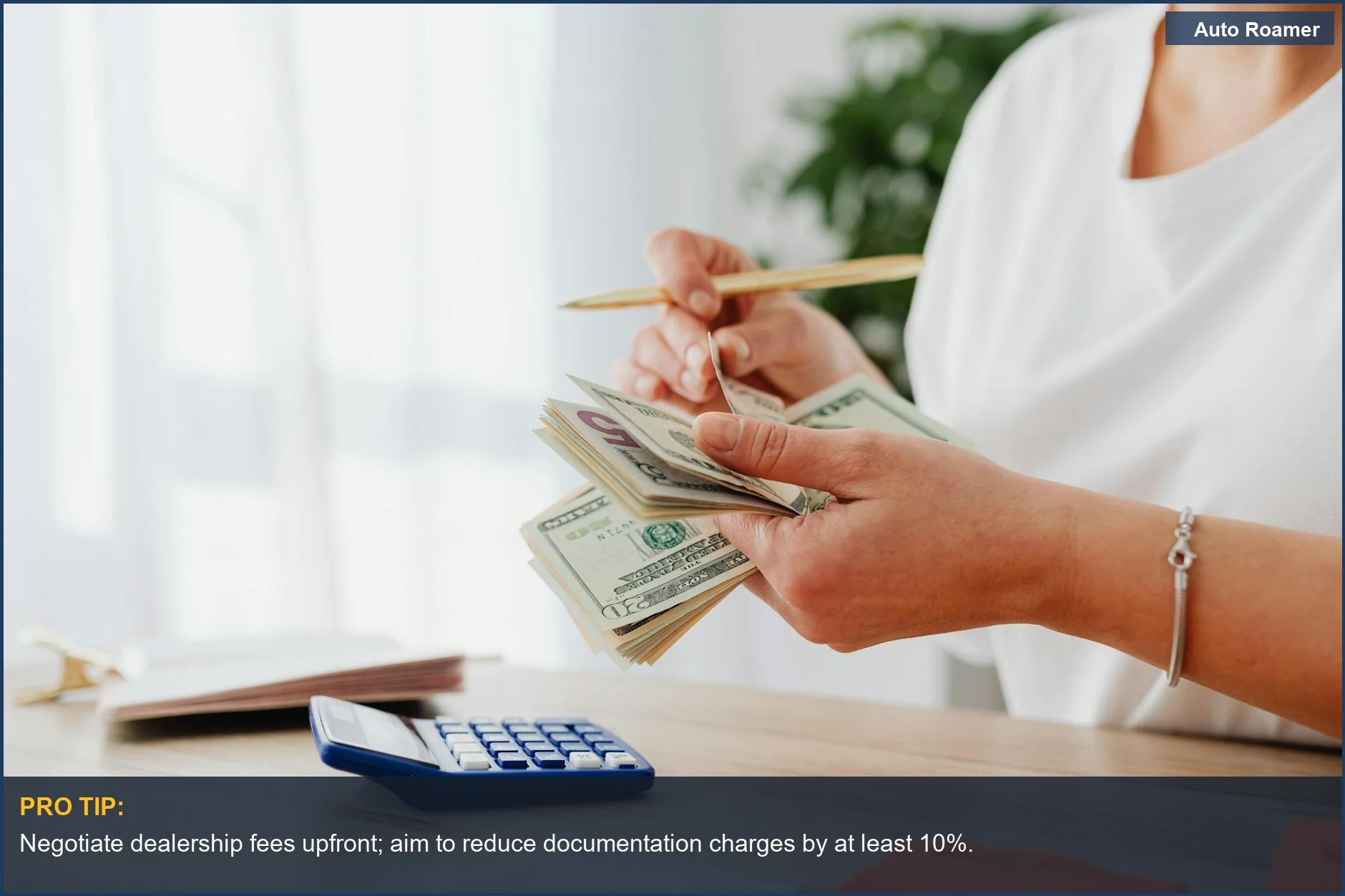
Why This Matters for Your Setup
This matters because those hidden costs can seriously impact your budget. For example, a $500 documentation fee on a new car purchase is a significant chunk of change. That's like paying for a whole new set of tires for your old car that you're trading in. Here's how it breaks down: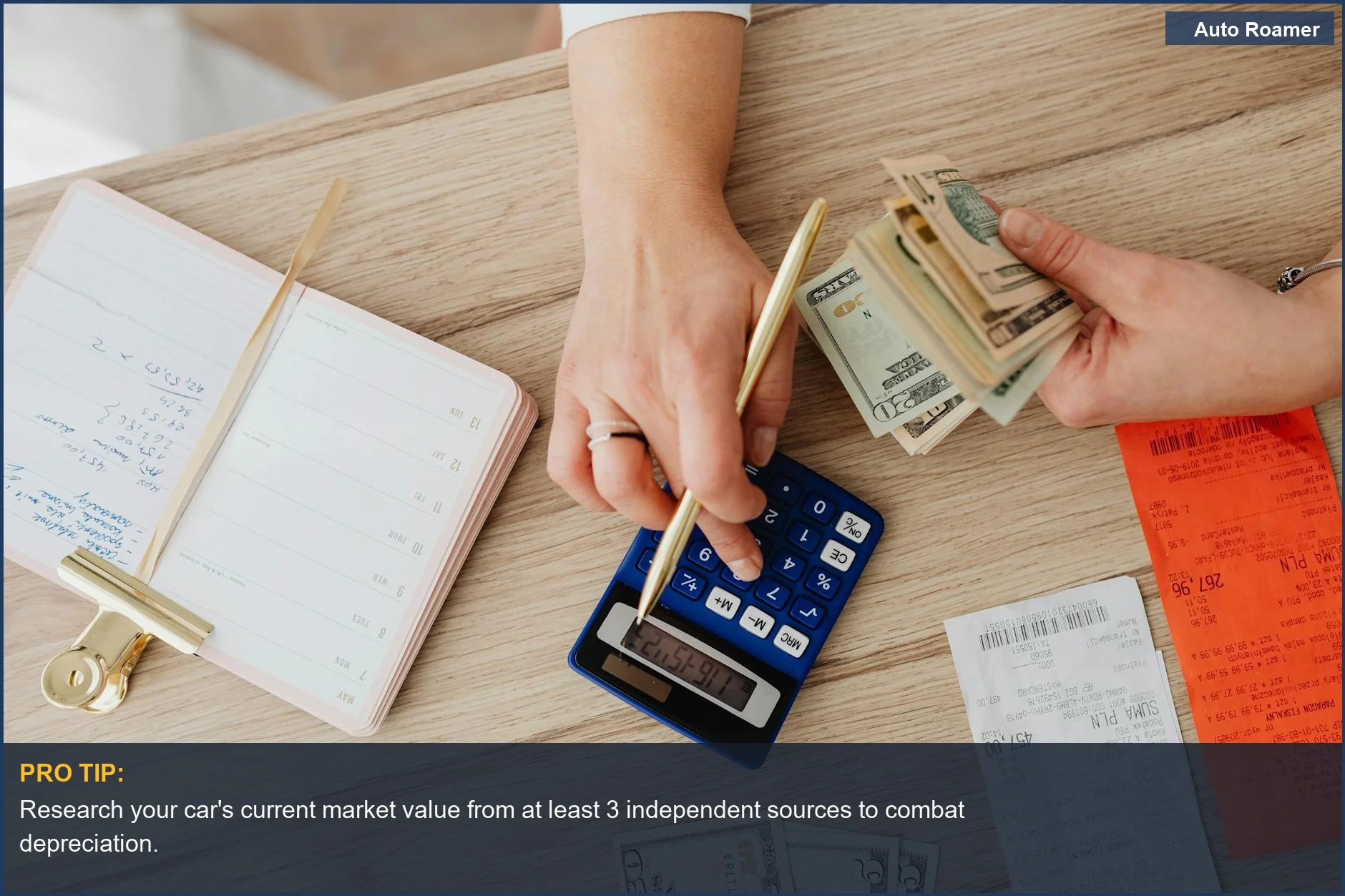
Making the Right Choice
The bottom line is that trading in your car at a dealership isn't as simple as it sounds. There are hidden costs and fees that can chip away at your car's value. My advice is to always do your homework.
Frequently Asked Questions
If I get a dealer to remove the $500 documentation fee, does that mean I saved $500 on the car?
Do I really need to get my car inspected by a mechanic before trading it in, or is that just extra cash down the drain?
What if the dealership offers me a really low trade-in value and refuses to budge, even after I show them market data?
Can accepting a low trade-in offer now permanently hurt my credit score or future car buying ability?
Is it true that dealers can just 'invent' fees because they know most people won't question them?
🏅 Looking for Gear Recommendations?
Check out our tested gear guides for products that work with this setup:
Sources
- 10 Fees to Watch Out for When Buying a Car - Auto | HowStuffWorks
- Why Trading In Your Car at a Dealership Could Cost You
- 3 Hidden Costs of Trading in a Car - CarsDirect
- Unexpected Expenses You Need to Shoulder when Trading-in Your ...
- What extra costs to own am I incurring when I trade in my car? - Reddit
- How Trading In a Car Works - Car and Driver
- The Hidden Benefits of Trading In Your Car - Driveway
- How to Spot and Avoid Unnecessary Car-Buying Fees