
How Does Insurance Affect Your Annual Car Ownership Expenses?
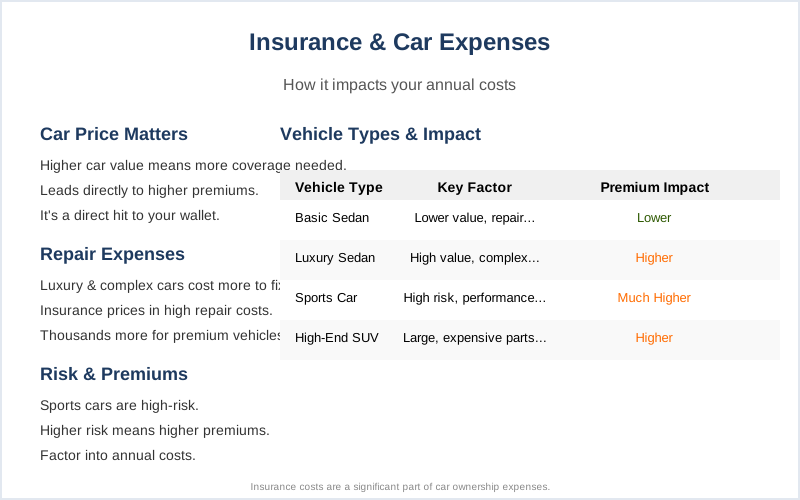
Your car insurance isn't just some random number the insurance company spits out. It's a direct reflection of your vehicle's sticker price and how much it might cost them to fix or replace it if something goes sideways. The higher the car price, the more coverage is needed , and that directly translates to higher premiums.
Your car insurance isn't just some random number the insurance company spits out. It's a direct reflection of your vehicle's sticker price and how much it might cost them to fix or replace it if something goes sideways. The higher the car price, the more coverage is needed, and that directly translates to higher premiums. It's basic math for them, and a direct hit to your wallet.
These aren't just abstract numbers; they're part of the real cost of owning a car, and insurance is a big chunk of it. You can't just ignore it and hope for the best. It's a cost you absolutely have to factor in from day one. Think of it as the tax on having wheels.
The Core Answer
So, how does insurance jack up your annual car expenses? It all boils down to what the insurance company thinks it might have to pay out. If you've got a sweet ride that costs a fortune to repair - think fancy European sedans with tech that looks like it belongs on a spaceship - your premiums are going to be higher. Repairing a high-end vehicle can cost thousands more than fixing up a basic commuter car. It's like they're pricing in the worst-case scenario for that specific make and model. The more expensive your car, the more they have to cover if it gets totaled. This is why that $20,000 sedan you bought might have a higher annual insurance bill than your buddy's $50,000 SUV, even if the SUV looks more expensive on paper. It's all about parts and labor costs. And don't even get me started on sports cars. They practically scream 'high-risk, high-premium.' Also, if you're financing or leasing your car, the lender usually demands 'full coverage,' which means collision and comprehensive. You don't have much choice but to pay for it. Lenders require 'full coverage' on financed or leased cars. Once you own it free and clear, you *could* drop some of that, but it's a gamble. The honest version: it's a constant negotiation between what you can afford and what the insurance company thinks you need. My first car was a beat-up Civic, and the insurance was peanuts. My current car, not so much.

Why This Matters for Your Setup
- Your Car's Price Tag: This is the big one. A car that costs $50,000 to buy will absolutely cost more to insure than one that cost $20,000. The insurance company has to account for the higher cost of replacing it if it gets stolen or wrecked. Higher car prices lead to higher insurance premiums. It's not rocket science.
- What Kind of Car Is It?: A sporty coupe might get dinged more than a minivan because, well, people tend to drive them faster. Thieves also like certain models more than others, which bumps up rates. Car ownership trends directly influence auto insurance costs. This is why that flashy convertible might cost you an extra $500 a year even if you never floor it.
- Ownership Status: Are you buying it outright, or is it still on a loan? If it's financed or leased, you'll likely need more comprehensive coverage than if you own it free and clear. Ownership status has a big impact on insurance costs. This is what nobody tells beginners: you might not have a choice in how much coverage you get if the bank still owns a piece of your car.
- Safety First (Usually): Modern cars come packed with safety tech like automatic emergency braking. Insurers love this because it means fewer accidents. Sometimes, these features can actually lower your rates. Safety features can offset costs. It's a small win in the constant battle against rising insurance bills.

Making the Right Choice
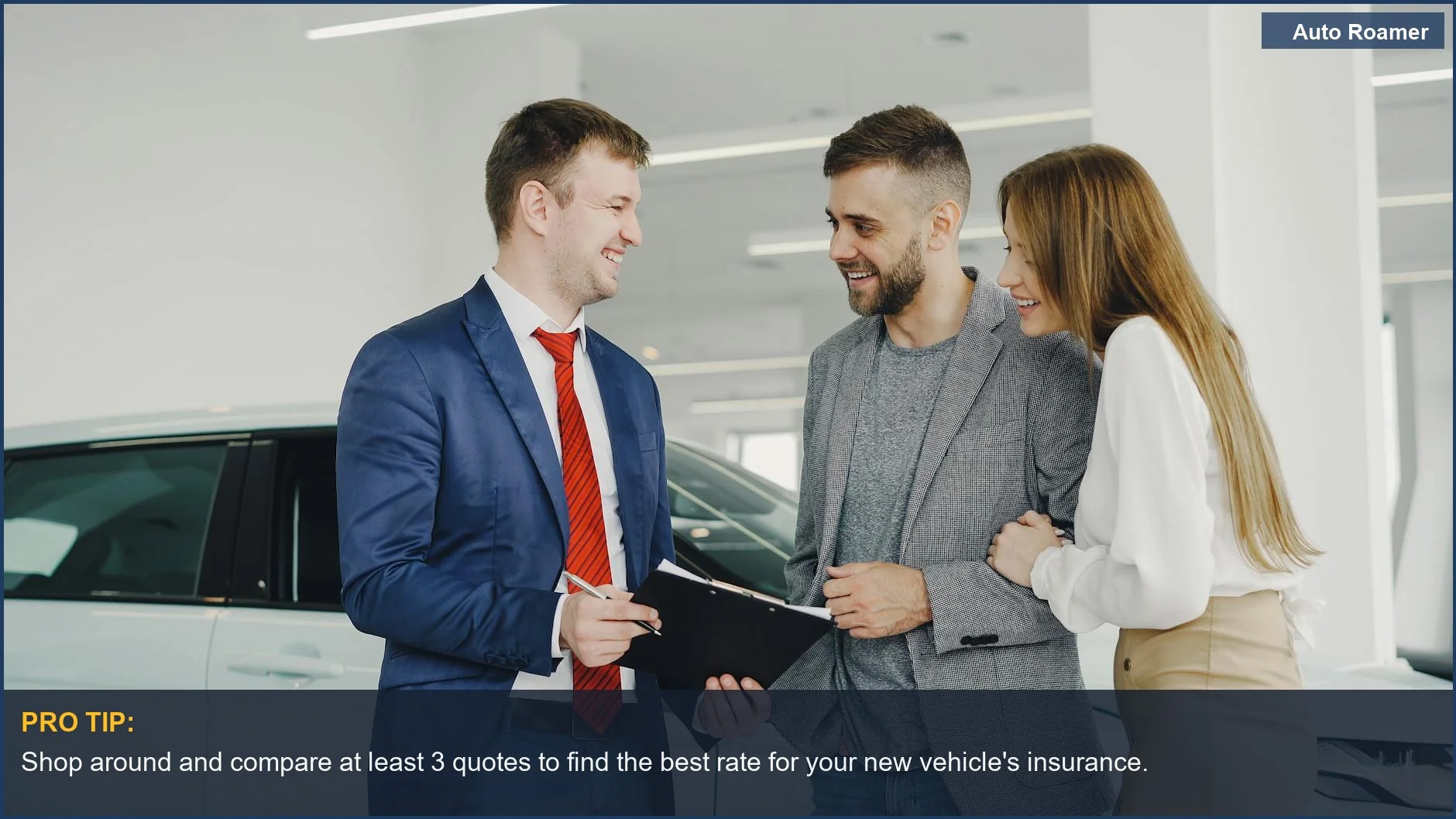
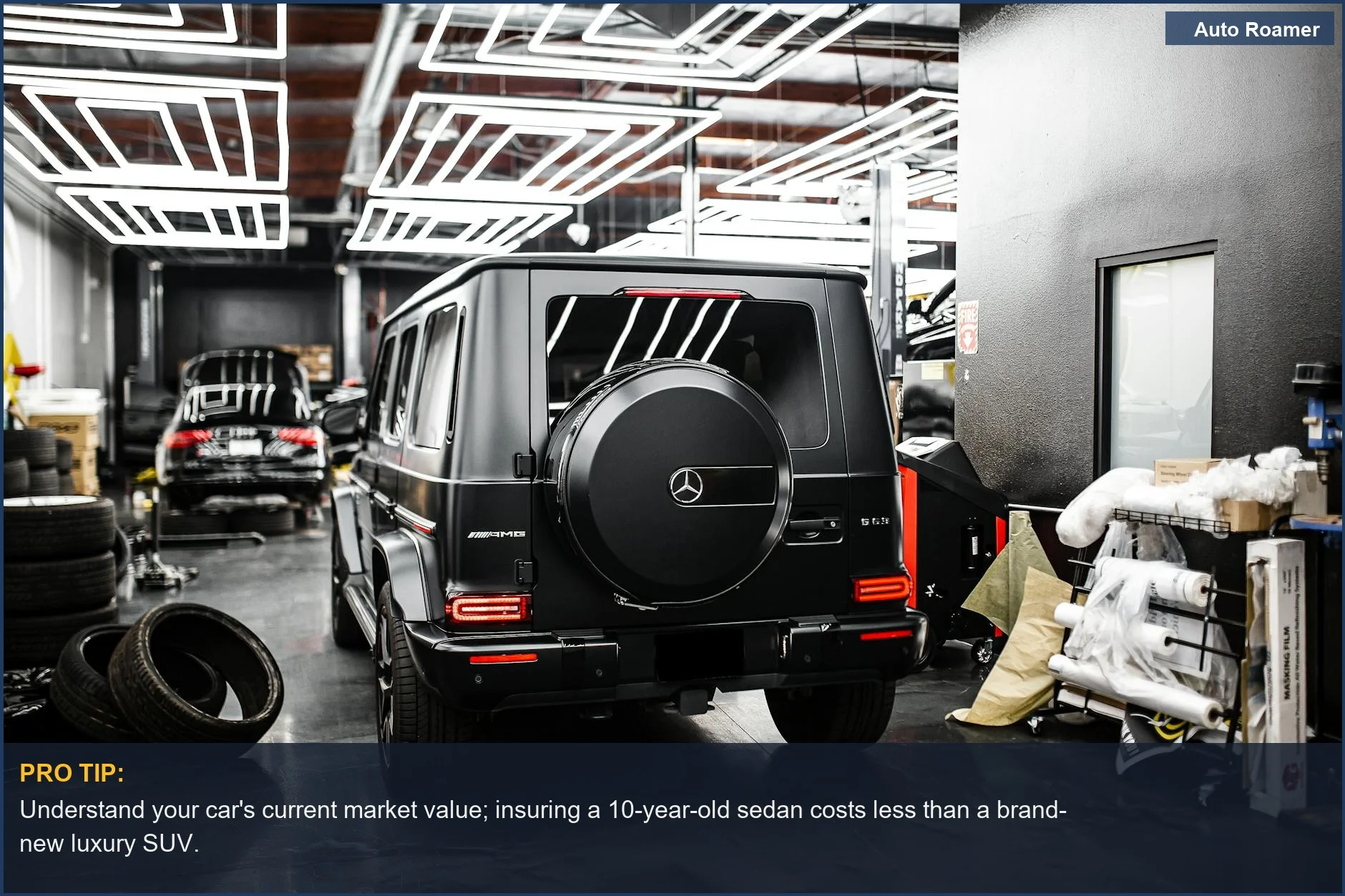
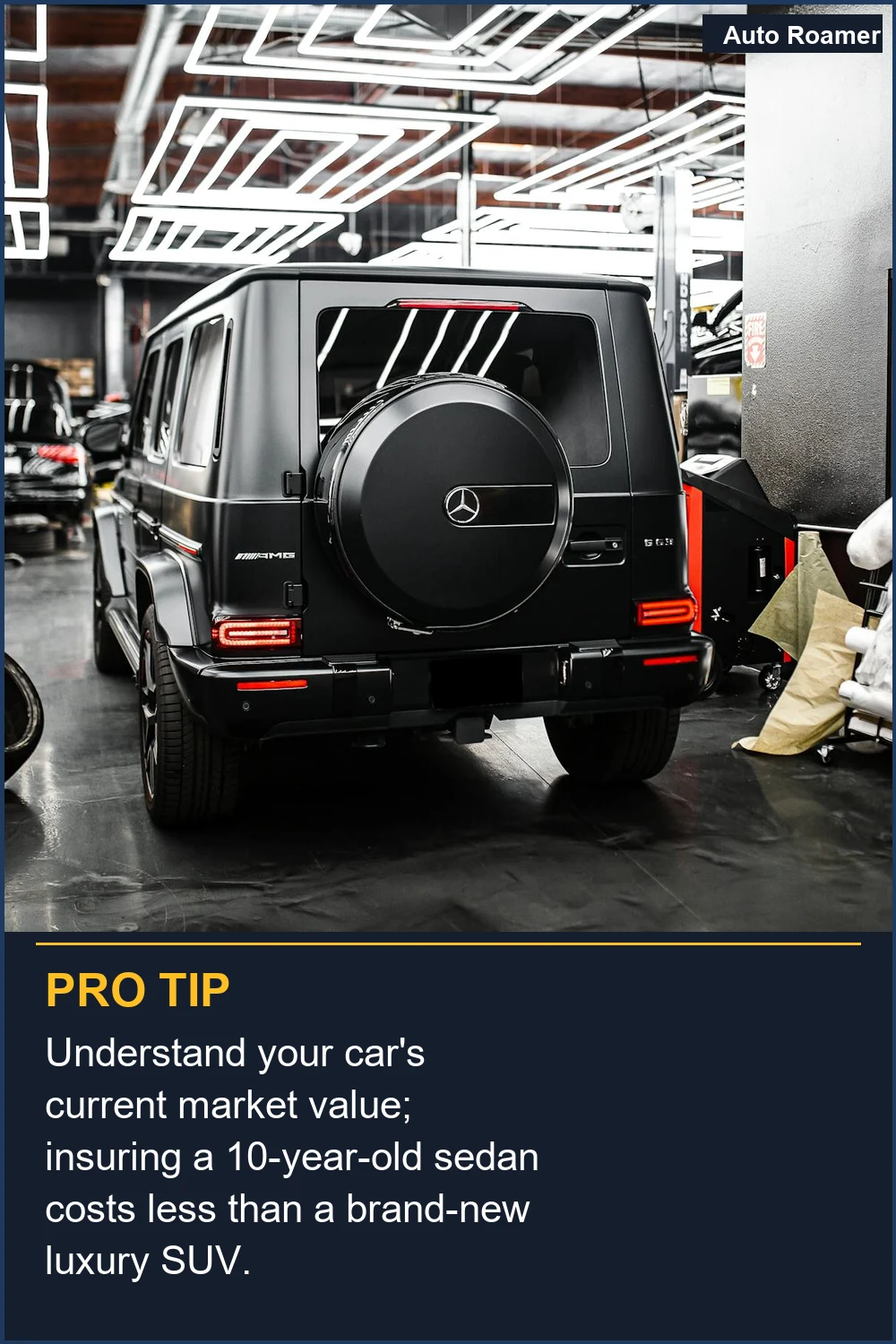
- Know Your Ride's Value: Before you even look at insurance quotes, know what your car is worth. A brand new luxury car is going to cost a different kind of money to insure than a 10-year-old reliable sedan. The average cost of owning a car is $12,297 a year, and insurance is a big part of that. Don't be surprised by the numbers.
- When in Doubt, Ask: If you're buying a car and aren't sure how it will affect your insurance, call your insurance agent *before* you sign anything. Seriously. I once nearly bought a car that would have doubled my premium. Huge rookie mistake. Ownership status has a big impact on insurance costs, and so does the car itself.
- Don't Skimp on Protection (Too Much): While you want to save money, especially after you pay off your car, think about what happens if you have a major accident. Do you have enough saved to cover a $10,000 repair? If not, you might need that comprehensive coverage. Insurance premiums and maintenance fees can quickly add up.
Frequently Asked Questions
If I get a quote from a dealer for a repair, and my insurance company offers a different estimate, which one matters for my premium?
Do I really need to get a premium car insurance policy if I'm just driving it to the grocery store and back a few times a week?
What if I get a speeding ticket and my insurance premium goes up, but I don't actually get into any accidents?
Can my insurance company permanently raise my rates if I get into a major accident, even if it's not my fault?
Is it true that if you drive a lot of miles, your insurance will automatically be cheaper because you're more experienced?
🏅 Looking for Gear Recommendations?
Check out our tested gear guides for products that work with this setup:
Sources
- How Car Price Affects Insurance Costs
- How car ownership affects your insurance costs and coverage
- The Hidden Costs of Car Ownership: Maintenance, Taxes, and More
- How car ownership affects your insurance costs and coverage
- How Car Ownership Trends Are Changing Auto Insurance Costs in ...
- Breaking Down the Cost of Car Ownership | AAA Automotive