
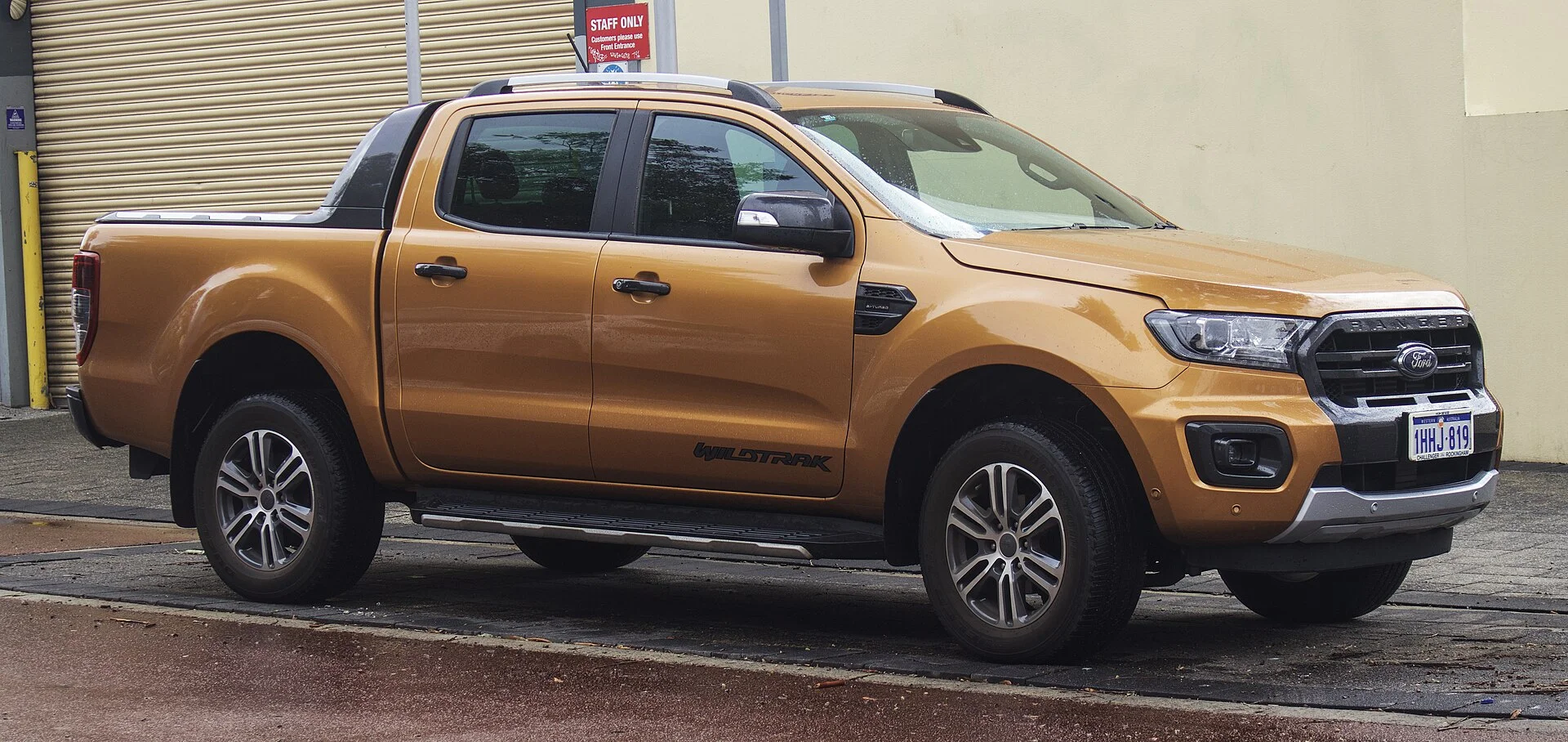
The 7,500-Pound Number Needs the Tow Package
The Ford Ranger's towing headline is strong for a midsize truck: the 2024-and-newer Ranger has a maximum towing capacity of up to 7,500 lbs. That figure makes the Ranger a legitimate travel-trailer tow rig and puts it near the top of its class. But the number is a best case with a condition, and the condition is the first thing to check on any specific truck.
The condition is the tow package. The 7,500-pound rating requires the factory Trailer Tow Package; a base 2024 Ranger without it is rated for roughly 3,500 lbs of towing. That is more than a two-to-one difference between two trucks that look identical in a dealer lot. The badge on the tailgate does not tell you which one you are looking at; the equipment does.
This is not new to the current generation, either. The 7,500-pound maximum also applied to the prior-generation 2019-2023 Ranger, but only when fitted with the factory Class IV Tow Package, with base trucks rated near 3,500 lbs. So whether shopping new or used, the rule holds: the headline number assumes the truck actually has the package.
This guide reads the Ranger's towing the way a shop invoice reads it: what the max rating requires, the engine ladder behind it, the tongue-weight limit that governs real loading, the combined-weight ceiling, and why the loaded weight of a trailer, not its dry weight, is the only figure worth matching against the rating. Get those right and the 7,500 pounds is real; trust the headline on the wrong truck and it is not.
Match the Rating to the Actual Truck
Before shopping a trailer against a Ranger, identify what the specific truck is actually rated for. The spread is wide, and the equipment and engine decide it.
| Configuration | Max tow rating | What it needs |
|---|---|---|
| Ranger with Trailer Tow Package | 7,500 lbs | Factory Class IV tow package |
| Base Ranger, no tow package | ~3,500 lbs | Standard equipment only |
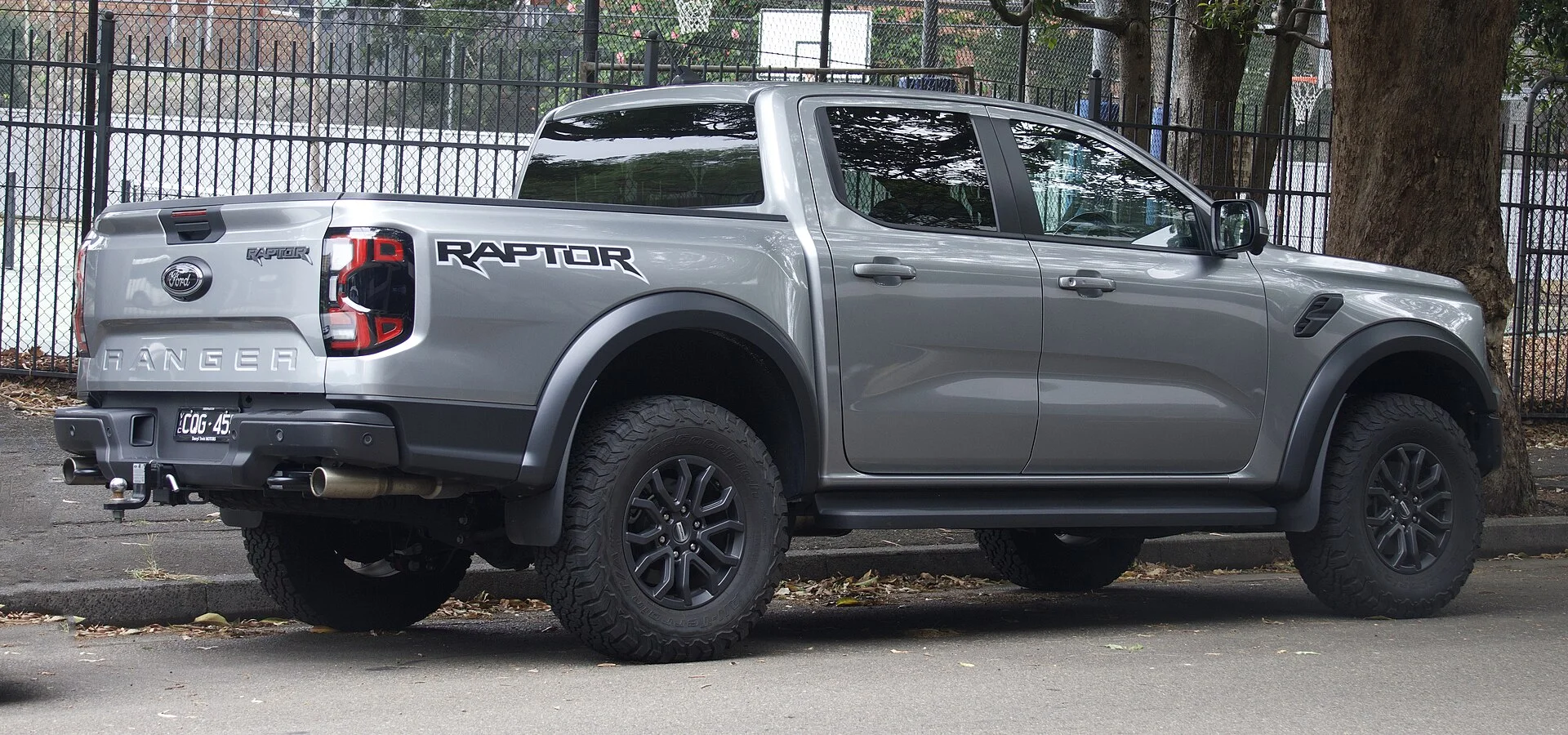
| Ranger Raptor (3.0L V6) | 5,510 lbs | Tuned for off-road, not towing |
The first two rows are the same truck with and without a box checked, and they tow more than double apart. A camper who buys expecting 7,500 pounds and discovers the truck left the factory without the tow package is not pulling a heavy travel trailer, regardless of what the brochure implied.
The third row is the surprise: the off-road flagship Raptor tows less than the tamer trucks despite its powerful engine, which is a deliberate trade covered later. The lesson from the table is to confirm the exact configuration before matching a trailer, because the Ranger name covers everything from a 3,500-pound base truck to a 7,500-pound properly-equipped tow rig.
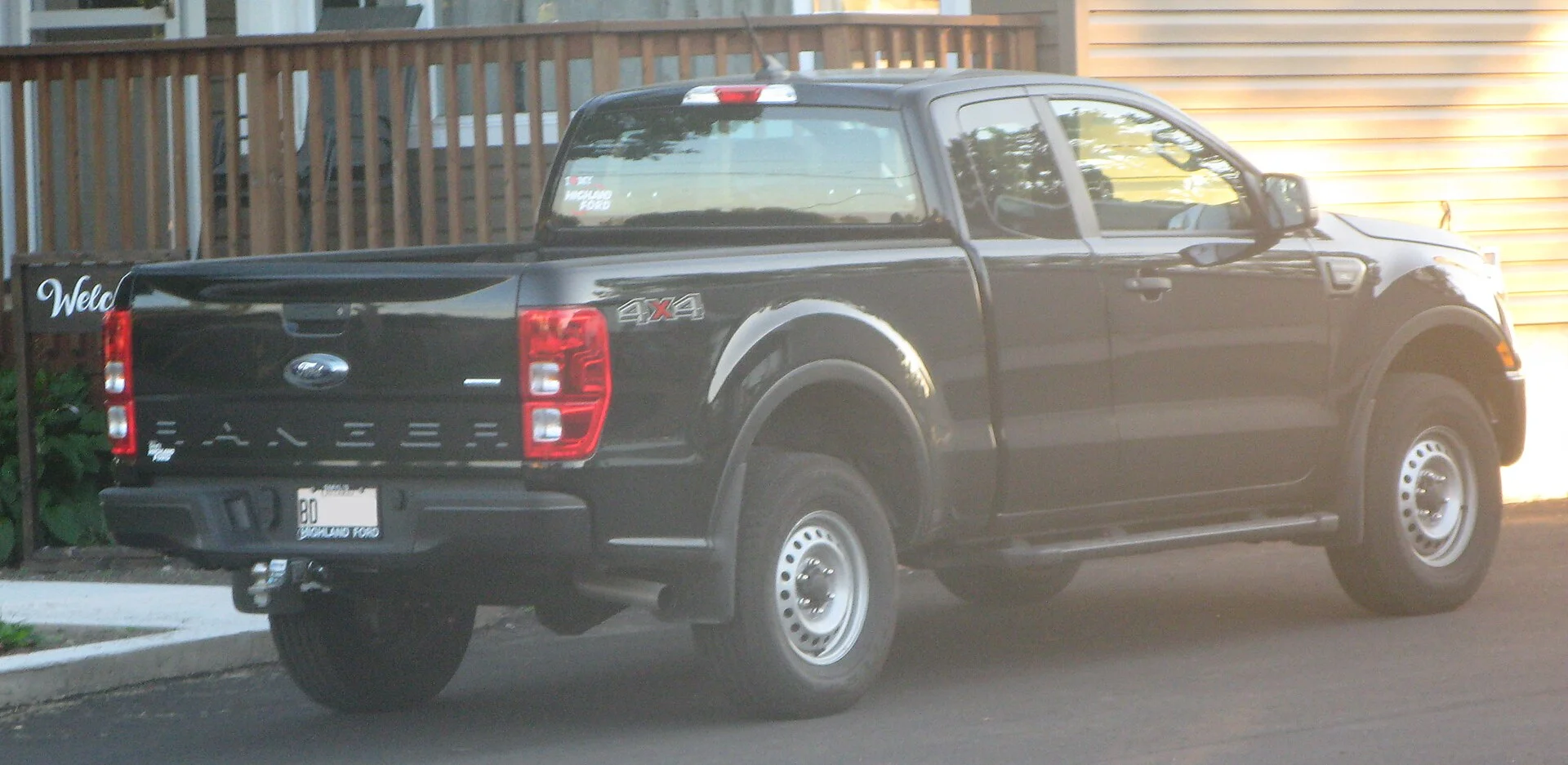
The Engine Ladder: Torque Is What Tows
The Ranger's towing story is really a torque story, because torque is what moves a heavy trailer up a grade. The standard 2.3L EcoBoost turbo four-cylinder produces 270 hp and 310 lb-ft of torque, and that is the engine most Rangers carry. Paired with the tow package, it is what reaches the 7,500-pound rating, and its torque is delivered low enough to pull a loaded trailer without straining.
Above it sits a V6 option. The available 2.7L EcoBoost V6 produces 315 hp and 400 lb-ft of torque, adding a meaningful step in pulling power for anyone towing near the top of the range regularly. That extra torque over the four-cylinder is felt exactly where towing is hard, on the launch from a stop and the long uphill pull.
The Raptor's engine is the most powerful of all, which makes its lower tow rating counterintuitive. The Ranger Raptor's 3.0L twin-turbocharged EcoBoost V6 produces 405 hp and 430 lb-ft of torque, more than either of the other engines. Yet it tows less, because towing capability is set by more than the motor, as the next section explains.
The honest read is that the Ranger's towing is defined by its equipment first and its engine second. The tow package is what unlocks the 7,500-pound rating, and the engine determines how comfortably the truck pulls near that limit. A tow-package 2.3L reaches the number; the 2.7L V6 reaches it with more ease; and the Raptor's stronger engine is spent on terrain, not tonnage.
Why the Raptor Tows Less
One number surprises Ranger shoppers: the Ranger Raptor is rated to tow up to 5,510 lbs, less than the standard Ranger's 7,500 lbs, because it is tuned for off-road performance. That is despite the Raptor carrying the most powerful engine in the lineup, the 405-hp, 430-lb-ft twin-turbo V6. The lower rating is a deliberate engineering trade, not a weakness.
The Raptor is built for the desert, with long-travel suspension, aggressive off-road geometry, and hardware that adds weight and changes the truck's balance. That build spends the truck's capability on soaking up rough terrain at speed rather than on pulling a heavy trailer. Its combined-weight ceiling reflects the trade: the Ranger Raptor has a GCWR of 11,465 lbs, lower than the tow-package trucks.
For a camper, that trade is fine or a dealbreaker depending on the mission. Someone whose camping is remote, high-speed off-road access with a light trailer or no trailer at all is exactly who the Raptor is for, and its 5,510-pound rating covers plenty of small trailers and teardrops. Someone towing a heavy travel trailer to developed campgrounds is better served by a standard Ranger with the tow package and the full 7,500-pound rating.
The honest framing is that the Raptor's lower tow number is a feature of what it is, not a flaw. It tells you the truck is optimized for terrain, not towing. Matching the truck to whether the trip is about where you can go or how much you can pull is the decision the tow rating is quietly asking you to make.
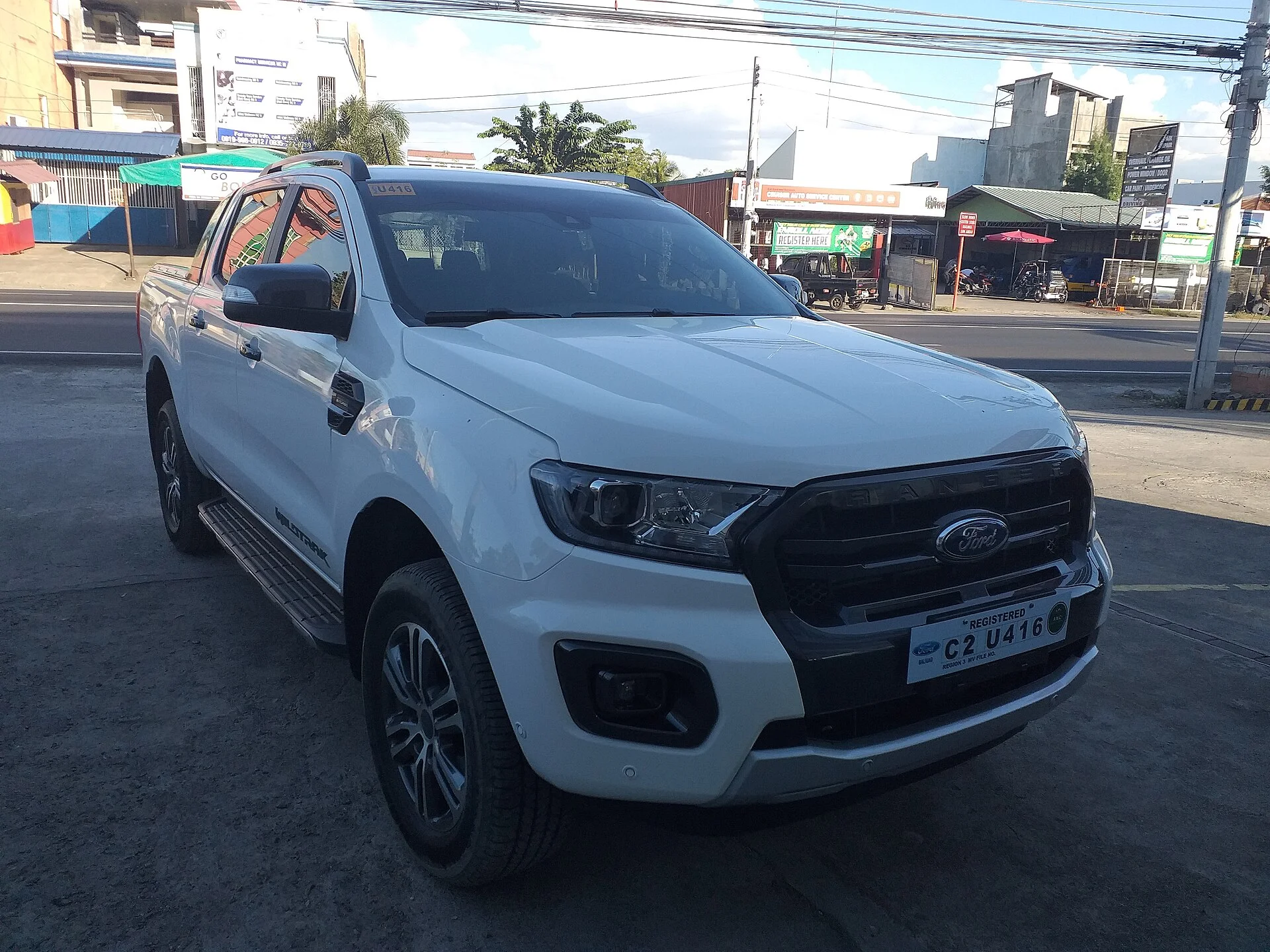
Tongue Weight: The 750-Pound Ceiling
Tow rating gets the headline, but tongue weight is what governs how a trailer actually loads, and it is where well-meaning setups go wrong. Tongue weight is the downward force the trailer places on the hitch, and Ford recommends a tongue load of 10 to 15 percent of the trailer's weight. Too little and the trailer sways; too much and it squats the rear axle.
The Ranger's ceiling on that number is specific. The maximum tongue weight for the Ranger's weight-distributing hitch is 750 lbs, paired with the 7,500-pound maximum trailer weight. Those two numbers work together: a trailer loaded near the 7,500-pound capacity, set to a proper tongue weight in the 10-to-15-percent band, produces a tongue load that must stay under 750 pounds. For a 5,000-pound trailer, that band is a 500-to-750-pound range.
This is the number the sales floor rarely mentions, and it quietly caps real-world towing. A camper can be under the 7,500-pound tow rating and still be over the 750-pound tongue limit if the trailer is loaded nose-heavy. Both have to be satisfied at once, which means loading the trailer with an eye on where the weight sits relative to its axle, not just the total.
The practical discipline is to weigh the tongue rather than guess it. A tongue-weight scale or a pass across a truck scale gives the real number, and shifting cargo forward or back inside the trailer moves it into the correct band. Note that the 750-pound figure is specifically the rating with a weight-distributing hitch, which the next sections cover as a requirement for heavier trailers.
GCWR: The Combined Ceiling That Governs Everything
Beyond the tow rating and the tongue limit sits the number that caps the whole rig: the Gross Combined Weight Rating, the most the truck and trailer are allowed to weigh together, loaded. The Ranger's GCWR varies by configuration, and it is the ceiling that both the truck's payload and the trailer's weight share.
The figures track the drivetrain. The 2024 Ranger's GCWR is 12,370 lbs for the 2.3L EcoBoost SuperCrew 4x2, rising to 12,590 lbs for the 2.3L EcoBoost SuperCrew 4x4. The V6 goes higher: the 2.7L EcoBoost V6 SuperCrew 4x4 has a GCWR of 12,745 lbs. The Raptor, tuned for terrain, sits lowest at 11,465 lbs, which is part of why it tows less.
GCWR matters because it is the real limit when the truck is loaded for a camping trip. The tow rating assumes a lightly loaded truck; add passengers, gear, and a full bed, and the weight available for the trailer shrinks, because the truck-plus-trailer total still has to stay under the GCWR. A Ranger at its GCWR cannot tow its full rating and carry a full payload at the same time.
The honest way to plan against GCWR is to add up everything: the loaded truck with passengers and gear, plus the loaded trailer, and confirm the total stays under the truck's GCWR with margin. This is the number that catches campers who load both the truck and the trailer to their individual maximums and end up over the combined ceiling, which is a different kind of overloaded than either limit alone.
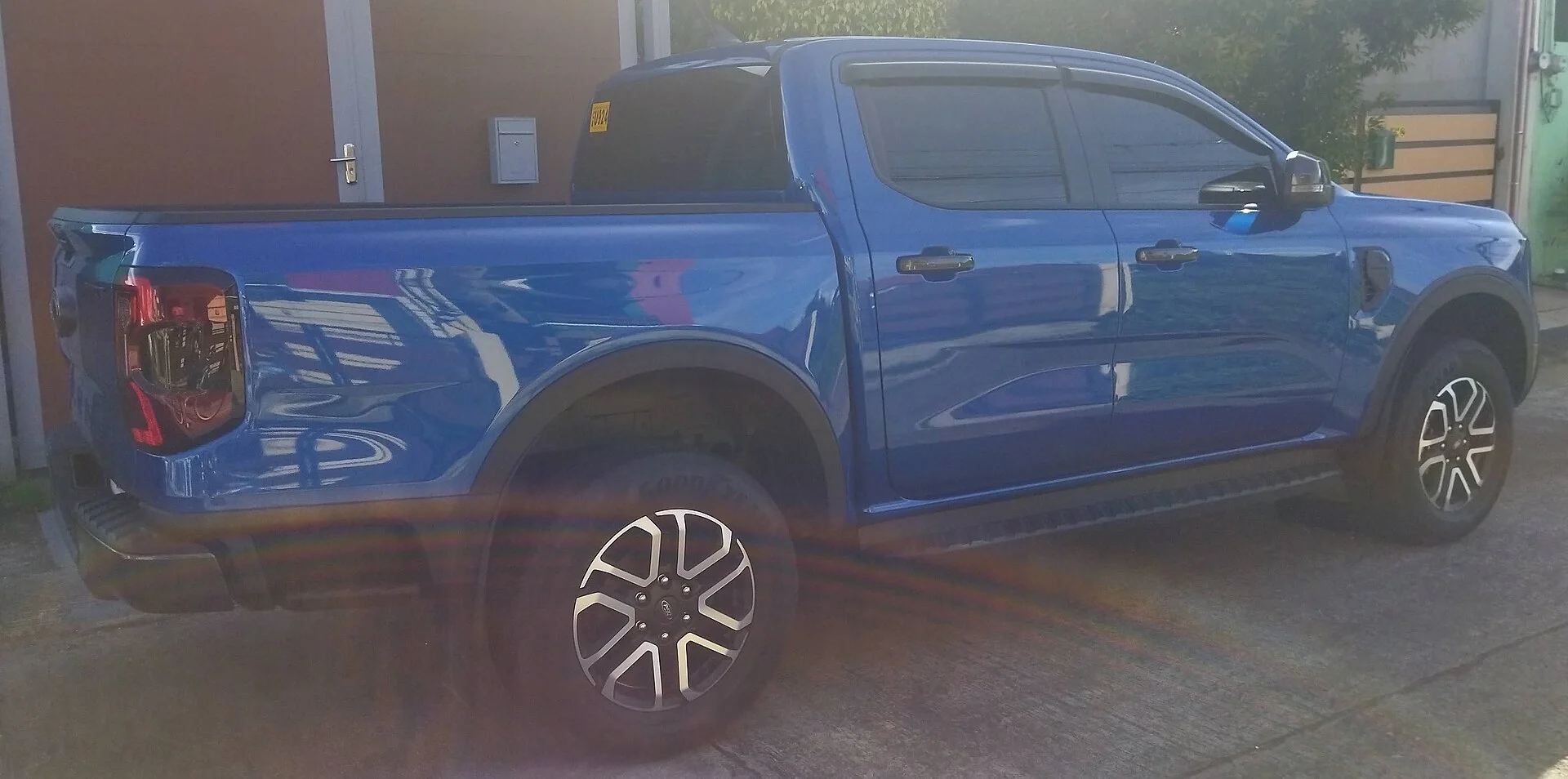
Loaded Weight, Not Dry Weight, Is the Number to Match
Here is the mistake that puts more midsize-truck tow rigs over their limit than any engine choice: matching a trailer's dry weight to the truck's tow rating. Dry weight is what a trailer weighs empty on the manufacturer's floor, before a single thing is added. It is not what you tow.
A travel trailer fills up fast. Fresh water at roughly eight pounds a gallon, propane, batteries, a full pantry, camp chairs, tools, and gear can add hundreds of pounds over dry weight, and that loaded number, the gross trailer weight, is what the Ranger's 7,500-pound rating has to cover. A trailer advertised at a dry weight comfortably under the rating can cross it once it is packed for a real trip.
The honest way to shop a trailer against the Ranger is to take its gross vehicle weight rating, the most it is allowed to weigh loaded, and confirm that number stays under the truck's real tow rating with margin. That approach builds in the water, gear, and supplies a camper actually carries, instead of pretending the trailer stays showroom-empty.
Margin matters because towing at the exact limit leaves nothing for grades, wind, or a heavier-than-expected load. A truck rated at 7,500 pounds towing a trailer that grosses 7,400 is technically legal and practically strained. Leaving a cushion between the loaded trailer weight and the rating is what keeps the Ranger composed rather than maxed out.
Towing and Payload Share One Budget
A subtlety that traps midsize-truck buyers is that towing eats payload, so the Ranger's tow and payload numbers are linked, not separate. Payload and towing must be balanced: heavy trailer tongue weight counts against the truck's payload capacity, so passengers and cargo reduce how much tongue load remains available. Every pound of tongue weight lands in the truck as payload.
The Ranger's payload is healthy but finite. The 2024 Ranger's maximum payload is 1,805 lbs in standard configurations, while the Ranger Raptor's payload is lower at 1,411 lbs due to its heavier off-road hardware. A tongue weight near the 750-pound limit consumes a large share of that payload before a single passenger climbs in.
The arithmetic gets tight on a family trip. Four people, a bed full of camp gear, and a trailer's tongue weight can push a Ranger against its payload ceiling even while the trailer itself stays under the tow rating. The payload figure caps passengers plus cargo plus tongue weight together, and it is easy to exceed while feeling well under the tow number.
So the real budgeting exercise is to add passengers plus cargo plus tongue weight and keep the total under the truck's payload figure, while separately keeping the loaded trailer under the tow rating and the combined total under the GCWR. A Ranger can be under its tow rating and over its payload, or the reverse, and both are overloaded. Reading all the budgets together is how the setup stays safe.
Towing the Ranger Right: Hitch, Speed, and Altitude
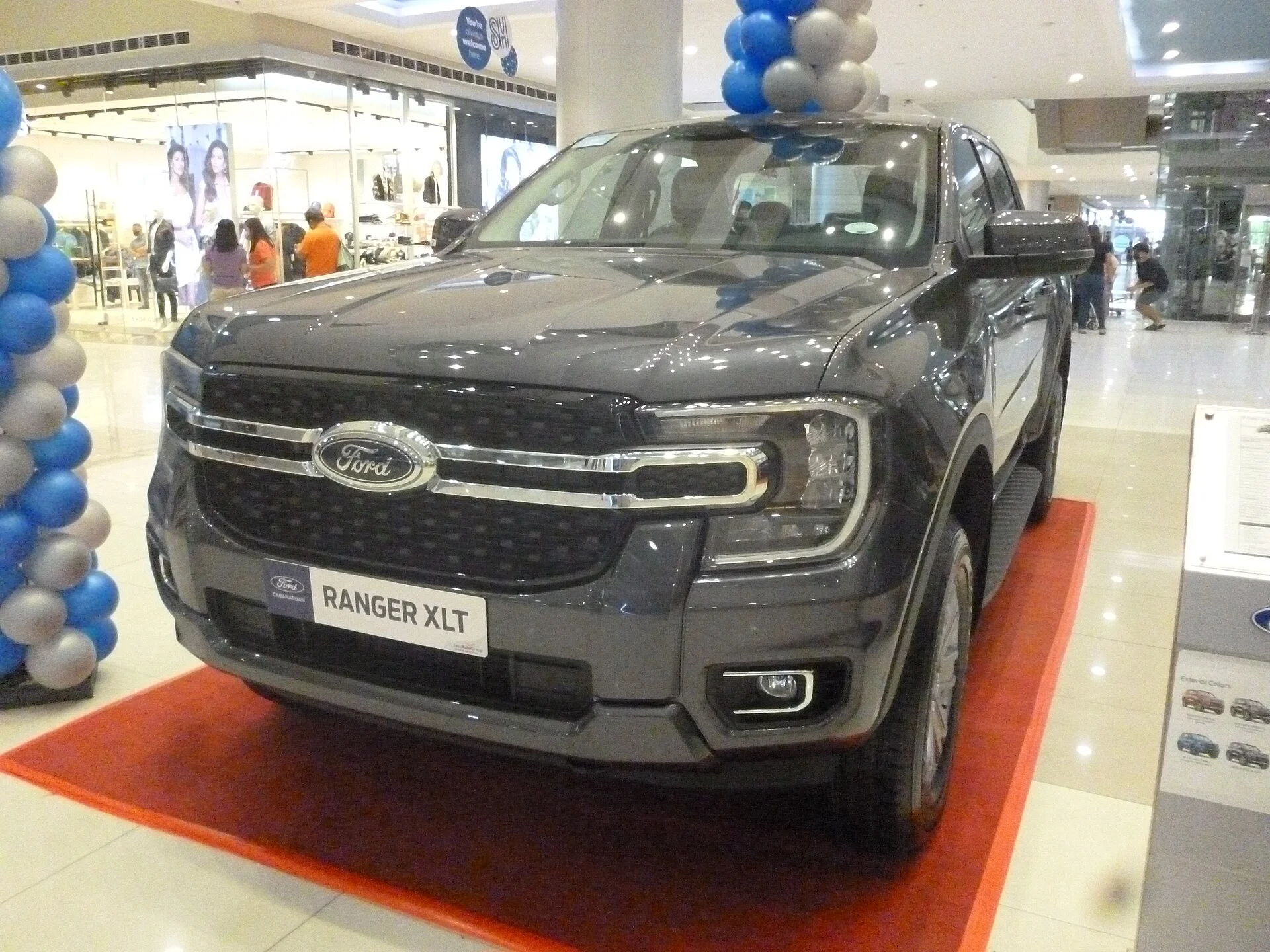
The Ranger's tow package brings real hardware, and Ford's guidance fills in how to use it. The Trailer Tow Package adds a Class IV hitch receiver, a 7-pin wiring harness, and enhanced engine cooling, and Ford's trailering technology on the Ranger includes Pro Trailer Backup Assist and an integrated Trailer Brake Controller. That brake controller matters for any trailer with its own brakes, and it is a factory feature worth confirming on a used truck.
A weight-distributing hitch is not optional at the top of the range. Ford advises using a weight-distributing hitch for any trailer exceeding 2,000 lbs, and the 750-pound tongue rating is specifically the weight-distributing-hitch figure. A quality weight-distribution hitch spreads the tongue load across both axles and keeps the truck level and stable, turning a heavy trailer that squats the rear into one that tows composed and level.
Speed and altitude have their own guidance. Ford recommends not exceeding 55 mph when towing with the Ranger, a limit that keeps the drivetrain and tires within their towing comfort zone. And for high-altitude towing, Ford advises reducing the gross combined weight by 2 percent per 1,000 ft of elevation, because thinner air reduces engine output and the truck cannot pull as much up high as it can at sea level.
Following that guidance is what makes the rated capability usable. A weight-distributing hitch for anything over 2,000 pounds, a 55-mph ceiling, an integrated brake controller for a braked trailer, and a weight reduction for altitude together keep the Ranger stable and within its limits. Skip them and a rig that is legal on paper becomes a nervous, strained tow on the road.
The Verdict: Confirm the Package, Load to the Real Number
The Ford Ranger tows up to 7,500 pounds, but that figure is a recipe: it needs the factory Trailer Tow Package. A base truck without it tows roughly 3,500 pounds, and the off-road Raptor tows 5,510, so the first job is always confirming what a specific Ranger actually is and what equipment it carries.
Torque is what tows, and the engine ladder runs from the 2.3L EcoBoost's 310 lb-ft through the 2.7L V6's 400 to the Raptor's 430. The most powerful engine, the Raptor's, paradoxically tows the least, because that truck trades tow capability for terrain capability by design. Match the engine and trim to the towing mission, not the horsepower headline.
Tongue weight, GCWR, and payload are the numbers that govern real loading. Keep the tongue in the 10-to-15-percent band and under 750 pounds, keep the loaded truck-plus-trailer under the GCWR of roughly 12,370 to 12,745 pounds, and remember that tongue weight counts against the Ranger's 1,805-pound payload alongside passengers and cargo. Match the trailer's loaded weight, not its dry weight, and leave margin.
Use the hardware the way Ford intends: a weight-distributing hitch for any trailer over 2,000 pounds, the integrated brake controller for a braked trailer, a 55-mph towing ceiling, and a 2-percent weight reduction per 1,000 feet of altitude. Do that and the Ranger is a genuinely strong midsize tow rig. Trust the 7,500-pound headline on a base truck, or match it against a trailer's empty dry weight, and the fine print becomes a slow, overloaded, unstable tow the spec sheet never promised.