
What Factors Affect Solar Panel Efficiency for Camping?
My first car camping solar setup was a $150 kit from Amazon that promised to charge my phone and run a small fan. It was a cloudless July day at Big Meadows in Shenandoah, and my phone barely hit 50% after six hours.
My first car camping solar setup was a $150 kit from Amazon that promised to charge my phone and run a small fan. It was a cloudless July day at Big Meadows in Shenandoah, and my phone barely hit 50% after six hours. The honest version: that cheap panel was probably putting out half of what it claimed, and I had zero idea how to angle it.
Apparently, the sun doesn't just magically hit your panel; you actually have to point it. Hoymiles says irradiance is key, and they aren't wrong. It's all about how much light actually hits the damn thing.
The Core Answer
Look, solar panels for camping aren't magic wands. They're just fancy light catchers, and how well they catch light depends on a bunch of stuff. The biggest factor is how much sunlight you're actually getting. Hoymiles calls this irradiance, and if the sun isn't shining directly on your panel, you're not getting full power. It's not rocket science, but apparently, it's rocket science for some campers. Then there's the angle and direction. I used to just throw my panel down wherever it fit. Rookie mistake. Pointing it south (in the Northern Hemisphere) and tilting it to catch the sun throughout the day makes a massive difference. Jackery mentions this, and it's the real move. I spent 10 minutes at a campsite in Acadia adjusting my panel and saw a 20% jump in charging speed for my power station. Brilliant engineering. Temperature is another one nobody talks about. You'd think more sun means more power, right? Wrong. Too much heat makes the panels less efficient. BRSolarSystem says panels get less efficient above 70 degrees Celsius. So, that scorching hot panel on your car roof might be cooking itself more than charging your battery. I learned this the hard way when my portable panel sat on a black asphalt campsite for hours and barely charged my headlamp. Dust, dirt, and bird droppings are also major buzzkills. I once camped near a dusty trail in Moab, and my panel looked like it had been through a sandstorm. Greentech Renewables states that soiling can drastically reduce output. A quick wipe-down with a damp cloth can be game-time. It's the $50 version of a power boost. Finally, the age of the panel matters. They degrade over time, losing a bit of efficiency each year. Outbax mentions a 0.5% drop per year. So, that ancient panel from your uncle might not be cutting it anymore. It's not that it's broken, it's just tired.
Why This Matters for Your Setup
Making the Right Choice
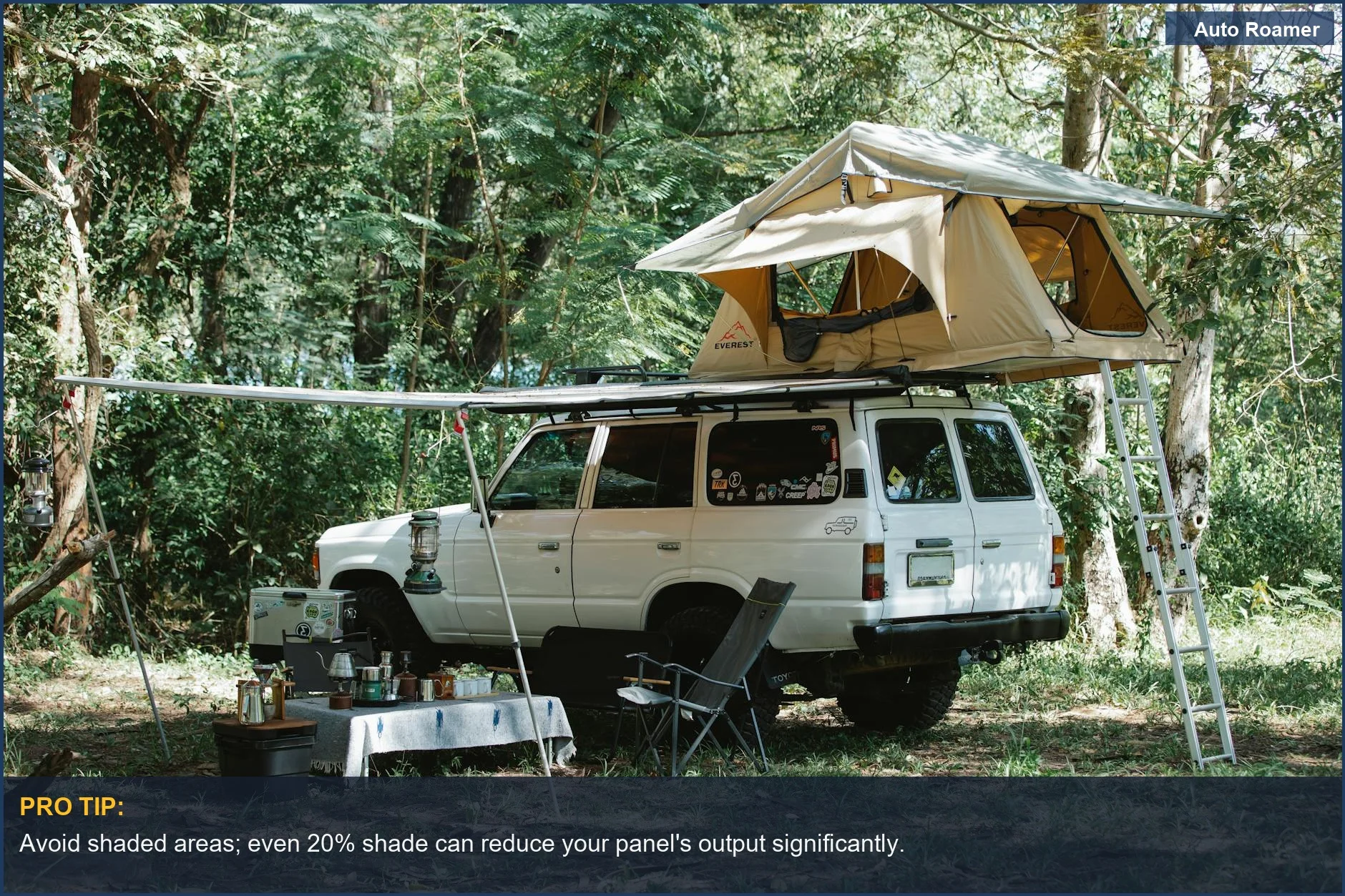
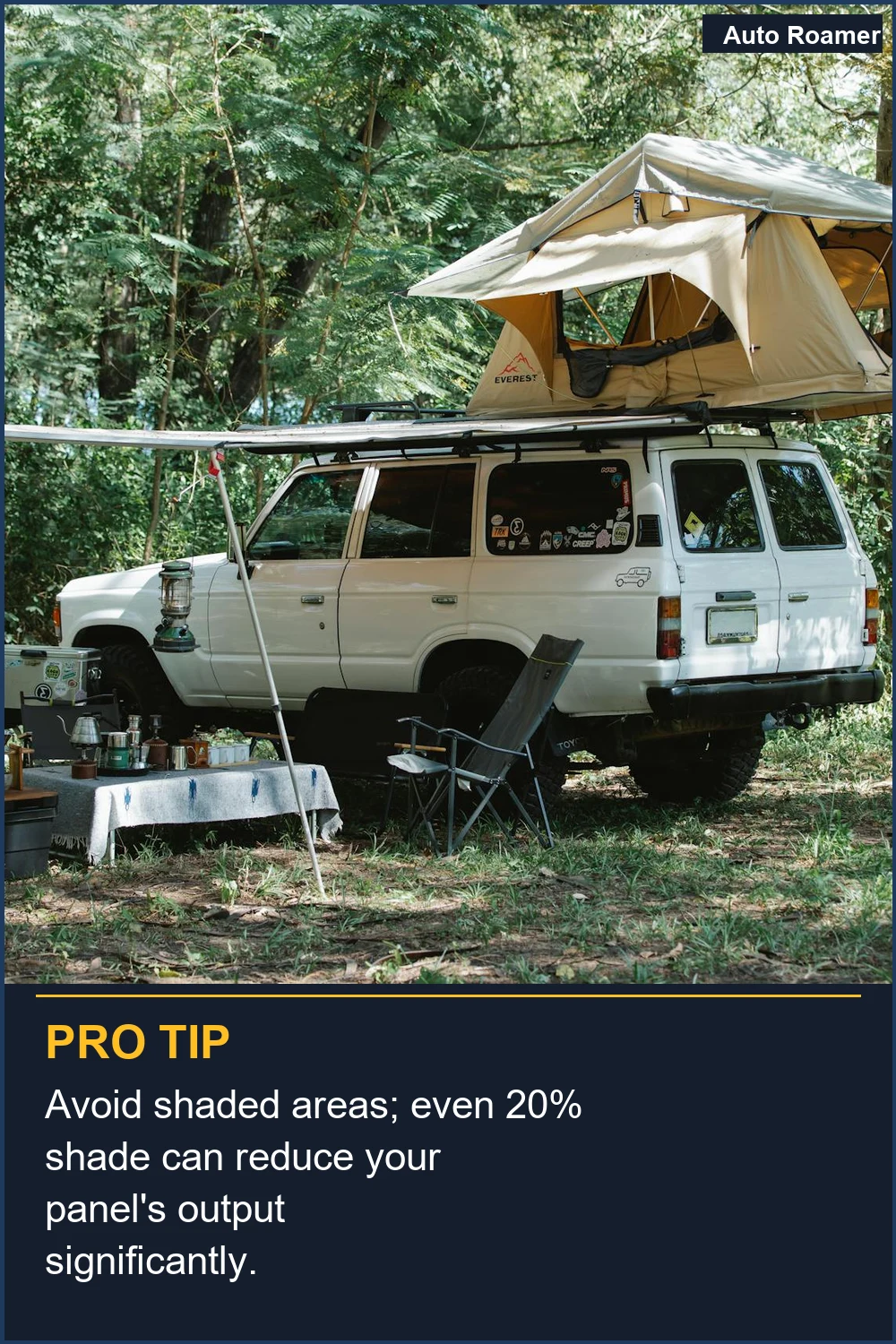
When you're picking out a solar panel for camping, don't just grab the cheapest one. Think about where you'll actually use it. If you're mostly car camping in open fields, a standard foldable panel is probably fine. Greentech Renewables points out that shading is a huge issue, so picking a spot is key. If you're heading into dense forests or places with unpredictable weather, you might need to adjust your expectations or invest in a more robust system. The real move is understanding that your panel's output is a moving target based on these factors. Hoymiles lists these factors, and they're all important. Don't get discouraged if your first attempt isn't perfect. My first setup barely charged my phone. It took me a few trips and a lot of trial-and-error to figure out how to get decent power. The honest version: you learn by doing, and sometimes that means a dead phone at 10 PM.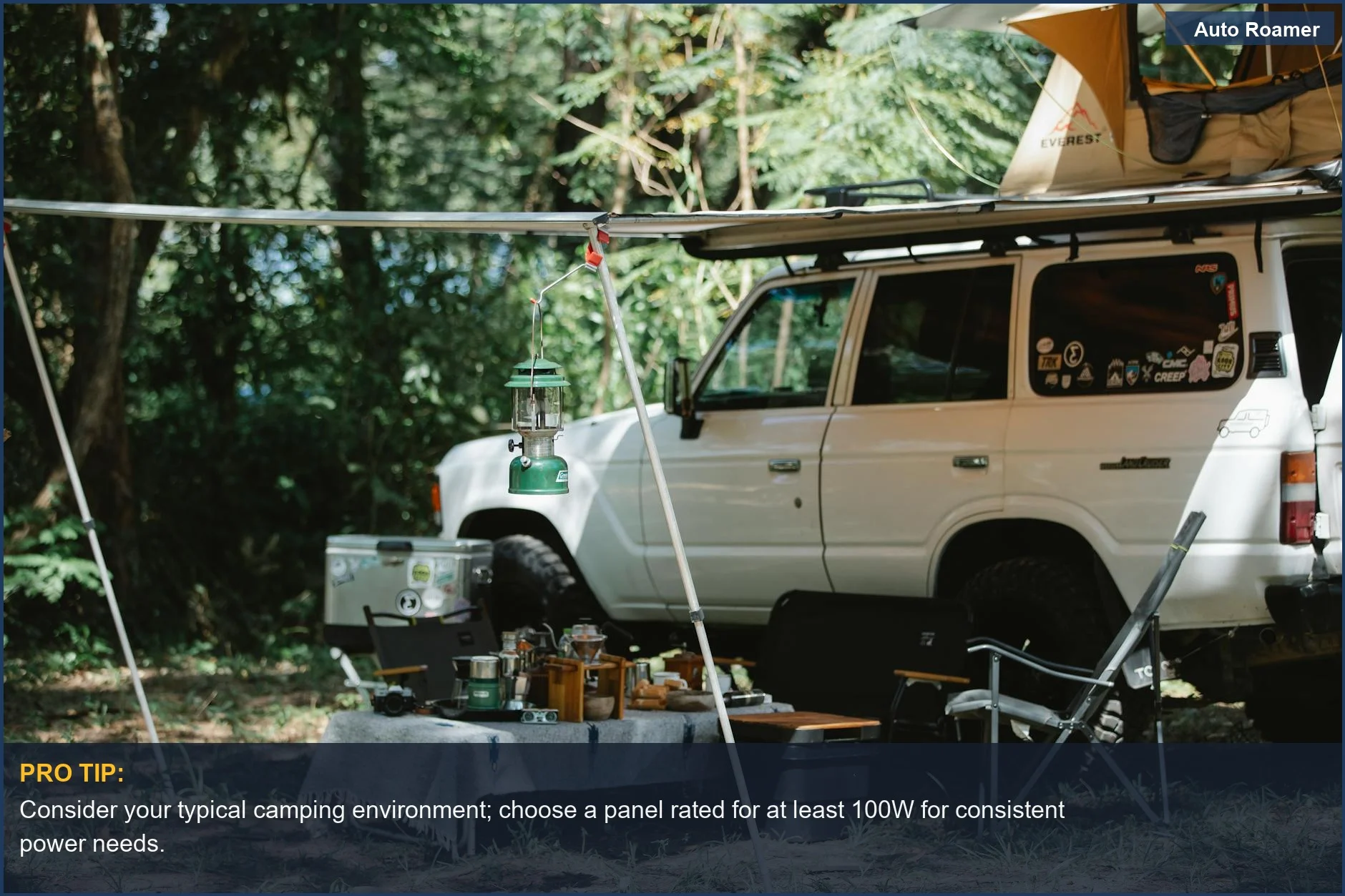
Frequently Asked Questions
Is it cheaper to buy a $200 portable solar panel or rig up my own DIY setup for the same price?
Do I really need one of those fancy solar power meters to know if my panel is working right?
What if I angle my panel perfectly, keep it clean, and it's still only giving me half the advertised watts?
Can leaving my solar panel out in the rain for a whole weekend permanently damage it?
Myth: You need to fully discharge your power station before recharging it with solar to avoid damaging the battery.
🏅 Looking for Gear Recommendations?
Check out our tested gear guides for products that work with this setup:
Sources
- What factors affect the performance of a solar module?
- What Are the Factors Affecting the Efficiency of Your Solar Power Syst
- Factors That Impact Solar Panel Efficiency - Solera Energy
- What Factors Affect The Efficiency Of Solar Panels? - News
- 7 factors that affect the performance of your solar system - Hoymiles
- How to Improve the Efficiency of Solar Panels for Camping | Outbax