The honest verdict: room to grow vs the biggest single battery
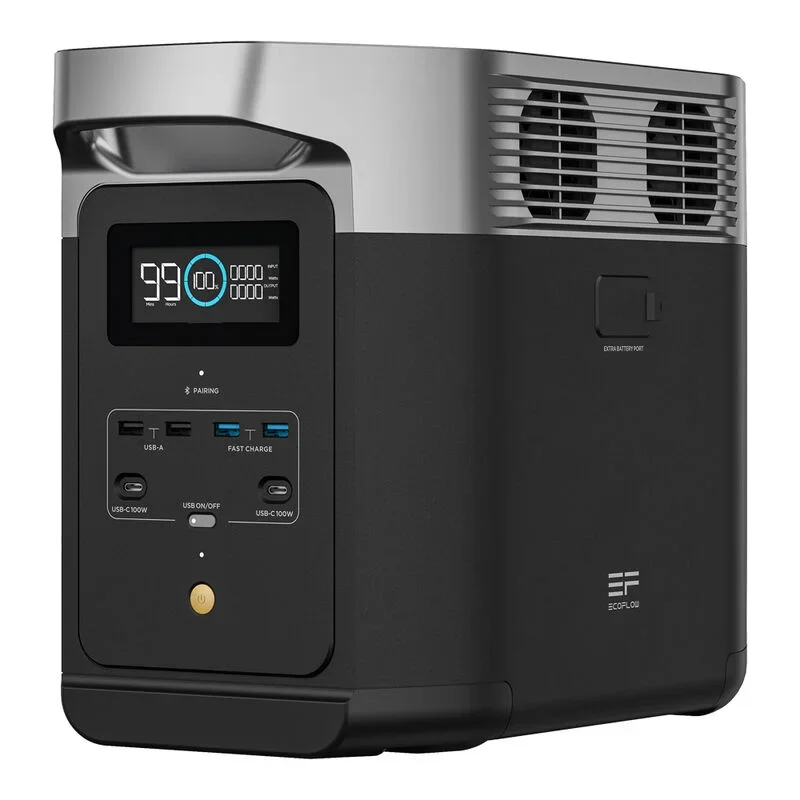
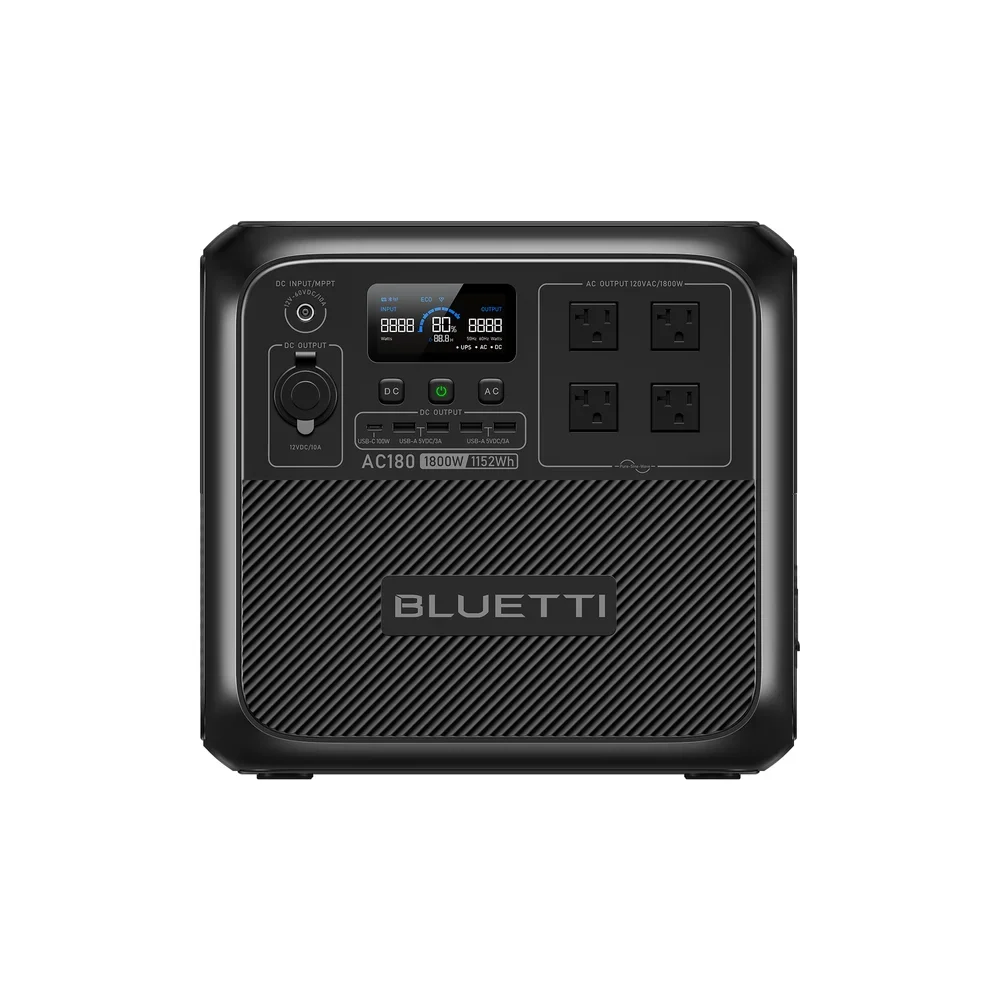
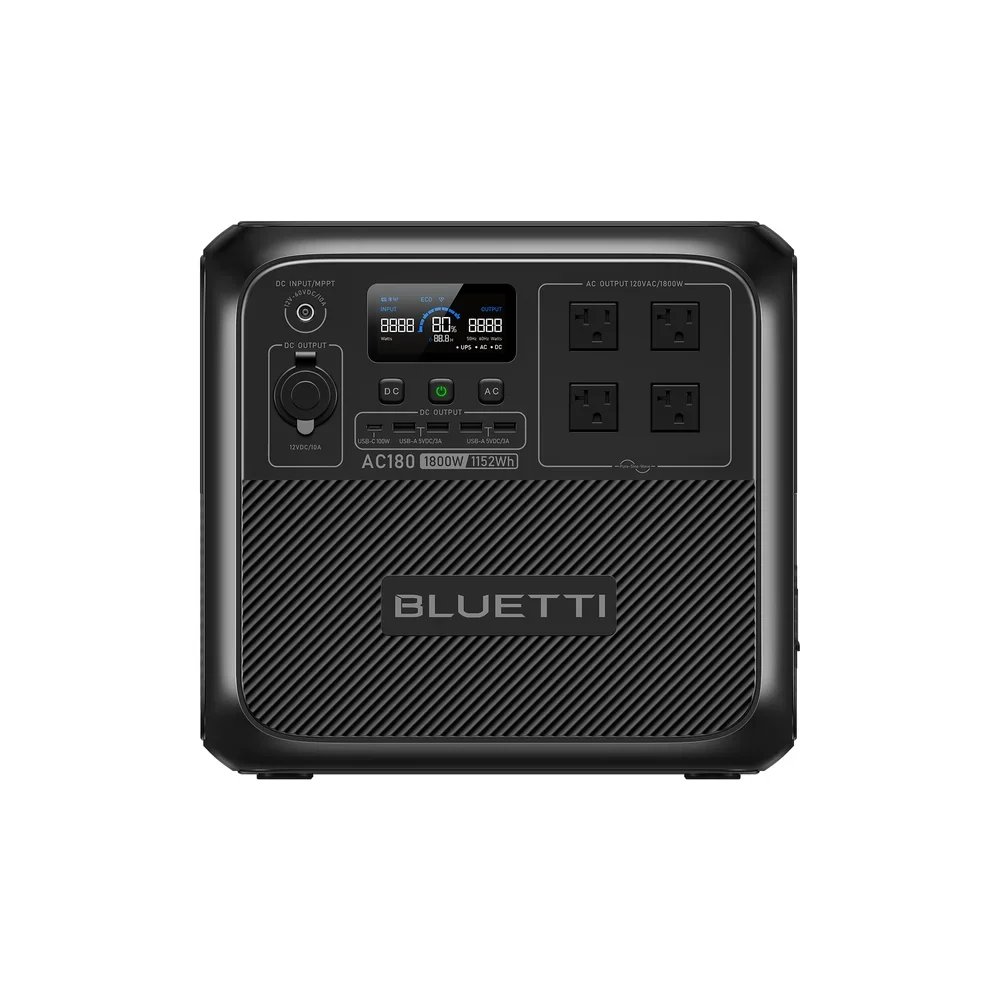
The EcoFlow Delta 2 and the Bluetti AC180 both sit in the 1kWh, 1800-watt class, and both are LiFePO4, so on the surface they look like twins. They are not. The Delta 2 is a 1024Wh station built to grow - bolt on a battery and it climbs to 3040Wh, per EcoFlow - while the AC180 is a larger 1152Wh single unit that trades expandability for a stronger 2700-watt surge and a true UPS, per Bluetti. That is the fork in the road, and which side you want depends on where your camping is going, not just where it is today.
If I am setting up someone who might car camp for longer stretches, add a second fridge, or one day want to run bigger loads, I steer them to the EcoFlow, because the ability to double or triple its battery later is a real hedge you cannot buy into the Bluetti. If someone wants the most capacity in one box they will never expand, and values a beefy surge and a UPS for sensitive gear, the Bluetti is the cleaner buy. Below I walk capacity, expandability, output, charging, weight, ports, and solar so you can see which philosophy matches your trips.
Capacity now: 1024Wh vs 1152Wh
Start with what each holds out of the box, because that is the number you live with until you spend more. The Bluetti AC180 carries 1152Wh; the EcoFlow Delta 2 carries 1024Wh, per their spec pages. That 128Wh gap - about 12 percent - favors the Bluetti as a standalone unit, and it is enough to notice on a long night with heavy loads, though not enough to change what either one comfortably runs.
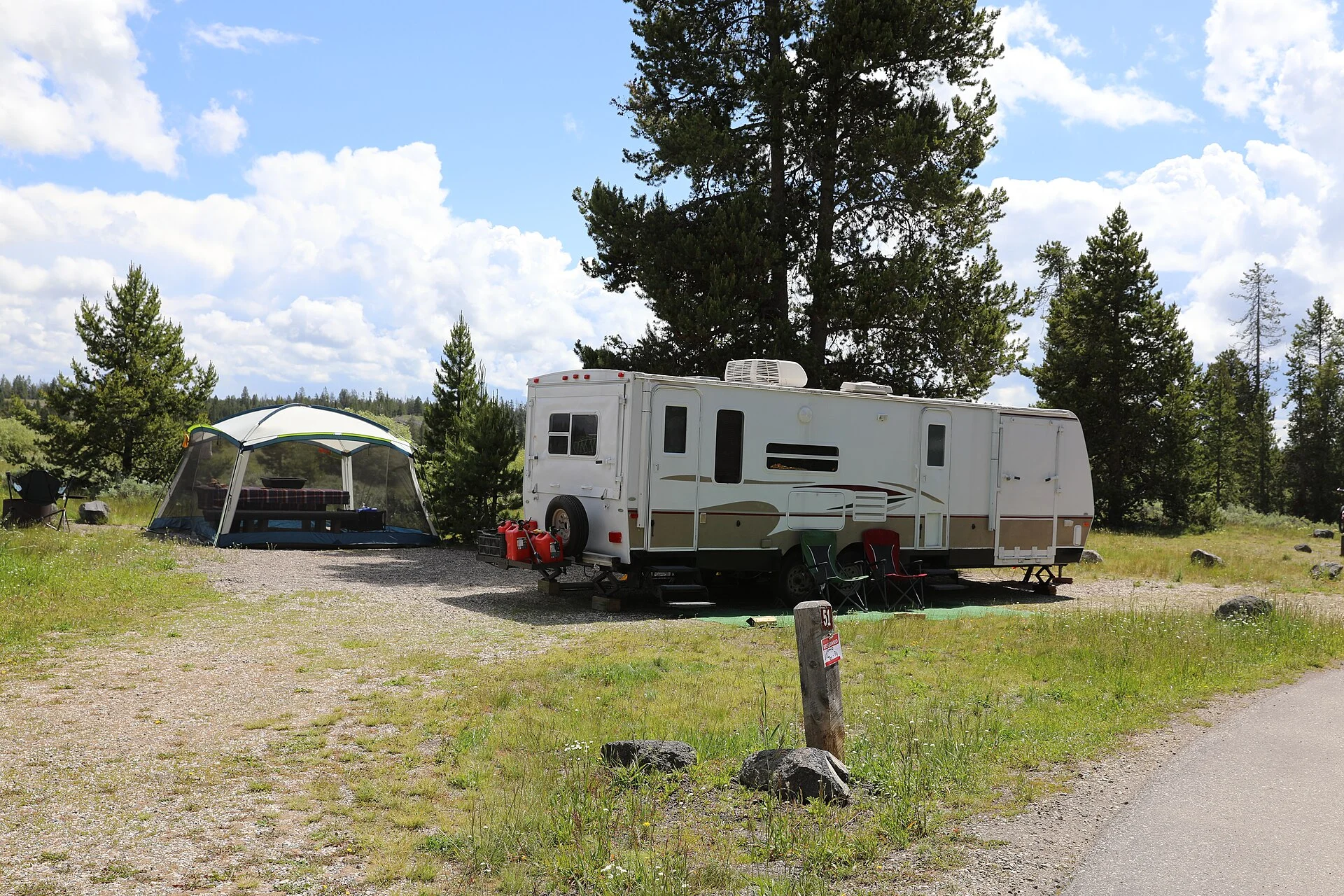
What roughly a kilowatt-hour covers at camp is the same for both: a 12V compressor fridge pulling 30 to 50 amp-hours a day plus phones, a fan, lights, and laptop charging, with either finishing an overnight with charge left over. The Bluetti's larger bank buys a bit more cushion for a second night without solar, which matters if you know you will be off any wall for two or three days and do not carry a panel. But treat this as a modest lead, not a decisive one - and note that it is the only capacity round the Bluetti wins, because the next section is where the EcoFlow changes the math entirely.
It helps to translate watt-hours into camp reality rather than staring at the raw number. Roughly speaking, a kilowatt-hour is a night or two of a fridge plus the usual small loads, a handful of laptop charges, or many phone top-ups. The AC180's extra 128Wh is, in those terms, maybe one more laptop charge or a couple more hours of a fan - pleasant to have, but not the kind of gap that decides a purchase. The reason I do not lean hard on this round is that both units clear the everyday bar so easily that the interesting question is not who holds slightly more today, but who can hold dramatically more tomorrow. That is a question only one of these two can answer.
Expandability: the EcoFlow's headline the Bluetti can't answer
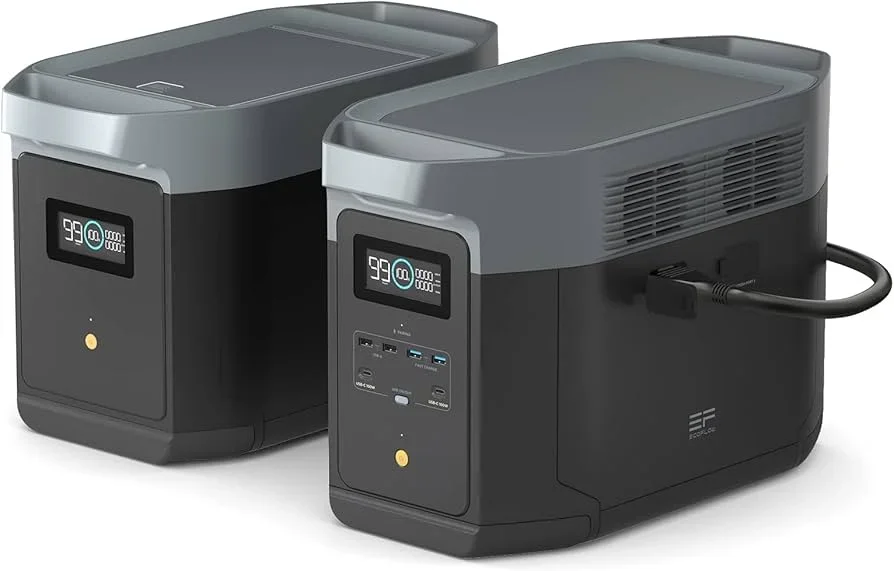
This is the single biggest difference between the two and the reason the Delta 2 exists in its own tier. The EcoFlow Delta 2 accepts an add-on battery: pair it with the Delta 2 Smart Extra Battery to reach 2048Wh, or with a Delta Max battery to reach 3040Wh, per EcoFlow. The Bluetti AC180 does not expand - it can be fed from an external battery in a power-bank arrangement, but there is no native capacity module, per Bluetti, so what you buy is what you have.
Why that matters for a car camper thinking past this season:
- Longer trips: a Delta 2 owner who starts running out on night three can add a battery instead of buying a whole new station.
- Growing kit: add a second fridge, a projector, or a partner's gear, and the EcoFlow scales to meet it; the Bluetti asks you to upgrade the unit.
- Buy-in cost: you can start with the Delta 2 alone and expand only when a trip actually demands it - a cheaper path than buying 3kWh up front.
If you are confident your loads will stay put, this advantage is theoretical and you should weight the other rounds. If you suspect your camping will get more ambitious, expandability is worth paying for.
AC output and surge: even rated, different ceilings
Both are rated for 1800 watts continuous, so they run the same everyday appliances, but the surge headroom differs. The Bluetti AC180 surges to 2700 watts, per Bluetti; the EcoFlow Delta 2 uses X-Boost to reach a 2200-watt surge, per EcoFlow. Surge is the momentary spike when a motor or heating element kicks on, so the Bluetti has more margin for the stubborn appliances that briefly draw far above their running watts.
What that means at the campsite:
- Motor-start tools and pumps: the Bluetti's 2700W surge starts gear the EcoFlow might refuse.
- Everyday camp loads: fridge, fan, lights, charging - both run them without breaking a sweat, nowhere near 1800 watts.
- Six outlets vs four: the EcoFlow's six AC outlets win when a lot of small things plug in at once, even if the Bluetti wins the surge.
Net: the Bluetti has the tougher surge, the EcoFlow the greater number of outlets. For most car cooking and charging, both are enough; test your highest-draw appliance against the ratings before you commit.
A word on X-Boost, because it is easy to misread. EcoFlow's X-Boost lets the Delta 2 run some higher-wattage resistive devices - a kettle or a hair dryer rated above 1800 watts - by cleverly reducing the voltage it delivers, so the appliance draws less and keeps running. It is a genuinely useful trick for camp cooking, but it works on heating elements, not on motors, and the device may run a little slower. The Bluetti takes the brute-force route instead: a higher raw surge so motor-start loads and tools spin up cleanly. Neither approach is better in the abstract - match it to whether your demanding load is a heating element (X-Boost shines) or a motor (the Bluetti's surge shines).
Charge speed: both quick, essentially tied
Recharge speed decides how fast you are back to full at a powered site, and these two are close. The Bluetti AC180 is rated to reach 0 to 80 percent in 45 minutes, per Bluetti. The EcoFlow Delta 2 is rated to reach 0 to 80 percent in about 50 minutes and full in roughly 80 minutes via X-Stream at up to 1200 watts input, per EcoFlow. In planning terms that is a tie - both refill inside a lunch stop at a wall outlet.
The practical notes for a trip:
- Short shore-power windows: either is largely full before you have unpacked the cooler.
- Driving top-ups: both take 12V car charging, which is slow for any 1kWh unit - good for a partial boost, not a full refill.
- Quiet charging: both fans up under fast input; dial the rate down for an overnight charge in a tent.
The reason charge speed does not swing this decision is that a car camper rarely needs an emergency refill. You typically top up while doing something else - eating lunch in town, driving between sites, or sitting at a powered campground - and in every one of those windows both units finish comfortably. Where charge speed does earn its keep is the rare pinch: you rolled into a site late, you have one hour on shore power before quiet hours, and you need enough back in the tank for the night. In that narrow case the Bluetti's 45-minute 80 percent and the EcoFlow's 50-minute 80 percent both bail you out, which is exactly why it reads as a tie rather than a tiebreaker.
Weight and portability: the EcoFlow travels lighter
Weight is the EcoFlow's quiet secondary win. The Delta 2 weighs about 27 pounds, per Battery Skills, while the Bluetti AC180 is 35.3 pounds, per Bluetti - a difference of roughly eight pounds. Neither is a featherweight, but the EcoFlow is meaningfully easier to move from the vehicle to the table and back.
How the eight pounds plays out:
- Repositioning around camp: the Delta 2 is friendlier if you carry the unit to wherever the load is.
- Base-camp use: if it sits in one place, the Bluetti's weight is a loading-day-only concern.
- Expansion caveat: add an EcoFlow battery and the portability advantage inverts - a 3kWh stack is heavy and stays put, which is the point of expanding.
So the Delta 2 is the lighter one to carry as a standalone, and the one that becomes a fixed base if you grow it - a nice range the Bluetti cannot match.
Ports, app control, and the UPS question
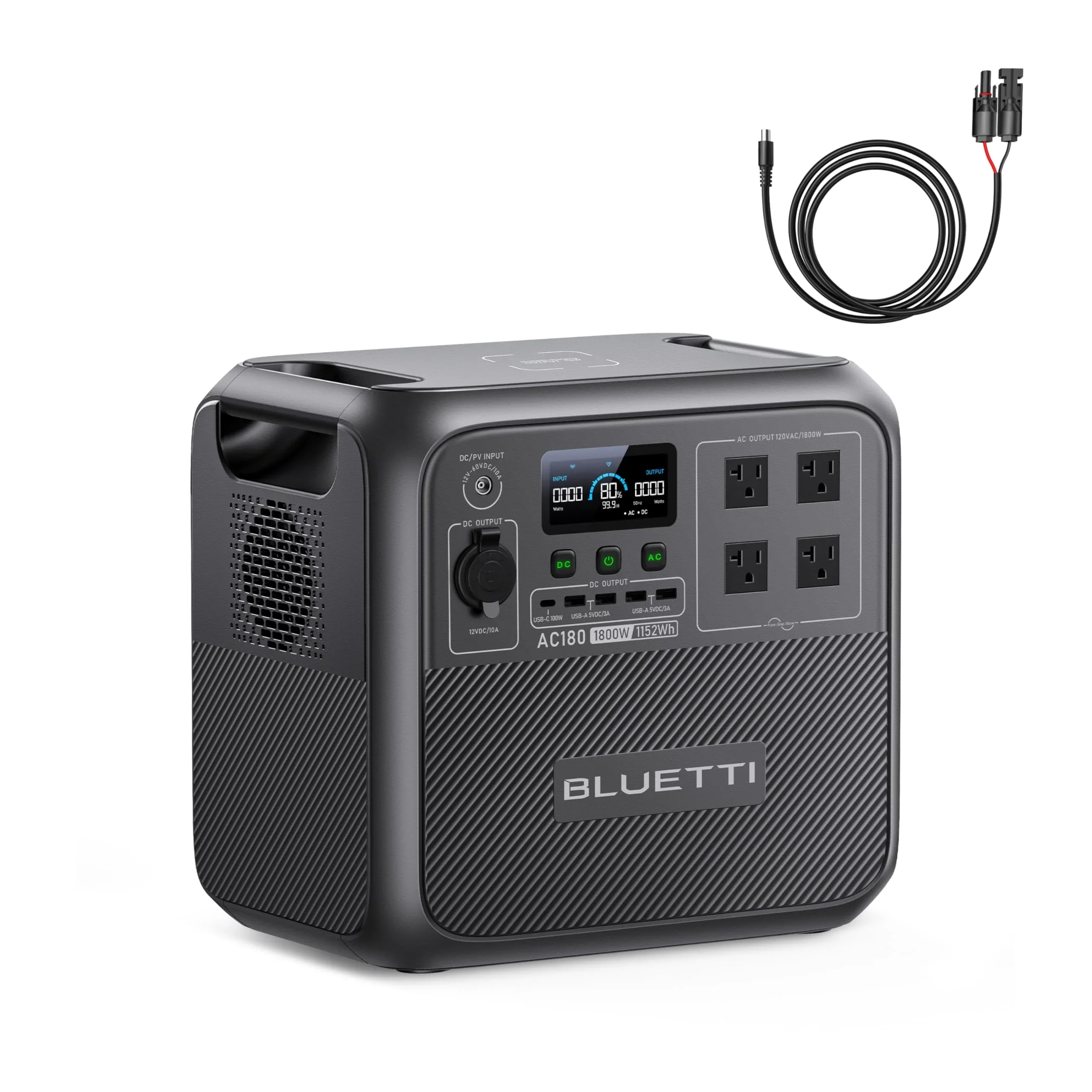
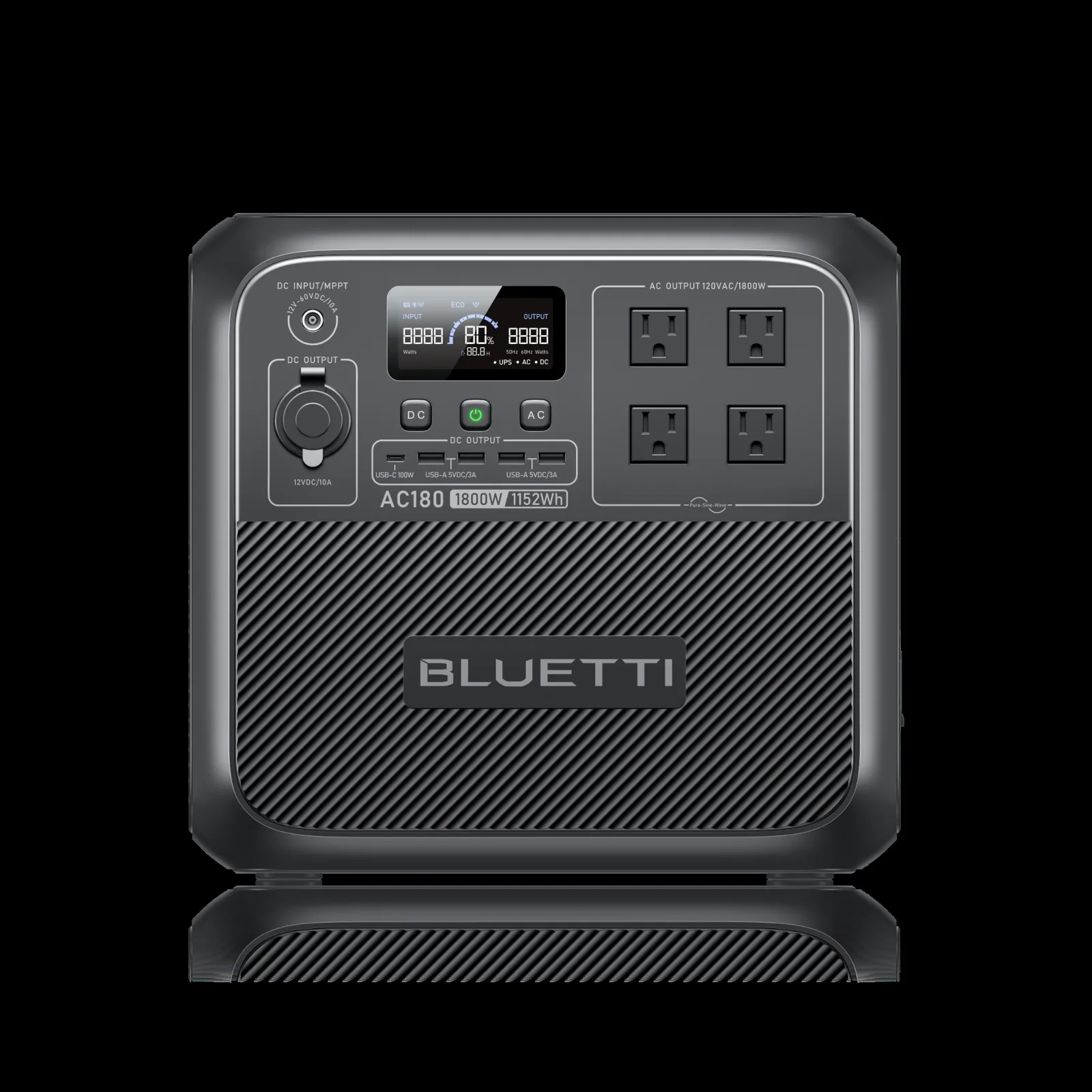
Day to day you interact with outlets and controls more than watt-hours, and the two differ here. The EcoFlow Delta 2 offers six AC outlets, two 100W USB-C, four USB-A, and a 12V car port, with app control over Wi-Fi and Bluetooth, per EcoFlow. The Bluetti AC180 offers four AC outlets, a 100W USB-C, two USB-A, a regulated 12V port, a 15W wireless pad, and a true UPS with 20-millisecond switchover, per Bluetti.
What to weigh:
- Number of things plugged in: the EcoFlow's six AC and four USB-A handle a busy family site.
- Sensitive gear: the Bluetti's fast UPS keeps a CPAP or a laptop alive through a shore-power blip - the EcoFlow's switchover is slower.
- App usefulness: both apps show real draw and let you cap input, which is handy for watching a fridge's overnight consumption.
Choose the EcoFlow for outlet count and app polish, the Bluetti for the UPS if medical or sensitive electronics ride along.
Solar and multi-day off-grid
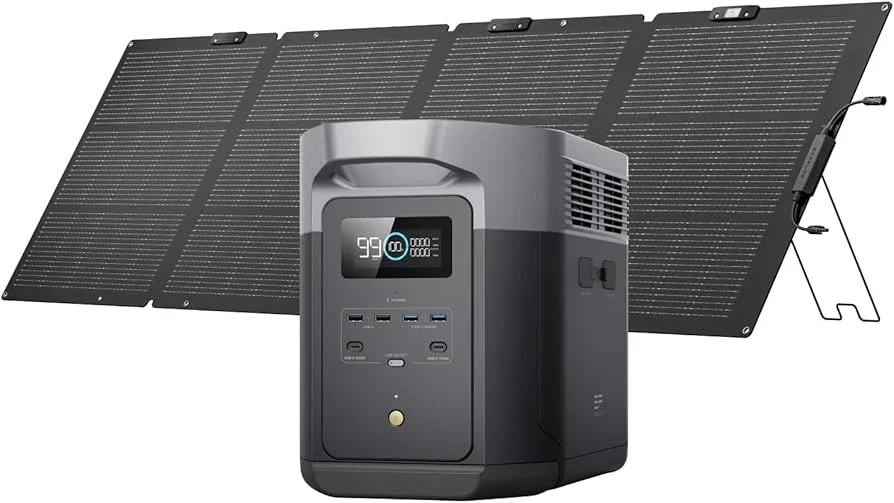
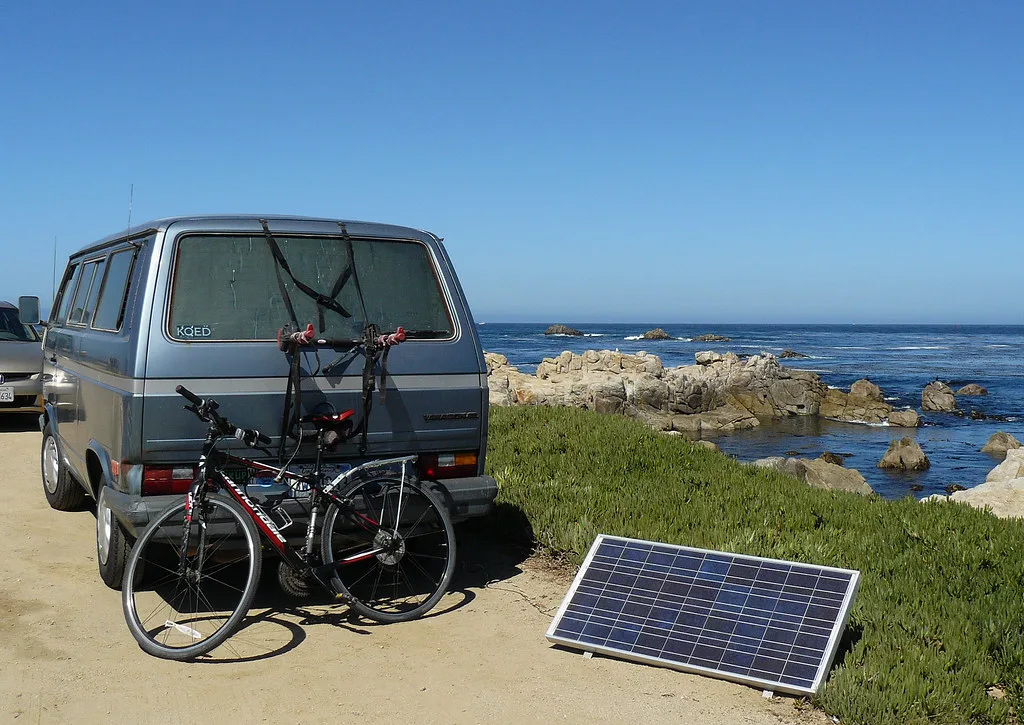
For stays past one night, solar keeps either alive, and here they truly tie: both accept up to 500 watts of solar input, per EcoFlow and Bluetti. A 100-to-200-watt portable panel offsets a fridge's daily draw on either in a sunny afternoon, and the 500-watt ceiling lets a bigger array refill faster on short days.
Where the EcoFlow's ecosystem tilts multi-day planning:
- Same solar intake, more storage: pair the Delta 2 with an expansion battery and that 500 watts of solar has a much bigger tank to fill for genuinely long off-grid stints.
- Standalone parity: as single units, both replenish a weekend's draw equally well with the same panel.
- Panel matching: our best solar panels for car camping guide fits panels to each 500-watt input.
A realistic weekend - and when you'd add a battery
On a normal two-night trip the two feel nearly identical. Run a 12V fridge around the clock, a fan in the evening, phones and a camera battery each night, and lights after dark, and both the Delta 2 and the AC180 start full, carry the fridge easily, and end with charge to spare. The fridge is only pulling 30 to 50 amp-hours a day, well within a 1kWh bank.
The story diverges when the trip gets bigger. Add a third and fourth night without sun, or a second fridge, and the Bluetti's fixed 1152Wh eventually runs dry while the Delta 2 owner clips on a battery and keeps going to 2048 or 3040Wh. That is the exact moment expandability pays for itself - and the moment to decide is before you buy, because you cannot add it to the Bluetti later. For the broader field, our best portable power stations for car camping ranks both, and our Bluetti AC180 vs Anker Solix C1000 matchup pits the AC180 against another expandable rival.
Value and what you're really paying for
Set price aside - it moves constantly - and look at what each design buys you, because that is stable. With the EcoFlow Delta 2 you are paying for a platform: a capable 1024Wh unit today plus the option to grow to 3040Wh whenever a trip demands it, six outlets, and a light 27-pound body. With the Bluetti AC180 you are paying for a maxed-out single box: the larger 1152Wh battery, the stronger 2700-watt surge, and a true UPS, in a heavier 35-pound package that will never expand.
The value question is really a forecast about your own camping. If your trips are stable and you want the most self-contained capacity and surge, the Bluetti spends your money well. If you expect your nights out or your kit to grow, the EcoFlow's expandability is cheap insurance against buying a second station later. Both carry five-year warranties and thousands of LiFePO4 cycles, so neither is the shorter-lived choice - the decision is about flexibility versus a bigger single battery, not about longevity.
Which to buy: match the philosophy to your camping
Both are first-rate 1800-watt LiFePO4 stations that will run a car-camping weekend without complaint. The choice is between two philosophies, and it comes down to whether you want to grow later or want the biggest single battery now.
Buy the EcoFlow Delta 2 if you want room to expand to 3040Wh, six outlets, and a lighter 27-pound body. Buy the Bluetti AC180 for the biggest single 1152Wh battery, a 2700W surge, and a true UPS.
My default for a car camper who is still figuring out how far their trips will go is the EcoFlow - the expandability means one purchase can serve a beginner's weekend and a veteran's week without being replaced. Choose the Bluetti when you know your loads, want the surge and UPS, and would rather have all your capacity in one box. Either way, decide the expand-or-not question up front, because it is the one thing you cannot change after the box is open.
Put plainly: one of these is a starting point you can build on, and the other is a finished, self-contained answer. Decide which of those describes how you buy your gear, and the rest of this comparison falls into place. If you are genuinely unsure where your camping is headed, the expandable EcoFlow is the lower-regret bet, because it can quietly become either answer as your trips reveal themselves over a season or two of getting out there.