First, the Basics
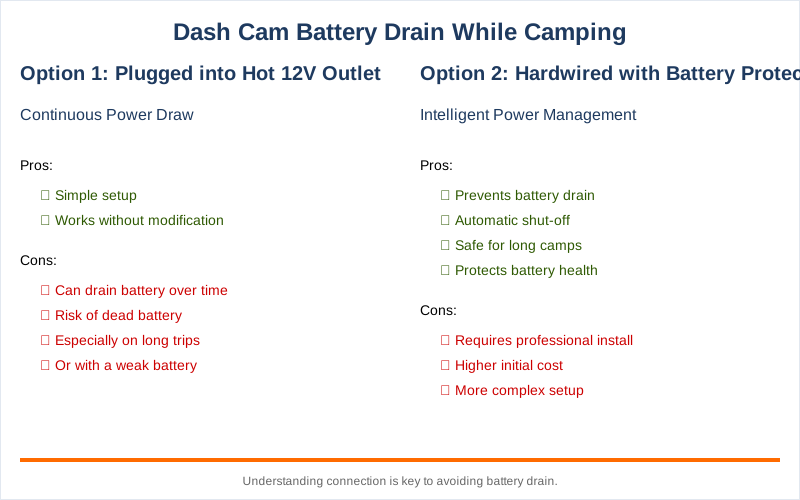
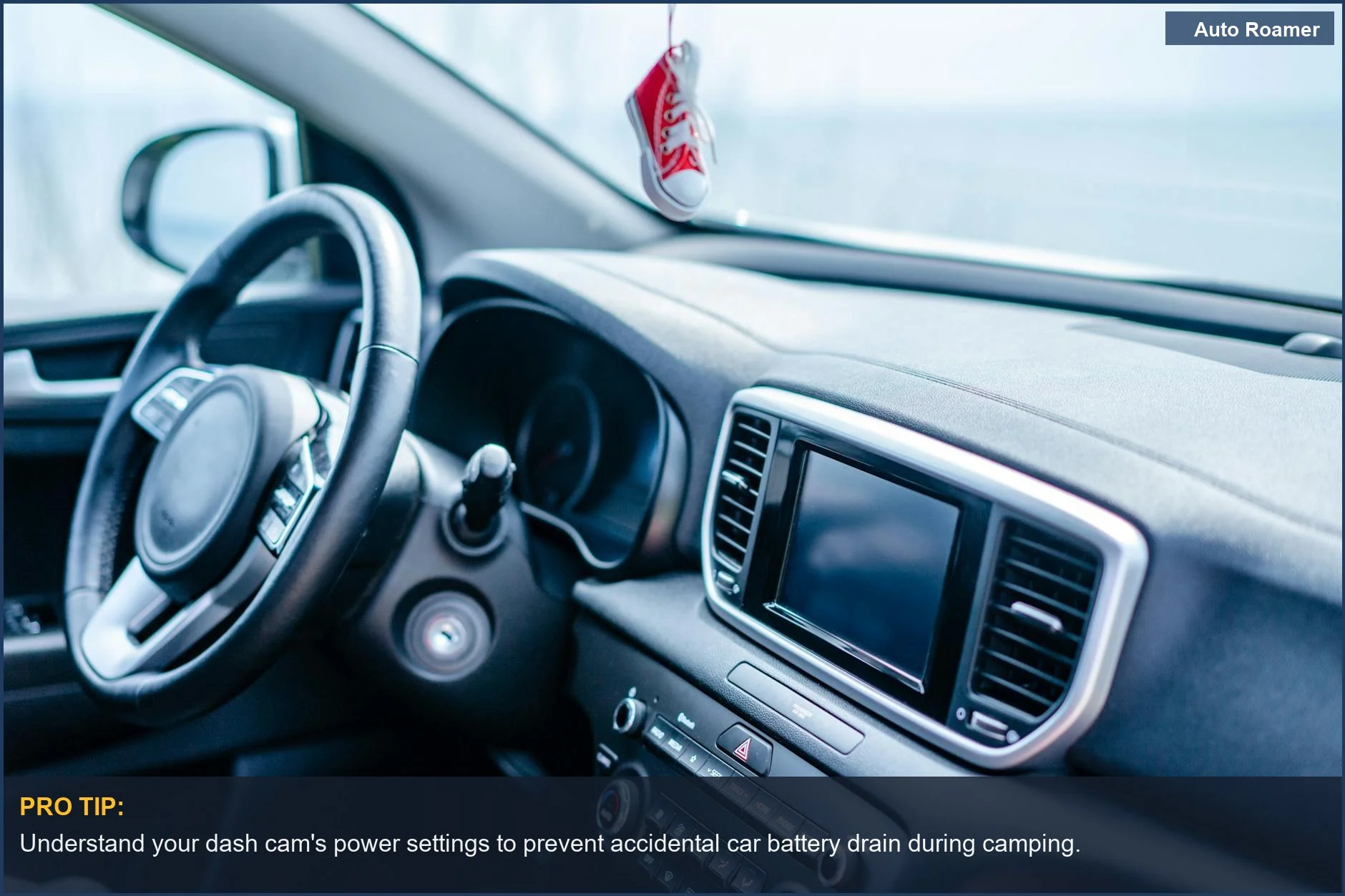
Your dash cam is a constant power draw, even when the car is off. This is because many are wired to the 12-volt outlet, which often stays hot. On my first car camping trip to the Delaware Water Gap last fall, I left my dash cam plugged in. I woke up two mornings later to a dead battery, which cost me $150 for a tow and a jump start.
That $50 dash cam ended up costing me a fortune in lost time and cold mornings optimabatteries. The real move is understanding how these little gadgets sip power. It's not about the dash cam itself, but how it's connected. Some are designed to draw minimal power, while others are essentially mini security cameras running all night. This is the stuff they don't put in the flashy product descriptions Facebook.
The Core Answer
The core answer is: yes, a dash cam can drain your car battery while camping, but it's not a guarantee. It all comes down to how the camera is powered and its features Facebook.
If your dash cam is plugged into a 12-volt outlet that stays powered even when the car is off (often called a 'hot' or 'always-on' outlet), it's going to continuously draw a small amount of power. Think of it like a tiny LED light left on in your car all the time optimabatteries.
This constant, small draw might not be a problem for a single overnight campout if you've recently driven enough to fully charge your battery. But if you're camping for several days without driving, or if your battery is already a bit weak, that continuous draw can eventually deplete it to the point where your car won't start Reddit.
Some dash cams have 'parking mode' features. This is where they continue to record or monitor for motion when the car is parked. This is the biggest culprit for battery drain because the camera is actively using power wolfbox.
The honest version: most dash cams are designed for low power consumption. A typical draw might be between 0.25 to 0.45 amps optimabatteries.
But even a small draw adds up over time. If your car battery is rated at, say, 50 amp-hours, and your dash cam draws 0.3 amps continuously, in theory, it could drain your battery in about 166 hours (50 / 0.3). That's roughly seven days, but that's a perfect-world scenario. Real-world factors like battery age and temperature make it much faster.
What nobody tells beginners is that the wiring is key. Some cars have 12V outlets that only turn on with the ignition. If your dash cam is plugged into one of those, it only draws power when the car is running, which is a non-issue for battery drain while camping Quora.
This is why a 'hardwire kit' is often recommended. These kits let you connect the dash cam directly to your car's fuse box and can be wired to be ignition-switched or have a built-in low-voltage cutoff. The cutoff is the real game-changer; it stops the dash cam from draining the battery below a certain point, preventing a no-start situation Facebook.
So, while a dash cam can drain your battery, it's usually a consequence of a specific setup, not an inherent flaw in all dash cams. My $50 version of a dash cam setup, plugged into an always-on outlet, was the rookie mistake that taught me this lesson.
Why This Matters for Your Setup
Why this matters for your setup is pretty straightforward, especially when you're trying to conserve battery power for essentials like a fridge or your phone charger.
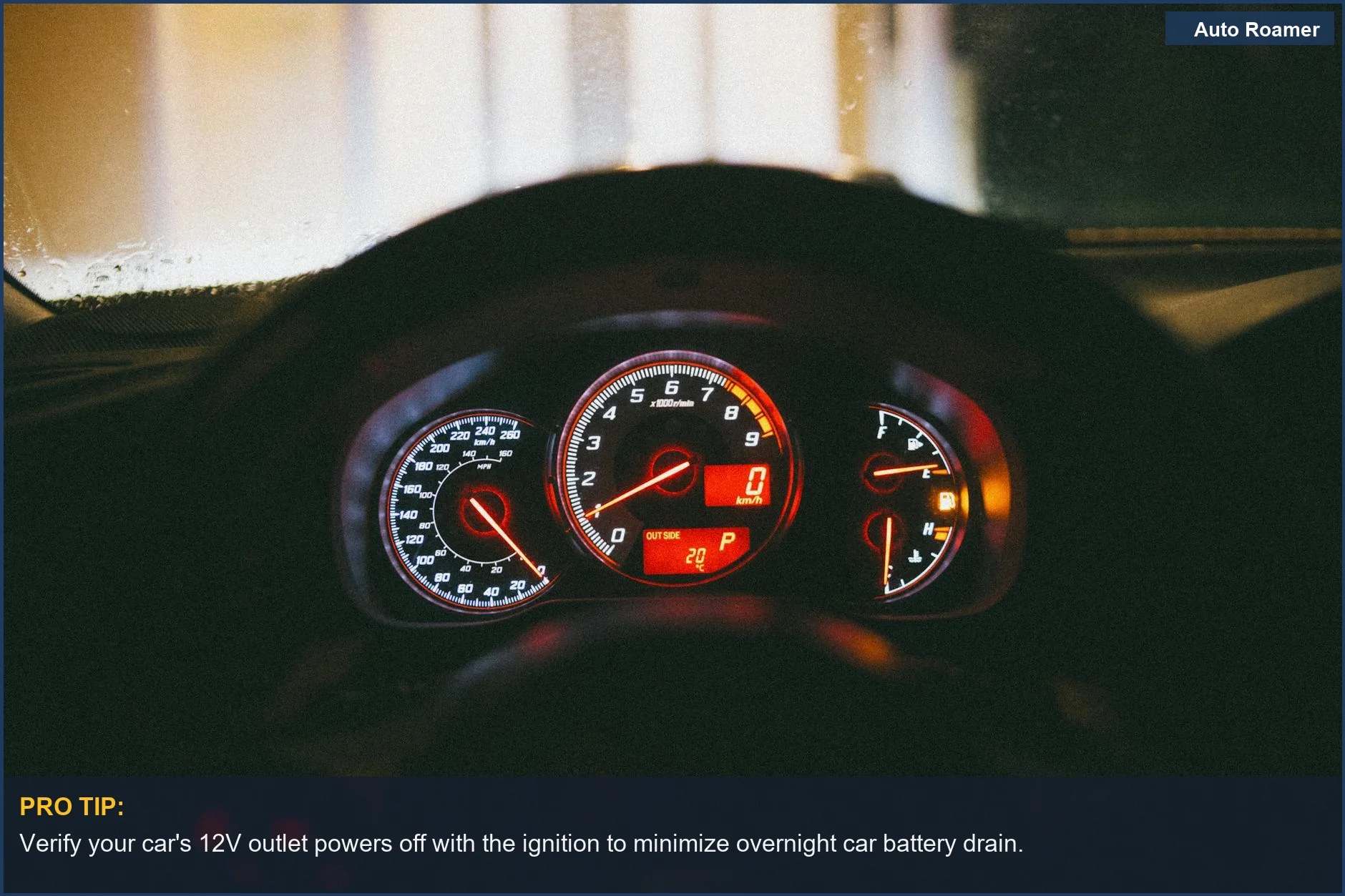
- Always check your 12V outlet's power status. Does it turn off when you kill the engine? If you don't know, assume it stays on and unplug your dash cam when you leave the car for extended periods, like overnight at a campsite. My first dead battery incident happened because I assumed all 12V outlets were ignition-switched. Surprise!
- Understand parking mode. If your dash cam has a parking mode (which is great for security), it will drain your battery faster than simple standby. You might need to disable this feature when camping if you don't have a battery protection system.
- Consider a hardwire kit with low-voltage cutoff. This is the $50-$100 upgrade that saves you headaches. It intelligently monitors your car battery voltage and shuts off the dash cam before it gets too low. This is the real move for car campers Facebook.
- Factor in battery age. An older battery holds less charge and is more susceptible to draining. If your battery is more than 3-4 years old, be extra cautious about continuous draws, especially in cold weather where battery performance dips YouTube.
Making the Right Choice
Making the right choice means being aware of how your dash cam is powered and what features it has. It's not about buying the most expensive camera; it's about smart installation and usage.
- If you're just using your dash cam for driving footage and aren't worried about parking security, unplugging it when you camp is the simplest, zero-dollar solution. My trunk was full of gear, but I still managed to shove my dash cam and its cable in there Reddit.
- For those who want parking mode or the convenience of not unplugging, a hardwire kit with a voltage cutoff is the way to go. This is the best $50 investment I've made for peace of mind on longer trips.
- Don't forget about your car's battery health. A healthy battery can handle more, but it's still a finite resource. Being mindful of continuous draws is key to avoiding a dead car battery when you least expect it optimabatteries.