
Choosing the Right Recovery Track Material for Your Vehicle
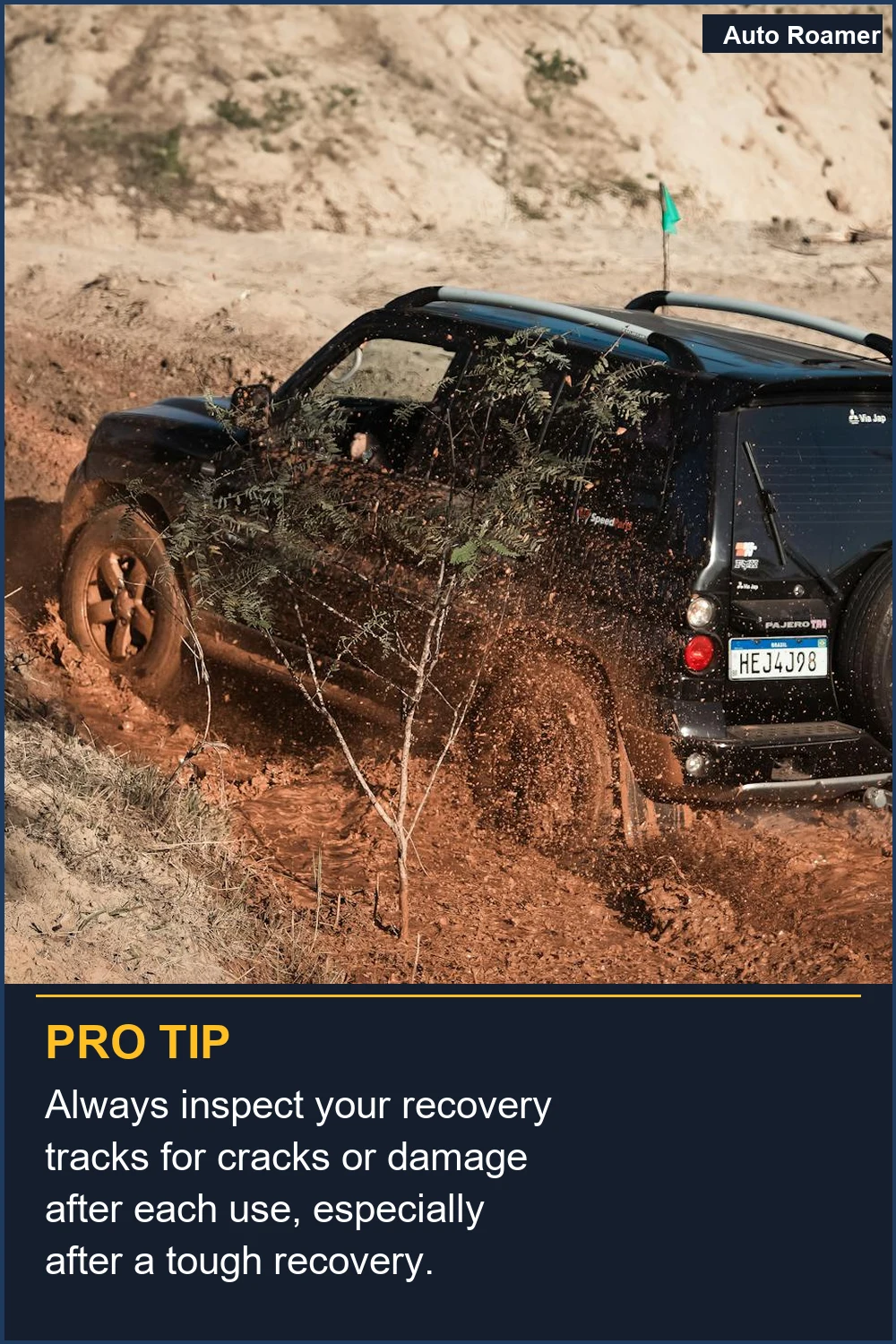
My first real "stuck" moment was in the mud at Rausch Creek Off-Road Park, Pennsylvania, during a torrential downpour. I had a set of cheap plastic boards that looked like they came from a dollar store. They snapped like twigs under the weight of my Forester.
My first real "stuck" moment was in the mud at Rausch Creek Off-Road Park, Pennsylvania, during a torrential downpour. I had a set of cheap plastic boards that looked like they came from a dollar store. They snapped like twigs under the weight of my Forester. The honest version: you get what you pay for, especially when your vehicle is trying to eat itself.
The right recovery track material isn't just about getting unstuck; it's about not making your situation worse. I learned that the hard way. Picking the right boards means looking beyond the price tag and understanding what your tires actually need to grab onto when the ground turns to goo.Car and Driver
The Core Answer
Look, nobody wants to spend $300 on two pieces of plastic. I get it. My first set of recovery boards cost me $40 online, and they looked suspiciously like something a toddler might play with. They lasted exactly one attempt before shattering under my Subaru Outback's weight in a muddy ditch near Big Bear Lake, California. That's the rookie mistake: thinking all recovery tracks are created equal.The real move is to understand what's going on with the materials. Most good recovery boards are made from reinforced nylon or tough, UV-stabilized polymers. These materials are designed to flex without snapping and have aggressive teeth to bite into your tires. Think of it like this: your tires are trying to find purchase on something solid, and these boards provide that bridge. Cheaper plastic just cracks under pressure. I saw a guy once try to use a flimsy plastic shovel to get his Jeep out of sand; it bent in half before he even applied full throttle. Brilliant engineering, that was not.
High-impact polymers are the gold standard for a reason. They can handle the abuse. Brands like MaxTrax, ARB, and Tred Pro use these materials, and yeah, they cost more. My MaxTrax MKIIs, which I bought after my $40 disaster, set me back about $300 for a pair. But after pulling myself out of a snowdrift at 8,000 feet in the Sierras last winter, I can tell you they're worth every penny. They didn't even flinch. The $50 version might get you out of a light dusting of snow, but for real mud or deep sand, you need something that's built to take a beating.MotorTrend
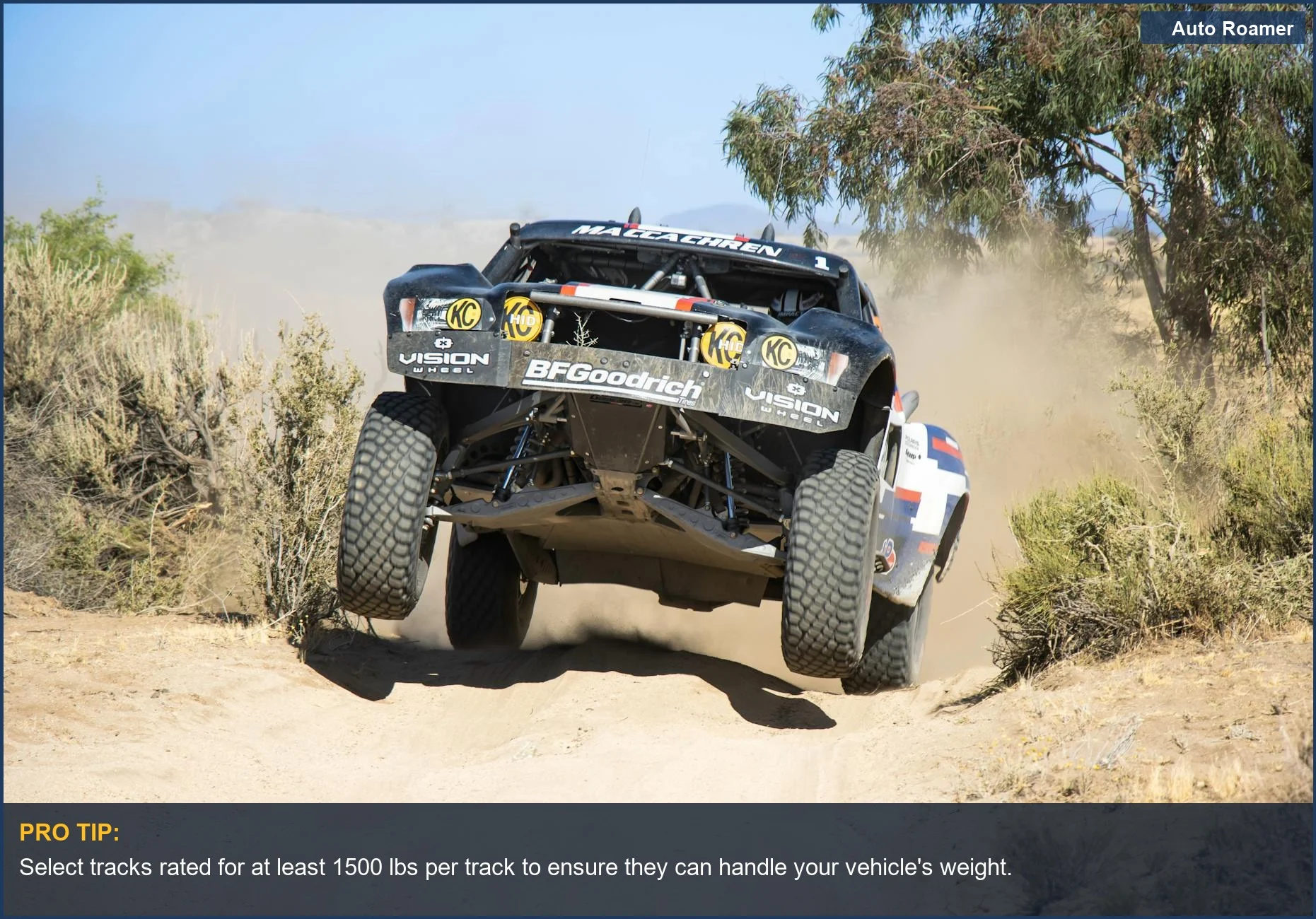
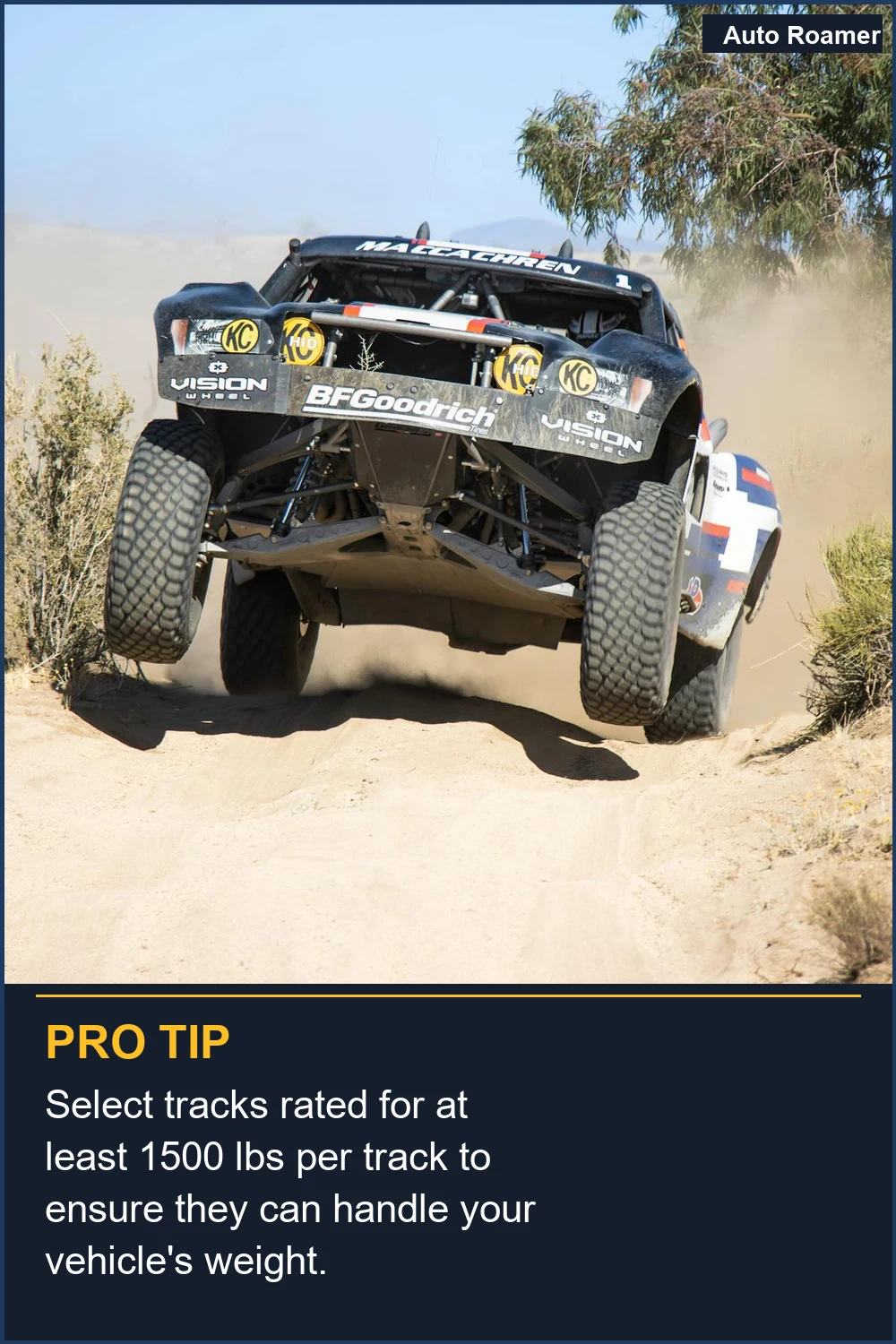
Don't just look at the price tag; look at the material specs. If it feels brittle or looks like it could snap if you dropped it, it's probably not going to hold up when your 4,000-pound vehicle is trying to dig itself out of a hole. The real move is to invest in boards rated for your vehicle's weight. My Subaru is about 3,800 pounds fully loaded, and I need boards that can handle at least that, preferably more, just in case. The cheap ones I first bought probably weren't rated for anything heavier than a shopping cart.YouTube
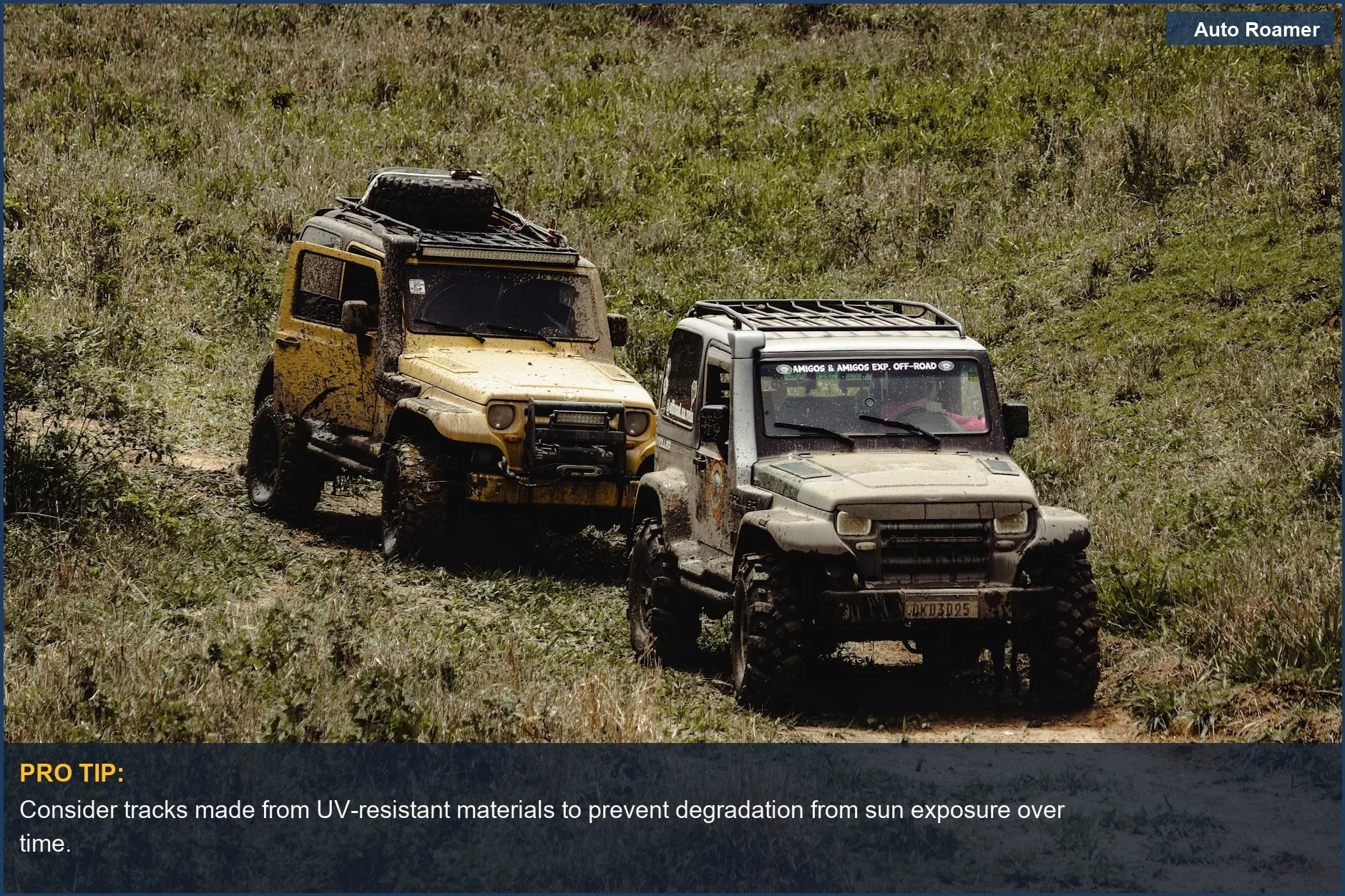
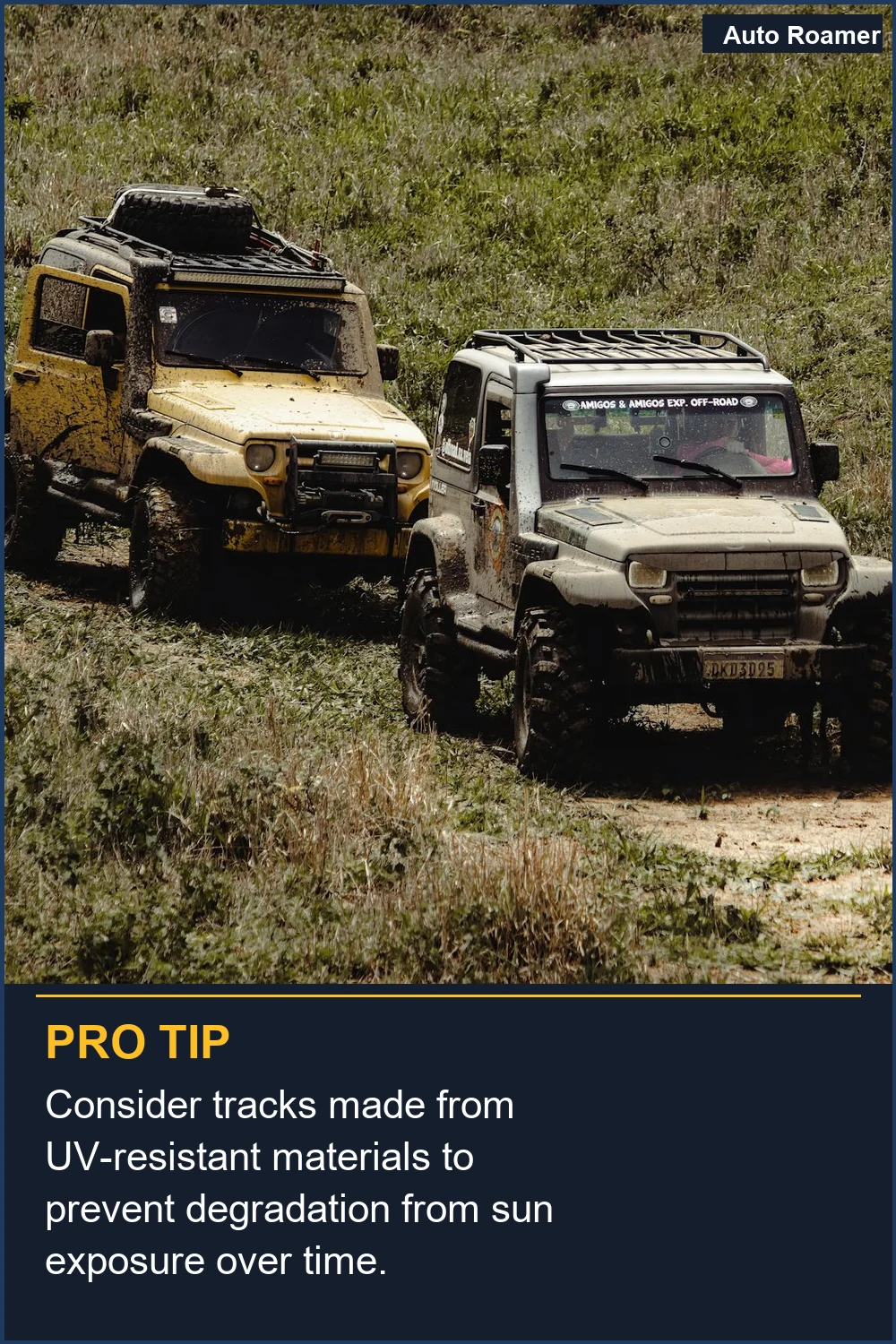
When you're looking at boards, you'll see terms like 'UV-stabilized' and 'high-impact.' That means they won't degrade in the sun and they won't shatter when they're cold or under stress. I once saw a set of generic boards melt into a puddle of goo after sitting in the sun for a summer. They looked cool, but that's about it. The real move is to find boards with aggressive teeth or patterns designed to grip your tires. It's not just about having something under the tire; it's about that tire actually being able to grab onto something solid.Truck Brigade
Why This Matters for Your Setup
You might be thinking, "Do I *really* need fancy plastic boards?" Well, I used to think my car's floor mats were a good substitute. That was until I tried to get my Jeep out of a sandy wash in Moab, Utah, and the mats just spun uselessly, shredding themselves. The boards are designed to provide a stable platform, not disintegrate under pressure. They're engineered to handle the torque and weight your vehicle throws at them. Here's the breakdown:
Making the Right Choice
Choosing the right recovery track material boils down to a few key things. Don't just grab the cheapest option you see online; that's how you end up with useless plastic shrapnel. My first set cost me $40 and was a total waste of money.Invest in boards made from reinforced nylon or high-impact polymers. These can handle the stress of getting your vehicle out of a jam. Brands like MaxTrax or ARB are popular for a reason; they're built tough. I paid around $300 for my pair, and they've saved me hours of frustration.Rhino USA Inc.
Make sure the boards are rated for your vehicle's weight. It's not just about the material; it's about them being strong enough. My old Subaru is about 3,800 pounds, and I always opt for boards rated well over that. It gives me peace of mind. The real move is to get something reliable that won't fail you when you're miles from anywhere and covered in mud.Ozk Customs
Frequently Asked Questions
If my recovery boards break, can I just buy some cheap ones online for $50 to replace them?
Do I really need to know my vehicle's exact weight to buy recovery boards?
What if I put the recovery boards under my tires and still get stuck?
Can using recovery boards damage my tires?
Are aluminum recovery boards (sand ladders) better than plastic ones?
🏅 Looking for Gear Recommendations?
Check out our tested gear guides for products that work with this setup: