Road Trip Gear

Essential Techniques for Using Recovery Tracks Safely and Effectively

Casey - The Weekend Warrior
5 min read
Includes Video

My first set of recovery tracks cost me $250, and I almost didn't buy them. I was stuck deep in mud at an off-road park in Maryland, spinning my tires uselessly. The shame was real. Then I saw a guy pull out his bright orange boards and get himself out in about 2 minutes.

My first set of recovery tracks cost me $250, and I almost didn't buy them. I was stuck deep in mud at an off-road park in Maryland, spinning my tires uselessly. The shame was real. Then I saw a guy pull out his bright orange boards and get himself out in about 2 minutes. That's when I knew I needed this gear. Club 4X4 Insurance says if you haven't been stuck, you haven't really been off-roading. They're not wrong.

Having the right gear, like these traction aids, saves you from a whole lot of embarrassment and potential damage. Ironman 4x4 agrees that good quality boards are a must-have. Don't be like me, waiting until you're buried to invest. Wild West Offroad Recovery also stresses being prepared. This is the stuff that gets you unstuck when your fancy tires and 4WD system just aren't cutting it.
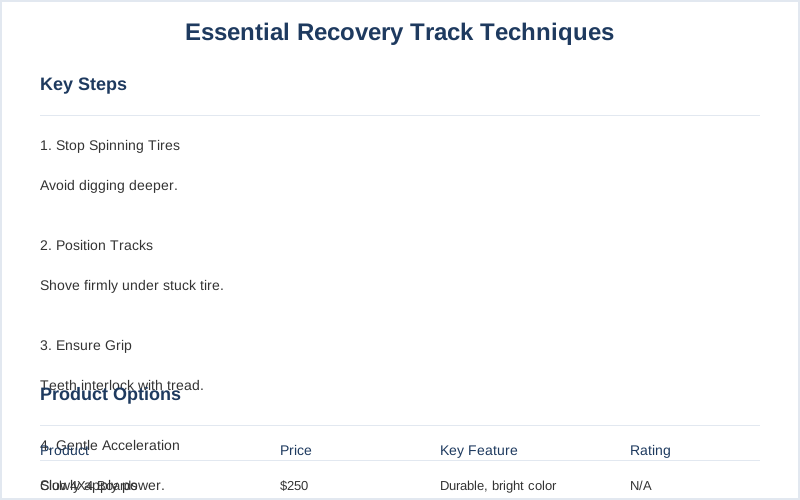
Essential Techniques for Using Recovery Tracks Safely and Effectively — Key Specifications Compared
Key specifications for Essential Techniques for Using Recovery Tracks Safely and Effectively

The Core Answer

The real move with recovery tracks is to treat them like a ramp, not a magic carpet. You're not just shoving them under a spinning tire and hoping for the best. First, stop spinning. Seriously. I learned this the hard way in a sandy wash in Utah when I just kept digging myself deeper. YouTube has videos showing how to use them as an anchor point, but let's keep it simple for now. Overland Kitted says to make sure the teeth interlock with your tire tread. This is crucial. Shove the track firmly under the tire that's stuck. You want the aggressive cleats to bite into your rubber. BFGoodrich points out that proper recovery techniques are key. Your goal is to create a solid surface for your tire to grip. Club 4X4 Insurance suggests digging out a little in front of the tire to give it a clear path. This makes it easier for the track to do its job. You're not trying to lift the vehicle; you're giving the tire something to grab onto. Ironman 4x4 recommends airing down your tires first. This gives your tires a bigger contact patch and better chance to grip the track. I did this once in some deep mud in Colorado, and it made a huge difference. The $250 set of tracks suddenly felt worth every penny. YouTube also shows using them under all four tires if you have them for maximum effect. That's the gold standard. I only had two for my first few trips, which was a rookie mistake, and it took way longer. The honest version: one track under the stuck tire, give it a solid shove, and then apply gentle throttle. If it spins, stop and reposition. Don't just hammer the gas. That's how you break things. Wild West Offroad Recovery reminds beginners to check for debris underneath. You don't want to get stuck on a rock while trying to get unstuck.
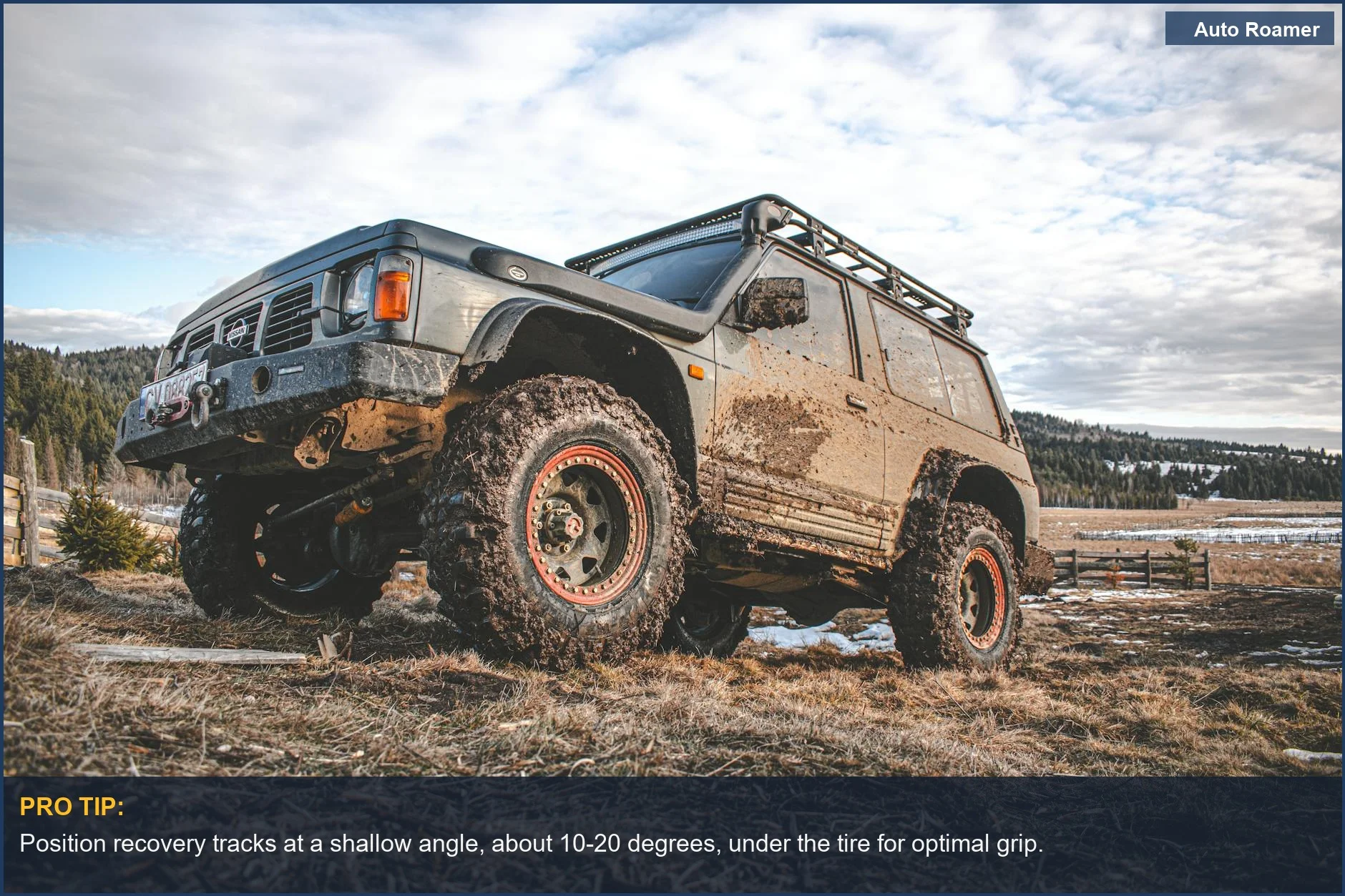
Understanding the basics of recovery tracks can help you make a more informed choice for your vehicle's recovery needs.
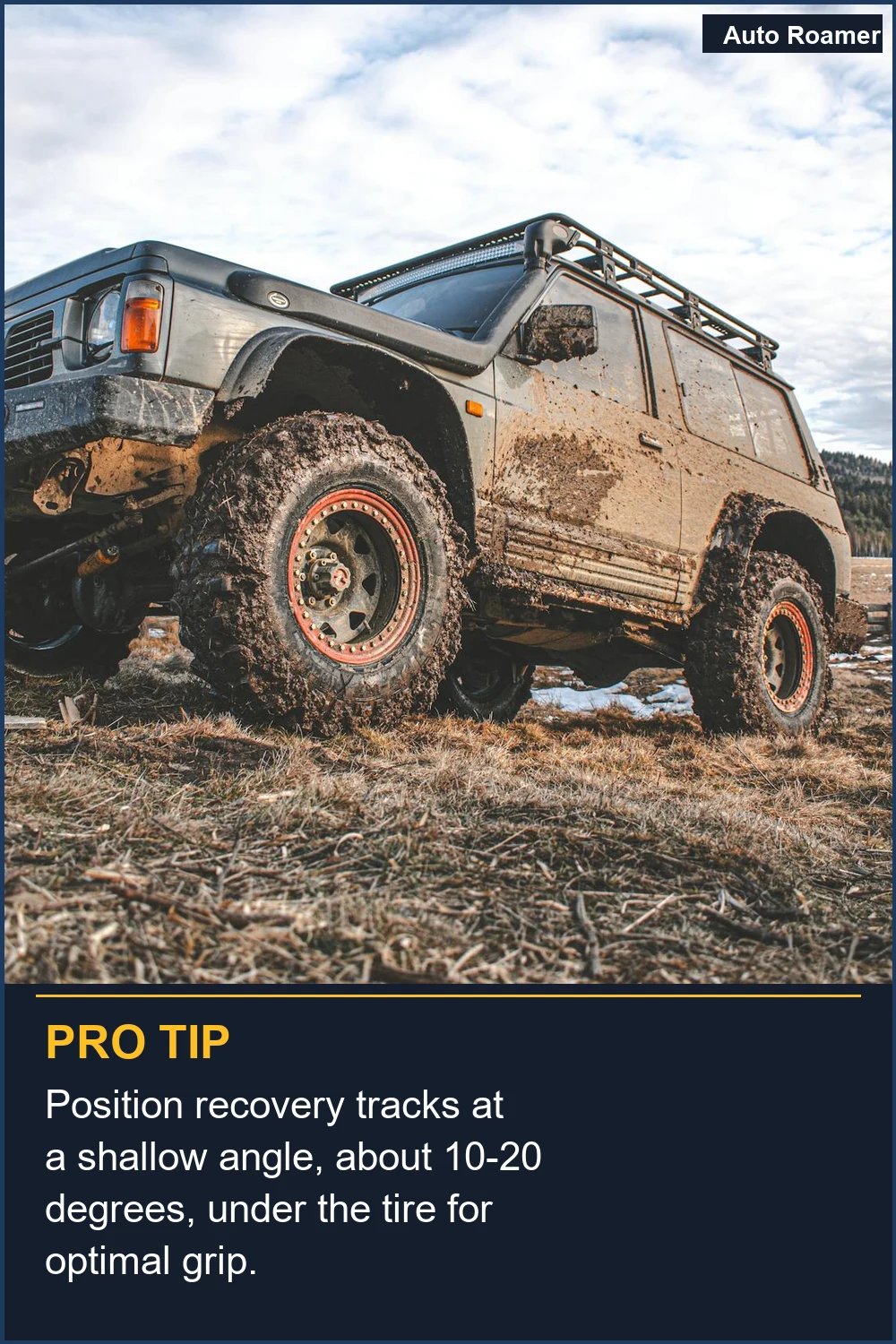
Position recovery tracks at a shallow angle, about 10-20 degrees, under the tire for optimal grip.
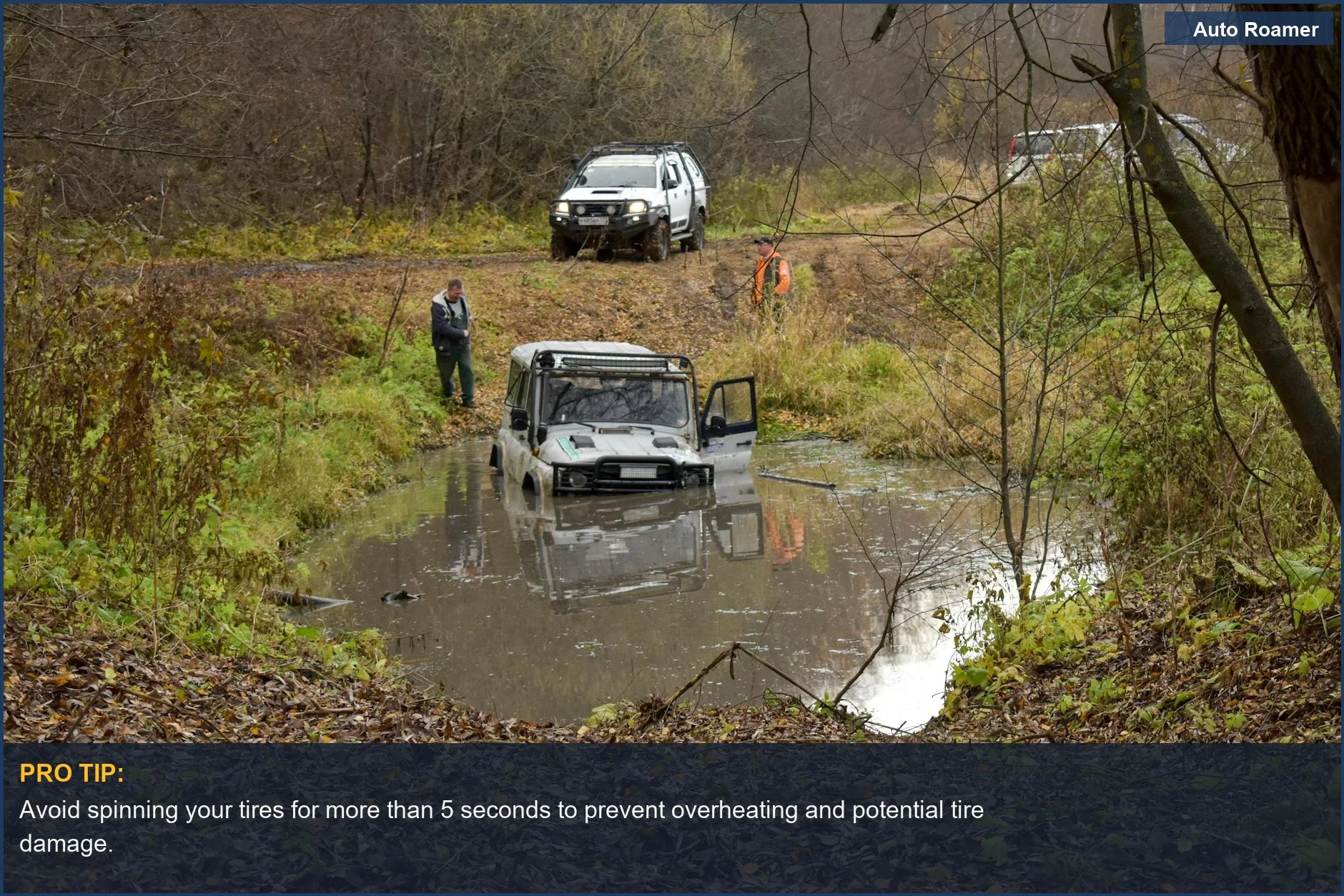
When facing challenging off-road driving situations, understand that recovery tracks act as ramps. Stop spinning to avoid digging deeper, especially in sand or mud. | Photo by Ferencz Istvan

Why This Matters for Your Setup

  • Don't spin until you smell burning rubber. I did this in a muddy ditch near my house, thinking I could power my way out. I ended up digging a bigger hole and melting my tires slightly. Overland Kitted says to stop spinning and check for debris. This is game-time advice.
  • Use them BEFORE you're completely stuck. I used to wait until I was axle-deep. Now, if I feel my tires starting to lose grip on a slippery incline, I'll pop a track under the drive wheels preemptively. It's like an insurance policy. Ironman 4x4 mentions this as a proactive measure.
  • Clean them off. After a muddy recovery, my tracks were caked. I almost put them back in my rig dirty, but then I remembered the advice from Club 4X4 Insurance to clean them. Sand and mud can make them less effective and even damage your tires or car if they get ground in. A quick rinse with water works wonders.
  • They can be used for more than just getting unstuck. I saw a guy use them as a makeshift shovel in a pinch. YouTube also has videos showing them used as a tire changer or even an anchor point in some situations. Pretty clever stuff, though I haven't personally tried those tricks yet.
  • Choosing the right materials can enhance your recovery experience, so consider our tips on recovery track materials.
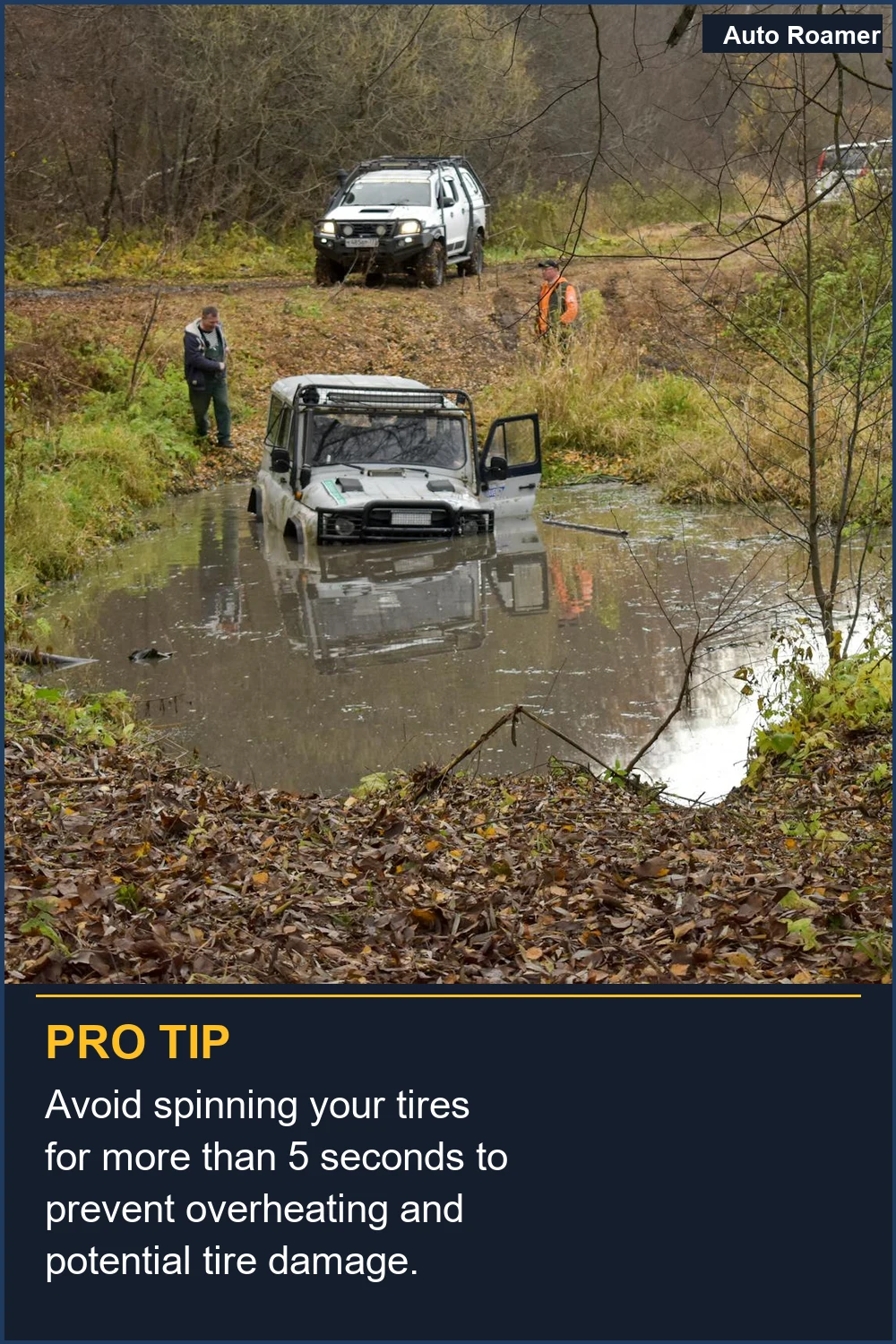
    Avoid spinning your tires for more than 5 seconds to prevent overheating and potential tire damage.
    Effective vehicle recovery often involves a team effort. Don't spin your tires excessively; learn when to stop and reassess your extraction strategy. | Photo by Alexandra Bakhareva

    Making the Right Choice

  • Invest in quality. The $50 version might look tempting, but I've seen cheaper plastic ones snap like twigs. Ironman 4x4 says buy once, cry once. A good set, like MAXTRAX, can cost around $300 for four, but they'll last. Club 4X4 Insurance also emphasizes good quality. You don't want a failure when you're stuck.
  • Four is ideal, two is a minimum. If you're serious about off-roading, aim for four. This allows you to put one under each drive wheel. Overland Kitted stresses using four for maximum effectiveness. If you only have two, you'll have to be more strategic about placement.
  • Practice makes perfect (and less embarrassing). Don't wait for your first big mud bog to figure this out. Try them in your driveway or a local park. Wild West Offroad Recovery recommends knowing your vehicle's capabilities. Practicing with your recovery gear is part of that.
  • Stow them properly. They can be bulky, but having them easily accessible is key. Many people mount them on roof racks or in their truck bed. Ironman 4x4 suggests secure mounting solutions. You don't want them flying out on a bumpy trail.
  • To enhance your adventures, consider exploring the best options for car camping recovery tracks.
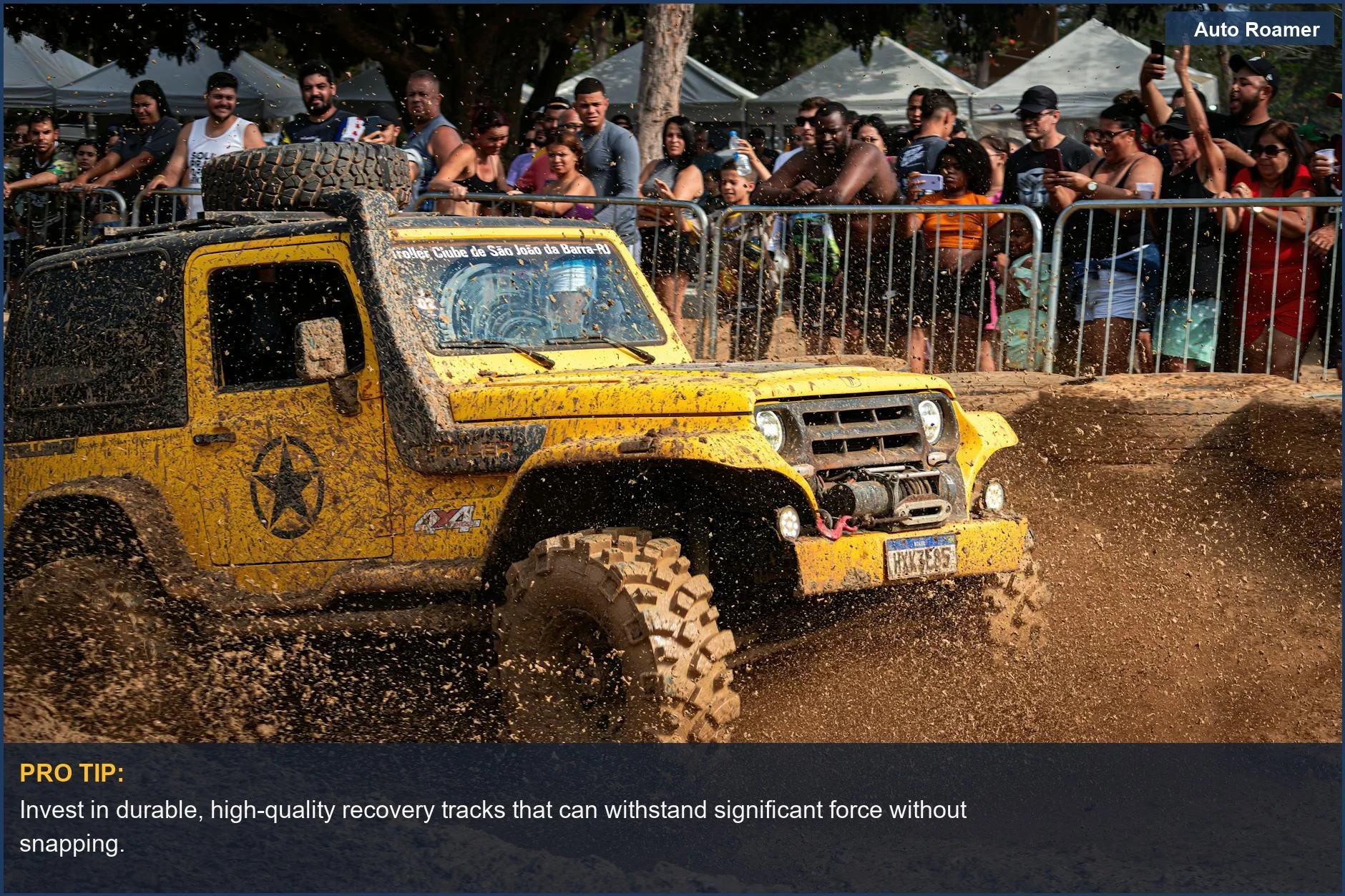
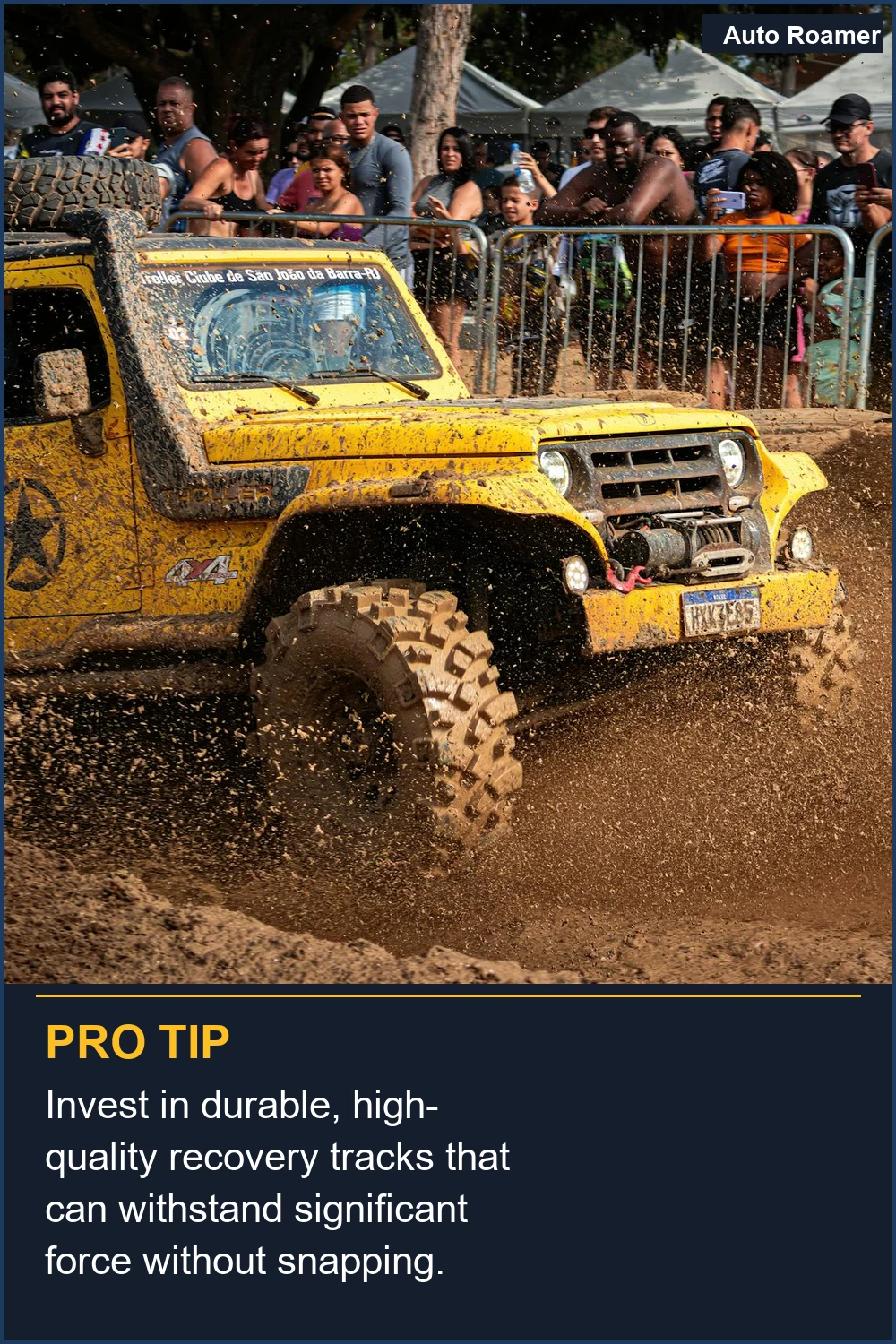
    Invest in durable, high-quality recovery tracks that can withstand significant force without snapping.
    For thrilling off-road adventures, always invest in quality recovery tracks. Cheaper options can break easily, costing more in the long run. | Photo by Wallace Silva

    Frequently Asked Questions

    I saw some cheap plastic recovery boards online for $75 for a set of four. My buddy paid $300 for his MAXTRAX. Is there really a $225 difference in performance, or am I just paying for a name?
    Honestly, that $225 difference buys you durability and peace of mind. I’ve seen those cheap ones crack like a dry twig the first time they hit serious mud. Ironman 4x4 specifically warns that cheaper products are often a one-time-use item. A good set of MAXTRAX, while pricey upfront, will last you years of getting yourself and others unstuck.
    Do I really need to 'dig out' in front of my tires? I have a shovel, but it seems like a lot of extra work when I'm already stuck.
    Yes, you absolutely do. Think of it this way: the recovery track needs a clear path to give your tire something to grip and move forward. If you're pushing against a wall of mud or sand, the track can't do its job. Club 4X4 Insurance says digging out makes it easier for the track to assist. It's a small effort that makes a huge difference in getting you moving.
    What if I put the recovery tracks under my tires, give it some gas, and still nothing happens? I'm still stuck, maybe even more stuck.
    That's a classic rookie mistake. First, stop spinning immediately. Overland Kitted advises checking for debris underneath. Your vehicle might be high-centered on something. If the tracks aren't biting, try repositioning them, maybe digging a bit more, or even airing down your tires further if you haven't already. Sometimes a slight change in angle or more aggressive placement is all it takes.
    Can using recovery tracks damage my tires or the suspension if I do it wrong?
    Yeah, you can definitely mess things up if you're not careful. Aggressively spinning your tires against the tracks, especially if they're not properly seated, can shred your tire sidewalls. I once saw a guy’s track get flung out from under his tire and smack into his fender. Wild West Offroad Recovery emphasizes safe recovery techniques. The key is gentle throttle and ensuring the tracks are firmly engaged with the tire tread.
    I heard you can use recovery tracks as a makeshift winch anchor. Is that true, or just some internet myth?
    While they can be used in some niche recovery scenarios, using them as a primary winch anchor is generally not recommended for beginners. YouTube has some advanced techniques, but for most people, they're designed to provide traction for your tires. Trying to use them as a winch anchor without understanding the forces involved could lead to the track failing or worse, becoming a projectile. Stick to their intended purpose first.

    🏅 Looking for Gear Recommendations?

    Check out our tested gear guides for products that work with this setup:

    C

    Casey - The Weekend Warrior

    Weekend car camper and road trip enthusiast. Focuses on practical, budget-friendly solutions for families and first-time campers.

    Sources

    Related Articles