
What Are Recovery Tracks and How Do They Work for Off-Roading?
My first car camping trip was a $47 experiment in a Honda Civic hatchback in Shenandoah Valley. Mid-October. I had a Walmart foam pad, a sleeping bag rated to 40F, and zero idea that the temperature drops 15 degrees after midnight in the mountains.
My first car camping trip was a $47 experiment in a Honda Civic hatchback in Shenandoah Valley. Mid-October. I had a Walmart foam pad, a sleeping bag rated to 40F, and zero idea that the temperature drops 15 degrees after midnight in the mountains. By 2AM I was wearing every piece of clothing in my bag and still shivering. The fix was a $12 fleece liner from Amazon that turned my 40F bag into a 25F bag.
Three years later I still use that same liner on every trip.
Every car camping guide tells you to 'level your vehicle' before sleeping. Nobody tells you HOW. I spent 20 minutes at a state park in West Virginia trying to figure out if my Subaru was level by rolling a water bottle across the mattress. The real move: park nose-slightly-uphill so your head is higher than your feet. That is it. You do not need a bubble level.
You need to not wake up with a headache from blood pooling in your skull.
I packed for my first 3-day camping trip like I was moving apartments. Cooler, camp stove, folding table, lantern, tarp, extra tarp, backup tarp. My trunk was so full I could not see out the rear window. The honest version: you need a sleeping setup, water, food that does not need cooking, and a headlamp. Everything else is optional until you figure out what you actually use. My second trip had half the gear and was twice as comfortable.
This whole off-roading thing can feel like a gear-heavy club, and nobody tells you the actual game-time moves. The internet is full of fancy rigs and expensive recovery gear. But what if you just want to get yourself unstuck without calling a tow truck that costs $300? That's where recovery tracks, or traction boards, come in.
They look like weird plastic grates, but trust me, they're the unsung heroes of not spending your weekend waiting for roadside assistance in the middle of nowhere.
The Core Answer
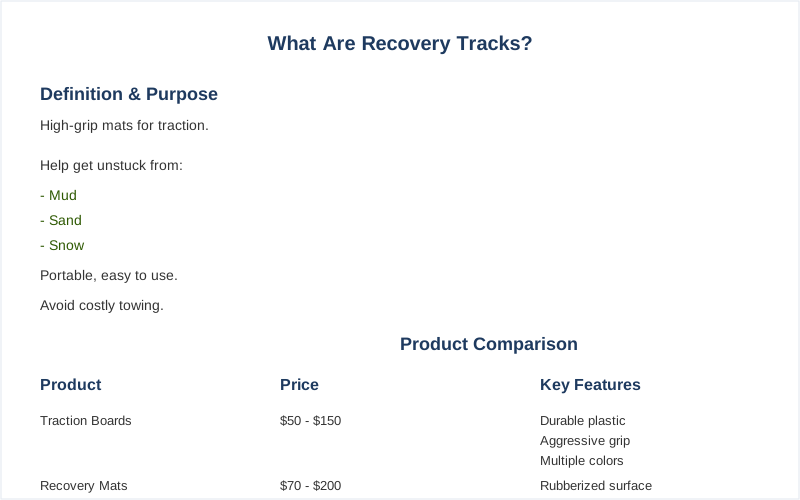
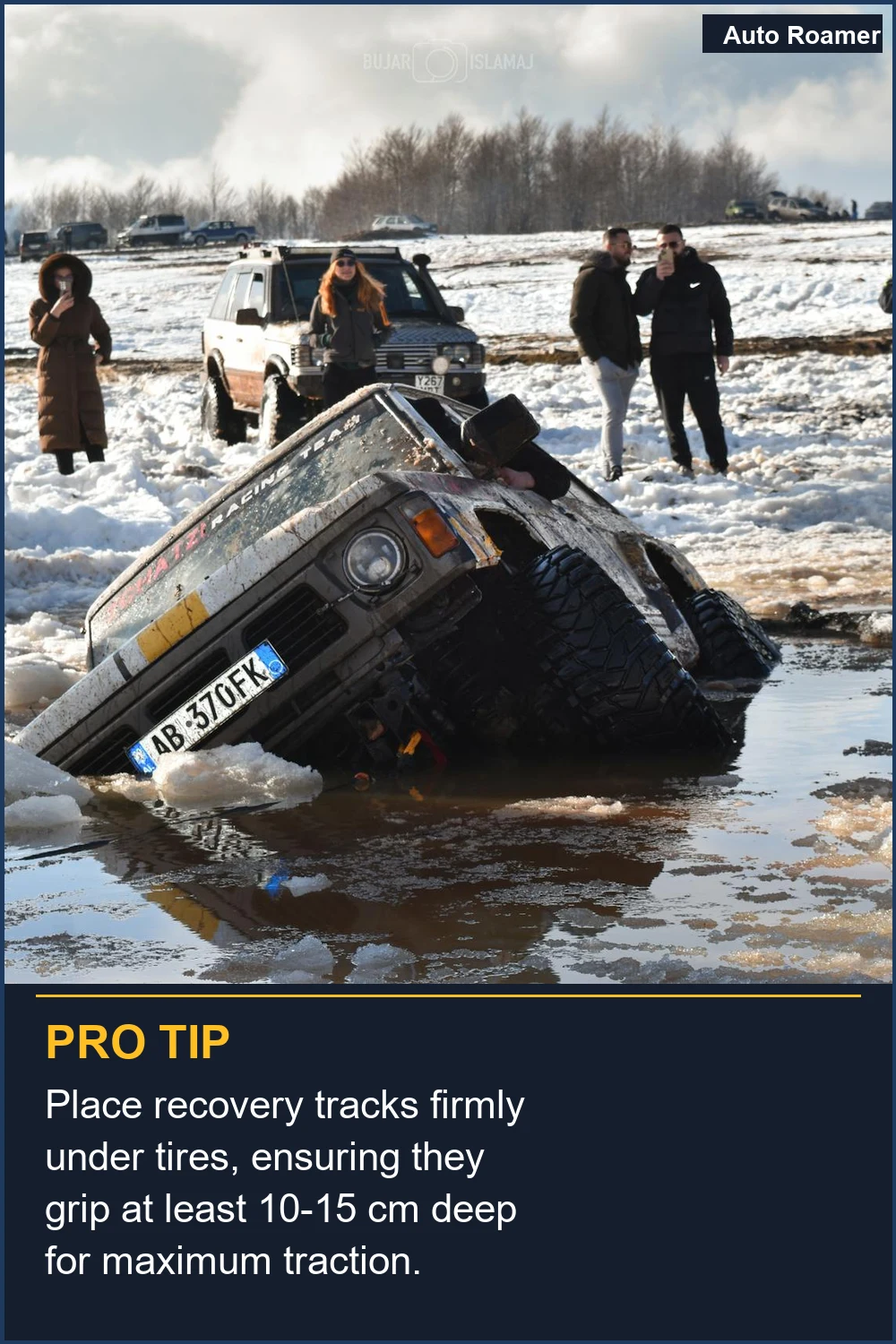
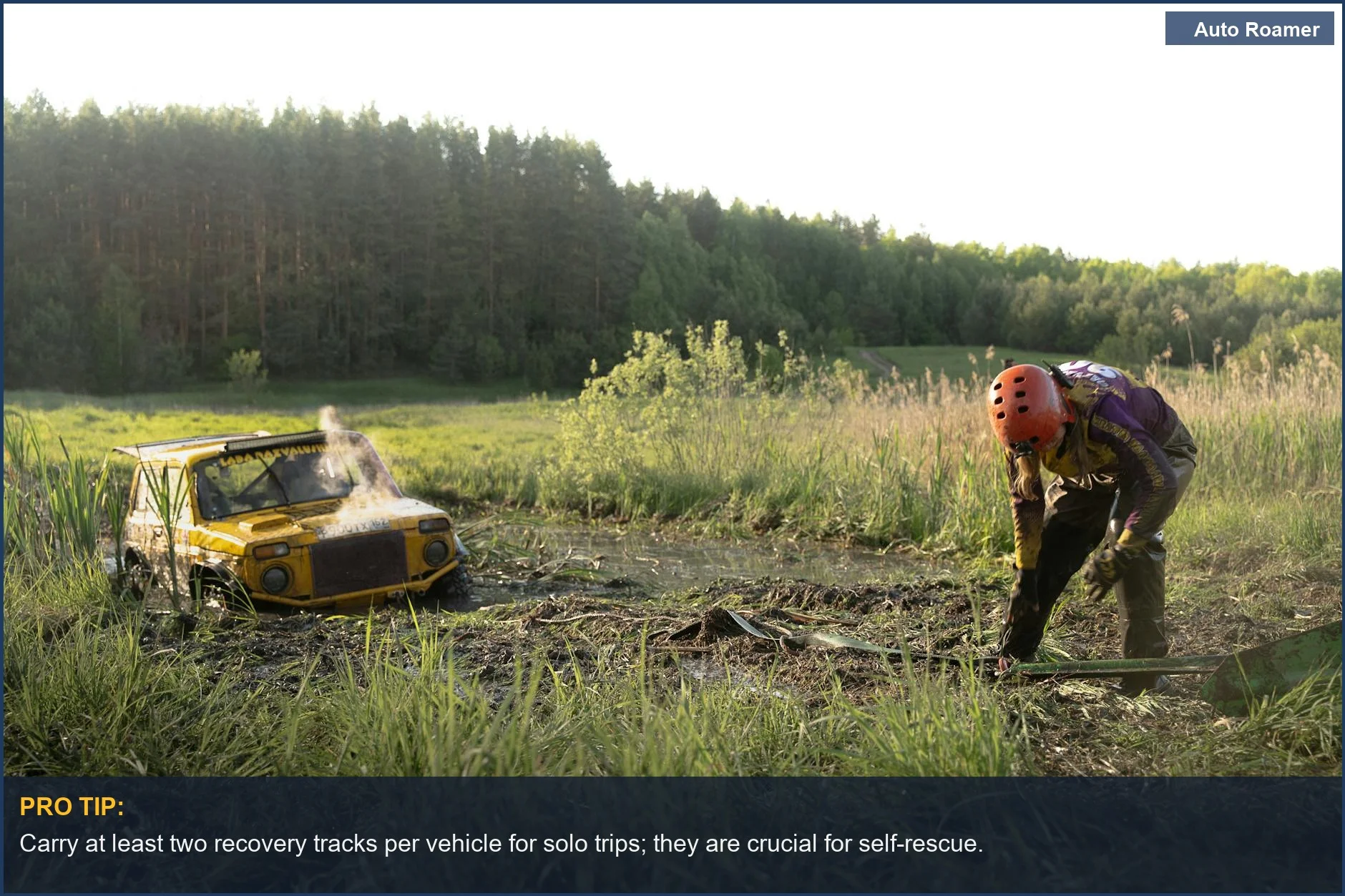
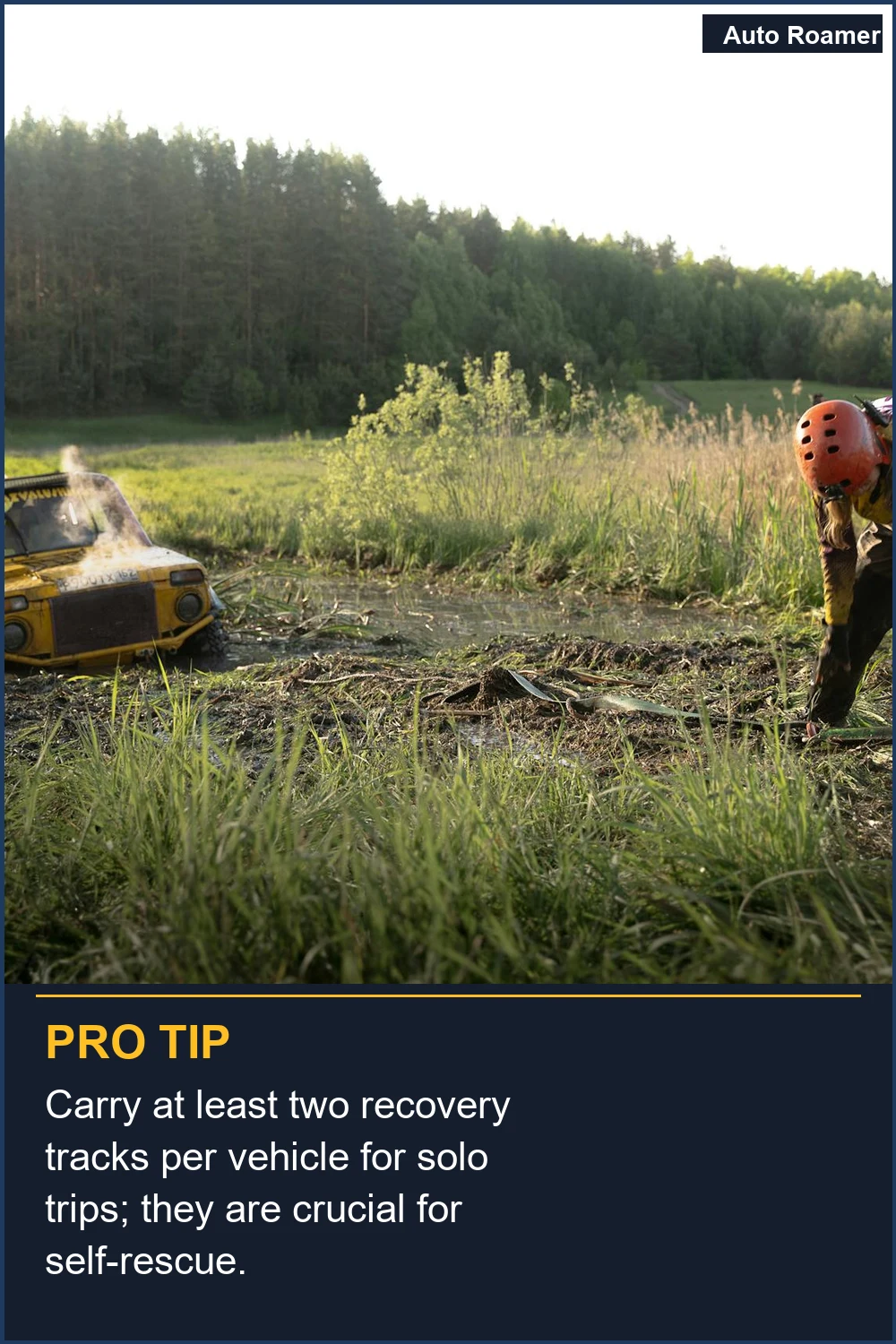
Recovery tracks are basically high-grip mats that you shove under your tires when you're stuck in mud, sand, or snow. Think of them as portable traction. They give your tires something to bite into when the ground beneath you has turned into a slippery mess. I learned this the hard way in a muddy field in Ohio after a surprise downpour. My Subaru Forester was sunk up to its axles, and I was about to call a friend with a tractor when I remembered I'd thrown a set of these into the back of the car for a 'just in case' scenario. The real move here is understanding how they work. You slide them under the drive wheels - the ones spinning uselessly. The aggressive tread pattern on the tracks digs into the tire, and the other side digs into the ground. You then ease onto the gas, and the tracks help your tires climb up and out of the hole. It's not rocket science, it's just physics applied to getting your vehicle moving again. Recovery Boards Explained shows this pretty well. I've seen people try to use rocks or logs, and that's a rookie mistake. Those things can shift, break, or even get sucked under your tires, making things worse. Recovery tracks are designed specifically for this. They're made of super-tough, UV-stabilized polymer that won't crack under pressure. Maxtrax, a popular brand, are made in Australia and are built for serious abuse. Why MAXTRAX Recovery Boards Are an Essential for Off-Roaders breaks down their build quality. My first set cost me about $250 for a pair. Yeah, it felt like a lot for glorified plastic. But then I thought about the cost of a tow truck, which can easily run $300-$500 depending on where you are and how far they have to drag you. Suddenly, that $250 felt like a bargain. Plus, you can use them yourself, no waiting for someone else to show up. Traction Recovery Boards: Why Every Off-Roader Needs Them? mentions self-recovery. What nobody tells beginners is that you don't always need a fancy winch. For most car camping or light off-roading situations, recovery tracks are your best friend. They're lightweight, easy to store, and can get you out of a jam in minutes. I keep mine strapped to the roof rack of my current rig, ready to go. How to properly use Recovery Gear touches on solo adventurers. Some tracks have a shovel shape on the end, which is handy for digging out some of the muck before you even slide them under the tires. It's a small feature, but it makes a difference when you're covered in mud. Why MAXTRAX Recovery Boards Are an Essential for Off-Roaders notes this digging capability.
Why This Matters for Your Setup
Making the Right Choice
Frequently Asked Questions
I saw a video of someone making DIY recovery tracks out of zip ties and a milk crate for like $5. Should I just do that instead of dropping $250 on Maxtrax?
Do I really need a special shovel to dig out around my tires before using recovery tracks?
What if I put the recovery tracks under my tires and I still can't get out?
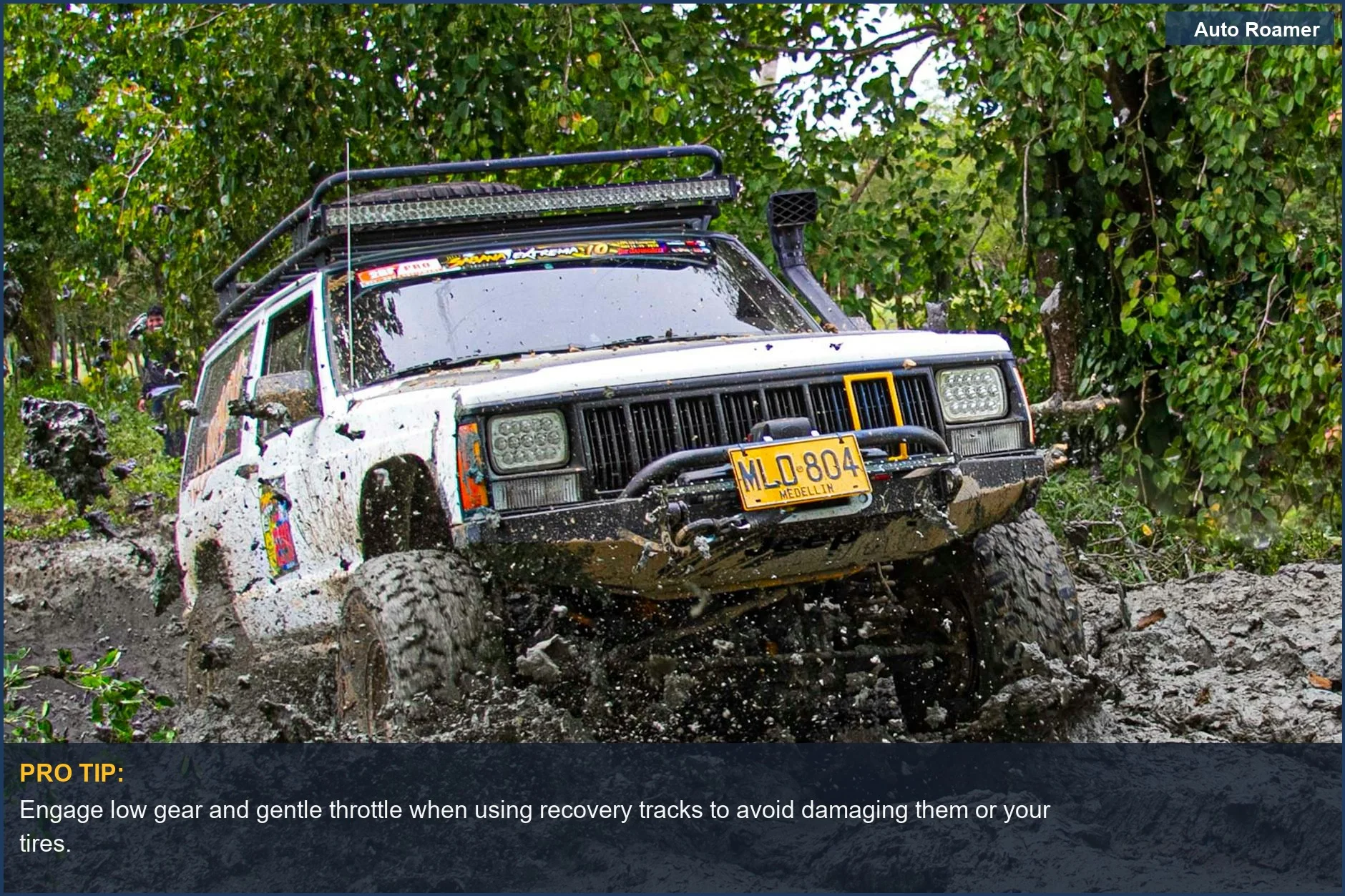
Can using recovery tracks damage my tires or drivetrain?
I heard you're supposed to dig a 'ramp' for your tires to climb onto with recovery tracks. Is that true?
🏅 Looking for Gear Recommendations?
Check out our tested gear guides for products that work with this setup:
Sources
- How to properly use Recovery Gear - Traction Boards
- Recovery Boards Explained | Get Unstuck in Mud, Sand, and Snow
- Traction Recovery Boards: Why Every Off-Roader Needs Them?
- Why MAXTRAX Recovery Boards Are an Essential for Off-Roaders
- Best Traction Boards for Off-Road Recovery: Getting Unstuck
- How to use Maxtrax recovery boards | 4X4 Australia - YouTube
- How to Use Recovery Boards the Right Way