
What is a Vehicle Recovery Kit and Why Do You Need One for Overlanding?
My first car camping trip was a $47 experiment in a Honda Civic hatchback in Shenandoah Valley. Mid-October. I had a Walmart foam pad, a sleeping bag rated to 40F, and zero idea that the temperature drops 15 degrees after midnight in the mountains.
My first car camping trip was a $47 experiment in a Honda Civic hatchback in Shenandoah Valley. Mid-October. I had a Walmart foam pad, a sleeping bag rated to 40F, and zero idea that the temperature drops 15 degrees after midnight in the mountains. By 2AM I was wearing every piece of clothing in my bag and still shivering. The fix was a $12 fleece liner from Amazon that turned my 40F bag into a 25F bag.
Three years later I still use that same liner on every trip.
This whole overlanding thing, where you drive your rig way out into the sticks, is awesome. But getting stuck? Not so much. You need a vehicle recovery kit, plain and simple. It's not just for hardcore rock crawlers; it's for anyone who wants to get out of their own way and not wait 4 hours for a tow truck that might not even find you.
I learned this the hard way, stuck in some mud outside Moab, Utah, with nothing but my wits and a prayer. The real move here is to be prepared. A good recovery kit costs less than a single tow, and it means you're the hero, not the guy who needs rescuing. Agency 6 breaks down why it's essential for anyone venturing off-pavement.
The Core Answer
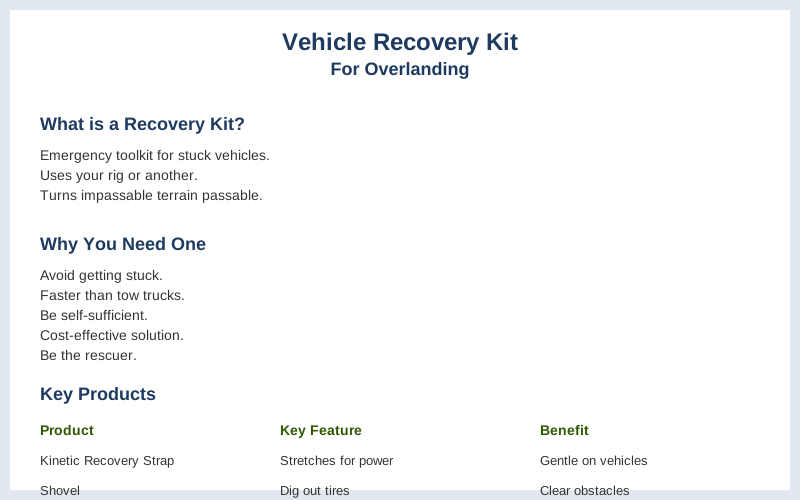
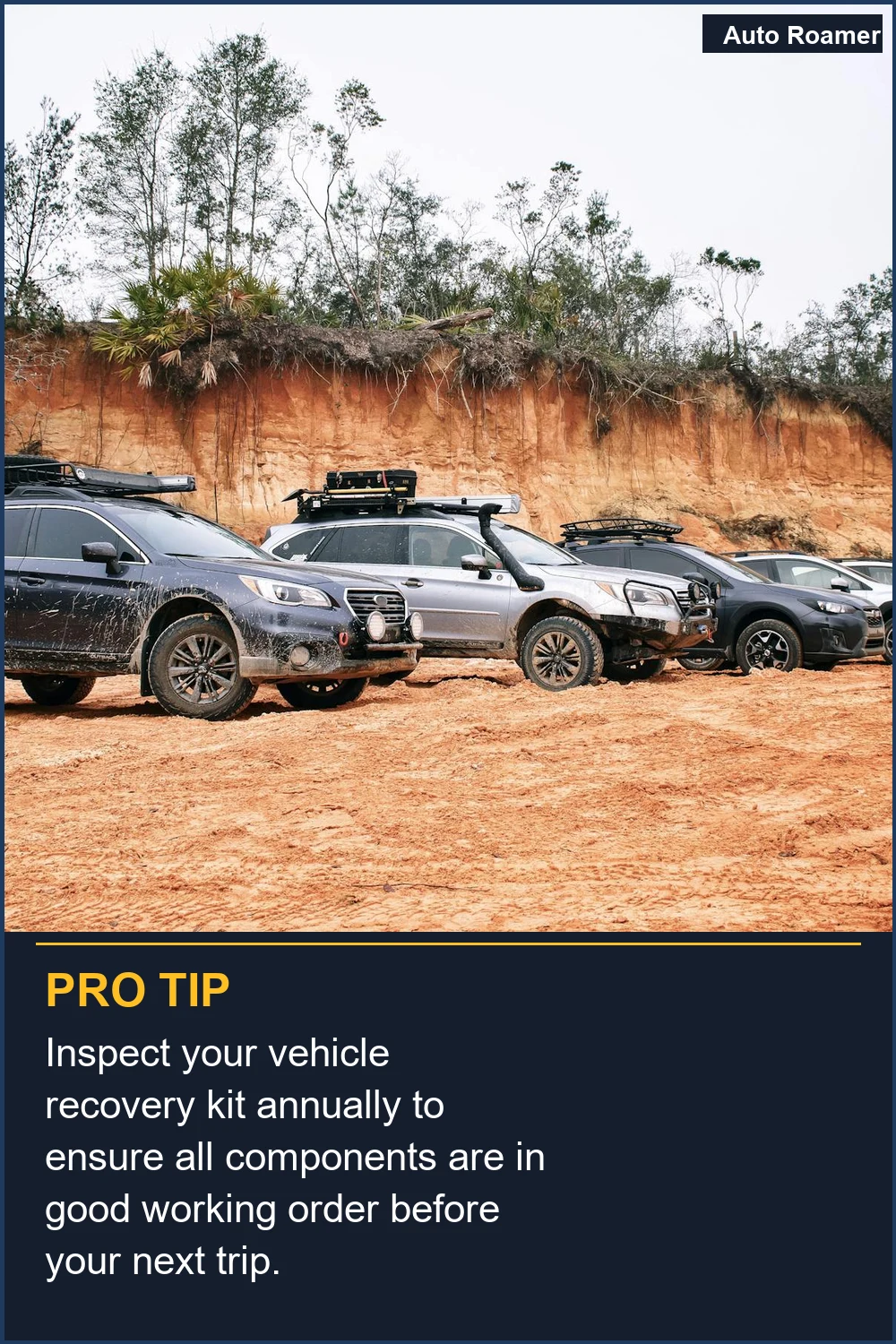
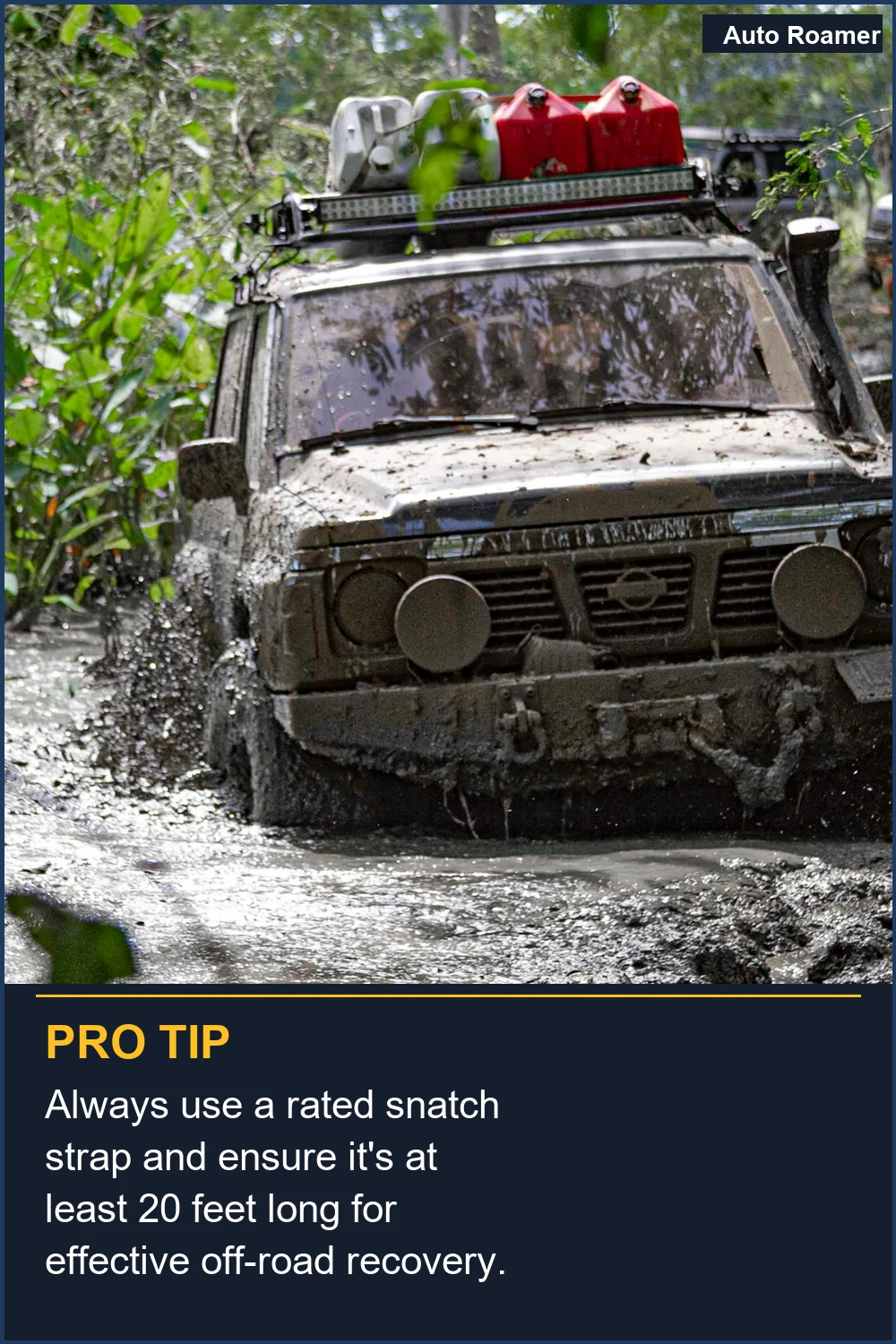
So, what exactly is this magical vehicle recovery kit? Think of it as your emergency toolkit for when your rig decides to become a permanent fixture in a ditch, a mud bog, or a sand trap. It's a collection of gear designed to get a stuck vehicle unstuck, using either your own vehicle or the help of another rig. Outside Magazine calls it "recovery gear" and says it can turn impassable terrain into something passable. Brilliant. The honest version is that you need a few key pieces. First up, you absolutely need a kinetic recovery strap or rope. These are designed to stretch, which uses the momentum of the pulling vehicle to yank the stuck one free. This is way better than a cheap tow strap that just yanks and risks breaking. I learned this when my buddy's cheap tow strap snapped, nearly taking out my windshield. My kinetic strap from RUX cost me $150, but it saved me a lot of headache. Next, you need rated shackles. These are basically heavy-duty metal loops that connect your strap to your vehicle's recovery points. Don't use random bolts or hooks; they can fail catastrophically. I've seen people try to use trailer hitch balls to connect straps - rookie mistake. Get a set of 3/4-inch D-ring shackles rated for at least 10,000 pounds. Mine were about $40 for a pair from Rhino USA. They're beefy. Then there are traction boards, like Maxtrax. These are those spiky plastic mats you shove under your tires. If you're stuck in mud, sand, or snow, these are your first line of defense. They provide grip where there is none. I bought a set of Maxtrax MkII for $300. Expensive? Yeah. Worth it when you're sinking up to your axles in a desert wash? Absolutely. What about a winch? That's the big boy. It's basically an electric motor with a cable that pulls your vehicle. They're awesome but pricey, easily $500 to $1,500 for a decent one, plus installation. For most beginners, a kinetic strap and traction boards are the game-time move. This YouTube video shows how these basic tools work. Finally, a shovel is crucial. You might need to dig out your tires or create a ramp. A collapsible military-style shovel is usually around $30 and fits easily in your rig. It's not glamorous, but it's essential. Overland Vehicle Systems has a whole kit that includes many of these items, though I prefer to piece mine together.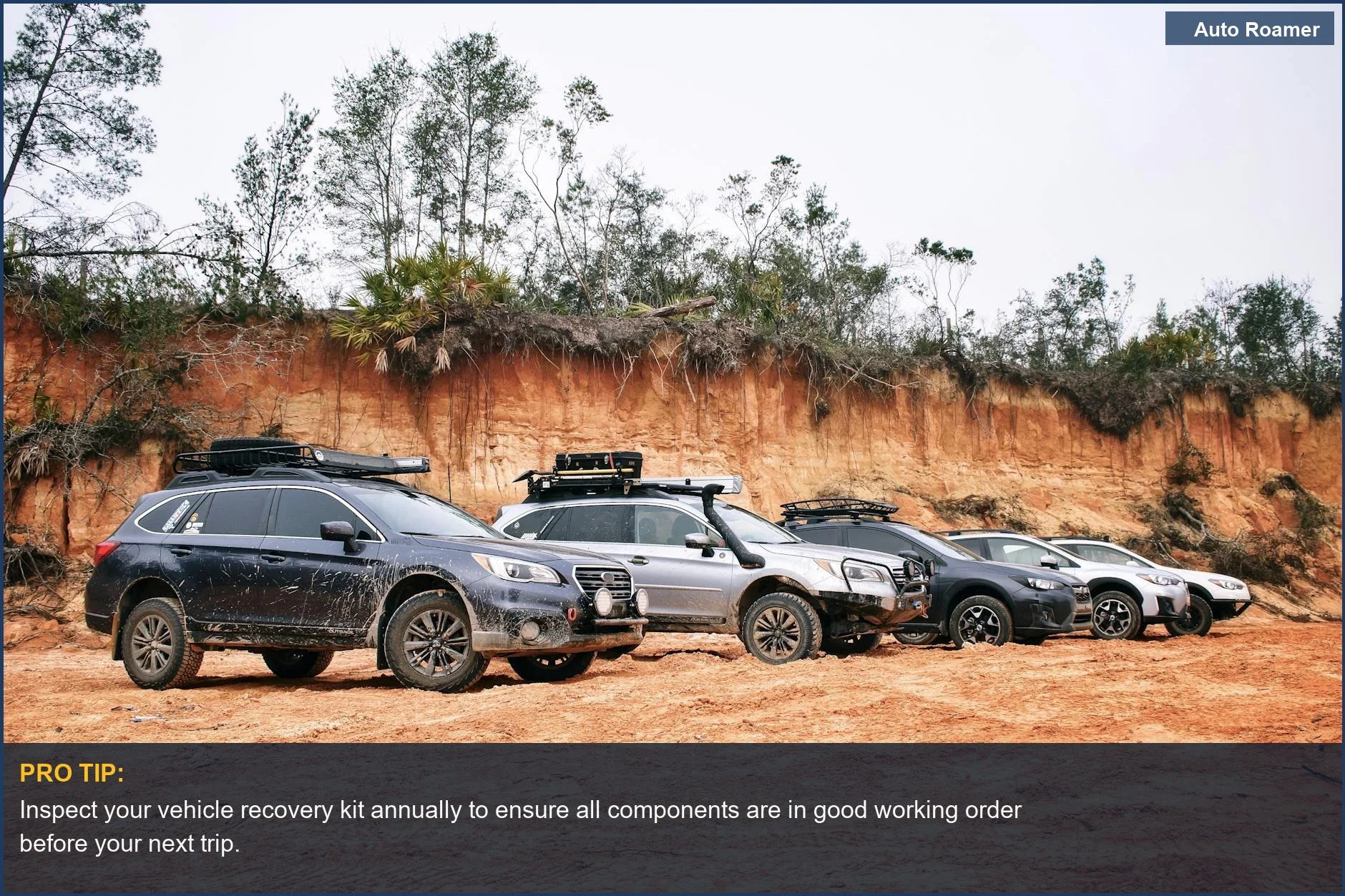
Why This Matters for Your Setup
Look, nobody wants to be the guy stuck on the side of a logging road in Oregon at 10 PM with no cell service. That's where a recovery kit saves your bacon. It means you're not just waiting for a miracle, you're actively solving your own problem.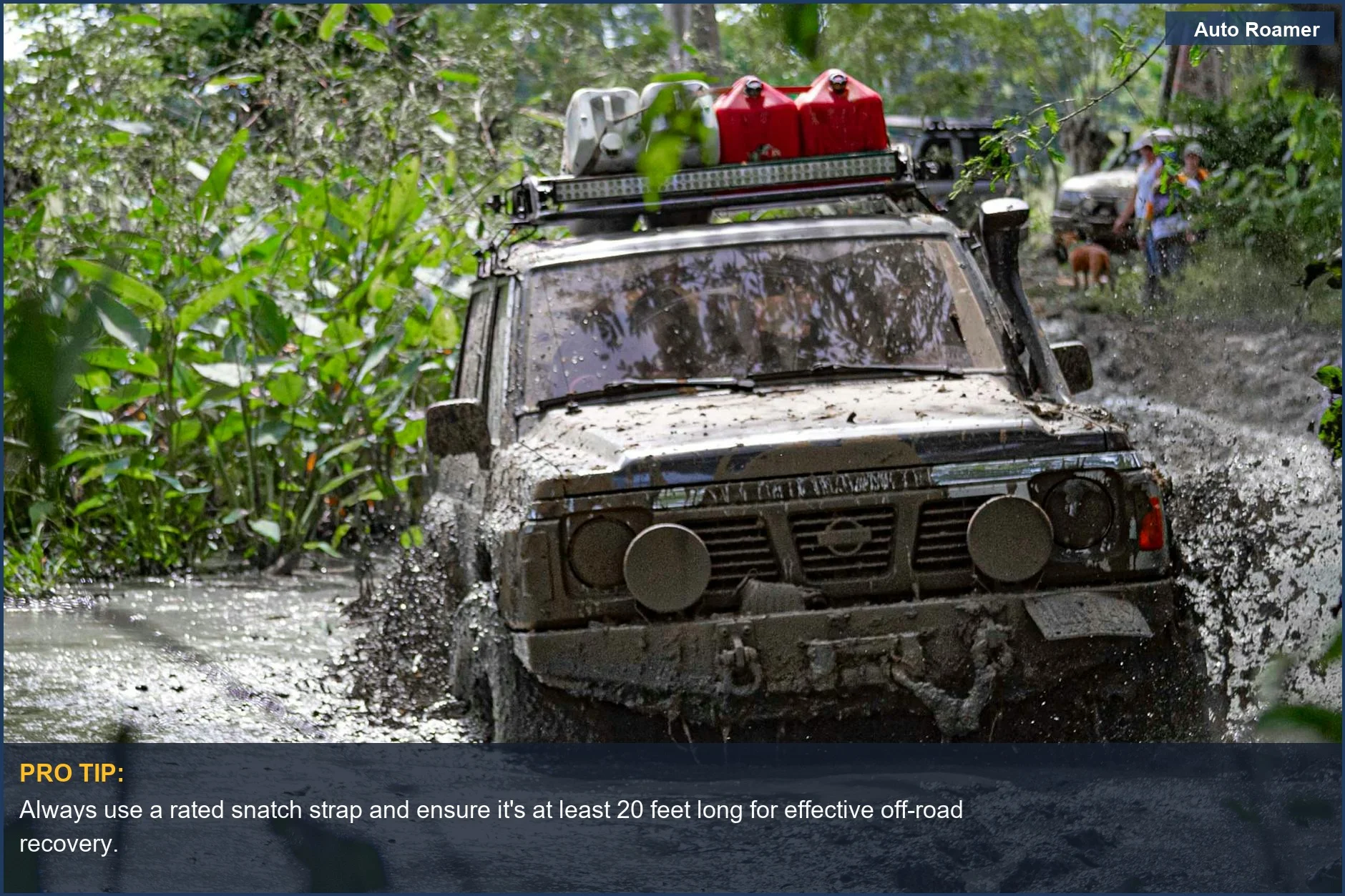
Making the Right Choice
So, bottom line: you need a vehicle recovery kit. It's not optional if you're serious about overlanding or even just venturing off the beaten path. My first few trips without one were pure luck. The real move is to invest in the right gear before you *need* it.
Frequently Asked Questions
I saw a "recovery kit" on Amazon for $75 that has a strap, gloves, and a snatch block. Can I just get that and call it a day?
Do I really need a specific "recovery point" on my vehicle, or can I just hook a strap to my bumper?
What if I try to pull my stuck friend out with my kinetic strap, and it doesn't work? Am I just stuck there too?
Can using a kinetic recovery strap damage my vehicle's frame or suspension?
I heard kinetic recovery straps are actually dangerous and can snap a vehicle in half. Is that true?
🏅 Looking for Gear Recommendations?
Check out our tested gear guides for products that work with this setup:
Sources
- Let's talk recovery gear : r/overlanding - Reddit
- Why Every Off-Roader Should Carry a Vehicle Recovery Kit - Agency 6
- The Recovery Gear I Carry Overlanding
- Vehicle Recovery Kit
- 12 Essential items for your Overland Recovery Kit - RUX
- Before You Hit The Trails - Do You Have This Recovery Gear?
- Essential Gear for Overlanding Vehicle Recovery - YouTube
- Basic Recovery Gear for Overlanding - Rhino USA