First, the Basics
My first real overlanding trip was a $500 gamble on a used Garmin Nuvi I found on Craigslist. I thought, 'This thing has maps, it'll be fine.' I was heading to a remote spot in Utah, trying to find this mythical waterfall, and about 20 miles down a dusty, unmarked forest road, the GPS just... stopped. No signal, no map, just a blank screen mocking me.
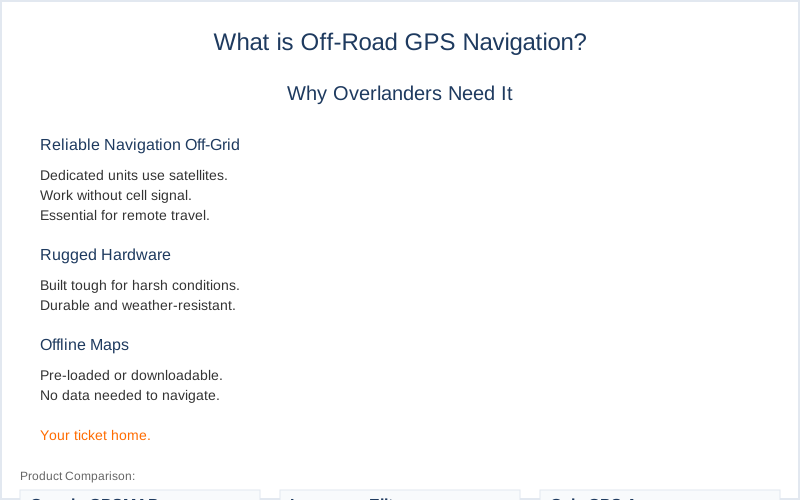
That's when I learned that not all GPS units are built for the middle of nowhere. Offline maps and rugged hardware aren't just fancy features; they're your ticket home when cell service decides to take a vacation. This isn't about getting lost on purpose; it's about having a reliable backup when your phone inevitably gives up the ghost. The real move is understanding what you actually need, not just what looks cool on a dashboard.
I learned this the hard way, and you don't have to.
The Core Answer
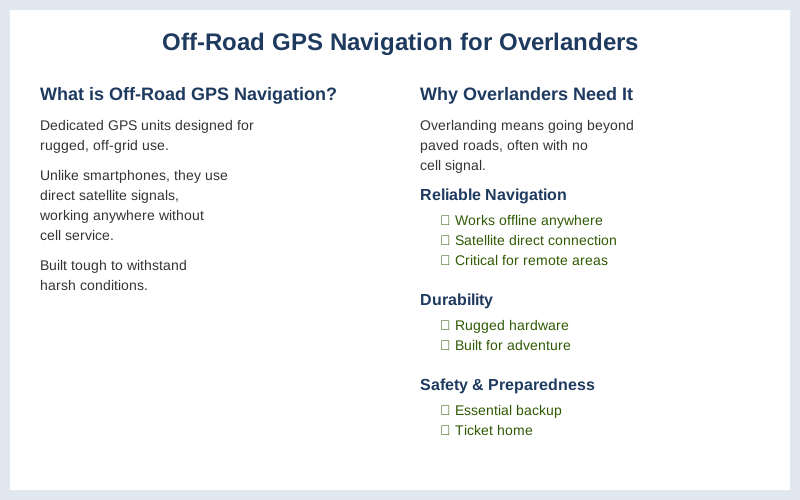
Look, your smartphone is great for finding the nearest Starbucks, but when you're hours from civilization with no bars, it's about as useful as a screen door on a submarine. Overlanding, by its very definition, means going where the paved roads end. That's where an off-road GPS unit shines. These aren't your dad's car navigation systems.
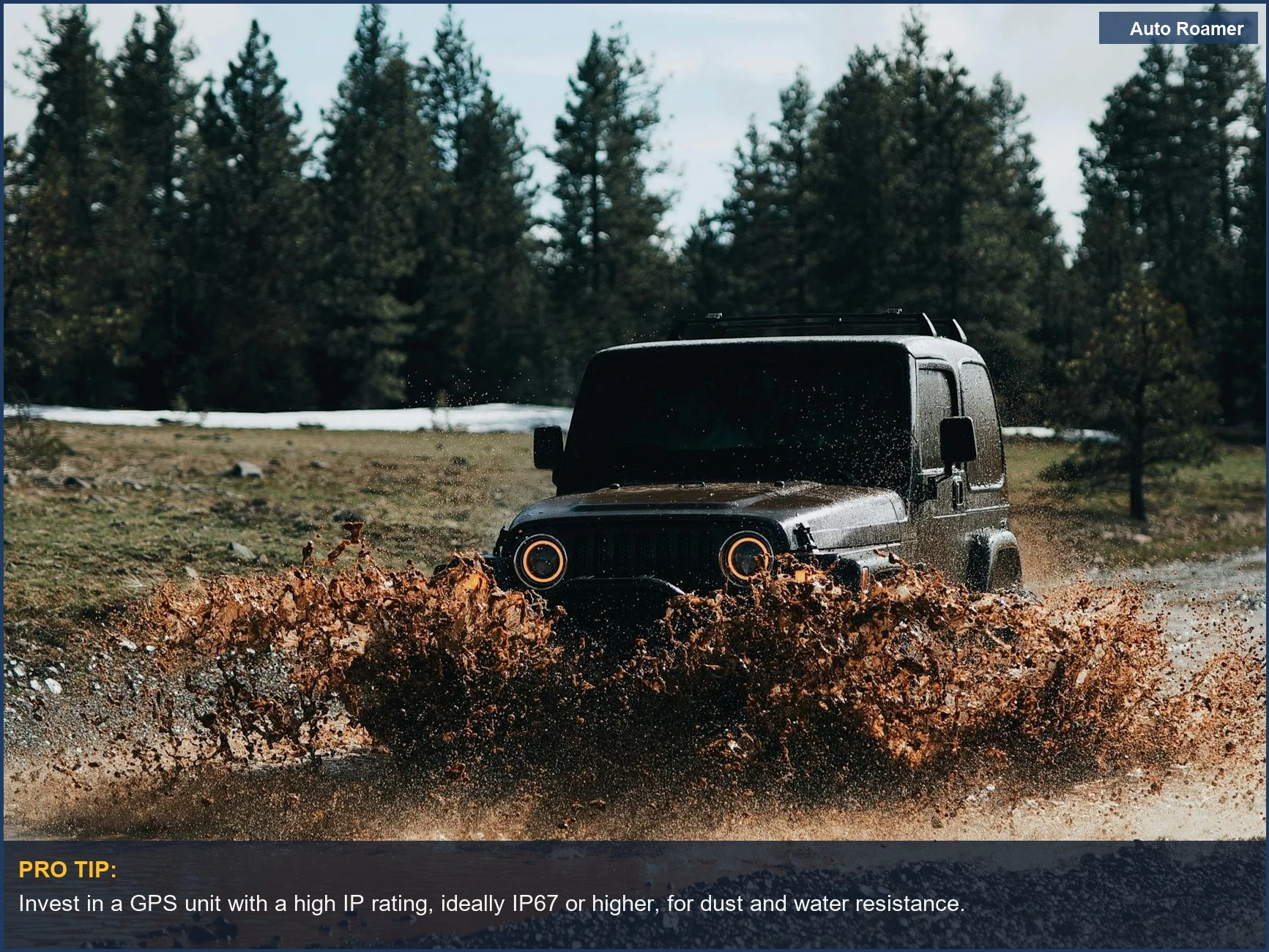
Think of it like this: your phone's GPS chip is designed to work with cell towers for triangulation. When those towers are gone, so is your signal. Dedicated off-road GPS units, on the other hand, use satellites directly. This means they work anywhere, from the deepest canyons to the highest peaks, as long as they can see the sky. They're built like tanks too.
The honest version? My first attempt at off-road navigation involved trying to use Google Maps on my phone with downloaded offline maps. It worked about 50% of the time, and the other 50% was spent staring at a spinning loading icon while I wondered if I'd ever see pavement again. The Garmin Overlander, for example, has preloaded topographic maps and can handle being dropped, splashed, or generally abused. That's game-time readiness.
These specialized units also offer features your phone just can't replicate. We're talking about the ability to mark waypoints for campsites, water sources, or even just that awesome rock formation you want to show your buddies. You can save routes, plan multi-day trips, and even share your tracks with others. My buddy Dave once tried to navigate a new trail using only his phone and ended up backtracking for three hours because he missed a subtle turn.
A dedicated unit would have alerted him with plenty of time.
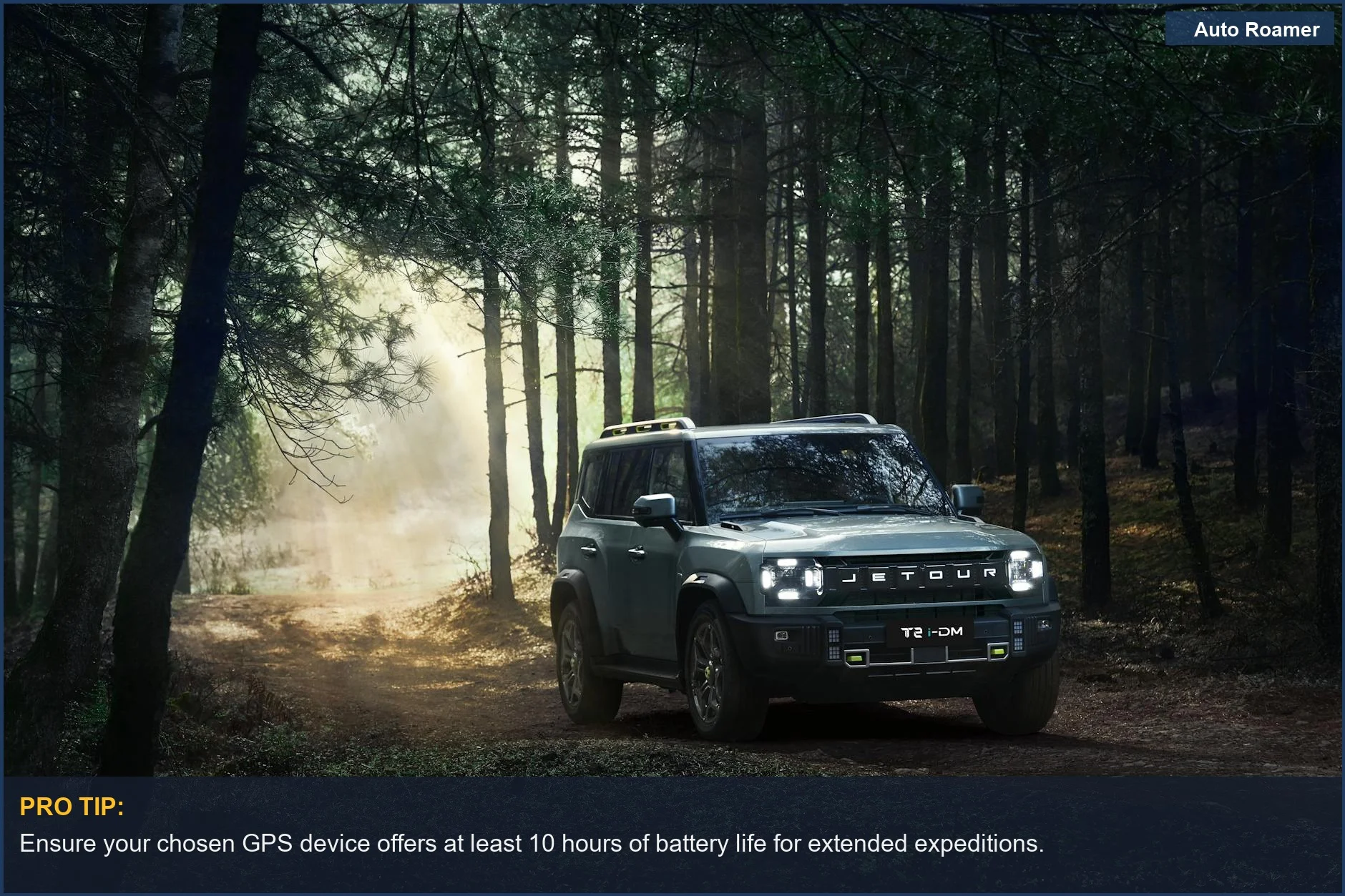
And let's talk about battery life. Your phone, running GPS, screen on bright, probably won't last a full day. A dedicated GPS unit can often go for 10-20 hours on a single charge, and many can be hardwired into your vehicle's power system. This isn't about luxury; it's about survival when you're miles from anywhere. The $50 version of 'GPS' is your phone. The $500 version is what actually gets you out and back.
Why This Matters for Your Setup
This isn't just about looking fancy on your dash; it's about practical, real-world application when you're out there.
- No More Guesswork: Forget squinting at a paper map in a dusty cab or trying to remember that one turn you saw on YouTube three months ago. An off-road GPS gives you pinpoint accuracy, even on trails that look like they were made by a herd of confused goats. You can mark your exact location.
- Trail Discovery: You know those little side trails that look intriguing but you're afraid to commit to? Many off-road GPS units come preloaded with trail data or allow you to download community-generated tracks. They show you where the adventure is.
- Safety First: My first time really off-road, I got turned around in a pretty remote area. My phone battery died, and I was sweating bullets. A dedicated GPS with long battery life and satellite capabilities (like some Garmin units offer) could have been a lifesaver. It's not just about fun; it's about getting home.
- Planning Power: You can plan your route in advance, add waypoints for fuel stops, campsites, or points of interest, and then follow it precisely. This saves time and frustration. I used to spend hours poring over paper maps, and even then, I'd still get lost.
Making the Right Choice
So, the big takeaway? Your phone is a tool, but it's not the right tool for serious off-road navigation. There's no single 'best' GPS, but there are definitely better options than relying solely on your smartphone.
- Dedicated is Dependable: For true off-roading and overlanding, a dedicated unit with robust offline mapping and a rugged build is the way to go. My $500 Craigslist gamble taught me that much. Units like the Garmin Overlander are designed for this.
- Consider Your Needs: Are you doing weekend warrior trips or multi-week expeditions? Do you need satellite communication? Think about what you'll actually use. Self-reliance is key.
- Don't Break the Bank Initially: You don't need the absolute top-of-the-line model on day one. Look for reputable brands like Garmin or Magellan. There are options at various price points. I started with a solid mid-range unit and upgraded later.