
Car Accessories

Essential Features to Look For in an Overlanding GPS Device

Casey - The Weekend Warrior
5 min read
Includes Video

My first overlanding trip involved a $50 Amazon GPS unit that died when it rained. I was somewhere in Utah, trying to find a campsite that a guy on a forum swore was "just over the next ridge." Turns out, "just over the next ridge" was a three-day hike in and my cheap GPS decided it was done with life after 2 hours.

My first overlanding trip involved a $50 Amazon GPS unit that died when it rained. I was somewhere in Utah, trying to find a campsite that a guy on a forum swore was "just over the next ridge." Turns out, "just over the next ridge" was a three-day hike in and my cheap GPS decided it was done with life after 2 hours. That little waterproof box was about as waterproof as a teabag.

This is why you need the right gear, folks. Not the "premium" garbage, but the stuff that actually works when you're a hundred miles from nowhere and your phone has zero bars. Garmin makes some of this stuff, but not all of it is worth the paper it's printed on. Let's talk about what you actually need so you don't end up like me, eating cold beans in the dark.

The Core Answer

Look, nobody tells beginners that your fancy smartphone is mostly useless for true overlanding navigation. Sure, it's got maps, but when you're miles from any cell tower, that GPS chip is doing a lot of heavy lifting, and batteries drain faster than my motivation on a Monday morning. You need a dedicated device. My first mistake was thinking a cheap handheld GPS was good enough. It wasn't. I learned this the hard way when my $50 unit gave up the ghost in a sudden downpour in Colorado. Expedition Overland knows this, they've been using dedicated units for years. The real move is a device built for the abuse. Think rugged, waterproof, and with a battery that lasts longer than a weekend. I finally bought a Garmin Overlander, and while it wasn't cheap, it's saved me from getting lost more times than I care to admit. The screen is big enough to actually see, even in direct sunlight. And it doesn't require a signal to navigate. That's huge. It also has preloaded topographic maps, which are way better than just street maps when you're bouncing around on a logging road. You need that detail. Another thing nobody tells you: offline maps are your best friend. Your phone might have offline maps, but a dedicated unit's are usually more robust and easier to manage. I was trying to download offline maps for a trip in Arizona on my phone, and it took forever and then the app crashed. Brilliant engineering. A dedicated GPS just has them ready to go. Some units, like the Garmin Tread, can even connect to satellite communicators, which is good for peace of mind if you're really out there. I haven't sprung for that yet, but it's on the list. The honest version is, you need something that can handle dust, water, and being dropped. Don't skimp here. My $50 unit was a rookie mistake that cost me time and frustration. The $500 version, while painful at first, has paid for itself in saved headaches. You need to be able to mark waypoints, plan routes, and see your progress clearly. And if it has a built-in flashlight or SOS feature, that's just a bonus. My old unit had a flashlight that was weaker than a dying firefly. The new one is actually useful.
For a deeper understanding, it’s helpful to explore what off-road GPS navigation entails for overlanders.
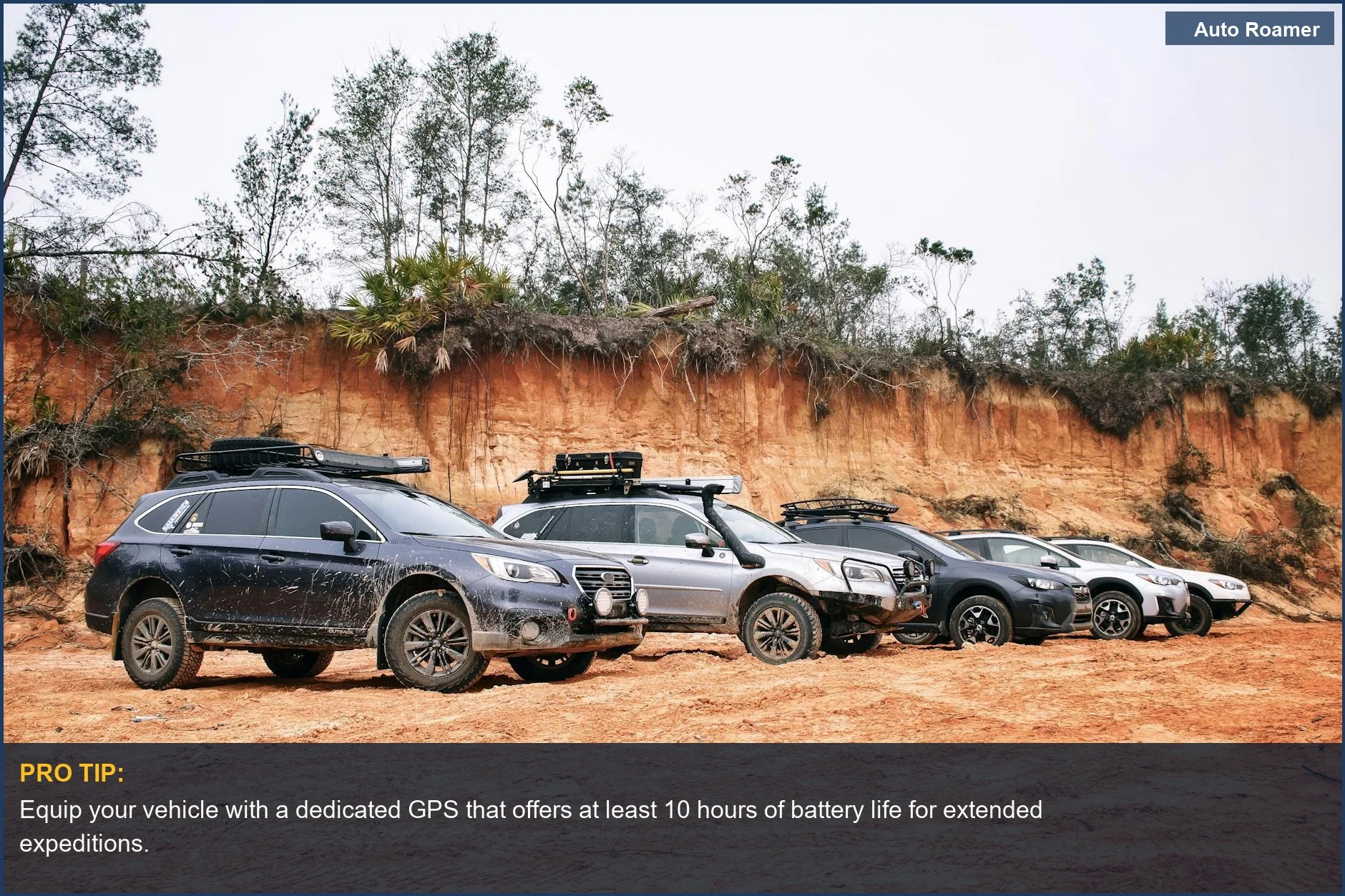
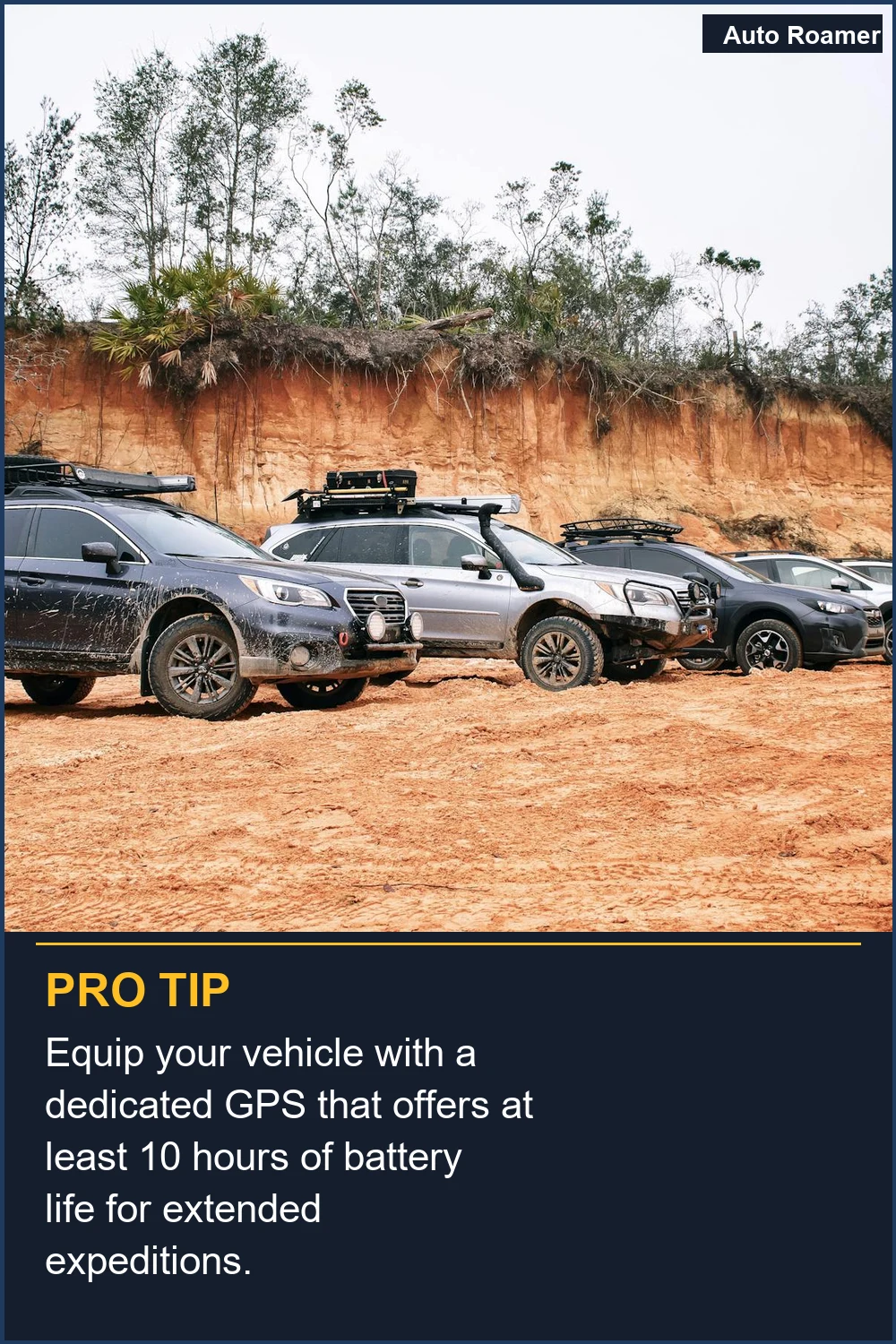
Equip your vehicle with a dedicated GPS that offers at least 10 hours of battery life for extended expeditions.
Ready for adventure, these SUVs highlight the need for reliable GPS device features. Ensure your chosen unit boasts offline map capabilities for true overlanding. | Photo by Connor Scott McManus

Why This Matters for Your Setup

This isn't just about not getting lost, though that's a big part of it. Having a reliable GPS means you can actually plan your routes and know what kind of terrain to expect. I learned this when I tried to follow a "shortcut" on my phone's mapping app in Moab. That shortcut turned into a technical rock crawler trail that my stock Subaru definitely wasn't built for. My GPS would have shown me the actual trail difficulty, not just a dotted line on a screen. Expedition Overland emphasizes this point: knowing your terrain is crucial for safety and vehicle longevity. When you're out there, you're your own mechanic, your own navigator, and your own rescue crew. A good GPS helps with all of that.
  • Offline Maps are Non-Negotiable: I can't stress this enough. My phone dying in the middle of nowhere because I was trying to download a map is a memory I don't want to repeat. A dedicated unit should have robust offline mapping capabilities. Reddit users often discuss how much they rely on offline maps.
  • Durability is Key: You're going to drop it. It's going to get wet. It might get covered in mud.
  • Your device needs to handle that. I saw a guy at an Overland Expo drop his GPS unit off a table and it shattered. He was not happy. Look for IP ratings and rugged construction.
  • Screen Visibility: Trying to squint at a tiny, dim screen in bright sunlight is a nightmare. You need a display that's easy to read at a glance. That's the first thing I noticed about my new unit.
  • MotorTrend talks about screen quality in their reviews.
  • Battery Life: This sounds obvious, but some units chew through batteries. Make sure it has a decent battery life or a way to easily recharge it from your vehicle. My old unit would last maybe 4 hours on a charge. That's not enough for a full day of exploring.
  • To enhance your navigation experience, consider exploring the best off-road GPS systems available for overlanding.
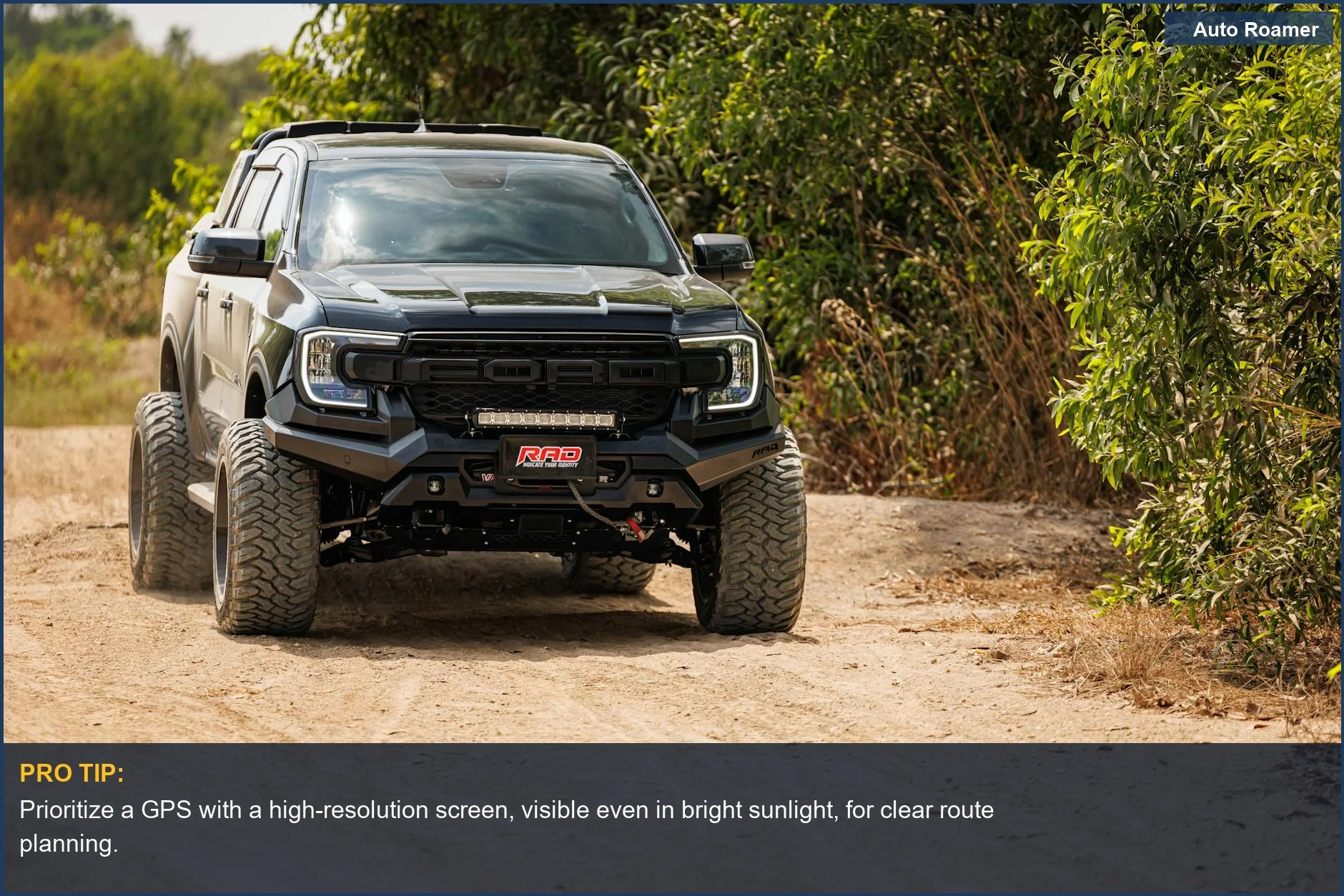
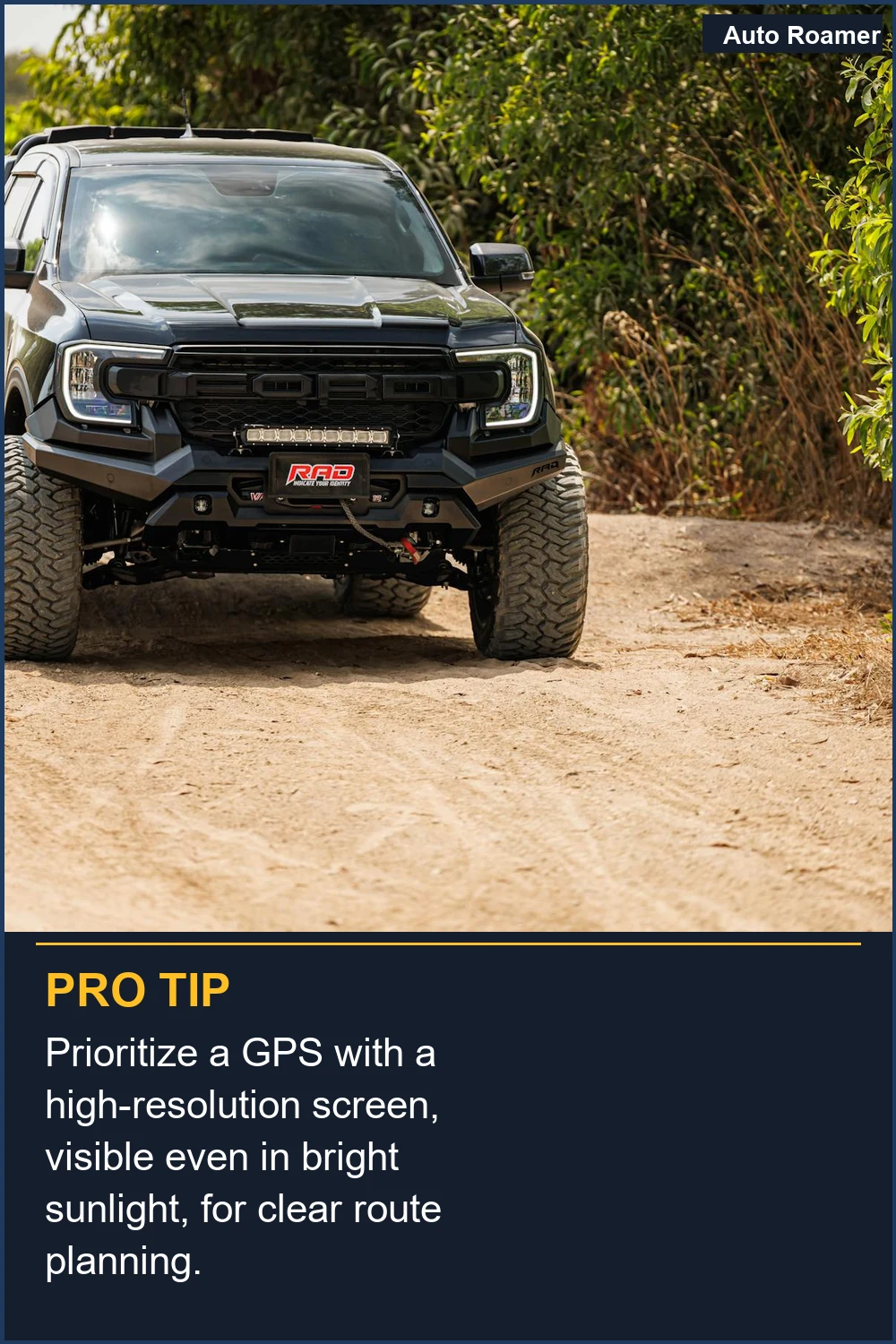
    Prioritize a GPS with a high-resolution screen, visible even in bright sunlight, for clear route planning.
    Navigating challenging off-road trails requires a robust GPS. Understand the critical navigation system requirements for safe and efficient exploration. | Photo by chaiya saleethong

    Making the Right Choice

    So, what's the game-time decision? Don't be like me and buy the cheapest thing you can find. It's a false economy. You'll end up spending more replacing it or dealing with the frustration of it failing when you need it most. Think of it as an investment in your safety and your sanity. Expedition Overland always pairs tracking and communication, and a good GPS is the foundation of that.
  • Prioritize Offline Navigation: Your phone is a backup, not your primary. Make sure your dedicated GPS works without cell service. Online forums are full of stories of phone failures.
  • Rugged and Waterproof: If it's not built for the elements, it's not built for overlanding. Look for devices designed for off-road use. MotorTrend highlights this in their reviews.
  • Screen Readability: You need to see your map clearly, even when the sun is beating down.
  • Don't underestimate this.
  • Battery and Power: Ensure it can last or be easily recharged. Carrying extra power banks for your phone is one thing, but your primary navigation tool needs reliable juice.
  • To ensure your investment pays off, it's crucial to understand GPS accuracy and reliability for your adventures.
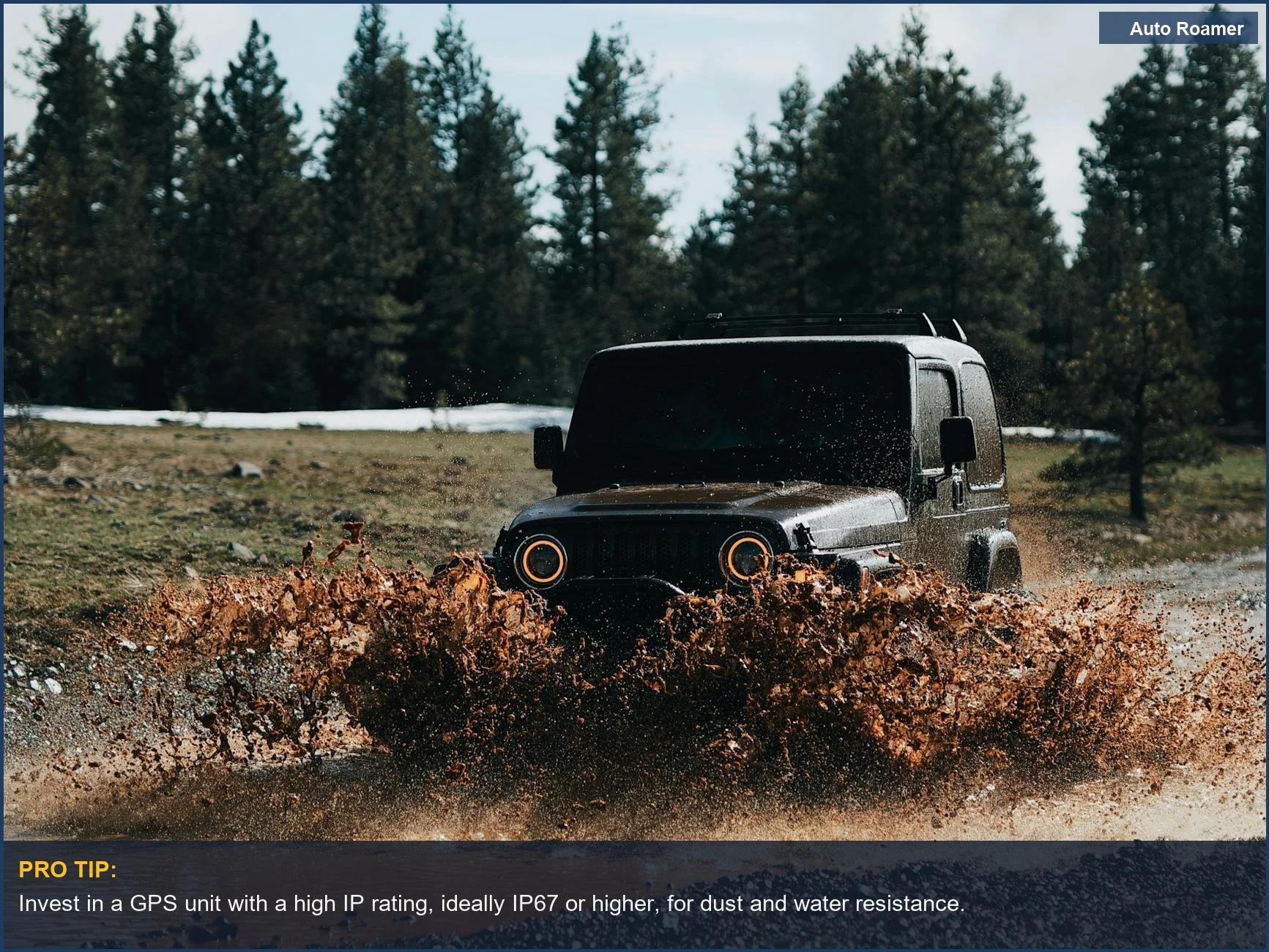
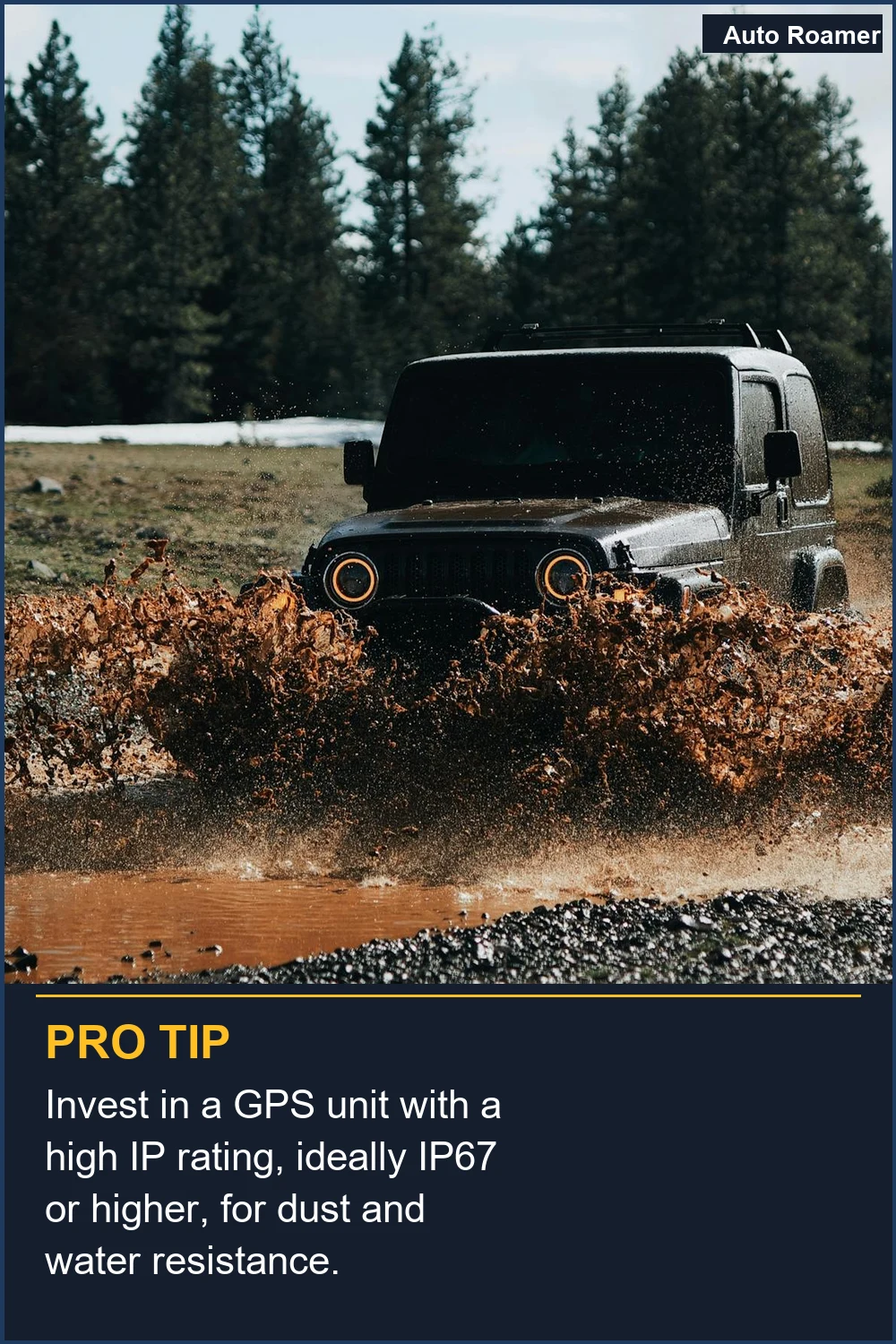
    Select a GPS device with an IP67 rating or higher for proven dust and water resistance on the trail.
    This all-terrain vehicle splashes through mud, underscoring the importance of a comprehensive GPS device checklist. Invest in durability for peace of mind. | Photo by Aleksey Kuprikov

    Frequently Asked Questions

    My buddy said I can just use my phone with a subscription app for $50 a year, but a dedicated GPS is like $400. Is it really worth the extra cash?
    Honestly, that $50/year subscription is for the app, not the hardware that actually gets you a signal. My phone died in the desert on my first trip because I was trying to download maps and it drained the battery. The dedicated GPS unit, like the Garmin Overlander, has its own GPS receiver and a battery designed to last. So yeah, the upfront cost is higher, but you're not reliant on cell service or having your phone battery constantly topped up. I spent $50 on a cheap unit that failed, then another $400 on a good one. The good one has saved me more than that in gas and time.
    Do I really need a dedicated GPS unit, or can I just use my phone with a good case?
    This is the classic rookie mistake. Your phone *can* work, but it's a gamble. My first phone died in the rain in Colorado because the "waterproof" case wasn't quite waterproof enough for a sustained downpour. Dedicated GPS units are built for this stuff. They have better GPS receivers, longer battery life, and screens that are actually readable in sunlight. Expedition Overland doesn't rely on phones for critical navigation for a reason.
    What happens if my expensive GPS unit breaks or gets lost out there?
    That's a valid concern, and it's why I always carry a backup. My backup is my smartphone with downloaded offline maps, or even a paper map and compass for really remote areas. It's about layering your navigation. If your primary unit fails, you're not completely SOL. Expedition Overland always pairs tracking and communication, which implies redundancy.
    Can using a dedicated GPS for overlanding permanently damage my vehicle's electrical system?
    No, a properly installed GPS unit won't damage your vehicle's electrical system. You're typically just tapping into the 12V power, which is designed for accessories. Most units come with cigarette lighter adapters or can be hardwired by a professional for a clean setup. The main risk is draining your battery if you leave it on overnight without the engine running, but that's user error, not a system fault.
    I heard you can just use a tablet with a GPS dongle and it's basically the same as a dedicated unit, right?
    Technically, you *can*, but "basically the same" is a generous description. A tablet screen is probably going to be too fragile for serious off-roading, and the battery life will be a joke compared to a dedicated unit. Plus, you're still dealing with potential signal issues and the overall clunkiness of a non-purpose-built device. My tablet is great for watching movies, not for navigating a rock-strewn trail in the middle of nowhere. People on forums often complain about software solutions lacking ease of use for vehicle travel.

    🏅 Looking for Gear Recommendations?

    Check out our tested gear guides for products that work with this setup:

    C

    Casey - The Weekend Warrior

    Weekend car camper and road trip enthusiast. Focuses on practical, budget-friendly solutions for families and first-time campers.

    Sources

    Related Articles