
Count the Sockets, Then Read the Fuses
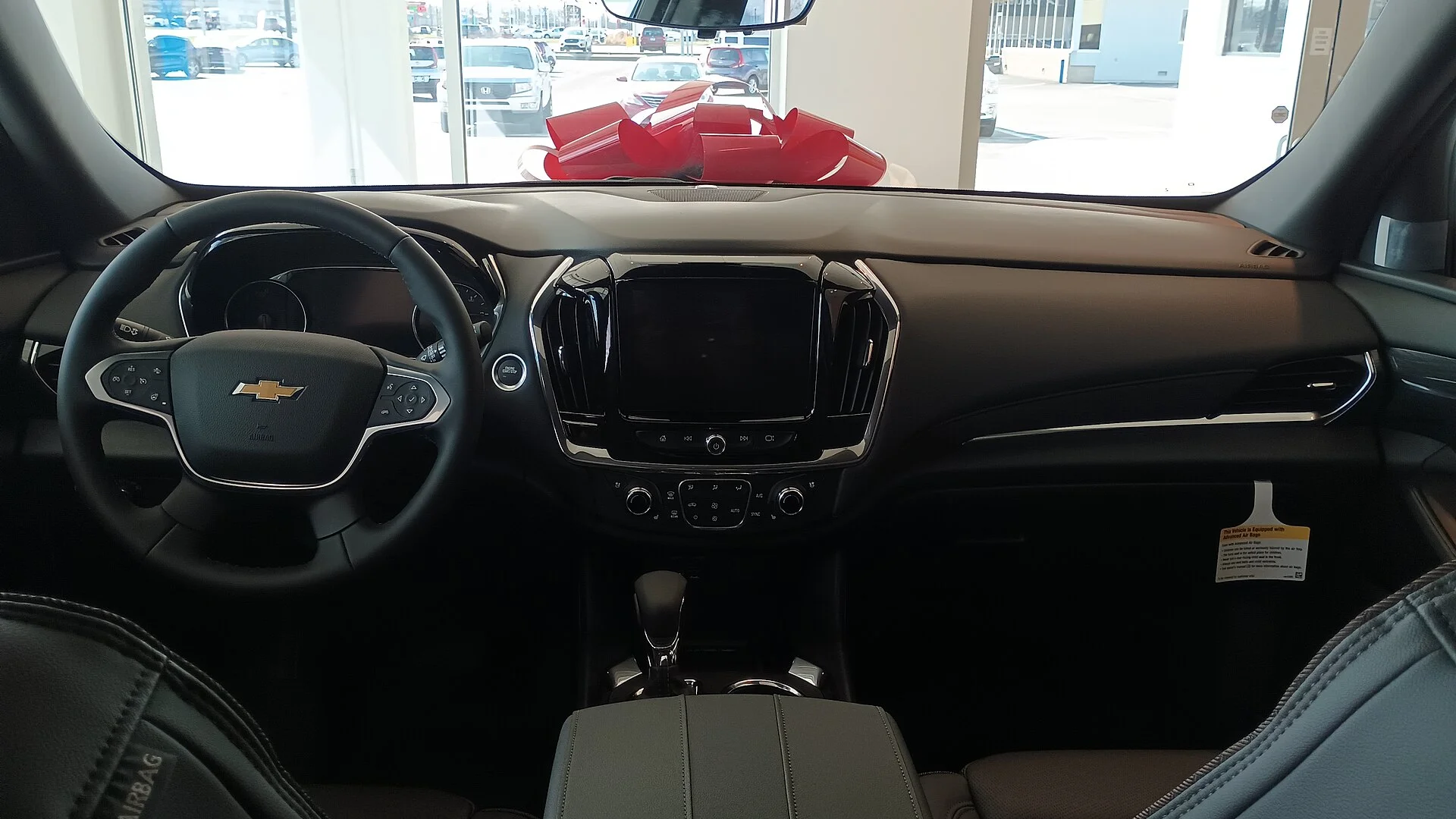
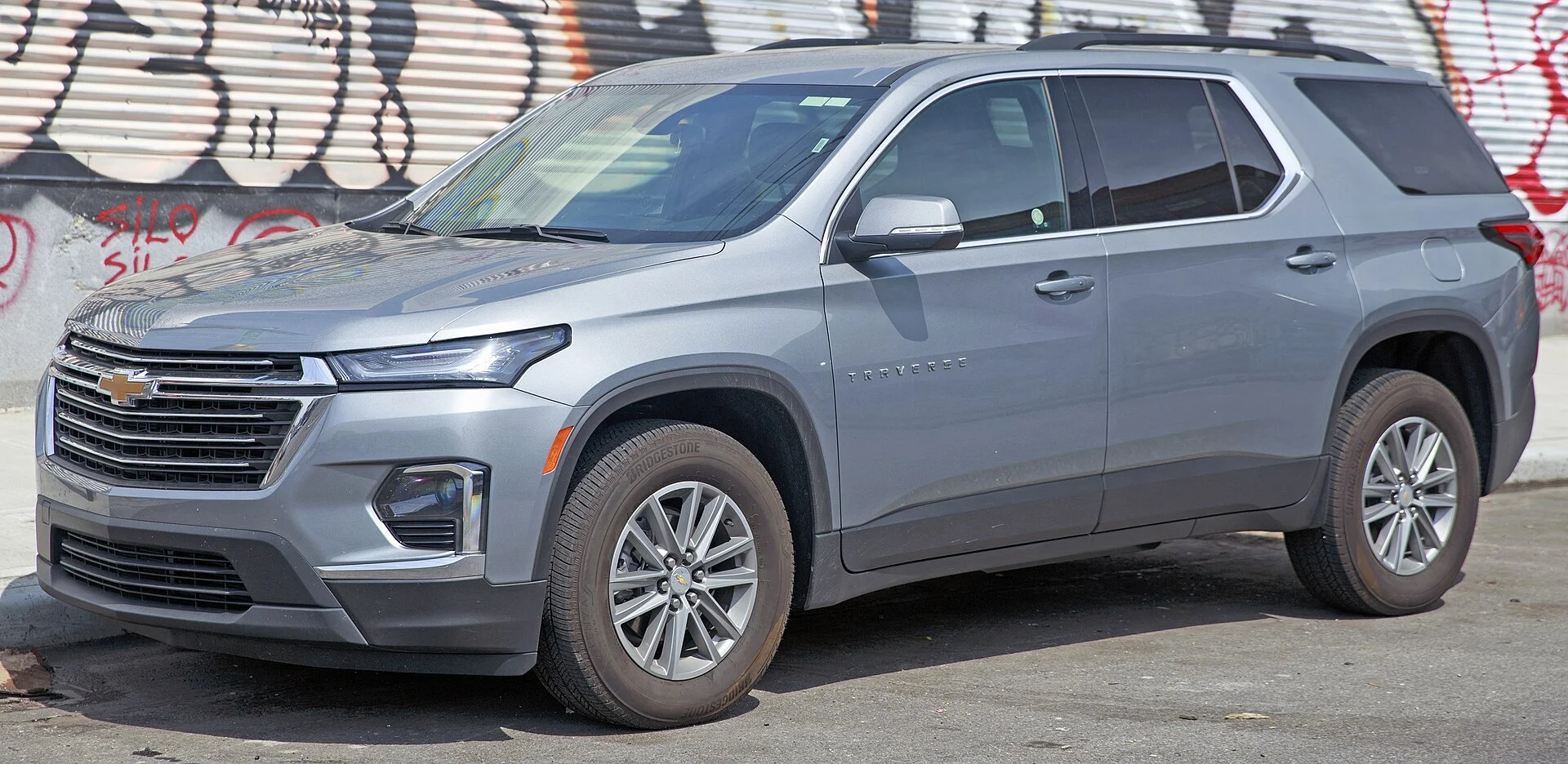
The Chevy Traverse looks well-equipped for camp power. It has 12-volt outlets in multiple locations, USB ports across all three rows, and an available household-style 120-volt plug. Count the sockets and it seems like a mobile power hub. But counting sockets is exactly the wrong way to judge a vehicle's real power capability.
The number that actually decides what you can run is the fuse rating behind the outlet, not how many outlets there are. Every socket is protected by a fuse rated for a specific amperage, and that fuse is a hard ceiling: draw more than it allows and it blows, cutting power regardless of how many other outlets sit unused nearby. Three outlets on one 20-amp circuit do not give you three times the power; they share it.
This is the distinction a skeptic learns to make, because the marketing counts sockets and the engineering counts amps. A camper who plans power by socket count ends up popping fuses; one who plans by the fuse and outlet ratings knows exactly what the vehicle will run before plugging anything in. The Traverse is genuinely useful for camp power, but only within limits the socket count never advertises.
This guide reads the Traverse's power system the way its owner's manual and fuse diagram do: where the 12-volt outlets actually are, the amperage ceiling that governs them, the tightly capped 120-volt outlet, the USB reality, and the real inverter limit that determines what camping equipment the vehicle can and cannot power. Read the fuses, not the brochure.
Where the 12-Volt Outlets Actually Are
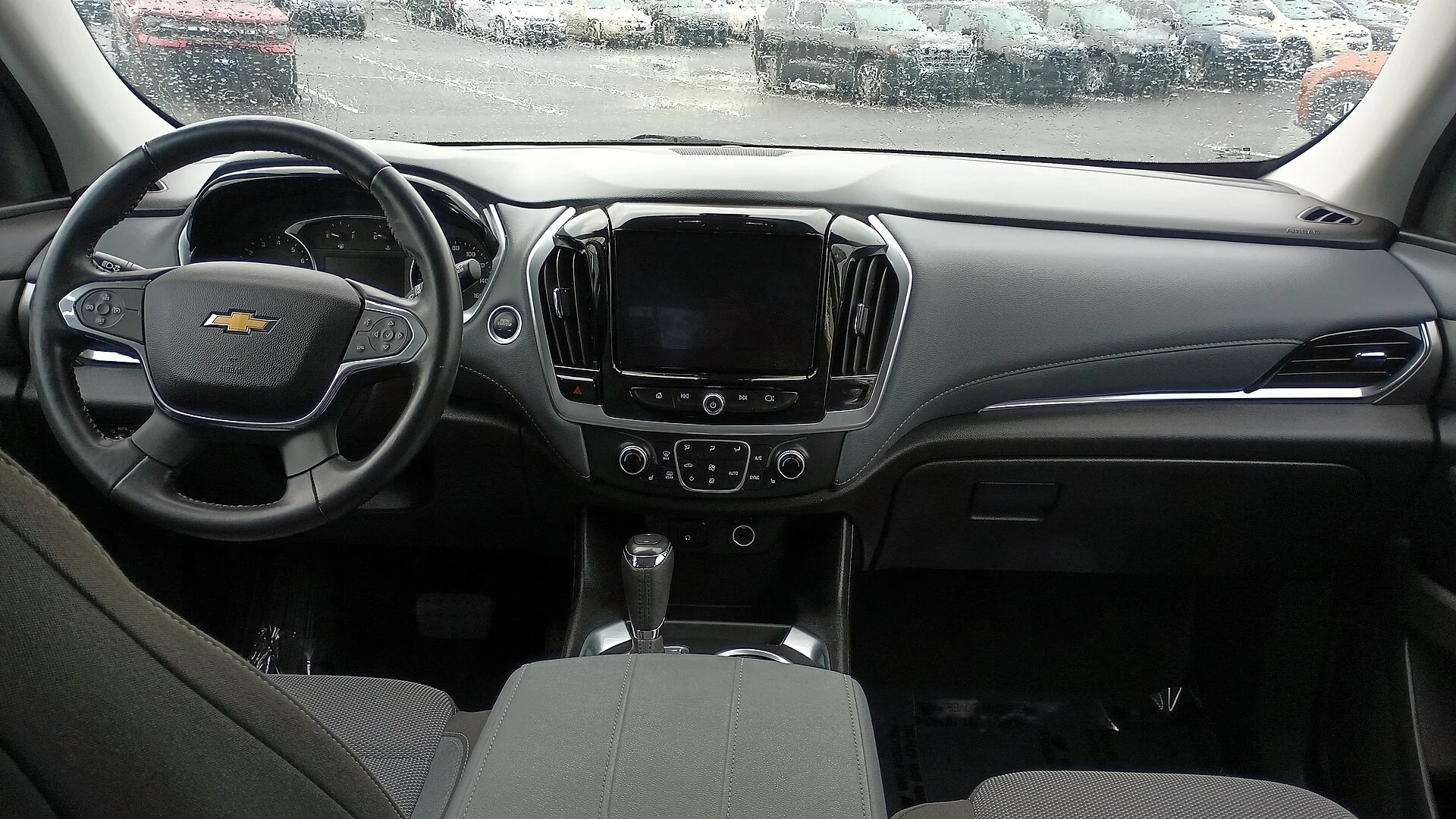
Start with the map, because knowing where the outlets sit determines how you route power at camp. The Chevrolet Traverse owner's manual documents 12-volt power outlets in four locations, spread to serve all three rows and the cargo area.
Those locations are: the center stack below the climate controls, inside the center floor console, at the rear of the second-row center console for third-row passengers, and in the rear cargo area. That distribution is genuinely thoughtful for camping, because it means a power source near the front for the driver's gear, one in the console for centrally stored devices, one at the back of the second row for third-row or mid-cabin use, and one in the cargo bay where a fridge or camp electronics would live.
The cargo-area outlet is the one campers care about most, because that is where a 12-volt fridge, a fan, or a lighting setup usually plugs in. Having a dedicated outlet back there means you are not running a cord the length of the cabin from a front socket, which is both tidier and safer. For a Traverse used as a camp vehicle, the cargo outlet is the anchor of the power layout.
The catch, and it is the theme of this whole guide, is that having four outlet locations does not mean four independent power budgets. The outlets are distributed for convenience, but each is governed by its circuit's fuse, and knowing where a socket is only tells you where you can plug in, not how much it will deliver. The location map is the easy half; the amperage is the half that matters.
The 20-Amp Ceiling Governs Every 12-Volt Outlet
Here is the number the socket count hides: the Traverse's 12-volt accessory outlets are rated at a maximum of 20 amps per the owner's manual, and equipment connected must not exceed this 20-amp rating or it can overload the vehicle and adapter fuses. That 20-amp figure is the real ceiling on every 12-volt outlet.
Translate amps to watts and the limit becomes concrete. At the 12-volt system voltage, a 20-amp outlet supports roughly 240 watts before it trips the fuse, since 20 amps times 12 volts is 240 watts. That is a useful amount of power, enough for a 12-volt fridge, LED lighting, fans, and charging, but it is a firm limit, not a suggestion, and a camping inverter or appliance that tries to pull more will blow the fuse.
A 12-volt outlet rated at 20 amps supports about 240 watts. Plug in a 300-watt inverter and load it up, and the fuse, not the inverter, decides the outcome. The socket count is irrelevant to that math.
The owner's manual adds a warning worth heeding: the 12-volt outlets are always powered, hot at all times, so equipment left plugged in with the vehicle off risks both a fire hazard and a dead battery. That means the cargo-area fridge that runs off a 12-volt outlet overnight is drawing directly from the starting battery, which is a fast way to a no-start morning if it is not managed.
The honest takeaway is that the Traverse's 12-volt outlets are good for modest, continuous camp loads within their roughly 240-watt-each ceiling, but they are not a high-power source, and they draw from the vehicle's battery. Planning camp power means respecting the 20-amp limit and managing overnight draw, not assuming the outlets are a bottomless supply because there are several of them.
The 120-Volt Outlet Is Capped at 150 Watts
The Traverse's most tempting feature for a camper is its available 120-volt household outlet, which promises to run normal plug-in appliances. It delivers on that promise, but with a ceiling so low that it defines what the feature is actually for. This is the outlet the marketing loves and the fine print constrains.
The optional 120-volt AC outlet is located on the rear of the second-row center console, and it is rated for a maximum continuous load of 150 watts. The owner's manual states plainly that it can power equipment using a maximum limit of 150 watts. That is the whole budget: 150 watts, continuous, and no more. It runs laptops, phone chargers, small fans, and lights, but nothing with a real heating element or motor.
The outlet enforces its limit with a built-in protection circuit. If connected equipment exceeds 150 watts or a fault occurs, power automatically cuts and the indicator light turns off, and you reset by unplugging and replugging or by cycling the vehicle's Retained Accessory Power. So it is self-protecting, which is good, but it also means an over-limit appliance simply will not run, not that it runs weakly.
The manual is explicit about what trips it, and the warning is a skeptic's favorite because it names the trap. It warns against plugging in high-peak-wattage devices, specifically naming compressor-driven refrigerators and electric power tools, which can trip the 150-watt limit despite a lower steady-state draw. A device rated at 120 watts running can still spike well above 150 watts at startup, so the 150-watt outlet is genuinely a low-power convenience plug, not a camp-kitchen power source. Read it that way and it is useful; expect more and it just shuts off.
The USB Ports: Charging, Not Powering
The Traverse scatters USB ports generously through the cabin, and for a camper they are the unsung workhorses of the power system, because most of what a modern campsite needs is just device charging. Knowing where they are keeps phones, headlamps, and battery banks topped up without touching the higher-power outlets.
The Traverse has multiple USB ports: two USB charging ports on the back of the front center console, additional USB charging ports on each side of the third row, and one USB port in the cargo area. That spread mirrors the 12-volt outlet layout, putting charging within reach of every seating row and the cargo bay, which is exactly what a family camping trip needs for the pile of devices everyone brings.
The honest framing is that USB ports are for charging, not powering. They deliver the low wattage that phones, tablets, headlamps, and rechargeable batteries want, and for that job they are perfect and plentiful. What they cannot do is run an appliance, so they are the right tool for keeping devices alive and the wrong tool for anything with a plug and a cord.
For camp-power planning, the practical division of labor is clear: USB ports handle the device-charging load, the 12-volt outlets handle modest continuous loads like a fridge or fan within their 20-amp ceiling, and the 150-watt 120-volt outlet handles small plug-in electronics. Using each for what it is rated for keeps the whole system working, whereas trying to force a high-power load onto any of them just trips a fuse or a protection circuit. The Traverse has enough charging capacity for a family; it is the powering capacity that is limited.
The Real Inverter Ceiling
The question every camper eventually asks is whether they can run a bigger inverter off the Traverse to power real appliances, and this is where reading the fuses instead of the sockets pays off directly. The answer is set by the vehicle's ratings, and it is lower than the inverters on the shelf.
Do the math the manual forces. The 20-amp-rated 12-volt accessory outlets support roughly 240 watts at 12 volts before tripping the fuse, and the factory 120-volt outlet is hard-capped at 150 watts continuous. Both of those are well below what a typical 300-to-1000-watt camping inverter is rated for. So the inverter's rating is irrelevant; the vehicle's fuse and outlet rating is the real ceiling, and a big inverter plugged into a 12-volt socket cannot draw more than that socket's fuse allows.
This is the exact trap the marketing sets and the skeptic avoids. A camper buys a 1000-watt inverter, plugs it into the Traverse's cargo 12-volt outlet, and expects 1000 watts, then blows the 20-amp fuse the instant a real load is applied. The inverter was never the limit; the outlet's 240-watt ceiling was. Bigger inverter, same fuse, same result.
The only way to run a genuinely high-power inverter is to bypass the accessory outlets entirely and wire it directly to the battery with an appropriately fused heavy-gauge connection, which is a real electrical project, not a plug-in. For most campers, the honest and safer answer is to size the power plan to the outlets the Traverse actually provides, roughly 240 watts per 12-volt socket and 150 watts on the household plug, and use a separate portable power station for anything heavier. The vehicle powers the light stuff; the heavy stuff needs its own battery.
Reading the Fuse Map
When an outlet stops working, or when you want to confirm which circuit an outlet is on before wiring anything, the fuse map is the reference, and the Traverse splits its fuses across multiple boxes depending on model year. Knowing where to look saves a lot of guessing at camp.
The Traverse's fuse boxes are split across three physical locations depending on model year and circuit: an engine compartment fuse box, an instrument panel fuse box, and a rear compartment fuse box. That distribution matters because the outlet you are troubleshooting may be protected by a fuse in a box far from the socket itself, particularly the rear cargo outlet.
On the 2018-2023 Traverse, the relevant assignments are documented: fuse F37 covers the power outlet, wireless charger, and accessory circuit in the instrument panel fuse box, circuit breaker F42 covers the auxiliary power outlet and lighter in the instrument panel fuse box, and circuit breaker CB3 covers the rear auxiliary power outlet in the rear compartment fuse box. On the older 2009-2017 Traverse, the engine compartment fuse box includes separate positions labeled for auxiliary power, the cigar lighter, the power outlet, and the rear accessory power outlet.
The practical use of this map is twofold: troubleshooting a dead outlet, and confirming a circuit before adding a load. If the cargo outlet quits, the rear compartment circuit breaker CB3 is the first thing to check on a newer truck. And before wiring in any accessory, identifying the exact fuse and its rating tells you the real capacity of that circuit, which is the only honest way to know what it will carry. The fuse map turns guesswork into a known quantity, which is exactly what a camper wiring up power wants.
Building an Honest Traverse Power Plan
Putting the ratings together, a Traverse camp-power plan that actually works is built around the vehicle's real ceilings, not its socket count or an inverter's label. The vehicle is a capable light-duty power source, and planning to that reality is what keeps it reliable.
Assign the loads to the right sources. Device charging goes on the plentiful USB ports across all three rows; a 12-volt fridge, fan, or lighting rig goes on the cargo-area 12-volt outlet within its roughly 240-watt ceiling; and small plug-in electronics go on the 150-watt household outlet. Each source handles what it is rated for, and nothing is asked to exceed its fuse.
Manage the overnight draw deliberately, because the 12-volt outlets are always hot and pull from the starting battery. A fridge left running overnight on the cargo outlet can drain the battery to a no-start, so a camper relying on continuous power needs either to monitor the battery, run the engine periodically, or, better, run heavy or overnight loads off a separate portable power station that does not touch the starting battery.
That portable station is the honest upgrade path for anyone whose power needs exceed the Traverse's built-in ceilings. Charged before the trip, it runs a fridge, a bigger inverter, or camp appliances for days without risking the vehicle's battery, while the Traverse's own outlets handle the light, convenient loads they are rated for. Planned that way, the Traverse is a genuinely useful base for camp power; planned around socket counts and oversized inverters, it is a series of blown fuses. The vehicle tells you its limits in amps, and the smart plan listens.
The Portable Station Upgrade Path
For the camper whose needs genuinely exceed the Traverse's built-in ceilings, and that is anyone running a fridge overnight or a real appliance, the honest upgrade is not a bigger inverter wired to a socket but a separate portable power station. It sidesteps every limit this guide has covered.
The logic is simple. The Traverse's outlets cap at roughly 240 watts on the 12-volt sockets and 150 watts on the household plug, and they draw from the starting battery. A portable power station carries its own battery, charged before the trip, so it runs high-draw gear for days without any risk of a no-start morning and without caring about the vehicle's fuse ratings. It is a self-contained power source that the vehicle's outlets simply cannot match.
The division of labor is clean: the Traverse's own outlets handle the light convenience loads they are rated for, device charging and modest 12-volt gear, while the station handles the fridge, the inverter loads, and any appliance that would trip the vehicle's fuses. A quality portable power station is the piece that turns a Traverse from a light-duty power vehicle into a genuinely capable camp base.
The station can even be topped up from the Traverse while driving, within the 12-volt outlet's 240-watt limit, so a day of travel partially recharges it for the next night. That pairing, the vehicle's outlets for light loads and trickle-charging, the station for heavy loads and overnight runtime, is the setup that respects the Traverse's real ratings while removing their constraints. It is the answer to every power need the built-in system cannot meet, and it is far safer than forcing an oversized inverter onto a 20-amp socket.
The Verdict: Plan to the Rating, Not the Socket Count
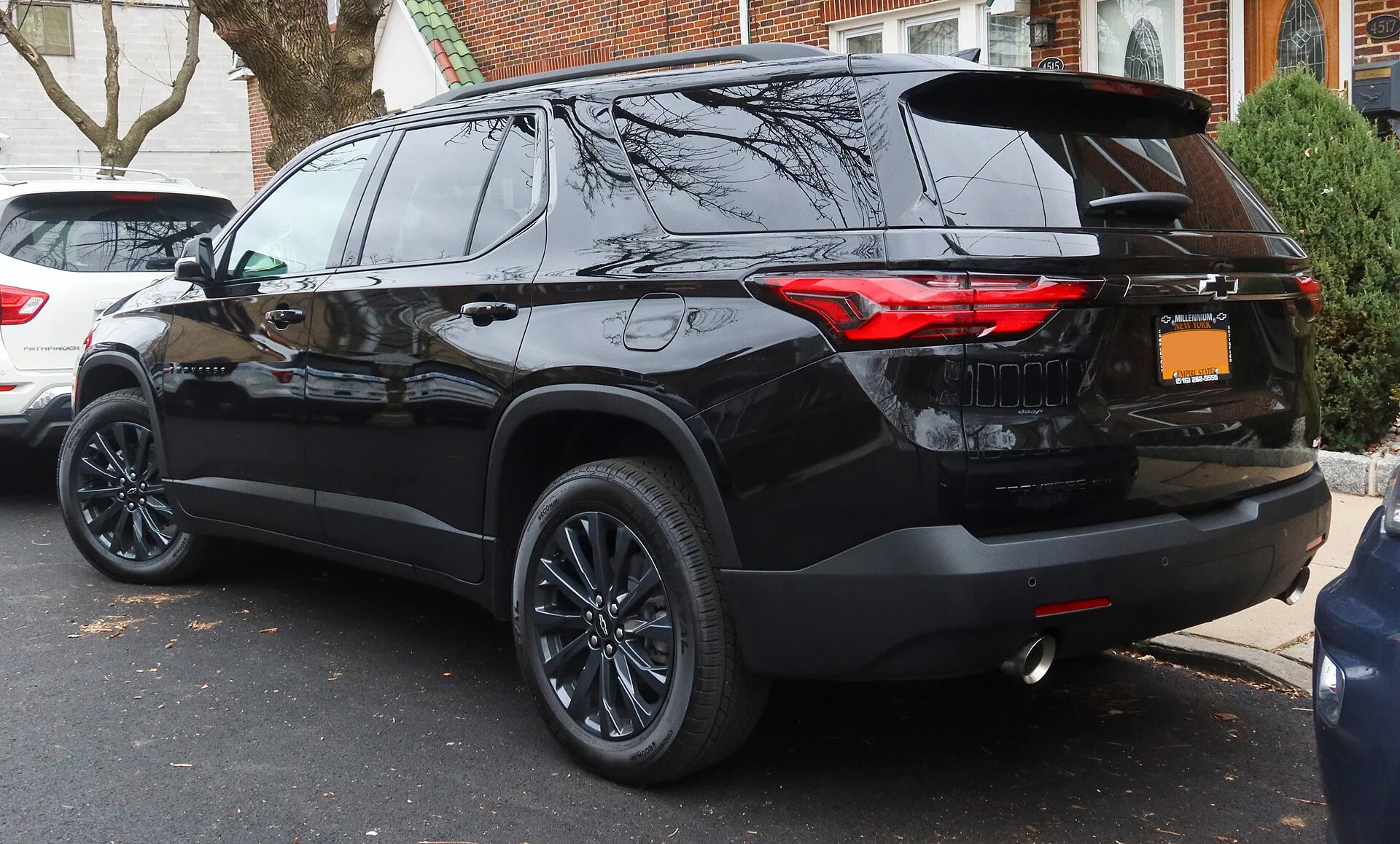
The Chevy Traverse is a capable light-duty camp-power vehicle, with 12-volt outlets in four convenient locations, USB ports across all three rows, and an available 120-volt household plug. But the number that governs what it can run is the fuse rating, not the socket count, and that is the thing the marketing never leads with.
The ceilings are firm. Every 12-volt outlet is rated at a maximum of 20 amps, about 240 watts, and the 120-volt outlet is hard-capped at 150 watts continuous with a protection circuit that names compressor fridges and power tools as the loads that trip it. A bigger inverter does not change those numbers; the fuse behind the socket decides the outcome every time.
Use each source for its job: USB ports for charging, 12-volt outlets for modest continuous loads within 240 watts, the household outlet for small electronics under 150 watts. Manage the always-hot 12-volt outlets so an overnight fridge does not drain the starting battery, and use the fuse map, F37 and F42 up front, CB3 in the rear, to troubleshoot or verify a circuit before adding a load.
Plan to those ratings and the Traverse reliably powers a family's camp devices and modest gear without a single blown fuse. Plan to the socket count or an inverter's label instead, and the trip becomes a fuse-changing exercise while the real power source, a separate portable station, sits unbought at home. The vehicle is honest about its limits in the fuse ratings; the smart camper reads them.