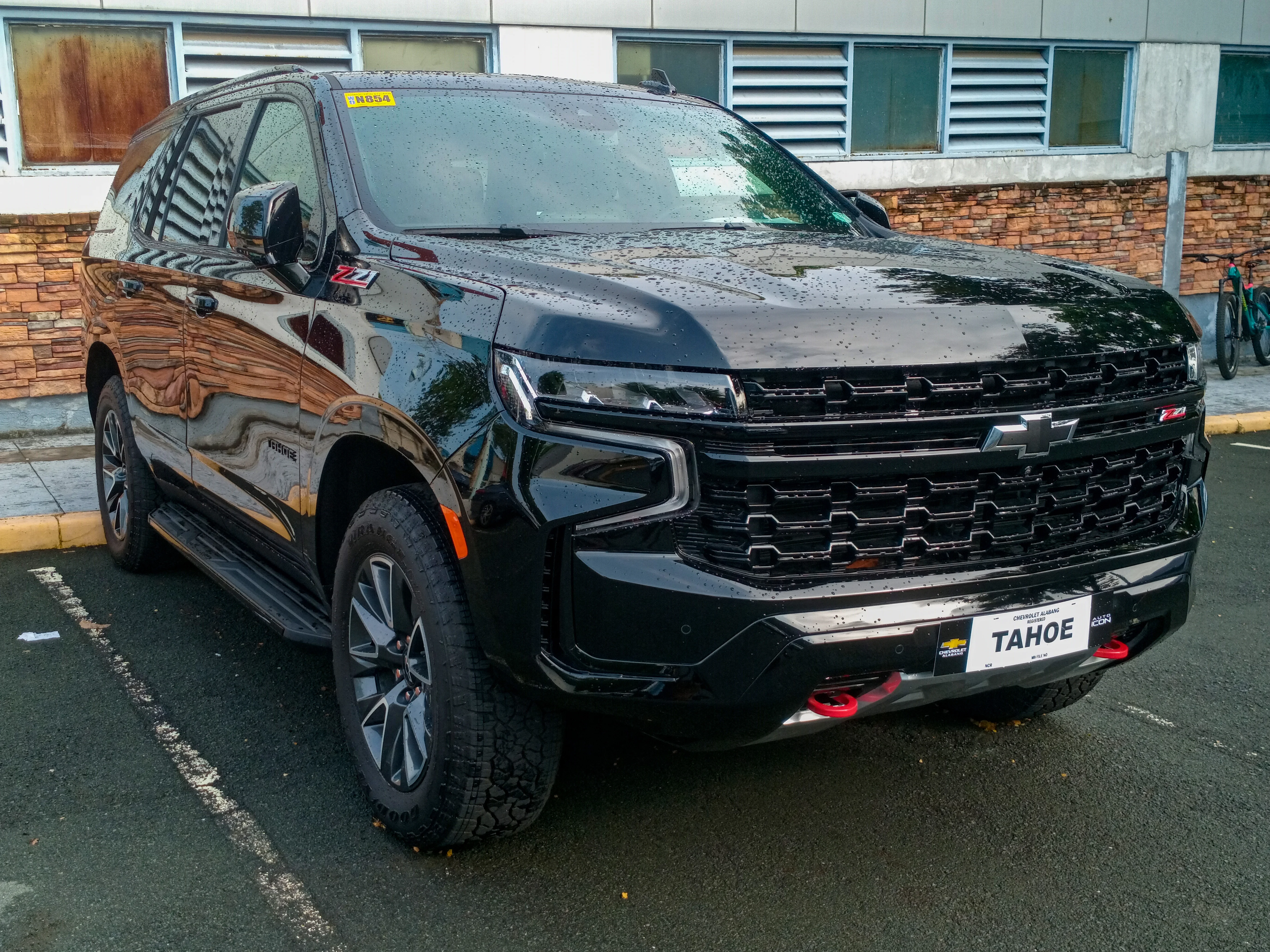
The Tahoe is the one that stays on - read that carefully
Most SUVs in this class cut their 12V sockets dead the moment you pull the key. The Chevy Tahoe is the exception, and it's worth stating precisely because it cuts both ways: at least one of the Tahoe's 12V accessory outlets is effectively always live, holding power with the ignition off. For a camper that's a genuine advantage - a socket that can run a small load overnight - and it's also exactly the trait that quietly flattens a battery when someone forgets a cooler plugged in for two days in an airport lot.
I read the manual and the owner reports so you can plan around both sides of that. This is the 5th-generation Tahoe, 2021 and newer, on GM's T1 platform. This page covers the 12V sockets and their real behavior (some constant, some retained-power, and why that matters), the device ceiling, the two 120-volt outlets - which are rated higher than most people think - the fuse numbers with an honest flag on where they come from, and the drain risk the always-on design creates. Where a figure is an owner report or an aggregator rather than GM, I'll label it, because a safety claim you can't source is just a rumor.
The always-live socket: a camping advantage with a catch
Start with the feature that sets the Tahoe apart, and read exactly what it covers. GM's 12V accessory outlets on the Tahoe are, per the owner reports and the manual's own drain warning, effectively live with the key out - the manual explicitly cautions that equipment left plugged in while the vehicle is off will drain the battery, which only makes sense if the socket stays powered.
An always-on socket is the one thing most rivals don't offer: it can hold a small load - a phone charger, a low-draw fan - through the night without leaving the vehicle in accessory mode. That's a real, uncommon camping capability.
But read the whole label, not just the convenient half:
- It's a small-load feature, not a fridge supply - the always-on socket runs light things overnight, but a compressor fridge will still walk the starter battery down (more on that below).
- Behavior isn't uniform across the sockets - some are constant, some are retained-accessory-power, so the socket that's live overnight may not be the one you assumed.
- The advantage and the hazard are the same wire: a socket that stays on is a socket that keeps draining.
So the Tahoe's standout is genuine but conditional. The rest of this page is about using the on-when-off socket deliberately, and not getting bitten by it.
How much can you actually pull: the 15-amp ceiling
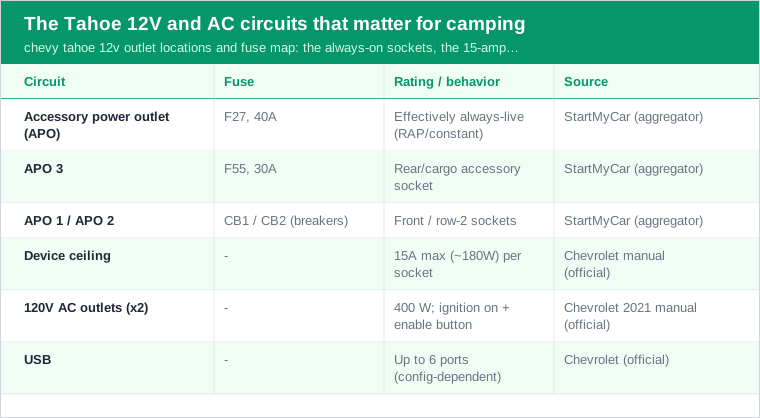
Before you plan a load, read the limit the manual actually states. Chevrolet caps the plugged-in equipment at a maximum 15-amp rating per socket - roughly 180 watts. That's the number that protects the circuit and your gear, and it holds no matter which socket is live.
- A 12V compressor fridge (40-60W): comfortable inside 180 watts, with room for a fan and charging.
- A laptop on a small inverter (65-90W): fine alone, tighter if the fridge cycles on at the same moment.
- Resistance heat (150W+): the load to keep off the 12V socket - a kettle or a hard-drawing blanket crowds or exceeds the 15-amp line.
The ceiling is generous - more than the Pilot's 120 watts - but treat the 15 amps as the real limit, not a starting point. On the always-on socket especially, staying well under the cap matters, because whatever you run there runs against the battery you need to start with.
Which sockets are constant, and which follow the key?
Here's where I have to separate what's documented from what's variable. The Tahoe's sockets don't all behave the same way, and the split isn't cleanly published per trim - so this is an area to verify on your own truck rather than trust a blanket claim.
- Constant (always-live): at least one accessory outlet holds power with the key out - the F27 accessory-power circuit is the usual suspect (aggregator-labeled).
- Retained Accessory Power (RAP): some circuits stay live for a window after shutoff or until a door opens - the F26 USB/accessory RAP circuit behaves this way (aggregator).
- The honest caveat: owner reports agree the behavior isn't uniform across sockets or model years, so which specific outlet is constant on your Tahoe is something to test, not assume.
The safe method: plug a phone charger with a light into each socket, shut the vehicle fully, lock it, and see which light stays on. That five-minute test tells you which socket to use for an overnight load and which to trust not to drain - far better than a spec table that papers over the variation.
The parasitic-drain risk the always-on socket creates
This is the safety caveat the camping-win framing leaves out, and it's the one I'd underline. A socket that stays live is a socket that keeps drawing whatever's plugged into it - so the Tahoe's convenience is also a standing parasitic-drain hazard, and the manual's own warning about equipment draining the battery is aimed squarely at it.
The rating that reassures you - an always-on socket - is the same one that strands you if you forget. A fridge or even a phone left in a constant socket over a long weekend can pull the battery below cranking voltage. The feature doesn't fail; your memory does.
How to keep the advantage without the dead battery:
- Unplug on the constant sockets whenever you leave the vehicle parked and unattended - treat them as live wires, because they are.
- Keep overnight loads tiny on the always-on outlet - a low-draw fan or a charger, not a fridge, which will out-draw what a starter battery can spare.
- Add a low-voltage cutoff if you routinely run a load overnight, so the socket disconnects before the battery can't crank.
Used deliberately, the always-on socket is a real asset. Left to run unattended, it's the most likely way a Tahoe leaves you calling for a jump - so plan for the drain, don't just enjoy the convenience.
The 120-volt outlets: 400 watts, not 150
Correct the premise before you plan around it, because the common number is wrong. The Tahoe doesn't have a 150-watt household outlet - it has two 120-volt outlets, one at the rear of the center console and one in the cargo area, and per the 2021 owner's manual they're rated 400 watts. That's a meaningfully bigger outlet than most three-row rivals carry.
The 150-watt figure people quote belongs to other vehicles. Read the Tahoe's own manual and the rating is 400 watts across two outlets - not appliance-huge, but far more than a device-only 150-watt port.
What the higher rating buys you:
- Two locations - console and cargo - so you can power gear where you actually sleep.
- 400 watts of headroom for laptops, camera and drone chargers, a CPAP, small electronics all at once.
- Still not for heat: 400 watts won't run a kettle or a space heater, and it isn't a fridge's ideal supply.
So the Tahoe's AC outlets are a genuine step up in capability - just quote the 400-watt number from the manual, not the 150 the internet repeats.
What 400 watts safely runs - and what it doesn't
Read 400 watts for what it covers, because even a good number has a boundary. It's a real working outlet, but it's not an off-grid power system, and treating it like one is how people trip it or overheat a device.
- Comfortably within 400 watts: a laptop, several device chargers, a CPAP on most settings, LED lighting, a TV - light electronics, several at once.
- At the edge: a small kitchen device rated near 400 watts will pull the outlet to its limit and may cut out - leave margin.
- Over the line: anything with a heating element - kettle, toaster, space heater, hair dryer - runs 1000 watts and up. Not on this outlet, on any vehicle.
And note the same overnight limit as the sockets: the AC outlets run off the vehicle's electrical system, so heavy or extended use is an engine-on activity, not an unattended overnight one. Use the 400 watts for what it covers while you're set up, and hand the overnight job to a dedicated battery.
The enable button and ignition: the outlet's real conditions
Read the conditions or you'll think the outlet is broken. The Tahoe's 120V outlets don't just work whenever - per the manual, they require the ignition on and a physical enable button to be pressed. A lot of 'my Tahoe outlet is dead' reports are simply that button never getting pushed.
- Ignition on: the AC outlets are not a key-off supply - they die with the vehicle, unlike the always-on 12V socket.
- Enable button: find and press the outlet-enable switch (often near the outlet or on the dash) - it's a deliberate step, not automatic.
- Not a fault: a dead outlet is almost always the button or the ignition condition, not a blown circuit - check those before you chase a fuse.
So the 400-watt outlets are engine-on, button-enabled convenience power - excellent while you're parked with the vehicle running or idling briefly, useless the moment it's off. That's the opposite of the 12V socket's always-on behavior, and knowing which is which is half of using the Tahoe well.
The fuse map: F27, F55, and two circuit breakers
Here's where to look when a socket goes dead, with the honesty flag up front: these fuse numbers are aggregator-sourced (StartMyCar and fuse-box.info), not printed by GM's manual with amp values, so verify against your own fuse-lid label before pulling anything.
- F27, 40A - APO (accessory power / retained): the usual-suspect circuit for the always-live socket (aggregator).
- F55, 30A - APO 3: the rear/cargo accessory socket (aggregator).
- CB1 / CB2 - circuit breakers, not blade fuses: feed APO 1 and APO 2 (front and row-2 sockets); they're resettable breakers at the back of the interior block (aggregator).
- 120V inverter fuse: not reliably listed by any aggregator - I won't invent one.
The detail worth respecting: some Tahoe socket circuits use resettable circuit breakers rather than fuses, so a 'dead' front socket may just need the breaker to reset (or the overload removed) rather than a new fuse. Read the lid legend, and remember the amp values above come from aggregators, not GM - a strong starting point to confirm, not gospel.
Where the fuse boxes live
Knowing which box to open saves the frustration half of any fuse job. The Tahoe spreads its fusing across three locations, per the manual.
- Instrument-panel block: the accessory-outlet protection sits here, on the passenger-side edge of the dash - this is where the socket fuses and the breakers live.
- Underhood block: the main engine-bay box for the big circuits.
- Rear-compartment block: on the left-side cargo panel - relevant for rear accessory and load-area circuits.
For a dead 12V socket, start at the instrument-panel block on the passenger side; for a cargo-area circuit, check the rear-compartment block. The manual gives the locations even where the aggregators supply the numbers - so use the official locations and confirm the slot on the printed legend inside each lid.
USB and the rest of the cabin power
The Tahoe is generous on USB, which matters for a camp full of devices. Per Chevrolet, it carries up to six USB ports - a mix of under-armrest, center-stack (data and charge), rear-console and third-row charge-only ports, depending on configuration.
- Plenty for devices: phones, tablets, headlamp and camera batteries across the cabin.
- Charge-only vs data: the center-stack ports handle data; the rear and third-row ports are typically charge-only.
- Config-dependent count: rear-entertainment builds add ports, so the exact number varies - confirm yours rather than assuming six.
Between six USB ports, three 12V sockets and two 400-watt AC outlets, the Tahoe is one of the better-equipped cabins here for daytime power - the caveat, as always, is that the generous supply is mostly engine-on, and the one always-live socket is the only piece that carries into the night.
The overnight plan even a Tahoe still needs
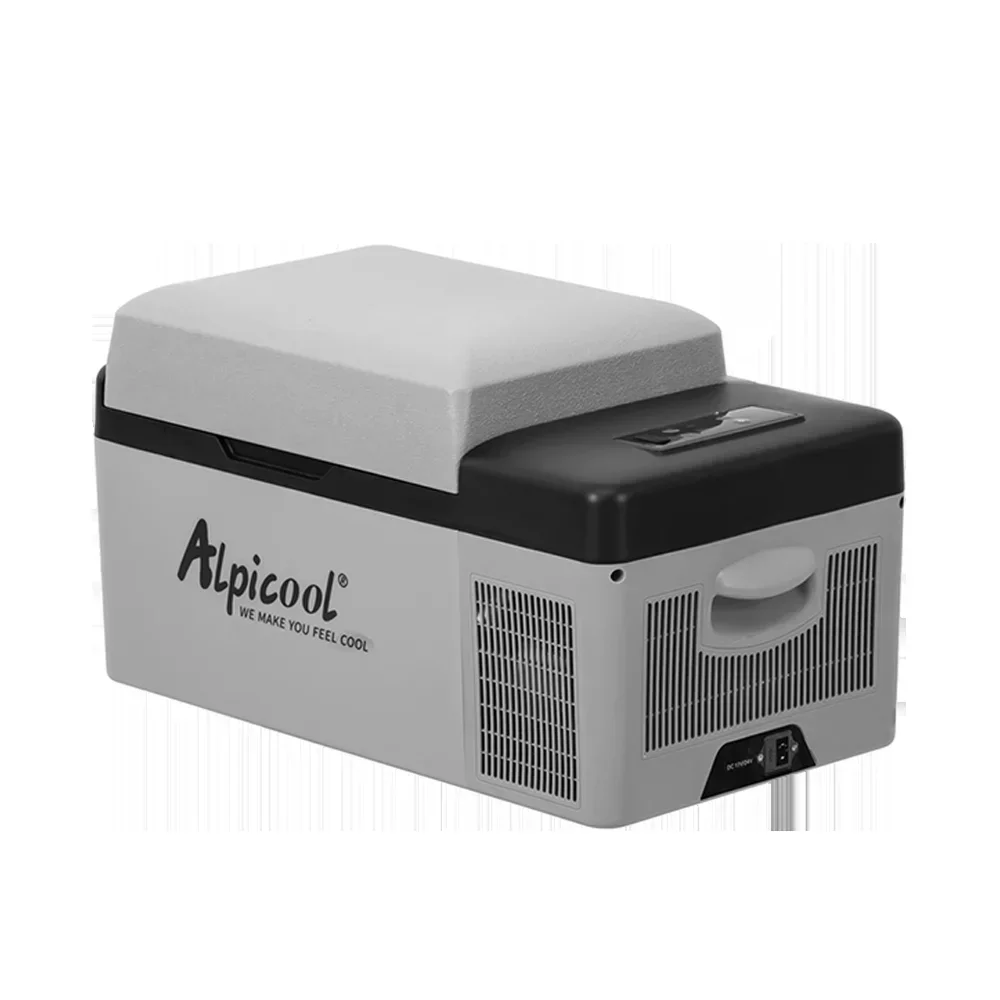
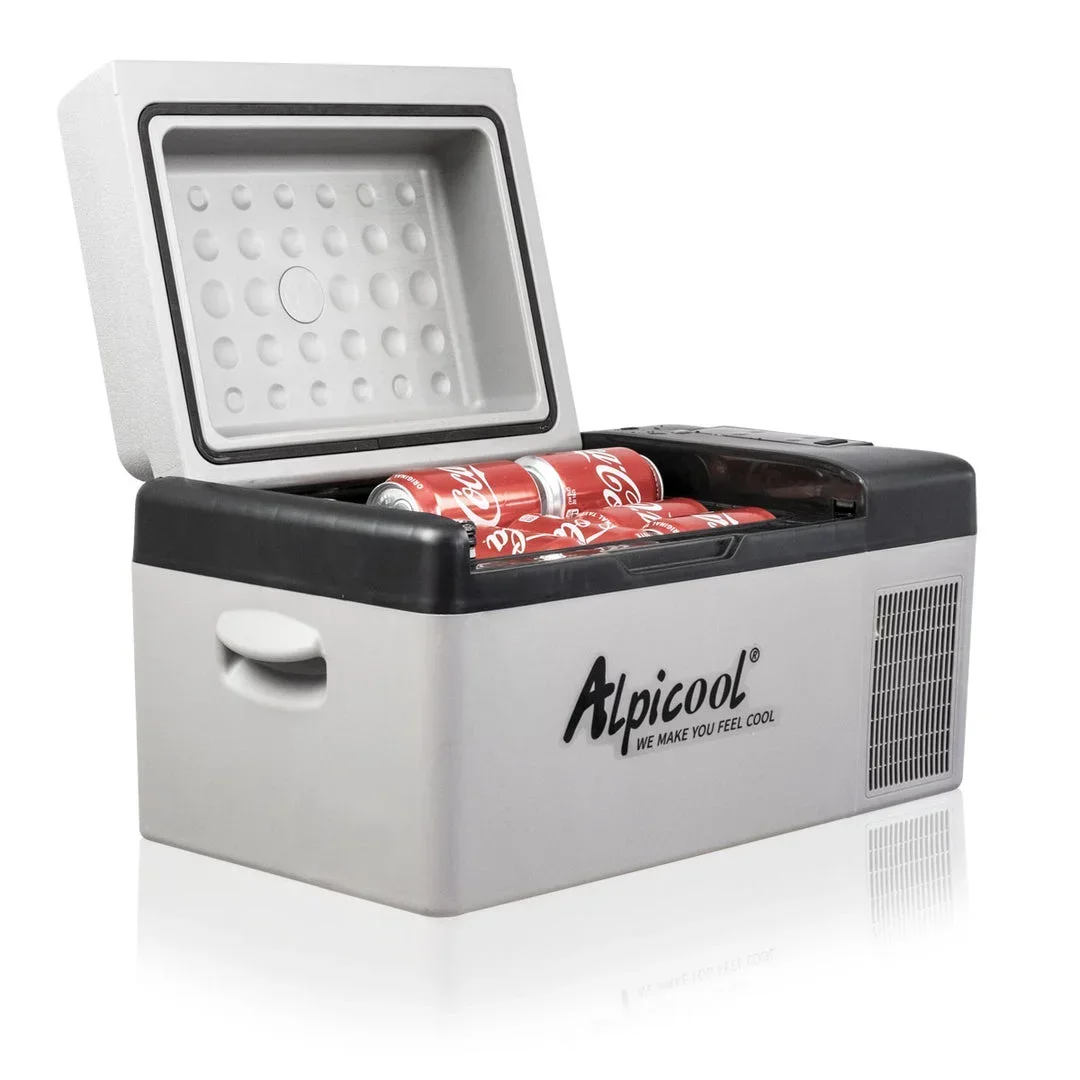
Here's the safety-minded conclusion, and it holds even with the Tahoe's advantages. The always-on socket can trickle a light load overnight, but it cannot safely run an Alpicool C20 fridge all night without walking the starter battery toward a no-start - a fridge out-draws what a cranking battery can spare, always-on socket or not.
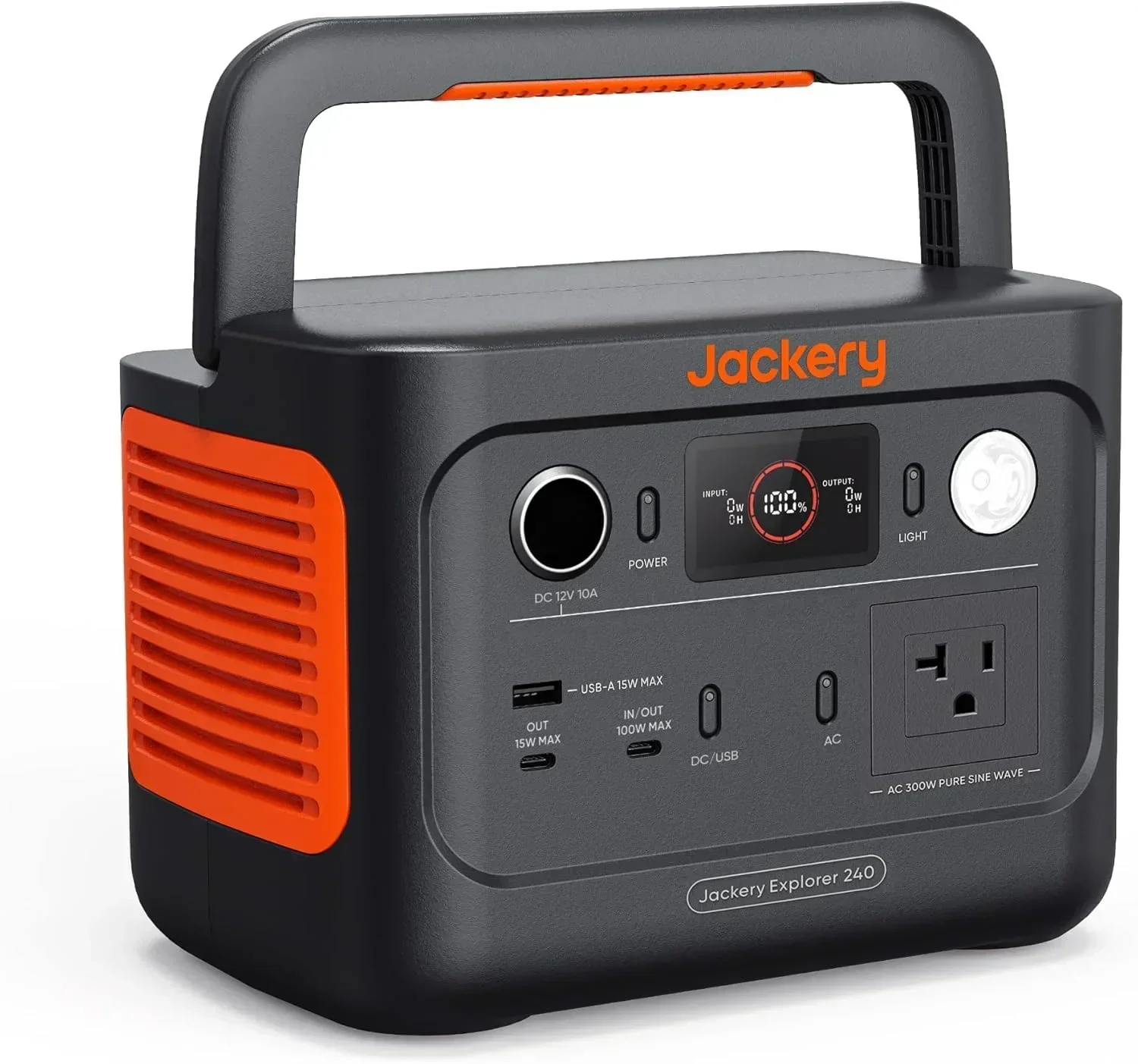
The reliable answer is the same one I'd give for any vehicle, with a Tahoe bonus: a Jackery Explorer 240 v2 power station carries the fridge, a fan and a night of charging off its own 256 watt-hours, then recharges from the 12V socket as you drive - and the Tahoe's 400-watt AC outlet can top it quickly while the engine's on. The car's battery never becomes the thing that strands you.
- Use the always-on socket for the small stuff - a fan or a charger, with a cutoff if it runs all night.
- Put the fridge on the power station, not the battery.
- Recharge on the move or off the 400-watt outlet while set up.
The pairing lives in our GMC Yukon vs Chevy Tahoe comparison - but the safety principle is simple: enjoy the always-on socket for light loads, and give the real overnight job to a dedicated battery.
The verdict on Tahoe camp power
The Chevy Tahoe is the most camping-capable power platform in this comparison, with two asterisks worth reading. It's the rare SUV with an effectively always-live 12V socket, its two 120-volt outlets are rated 400 watts (not 150), and it carries up to six USB ports - genuinely more onboard power than a Pilot, Telluride or gas CX-90.
The always-on socket is the Tahoe's real advantage and its real hazard: use it for a light overnight load, unplug it when you walk away, and put the fridge on a power station. Quote the 400-watt outlet, verify which sockets stay live, and confirm the aggregator fuse numbers on your own lid.
Test which socket is constant, keep 12V loads under 15 amps, remember the 400-watt outlets need the ignition and the enable button, and don't leave gear drawing on a constant socket unattended. Do that and the Tahoe handles a camp better than almost anything here - it's the one SUV in this set whose electrical system does real work while you sleep, as long as you respect the drain it can cause.
Related on Auto Roamer: what drains a car battery overnight while parked; best portable power stations for car camping; how to power a 12V fridge camping.