First, the Basics
My first camping fridge was a $250 mistake. I bought a fancy 12V cooler, plugged it into my car's cigarette lighter for a weekend trip to the New River Gorge, and assumed it would just... work. By Sunday morning, my engine wouldn't even turn over. I sat there, food slowly warming, staring at a dead battery and a $250 paperweight. That's when I learned the honest version: your car's starter battery isn't designed for that kind of constant drain.
You need a separate power source, or at least a much smarter way to use your car's power. Running a 12V Fridge is one of the best upgrades for camping, but you gotta do it right.
This isn't about buying the most expensive gear. It's about understanding the basics so you don't end up stranded with spoiled food and a car that needs a jump start. I've been there, so you don't have to. Let's talk about what actually keeps your 12V fridge humming.
We're talking about keeping your beer cold and your cheese from sweating. Simple, right? But the internet is full of complicated setups that make you think you need a second mortgage. The real move is usually much simpler.
The Core Answer
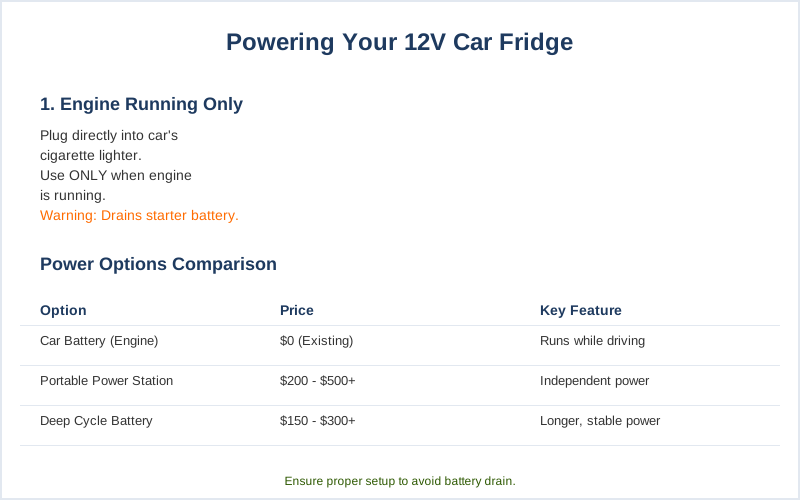
The absolute simplest way to power your 12V fridge for a short trip, like a weekend in a state park, is to run it directly off your car's starter battery, but ONLY while the engine is running. Plug it into the 12V cigarette lighter socket. This is what most people try first because it's so easy. plugging it straight into your vehicle. It works, sort of.
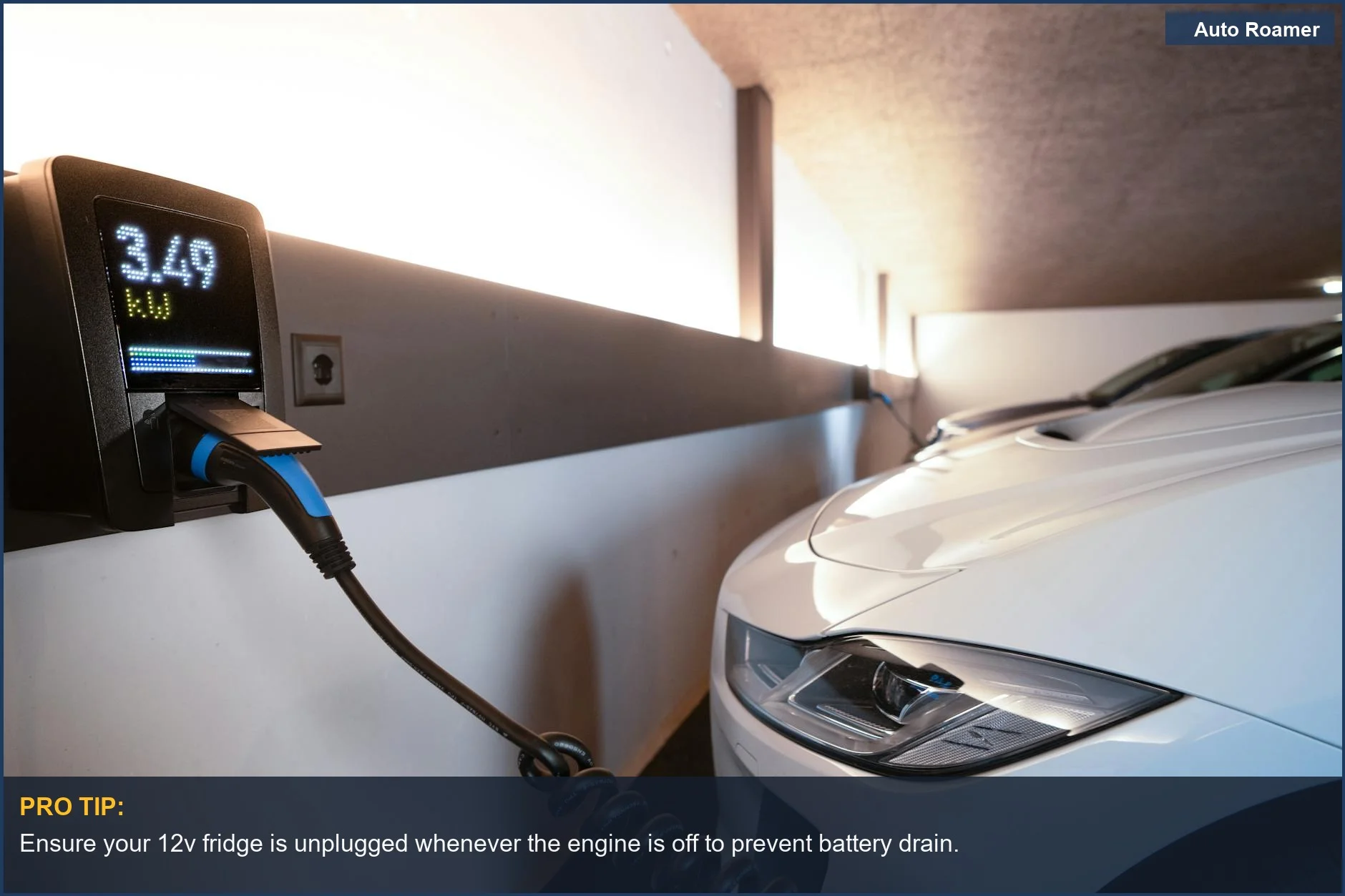
Here's the rookie mistake: leaving it plugged in overnight with the engine off. Your starter battery is designed to give one big burst of power to crank the engine, not to run a fridge for 12 hours. You'll drain that battery faster than you can say "warm soda." I learned this the hard way at Shenandoah National Park, freezing my butt off and then realizing my car wouldn't start the next morning. Brilliant engineering, right?
For anything longer than a few hours of driving, or if you plan to park for any length of time, you need a dedicated power source. The next step up is a portable power station. Think of it like a giant, beefy power bank. I picked up a Jackery 500Wh unit for around $500, and it's a game-changer.
It charges up at home, and then you can run your fridge off it for 1-3 days, depending on how hard the fridge is working. Portable Lithium Power Stations are your friend.
These power stations usually have a 12V cigarette lighter output, just like your car. You just plug your fridge right in. The honest version is that you're not running the fridge directly from the power station; you're running it from the battery inside the power station. The power station is just a fancy, portable battery pack.
If you want to get fancy, or you're going on longer trips or overlanding, you can look into a dual battery setup. This means a second battery in your vehicle that's isolated from your starter battery. Your alternator charges both. This is more involved and usually requires professional installation, costing upwards of $1000. Not the $50 version for sure, but it's the most robust. dedicated 12-volt lines are part of this.
Solar panels are great, but remember: they are chargers, not power sources. They recharge your power station or your dual battery system. You can't just plug your fridge directly into a solar panel and expect it to run. Physics doesn't care about your desire for cold drinks. solar panels are chargers, not power sources.
So, for a weekend warrior like me, the portable power station is the sweet spot. It's accessible, not insanely expensive if you catch a sale, and it solves the dead-battery-on-Sunday problem.
Why This Matters for Your Setup
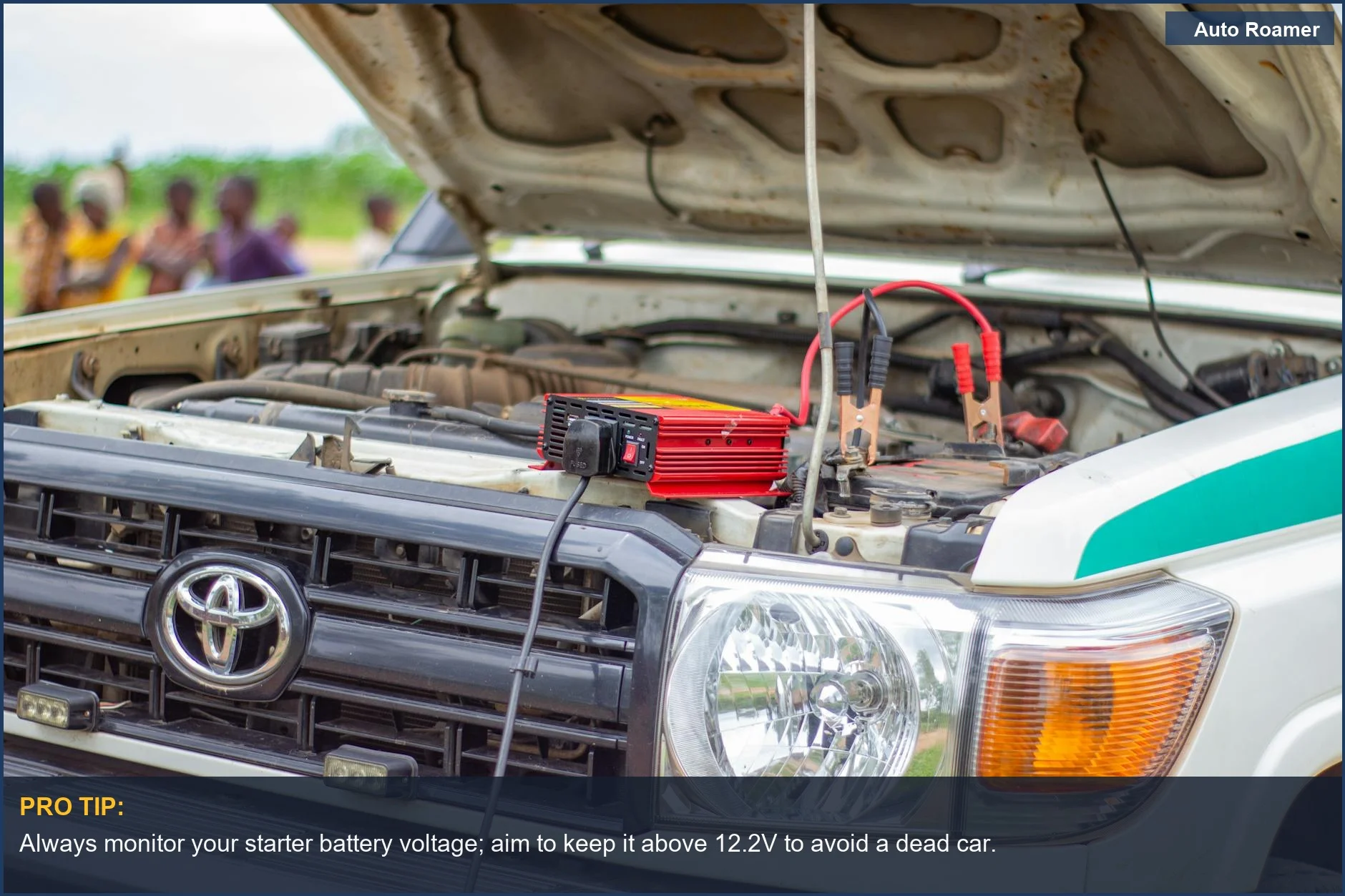
- Don't Drain Your Starter Battery: This is the big one. Running a fridge off your car's main battery without the engine on is a one-way ticket to a dead car. I learned this the hard way on a trip to the Smoky Mountains. Spent 2 hours trying to jump-start my own car with a portable jump starter. Embarrassing.
- Food Safety: Warm beer is sad. Spoiled milk is worse. A reliable power source means your food stays cold, preventing foodborne illness and saving you money from having to throw away groceries.
- Comfort and Convenience: Imagine not having to constantly buy ice for a cooler. Or being able to pack fresh meals instead of just PB&J. A 12V fridge powered correctly makes camping so much more comfortable. take away fresh cuts of meat, vegetables, milk.
- Extended Trips: For anything more than a quick overnight, relying on just your car's starter battery is a gamble. A portable power station or a dual battery setup gives you the peace of mind to stay out longer without worrying about your power source dying. running your fridge without risking your starter battery is key.
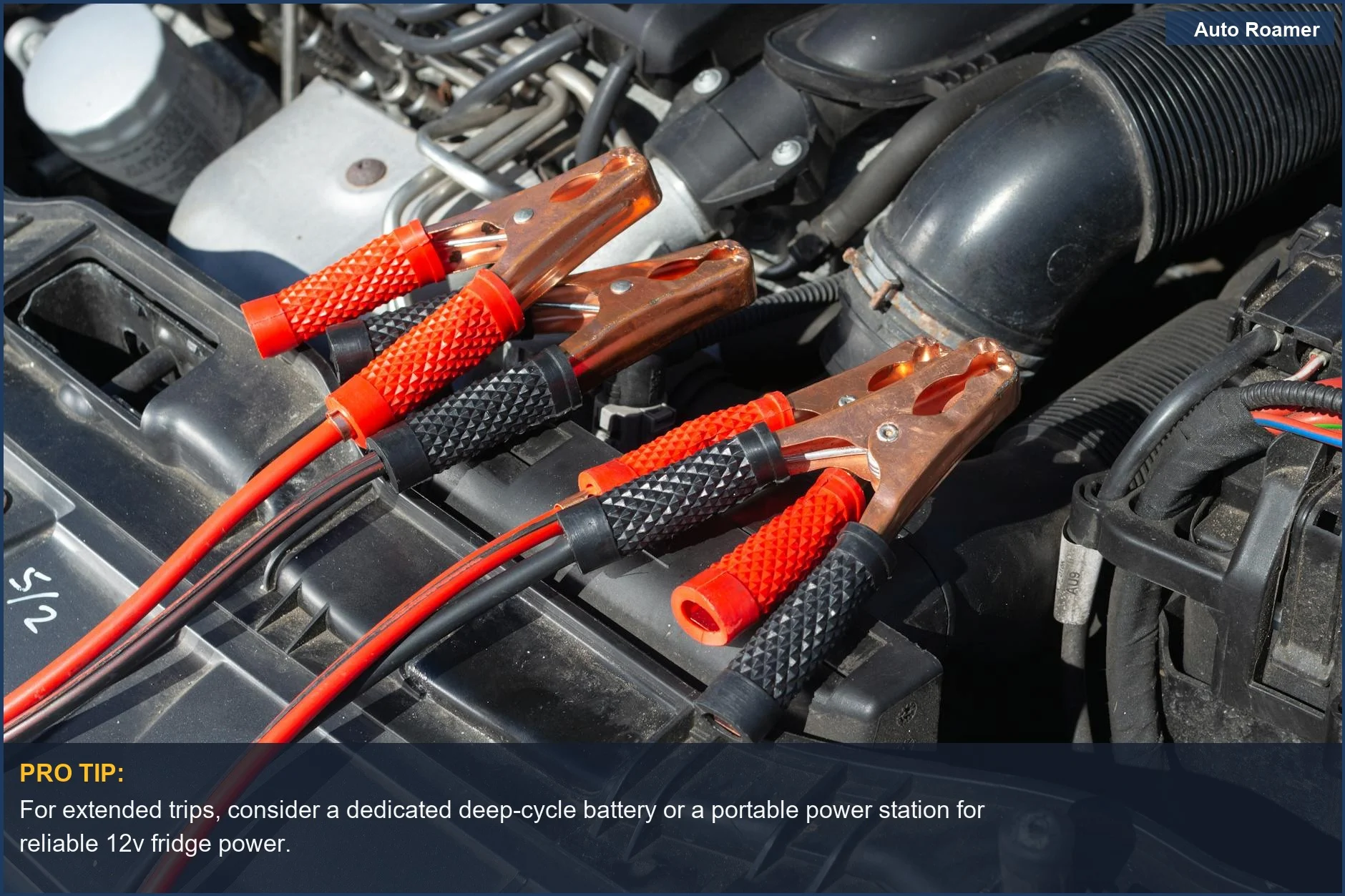
- The $50 Version: While a full dual battery setup can cost over $1000, you can sometimes find decent deep-cycle marine batteries for around $100-$150. Paired with a simple charger, this can be a DIY option, but it's more involved than a power station. a decent 12v deep cycle Marine/RV battery.
Making the Right Choice
- For short trips (1-2 nights) where you'll be driving a lot: Running directly off your car's 12V socket only when the engine is running might be enough. Just be disciplined about turning it off when the engine is off. this solution will work well if you're going on a shorter trip.
- For most weekend warriors (2-4 nights): A portable power station is the sweet spot. Mine cost about $500, and it powers my fridge for 2-3 days easily. It's plug-and-play and way less stressful than draining your car battery. portable power stations are a popular choice.
- For serious overlanders or long-term campers: A dual battery system is the way to go. It's a significant investment, both in money and complexity, but it's the most reliable for off-grid living. A Permanent Dual Battery System is robust.
- Don't forget the solar: If you're going to be parked for a while, solar panels are essential for recharging your power station or dual battery. They're the key to staying powered indefinitely, not the power source itself. solar panels are chargers, not power sources. It's a simple concept, but crucial.
Ultimately, the best setup depends on your trip length and how much you want to spend. But whatever you choose, understand how it works. Don't be like me on that first trip, stuck with warm beer.