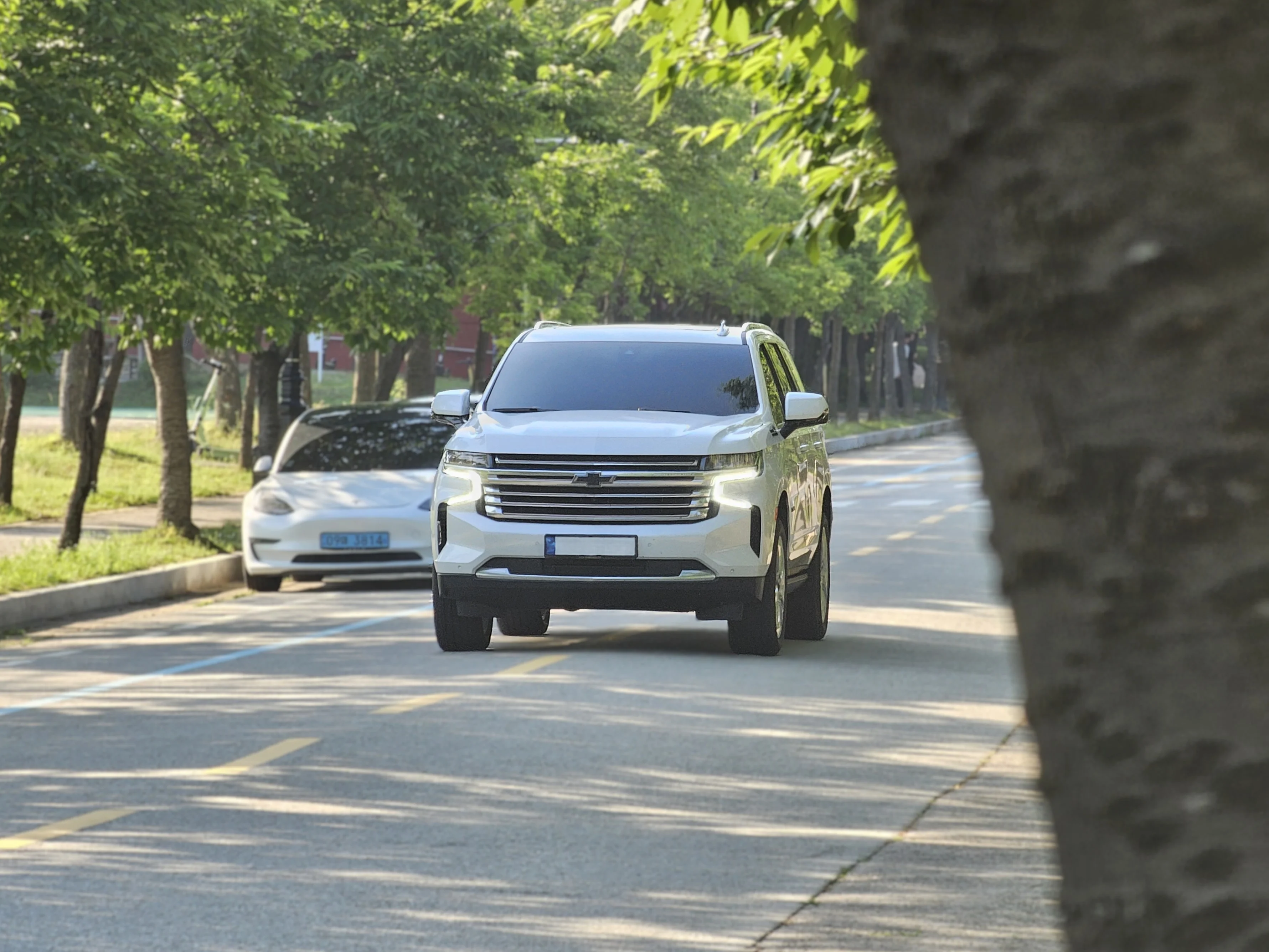
Can you actually sleep flat in a Chevy Tahoe?
Short answer: yes, and better than in most three-row SUVs - but the word 'flat' deserves a caveat, and I'd rather give it to you up front than let the brochure imply otherwise. The current Chevy Tahoe folds down to a big, low floor that the 2021 redesign genuinely improved, and for many people it sleeps flat enough with a thin pad. What it does not give you is a factory-perfect plane; there's a slight step where the seatbacks meet the cargo floor, and knowing that is the difference between a good night and a lumpy one.
I read specs and standards for a living, so I'll do the same here: state what Chevy publishes, name where the number comes from, and flag the caveat the marketing omits. That includes the cargo volumes, the honest shape of the folded floor, which trims fold best, and - because a big SUV tempts you to run the engine overnight - the safety facts that actually matter when you sleep inside one.
One more expectation to set before the numbers start: 'flat enough' is a personal threshold, not a spec, so the only honest test is to fold the rows and lie down in the vehicle before you buy - ideally in the exact trim and seat configuration you'll own. If your shoulders and hips clear the seam without a pressure point, a thin pad will finish the job; if they catch on the step, you're in leveling-platform territory. I'd run that five-minute floor test at the dealer over trusting any online 'sleeps flat' verdict, mine included.
The numbers Chevy prints: 25.5, 72.6, 122.9
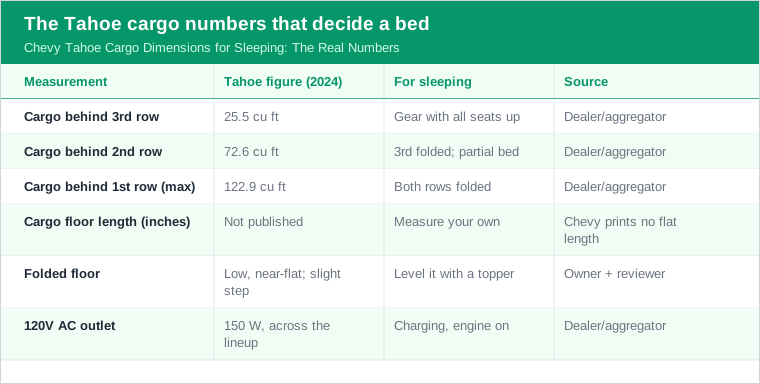
Here are the published volumes, with the source named. For the 2024 Tahoe, Chevrolet's figures are about 25.5 cubic feet behind the third row, 72.6 with the third row folded, and 122.9 with both rear rows down. The 2025 refresh shows 72.5 and 122.7 - a rounding-level revision, not a real change - so pick the model year you're targeting and label it. These come from dealer and aggregator pages that mirror Chevrolet, since Chevy's own spec server blocks automated reads.
- 25.5 cu ft (behind row three): gear space with all seats up - large for the segment, but not a bed.
- 72.6 cu ft (third row folded): a useful partial bed, though you'll usually want both rows down.
- 122.9 cu ft (both rows folded): your working canvas - the Tahoe's max, and where the near-flat floor lives.
Read these as volume, not flatness. The Tahoe is the Suburban's shorter sibling, so it trades a little length for easier parking - the numbers are big, just not the class-longest.
It helps to know what a cubic-foot rating actually counts. Cargo volume is total enclosed space - it includes the irregular room above the wheel wells and the taper up toward the headliner, none of which becomes flat bed. That's why the jump from 72.6 to 122.9 by folding the second row adds far more volume than it adds sleepable length: much of the gain is height and width you can't lie on. Read the both-rows-folded 122.9 as your ceiling for stuff, and the flat rectangle inside it as a smaller, separate number you'll have to measure yourself.
Near-flat or a step? What the folded floor really is
Here's the caveat the spec sheet won't give you. Owners and reviewers describe the Tahoe's folded floor as low and near-flat, with a slight step or incline where the folded seatbacks meet the cargo floor. The clearest evidence is the aftermarket: sleeping-platform makers explicitly sell products to 'level the uneven folded-seat floor' - a market that wouldn't exist if the floor were truly flat.
The honest claim is 'near-flat, expect a small step,' not 'flat.' That's not a flaw unique to the Tahoe - it's the norm for folding SUV seats - but it's the fact that decides whether you need a leveling layer. You do.
Treat the step as a spec to measure and erase, not a dealbreaker. A shaped mattress or a low platform hides it completely, and the Tahoe's low floor means the step is small to begin with.
The step also isn't always a single uniform height. On a 60/40 split the two portions can settle a hair differently, and captain's chairs leave a center gap the bench avoids, so measure the rise at more than one point rather than trusting a single reading. In practice the folded seatbacks sit slightly proud of the cargo floor, which means your leveling layer needs to bridge from the lower tailgate end up to the higher seat end - fill toward the seats, not the hatch.
What the 2021 redesign fixed underneath
If you're comparing a newer Tahoe to an older one, the important change is structural. For 2021 the Tahoe adopted an independent rear suspension in place of the old solid rear axle, which let the load floor drop lower and the seats fold closer to it. The result is a meaningfully flatter, lower folded floor than the pre-2021 trucks could offer.
- What changed: independent rear suspension replaced the solid axle, freeing a lower cargo floor.
- Why it matters for sleeping: the folded seatbacks sit closer to the floor, so the step you level is smaller and the whole surface sits lower for easier entry.
- Buying note: a 2021-or-newer Tahoe is the clearly better sleeper - the improvement is real, not marketing gloss.
This is a change you can feel in a sleeping bag but never see in the brochure's headline - worth prioritizing the newer generation if sleeping is the point.
Put a model-year line in your search: the pre-2021 trucks used the older solid rear axle and carried a higher, more sloped load floor, so a 2020-or-earlier Tahoe is a measurably worse sleeper even though the cubic-foot rating looks similar on paper. The redesign didn't erase the step - it lowered the whole floor so the step you're left with is shorter and easier to bridge. A lower floor also pays off in two quieter ways: an easier climb in at the end of a long drive, and more sitting-up room under the headliner once your platform or mattress is in.
Which trims fold flat, and which make you work for it
How easily your Tahoe reaches that near-flat floor depends on trim. The power-folding second and third rows come standard on the top trims (Premier, High Country); the Comfort Package adds power-folding benches to some lower trims; and the LS, LT, RST, Z71 and Custom otherwise use a manual 60/40 fold.
- Power-fold trims: convenient, but power doesn't change how flat the result is - just how you get there.
- Manual-fold trims: exactly as flat once folded; you just do the folding by hand.
- The real variable: bench versus captain's chairs in the second row - a bench folds to a more continuous surface, so favor it if you can choose.
Don't pay up for power-fold expecting a flatter bed; the floor's shape is the same. Choose the seating that folds most continuously instead.
Two practical notes if you're buying used. Power-folding seats run off accessory power and take several seconds each, and every motor is one more thing that can fail years later - a manual 60/40 fold is faster and has nothing to break, so don't treat power-fold as the 'better' bed option. And because the Comfort Package was optional, don't assume a mid-trim has it; decode the VIN or check the build sheet rather than trusting the trim badge. If you land on captain's chairs, plan to fill the center aisle they leave with a cushion or filler panel - that gap, not the seam, is usually the bigger flatness problem.
Why there's no flat length in inches to cite
As with every SUV in this class, Chevy publishes cargo volume but not a flat load-floor length, width or height in inches. Any confident inch figure you find was estimated from the volume or borrowed from another truck. I won't repeat one, because a made-up length is exactly what leaves a tall sleeper short.
When a maker prints cubic feet but not inches, the only defensible answer is to measure your own vehicle. The front-seat position alone moves the usable length by several inches, so no single published number could be right for every Tahoe anyway.
What's fair to say: the Tahoe's both-rows-folded run fits most adults lying straight or slightly diagonal, and it's shorter than a Suburban's by the wheelbase difference. What's not fair is quoting an exact inch - so take the tape to it before you commit to a mattress size.
There's also a lever most length claims ignore entirely: the front seats. Slide them fully forward and recline the seatbacks and you buy several inches of diagonal run; leave them upright for a driver and you lose it. Some configurations let the front passenger seat fold well forward too, which can extend the usable channel for a single sleeper lying diagonally. None of that is capturable in one published inch figure, which is exactly why Chevy doesn't print one - and why any site that does is quoting a fiction that ignores where your seats actually are.
The measurement that actually decides your fit
Because the spec sheet stops at volume, one measurement carries the whole fit question: the flat-zone length from the tailgate to the folded front seatbacks, taken with the front seats where you'll actually leave them. That number, not the cubic feet, tells you whether you lie flat.
- Flat-zone length: tailgate to folded front seatbacks - your true straight bed length.
- Step height: the small rise where the seatbacks meet the floor - sizes your leveling layer.
- Wheel-well width: the pinch between the rear wells - the real two-person ceiling, since Chevy publishes no cargo width either.
Take each twice, to the eighth of an inch, and write them down. Three numbers turn 'Chevy only prints cubic feet' into a five-minute measurement that decides your whole build.
Add a fourth quick reading while you have the tape out: the height from the folded floor to the headliner, taken at the spot where your head and shoulders will sit up. That's what tells you how thick a platform you can build before you can't lean on an elbow to change clothes. When you shop a mattress, match it to the flat-zone length minus an inch or two for the bedding you'll pile on top, and to the wheel-well pinch rather than the wider floor at the tailgate - the narrowest point is the one that decides whether two people fit shoulder to shoulder. Measure with your intended platform in place, not on the bare floor, since the platform changes every one of these numbers.
Is idling to run the heater or outlet safe overnight?
This is the safety question a big SUV quietly invites, so let me be direct: do not sleep with the engine running to power the heater or the outlet. Running a parked engine risks carbon monoxide entering the cabin - the CDC is explicit that a running engine in an enclosed or even partly enclosed space can build dangerous CO - and a snow-blocked or debris-blocked tailpipe makes it far worse. The convenience of the Tahoe's outlet is not worth that risk.
The standard is simple and non-negotiable: engine off while you sleep. Warmth comes from a proper sleeping bag and bedding; power comes from a battery you charged while driving - never from idling in your sleep.
Two practical rules follow. Crack a window for ventilation regardless of weather, and keep a working carbon-monoxide detector in the vehicle. Those two habits cost almost nothing and remove the one genuinely dangerous failure mode of sleeping in a car.
A few specifics make the rule easier to keep. CO is odorless and its early symptoms - headache, dizziness, drowsiness, nausea - are easy to mistake for ordinary tiredness or car-sickness, which is why a detector, not your senses, is the thing that keeps you safe; mount it near head height where you actually sleep. Don't lean on a remote-start timer as a workaround either: it shuts the engine after a preset interval but says nothing about exhaust pooling under a vehicle in still air or drifting snow. If you ever wake with a headache, get out into fresh air first and ask questions later.
Power for a night: the outlet, and where the deeper story lives
The Tahoe carries a 120-volt household outlet rated at 150 watts, available across the lineup - enough for charging and a light while the engine runs, not for a fridge, and not a key-off supply. Because the previous section rules out idling overnight, plan to power your night from a battery, not the vehicle.
- What the outlet is for: daytime charging with the engine on, not overnight loads.
- The 12V sockets and fuses: the deeper electrical map - which sockets are switched versus live, and the parasitic-drain caution - lives on our dedicated Chevy Tahoe 12V outlet and fuse map, so I won't duplicate it here.
- The overnight answer: a portable power station you recharge while driving.
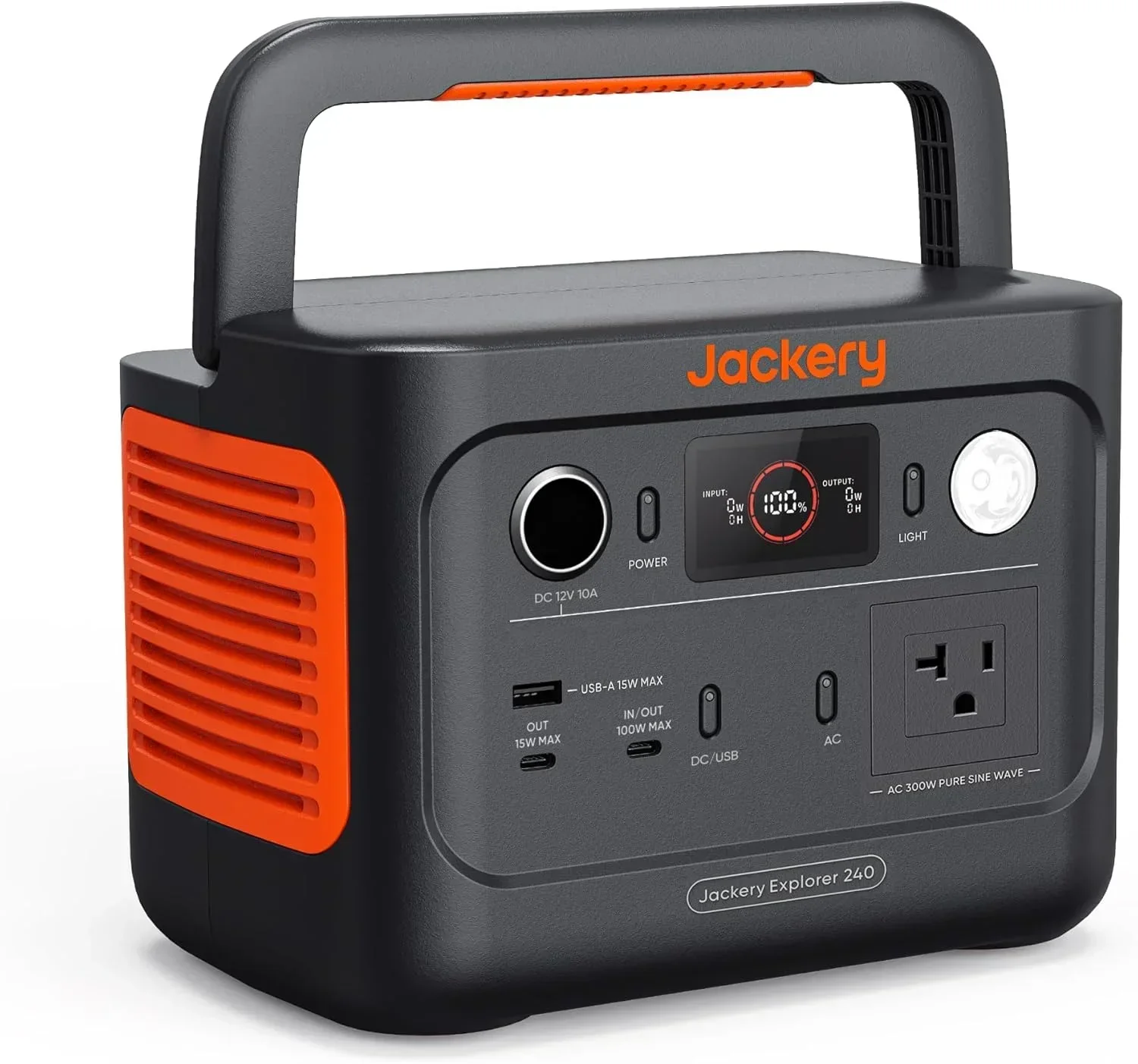
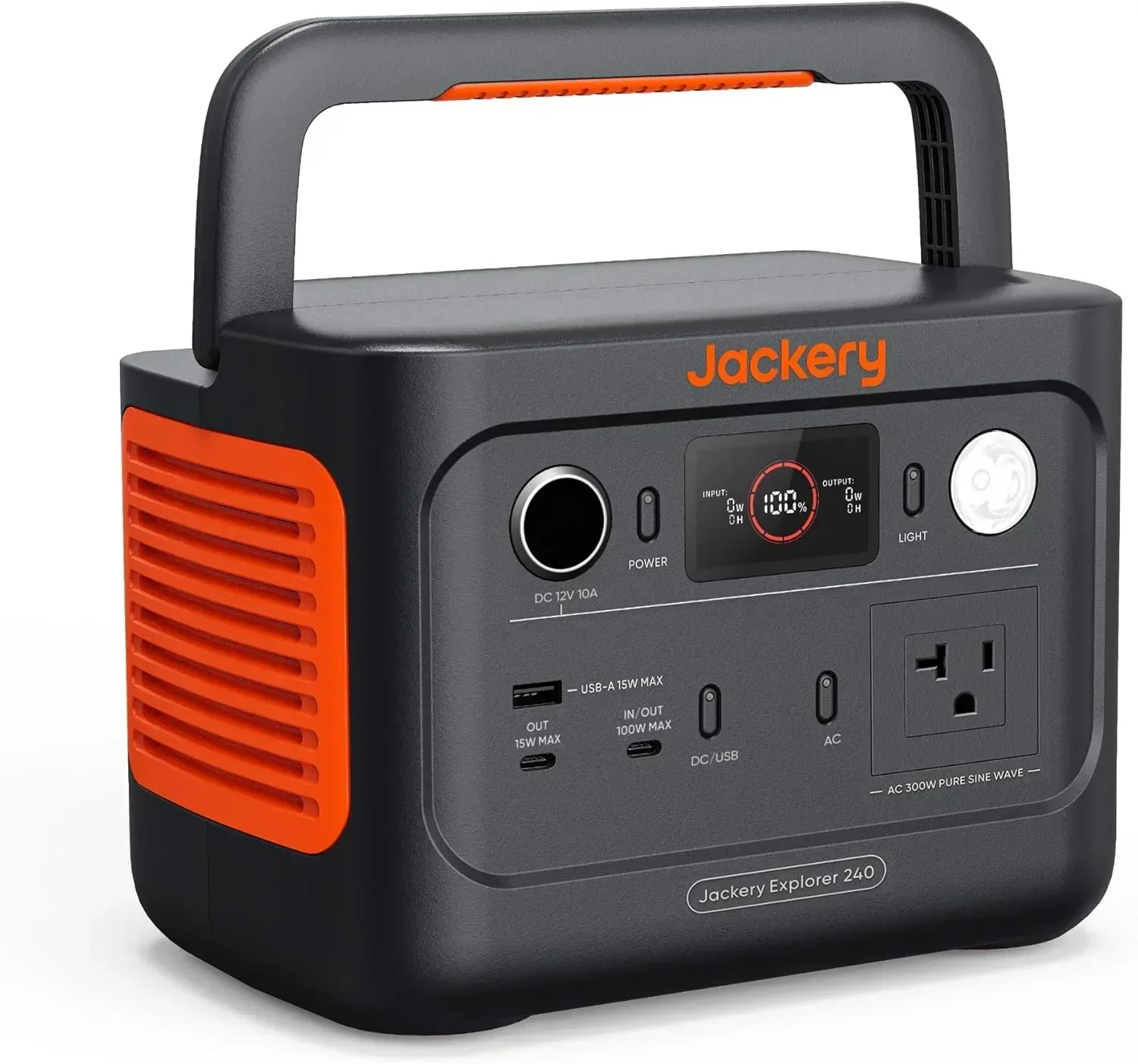
For that overnight job, a Jackery Explorer 240 v2 power station runs a fan and a night of charging off its 256 watt-hours and recharges from the 12V socket as you drive - power with the engine safely off.
Two numbers frame the plan. The outlet's 150-watt ceiling is a hard limit, not a suggestion - it covers phones, a tablet and a small fan, but a 12V cooler's compressor can spike past it on startup and trip the inverter, and it all goes dead the moment you shut the engine off, which you will. So size your battery to the night, not the outlet: tally the watt-hours your fan and charging actually draw over eight hours, and pick a station with headroom above that. Recharging it from the 12V socket while you drive turns your commute into the night's power source, with the engine off the whole time you're asleep.
Leveling the seam without stealing your headroom
The build itself is a small leveling job. Because the Tahoe's floor is already low after the redesign, you have room to level the step and still sit up.
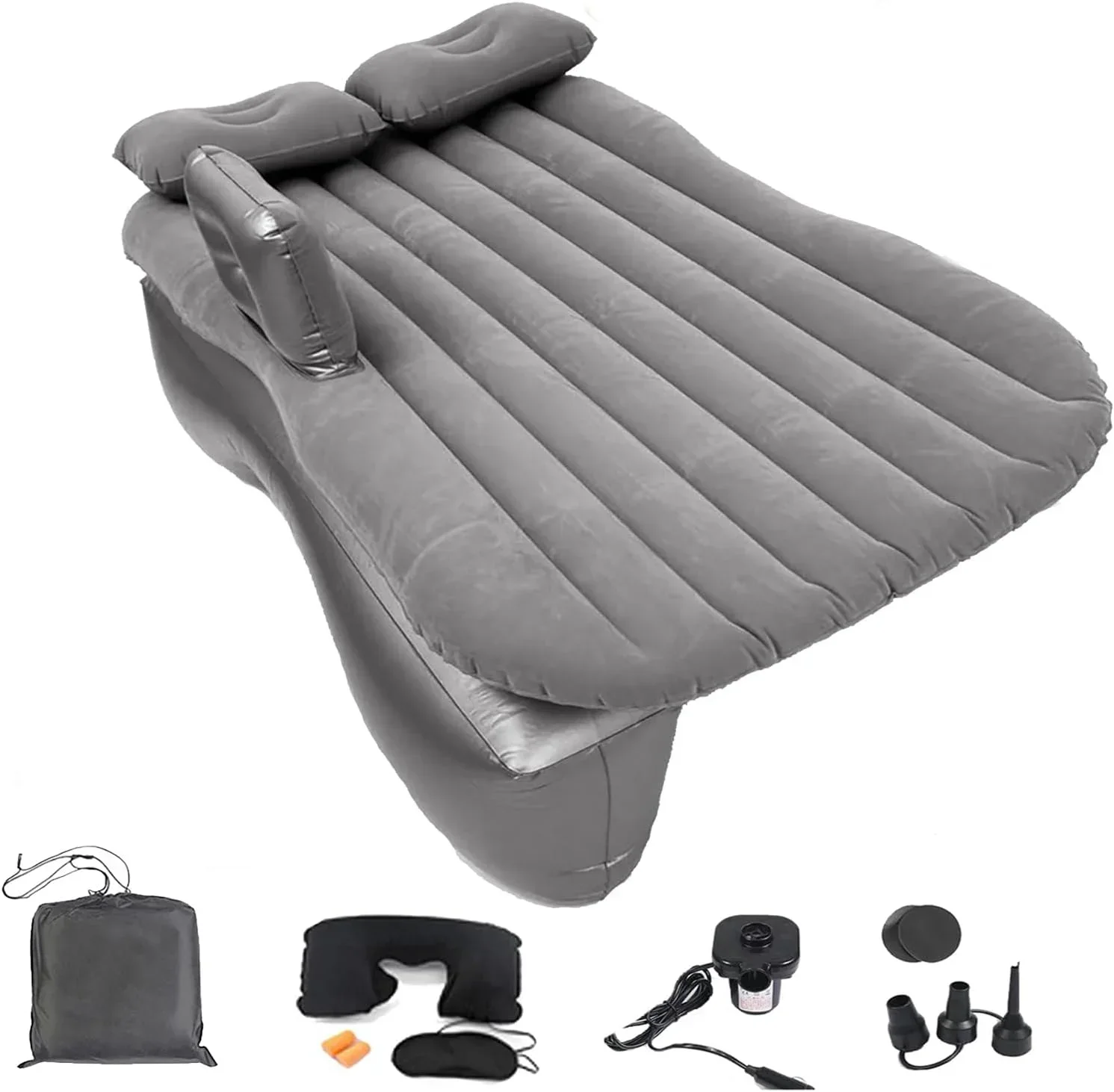
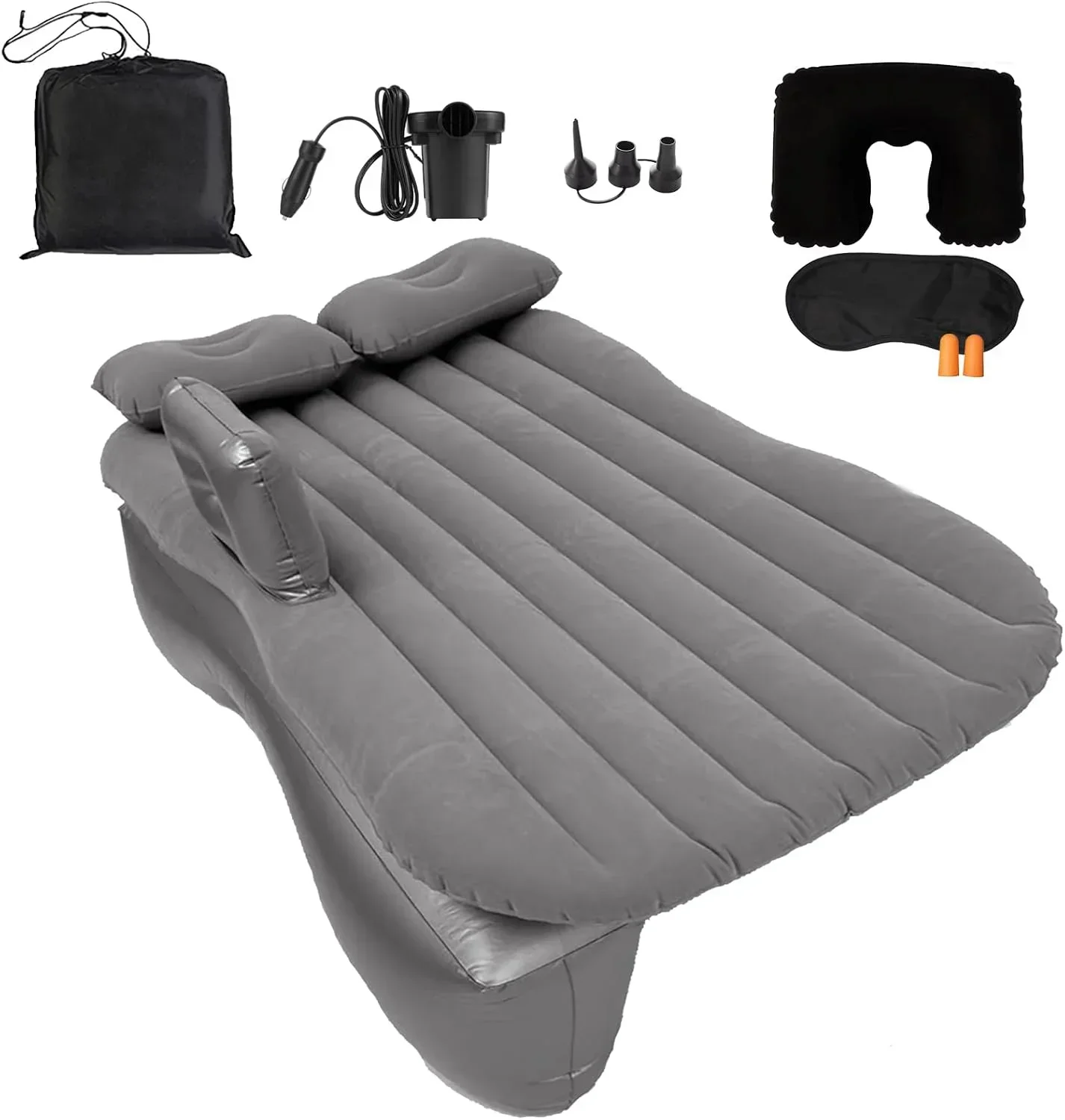
- The fast fix: an Onirii SUV air mattress spans the folded seatback seam and levels the surface in one inflate - the quickest route to a flat Tahoe bed with both rows down.
- The durable fix: a low platform sized to your measured floor, level with the top of the small step, with bins beneath.
- Protect headroom: keep any deck as low as your storage needs - every inch of platform is an inch off sitting height under the headliner.
Level first, soften second: flatten the seam with a shaped mattress or a low deck, then add your pad. On the Tahoe's low, near-flat floor, that's a quick finish.
If you go the platform route, a few build details save a bad night. Cut the deck so its front edge stops short of the folded seatbacks rather than pinching them, put a non-slip layer between deck and floor so it doesn't walk on hard stops, and leave a small breathing gap under any foam so overnight condensation from your body heat can dry instead of soaking the pad. Size the under-deck bins to the wheel-well height, the true limiting dimension, and keep the whole assembly light enough to lift out one-handed - a platform you dread removing is a platform you stop using.
The verdict on the Tahoe as a sleeper
The Chevy Tahoe is one of the better full-size SUVs to sleep in - about 25.5, 72.6 and 122.9 cubic feet on the 2024 truck, on a low, near-flat floor the 2021 redesign genuinely improved. The honest caveats: near-flat means a slight step you level, Chevy prints no flat length in inches so you measure your own, and the engine stays off overnight for safety - power your night from a battery.
Fold both rows, favor the bench second row, measure your length and the small step, level it with a shaped mattress or a low platform, crack a window and keep a CO detector aboard - and the Tahoe sleeps two comfortably.
One framing to take with you: the Tahoe isn't a dedicated camper, it's a full-size family hauler that happens to sleep well, so build for reversibility. Favor a mattress or a lift-out platform over anything bolted in, keep the seats free to return to daily duty, and you get a vehicle that carries the kids on Friday and sleeps two on Saturday without a compromise in either direction. That versatility - not a class-leading length it doesn't have - is the real case for sleeping in a Tahoe.
Buy it for the low, roomy folded floor and finish the seam yourself. For the deeper electrical map, see our Chevy Tahoe 12V outlet and fuse map; if you're weighing the longer sibling, the Yukon vs Tahoe comparison covers it, and the Sequoia and Acadia cargo breakdowns cover the full-size and three-row alternatives.