
How to Stay Comfortable in Your Car While Camping: Sleeping Setups Explained
Sleeping comfortably in your car while camping is about creating a functional, flat space that insulates you from the elements. It's not about luxury; it's about not waking up with a crick in your neck and feeling like you wrestled a bear all night.
Sleeping comfortably in your car while camping is about creating a functional, flat space that insulates you from the elements. It's not about luxury; it's about not waking up with a crick in your neck and feeling like you wrestled a bear all night. My first attempt involved a pile of blankets and some strategically placed pillows in my old Honda Civic hatchback, which resulted in about 4 hours of actual sleep over a 12-hour period.
The key is to think of your car not just as transportation, but as a tiny, mobile bedroom that needs a proper foundation and bedding. YogaSlackers breaks down how to make any vehicle a camper, and that starts with a solid sleep setup. It's about making the most of the space you have, transforming it from a daily driver into a cozy haven for the night.
Idaho Springs RV Resort emphasizes that with the right tips, car camping can be stress-free, and a good night's sleep is paramount to that.
The Core Answer
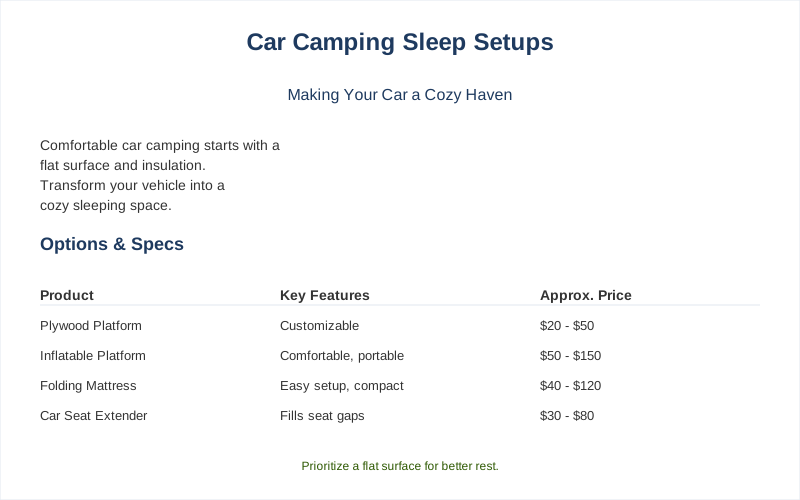
The core of a comfortable car camping sleep setup boils down to two things: a flat surface and insulation. Forget trying to sleep perfectly upright; your body needs to stretch out. My first trip to Shenandoah National Park taught me this the hard way. I tried to sleep with my feet slightly lower than my head in my old sedan, and by 3 AM, I was convinced my brain had slid into my stomach. Brilliant engineering, that. Outside Magazine talks about game-changing gear, and honestly, a flat surface is the most game-changing thing you can have. The real move is to fold down your rear seats and use whatever you can to bridge the gap between the seats and the trunk or cargo area. This might be some scrap plywood, a sturdy inflatable platform, or even a stack of firm foam pads. I once used a couple of old camping chairs and a thick blanket, which was about as comfortable as sleeping on a bag of rocks, but it was flat. Reddit users suggest folding seats and using yoga mats for a flat surface. The goal is to create a continuous, level plane. Once you have that, you need to insulate yourself from the car's interior. Think of your car like a metal box; it gets cold fast. A good sleeping bag is crucial, but what nobody tells beginners is that the temperature rating is often a suggestion, not a promise. My 40-degree F bag was useless when the temperature dipped to 20 degrees F in the Rockies. The $12 fleece liner I bought later was the real MVP. Layering is your friend here. Think of a sleeping pad not just for comfort, but for insulation from the cold metal and plastic of your car. Even a cheap foam pad makes a huge difference. Terradrift highlights sleeping pads as essential. The honest version: you need to create a barrier between you and the cold car. This means covering windows too. Reflective sunshades aren't just for summer; they're fantastic for blocking drafts in the winter. My first car camping trip, I forgot about window insulation and woke up feeling like I was sleeping in a meat locker. A rookie mistake that cost me a miserable night. Facebook groups often discuss simple setups, emphasizing fitting your frame. It's about maximizing that flat space and then layering for warmth and comfort. Don't overthink it; focus on that level surface and then add your sleeping bag and pads. Everything else is gravy.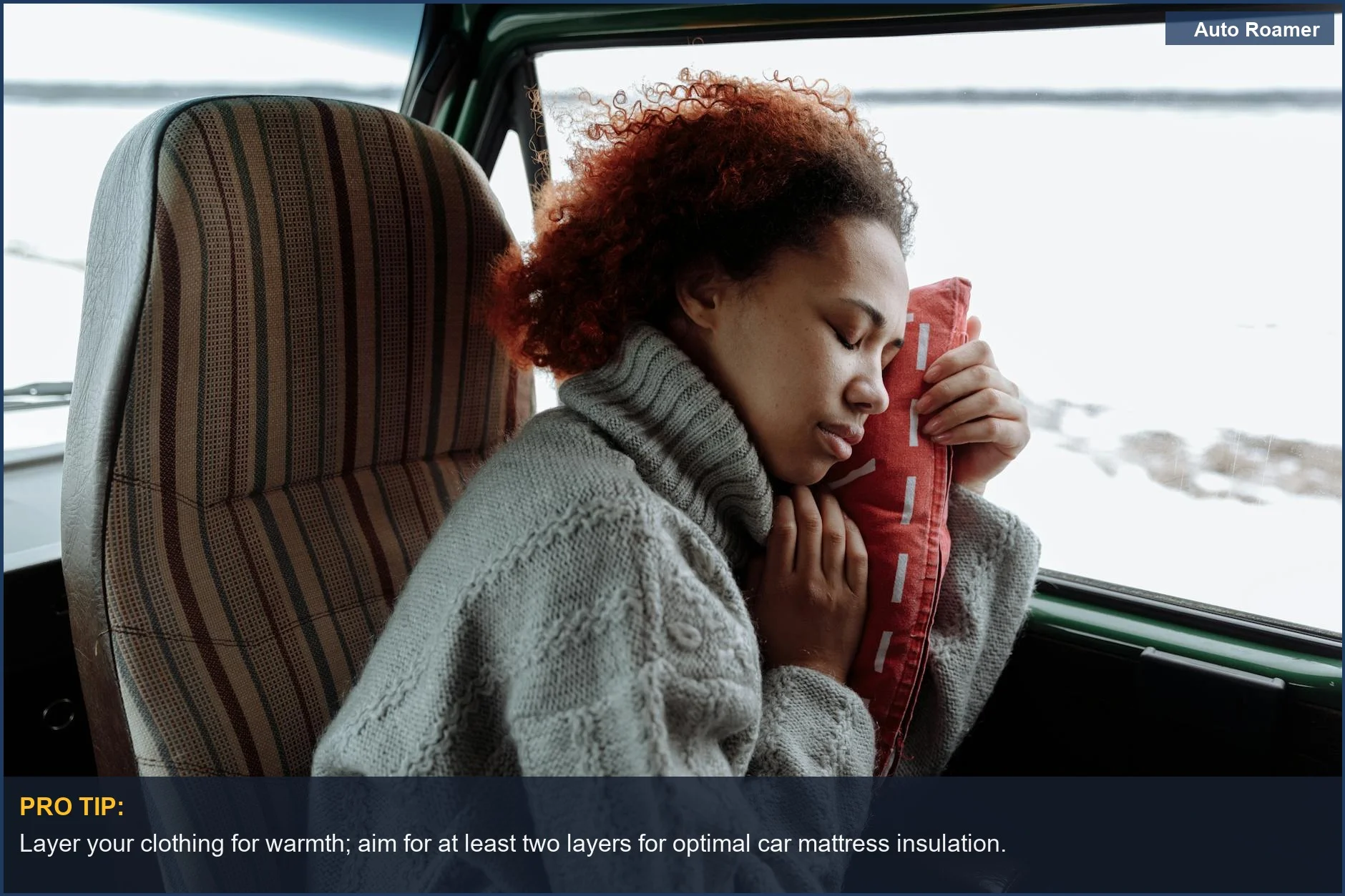
Why This Matters for Your Setup
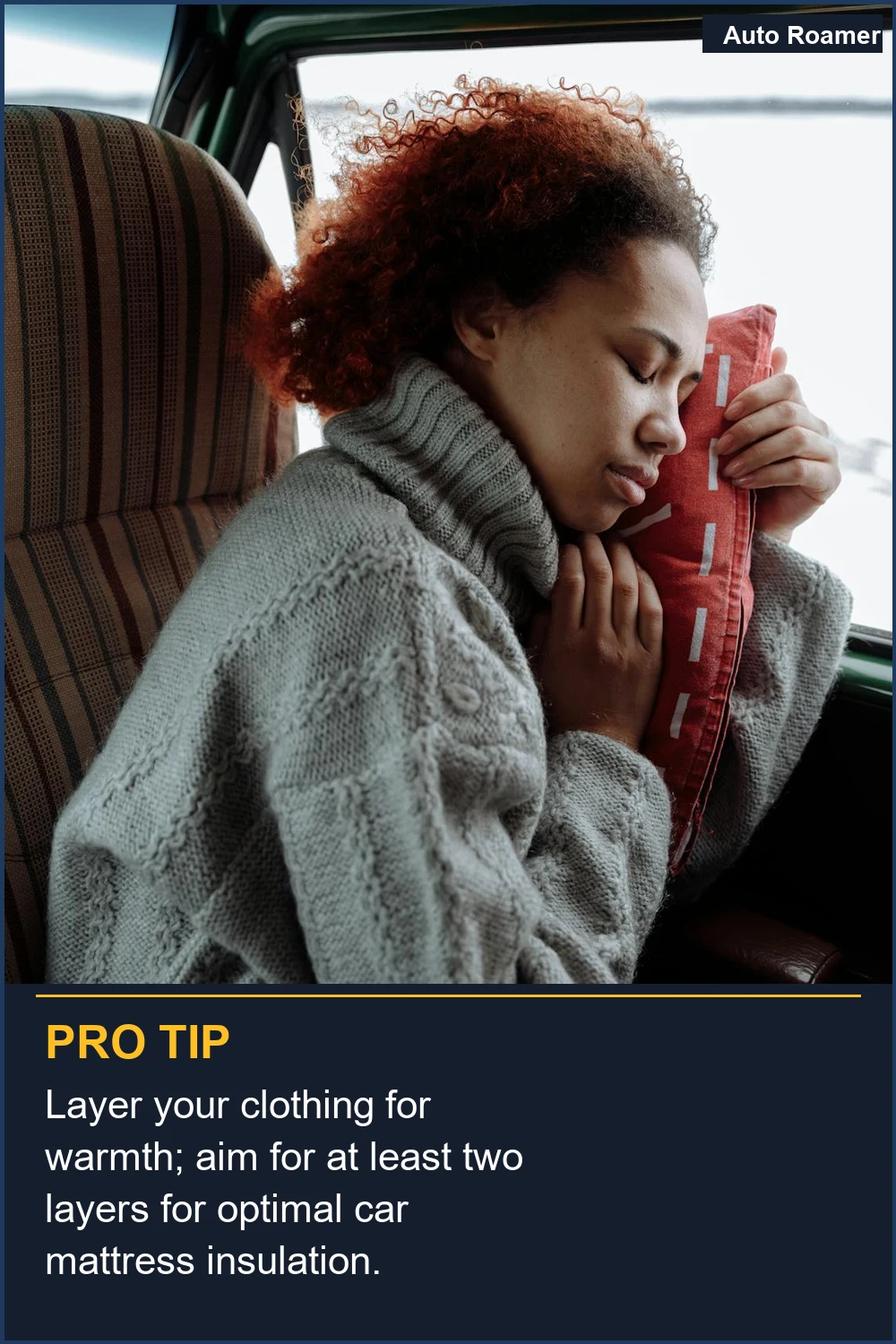
Why does all this matter? Because a miserable night's sleep can ruin a whole trip. I learned this at a free campsite in rural Oregon. It was supposed to be a quick overnight, but I was so uncomfortable I barely slept. The next day, I was grumpy and missed out on a great hike because I just wanted to go home. Outside Magazine emphasizes that comfortable gear guarantees a good night's rest. The real move is to prioritize your sleeping area. It's the foundation of your whole car camping experience. If you're constantly adjusting, shifting, or shivering, you won't enjoy anything else you planned. Terradrift mentions that a comfortable setup is key. Here's the breakdown:- Flat Surface: This is non-negotiable. You need to lie down without your knees hitting the dashboard or your head bumping the ceiling. My first attempt in a compact car involved sleeping diagonally, which was about as effective as trying to read a book upside down.
- Insulation: Your car is a giant metal cooler. You need to insulate yourself from the cold. This means a good sleeping bag rated for the expected temperatures, and a sleeping pad to block heat loss to the car floor.
- Ventilation: Even in cold weather, you need a little airflow. Condensation builds up fast, making everything damp and chilly. Cracking a window just a tiny bit can make a world of difference.
- Blackout: Light pollution from streetlights or even the moon can mess with your sleep. Reflective shades are your best friend here.

Making the Right Choice
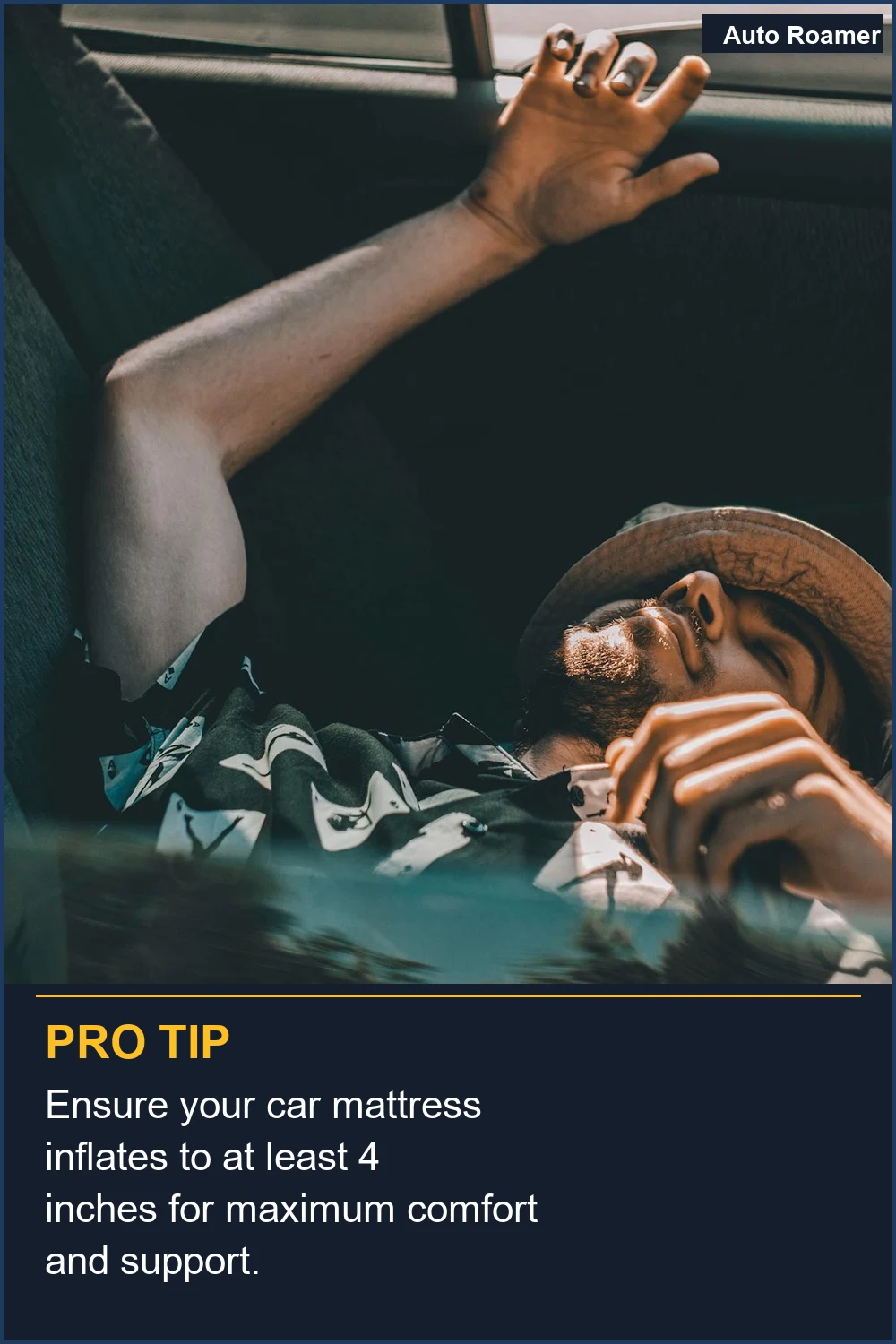
Choosing the right car camping sleeping setup is about understanding your vehicle and your needs. It's not about buying the most expensive gear, but about making smart choices for comfort and warmth. My first setup cost me about $50 total from Walmart and Amazon, and it was functional, if not luxurious. YouTube creators often show elaborate van builds, but the core principles apply to any vehicle. The key is prioritizing that flat sleeping surface and good insulation. World Nomads reminds us that a comfortable sleep setup is at a minimum. Don't get bogged down by endless gear lists. Start with the basics: a way to lie flat, a warm sleeping bag, and a pad. You can always add more later as you figure out what works for you. My second trip had half the gear and was twice as comfortable. The $50 version can be just as good as the $500 version if you know what you're doing. The real move is to experiment and find what makes *your* car a comfortable place to sleep.

Frequently Asked Questions
I'm thinking of building a wooden platform for my back seats. How much would that roughly cost compared to buying a pre-made inflatable car mattress that costs $200?
Do I really need a fancy sleeping bag temperature rating, or can I just pile on blankets?
What if my car seats don't fold completely flat? I tried folding them down, and there's still a significant gap and angle.
Can sleeping in my car regularly damage the seats or upholstery?
I heard you don't need to worry about insulation if you're just camping in the summer. Is that true?
🏅 Looking for Gear Recommendations?
Check out our tested gear guides for products that work with this setup:
Sources
- Advice on Sleeping Comfortably in My Car for a Road Trip? - Reddit
- terradrift.com
- How to Car Camp: Tips for a Comfortable and Easy Outdoor Adventure
- A Complete Guide to Car Camping: Sleeping Edition - YogaSlackers
- Ultimate Guide to Sleeping in a Car: Comfortable Solutions for Any ...
- Car camping setup and organization ideas for comfortable sleeping
- How to Camp in Your Car—and Actually Enjoy It - Outside Magazine
- Car Camping Tips: Staying Comfortable in Hot & Cold Weather