The Big Picture
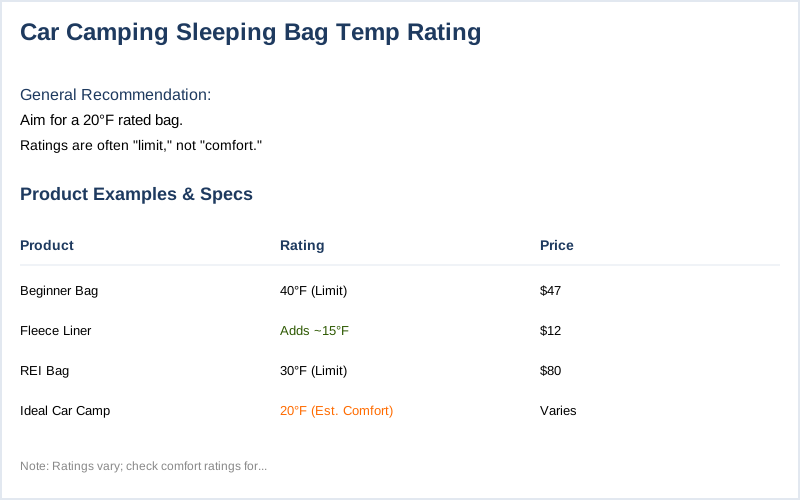
My first car camping trip was a $47 experiment in a Honda Civic hatchback in Shenandoah Valley. Mid-October. I had a Walmart foam pad, a sleeping bag rated to 40 degrees F, and zero idea that the temperature drops 15 degrees after midnight in the mountains. By 2 AM I was wearing every piece of clothing in my bag and still shivering.
The fix was a $12 fleece liner from Amazon that turned my 40 degree F bag into a 25 degree F bag. Three years later I still use that same liner on every trip. REI expert advice tells you about standardized tests, but nobody tells you what actually happens when the wind picks up. This is field notes for beginners who just want to not freeze.
Eclean Green talks about comfort ratings, but let's talk about survival ratings, because I've been there.
The Core Answer
The Real Temperature You Need
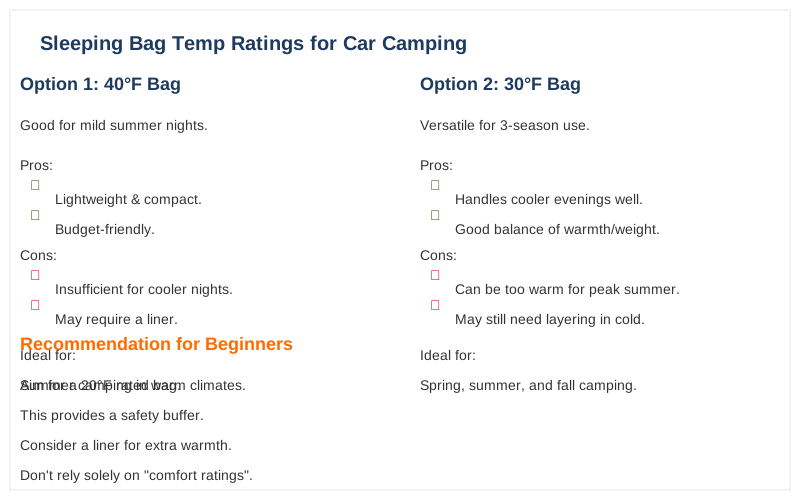
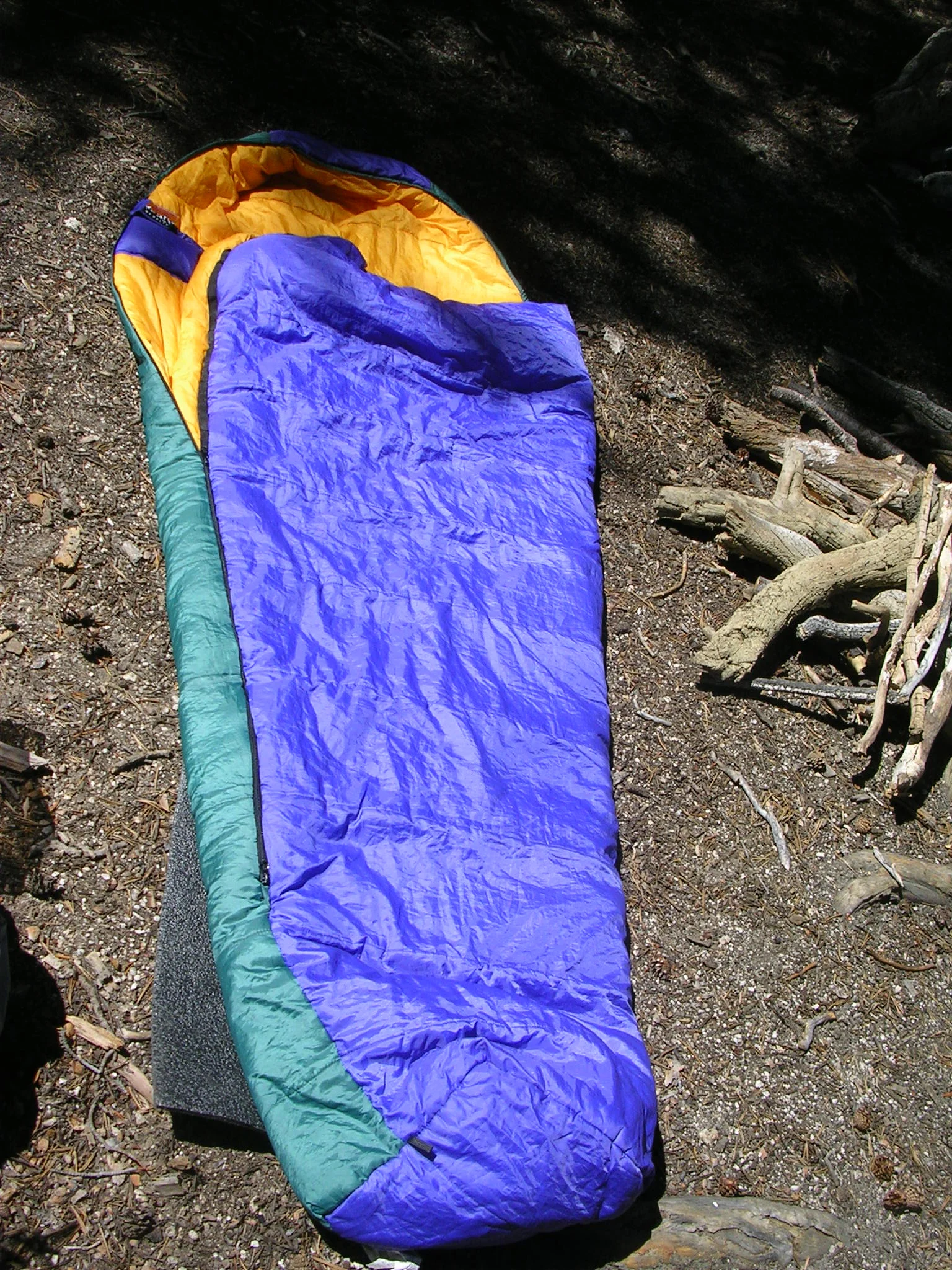
The honest version: for most car camping, especially if you're new to this and not planning on hitting the Arctic Circle, aim for a sleeping bag rated to 20 degrees F. I learned this the hard way at a state park in the Smokies in late September. The forecast said 40 degrees F overnight. My 30-degree bag, which I thought was plenty, felt like a damp paper towel.
What nobody tells beginners is that those temperature ratings are usually 'limit' ratings, not 'comfort' ratings. That means it's the temperature at which a hypothetical person can survive, not necessarily sleep soundly. My $80 bag from REI has a 30-degree limit, but I woke up feeling like I'd slept in a meat locker. It's like buying a car with a top speed of 150 mph but you can only comfortably drive it at 60.
If you're only camping in the dead of summer in the desert, maybe a 40-degree bag is fine. But if you plan on doing anything outside of July and August, or if you're anywhere with elevation, you need more buffer. A 20-degree bag is the game-time decision for three-season car camping. Reddit users agree that one bag for everything usually means a 20-30 degree F rating is the sweet spot.
I spent $150 on a 20-degree bag after that chilly night, and it's been worth every penny. I've used it from late spring through early fall. The extra insulation means I'm not wearing all my clothes to bed. Brilliant engineering, right?
Think of it this way: it's always easier to vent a bag that's too warm than to magically generate heat when you're freezing. A 20-degree bag gives you that flexibility. Yellowstone Insiders recommend a 15-20 degree bag for comfort, and they're dealing with some serious nights.
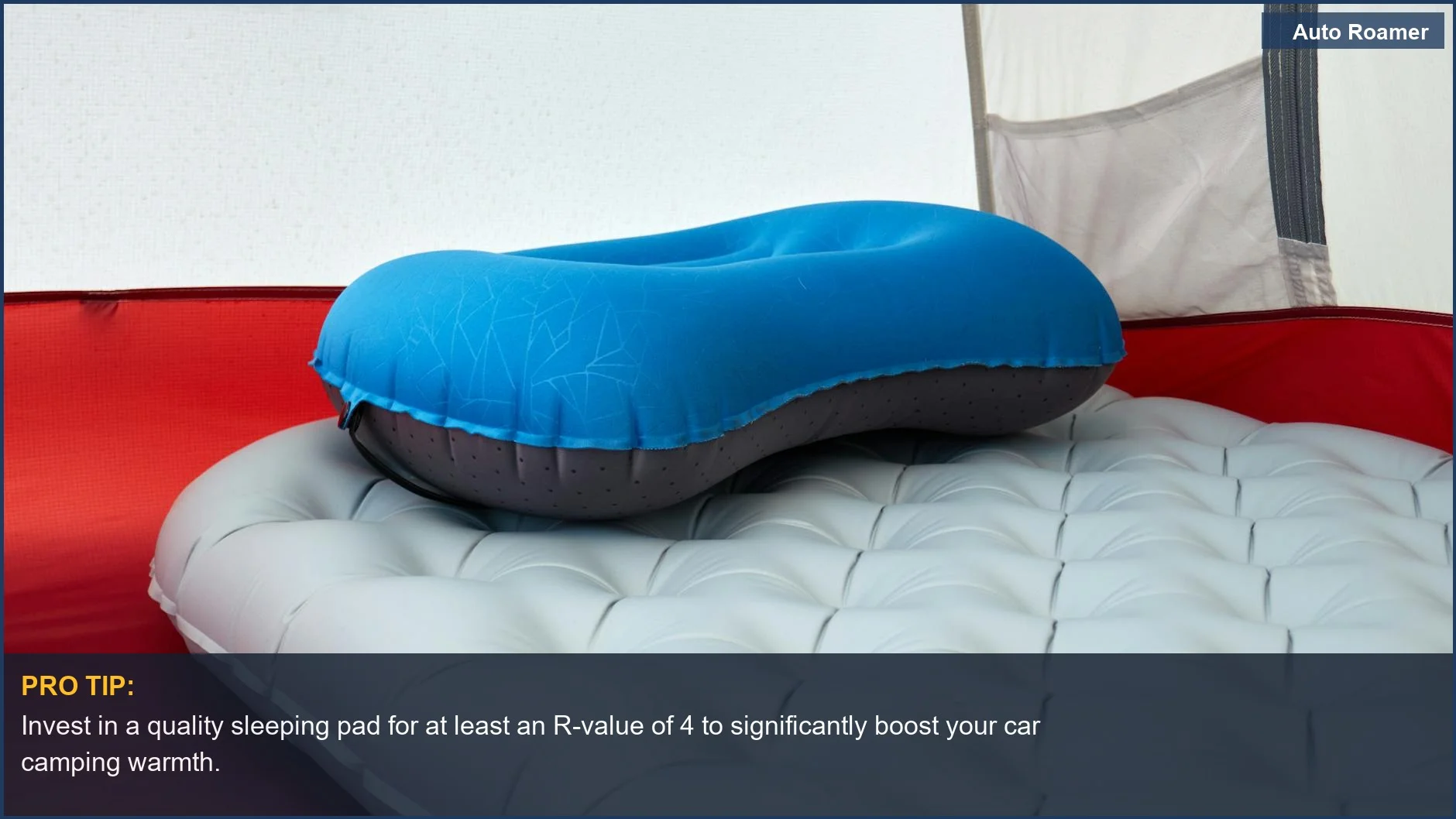
Your sleeping pad also matters. A cheap foam pad isn't going to do much for insulation from the ground. That's a whole other lesson I learned, but for now, focus on the bag. A 20-degree F bag is your best bet for not having a miserable first few trips.
Why This Matters for Your Setup
Every car camping guide tells you to 'level your vehicle' before sleeping. Nobody tells you HOW. I spent 20 minutes at a state park in West Virginia trying to figure out if my Subaru was level by rolling a water bottle across the mattress. The real move: park nose-slightly-uphill so your head is higher than your feet. That is it. You do not need a bubble level.
You need to not wake up with a headache from blood pooling in your skull.
- Your Car is Your Shelter: Unlike tent camping, your car provides a solid roof and walls. This means you're dealing with different temperature dynamics. The metal shell can radiate heat, but it also offers protection from wind. Quora users discuss how the car's insulation plays a role, but it's not a magic bullet.
- Ground Insulation is Key (Even in a Car): You're still losing heat to the ground, even if it's a few inches of car floor. A good sleeping pad is crucial. My first trip, I just used the foam pad and the cold seeped right through. My current setup involves a cheap inflatable pad that makes a huge difference. REI stresses this point, and they're not wrong.
- The 'Comfort' vs. 'Limit' Trap: Seriously, this is the biggest rookie mistake. That 30-degree rating on the tag? It's probably the limit. For car camping where you can bring extra stuff, a 20-degree F bag is the $50 version of peace of mind that will keep you from shivering your way through the night. YouTube explanations break down the EN ratings, but the real world is messier.
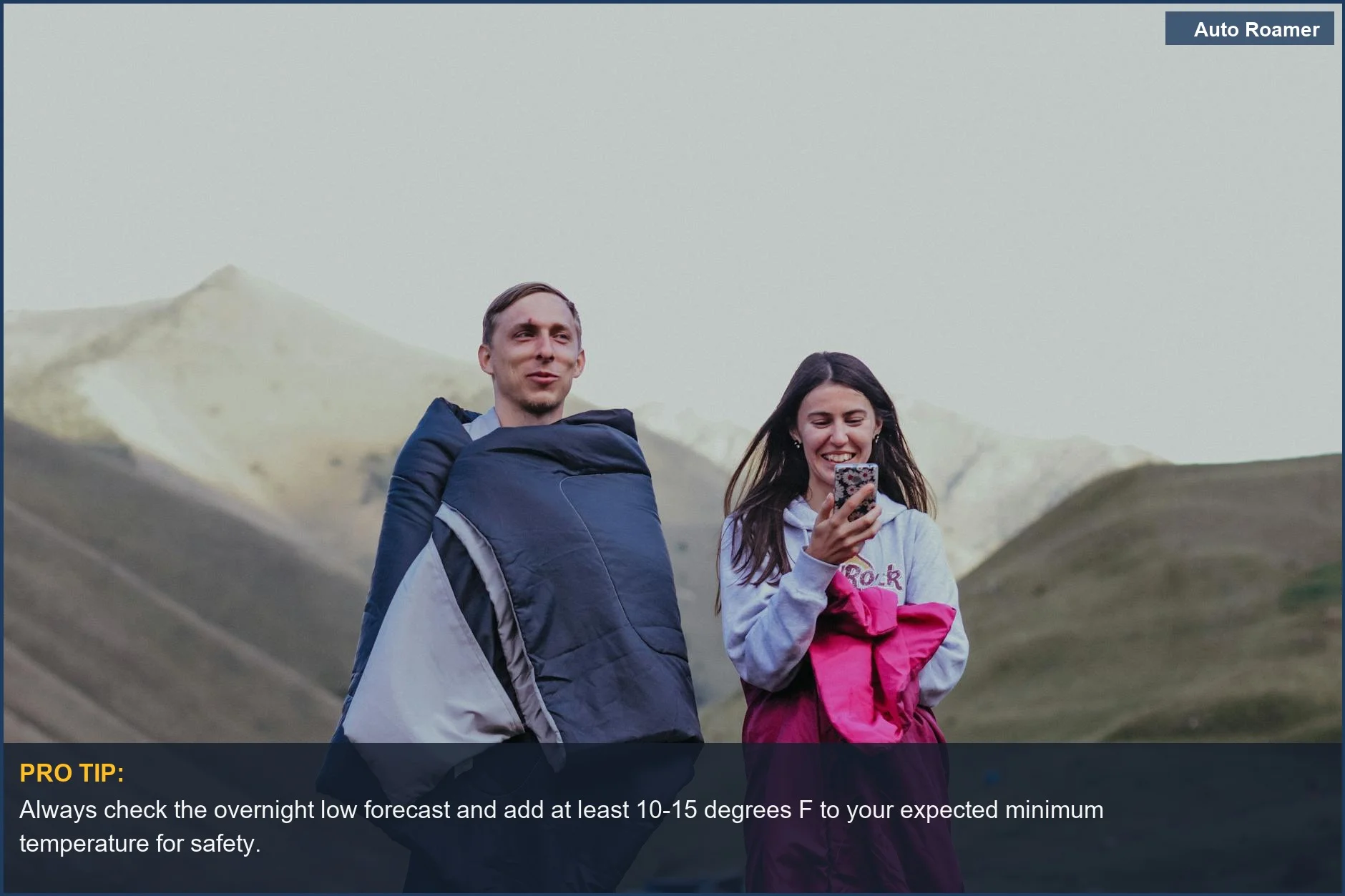
- Weather is Unpredictable: Mountain weather changes fast. I've seen clear skies turn into a downpour with a sharp temperature drop in less than an hour. Having a bag rated for colder than you think you'll need is just smart planning. Nobody wants to be the person digging through their gear at 3 AM for an extra blanket.
Making the Right Choice
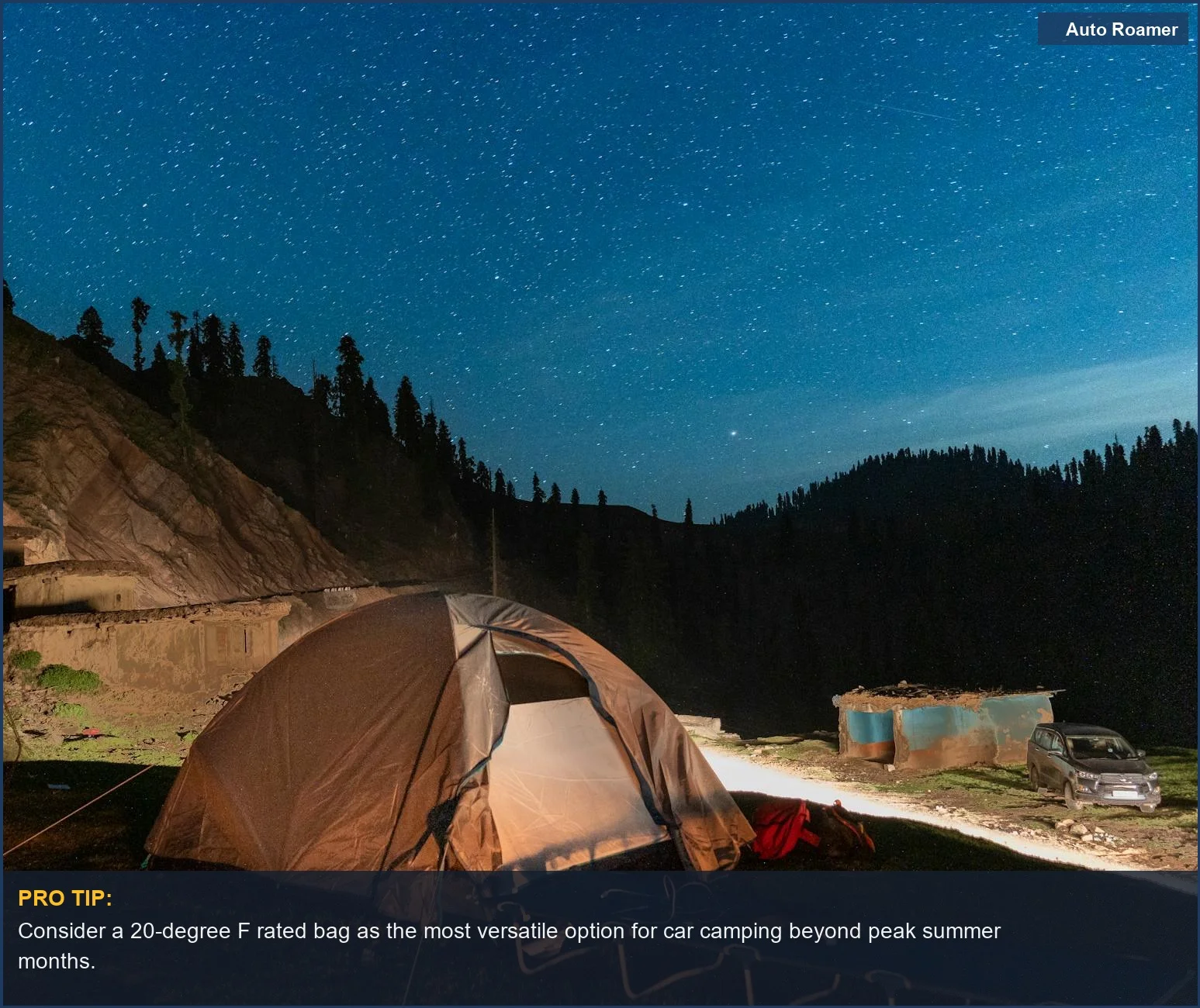
So, what's the takeaway? If you're buying one bag for car camping and plan to go beyond the peak of summer, get a 20-degree F rated bag. It's the most versatile option and the best insurance against a miserable night. The consensus online leans heavily towards this range for a do-it-all bag.
Don't get caught in the 'limit' rating trap. That's a fast track to a cold, sleepless night. My $12 fleece liner is still a staple, but a good base bag makes a world of difference. This YouTube video covers the importance of ratings, but it's all theory until you're actually there.
Consider the lowest temperatures you might encounter, then add a buffer. A 20-degree F bag from a decent brand can often be found for around $100-$150. That's a worthwhile investment for years of comfortable trips. It's the $50 version of a good night's sleep versus a $100 version of shivering and regretting your life choices.
Ultimately, the best bag is the one that keeps you warm. But starting with a 20-degree F rating is the smartest move for most beginner car campers. Trust me, I've done the shivering so you don't have to. Eclean Green agrees that lower is generally better if you're unsure.
A cold sleeping surface undoes a good bag — here's why an air mattress feels cold and how to fix it.