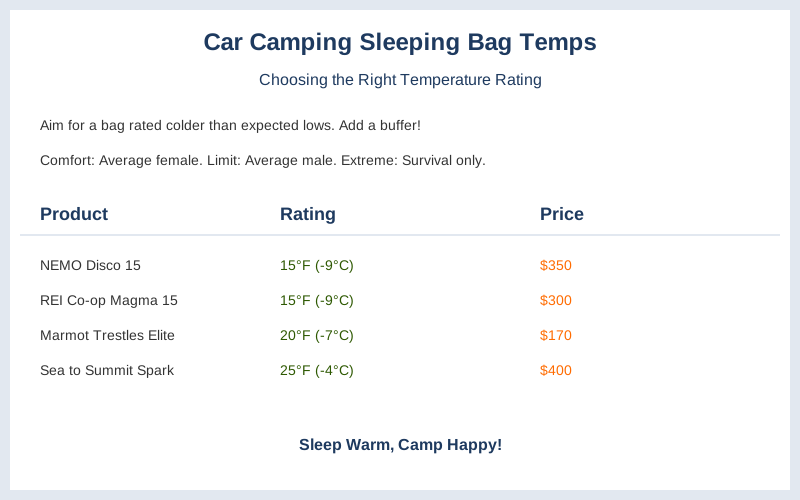
The number on the bag is not the temperature you'll be comfortable at
As an Amazon Associate we earn from qualifying purchases.
The single biggest misunderstanding about sleeping-bag temperature ratings is treating the headline number as a comfort promise. It is not. Based on published EN/ISO test standards and what owner reviews consistently report, that number is usually the temperature at which an average sleeper survives the night — cold, but alive — not the temperature at which they sleep well.
This guide is about reading the rating honestly: what the standard actually measures, why a single number hides three, and the car-camping-specific factors that shift the real-world result. If you just want to know which rating to buy for your trips, our companion guide to the rating you need answers that directly; this one explains the system so the number on any bag means something to you.
The EN/ISO standard, and the three numbers it actually reports
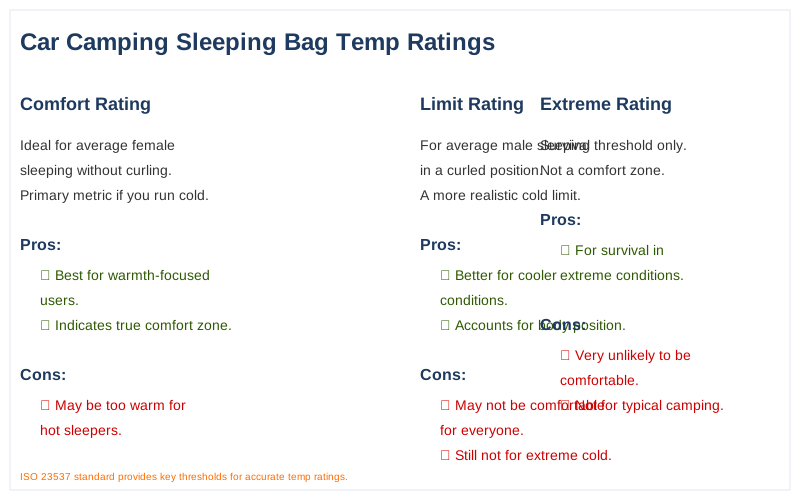
Reputable bags are tested to the EN 13537 / ISO 23537 standard, which puts a heated mannequin in the bag and reports not one temperature but a range. Understanding the three numbers it produces is the whole skill:
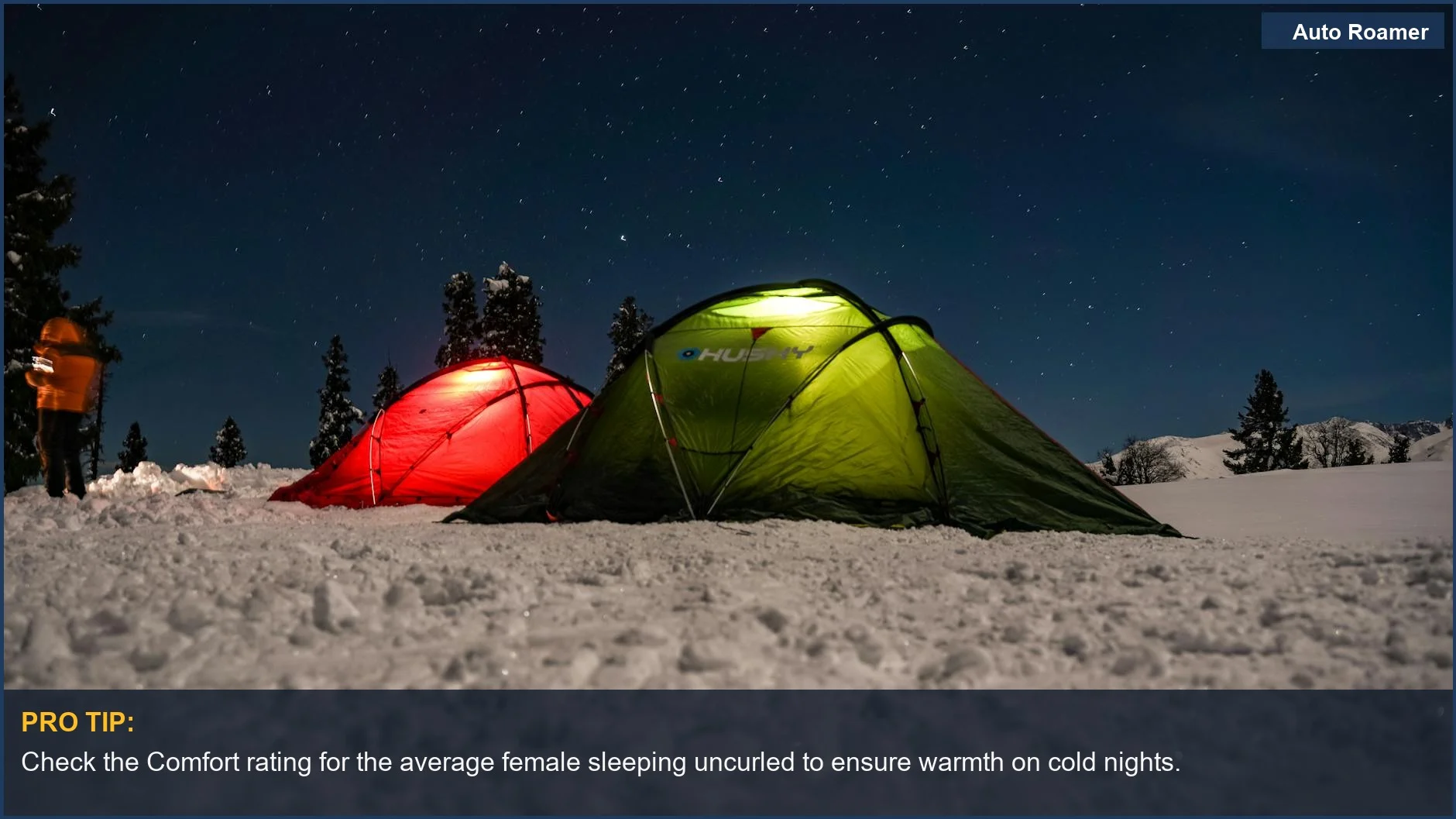
- Comfort — the temperature at which a 'standard' cold-sleeping adult can sleep comfortably in a relaxed position. This is the number most people should actually buy by.
- Limit — the temperature at which a 'standard' warm-sleeping adult can sleep for eight hours curled up, on the edge of shivering. Marketing often prints this one as the headline because it sounds colder.
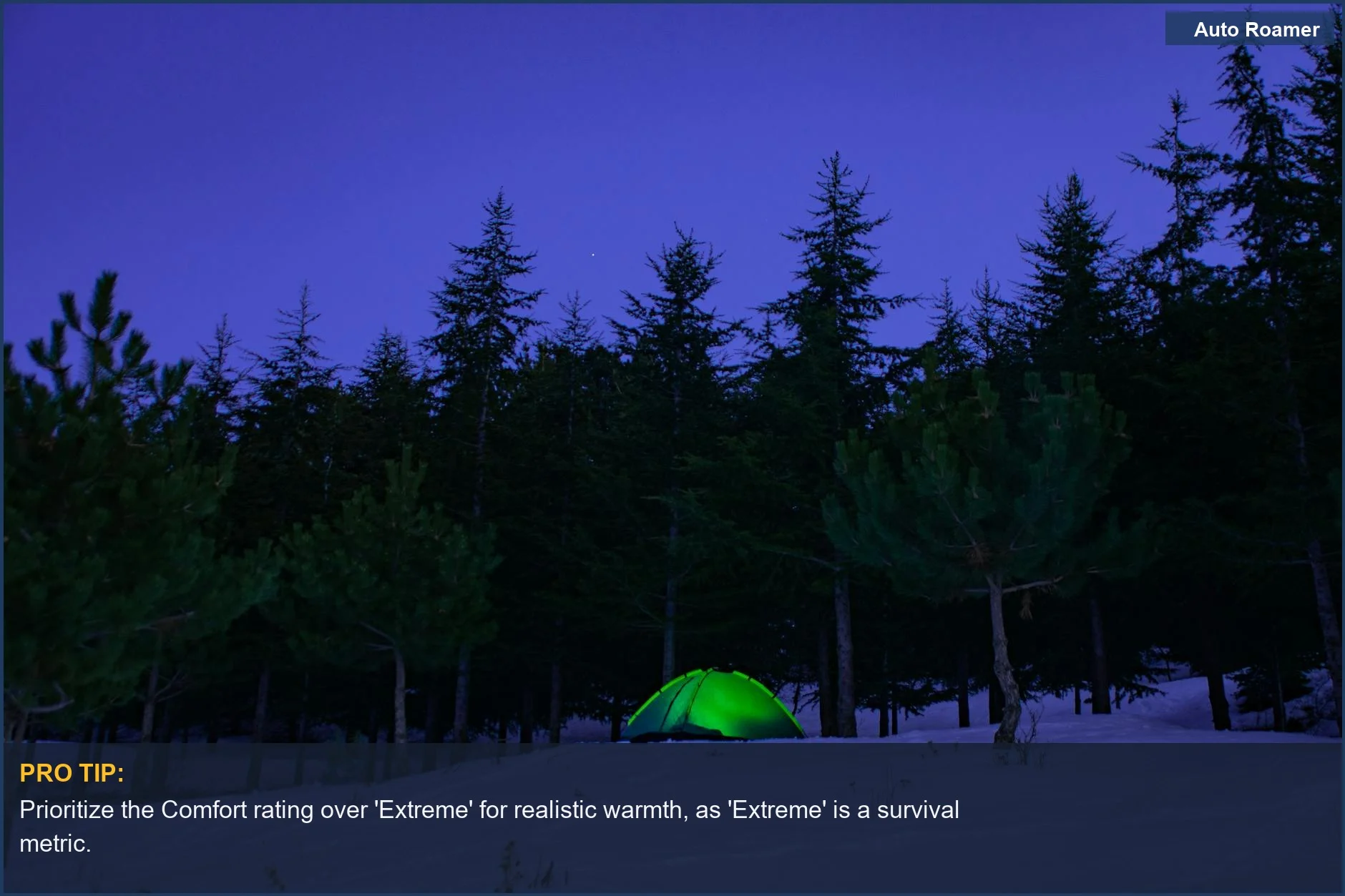
- Extreme — a survival-only number: the cold at which serious hypothermia risk begins. It is not a use rating, and reviewers are blunt that treating it as one is how people end up freezing.
So when a bag is sold as a '20°F bag,' the honest question is: 20°F by which number? If that is the Limit or Extreme figure, your comfortable temperature may be 10–20 degrees warmer than the label implies.
Why a tested number still misleads in the real world
Even an honestly EN/ISO-rated bag is a lab result, and owner reviews are full of the gap between lab and campsite. The standard makes assumptions your trip may not match.
The test assumes a sleeper wearing a base layer, using an insulating pad, inside a tent — not a person in a t-shirt lying on a bare car floor. It also uses a 'standard' man and woman; if you sleep cold, run the Comfort number, and many manufacturers publish separate men's and women's ratings precisely because women statistically sleep colder. Wind, humidity, a damp bag, and a poor night's food all push your real comfort temperature up, sometimes well above the label.
The practical takeaway reviewers repeat: read the EN/ISO numbers as a relative, comparable baseline between bags — genuinely useful for that — but add your own margin for who you are and how you camp, rather than trusting the headline to the degree.
It also helps to know what the standard does not cover at all. It says nothing about how a bag breathes when the night turns mild, nothing about whether the down stays lofted after it gets damp, and nothing about draft collars or zipper baffles that decide whether your body heat stays in or leaks out. Two bags with the identical Comfort rating can sleep very differently because of those construction details, which is exactly why owner reviews — people reporting how a bag actually slept across real nights — remain worth reading alongside the lab number.
Car camping changes the math — usually in your favor
Here is the part the general rating guides skip: car camping is a different thermal situation than backpacking, and it shifts the rating you need.
What works for you: in a vehicle or a roomy car-side tent you are sheltered from wind, you can bring a thicker, heavier, warmer bag because weight does not matter, and you can stack a quilt or blanket on top on a cold night without a second thought. What works against you: a vehicle's metal shell and glass radiate heat away fast, and the cold rises straight through the floor, so the surface under you matters more than the bag above you.
That last point is the one car campers underrate. A bag's rating assumes proper insulation beneath you; lying on a cold car floor or a thin pad, even a warm bag feels far colder than its number, because the weight of your body crushes the bag's underside insulation flat and the cold surface conducts heat straight out of you.
A pad or mattress with a real R-value — the spec that measures insulation from the ground — is what makes the bag's rating real. As a rough guide, owners suggest an R-value around 2 to 3 for mild nights and 4 or higher once temperatures drop near or below freezing. Pair a decent bag with a insulated sleeping pad and you sleep warm at the bag's Comfort number; skip it and you shiver at temperatures the bag should handle. For the down-versus-synthetic side of warmth, see our fill-type comparison.
How to actually use a rating when you shop
Owner reviews converge on a simple, honest method for turning the rating system into a good purchase:
- Find the Comfort number, not the headline. If only a single rating is listed, assume it is the Limit and mentally add roughly ten degrees for comfort.
- If you sleep cold — or you're choosing for someone who does — buy a Comfort rating below your expected low, not at it.
- Add margin for car-camping reality: a cold floor, a thin pad, or a damp night all eat into the rating.
- Prefer a slightly warmer bag you can vent over a too-cold bag you can't add to. A bag with a full-length zipper opens up on a mild night but can't be made warmer than it is.
Reviewers also flag a quiet truth: an EN/ISO tag is itself a quality signal. A bag with no standardized rating at all — just a marketing number — is the one most likely to disappoint, because nothing independent backs the claim.
The bottom line: read three numbers, then add your own margin
A sleeping-bag temperature rating is a useful, comparable spec once you know it reports a range, not a promise. Buy by the Comfort number, treat Limit as 'survivable but cold,' and ignore Extreme as a use rating entirely.
For car camping, remember the rating assumes insulation beneath you. The fastest way to make a bag perform at its number is a pad with a real R-value — cold comes up through the floor first, and no bag fixes a cold surface under you.
Do that and the number on the bag finally means something you can plan around. Ignore the system and you either freeze in a bag rated colder than it sleeps, or overpay for a survival number you will never camp at. The sleepers who stay warm are the ones who read the Comfort figure, added margin for the floor and their own cold-sleeping, and matched the bag to a properly insulated surface — not the ones who trusted the biggest number on the tag.
One last habit worth building: think in systems, not single items. Your warmth on a given night is the sum of the bag's Comfort rating, the pad's R-value, what you wear to bed, and whether you can vent or add a layer as the temperature swings. Change any one of those and the comfortable temperature changes with it. Buy the bag with that whole system in mind and a single number on a tag stops being something you gamble on and becomes one input you actually control.